
 English
 中文简体
中文简体 русский
 Español
Explore Our Product Range
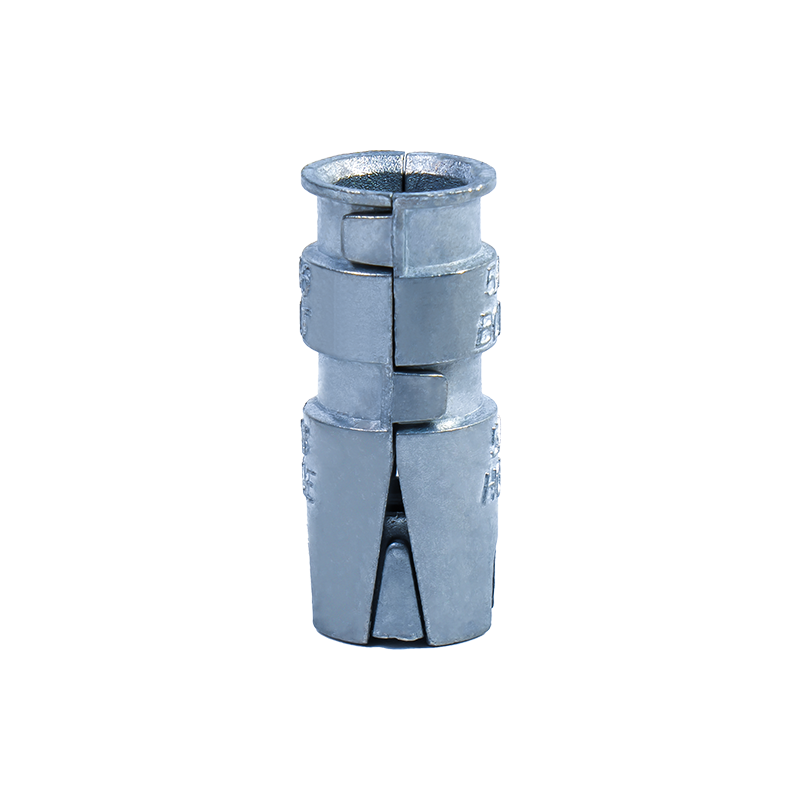
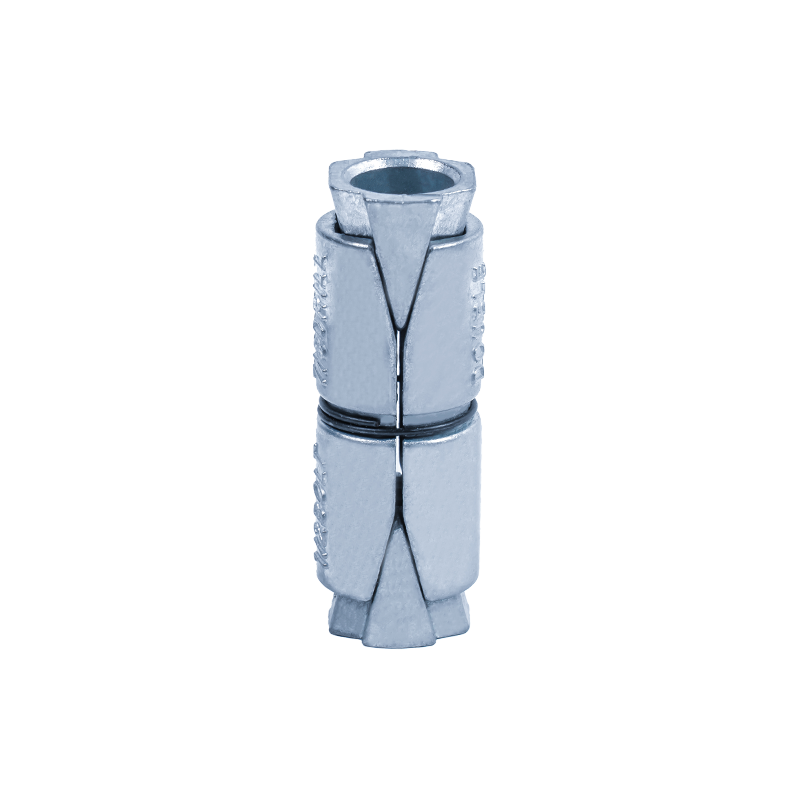
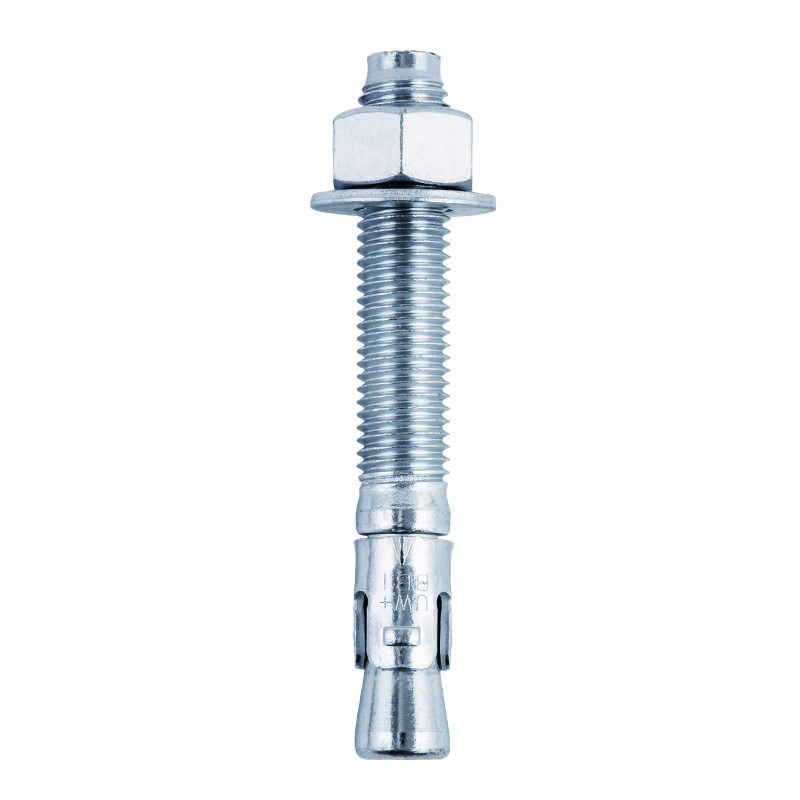
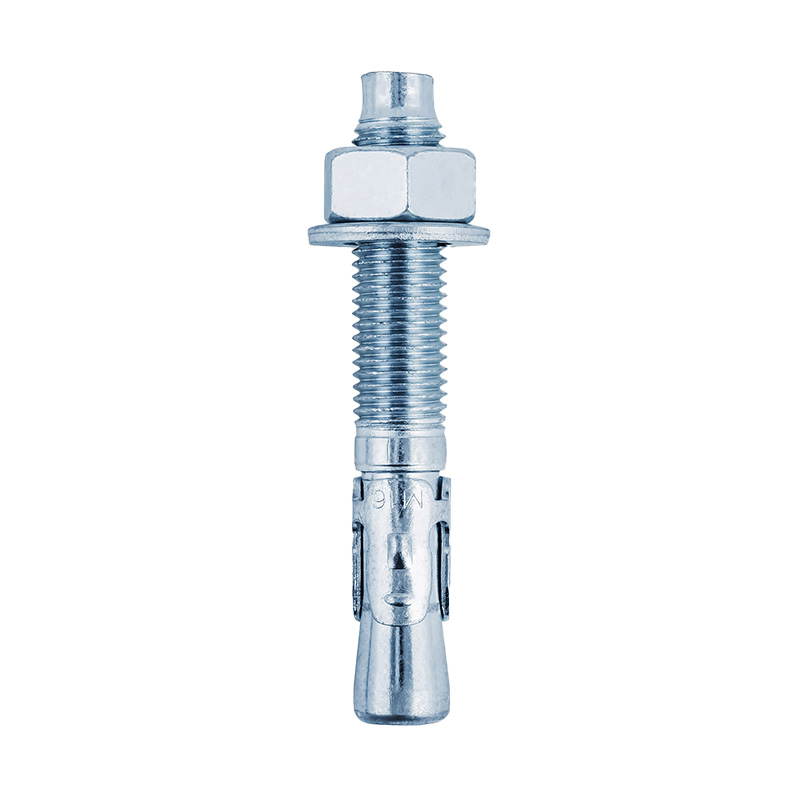
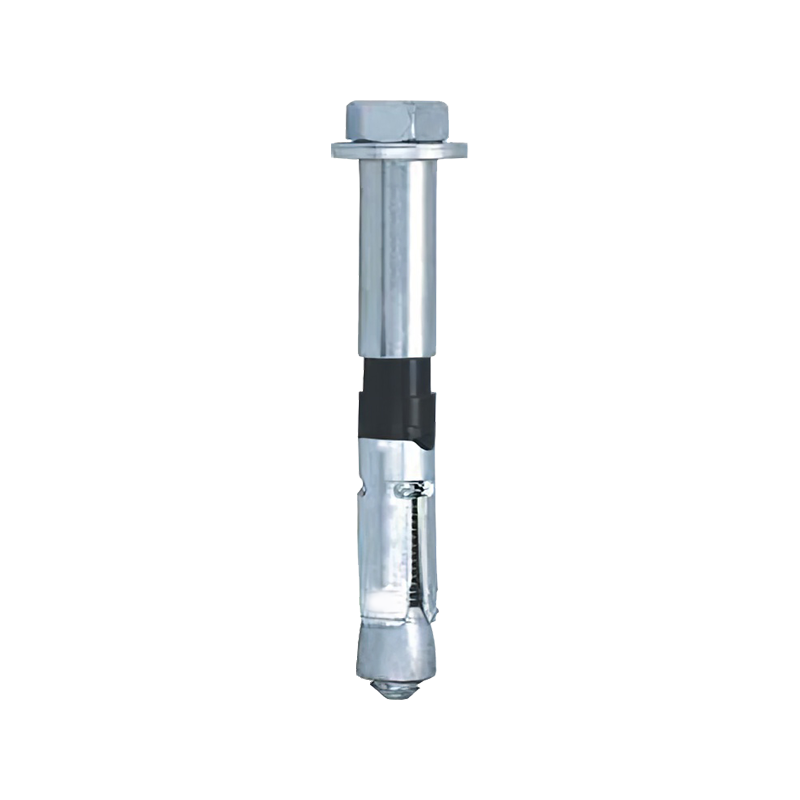
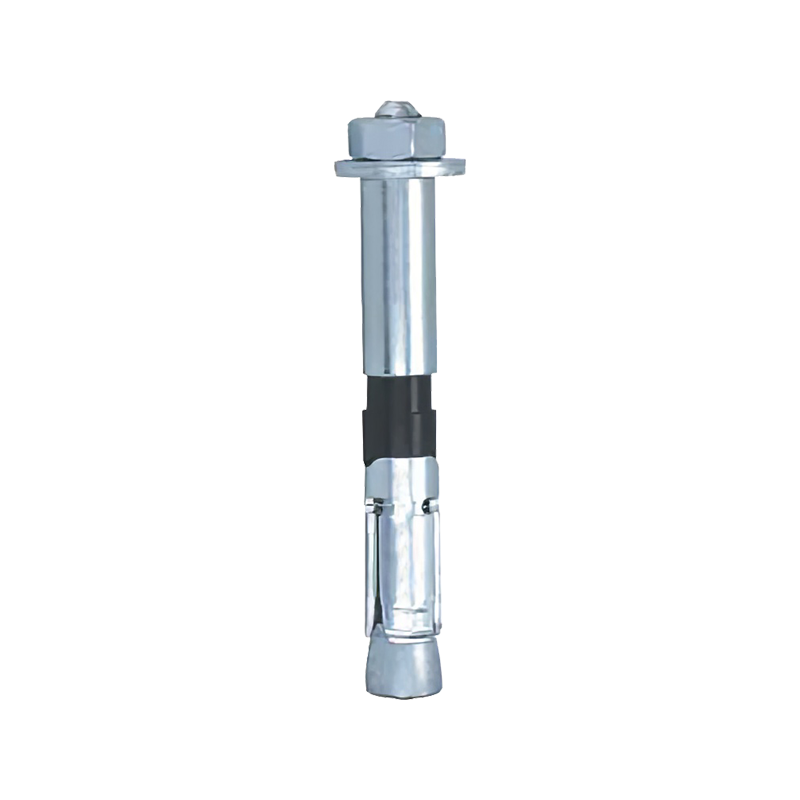
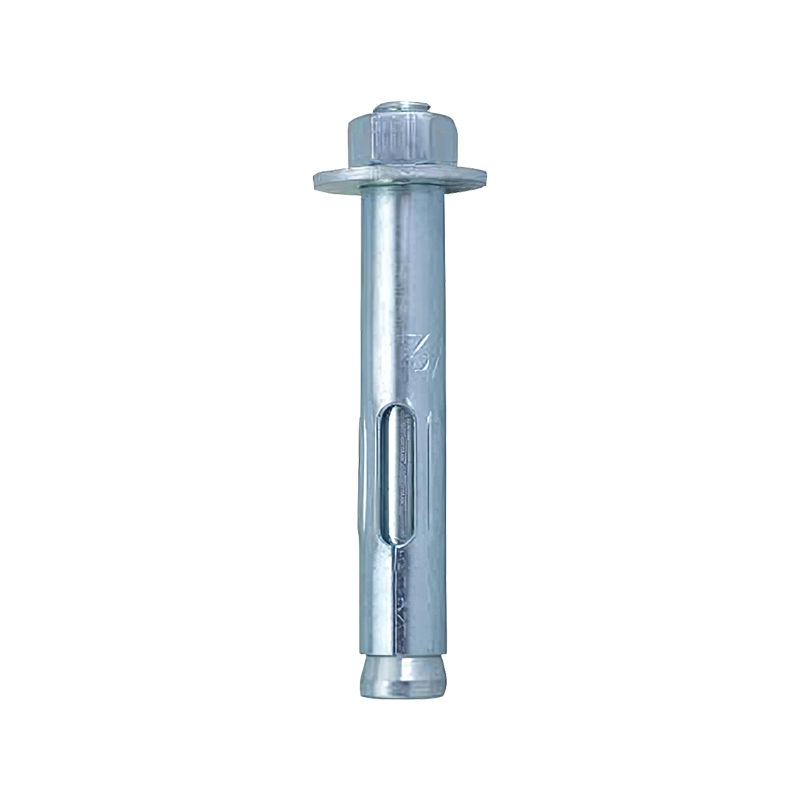
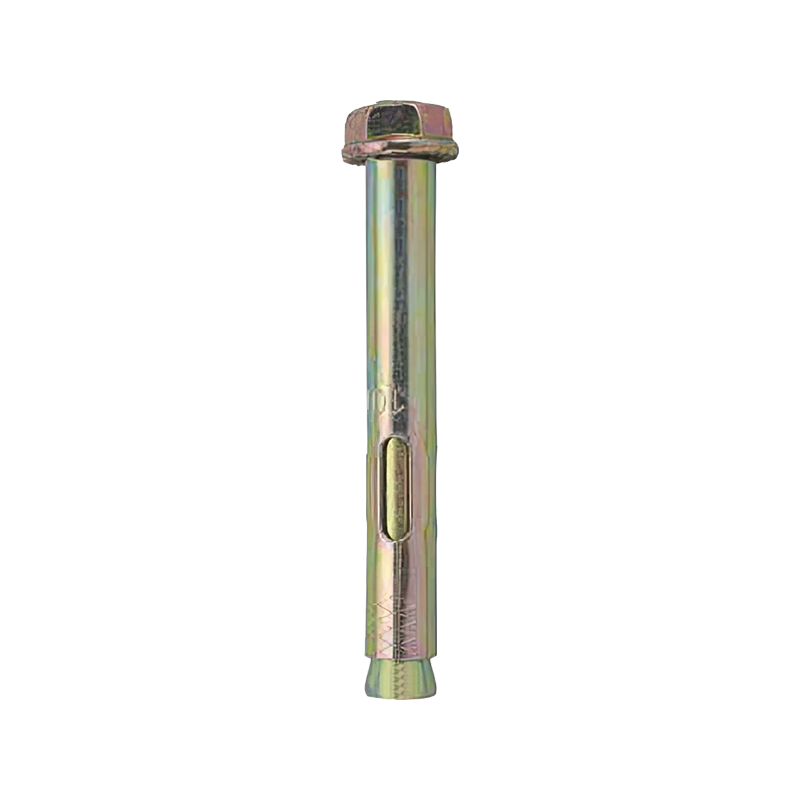
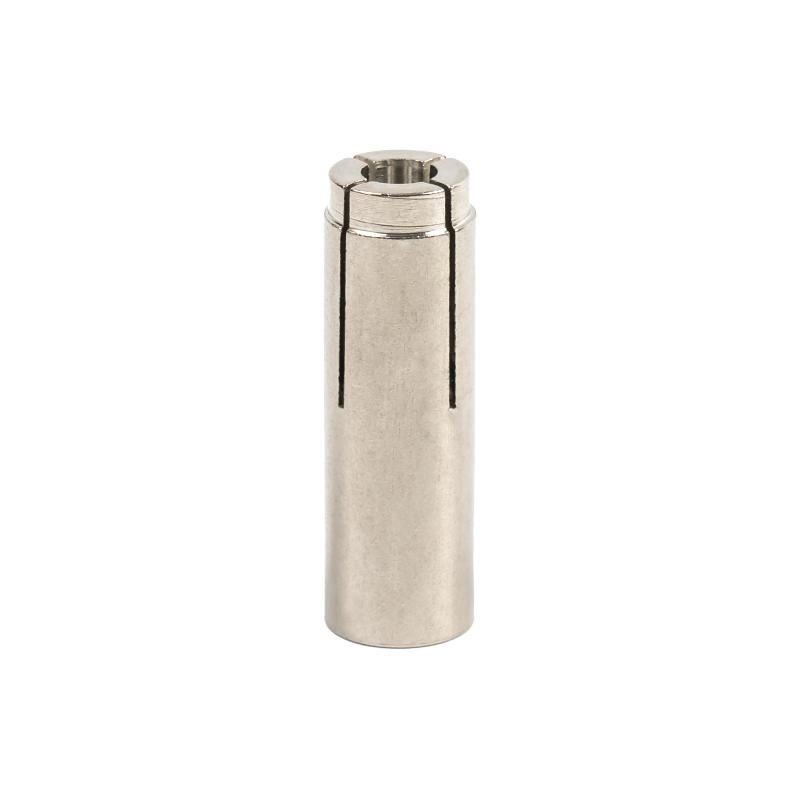
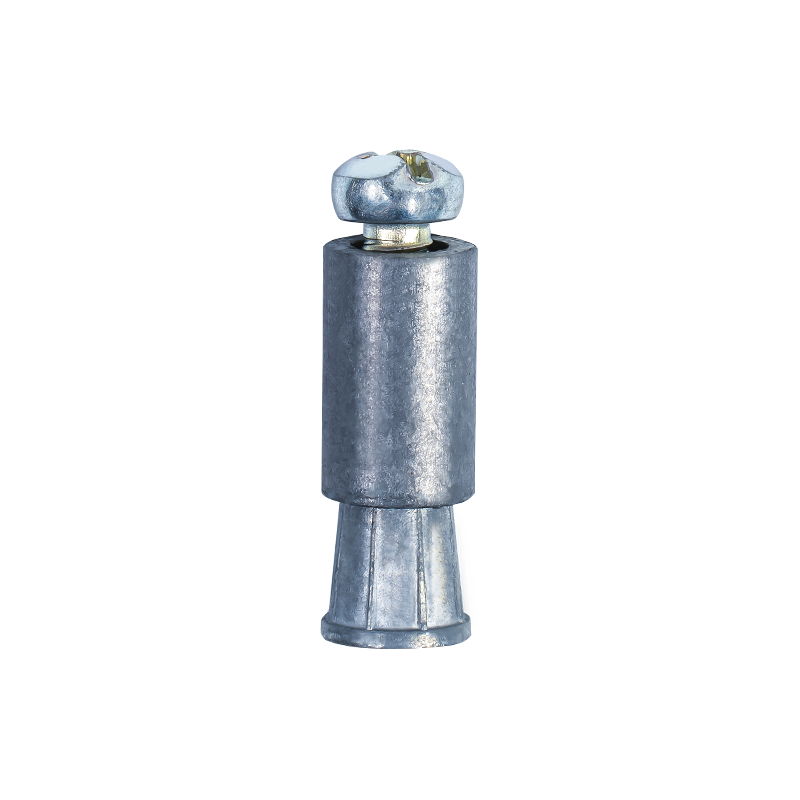
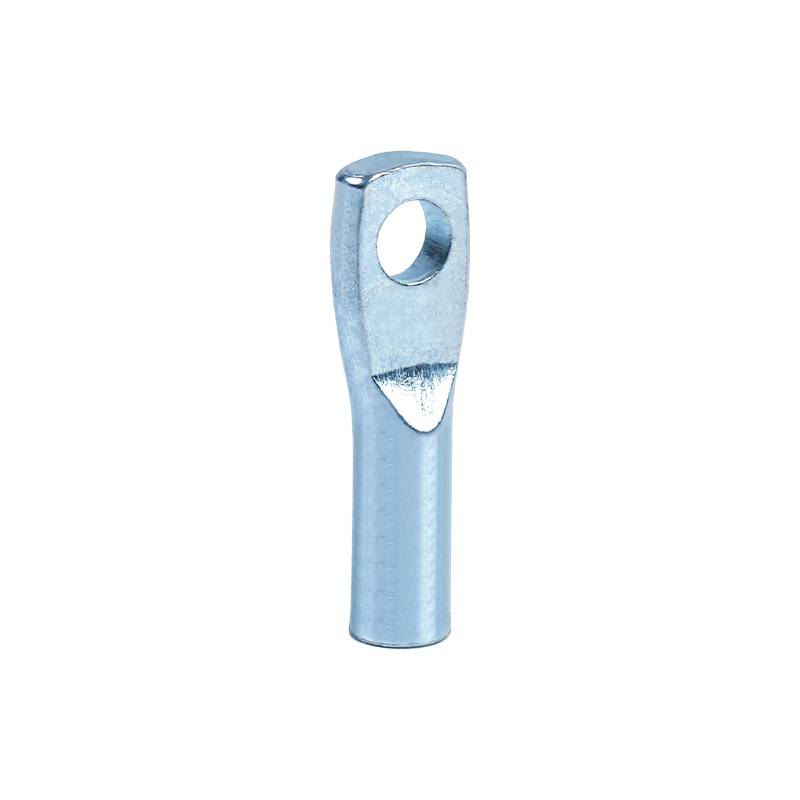
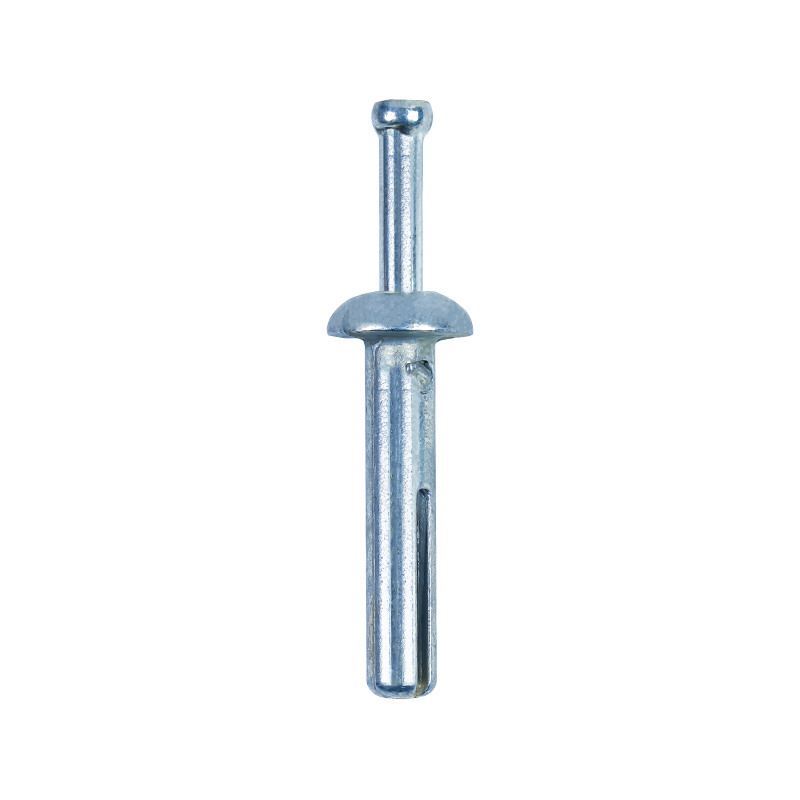
Zinc Alloy
Single Expansion Anchor
Economical single-piece expansion anchor manufactured from corrosion-resistant zinc alloy. Ideal for light to medium duty applications in concrete, brick, and block where cost-effective anchoring is required without compromising on corrosion resistance.
Economical Corrosion-Resistant Anchoring for Light to Medium Duty Applications
The Zinc Alloy Single Expansion Anchor represents a cost-effective alternative to stainless steel and carbon steel anchors for light to medium duty applications. Manufactured from a specialized zinc alloy composition, this anchor provides inherent corrosion resistance without the need for additional plating or coating. The single expansion design simplifies manufacturing and reduces cost while providing reliable holding power in concrete, brick, and block for non-structural applications.
The zinc alloy material offers several important advantages over traditional carbon steel anchors. First, zinc alloy is naturally corrosion resistant in dry indoor environments, eliminating the need for electro-plating or other surface treatments. Second, the material can be cast or machined into complex shapes at lower cost than steel. Third, zinc alloy anchors are lighter than steel anchors of equivalent size, reducing shipping costs and handling fatigue. Fourth, the material is non-sparking, making it suitable for certain hazardous environments where steel tools are restricted. These characteristics make zinc alloy single expansion anchors popular in consumer products, electrical installations, and general construction.
The single expansion mechanism is the simplest form of mechanical expansion anchor. The anchor consists of a one-piece body with a tapered expansion section and longitudinal slots. When the anchor is driven into a pre-drilled hole and the screw or bolt is tightened, the tapered section is drawn into the slotted portion, forcing the anchor legs to expand outward against the hole wall. Unlike multi-piece sleeve or wedge anchors with separate clips and cones, the single expansion anchor is a single component. This simplicity reduces manufacturing cost and eliminates assembly errors, but also limits the anchor's expansion range and load capacity compared to more complex designs.
The zinc alloy single expansion anchor is available in several head configurations to suit different applications. Countersunk flat head versions sit flush with the fixture surface for aesthetic installations. Round head versions provide maximum bearing area for softer materials. Hex head versions allow higher torque application for heavier loads. Most zinc alloy anchors are driven using a Phillips or hex socket drive, making them compatible with common screwdrivers and impact drivers. The anchors are typically installed with a pre-assembled screw or bolt, simplifying the installation process for contractors and DIY users.
Installation of zinc alloy single expansion anchors follows a straightforward process that can be performed with basic tools. A hole is drilled into the base material using a drill bit sized according to the anchor manufacturer's specifications. The hole is cleaned to remove dust. The anchor is inserted through the fixture and into the hole. A screw or bolt is then tightened, causing the anchor to expand against the hole wall. The anchor provides immediate holding power with no curing time. For most applications, a standard screwdriver or drill driver is sufficient for installation, though torque-controlled drivers are recommended for consistent results.
For light to medium duty applications where cost is a primary concern and where extreme loads are not anticipated, the zinc alloy single expansion anchor offers an excellent balance of performance and economy. The inherent corrosion resistance of zinc alloy eliminates concerns about rust in indoor environments. The simple single expansion mechanism is reliable when installed correctly. The lightweight construction reduces shipping costs. And the wide availability of sizes and head styles makes this anchor suitable for everything from residential shelving to commercial electrical installations. When maximum load capacity is not required, the zinc alloy single expansion anchor provides dependable service at a fraction of the cost of stainless steel or heavy-duty carbon steel anchors.
Zinc Alloy Construction
Die-cast zinc alloy provides inherent corrosion resistance. No additional plating required. Lighter than steel. Suitable for dry indoor and sheltered applications.
Single Expansion Mechanism
One-piece body with slotted expansion section. Simple and reliable. Lower cost than multi-piece sleeves or wedge anchors. Suitable for light to medium duty.
Multiple Head Styles
Available in countersunk flat head, round head, and hex head configurations. Match head style to fixture type and aesthetic requirements.
Zinc Alloy Single Expansion Anchor Specifications
| Parameter | Specification |
|---|---|
| Material | Zinc alloy per ASTM B86 or equivalent |
| Tensile Strength | 250 to 350 megapascals depending on alloy and design |
| Diameter Range | M4 through M12 / #6 through 1/2 inch |
| Length Range | 20mm through 100mm |
| Head Styles | Countersunk flat, round head, hex head, pan head |
| Drive Types | Phillips, slotted, hex socket, external hex |
| Operating Temperature | Minus 20 degrees Celsius to plus 80 degrees Celsius |
| Corrosion Resistance | Good for indoor dry environments. Limited for outdoor use. |
| Base Materials | Concrete, brick, solid block, stone |
Ordering and Availability
Zinc Alloy Anchor Support
Need load tables or installation guidance for light duty anchoring? Our technical team responds within 24 hours.
Request Zinc Anchor DataZinc Alloy Single Expansion Anchor Applications
Electrical Installations
Mounting conduit clips, junction boxes, cable trays, and light fixtures to concrete and masonry surfaces in commercial and residential buildings.
Residential DIY
Shelving brackets, curtain rods, wall-mounted cabinets, towel bars, and picture frames in homes and apartments.
HVAC and Plumbing
Support brackets for ductwork, pipe hangers, and small equipment anchors in mechanical rooms.
Signage and Displays
Wall-mounted signs, retail displays, promotional fixtures, and temporary installations requiring secure anchoring.
Core Advantages of Zinc Alloy Single Expansion Anchors
Cost Effective
Lower material and manufacturing cost than carbon steel or stainless steel anchors. Economical choice for high-volume light duty applications.
Corrosion Resistant
Zinc alloy naturally resists rust in dry indoor environments. No additional plating required. White corrosion may appear in humid conditions but does not affect strength.
Lightweight
Approximately 30 percent lighter than steel anchors of equivalent size. Reduces shipping costs and installer fatigue on large projects.
Simple Installation
One-piece design with pre-assembled screw. Install with standard drill and screwdriver. No special tools or torque requirements for light duty applications.

Yuyao Nanshan Development Co., Ltd.
Yuyao Nanshan Development Co., Ltd. was established in 1999 and is located in Ningbo with elegant and charming environments and enjoys convenient transportation.
Yuyao Nanshan Development Co., Ltd. is China Zinc Alloy Single Expansion Anchor Manufacturers and Wholesale Zinc Alloy Single Expansion Anchor Factory, specializes in producing Wedge Anchor with professional production equipment. Nanshan has strong technologies with advanced facilities and imported automatic production machines and inspection equipment. Nanshan also is using the ERP to control the production process line and has set up a research & development center for continued innovation and to meet the requirements of more and more customers from all over the world.
Our products extensively are used in steel high constructions, tunnel projects, bridges, railways, airport stations, high way, sea ports, nuclear power plants, and so on.
Yuyao Nanshan Development Co., Ltd. adheres to the principle of "quality the eternal base, credit forever pursuit", we will spare no effort to provide our customers with more stable quality and more wonderful service.

Zinc Alloy Single Expansion Anchor Installation Procedure
Select Correct Drill Bit
Consult anchor packaging for recommended drill bit size. Typically 0.5 to 1.0mm larger than anchor diameter. For zinc alloy anchors, using the correct bit size is essential to prevent over-expansion or insufficient grip.
Drill Hole to Depth
Drill hole to depth equal to anchor length plus 5 to 10mm for dust accumulation. For concrete, use hammer drill with carbide bit. For masonry, use rotary drill with masonry bit.
Clean Hole
Remove all dust from hole using compressed air or blow pump. For zinc alloy anchors, thorough cleaning is important but slightly less critical than for steel wedge anchors due to lower expansion forces.
Insert and Drive Anchor
Place fixture over hole. Insert zinc alloy anchor through fixture. Using appropriate screwdriver or drill driver, tighten the screw. The anchor will expand against the hole wall. Stop when screw is snug.
Zinc Alloy Installation Tips
- Drill bit size is critical — too small and anchor cannot be inserted. Too large and expansion will be insufficient.
- Do not overtighten — zinc alloy has lower strength than steel. Stop when screw head contacts fixture. Overtightening can strip threads or deform anchor.
- Use manual screwdriver for smaller anchors to feel when anchor is properly set.
- For impact drivers, use low torque setting and stop immediately when seated.
- For hollow block, select longer anchors that engage block webs. Standard anchors may not expand sufficiently in hollow cavities.
Tools Required
Zinc Alloy vs. Carbon Steel vs. Stainless Steel Anchors
Zinc Alloy Anchor Quality Control
Alloy Composition
Spectrometer verification of zinc alloy composition per ASTM B86. Ensures consistent mechanical properties and corrosion resistance.
Dimensional Inspection
100 percent gauge inspection of critical dimensions. Slot depth, expansion section geometry, and thread form verified for consistent expansion.
Pull-Out Testing
Sample anchors tested in concrete test blocks. Pull-out values verified to meet published specifications per lot.
Drive Test
Sample anchors installed using production tools. Expansion verified and torque-to-seat measured for consistency.
Zinc Alloy Anchor Design Parameters
Minimum Embedment
Zinc alloy single expansion anchors require 2.5 to 3 times anchor diameter minimum embedment. Shallower than steel anchors due to lower expansion forces. Deeper embedment increases pull-out capacity.
Edge Distance Requirements
Minimum edge distance for zinc alloy anchors is 4 times anchor diameter in concrete, 5 times in brick. Lower expansion forces reduce concrete splitting risk compared to higher strength steel anchors.
Maximum Load Limitations
Zinc alloy has lower tensile strength than steel. Do not use for structural or safety-critical applications. Limit to light duty non-structural anchoring such as fixtures, signs, and light equipment.
Temperature Limitations
Zinc alloy anchors are suitable for indoor ambient temperatures from minus 20 to plus 80 degrees Celsius. Not suitable for high temperature applications such as near furnaces or engines.
Environmental Responsibility in Zinc Alloy Anchor Manufacturing
Zinc alloy anchors manufactured with sustainable practices and environmental compliance.
RoHS and REACH Compliance
Zinc alloy free from restricted substances. Fully compliant with EU environmental regulations.
100 Percent Recyclable
Zinc alloy anchors fully recyclable at end of life. Zinc has established recycling infrastructure.
Lower Carbon Footprint
Zinc die-casting requires less energy than steel forging. Lightweight reduces shipping emissions.
Zinc Alloy Anchor Production Process
Die Casting
Zinc alloy heated to molten state and injected into precision dies. Complex shapes formed in single operation. High volume production.
Trimming and Deburring
Flash and gates removed from castings. Slots and expansion features cleaned to ensure proper expansion during installation.
Screw Assembly
Pre-assembled screw or bolt inserted. 100 percent thread inspection verifies proper engagement. Packaging completed.
Zinc Alloy Anchor Production Process Flow
Zinc Alloy Single Expansion Anchor Ultimate Load Capacity
Values shown for zinc alloy anchors in solid non-cracked concrete C20/25. Minimum embedment equals 2.5 to 3 times anchor diameter. Safety factor of 3 to 1 applies for working loads in non-structural applications. These are light duty anchors not intended for structural or safety-critical use.
| Diameter mm | Min Embedment mm | Ultimate Tensile Load kg | Ultimate Shear Load kg | Recommended Max Working Load kg | Typical Drill Bit Size mm |
|---|---|---|---|---|---|
| M4 | 12 | 30 | 25 | 10 | 5 to 6 |
| M5 | 15 | 50 | 40 | 15 | 6 to 7 |
| M6 | 18 to 20 | 80 | 65 | 25 | 7 to 8 |
| M8 | 24 to 25 | 150 | 120 | 50 | 9 to 10 |
| M10 | 30 | 250 | 200 | 80 | 11 to 12 |
| M12 | 36 | 350 | 280 | 115 | 13 to 14 |
Values are approximate and vary by anchor design, base material strength, and installation quality. For brick and block, reduce concrete values by 40 to 60 percent. Always test a sample anchor in the actual base material before full installation for critical applications.
Professional Zinc Alloy Anchor Installation Checklist
Pre-Installation Verification
- Confirm base material is suitable for zinc alloy anchor. Not recommended for soft or hollow materials.
- Select correct drill bit size per anchor manufacturer specification. Critical for proper expansion.
- Verify edge distance minimum 4 times anchor diameter for concrete, 5 times for brick.
- Check that anchor length provides required embedment plus fixture thickness.
- For masonry, verify material is solid, not hollow, or select longer anchor for web engagement.
- Ensure drill is set to correct mode: hammer for concrete, rotary only for brick.
Installation Execution for Zinc Alloy Anchors
- Mark hole location through fixture or using template.
- Drill hole to depth equals anchor length plus 5 to 10mm for dust accumulation.
- Drill perpendicular to surface. For brick, use light pressure to avoid cracking.
- Clean hole with blow pump or compressed air. Cleaning still recommended.
- Insert anchor through fixture into hole. Tap lightly with hammer if needed.
- Using appropriate screwdriver or drill driver, tighten screw until head contacts fixture.
- Do not overtighten. For larger anchors, use manual screwdriver to feel proper setting.
Common Installation Mistakes to Avoid
- Using wrong drill bit size: Too small prevents insertion. Too large prevents expansion.
- Drilling hole too shallow: Anchor bottoms out before screw is fully seated.
- Skipping hole cleaning: Dust reduces expansion effectiveness.
- Overtightening: Strips threads or deforms anchor. Stop when head seats.
- Using impact driver on high torque setting: Too much force for zinc alloy.
- Installing in hollow masonry without web engagement: Anchor may not expand properly.
Installation Warning: Zinc alloy anchors have lower strength than steel anchors. Do not use for structural, safety-critical, or heavy load applications. For loads above 100 kilograms, select steel anchors. Always test a sample anchor before full installation.
Standards and Approvals for Zinc Alloy Anchors
ASTM Standards
ASTM B86 for zinc alloy composition. ASTM E488 for anchor testing methods.
ISO Standards
ISO 9001 manufacturing. ISO 301 for zinc alloy specifications. ISO 1478 for self-tapping screw threads.
Electrical Approvals
Many zinc alloy anchors are UL listed for electrical box mounting and conduit support.
Environmental Compliance
RoHS compliant. REACH compliant. Free from lead, cadmium, hexavalent chromium, and mercury.
Recommended Tightening for Zinc Alloy Single Expansion Anchors
| Diameter mm | Recommended Max Torque Nm | Installation Method | Stop Condition |
|---|---|---|---|
| M4 | 1 to 2 | Hand screwdriver only | Head flush with fixture |
| M5 | 2 to 3 | Hand screwdriver or low torque drill | Head flush with fixture |
| M6 | 3 to 5 | Hand screwdriver or drill low torque | Head flush with fixture |
| M8 | 5 to 8 | Hand screwdriver or drill medium torque | Head flush with fixture |
| M10 | 8 to 12 | Hand screwdriver or drill torque limited | Head flush with fixture |
| M12 | 12 to 18 | Hand driver or drill with torque control | Head flush with fixture |
Do not exceed recommended torque. Overtightening can strip threads or deform anchor. Stop immediately when screw head seats against fixture. For impact drivers, use lowest torque setting.
Safety Factors for Zinc Alloy Single Expansion Anchors
| Application Category | Example | Recommended Safety Factor | Notes |
|---|---|---|---|
| Light duty non-structural | Light fixtures, junction boxes, conduit | 3.0 | Typical for electrical and low-load applications |
| Shelving and storage | Wall shelves, racks to 50 kg | 3.0 to 4.0 | Consider cyclic loading from adding and removing items |
| Signage and displays | Wall signs, retail displays | 3.0 to 4.0 | Wind loads may apply to exterior signs |
| Mechanical equipment light | Small pumps, fans under 25 kg | 4.0 to 5.0 | Vibration may affect anchor over time |
| Safety critical | Overhead, fall protection, life safety | Not permitted | Do not use zinc alloy anchors for safety-critical applications |
| Structural | Load bearing connections | Not permitted | Use steel wedge anchors for structural applications |
Payment and Shipping for Zinc Alloy Anchors
Payment Methods
Shipping Ports
Packaging
Zinc Alloy Single Expansion Anchor Frequently Asked Questions
Zinc Alloy Anchor Corrosion Resistance by Environment
| Environment Description | Suitability | Expected Service Life | Notes |
|---|---|---|---|
| Dry indoor heated with no condensation | Excellent | 50 plus years | No visible corrosion expected |
| Indoor with occasional condensation | Good | 20 to 30 years | White surface corrosion may develop mid-term |
| Sheltered outdoor under roof no direct rain | Fair | 5 to 10 years | Not recommended for outdoor use |
| Outdoor direct rain or humidity | Poor | 2 to 5 years | Use stainless steel or hot-dip galvanized anchors |
Chemical Resistance of Zinc Alloy Single Expansion Anchors
| Chemical | Concentration | Zinc Alloy Rating | Notes |
|---|---|---|---|
| Fresh water tap river lake | Any | Good | Suitable for indoor use. Some white corrosion over time. |
| Humid air 80 percent RH | N/A | Fair to Good | White surface corrosion may develop |
| Seawater or brine | 3.5 percent | Poor | Rapid corrosion. Not suitable. |
| Hydrochloric acid | Any | Very Poor | Severe corrosion. Do not use. |
| Sulfuric acid dilute | Up to 10 percent | Very Poor | Rapid attack. Not suitable. |
Zinc Alloy Anchor Case Studies
Zinc alloy anchors for conduit and junction box mounting in 12 story office building.
M8 zinc alloy single expansion anchors were used to mount electrical conduit supports and junction boxes to concrete walls. Over 15000 anchors installed. After 10 years of service, no anchor failures reported. Some white corrosion on anchors in high humidity areas but no structural degradation.
Key learning: Zinc alloy anchors are suitable for electrical applications in dry indoor environments.
M6 zinc alloy anchors for gondola shelving attachment to concrete floor.
M6 countersunk flat head zinc alloy anchors secured retail shelving bases to concrete slab. After 8 years of daily operation including pallet jack traffic, anchors remained secure.
Key learning: Flat head zinc alloy anchors are ideal for floor-mounted fixtures where protruding heads would create trip hazards.
Glossary of Zinc Alloy Anchor Terminology
Zinc Alloy Anchor
Die-cast mechanical expansion anchor made from zinc alloy. Lightweight and corrosion resistant for indoor applications.
Single Expansion
Simplest expansion mechanism with one-piece body and slotted expansion section. Lower cost than multi-piece designs.
Die Casting
Manufacturing process where molten metal is injected into precision molds. Allows complex shapes in single operation.
White Rust
Surface corrosion of zinc alloy appearing as white powdery deposit. Does not affect strength but indicates exposure to moisture.
Countersunk Head
Flat head with 82 or 90 degree angle that sits flush with fixture surface when properly countersunk.
Round Head
Domed head that protrudes above fixture surface. Provides larger bearing area.
Phillips Drive
Cross recess drive common on smaller zinc alloy anchors. Size 1 for M4-M5, 2 for M6-M8.
Hex Socket Drive
Allen key drive for higher torque applications. Reduces cam-out compared to Phillips.
Zinc Alloy Anchor Documentation Package
For commercial and electrical projects requiring certification, we provide material composition verification and pull-out test documentation. Zinc alloy anchors are not typically used for structural or seismic applications requiring full traceability. Additional testing and documentation available upon request at extra cost.
Related Tags & Articles
Heavy Duty Zinc Plated Wedge Anchor
Product Introduction Ensuring Structural Integrity in Concrete & Masonr
Stainless Steel Metric Wedge Anchor
Product Introduction Corrosion Resistance Witho
Carbon Steel Through Bolt Wedge Anchor
Product Introduction One-Step Installation Without Compromising Holding Str
Concrete Installation Wedge Anchor Bolt
Product Introduction Fast, Reliable Concrete Installation for Demanding Sch
Seismic Resistant Wedge Anchor Fastener
Product Introduction Engineered Anchoring for Seismic Demand and Cracked Co
High Strength Structural Wedge Anchor
Product Introduction Ultra-High Strength Mechanical Anchoring for Critical
Four Shield Heavy Duty Bolt Anchor
Product Introduction Four Shield Expansion Technology for Maximum Load Capa
Three Shield Heavy Duty Screw Anchor
Product Introduction Three Shield Expansion Technology for Reliable Heavy D
External Threaded Metric Sleeve Anchor
Product Introduction Versatile Metric Threaded Anchoring for Multiple Base
Need Cost-Effective Light Duty Anchors for Your Project?
Zinc alloy single expansion anchors provide reliable light duty anchoring at an economical price. Contact our team for samples and competitive pricing.
