
 English
 中文简体
中文简体 русский
 Español
Explore Our Product Range
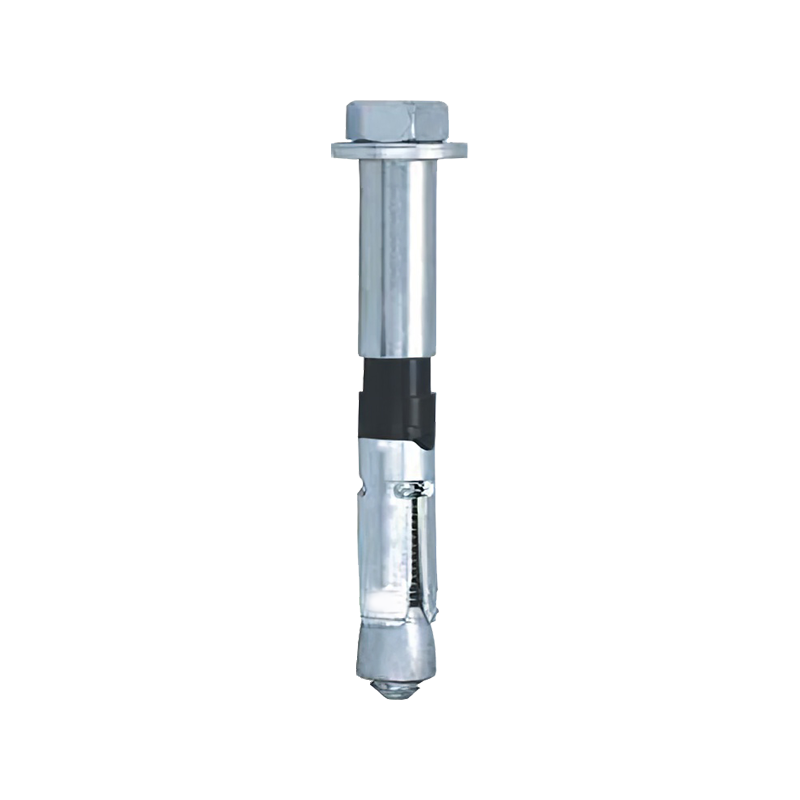
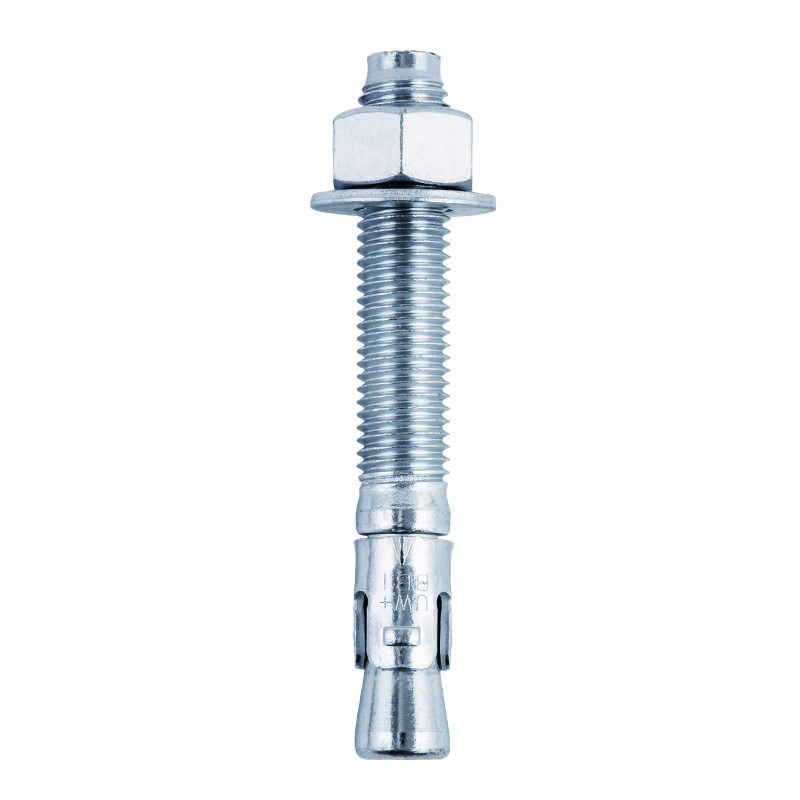
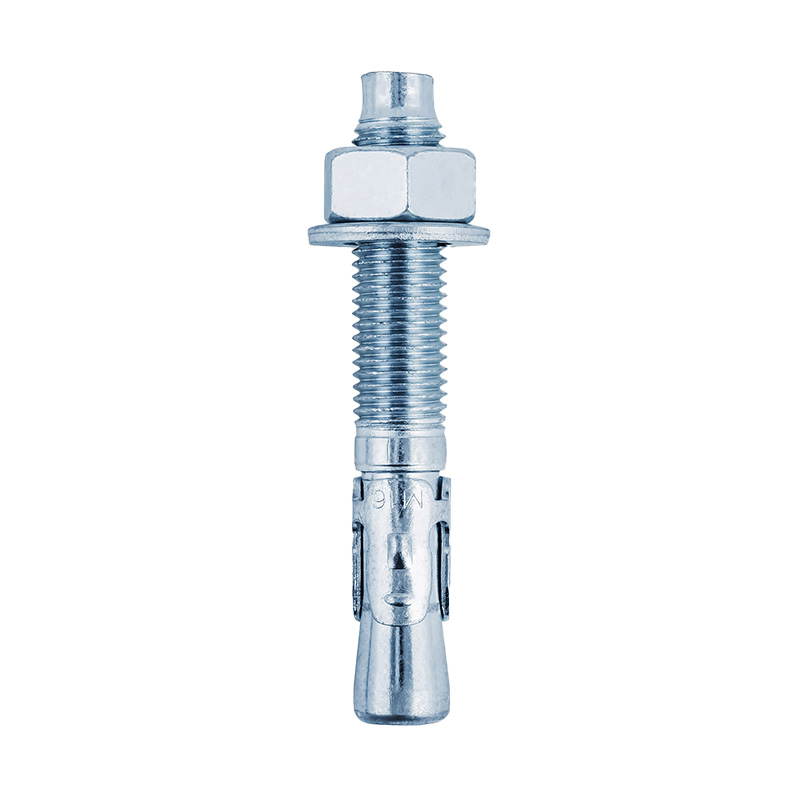
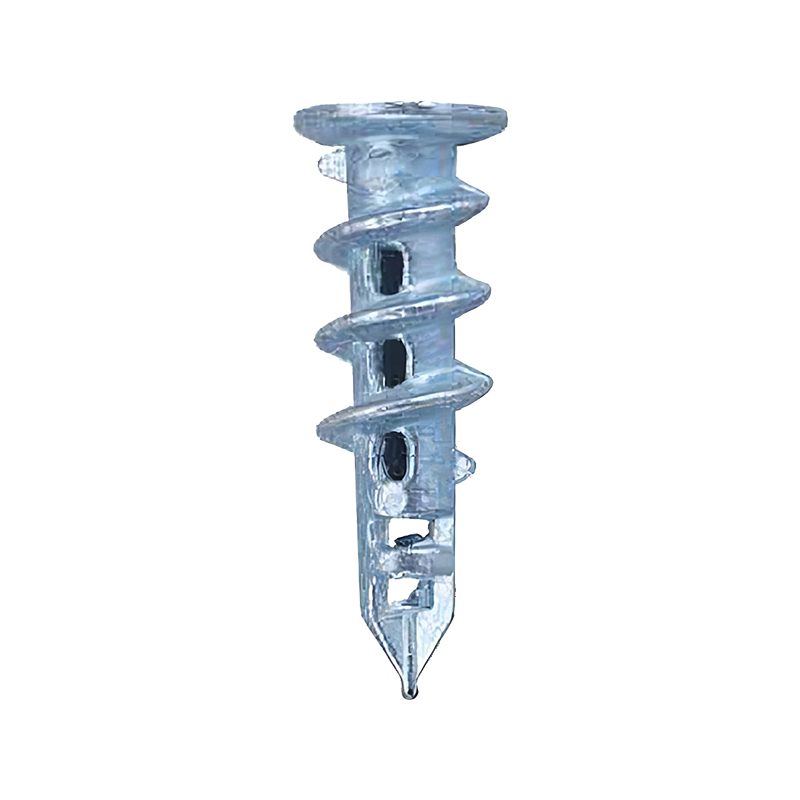
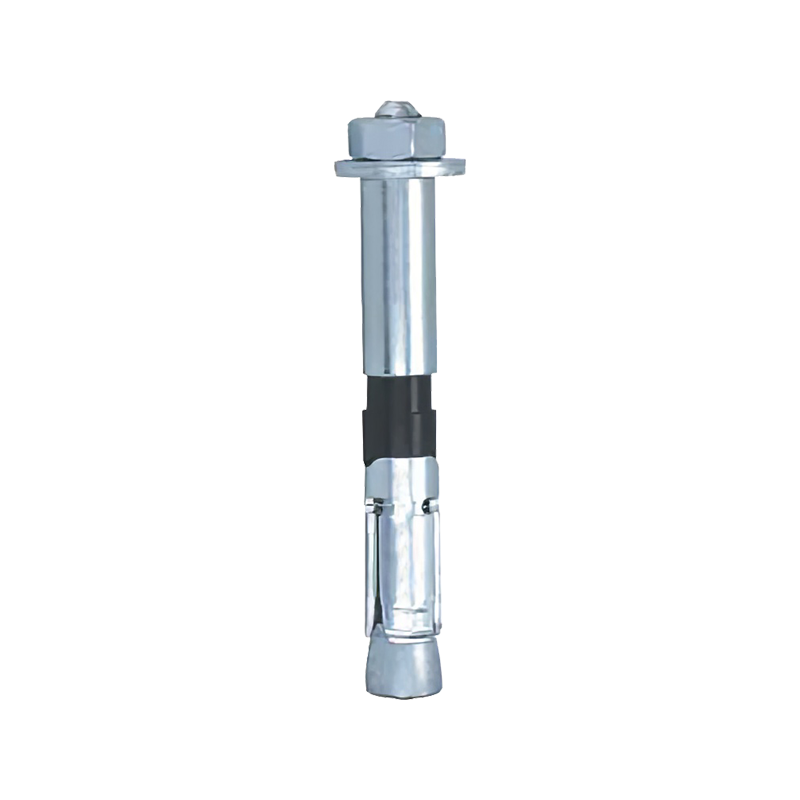
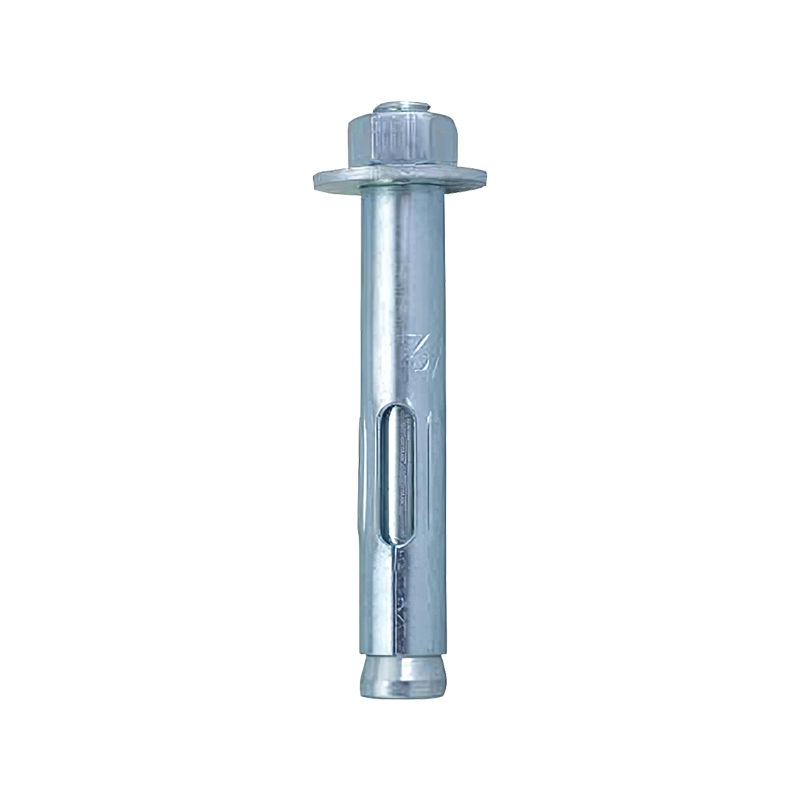
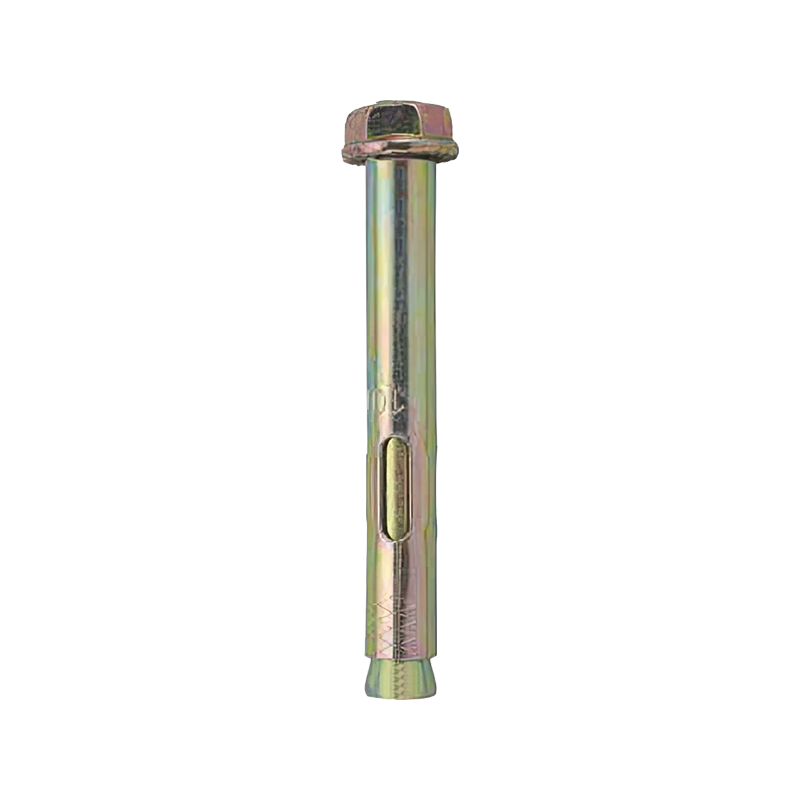
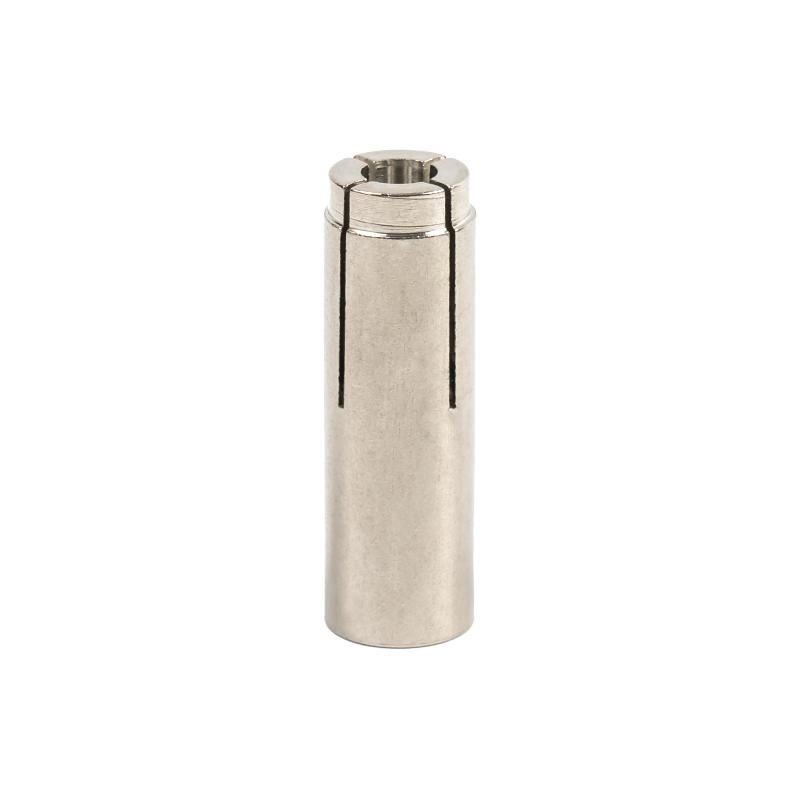
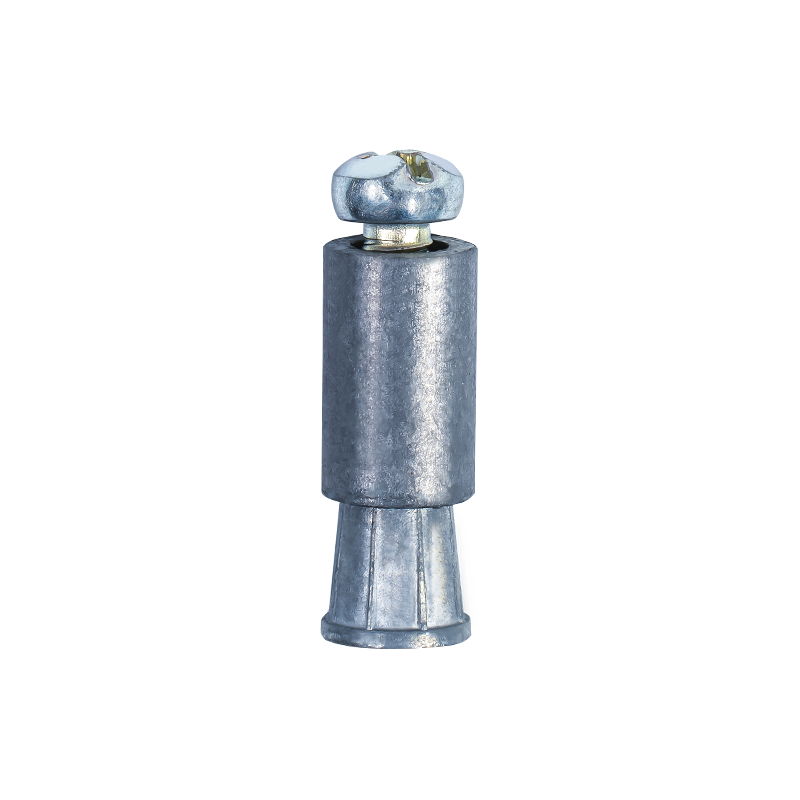
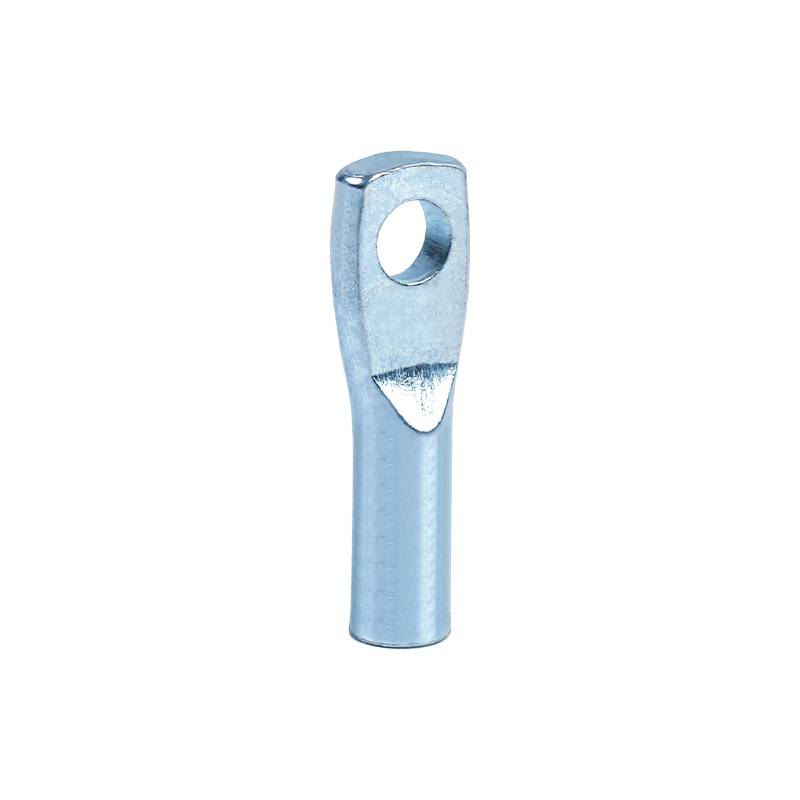
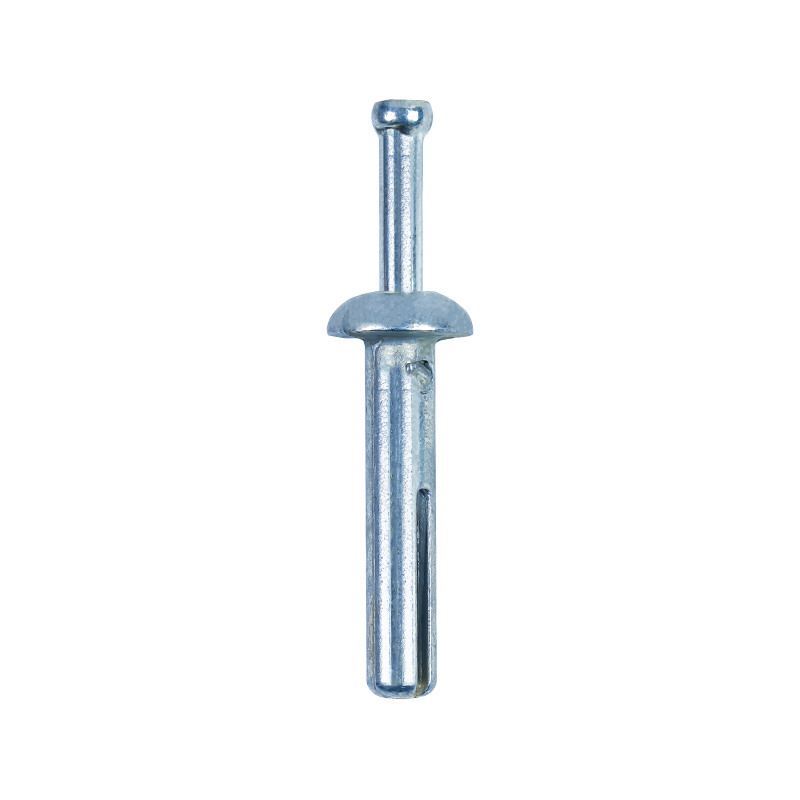
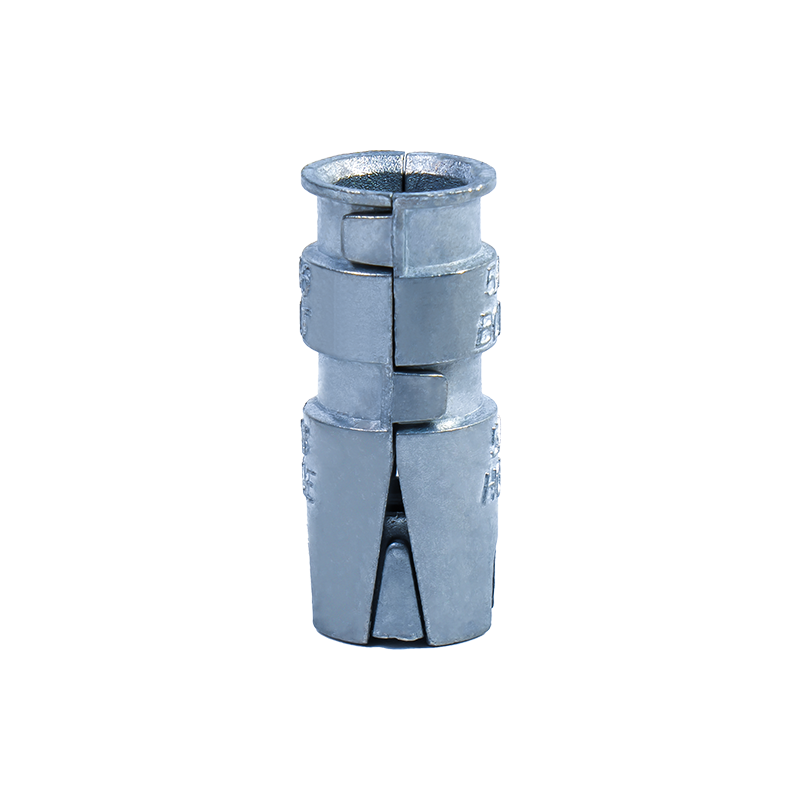
Carbon Steel Through Bolt
Wedge Anchor
High-strength mechanical expansion bolt with pre-assembled washer and nut for one-step installation through fixtures. Ideal for structural steel connections, heavy machinery anchoring, and industrial construction.
One-Step Installation Without Compromising Holding Strength
In structural construction and industrial fastening, installation speed and reliability are equally important. The Carbon Steel Through Bolt Wedge Anchor combines the mechanical expansion principle of a traditional wedge anchor with a pre-assembled washer and nut, allowing the installer to drive the anchor directly through the fixture and expand it in a single operation. This design eliminates the separate step of assembling loose components, saving significant labor time on large-scale projects such as steel structure erection, bridge railing installation, conveyor system anchoring, and seismic restraint retrofits. Unlike standard wedge anchors where the nut and washer must be removed and reassembled, the through bolt arrives ready to use straight from the box.
The working principle of the through bolt wedge anchor is identical to a standard wedge anchor but with optimized geometry for one-step installation. A pre-drilled hole is made in solid concrete using a carbide-tipped bit of the exact anchor diameter. The through bolt, which has a permanently assembled washer and nut held in place by a slight interference fit or a retaining ring, is inserted through the clearance hole in the fixture and then driven into the concrete hole using a hammer. The hammer strikes the top of the bolt, not the nut, driving the entire assembly downward until the washer contacts the fixture surface. Once seated, the nut is tightened with a torque wrench, drawing the cone-shaped end upward, which forces the expansion clip outward against the concrete walls. This creates high radial pressure and generates the tensile and shear holding values engineers rely upon for structural connections.
Why choose a through bolt over a standard wedge anchor? The primary advantage is installation speed and simplicity. On projects with thousands of anchors such as steel column base plates, highway sound barrier walls, or industrial mezzanine floors, the time saved by eliminating the nut and washer assembly step per anchor can reduce total installation labor by 20 to 30 percent. Additionally, the through bolt design reduces the risk of dropping and losing small components when working overhead or in confined spaces. The pre-assembled configuration ensures that the washer is always correctly positioned under the nut, preventing incorrect assembly that could lead to reduced load capacity or localized concrete spalling. For contractors working under tight schedules or in elevated positions, the through bolt wedge anchor is the preferred choice for efficiency without sacrificing structural integrity.
The carbon steel through bolt wedge anchor is manufactured from high-strength carbon steel in grades 5.8 (medium strength) and 8.8 (high strength structural). Grade 8.8 offers a minimum tensile strength of 800 MPa and yield strength of 640 MPa, making it suitable for seismic zones, crane rail anchoring, heavy machinery base plates, and connections where dynamic or vibratory loads are present. The surface finish is typically bright zinc plating (min 5μm thickness) for indoor and protected outdoor applications, with options for yellow zinc, hot-dip galvanizing, or mechanical zinc plating for enhanced corrosion resistance. For applications requiring greater corrosion protection, stainless steel through bolts are available in A2 and A4 grades. The through bolt family includes fully threaded and partially threaded versions, with custom lengths available for thick fixture attachments or deep embedment requirements. Standard diameters range from M6 to M24 (1/4 inch to 1 inch), accommodating light-duty to heavy-industrial applications.
Pre-Assembled Convenience
The washer and nut come factory-assembled and retained on the bolt. No assembly time, no loose parts to drop. Insert through fixture, hammer into hole, and torque. Reduces installation time by up to 30 percent compared to standard wedge anchors.
Grade 8.8 High Strength
Heat-treated carbon steel achieving 800 MPa minimum tensile strength and 640 MPa minimum yield strength. Suitable for structural connections, seismic applications, and heavy dynamic loads.
Versatile Finishes
Available in bright zinc plating (standard), yellow zinc for increased corrosion resistance, hot-dip galvanizing for outdoor exposure, or mechanical zinc for uniform coating thickness on threads.
Carbon Steel Through Bolt Wedge Anchor Specifications
| Material | Grade 5.8 or Grade 8.8 Carbon Steel |
| Surface Treatment | Electro-Zinc Plating (min 5μm), Yellow Zinc, Hot-Dip Galvanizing, Mechanical Zinc Plating |
| Diameter Range | M6, M8, M10, M12, M16, M20, M24 (1/4" to 1" inch series available) |
| Anchor Lengths | 50mm, 75mm, 100mm, 120mm, 150mm, 200mm, 250mm, 300mm (custom up to 400mm) |
| Thread Type | Metric coarse thread (ISO 6g), fully threaded or partial thread depending on length |
| Concrete Strength | C20/25 to C50/60 (non-cracked solid concrete; cracked concrete requires seismic-rated version) |
| Expansion Clip | 360-degree wrap-around clip (standard), four-shield (seismic), or three-shield (reduced expansion) |
| Fixture Hole Diameter | Clearance hole 1mm to 2mm larger than anchor diameter (e.g., M12 anchor needs 13mm to 14mm hole in fixture) |
Order & Delivery Information
Quick Inquiry for Through Bolts
Need a quote for a large project or custom length through bolts? We respond within 24 hours with pricing, lead time, and engineering recommendations for your specific fixture thickness.
Request QuoteTypical Applications for Carbon Steel Through Bolt Wedge Anchors
Steel Structure Erection
Securing steel column base plates, beam connections, bracing systems, and mezzanine floors in industrial warehouses, commercial buildings, and high-rise construction.
Infrastructure Projects
Bridge railings, highway sound barrier walls, tunnel lighting and ventilation brackets, railway signal bases, and transit station platform equipment.
Heavy Machinery Anchoring
Industrial presses, conveyor systems, CNC machines, pump bases, generator sets, and vibratory equipment where high shear loads and vibration resistance are required.
Public & Commercial Facilities
Stadium seating, airport baggage handling systems, escalator supports, elevator guide rails, and parking garage safety barriers.
Key Advantages Over Standard Wedge Anchors
Pre-Assembled Design
Nut and washer are factory-assembled and retained. No loose parts to lose, no separate assembly step. Simply insert through fixture and hammer into hole.
Faster Installation
Eliminates the separate nut removal and reassembly step required for standard wedge anchors. Reduces total installation time by 20 to 30 percent on large projects.
Grade 8.8 High Strength
Heat-treated carbon steel providing 800 MPa minimum tensile strength and 640 MPa yield. Suitable for structural connections, seismic zones, and dynamic loads.
Corrosion Protection Options
Bright zinc plating standard, with yellow zinc, hot-dip galvanizing, or mechanical zinc available for enhanced outdoor resistance.

Yuyao Nanshan Development Co., Ltd.
Yuyao Nanshan Development Co., Ltd. was established in 1999 and is located in Ningbo with elegant and charming environments and enjoys convenient transportation.
Yuyao Nanshan Development Co., Ltd. is China Carbon Steel Through Bolt Wedge Anchor Manufacturers and Wholesale Carbon Steel Through Bolt Wedge Anchor Factory, specializes in producing Wedge Anchor with professional production equipment. Nanshan has strong technologies with advanced facilities and imported automatic production machines and inspection equipment. Nanshan also is using the ERP to control the production process line and has set up a research & development center for continued innovation and to meet the requirements of more and more customers from all over the world.
Our products extensively are used in steel high constructions, tunnel projects, bridges, railways, airport stations, high way, sea ports, nuclear power plants, and so on.
Yuyao Nanshan Development Co., Ltd. adheres to the principle of "quality the eternal base, credit forever pursuit", we will spare no effort to provide our customers with more stable quality and more wonderful service.

Step-by-Step Through Bolt Installation
Drilling the Hole
Use a hammer drill with a carbide-tipped bit of the exact anchor diameter. Drill depth should equal required embedment depth plus 5mm to 10mm for dust accumulation. Ensure the drill is perpendicular to the concrete surface within 2 degrees.
Hole Cleaning (Essential)
Remove all dust using compressed air or a blow pump for 5 seconds. Follow with a wire brush to scrub hole walls (5 to 10 strokes). Blow again for 5 seconds. Repeat the cycle once more. A clean hole is critical for proper expansion and full load capacity.
Fixture Placement & Anchor Insertion
Position the fixture over the drilled hole. The clearance hole in the fixture must be 1mm to 2mm larger than the anchor diameter. Insert the through bolt through the fixture clearance hole and into the concrete hole. Ensure the washer is seated against the fixture surface.
Hammer Driving & Torquing
Strike the top of the bolt (not the nut) with a hammer until the washer firmly contacts the fixture surface. Do not under-drive. Then use a calibrated torque wrench to tighten the nut to the recommended torque value, applied in three increments: 30 percent, 70 percent, and 100 percent.
Through Bolt Best Practices
- Always use a calibrated torque wrench — never rely on hand feel or impact wrenches without precise torque control.
- Minimum embedment depth: 4 to 5 times the anchor diameter for full load capacity. Deeper embedment increases pullout resistance.
- The fixture clearance hole should be 1mm to 2mm larger than the anchor diameter. Too tight prevents insertion; too loose reduces shear capacity in thin fixtures.
- Maintain minimum edge distance of 5 to 7 times anchor diameter from concrete edge to prevent breakout.
- For overhead installations, use a retaining washer or tape to hold the through bolt in place during hammer driving.
- Do not reuse through bolts after removal — the expansion clip deforms permanently during installation.
Required Tools & Equipment
Through Bolt Wedge Anchor vs. Traditional Wedge Anchor
Rigorous Testing for Through Bolt Reliability
Tensile & Shear Testing
Destructive testing per EN ISO 898-1 and ASTM F606. Grade 8.8 through bolts tested to minimum 800 MPa tensile strength. Safety margin exceeds 15 percent over specified minimum.
Salt Spray Testing
Zinc-plated through bolts tested to 72 to 96 hours per ASTM B117. Yellow zinc achieves 120 to 240 hours. Hot-dip galvanized exceeds 500 hours.
Dimensional Precision
100 percent optical inspection of thread presence, length, diameter, and expansion clip geometry. Tolerances maintained to ±0.02mm on critical diameters.
Hardness & Heat Treatment
Rockwell hardness verified per batch. Grade 8.8 through bolts heat-treated to achieve uniform hardness of 22 to 32 HRC, ensuring consistent expansion and thread strength.
Critical Design Parameters for Through Bolt Anchors
Fixture Thickness Considerations
The through bolt design requires the fixture thickness to be less than the unthreaded shank length. For thick fixtures (over 25mm), specify extra-long through bolts or switch to standard wedge anchors. The washer must seat firmly against the fixture surface, not on threads.
Clearance Hole Sizing
The hole in the fixture must be 1mm to 2mm larger than the anchor diameter for metric sizes (1/32 to 1/16 inch for inch sizes). Too small prevents insertion. Too large reduces shear capacity and may allow the anchor to tilt under load, reducing pullout resistance.
Minimum Edge Distance & Spacing
Maintain minimum edge distance of 5× anchor diameter from concrete edge to prevent breakout. Minimum center-to-center spacing of 10× diameter to avoid overlapping stress cones. For cracked concrete or seismic zones, increase to 7× edge and 12× spacing.
Dynamic & Vibratory Loads
Grade 8.8 through bolts perform well under moderate vibratory conditions up to 10 Hz. For high-cycle fatigue (over 100,000 cycles) or severe vibration (crushers, punch presses), use four-shield seismic-rated through bolts and reduce allowable loads by 30 percent.
Environmental Responsibility & Material Life Cycle
Carbon steel through bolts offer excellent environmental credentials through recyclability and responsible manufacturing.
100% Recyclable
Carbon steel is infinitely recyclable without loss of properties. End-of-life anchors are recovered and returned to steel mills.
Low Carbon Footprint
Cold heading and thread rolling consume less energy than hot forming or machining. Electric arc furnace steel lowers CO₂ per ton.
Zinc Plating Compliance
Trivalent chromium (Cr3+) passivation, Cr6+-free. Meets RoHS, REACH, and ELV directives for global supply.
Advanced Cold Heading & Thread Rolling for Through Bolts
Cold Heading
Wire is cut and formed at high speed in a multi-station former. Grain flow follows the anchor contour for superior fatigue strength.
Thread Rolling
Threads are rolled, not cut. This work-hardens the thread roots and produces compressive residual stress, increasing stripping resistance.
Automated Optical Sorting
High-speed cameras inspect 100% of production for head shape, diameter, length, and thread presence. Rejects are automatically ejected.
Production Flow — Through Bolt Wedge Anchor
Ultimate Load Capacity — Carbon Steel Through Bolt (Grade 8.8)
Values shown for Grade 8.8 carbon steel through bolts in solid non-cracked concrete C25/30. Minimum embedment = 5× diameter. Safety factor of 4:1 applies for working loads in general structural applications. Reduce values for Grade 5.8 by approximately 30%.
| Diameter (mm) | Min. Embedment (mm) | Ultimate Tensile (kN) | Ultimate Shear (kN) | Recommended Torque (Nm) | Concrete Thickness Required (mm) |
|---|---|---|---|---|---|
| M8 | 40 | 12.5 | 9.5 | 25 | 90 |
| M10 | 50 | 20.0 | 15.8 | 50 | 110 |
| M12 | 60 | 29.0 | 23.0 | 85 | 130 |
| M16 | 80 | 51.0 | 42.0 | 210 | 180 |
| M20 | 100 | 80.0 | 62.0 | 420 | 220 |
| M24 | 120 | 115.0 | 88.0 | 650 | 260 |
| M30 | 150 | 170.0 | 130.0 | 1100 | 320 |
Professional Installation Checklist — Through Bolt Wedge Anchors
Pre-Installation Verification
- Confirm concrete age is at least 28 days and compressive strength meets design (minimum C20/25).
- Verify edge distance and anchor spacing per engineering drawing (minimum 6× diameter to edge, 10× diameter center-to-center).
- Check fixture hole diameter: anchor diameter +0.5mm to +1.0mm. Ensure no burrs or obstructions.
- Ensure hammer drill bit is sharp, carbide-tipped, and correct diameter (not worn beyond tolerance).
- Confirm anchor grade (5.8 or 8.8) and coating match project specification.
- Calibrate torque wrench within the last 6 months. Verify setting against known reference.
Installation Execution
- Position and secure fixture (steel plate, machinery base). Drill through fixture into concrete.
- Drill hole depth = required embedment + 10–15mm for dust accumulation.
- Drill perpendicular to concrete surface within 2 degrees of vertical.
- Clean hole thoroughly: compressed air (5 seconds), wire brush (5 full strokes), compressed air again (5 seconds). Repeat cycle once more.
- Assemble washer and nut flush with top of anchor threads.
- Drive anchor through fixture into hole using hammer until washer contacts fixture surface.
- Apply torque in three increments: 30%, 70%, 100% of final value using calibrated torque wrench.
- Optional: mark nut position with paint for post-installation verification.
Post-Installation Quality Control
For safety-critical, seismic, or infrastructure projects, we provide full traceability to raw material heat numbers, process parameter logs, and witnessed testing upon request.
Hole Cleaning Protocol — Critical for Performance
- Step 1: Blow compressed air into hole for 5 seconds minimum (from bottom to top).
- Step 2: Insert wire brush with diameter slightly larger than hole. Brush with 5 full back-and-forth strokes.
- Step 3: Blow compressed air again for 5 seconds to remove loosened dust.
- Step 4: Repeat the entire cycle once more for critical applications.
- For horizontal or overhead holes, ensure all loose dust is expelled before anchor insertion.
Warning: Incomplete hole cleaning is the primary cause of anchor failure. Dust reduces friction grip by 30–50% and may prevent full expansion clip deployment.
Standards, Approvals & Testing Methods — Carbon Steel Through Bolt
European Standards
EN 1992-4:2018 — European Technical Assessment for mechanical anchors in concrete. EN ISO 898-1: Mechanical properties of carbon steel fasteners. EN 10204: Material certification requirements.
ASTM Testing Methods
ASTM B117 — Salt spray testing. ASTM F606 — Mechanical testing methods for fasteners. ASTM A153 — Zinc coating on steel hardware. ASTM E8 — Tensile testing.
North American Approvals
ICC-ES ESR-xxxx (available upon request). Compliant with IBC and IRC. AC193 criteria for mechanical anchors in cracked and uncracked concrete.
Marking & Traceability
Each carbon steel through bolt wedge anchor is marked on the head with the manufacturer identification, property class (5.8 or 8.8), and batch traceability code. Full traceability to raw material heat analysis is documented in EN 10204 Type 3.1 certificates included with each shipment.
Recommended Tightening Torque — Carbon Steel Through Bolt Wedge Anchors
Torque values are for Grade 8.8 carbon steel through bolt wedge anchors with standard electro-zinc plating. For Grade 5.8 anchors, reduce all torque values by 30 percent. Torque values assume clean, dry threads with no lubricant unless specified as lubricated condition.
| Diameter (mm) | Dry Threads — No Lubricant (Nm) | Lubricated Threads (Nm) | Torque Reduction with Lubrication | Galling Risk for Carbon Steel |
|---|---|---|---|---|
| M6 | 12 | 9 | 25 percent | Very low |
| M8 | 28 | 22 | 21 percent | Very low |
| M10 | 52 | 42 | 19 percent | Very low |
| M12 | 90 | 72 | 20 percent | Very low |
| M16 | 220 | 176 | 20 percent | Very low |
| M20 | 450 | 360 | 20 percent | Very low |
| M24 | 720 | 580 | 19 percent | Very low |
| M30 | 1150 | 920 | 20 percent | Very low |
For hot-dip galvanized threads, reduce dry torque values by 15 percent because the zinc coating provides some lubrication effect. For plain (uncoated) carbon steel, use dry torque values as listed.
Torque Application Protocol for Carbon Steel Through Bolts
- Always use a calibrated torque wrench. Do not rely on impact wrenches for final torque unless they are equipped with a verified torque stick and are calibrated daily.
- Apply torque in three increments for all structural anchors. First pass at 30 percent of final value seats the anchor and takes up any clearance. Second pass at 70 percent begins the expansion process. Third pass at 100 percent achieves full expansion grip.
- For critical applications such as overhead suspensions or seismic anchors, perform a verification torque check by applying torque in the tightening direction. If the nut rotates more than 10 degrees before reaching specified torque, remove the anchor, clean the hole, and install a new anchor.
- Do not exceed the recommended torque value. Over-torquing can strip the concrete hole, damage the expansion clip, or yield the anchor threads.
- For large-diameter anchors M20, M24, and M30, use a torque multiplier and an extension arm. Apply smooth, steady force without jerking or impact actions.
- Record torque values for each anchor on critical projects. Documentation should include anchor size, grade, torque wrench calibration number, date, and installer name.
Torque Wrench Requirements
Safety Factors and Working Load Determination — Carbon Steel Through Bolt
Working loads shall be calculated by dividing the ultimate test load by the appropriate safety factor based on application criticality. The safety factors below are minimum values. Local building codes may require higher factors.
| Application Category | Minimum Safety Factor | Example Calculation | Typical Applications |
|---|---|---|---|
| Non-structural — no life safety consequence if anchor fails | 3 to 1 | Ultimate 1000 lb ÷ 3 = 333 lb working load | Signage, light fixtures, conduit supports, cable trays |
| General structural — moderate consequence of failure | 4 to 1 | Ultimate 1000 lb ÷ 4 = 250 lb working load | Steel columns, platforms, handrails, equipment anchors |
| Safety-critical — human life at risk if anchor fails | 5 to 1 or 6 to 1 | Ultimate 1000 lb ÷ 5 = 200 lb working load | Overhead cranes, fall protection anchor points, seismic bracing, elevator rails |
| Nuclear safety-related — as defined by ASME Section III | 10 to 1 plus additional quality factors | Per specific code requirements | Nuclear power plant equipment and safety systems |
| Parameter | Value | Calculation or Source |
|---|---|---|
| Ultimate tensile load from testing (C25/30 concrete, 60mm embedment) | 31.0 kN | From load table above |
| Safety factor for general structural application | 4 to 1 | Per table above |
| Working load in tension — uncracked concrete | 7.75 kN | 31.0 kN ÷ 4 = 7.75 kN (approximately 790 kg or 1740 lb) |
| Reduction factor for cracked concrete per ETA | 0.7 | 7.75 kN × 0.7 = 5.43 kN working load in cracked concrete |
| Reduction factor for edge distance less than 6 times diameter | 0.5 to 0.8 depending on distance | Consult technical data sheet for specific reduction factors |
| Reduction factor for anchor spacing less than 10 times diameter | 0.6 to 0.9 depending on spacing | Group efficiency factors per ETA or AC193 |
Engineering advisory: The safety factors and reduction factors provided above are for preliminary design estimation only. Final design and approval of anchor working loads must be performed by a licensed structural engineer familiar with the specific project conditions, concrete strength, installation quality control, and local building code requirements. The engineer shall reference the appropriate ETA, ICC-ES report, or other recognized technical assessment for the specific anchor product being used.
Payment Terms & Shipping Options
Payment Methods
Shipping Ports
Packaging
Frequently Asked Questions — Carbon Steel Through Bolt Wedge Anchors
Corrosion Protection Selection Guide — Carbon Steel Through Bolts
| Environment Description | Recommended Treatment | Expected Service Life (years) |
|---|---|---|
| Dry indoor (heated, no moisture, HVAC controlled) | Plain / Light oil | 50+ |
| Indoor with occasional condensation (warehouses, garages) | Zinc plating 5µm + passivation | 30–40 |
| Outdoor rural (non-industrial, low pollution) | Zinc plating 8µm or HDG | 15–25 |
| Outdoor urban (moderate pollution, road salts occasional) | Hot-dip galvanizing 50µm | 20–30 |
| Coastal within 1km of salt spray | Hot-dip galvanizing 80µm + sealer or A4 stainless | 15–25 |
| Industrial chemical (mild acid/alkali vapors) | Zinc flake coating + topcoat | 15–20 |
| Marine immersion or tidal zone | Not recommended — use A4 stainless steel | N/A |
| Property | Zinc Plating (Electro) | Hot-Dip Galvanizing | Zinc Flake (Geomet/Dacromet) |
|---|---|---|---|
| Thickness range | 5–12 µm | 40–80 µm | 8–12 µm |
| Salt spray (red rust) hours (ASTM B117) | 72–120 hr | 500–1000 hr | 480–720 hr |
| Hydrogen embrittlement risk (for hard steels) | Moderate (baking required for Grade 8.8) | Low (no hydrogen) | Very low |
| Coating uniformity on threads | Good | Poor (thick on crests) | Excellent |
| Typical application | Indoor, dry outdoor | Outdoor, coastal, buried | Automotive, high-strength |
Chemical Resistance of Carbon Steel Through Bolt Wedge Anchors
Carbon steel with zinc plating provides limited chemical resistance. For prolonged exposure to acids, alkalis, or aggressive chemicals, stainless steel wedge anchors are strongly recommended. The ratings below assume zinc plating 8 micrometers minimum with passivation.
| Chemical / Environment | Concentration | Resistance Rating | Notes and Limitations |
|---|---|---|---|
| Fresh water (tap, river, lake) | Any | Good | Zinc plating provides protection. Some white rust may appear after extended immersion. |
| Distilled water | 100 percent | Fair | Lack of minerals accelerates zinc corrosion. Not recommended for long-term immersion. |
| Seawater / brine | 3.5 percent NaCl | Poor | Rapid zinc consumption. Stainless steel A4 required for marine environments. |
| Sodium hydroxide (caustic soda) | Up to 10 percent | Fair | Zinc reacts with strong alkalis. Use stainless steel for pH above 12. |
| Ammonium hydroxide | Any | Poor | Zinc forms soluble complexes. Rapid attack. |
| Hydrochloric acid | Any | Very poor | Acid dissolves zinc rapidly. Do not use. |
| Sulfuric acid | Any | Very poor | Severe corrosion. Only for accidental splash with immediate washing. |
| Nitric acid | Any | Very poor | Passivating for stainless steel but aggressive to carbon steel and zinc. |
| Acetic acid (vinegar) | Up to 10 percent | Poor | Organic acids attack zinc. Not for food processing environments. |
| Citric acid | Up to 5 percent | Poor | Similar to acetic acid. A2 stainless steel recommended. |
| Phosphoric acid | Up to 5 percent | Poor | Mild attack but prolonged exposure causes zinc loss. |
| Chlorine gas (dry) | Any | Fair | Zinc chloride forms. Limited protection. |
| Chlorine gas (wet or humid) | Any | Very poor | Rapid pitting and corrosion. Use A4 stainless steel. |
| Hydrogen sulfide — wastewater atmosphere | Low concentration | Poor | Zinc reacts with H₂S to form zinc sulfide. A4 stainless steel recommended. |
For carbon steel without zinc plating (plain finish), all chemical resistance ratings are very poor except for brief dry contact. Always test in the actual chemical environment before full-scale installation. For permanent chemical exposure, select A4 (316) stainless steel or hot-dip galvanized anchors with inspection cycles.
Real-World Case Studies — Carbon Steel Through Bolt Wedge Anchors
Installation of 12,000 through bolt wedge anchors securing steel columns for a 40,000 square meter assembly plant addition.
Specification required M16 Grade 8.8 through bolt wedge anchors with hot-dip galvanized coating. Concrete strength C30/37. Embedment depth 100 millimeters. Torque verification on 5 percent of anchors showed all within 5 percent of specified 220 Nm. After 6 years of operation including significant vibration from stamping presses and conveyor systems, no anchor loosening or corrosion has been observed. The through bolt design allowed precise column placement before anchoring, eliminating rework common with traditional wedge anchors.
Key learning: Through bolt configuration reduced installation time by 30 percent compared to traditional anchors because columns could be aligned before any anchor was set. Hot-dip galvanizing provided sufficient corrosion protection for indoor industrial environment with occasional wash-down chemicals.
Replacement of corroded expansion anchors on a 50-year-old railway bridge carrying heavy freight traffic.
Original carbon steel wedge anchors showed significant corrosion after 25 years of exposure to deicing salts and industrial atmosphere. Replacement specification required M20 Grade 8.8 through bolt wedge anchors with hot-dip galvanizing. Through bolt configuration was essential because new steel brackets had to be precisely aligned with existing concrete holes. After 4 years of service including freeze-thaw cycles and salt spray, inspection confirmed zero corrosion and all torque values remained within 8 percent of original installation values.
Key learning: For retrofit applications where existing holes are not perfectly aligned, the through bolt design is superior because the fixture can be positioned independently of the anchor locations. Hot-dip galvanizing provided 25-plus years of service life in a deicing salt environment.
Anchoring of a 15-tonne stamping press to a reinforced concrete foundation in a humid coastal industrial zone.
Twenty-four M24 Grade 8.8 through bolt wedge anchors were installed with electro-zinc plating. The press operates 16 hours per day with significant dynamic loading and vibration. After 8 years of continuous operation, annual torque checks show all anchors remain within specification. No visible corrosion despite being located 2 kilometers from the coast, attributed to the building envelope and dehumidification system. Embedded depth of 150 millimeters developed the required pull-out resistance for seismic anchorage per Australian standards.
Key learning: For heavy machinery with dynamic loads, the through bolt configuration provides visual verification of full insertion (washer contact with base plate) that traditional wedge anchors cannot offer. Grade 8.8 carbon steel delivered the required high strength at lower cost than stainless steel in a protected indoor environment.
Installation of 25,000 through bolt wedge anchors securing steel posts for a 15 kilometer highway noise barrier wall.
M10 Grade 5.8 through bolt wedge anchors with electro-zinc plating were selected. The environment includes high altitude UV exposure, deicing salts from winter road maintenance, and freeze-thaw cycling from minus 30 degrees Celsius to plus 35 degrees Celsius. After 5 years of service, random pull-out testing was performed on 100 anchors. All exceeded the required working load by a minimum factor of 3 to 1. Slight surface rust was observed on some anchors at ground level, but no section loss affecting structural capacity was found.
Key learning: For highway applications with deicing salts, hot-dip galvanizing would provide longer service life than electro-zinc plating. However, the client accepted a 15-year design life with electro-zinc plating due to lower first cost. Through bolt design simplified installation because posts could be set, aligned, and then anchored in a single operation.
Glossary of Carbon Steel Through Bolt Wedge Anchor Terminology
Through Bolt
A wedge anchor configuration where the anchor is inserted through a pre-drilled hole in the fixture and then driven into the concrete hole. Allows fixture positioning before anchoring. Often has a permanently assembled washer and nut for one-step installation.
Wedge Anchor
A mechanical expansion anchor that uses an internal cone and expandable clip or sleeve. As the nut is tightened, the cone is drawn upward, forcing the clip outward against the concrete hole wall.
Grade 5.8 Carbon Steel
Medium-carbon steel fastener grade with minimum tensile strength of 500 MPa and minimum yield strength of 400 MPa. Suitable for general structural anchoring where loads are moderate.
Grade 8.8 Carbon Steel
High-strength carbon steel fastener grade with minimum tensile strength of 800 MPa and minimum yield strength of 640 MPa. Used for heavy-duty structural applications, seismic zones, and dynamic loading.
Cold Heading
A high-speed manufacturing process where wire is cut and formed into the anchor head and body at room temperature using progressive dies. Aligns grain flow for superior fatigue resistance compared to machined anchors.
Thread Rolling
A process that forms threads by displacing material rather than cutting it. Rolled threads have work-hardened roots and compressive residual stress, resulting in higher stripping resistance than cut threads.
Electro-Zinc Plating
An electrolytic coating process that deposits a thin layer of zinc (5 to 12 micrometers) onto the anchor surface. Provides sacrificial corrosion protection for indoor and mild outdoor environments.
Hot-Dip Galvanizing
A coating process where anchors are immersed in molten zinc at approximately 450 degrees Celsius. Produces a thick coating (40 to 85 micrometers) with excellent corrosion resistance for outdoor, coastal, and industrial environments.
Embedment Depth
The distance from the concrete surface to the deepest point of the anchor within the concrete. Deeper embedment increases pull-out capacity but requires thicker concrete members.
Edge Distance
The distance from the center of the anchor hole to the nearest free edge of the concrete member. Insufficient edge distance can cause concrete splitting or breakout failure.
Concrete Breakout
A failure mode where a cone of concrete is pulled out of the member due to tensile load on the anchor. The size of the breakout cone increases with embedment depth.
Pull-Out Failure
A failure mode where the anchor slips out of the concrete hole without damaging the concrete. Typically caused by insufficient embedment, low concrete strength, or incomplete expansion clip deployment.
Torque Wrench Calibration
The process of verifying that a torque wrench applies the correct torque value. Calibration must be performed regularly (typically every 6 months or 5,000 cycles) to maintain accuracy.
EN 10204 Type 3.1 Certificate
A material test certificate that is issued by the manufacturer and includes specific test results for the production batch, including chemical analysis and mechanical properties.
Certified Documentation with Every Shipment — Carbon Steel Through Bolt Wedge Anchors
Every batch of carbon steel through bolt wedge anchors is accompanied by a complete documentation package suitable for quality assurance records, regulatory audits, and project handover requirements. We maintain full traceability from raw material heat analysis through final packaging.
For nuclear, military, petrochemical, or critical infrastructure projects, we provide full traceability to raw material heat numbers, production process parameter logs (cold heading force, thread rolling die settings, plating bath chemistry), and witnessed destructive testing upon request. Third-party inspection agencies are welcome at any stage of production.
Related Tags & Articles
Stainless Steel Metric Wedge Anchor
Product Introduction Corrosion Resistance Witho
Concrete Installation Wedge Anchor Bolt
Product Introduction Fast, Reliable Concrete Installation for Demanding Sch
Heavy Duty Zinc Plated Wedge Anchor
Product Introduction Ensuring Structural Integrity in Concrete & Masonr
Seismic Resistant Wedge Anchor Fastener
Product Introduction Engineered Anchoring for Seismic Demand and Cracked Co
High Strength Structural Wedge Anchor
Product Introduction Ultra-High Strength Mechanical Anchoring for Critical
Four Shield Heavy Duty Bolt Anchor
Product Introduction Four Shield Expansion Technology for Maximum Load Capa
Hex Nut Type Sleeve Anchor Bolt
Product Introduction Standard Hex Nut Sleeve Anchor for Universal Fastening
Three Shield Heavy Duty Screw Anchor
Product Introduction Three Shield Expansion Technology for Reliable Heavy D
External Threaded Metric Sleeve Anchor
Product Introduction Versatile Metric Threaded Anchoring for Multiple Base
Ready to Specify Through Bolt Wedge Anchors?
Whether you need technical data sheets, sample kits, or a quotation for your next project, our engineering support team is ready to assist.
