Single Expansion Anchor Custom

Home / Product / Single Expansion Anchor
  • Single Expansion Anchor
  • Single Expansion Anchor
  • Single Expansion Anchor Yuyao Nanshan Development Co., Ltd.
  • Single Expansion Anchor Yuyao Nanshan Development Co., Ltd.

Single Expansion Anchor

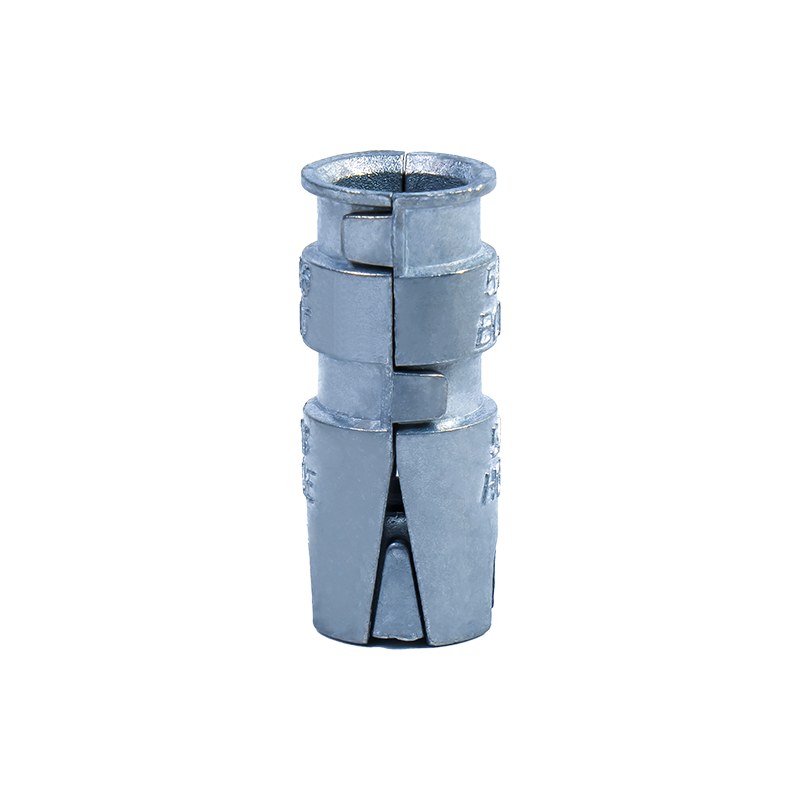
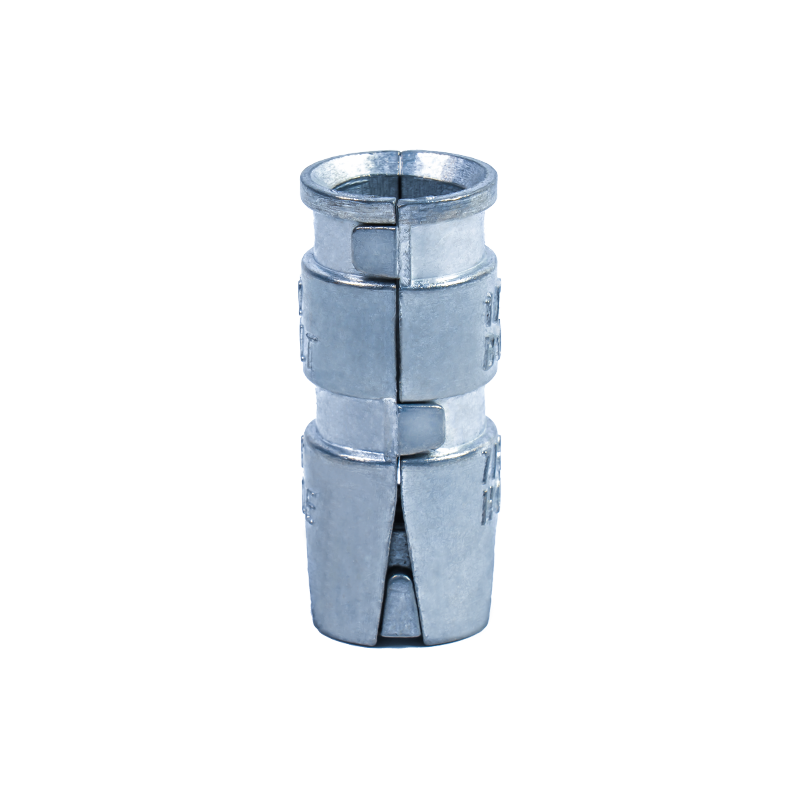
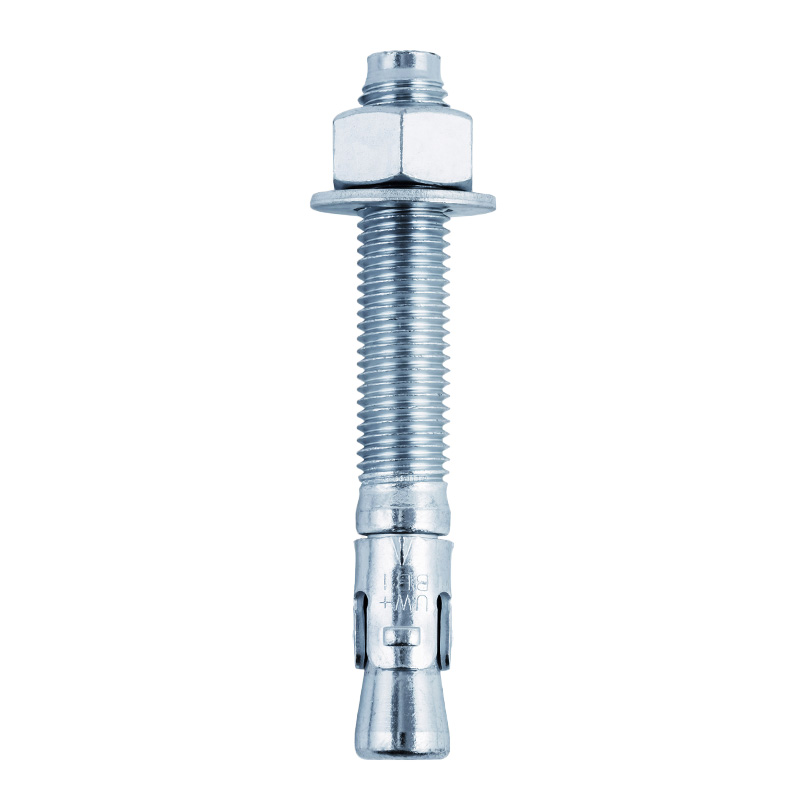
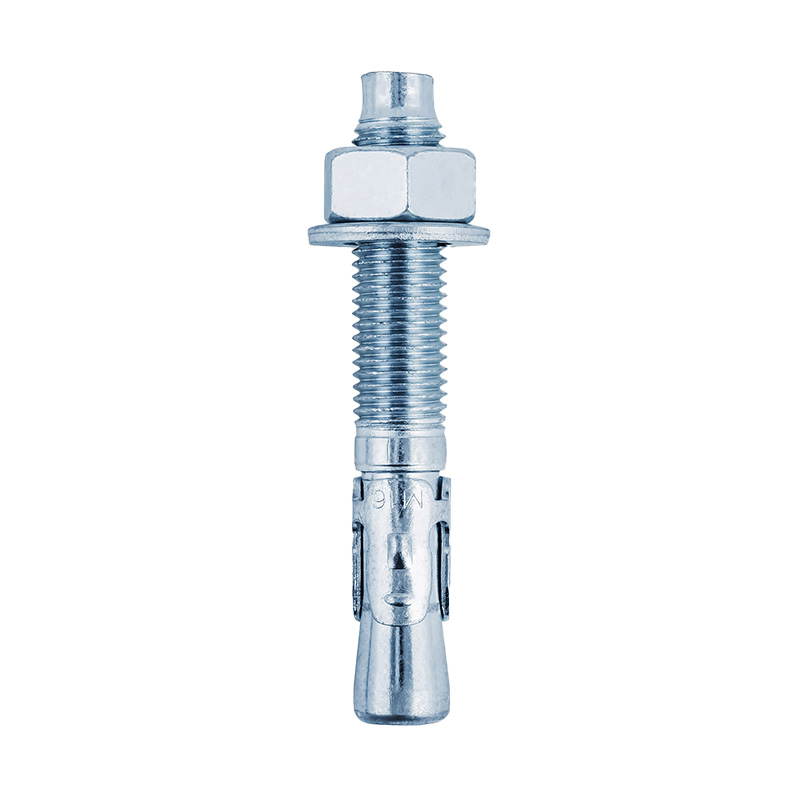
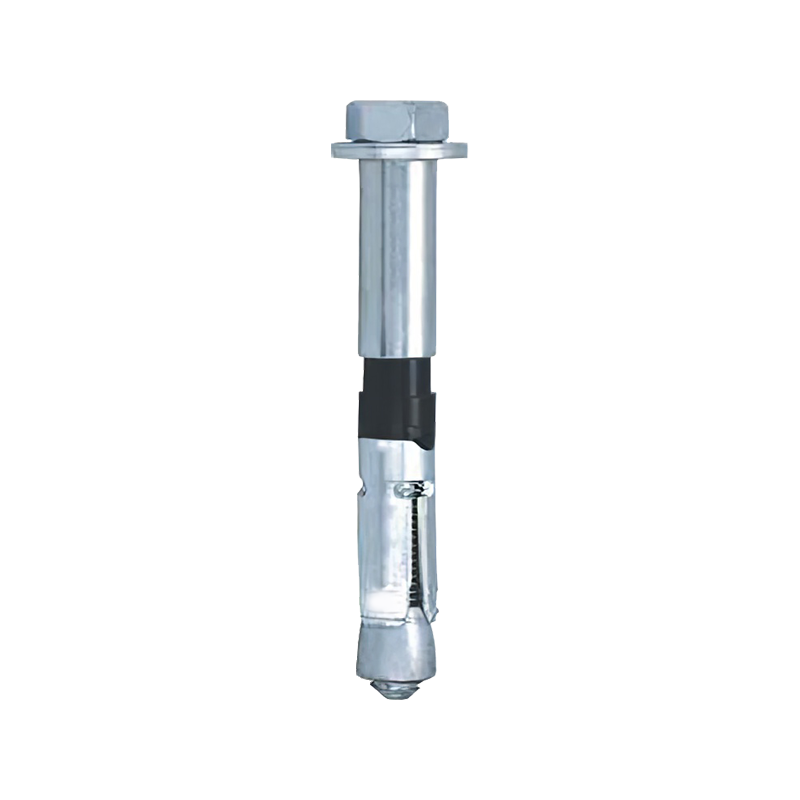
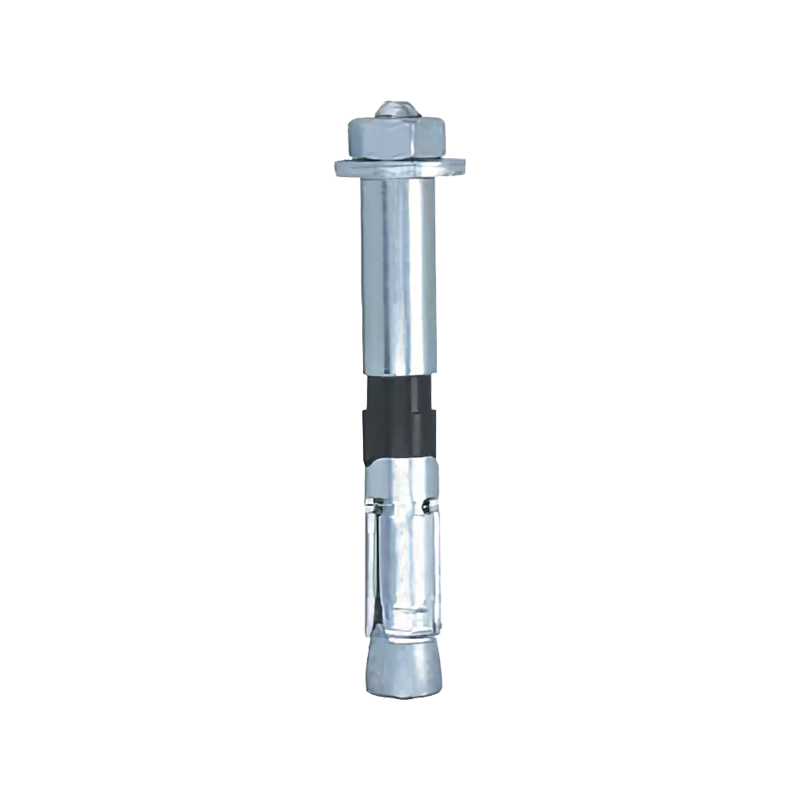
PRODUCT INFORMATION: Zinc alloy single head by the antirust zinc alloys, zinc alloy single Tau, and mechanical screw or mechanical bolts used together used concrete, brick or stone. Screws and bolts can products remove, and if necessary can replacement.

01Production Information 02Inquiry

NO.

Specifications

Aperture (IN)

Length(IN)

CASE/BOX

Weight (kg/box)

SE14N

1/4

1/2

15/16

100/1000

12.97

SE56B

5/16

5/8

11/2

50/500

13.25

SE38N

3/8

5/8

11/2

50/500

19.55

SE12N

1/2

7/8

2

50/200

10.34

SE58N

5/8

1

25/8

25/125

11.75

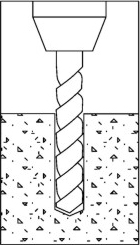
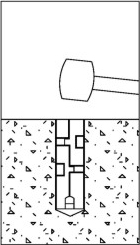
1. Drill holes on the base according to
the required diameter and depth
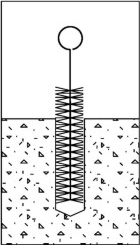
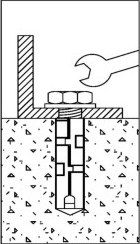
2. Move debris and clean small holes 3. Knock the single-head zinc alloy
expansion into the hole
4. Tighten the screws with a wrench

Expansion Anchors: Commercial Load Distribution Solutions

Professional-grade anchors engineered for balanced load distribution in commercial applications. Single and double expansion types deliver 5-35kN capacity (M6-M20) with proven track record in MEP systems, suspended equipment, and signage fastening. Double expansion variants provide 20-30% higher capacity with superior vibration damping and load sharing.

M6-M20
Size Range
5-35kN
Load Capacity
2 Types
Single & Double
20+ Years
Proven History

Commercial Applications

01

MEP Suspended Systems

HVAC ducts, electrical conduit, piping suspension. Balanced load distribution across ceiling infrastructure.

02

Equipment Mounting

Suspended equipment fastening, motor bases, compressor anchoring. Heavy-duty mechanical support.

03

Signage Installation

Commercial and outdoor signage fastening. Reliable performance in wind loads and vibration environments.

04

Cable Management

Cable tray suspension, conduit support, fiber optic routing infrastructure fastening.

05

Commercial Construction

Structural fastening, building facade attachment, load-bearing fastener applications.

06

Industrial Facilities

Manufacturing equipment mounting, heavy structural support, process line fastening.

Technical Specifications

Diameter
M6 - M20 (metric)
Load Capacity
5-35kN depending on size and type
Anchor Types
Single expansion / Double expansion
Concrete Grade
C20 - C60+
Material
High-strength steel, stainless options

Capacity by Type

M6 Single: 5kN | Double: 6kN
M8 Single: 8kN | Double: 10kN
M10 Single: 12kN | Double: 15kN
M12 Single: 18kN | Double: 22kN
M16 Single: 28kN | Double: 35kN
M20 Single: 35kN | Double: 45kN

Anchor Types Comparison

Single Expansion

  • Simpler design with one expanding sleeve
  • Base capacity level (5-35kN range)
  • Suitable for standard commercial applications
  • Lower cost than double expansion variants
  • Faster installation process
  • Standard vibration damping capability

Double Expansion

  • Advanced design with dual expanding sleeves
  • 20-30% higher capacity than single type
  • Superior vibration and shock absorption
  • Better load distribution across substrate
  • Slightly longer installation time
  • Ideal for heavy-duty and dynamic applications

Load Distribution Engineering

Balanced Load Sharing

Expansion mechanism distributes load evenly across anchor contact surface. Prevents stress concentration and substrate damage.

Vibration Damping

Double expansion provides superior shock absorption. Ideal for applications with dynamic loading and vibration cycles.

Substrate Compatibility

Effective in concrete grades C20 through C60+. Performance scales with concrete strength and density.

Long Service Life

20+ years proven field performance. Consistent holding capacity over extended service periods.

Installation Reliability

Predictable holding force achieved through controlled expansion process. Field installation success rate very high.

Commercial Specifications

Engineered to meet commercial building codes and MEP system requirements. Inspector-approved design.

Six Commercial Advantages

1

Proven Track Record

20+ years of documented field performance in commercial applications. Reliable, predictable holding force.

2

Balanced Load Distribution

Superior load sharing across contact surface reduces substrate stress. Enables safe mounting of heavier loads.

3

Type Flexibility

Choice between single expansion (standard cost/performance) and double expansion (20-30% higher capacity).

4

Vibration Performance

Double expansion type provides excellent shock absorption for dynamic loading. Ideal for HVAC, machinery, equipment.

5

Commercial Compliance

Engineered to building codes and MEP specifications. Inspector-ready design with full documentation support.

6

Cost-Effective Solutions

Economical fastening for commercial projects. Lower cost per installation than alternative heavy-duty methods.

Performance Specifications

Concrete Grade C20-C60+
Installation Torque Controlled expansion (tool-dependent)
Service Life 20+ years indoor; 15-20 years outdoor
Temperature Range -10°C to +80°C
Vibration Class Medium to high (double expansion)
Load Cycling 10,000+ cycles typical
Chemical Resistance Stainless options for corrosive environments
Installation Success Rate 95%+ field validation

Expansion Anchors vs. Alternative Methods

Factor Double Expansion Single Expansion Bonded Anchors
Load Capacity 5-45kN (high) 5-35kN (moderate) Variable
Installation Speed Fast (2-3 min) Fast (2-3 min) Slow (curing)
Vibration Performance Excellent (dual) Good (single) Fair
Service Life 20+ years proven 20+ years proven 10-15 years
Field Success Rate 95%+ 90%+ 80%+
Installation Tools Minimal Minimal Mix required

Frequently Asked Questions

When should you choose double vs. single expansion?

Double expansion recommended for dynamic loading, vibration-prone applications, and heavier loads. Provides 20-30% higher capacity and superior shock absorption. Single expansion adequate for static applications and standard commercial loads. Cost difference justified for critical applications.

What concrete grade is required?

Anchors perform in C20 through C60+ concrete. Higher strength concrete provides better holding capacity. Performance scaling with concrete density is predictable. C30 and above recommended for demanding commercial applications. Softer concrete reduces holding force slightly.

How reliable is the 20+ year service life claim?

Backed by extensive field documentation and real-world building performance data. Multiple large commercial projects demonstrating 20-30 year holding performance without degradation. Indoor installations typically exceed 20 years; outdoor exposure reduces to 15-20 years depending on environment.

Are these suitable for MEP suspended systems?

Yes. Specifically engineered for HVAC, electrical, and plumbing suspension applications. Double expansion type ideal for dynamic HVAC vibration. Balanced load distribution protects concrete ceiling infrastructure. Commercial building code compliant.

What about stainless steel for corrosive environments?

Stainless steel 304/316 options available with equivalent capacity ratings. Recommended for coastal, chemical-exposed, and outdoor applications. Maintains 20+ year service life even in harsh marine or industrial environments.

What is the installation success rate?

95%+ field validation success rate with proper installation procedure. Double expansion slightly higher (96%+) than single expansion (94%+). Success dependent on following equipment manufacturer installation specifications and torque recommendations.
Yuyao Nanshan Development Co., Ltd.
About Nanshan

Yuyao Nanshan Development Co., Ltd.

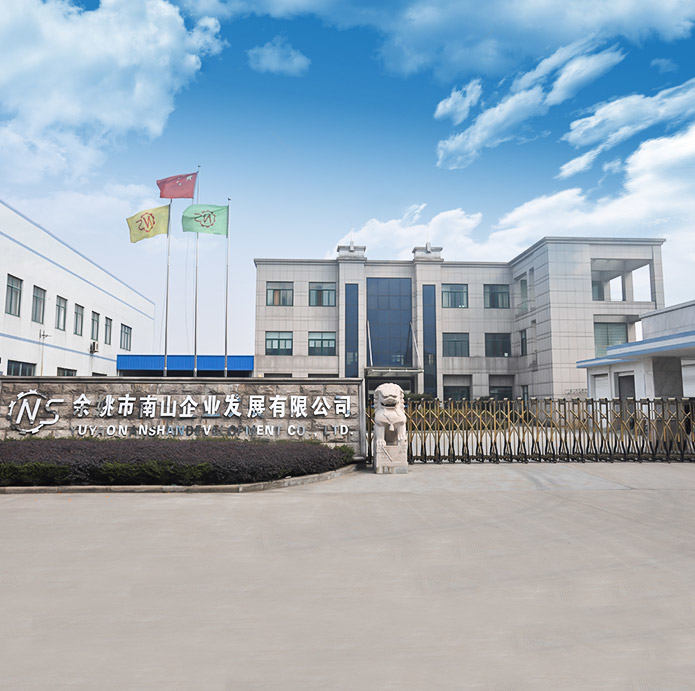
Yuyao Nanshan Development Co., Ltd. was established in 1999 and is located in Ningbo with elegant and charming environments and enjoys convenient transportation.
Yuyao Nanshan Development Co., Ltd. is China Zinc Alloy Single-Head Anchors Manufacturers and Wholesale Single Expansion Anchor Suppliers, specializes in producing Zinc Alloy Single-Head Anchors with professional production equipment. Nanshan has strong technologies with advanced facilities and imported automatic production machines and inspection equipment. Nanshan also is using the ERP to control the production process line and has set up a research & development center for continued innovation and to meet the requirements of more and more customers from all over the world.
Our products extensively are used in steel high constructions, tunnel projects, bridges, railways, airport stations, high way, sea ports, nuclear power plants,s and so on. And it sold to USA market and Europe market morely and Asia, that all makes customers satisfied exactly.
Yuyao Nanshan Development Co., Ltd. adheres to the principle of “quality the eternal base, credit forever pursuit”, we will spare no effort to provide our customers with more stable quality and more wonderful service. We welcome domestic and overseas customers to contact us for more information and business opportunities.

Witness strength

Honorary Qualifications

Update news
NEWS AND BLOG
Single Expansion Anchor Industry knowledge

How does single expansion anchor work?

In the fields of modern architecture and civil engineering, the application of anchoring technology is becoming more and more prominent, and it plays a vital role in the stability of building structures, construction efficiency and cost control. Among many anchoring products, Single Expansion Anchor has gradually become the preferred solution in construction, bridges, tunnels and other engineering fields due to its excellent performance and reliability.
Product Definition and Structure
Single Expansion Anchor is a fastening device that relies on an expansion mechanism to achieve anchoring. It is mainly composed of anchor body, expansion plug, gasket, nut and other components. The anchor body uses a specific thread design to fit tightly with the expansion plug and nut. Expansion plugs are usually made of high-strength, high-elastic materials that can deform under the action of external forces, thus enhancing the anchoring effect. The function of the gasket and nut is to ensure the stable position of the anchor bolt in the hole and prevent displacement caused by external forces.
Working principle
The working principle of Single Expansion Anchor is based on the expansion mechanism. After the anchor bolt is installed to a predetermined depth, tension is applied using a special tool (such as a pneumatic or electric wrench) to deform the expansion plug inside the anchor bolt. This process can be divided into two stages:
Initial expansion stage: Under the action of tension, the expansion plug begins to gradually expand and forms initial contact with the hole wall. The expansion process at this stage is gradual and aims to ensure that the expansion plug can fit the hole wall evenly and stably to avoid anchoring instability caused by uneven contact.
Full expansion stage: As the tension further increases, the expansion plug continues to expand, and finally forms a tight fit with the hole wall. At this stage, the elastic deformation of the expansion plug reaches the maximum value, and the anchoring force generated also reaches the peak value. This strong anchoring force can effectively resist external loads, thereby ensuring the overall stability of the structure.
Generation and transmission of anchoring force
The generation and transmission of anchoring force are the core functions of single expansion anchors. When the expansion plug is in close contact with the hole wall, a uniform pressure distribution is formed on the surrounding hole wall. This pressure distribution not only ensures the stability of the anchor within the hole, but also effectively transmits the anchoring force to the surrounding substrate through the hole wall.
The effective transmission of anchoring force is affected by many factors, including the strength of the base material, the roughness of the hole wall, the material and shape of the expansion plug, etc. In order to ensure the effective transmission of anchoring force, it is usually necessary to carry out appropriate pretreatment of the substrate before anchoring operations, such as drilling and cleaning the hole wall. In addition, it is also crucial to select appropriate anchor bolt specifications and expansion plug materials based on specific application scenarios to ensure reliability and safety under different environmental conditions.
Application areas
Single Expansion Anchor is widely used in various construction projects, including but not limited to concrete structures, steel structures, bridge construction, tunnel construction, etc. Its superior performance makes it excellent in withstanding dynamic loads and earthquake resistance, making it an indispensable part of modern engineering.

What are the application scenarios of single expansion anchor?

In the fields of modern architecture and civil engineering, anchoring technology, as one of the core technologies to ensure structural stability and construction efficiency, has received widespread attention from experts in the industry. Among them, the Single Expansion Anchor has become the preferred solution in many important application scenarios due to its excellent performance and reliability.
In steel structure high-rise buildings, single expansion anchors play a vital role. Steel structures have been widely used in high-rise buildings due to their light weight, high strength and fast construction speed. However, the connection nodes of steel structures are key factors affecting the stability of the overall structure. Through its unique expansion mechanism, the single expansion plug anchor can form a strong connection force between steel structure components to ensure the stability and safety of the entire structure. In high-rise buildings, single expansion anchors are often used to connect important components such as steel beams and columns, and play a key role in fixing ancillary facilities such as stairs and elevator shafts.
Bridge and tunnel engineering are extremely challenging areas of civil engineering, with particularly stringent requirements on anchoring technology. single expansion anchors have been widely used in bridge and tunnel projects due to their excellent anchoring performance and adaptability. In bridge engineering, single expansion anchors can be used to fix key components such as bridge bearings and suspension bridge slings to ensure the stability and durability of the bridge. In tunnel engineering, single expansion anchors are often used to fix tunnel linings, steel mesh and other structures, significantly improving the overall stability and safety of the tunnel.
Nuclear power plants and seaport terminals, as important infrastructure for national security and economic development, have extremely strict requirements for anchoring technology. single expansion anchors have demonstrated excellent performance in these special application scenarios due to their high strength, high durability and excellent corrosion resistance. In nuclear power plants, single expansion anchors are often used to fix key equipment such as reactor pressure vessels and containment vessels to ensure the safe operation of nuclear facilities. In seaport terminals, single expansion anchors are used to fix the terminal structure, shore protection facilities, etc., to improve the terminal's carrying capacity and wind and wave resistance.
The application of single expansion anchors is not limited to the above fields, and its potential in other engineering projects cannot be ignored. Whether in municipal infrastructure, industrial plants or residential buildings, single expansion anchors can meet the anchoring needs in different environments with their excellent performance. Its design concept emphasizes convenient installation and efficient performance, simplifying the construction process while ensuring the long-term stability of the structure.
Yuyao Nanshan Development Co., Ltd.'s single expansion plug anchor products are widely used in many fields such as steel structure high-rise buildings, tunnel projects, bridges, railways, airport stations, highways, seaport terminals, and nuclear power plants. These products not only occupy a place in the domestic market, but are also exported to many countries and regions such as the United States, Europe and Asia, and have won unanimous praise from customers at home and abroad.