
 English
 中文简体
中文简体 русский
 Español
Explore Our Product Range
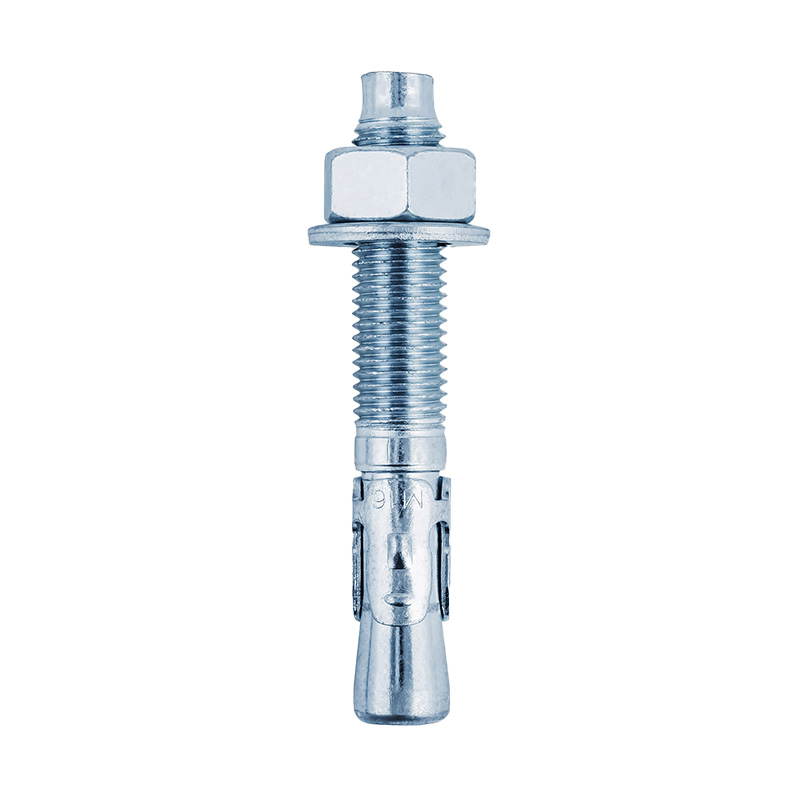
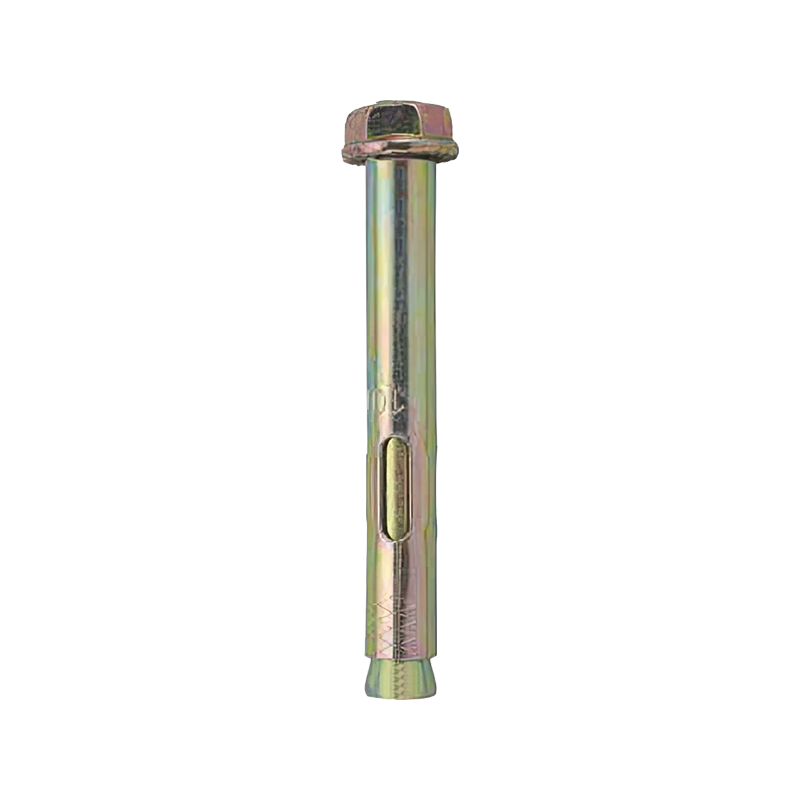
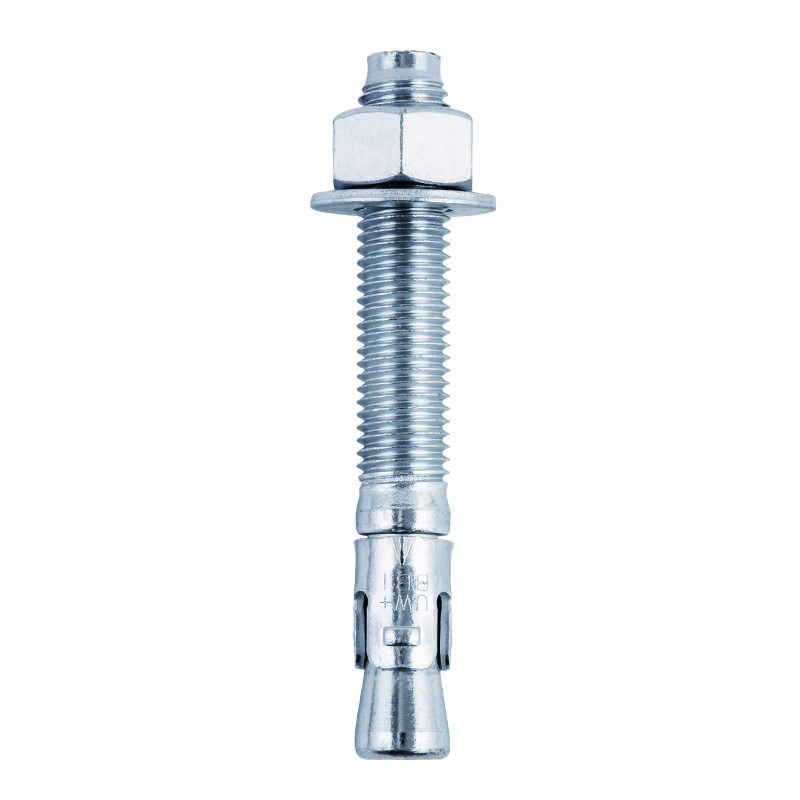
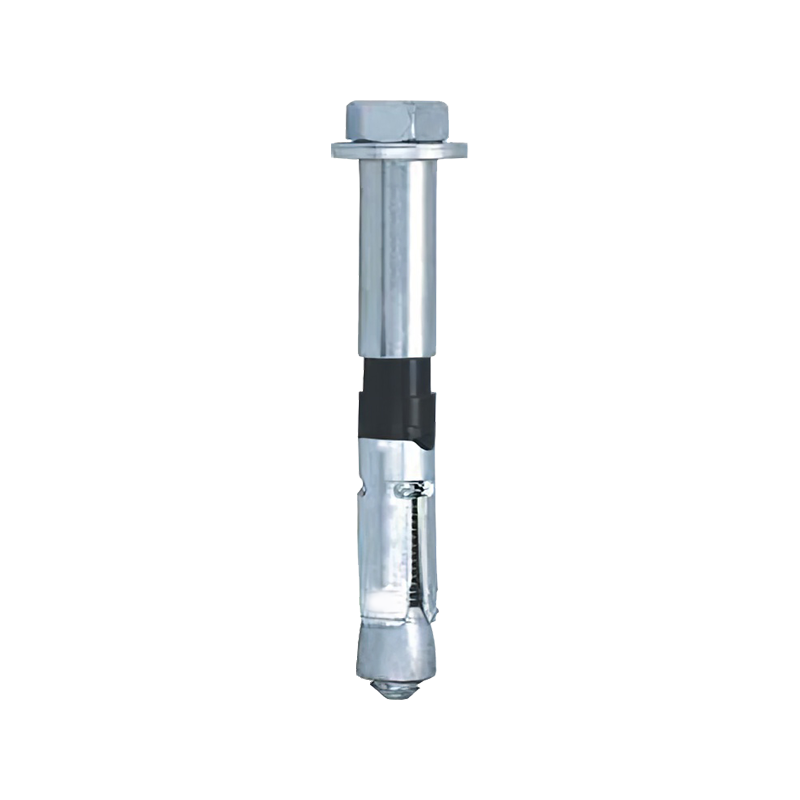
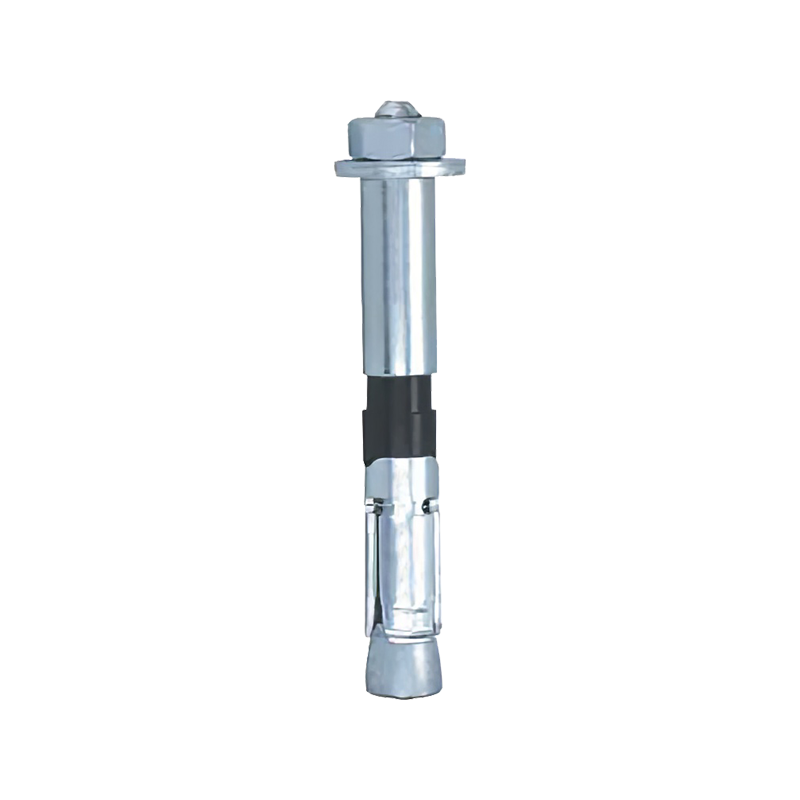
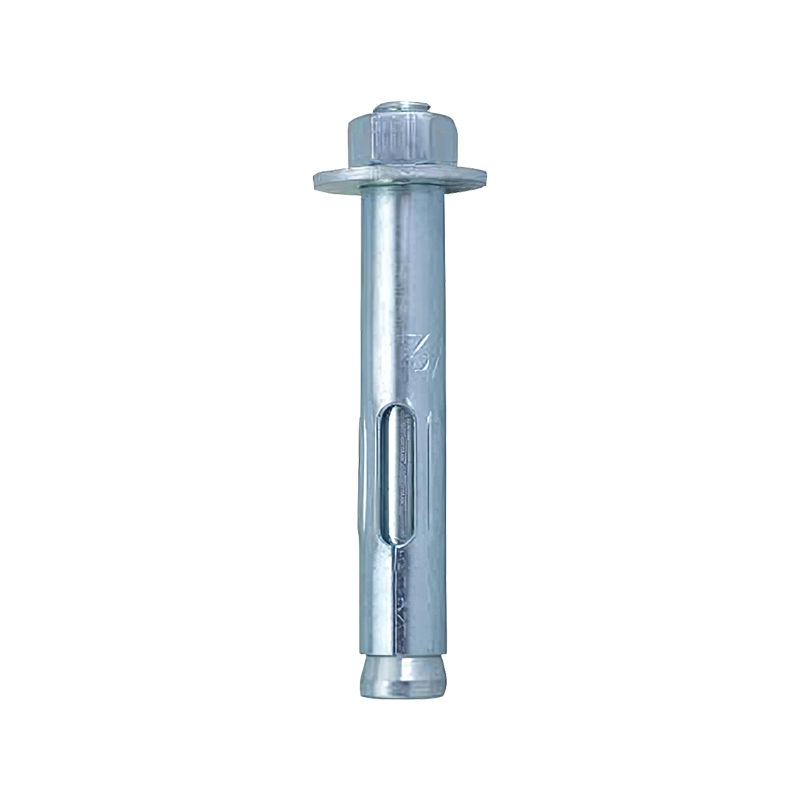
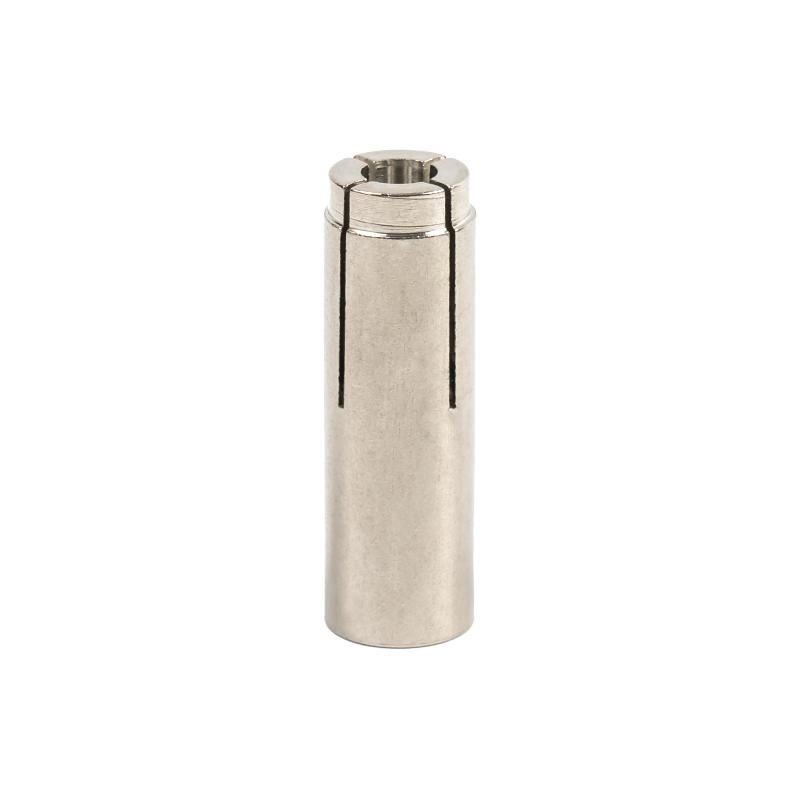
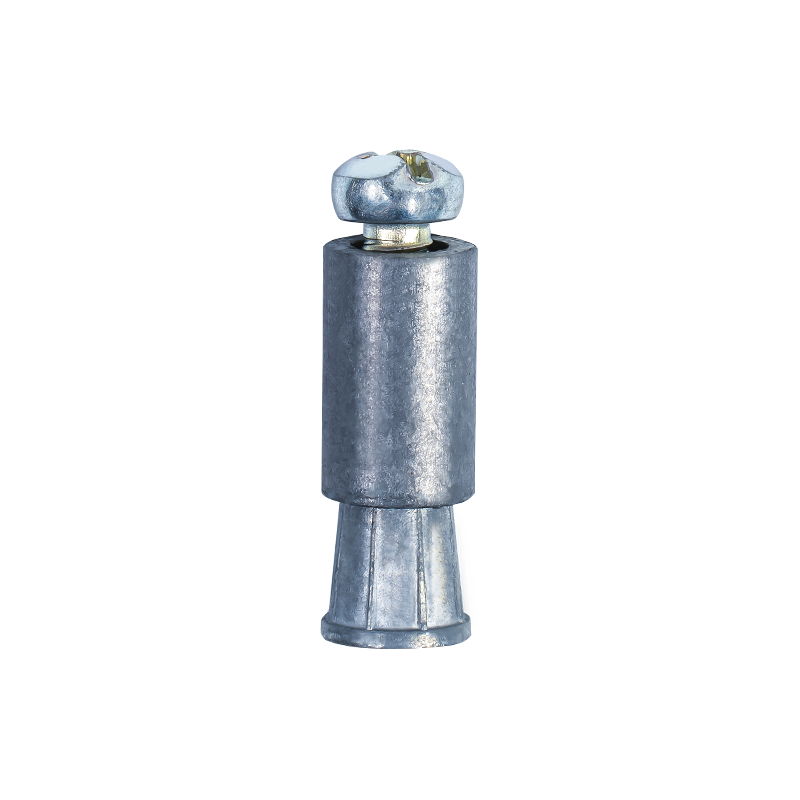
Stainless Steel Metric
Wedge Anchor
Premium corrosion-resistant mechanical expansion bolt engineered for aggressive environments. Ideal for coastal infrastructure, chemical plants, and marine applications where carbon steel fails.
Corrosion Resistance Without Compromising Strength
In structural engineering, selecting the correct anchor for aggressive environments is as critical as the concrete itself. Carbon steel wedge anchors, even with zinc plating, eventually succumb to moisture, chlorides, and industrial chemicals. The Stainless Steel Metric Wedge Anchor solves this problem entirely. Manufactured from austenitic stainless steel grades A2 (304) and A4 (316), these expansion bolts provide the same mechanical holding strength as carbon steel but with decades of maintenance-free service in coastal, marine, chemical, and food processing environments.
The working principle mirrors that of carbon steel wedge anchors but with material properties optimized for corrosion resistance. A pre-drilled hole is made in solid concrete using a carbide-tipped bit. The stainless steel anchor, featuring a threaded body, expansion clip, washer, and nut, is inserted through the fixture. As the nut is tightened with a torque wrench, the cone-shaped end pulls upward, forcing the expansion clip outward against the concrete. This creates radial pressure that generates the holding values. The key difference is that stainless steel's work-hardening characteristics during cold heading and thread rolling actually increase local strength at the expansion zone, often exceeding the performance of equivalent carbon steel grades in shear applications.
Why specify stainless steel over zinc-plated carbon? In environments such as sea ports, bridge expansion joints exposed to deicing salts, wastewater treatment plants, swimming pool structures, or outdoor public infrastructure within 10 kilometers of a coastline, carbon steel anchors show red rust within 12 to 24 months. Severe pitting can reduce load capacity by 50 percent within five years. Stainless steel wedge anchors, particularly A4 (316) with molybdenum addition, resist pitting and crevice corrosion even in direct salt spray or submerged conditions. Independent salt spray testing per ASTM B117 shows A2 stainless steel exceeds 1,000 hours without red rust, while A4 exceeds 2,000 hours. For comparison, standard zinc plating fails at 72 to 96 hours.
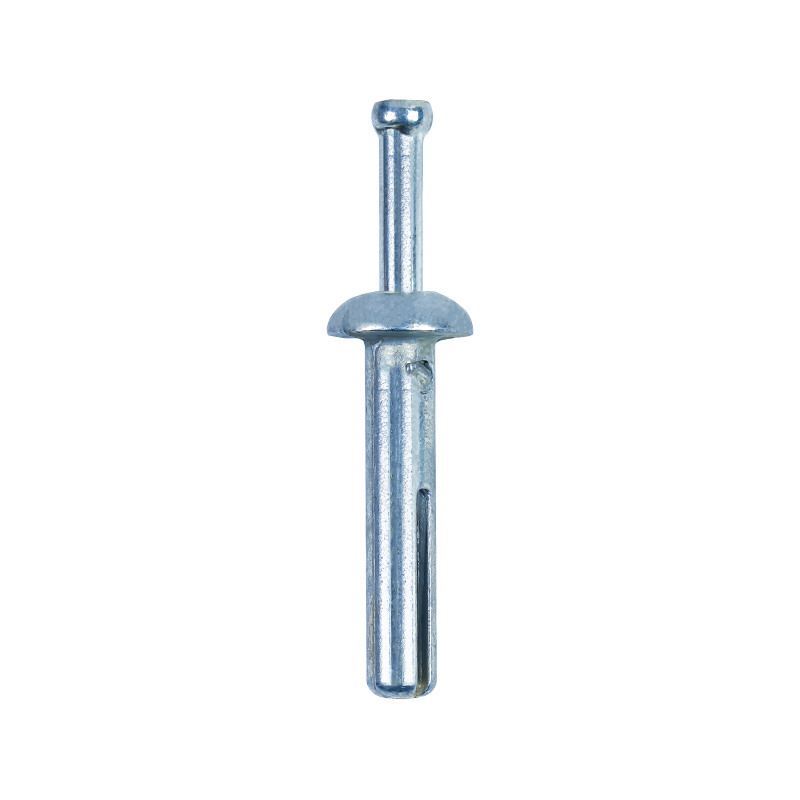
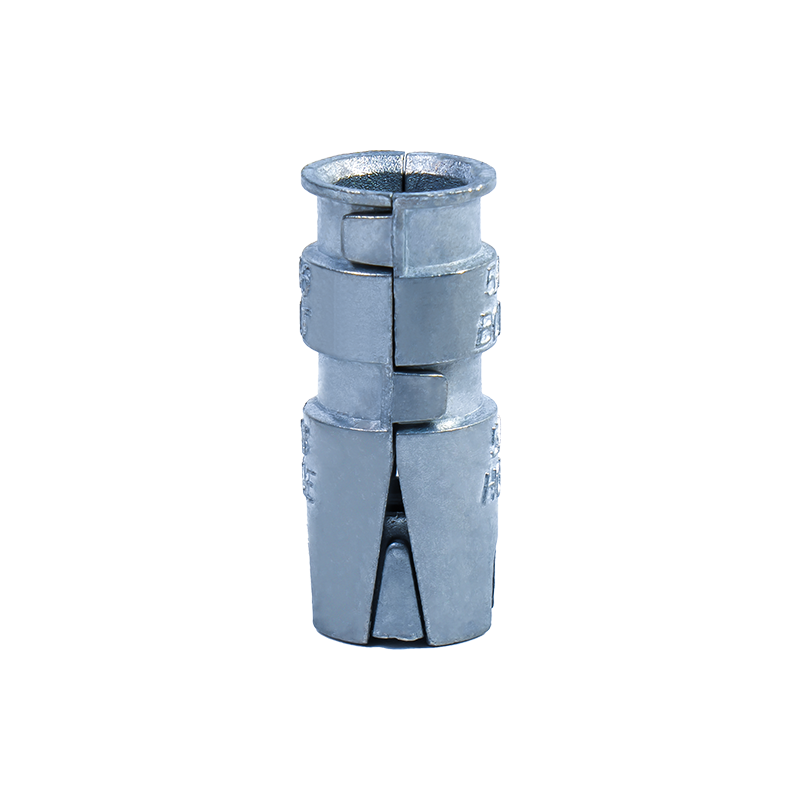
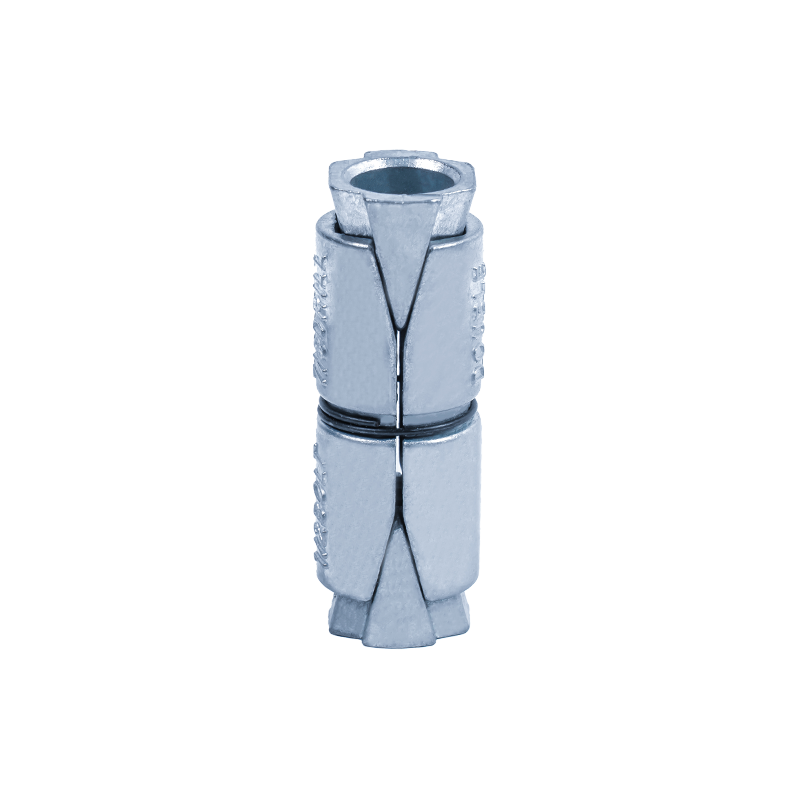
The stainless steel metric wedge anchor family includes several variations to suit different project needs. The standard version uses a one-piece expansion clip for general corrosion resistance. For seismic zones or cracked concrete, a four-shield stainless steel version provides uniform expansion even in irregular holes. For overhead installations, stainless steel drop-in anchors offer a flush-mount solution. For through-fixture applications where speed matters, stainless steel through-bolt wedge anchors come pre-assembled with washer and nut. All versions maintain full thread compatibility with metric hardware, simplifying inventory for international projects. Whether the application is a highway guardrail in a coastal region, a railway signal base in a tunnel, or a nuclear power plant safety system requiring zero corrosion risk, the stainless steel metric wedge anchor delivers permanent, verifiable performance.
A4 Stainless Steel (316)
Contains 2-3 percent molybdenum, providing superior resistance to chlorides and saltwater. Recommended for direct marine immersion, coastal structures within 500 meters of shoreline, and chemical plants handling acids.
Work-Hardened Strength
Cold heading and thread rolling processes work-harden the stainless steel, achieving tensile strengths equivalent to Grade 5.8 carbon steel while maintaining ductility.
Global Compliance
Certified to EN 14592, ETA-06/0106, and ICC-ES ESR-2705. Accepted for use in European, North American, and Asian infrastructure projects without additional qualification testing.
Stainless Steel Wedge Anchor Specifications
| Material Grades | A2 Stainless Steel (304), A4 Stainless Steel (316) |
| Diameter Range | M6, M8, M10, M12, M16, M20, M24 (1/4" to 1" upon request) |
| Anchor Lengths | 50mm, 75mm, 100mm, 120mm, 150mm, 200mm, 250mm, 300mm |
| Thread Type | Metric coarse thread (ISO 6H), fully threaded or partial thread |
| Concrete Strength | C20/25 to C50/60 (non-cracked solid concrete only) |
| Expansion Mechanism | 360-degree wrap-around clip (standard) or four-shield (seismic grade) |
| Corrosion Resistance | Salt spray >1000h (A2), >2000h (A4) per ASTM B117 |
Order & Delivery Information
Request Engineering Data
Need the full ETA report, ICC-ES evaluation, or a specific torque vs. load curve for your concrete strength? We respond within 24 hours.
Send Technical InquiryWhere Stainless Steel is Required
Coastal & Marine
Sea ports, docks, piers, offshore platforms, breakwaters, and any structure within 1 kilometer of saltwater. A4 grade is mandatory for tidal zone immersion.
Chemical Plants
Refineries, pharmaceutical manufacturing, fertilizer storage, and wastewater treatment facilities where acids or alkalis are present.
Food Processing
Dairies, breweries, commercial kitchens, and meat packing plants requiring washdown-resistant and non-toxic materials.
Outdoor Infrastructure
Highway guardrails, bridge railings, tunnel lighting, airport canopies, stadium seating exposed to rain and deicing salts.
Advantages Over Carbon Steel & Zinc Plating
Unlimited Service Life
No corrosion means no deterioration of load capacity. Stainless steel anchors last as long as the concrete structure itself.
Same Expansion Force
Mechanical expansion identical to carbon steel. No chemical curing delays. Immediate full load capacity after torquing.
Zero Maintenance
No need for periodic inspection, recoating, or replacement. Lower lifetime cost despite higher initial purchase price.
Full Recyclability
Stainless steel retains its scrap value and is 100 percent recyclable at end of life without environmental restrictions.
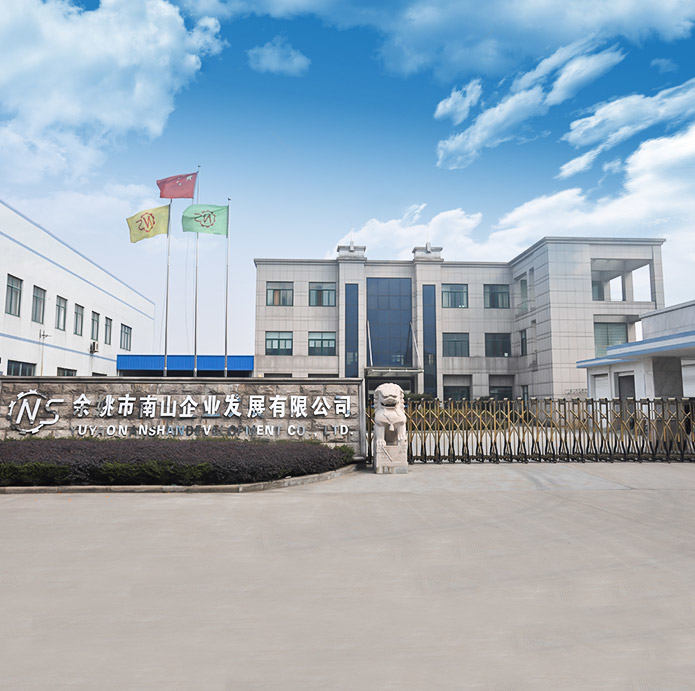
Yuyao Nanshan Development Co., Ltd.
Yuyao Nanshan Development Co., Ltd. was established in 1999 and is located in Ningbo with elegant and charming environments and enjoys convenient transportation.
Yuyao Nanshan Development Co., Ltd. is China Stainless Steel Metric Wedge Anchor Manufacturers and Wholesale Stainless Steel Metric Wedge Anchor Factory, specializes in producing Wedge Anchor with professional production equipment. Nanshan has strong technologies with advanced facilities and imported automatic production machines and inspection equipment. Nanshan also is using the ERP to control the production process line and has set up a research & development center for continued innovation and to meet the requirements of more and more customers from all over the world.
Our products extensively are used in steel high constructions, tunnel projects, bridges, railways, airport stations, high way, sea ports, nuclear power plants, and so on.
Yuyao Nanshan Development Co., Ltd. adheres to the principle of "quality the eternal base, credit forever pursuit", we will spare no effort to provide our customers with more stable quality and more wonderful service.

Step-by-Step for Stainless Steel Wedge Anchors
Drilling
Use a hammer drill with a carbide-tipped bit of the exact anchor diameter. Drill depth = embedment depth plus 5mm to 10mm for dust. For A4 stainless steel, drill slightly slower to prevent overheating the carbide bit.
Hole Cleaning
Critical step. Remove all dust using compressed air or a blow pump. Follow with a wire brush to clean hole walls, then blow again. Any remaining dust prevents full expansion and reduces holding strength by up to 40 percent.
Anchor Placement
Assemble the washer and nut flush with the top of the anchor threads. Drive the anchor through the fixture and into the hole using a hammer until the washer contacts the fixture surface. Do not strike the threads directly.
Torquing
Use a calibrated torque wrench. Apply torque in 30 percent increments. For stainless steel, do not exceed recommended torque by more than 10 percent to avoid thread galling. Use a stainless-safe thread lubricant for high-volume installations.
Stainless-Specific Best Practices
- Use low-speed hammer drill mode to avoid work-hardening the hole surface.
- Apply anti-seize lubricant to threads (nickel-based) to prevent galling during torquing.
- Never use an impact wrench without torque control — stainless steel is prone to thread stripping.
- For A4 grade in marine immersion, use a nylon washer between nut and fixture to prevent galvanic corrosion with aluminum.
- Maintain edge distance at least 6× anchor diameter in cracked concrete zones.
Recommended Tools for Stainless Steel
Stainless Steel Wedge Anchor vs. Zinc-Plated Carbon Steel
Rigorous Testing for Stainless Steel Anchors
Salt Spray Testing
A2 grade tested to 1000 hours, A4 grade to 2000 hours per ASTM B117. No red rust, no pitting beyond superficial.
Tensile & Shear
Destructive testing per EN ISO 898-1. Ultimate loads exceed published values by minimum 15 percent safety margin.
Positive Material ID
XRF spectrometers verify alloy composition on every heat. No mix-ups between A2 and A4.
Intergranular Corrosion
Low-carbon variants (A4L) tested per ASTM A262 to ensure resistance to carbide precipitation after welding.
Stainless Steel Anchor Design Parameters
Reduced Ductility Factor
Stainless steel has lower ductility than carbon steel. For seismic applications, use only A4 grade with four-shield expansion clips. Reduce allowable deformation by 20 percent compared to carbon steel designs.
Galvanic Compatibility
When connecting stainless steel anchors to carbon steel fixtures, use insulating washers or specify stainless steel fixtures. Direct contact in wet environments causes rapid carbon steel corrosion.
Embedment Depth
Same as carbon steel: minimum 4× anchor diameter for full load capacity. For A4 in marine splash zones, increase embedment to 5× to account for surface micro-cracking from salt crystallization.
Temperature Limits
Suitable for continuous service from -40°C to +400°C (A2) and -40°C to +450°C (A4). Above 400°C, load capacity reduces by 50 percent due to annealing.
Environmental Life Cycle of Stainless Steel Anchors
Stainless steel is one of the most sustainable construction materials. Over a 50-year building life, a stainless steel anchor produces less environmental impact than three generations of zinc-plated carbon steel anchors.
High Recycled Content
Typical stainless steel contains 60-90 percent recycled scrap. Production uses electric arc furnaces powered by renewable energy where available.
100 Percent End-of-Life Recyclable
Unlike plated carbon steel, stainless steel does not require de-coating before recycling. Scrap value is high, incentivizing recovery rather than landfill.
No Toxic Runoff
Zinc and hexavalent chromium from plated anchors leach into soil and groundwater over time. Stainless steel is inert and non-toxic, even in acidic soils.
Cold Heading & Thread Rolling of Stainless Steel
Cold Heading
Wire is cut and formed into the anchor body at room temperature. This work-hardens the stainless steel, increasing thread strength by 20-30 percent over machined equivalents.
Thread Rolling
Threads are rolled, not cut. This preserves the grain flow, eliminates stress risers, and produces a smooth, work-hardened surface that resists galling during installation.
Optical Inspection
100 percent of production passes through high-speed optical sorting machines that check diameter, thread presence, length, and surface defects to 0.05mm resolution.
Production Flow for Stainless Steel Wedge Anchors
Passivation removes free iron from the surface, maximizing corrosion resistance. Per ASTM A967.
Ultimate Load Capacity by Anchor Diameter
Values shown are for A4 stainless steel wedge anchors in solid non-cracked concrete C25/30. Minimum Embedment ≥5×Diameter. Safety factor of 4:1 applies for working loads. Reduce values by 15 percent for A2 grade.
| Diameter (mm) | Min. Embedment (mm) | Ultimate Tensile (kN) | Ultimate Shear (kN) | Recommended Torque (Nm) | Concrete Thickness Required (mm) |
|---|---|---|---|---|---|
| M8 | 40 | 9.5 | 7.8 | 15 | 90 |
| M10 | 50 | 15.2 | 12.5 | 30 | 110 |
| M12 | 60 | 22.0 | 18.0 | 50 | 130 |
| M16 | 80 | 38.5 | 32.0 | 100 | 170 |
| M20 | 100 | 60.0 | 46.0 | 150 | 200 |
| M24 | 120 | 85.0 | 64.0 | 200 | 250 |
Professional Installation Checklist for Stainless Steel Wedge Anchors
Pre-Installation Verification
- Confirm concrete age is at least 28 days and compressive strength meets design requirements (minimum C20/25)
- Verify edge distance and anchor spacing per the engineering drawing (minimum 5×diameter to edge, 10×diameter center-to-center)
- Check that the fixture hole diameter matches the anchor diameter within +0.5mm / -0.0mm
- Ensure the drill bit is sharp, carbide-tipped, and the correct diameter (not worn beyond tolerance)
- Confirm that the anchor grade (A2 or A4) matches the environmental specification for the project
- Prepare nickel-based anti-seize lubricant for threads to prevent galling
Installation Execution
- Drill hole to depth = required embedment plus 50mm for dust accumulation
- Drill perpendicular to concrete surface within 2 degrees of vertical
- Clean the hole thoroughly: blow with compressed air for 5 seconds, brush with wire brush (5 strokes), blow again for 5 seconds. Repeat once more
- Assemble washer and nut flush with the top of the anchor threads
- Apply anti-seize lubricant to threads (thin, even coat)
- Drive anchor into hole using a hammer until the washer contacts the fixture surface
- Apply torque in three increments: 30%, 70%, 100% of final value
- Verify that the nut does not rotate further when 10% of torque is applied (torque check)
Post-Installation Quality Control
For safety-critical, military, or critical infrastructure projects, we provide full traceability to raw material heat, process parameter logs, and witnessed testing upon request.
Detailed Hole Cleaning Protocol
- Blow with compressed air: 5 seconds minimum
- Brush with wire brush: 5 full strokes (back and forth)
- Blow again: 5 seconds minimum
- Repeat the entire cycle once more for critical applications
- For horizontal or overhead holes, ensure all loose dust is expelled
Warning: Skipping the cleaning step is the #1 cause of anchor failure in the field. Even a small amount of dust reduces holding power by 30–50%.
Standards, Approvals & Testing Methods
Product Standards
EN 1992-4:2018 (European Technical Assessment for wedge anchors in concrete). ISO 3506-1:2020 (Mechanical properties of corrosion-resistant stainless steel fasteners).
Testing Methods
ASTM B117 (Salt spray). ASTM A262 (Intergranular corrosion). ASTM E8/E8M (Tensile testing). ASTM A967 (Passivation).
North American Approvals
ICC-ESR-2027 (Mechanical anchors in concrete). Suitable under IBC and IRC. AC193 criteria for cracked and uncracked concrete.
Marking & Traceability
Each stainless steel wedge anchor head is laser-marked with permanent identification. Full traceability documented in EN 10204 Type 3.1 certificate.
Recommended Tightening Torque for Stainless Steel Wedge Anchors
| Diameter (mm) | Dry (Non-lubricated) | Lubricated (Nickel Anti-seize) | Reduction with lubrication | Galling Risk (Dry) |
|---|---|---|---|---|
| M6 | 11 Nm | 7 Nm | 20% | High |
| M8 | 26 Nm | 18 Nm | 20% | High |
| M10 | 51 Nm | 35 Nm | 20% | Moderate |
| M12 | 89 Nm | 61 Nm | 20% | Moderate |
| M16 | 222 Nm | 150 Nm | 15% | Low |
| M20 | 434 Nm | 296 Nm | 15% | Low |
| M24 | 750 Nm | 510 Nm | 10% | Very Low |
Torque Application Protocol for Stainless Steel
- Always use a calibrated torque wrench. Do not rely on impact wrenches unless set to exact torque with a torque stick
- Apply torque in three increments: First pass at 30% of final value to seat the anchor. Second pass at 70% to begin expansion. Final pass at 100% to achieve full grip
- Lubrication is strongly recommended for all stainless steel thread engagements. Use nickel-based anti-seize (never copper-based with stainless steel due to galvanic corrosion)
- If galling occurs (sudden increase in torque followed by binding), stop immediately. Remove the anchor, discard it, clean the hole, and install a new anchor with fresh lubricant
- For large-diameter anchors (M20, M24), use a torque multiplier and extension arm to apply smooth, steady force
Safety Factors & Working Load Determination
| Application Category | Minimum Safety Factor | Example |
|---|---|---|
| Non-structural (signage, light fixtures, conduit) | 3:1 | 100 lb ultimate ÷ 33 lb working load |
| General structural (railings, platforms, equipment) | 4:1 | 1000 lb ultimate ÷ 250 lb working load |
| Safety-critical (cranes, fall protection, seismic) | 5:1 to 6:1 | 1000 lb ultimate ÷ 167–200 lb working load |
| Nuclear safety-related | 10:1 with additional quality factors | Per ASME Section III |
| Parameter | Value | Calculation |
|---|---|---|
| Ultimate tensile load (from testing) | 22.0 kN | Baseline |
| Safety factor (general structural) | 4:1 | Divide by 4 |
| Working load (tension) | 5.5 kN | Approx 560 kg or 1230 lbs |
| Additional reduction for cracked concrete | 0.7 factor | 5.5 × 0.7 = 3.85 kN |
| Additional reduction for close edge distance (<3×Dia) | 0.5 factor | 5.5 × 0.5 = 2.75 kN |
Always consult a structural engineer for final design. The above factors are for preliminary estimation only and may not satisfy local building codes.
Payment & Shipping for Stainless Steel Anchors
Payment Terms
Shipping Ports
Packaging Methods
Frequently Asked Questions — Stainless Steel Wedge Anchors
Stainless Steel Grade vs. Exposure Environment
| Environment Description | Recommended Grade | Expected Service Life |
|---|---|---|
| Dry indoor (heated, no moisture) | A2 or carbon steel | 50+ years |
| Indoor with occasional condensation (warehouses, parking garages) | A2 | 40+ years |
| Outdoor rural (non-coastal, no deicing salts) | A2 | 30+ years |
| Outdoor urban (moderate pollution, occasional deicing salts) | A2 or A4 | 20–30 years |
| Coastal within 5km of saltwater, not direct splash | A4 | >30 years |
| Marine splash zone (direct saltwater contact, tidal) | A4 (super duplex) | 25 years |
| Submerged in seawater (permanent) | A4 (super duplex for tropical) | 20 years |
| Chemical plant (acids, alkalis, except chlorides) | A2 | 24–48 years |
| Chemical plant chlorides, strong reducing acids | A4 or higher | 25 years |
| Swimming pool (chlorine atmosphere, splash) | A4 | 25 years |
| Wastewater treatment (hydrogen sulfide, humid) | A4 (or duplex) | >20 years |
| Property | A2 (304) | A4 (316) |
|---|---|---|
| Salt spray resistance (ASTM B117) | 100 hours | 200+ hours |
| Resistance to chloride pitting (PREN value) | 18–20 | 22–26 |
| Resistance to intergranular corrosion (as welded) | Poor unless A2L | Add (use A4L) |
| Maximum service temperature continuous | 400°C | 540°C |
| Minimum service temperature (not impacted) | >−40°C | −196°C |
| Resistance to sulfuric acid (dilute, room temp) | Fair | Good |
| Resistance to hydrochloric acid | Poor | Fair |
| Resistance to organic acids (acetic, citric) | Good | Excellent |
| Resistance to phosphoric acid | Good | Excellent |
| Magnetic response (after work hardening) | Slight | Slight to none |
Stainless Steel Resistance to Common Industrial Chemicals
| Chemical | Concentration | Temperature | Rating | Notes |
|---|---|---|---|---|
| Sodium chloride (seawater) | 3.5 percent | 20°C to 40°C | Excellent | Pitting possible above 40°C |
| Hydrochloric acid | Any | 20°C | Poor | Avoid contact |
| Sulfuric acid | Up to 10% | 20°C | Fair | Surface tarnish possible |
| Nitric acid | Up to 5% | 20°C to 40°C | Excellent | Passivating effect |
| Phosphoric acid | Up to 5% | 20°C to 60°C | Good | Minor pitting possible |
| Acetic acid (vinegar) | Up to 50% | 20°C | Good | Food safe |
| Sodium hydroxide (caustic) | Up to 50% | 20°C to 60°C | Excellent | No significant attack |
| Ammonia (aqueous) | Any | 20°C | Excellent | Passivating |
| Chlorine gas (dry) | 100% | 20°C | Good | Keep dry |
| Chlorine gas (wet) | Any | 20°C | Poor | Rapid pitting |
| Seawater + biofouling | Natural | 20°C to 30°C | Moderate to Excellent | Periodic cleaning recommended |
For A2 (304) grade, reduce the rating by one level in all cases. Always test in the actual chemical environment before full-scale installation if the chemical concentration or temperature exceeds typical ranges.
Real-World Case Studies: Stainless Steel Wedge Anchors
Replacement of 20,000 carbon steel wedge anchors on a 40-year-old bridge exposed to salt spray and hurricane-driven rain. Original carbon steel anchors showed severe corrosion after 15 years. Replacement specification required A4 (316) stainless steel, 16mm diameter, 150mm embedment. Installed in 2022 with torque verification. No signs of corrosion after 3 years of coastal exposure.
Key learning: A4 grade is mandatory within 500m of saltwater. A2 would have failed within 5 years.
Anchoring of overhead stainless steel pipe racks in a sulfuric acid storage area
Carbon steel anchors corroded through within 2 years. A4 stainless steel wedge anchors (M12, A4/70 grade) were selected. Installed with nickel anti-seize lubricant to prevent galling. After 6 years of continuous exposure to acid vapors and occasional splash, anchors show only minor surface tarnish. Pull tests at year 5 showed 98% of original tensile capacity.
Key learning: A4 withstands dilute sulfuric acid where A2 would pit rapidly.
High-pressure pump foundation anchors in a seawater reverse osmosis plant
Operating environment: 45°C ambient, 35°C seawater, high humidity, and chlorine from disinfection. A4 stainless steel was initially specified but showed pitting after 18 months. Replaced with A4L (low carbon, for welded attachments). After 8 years, anchors remain fully serviceable. No pitting, no crevice corrosion under washers.
Key learning: For hot seawater above 30°C, A4 is the minimum grade. Consider super duplex for 25+ year designs.
Suspension of ventilation ductwork inside a road tunnel subjected to deicing salt runoff and freeze-thaw cycling
A4 stainless steel wedge anchors (M10, 100mm embedment) were installed into high-strength concrete tunnel lining. After 12 years, anchors were inspected during a routine maintenance shutdown. No corrosion, no relaxation of torque, no concrete cracking around anchors. Torque checks showed all anchors within 5% of original installation torque.
Key learning: Stainless steel wedge anchors maintain torque under thermal cycling and vibration where carbon steel anchors would loosen or corrode.
Glossary of Stainless Steel Anchor Terminology
A2 Stainless Steel
Grade 304 austenitic stainless steel. Contains 18% chromium, 8% nickel. General-purpose corrosion resistance. Non-magnetic in annealed condition.
A4 Stainless Steel
Grade 316 austenitic stainless steel. Contains 16% chromium, 10% nickel, 2% molybdenum. Enhanced resistance to chlorides and acids. Preferred for marine environments.
Austenitic
A family of stainless steels with face-centered cubic crystal structure. Non-magnetic (or weakly magnetic), excellent formability, and weldable.
Cold Heading
A manufacturing process where wire is cut and formed into the anchor head and body at room temperature using high-speed presses. Creates work-hardened grain flow.
Work Hardening
Increase in strength and hardness of stainless steel due to plastic deformation during cold heading or thread rolling. Improves head strength but reduces ductility slightly.
Galling
A form of adhesive wear where stainless steel threads seize and tear under pressure, typically during tightening. Prevented by lubrication and controlled torque application.
Passivation
A chemical treatment (usually nitric or citric acid) that removes free iron from the surface of stainless steel, allowing the natural chromium oxide layer to reform and maximize corrosion resistance.
Pitting Corrosion
Localized attack that creates small holes or pits on the stainless steel surface. Initiated by chlorides or halides. A4 grade has higher pitting resistance than A2.
Crevice Corrosion
Corrosion that occurs in shielded areas such as under washers or between threads where oxygen levels are low. More aggressive in seawater.
PREN (Pitting Resistance Equivalent Number)
Calculated value = %Cr + 3.3 × %Mo + 16 × %N. Higher PREN indicates better pitting resistance. A2: ≈18–20. A4: ≈22–26. Super duplex: ≈35–40.
Expansion Clip (Shield)
The mechanical component that expands outward against the concrete hole when the cone is drawn upward. Available in 360-degree wrap-around, four-shield, or three-shield designs.
Through Bolt
A variant of the wedge anchor with a permanently assembled washer and nut that allows one-step hammer installation through the fixture.
Certified Documentation with Every Shipment
Every batch of stainless steel metric wedge anchor is accompanied by a complete documentation package suitable for quality assurance records, regulatory audits, and project handler requirements.
For nuclear, military, or critical infrastructure projects, we provide full traceability to raw material heat, process parameter logs, and witnessed testing upon request.
Related Tags & Articles
Carbon Steel Through Bolt Wedge Anchor
Product Introduction One-Step Installation Without Compromising Holding Str
Heavy Duty Zinc Plated Wedge Anchor
Product Introduction Ensuring Structural Integrity in Concrete & Masonr
Concrete Installation Wedge Anchor Bolt
Product Introduction Fast, Reliable Concrete Installation for Demanding Sch
Seismic Resistant Wedge Anchor Fastener
Product Introduction Engineered Anchoring for Seismic Demand and Cracked Co
High Strength Structural Wedge Anchor
Product Introduction Ultra-High Strength Mechanical Anchoring for Critical
External Threaded Metric Sleeve Anchor
Product Introduction Versatile Metric Threaded Anchoring for Multiple Base
Four Shield Heavy Duty Bolt Anchor
Product Introduction Four Shield Expansion Technology for Maximum Load Capa
Three Shield Heavy Duty Screw Anchor
Product Introduction Three Shield Expansion Technology for Reliable Heavy D
Hex Nut Type Sleeve Anchor Bolt
Product Introduction Standard Hex Nut Sleeve Anchor for Universal Fastening
Corrosion Should Not Be a Design Constraint
For coastal bridges, chemical plants, marine facilities, or any structure where carbon steel would fail within a decade — specify our A2 or A4 stainless steel metric wedge anchors. Engineering support, custom lengths, and full traceability available.
