
 English
 中文简体
中文简体 русский
 Español
Explore Our Product Range
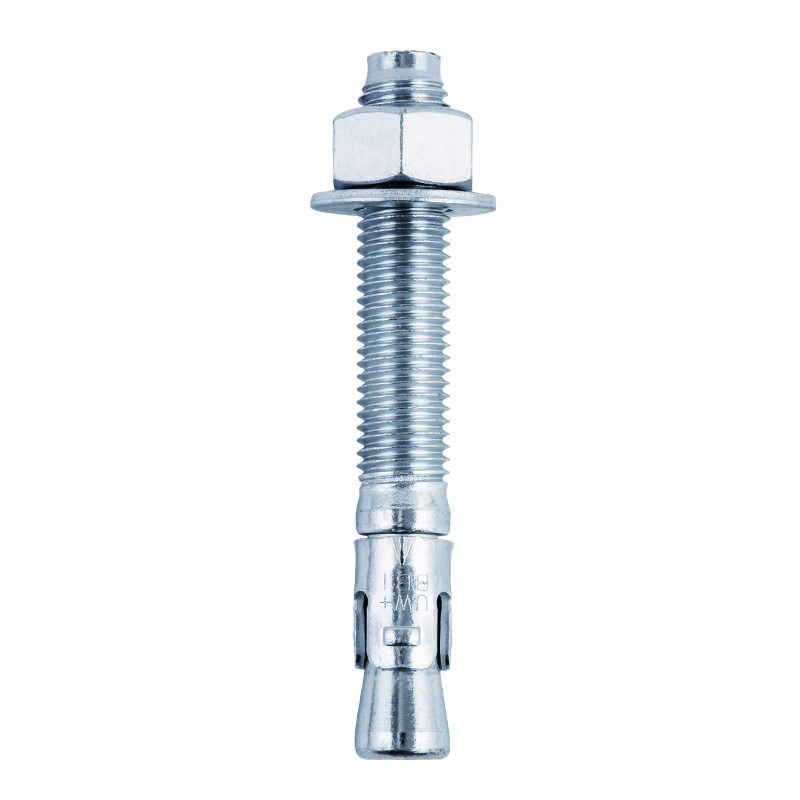
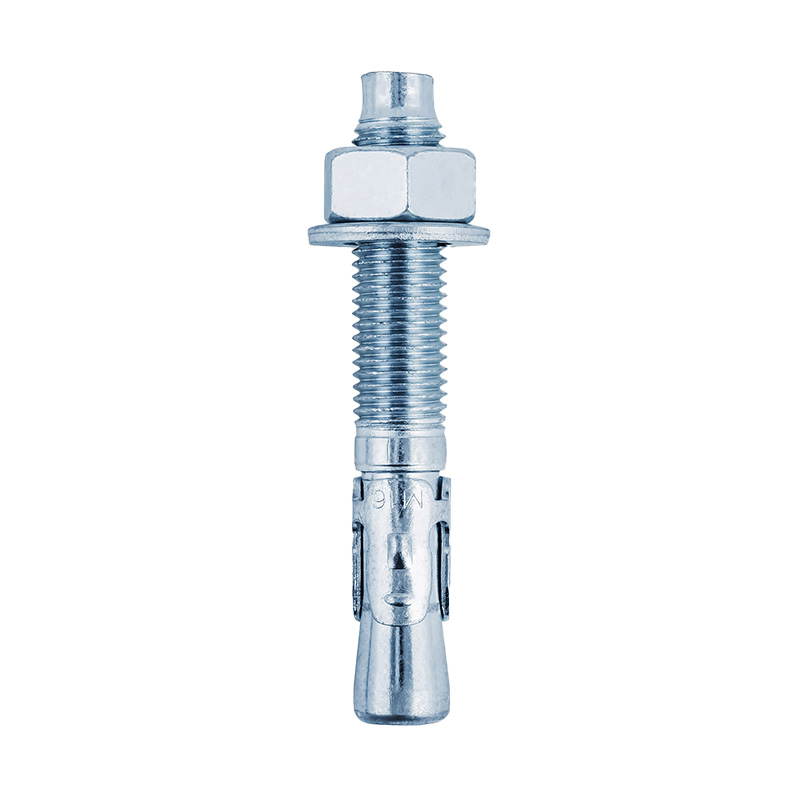
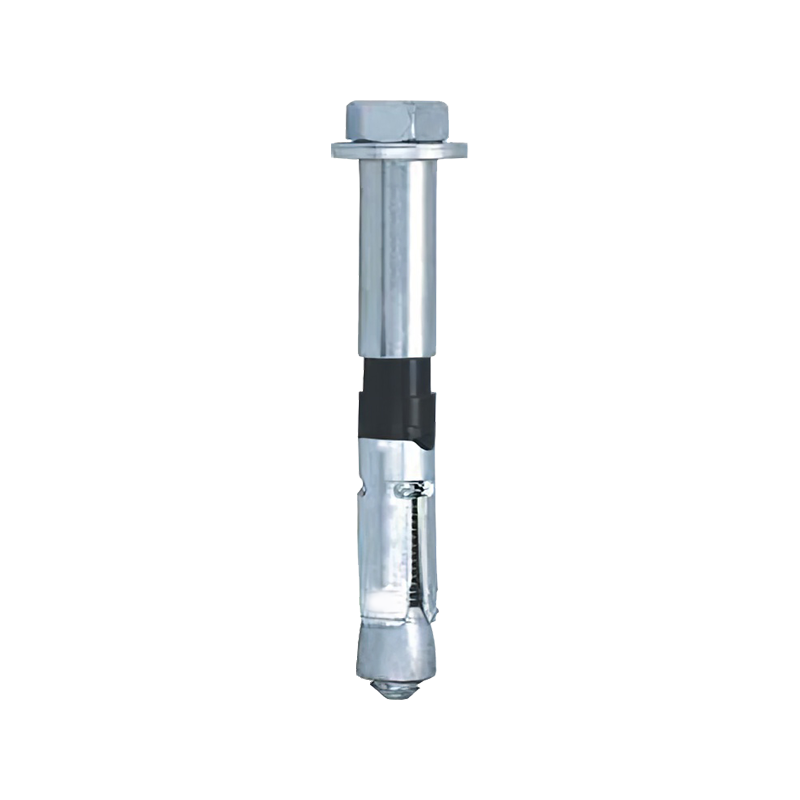
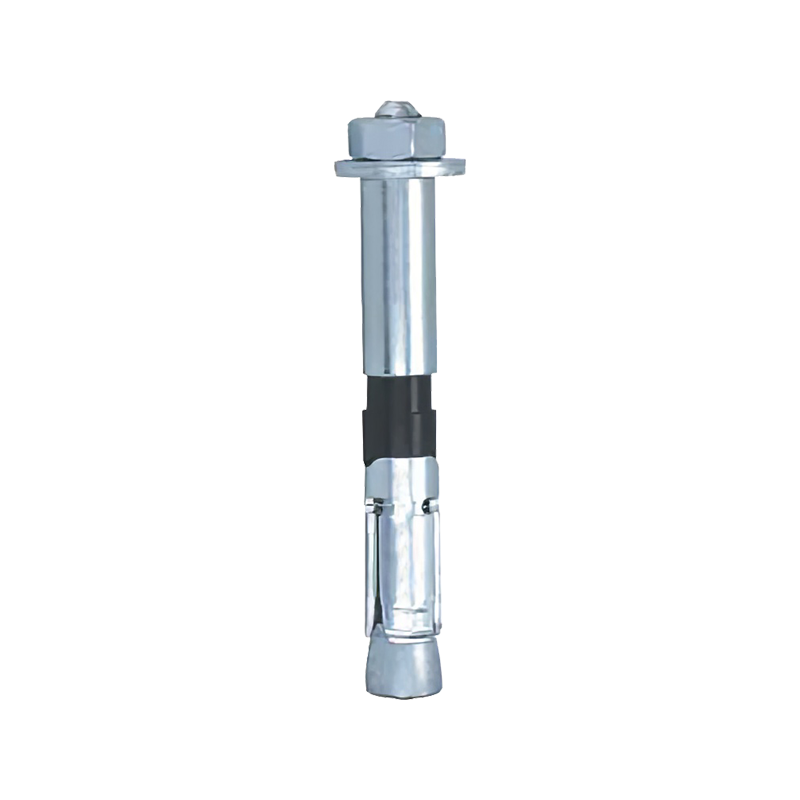
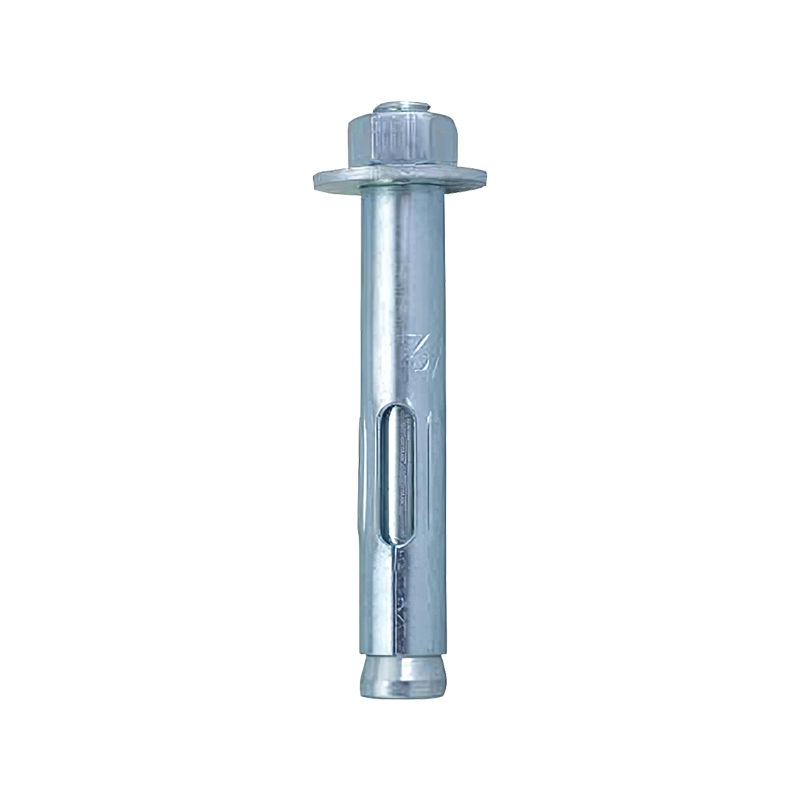
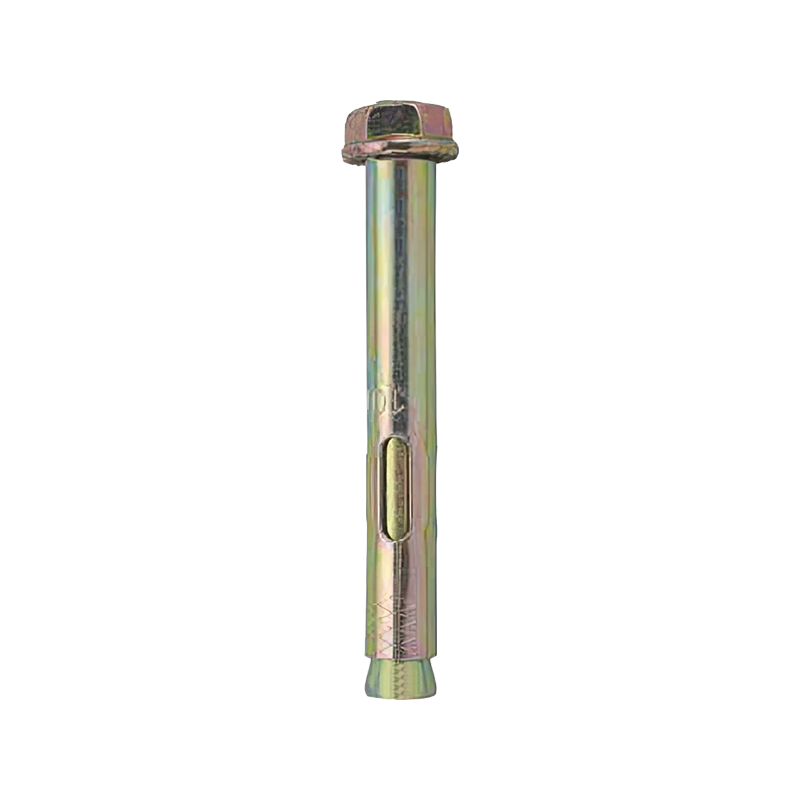
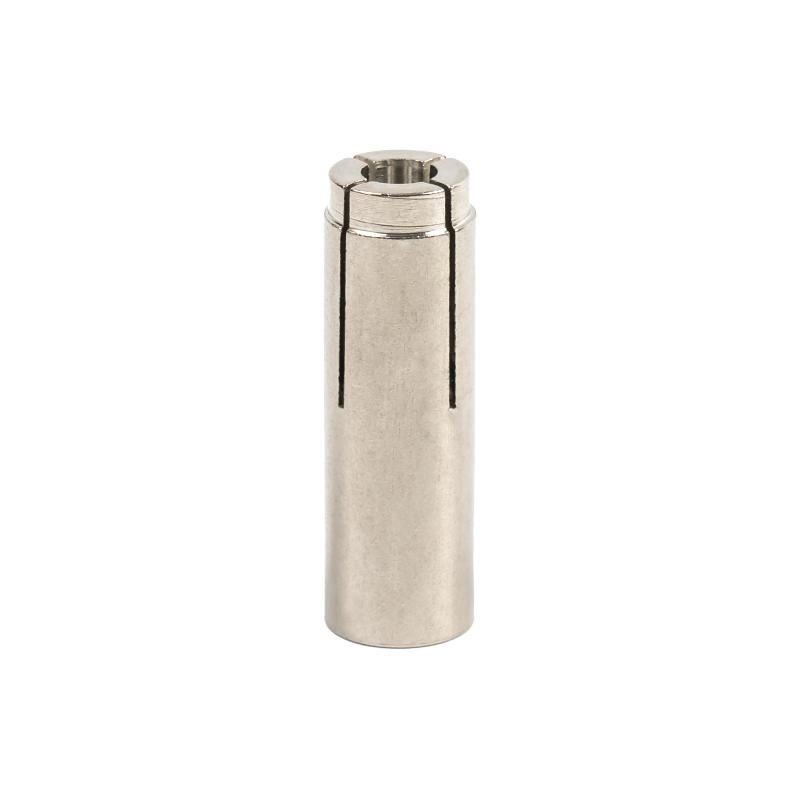
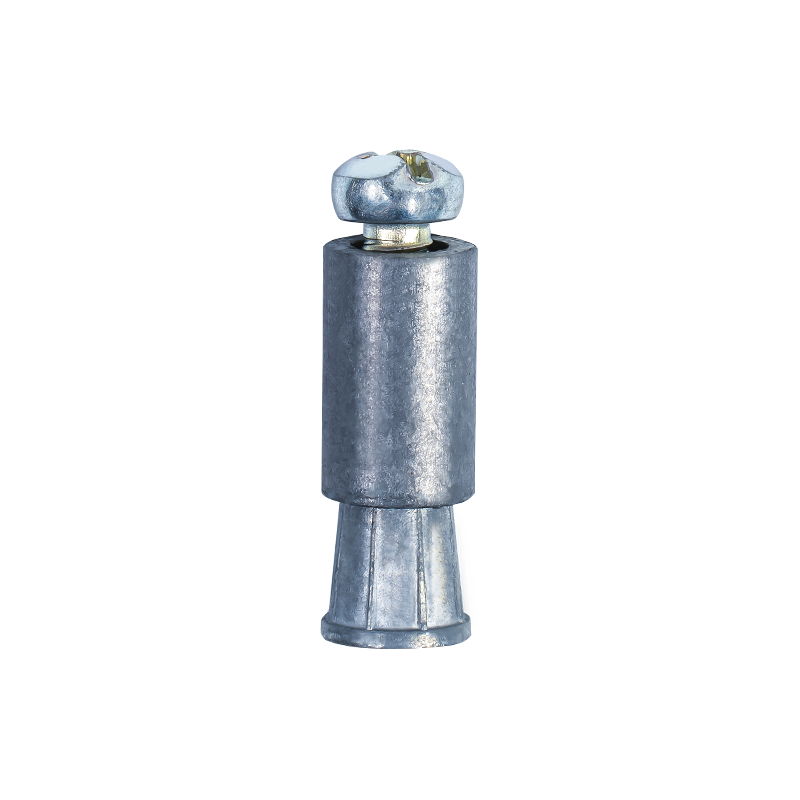
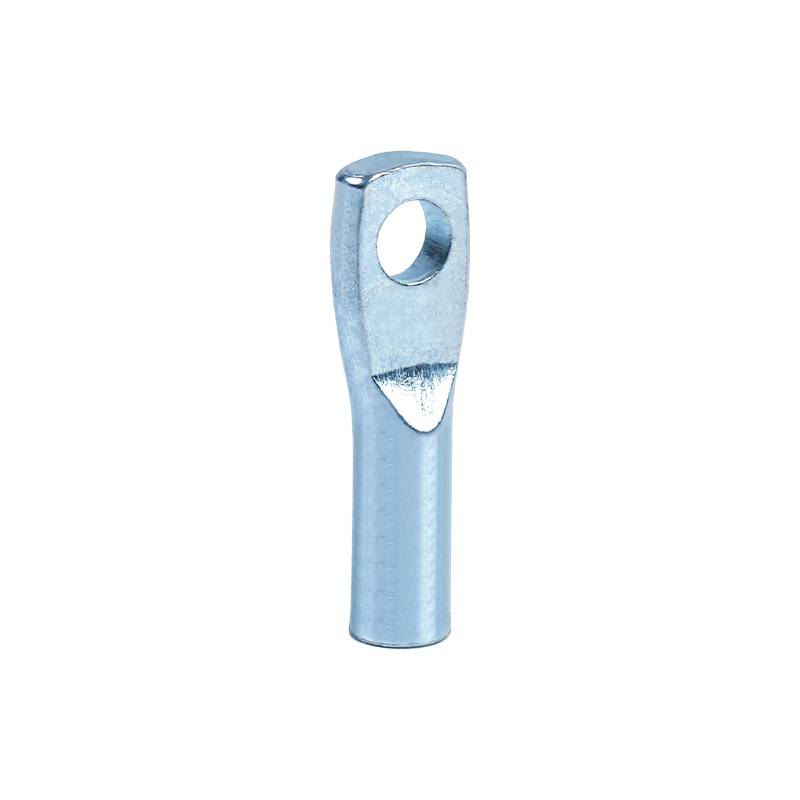
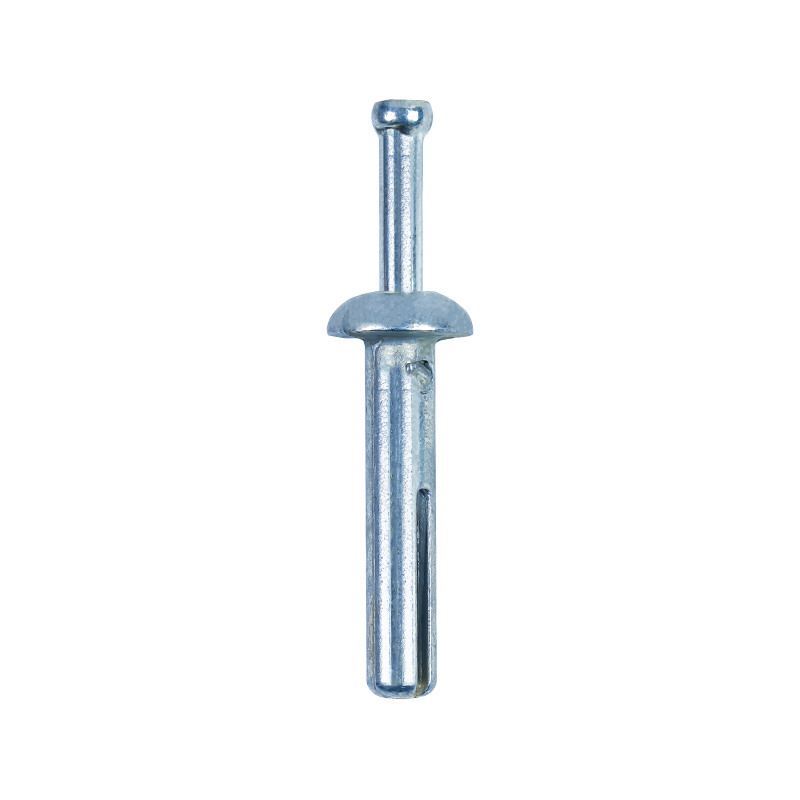
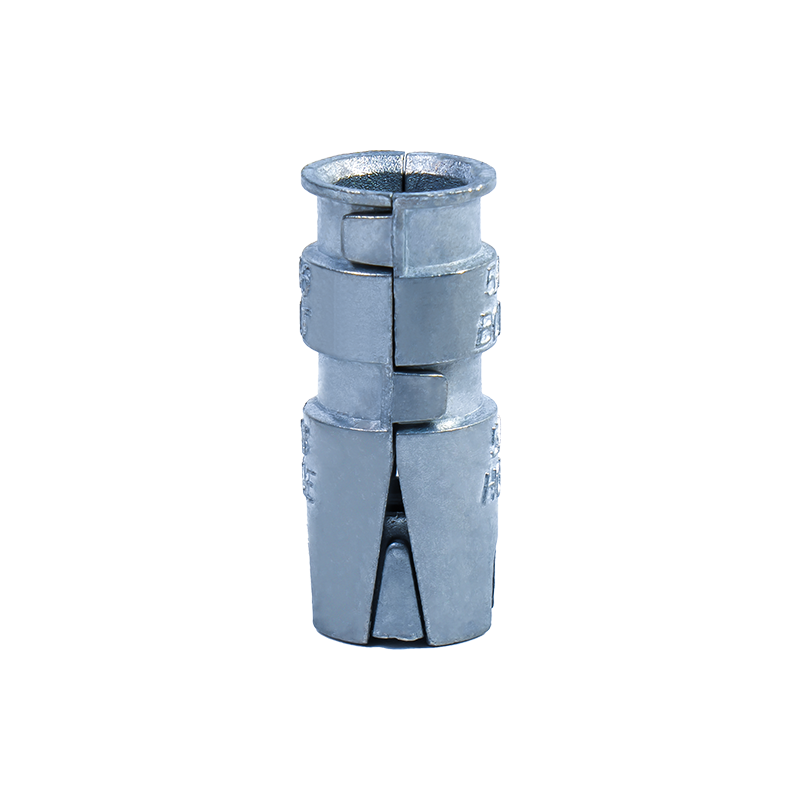
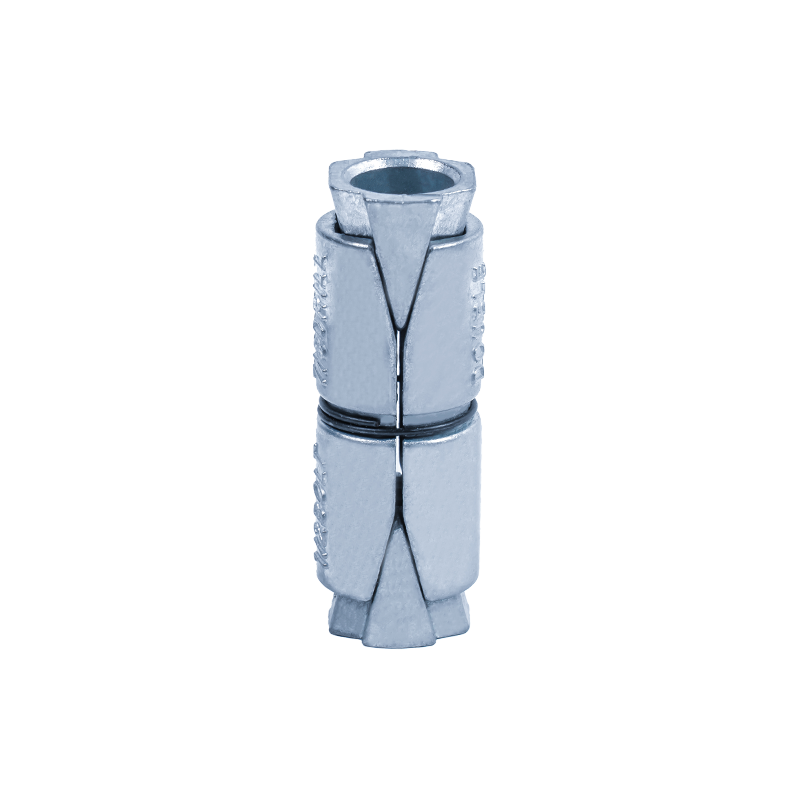
Seismic Resistant
Wedge Anchor Fastener
Engineered and tested for seismic demand categories C through F. Provides reliable anchoring in cracked and uncracked concrete under dynamic loading, ground motion, and cyclic stress conditions.
Engineered Anchoring for Seismic Demand and Cracked Concrete
The Seismic Resistant Wedge Anchor Fastener represents a specialized category of mechanical expansion anchors that have been rigorously tested and approved for use in seismic applications and cracked concrete. In regions subject to earthquakes, standard mechanical anchors often cannot be relied upon because concrete cracking during seismic events reduces the grip of conventional expansion mechanisms. Seismic resistant wedge anchors address this limitation through enhanced expansion clip geometry, deeper embedment requirements, and documented performance under cyclic loading conditions simulating earthquake ground motion.
The fundamental difference between a standard wedge anchor and a seismic resistant wedge anchor lies in testing and approval criteria. Seismic anchors must demonstrate reliable performance in cracked concrete, where crack widths up to 0.5mm or 0.02 inches are expected during an earthquake. Under these conditions, a standard expansion clip may lose grip as the concrete crack opens and closes. Seismic wedge anchors employ a specially designed expansion clip that maintains contact with the concrete hole wall even as cracks propagate. Additionally, seismic anchors undergo cyclic testing that simulates the reversed loading directions experienced during earthquake shaking. Tensile and shear loads are applied in alternating directions thousands of times to verify that the anchor does not loosen or lose capacity.
The testing protocol for seismic wedge anchors follows AC193 criteria established by ICC Evaluation Service. This standard requires testing in both cracked and uncracked concrete under static, seismic, and sustained load conditions. Cracked concrete tests are conducted with pre-existing cracks passing through the anchor location. The anchor must achieve specified load levels without exceeding allowable displacements. For seismic categories C and D, anchors must also demonstrate performance under simulated seismic loading comprised of 5000 cycles of tension loading followed by 1000 cycles of combined tension and shear loading. For the highest seismic categories E and F, additional testing with larger crack widths and more severe loading cycles is required.
The mechanical design of seismic resistant wedge anchors incorporates several enhanced features. The expansion clip is typically longer and more robust than standard clips, providing greater contact area with the concrete. Some designs use a multiple-segment clip that expands more uniformly. The internal cone geometry is optimized to maintain expansion force even if the concrete cracks around the anchor. The anchor body is manufactured exclusively from Grade 8.8 or higher carbon steel to provide the strength margin required for seismic overload conditions. Zinc plating or hot-dip galvanizing provides corrosion protection, and for coastal seismic regions, A4 stainless steel is available.
Installation requirements for seismic wedge anchors are more demanding than for standard anchors. Special inspection is typically required by building codes for seismic anchoring. The installer must be qualified, and torque wrench calibration records must be maintained. Hole cleaning procedures must be documented. For each anchor, installation torque, date, and installer name are recorded. Post-installation verification torque checks may be required on a percentage of anchors. These additional quality controls ensure that seismic anchors achieve the performance levels assumed in the structural design. When properly specified and installed, seismic resistant wedge anchors provide life-safety protection by keeping structures connected to their foundations during and after earthquake events.
For engineers designing structures in seismic zones, the selection of seismic resistant wedge anchors requires careful attention to the anchor's published seismic load reduction factors. These factors account for the reduced capacity of mechanical anchors in cracked concrete under cyclic loading. The engineer must apply these factors to the ultimate load values to calculate allowable seismic working loads. Edge distance and spacing requirements may be more restrictive for seismic applications. Concrete strength requirements are typically higher, with minimum C25/30 specified for most seismic ratings. The anchor manufacturer's ICC-ES evaluation report provides all necessary reduction factors and installation requirements for compliance with the International Building Code.
Cracked Concrete Performance
Tested in concrete with cracks up to 0.5mm width passing through the anchor location. Special expansion clip maintains grip as cracks open and close during seismic events.
Seismic Demand Categories C through F
Approved for use in seismic design categories C, D, E, and F per IBC and ASCE 7. Higher categories require additional testing with larger crack widths and more severe loading cycles.
Special Inspection Required
Building codes require special inspection for seismic anchoring. Our anchors include full documentation and traceability to support code compliance.
Seismic Resistant Wedge Anchor Specifications
| Diameter Range | M8 through M24 / 5/16 inch through 1 inch |
| Material | Grade 8.8 Carbon Steel or A4 Stainless Steel |
| Surface Treatment | Electro-Zinc Plating, Hot-Dip Galvanizing, or Plain Stainless |
| Anchor Lengths | 75mm through 350mm standard |
| Concrete Strength Required | Minimum C25/30 for seismic applications |
| Seismic Categories Approved | C, D, E, and F per IBC and ASCE 7 |
| Testing Standard | ICC-ES AC193 for cracked and uncracked concrete |
| Expansion Clip Type | Enhanced multi-segment seismic clip |
Seismic Certification and Documentation
Seismic Design Assistance
Need ICC-ES reports or seismic load calculations for your project? Our engineering team provides technical support.
Request Seismic DataSeismic Wedge Anchor Applications
Building Structures
Steel column base plates, braced frame connections, and shear wall anchors in buildings located in seismic zones C through F.
Bridges
Bridge bearings, seismic restrainers, expansion joint anchors, and pier connections in high seismic regions.
Equipment Anchorage
Emergency generators, switchgear, HVAC equipment, and life-safety systems requiring seismic certification.
Infrastructure
Hospitals, emergency response centers, schools, and critical facilities with seismic design requirements.
Core Advantages of Seismic Wedge Anchors
High Seismic Categories
Approved for use in seismic design categories C, D, E, and F. Suitable for the most demanding seismic regions worldwide.
Cracked Concrete Rated
Tested in concrete with cracks up to 0.5mm width. Provides reliable grip even when concrete cracks during seismic events.
Cyclic Load Tested
Over 6000 cycles of reversed loading simulating earthquake ground motion. No loosening or capacity loss.
ICC-ES Certified
Evaluation report provides code-compliant design values and installation requirements under IBC.

Yuyao Nanshan Development Co., Ltd.
Yuyao Nanshan Development Co., Ltd. was established in 1999 and is located in Ningbo with elegant and charming environments and enjoys convenient transportation.
Yuyao Nanshan Development Co., Ltd. is China Seismic Resistant Wedge Anchor Fastener Manufacturers and Wholesale Seismic Resistant Wedge Anchor Fastener Factory, specializes in producing Wedge Anchor with professional production equipment. Nanshan has strong technologies with advanced facilities and imported automatic production machines and inspection equipment. Nanshan also is using the ERP to control the production process line and has set up a research & development center for continued innovation and to meet the requirements of more and more customers from all over the world.
Our products extensively are used in steel high constructions, tunnel projects, bridges, railways, airport stations, high way, sea ports, nuclear power plants, and so on.
Yuyao Nanshan Development Co., Ltd. adheres to the principle of "quality the eternal base, credit forever pursuit", we will spare no effort to provide our customers with more stable quality and more wonderful service.

Seismic Installation Requirements and Special Inspection
Pre-Installation Verification
Verify concrete strength minimum C25/30. Confirm edge distance at least 8 times anchor diameter. Verify spacing at least 12 times diameter. Check torque wrench calibration records.
Drilling and Cleaning
Drill hole 10 to 15mm deeper than required embedment. Clean hole thoroughly with blow and brush cycle repeated twice minimum. Document cleaning procedure for special inspector.
Anchor Insertion
Assemble washer and nut flush with top of anchor. Drive anchor into hole until washer contacts fixture. Record anchor batch number for traceability.
Torque Application and Verification
Apply torque in three increments to specified value. Record torque value, date, and installer name. Special inspector witnesses torque application. Perform verification torque on 5 percent of anchors.
Seismic Installation Requirements
- Special inspection mandatory per IBC Chapter 17 for seismic anchoring.
- Qualified installer required with documented training.
- Torque wrench calibration records must be current within 6 months.
- Minimum concrete strength C25/30 for all seismic applications.
- Minimum edge distance 8 times diameter for seismic loads.
- Minimum spacing 12 times diameter center to center.
- Documentation package required for code compliance.
Special Inspection Requirements
Seismic Wedge Anchor vs. Standard Wedge Anchor
Seismic Grade Quality Control and Testing
Cyclic Seismic Testing
Anchors tested to AC193 criteria with 5000 tension cycles plus 1000 combined cycles. No failure or excessive displacement permitted.
Cracked Concrete Testing
Tested in concrete with 0.3mm to 0.5mm cracks passing through anchor location. Verified performance under crack opening and closing.
Torque Documentation
Each anchor installation torque recorded and verified by special inspector. 100 percent traceability of torque values.
Grade 8.8 Material Verification
100 percent material traceability from heat number to finished anchor. EN 10204 Type 3.1 certificates provided.
Seismic Design Parameters and Load Reduction Factors
Seismic Load Reduction Factor
For cracked concrete seismic applications, multiply ultimate static capacity by 0.70 to obtain allowable seismic working load. Refer to ICC-ES report for specific values by diameter and embedment.
Edge Distance for Seismic
Minimum edge distance for full seismic capacity is 8 times anchor diameter. Reduced edge distance requires additional reduction factors per AC193.
Anchor Spacing for Seismic
Minimum spacing for full group seismic capacity is 12 times anchor diameter center to center. Closer spacing reduces group efficiency.
Concrete Breakout in Seismic
Seismic loading increases concrete breakout risk. Use supplemental reinforcement to confine concrete or increase embedment depth per ACI 318 provisions.
Environmental Responsibility in Seismic Anchoring
Seismic anchors manufactured with sustainable practices and full environmental compliance.
RoHS and REACH Compliance
Zinc plating Cr6+ free. Full compliance with EU environmental regulations.
100 Percent Recyclable
Steel anchors fully recyclable at end of structure life. Contributes to circular economy.
Sustainable Manufacturing
Energy-efficient cold heading process. Certified mills with responsible sourcing.
Precision Manufacturing for Seismic Grade Anchors
Cold Heading
High-speed cold forming aligns grain flow. Provides superior fatigue resistance required for seismic cyclic loading.
Thread Rolling
Rolled threads work-harden roots. Higher stripping resistance for seismic overload conditions.
Enhanced Quality Control
Seismic grade production requires additional inspection steps and full documentation traceability.
Seismic Anchor Production Process
Seismic Load Capacity by Anchor Diameter for Cracked Concrete
Values shown for Grade 8.8 seismic wedge anchors in cracked concrete C30/37 per AC193 testing. Safety factor of 4 to 1 applies for allowable seismic working loads. Multiply static capacity by seismic reduction factor of 0.70 to obtain seismic working loads. Edge distance 8 times diameter and spacing 12 times diameter assumed.
| Diameter mm | Min Embedment mm | Static Ultimate Tensile kN | Seismic Working Tensile kN | Static Ultimate Shear kN | Seismic Working Shear kN | Required Torque Nm |
|---|---|---|---|---|---|---|
| M8 | 50 | 13.5 | 2.36 | 10.5 | 1.84 | 28 |
| M10 | 60 | 21.5 | 3.76 | 16.8 | 2.94 | 52 |
| M12 | 70 | 31.0 | 5.43 | 24.0 | 4.20 | 90 |
| M16 | 100 | 54.0 | 9.45 | 44.0 | 7.70 | 220 |
| M20 | 125 | 84.0 | 14.70 | 65.0 | 11.38 | 450 |
| M24 | 150 | 122.0 | 21.35 | 93.0 | 16.28 | 720 |
Professional Seismic Installation Checklist and Special Inspection Requirements
Seismic wedge anchor installation requires documented procedures, qualified installers, and special inspection per IBC Chapter 17. The following checklist must be completed for each anchor or each batch as specified by the special inspector.
Pre-Installation Verification for Seismic Work
- Confirm concrete compressive strength meets minimum C25/30 per test reports not older than 12 months.
- Verify edge distance is at least 8 times anchor diameter from any free edge for full seismic capacity.
- Verify anchor spacing is at least 12 times anchor diameter center to center for full group seismic efficiency.
- Check that fixture hole diameter matches anchor diameter within plus 0.5mm to plus 1.0mm.
- Ensure hammer drill bit is carbide-tipped and exactly correct diameter. Worn bits produce oversized holes not permitted for seismic work.
- Confirm anchor grade is seismic rated Grade 8.8 or higher. Grade 5.8 not permitted for seismic applications.
- Verify torque wrench calibration certificate is current within 6 months and traceable to national standard.
- Qualified special inspector must be present before any installation begins.
Installation Execution for Seismic Anchors
- Drill hole to depth equal to required embedment plus 15mm minimum for dust accumulation. Deeper than standard due to seismic embedment requirements.
- Drill perpendicular to concrete surface within 2 degrees of vertical. Any deviation documented.
- Clean hole using three cycles of blow and brush: blow 5 seconds, brush 5 strokes, blow 5 seconds. Repeat three times total. Document cleaning.
- Assemble washer and nut flush with top of anchor threads. For seismic work, use only the washer and nut provided with the anchor.
- Drive anchor into hole using hammer until washer contacts fixture surface. Do not over-drive.
- Apply torque in three increments: 30 percent, 70 percent, and 100 percent of final seismic torque value.
- Record torque value, anchor batch number, date, and installer name for each anchor or each batch as required by special inspector.
- Special inspector must witness torque application for all anchors in high seismic categories or a sample as specified for lower categories.
Post-Installation Quality Control for Seismic Anchors
For seismic design categories E and F, verification torque must be performed on 100 percent of anchors. For categories C and D, minimum 5 percent but not less than 5 anchors per batch. Verification torque is applied in tightening direction. If nut rotates more than 10 degrees before reaching specified torque, anchor is considered improperly set and must be removed and replaced in a new hole at a different location.
Hole Cleaning Protocol for Seismic Anchors
- Cycle 1: Blow compressed air from bottom of hole for 5 seconds minimum. Use oil-free compressed air.
- Cycle 1: Brush with wire brush using 5 full back-and-forth strokes. Brush diameter slightly larger than hole.
- Cycle 1: Blow compressed air again for 5 seconds minimum.
- Cycle 2: Repeat blow and brush sequence a second time.
- Cycle 3: Repeat blow and brush sequence a third time for seismic categories D, E, and F.
- For horizontal or overhead holes, ensure all dust is expelled. Vacuum assist recommended.
- Special inspector may require dust collection and measurement for verification.
Critical Seismic Warning: Building codes require documented hole cleaning for seismic anchoring. Incomplete cleaning is not permitted. Dust reduces seismic capacity below design values and may void special inspection approval.
Seismic Standards, Approvals and Testing Methods
Seismic wedge anchors must comply with specific testing standards and building code requirements. The following approvals are available for our seismic resistant wedge anchor fasteners.
ICC-ES AC193 Approval
ICC Evaluation Service AC193 criteria for mechanical anchors in concrete. Includes cracked concrete testing, seismic cyclic testing, and sustained load testing. Evaluation report available for all diameters.
International Building Code
Compliant with IBC 2018, 2021, and 2024 editions. Anchors meet requirements for seismic design categories C through F per ASCE 7. Special inspection provisions satisfied.
ACI 318 Compliance
American Concrete Institute 318 requirements for anchoring to concrete. Appendix D seismic provisions satisfied. Concrete breakout, pullout, and steel strength verified.
European Standards
EN 1992-4 European Technical Assessment for seismic applications. ETA Option 1 for cracked concrete. Seismic performance category C1 or C2 per EAD 330232.
Seismic Anchor Testing Protocol per AC193
Each seismic anchor product line undergoes independent third-party testing to verify compliance with AC193. Test reports are available upon request. Full traceability from testing batch to production anchors is maintained through heat number and batch code marking.
Recommended Tightening Torque for Seismic Grade Wedge Anchors
Torque values apply to Grade 8.8 carbon steel seismic wedge anchors with standard zinc plating. For seismic applications, torque values are verified by special inspection. Lubricated torque values apply only when approved lubricant is used. Dry torque values are for clean dry threads without lubricant.
| Diameter mm | Dry Threads Nm | Lubricated Threads Nm | Seismic Verification Tolerance | Required Torque Wrench Accuracy |
|---|---|---|---|---|
| M8 | 28 | 22 | plus or minus 10 percent | plus or minus 4 percent |
| M10 | 52 | 42 | plus or minus 10 percent | plus or minus 4 percent |
| M12 | 90 | 72 | plus or minus 10 percent | plus or minus 4 percent |
| M16 | 220 | 176 | plus or minus 10 percent | plus or minus 4 percent |
| M20 | 450 | 360 | plus or minus 10 percent | plus or minus 4 percent |
| M24 | 720 | 580 | plus or minus 10 percent | plus or minus 4 percent |
For hot-dip galvanized seismic anchors, reduce dry torque values by 15 percent. For stainless steel seismic anchors A4 grade, reduce dry torque by 20 percent and apply nickel-based anti-seize lubricant to prevent galling.
Seismic Torque Application Protocol
- Torque wrench must be calibrated within 6 months and calibration certificate available for special inspector review.
- Apply torque in three increments for all seismic anchors: 30 percent then 70 percent then 100 percent of final value.
- Verification torque is applied after initial installation. If nut rotates more than 10 degrees before reaching torque, anchor is rejected and replaced.
- For seismic categories E and F, verification torque is required on 100 percent of anchors.
- For seismic categories C and D, verification torque is required on minimum 5 percent of anchors but not less than 5 anchors per structural element.
- Do not use impact wrenches for final torque on seismic anchors unless equipped with verified torque stick calibrated daily.
Torque Wrench Requirements for Seismic Work
Safety Factors and Working Load Determination for Seismic Anchors
Seismic anchor design requires higher safety factors than static applications due to uncertainty in seismic demand and cracked concrete performance. The following factors are minimum per AC193 and IBC. Local building codes may require higher factors for specific occupancy categories.
| Seismic Design Category | Minimum Safety Factor | Cracked Concrete Reduction | Total Design Factor from Ultimate | Typical Occupancy |
|---|---|---|---|---|
| Category A and B non-seismic | 3 to 1 | 1.00 uncracked assumed | 3.0 | Standard buildings |
| Category C | 4 to 1 | 0.70 cracked concrete | 5.7 | Most commercial buildings |
| Category D | 4 to 1 | 0.70 cracked concrete | 5.7 | High seismic zones California |
| Category E | 4 to 1 | 0.65 cracked concrete | 6.15 | Critical near major faults |
Payment and Shipping for Seismic Anchors
Payment Methods
Shipping Ports
Packaging
Seismic Wedge Anchor Frequently Asked Questions
Corrosion Protection Selection for Seismic Grade Wedge Anchors
Seismic anchors must maintain corrosion resistance while meeting seismic performance requirements. Select the appropriate coating based on exposure environment and seismic design category.
| Environment Description | Recommended Coating | Corrosion Service Life Years | Seismic Compatibility |
|---|---|---|---|
| Dry indoor heated no condensation | Electro-zinc 5 micron clear passivation | 50 plus | Full seismic rating |
| Indoor with occasional condensation | Electro-zinc 8 micron yellow passivation | 30 to 40 | Full seismic rating |
| Sheltered outdoor under roof | Electro-zinc 12 micron with sealer | 15 to 20 | Full seismic rating |
| Outdoor rural direct rain no deicing salts | Hot-dip galvanizing 50 micron minimum | 20 to 30 | Verify seismic rating with hot-dip coating |
| Outdoor urban with deicing salts | A2 stainless steel seismic grade | 30 plus | Full seismic rating A2 |
| Coastal within 500m of saltwater | A4 stainless steel seismic grade | 30 plus | Full seismic rating A4 |
| Marine immersion or tidal zone | A4 stainless steel seismic grade super duplex | 25 plus | Seismic rating available upon request |
| Property | Electro-Zinc Seismic Grade | Hot-Dip Galvanized Seismic | A4 Stainless Steel Seismic |
|---|---|---|---|
| Salt spray hours to red rust | 72 to 120 hours | 500 to 1000 hours | 200 plus hours |
| Hydrogen embrittlement risk for Grade 8.8 | Moderate baking required | Low | None |
| Seismic reduction factor | 0.70 | 0.65 to 0.70 | 0.75 |
| Minimum edge distance for seismic | 8 times diameter | 9 times diameter | 8 times diameter |
| Suitability for coastal seismic zones | Not suitable | Limited | Excellent |
Chemical Resistance of Seismic Grade Wedge Anchors by Material
Seismic anchors are available in carbon steel with zinc plating, hot-dip galvanized carbon steel, and A2 or A4 stainless steel. Select material based on both chemical exposure and seismic design category.
| Chemical | Concentration | Zinc Plated Carbon Steel | Hot-Dip Galvanized | A4 Stainless Steel Seismic |
|---|---|---|---|---|
| Fresh water tap river lake | Any | Good | Excellent | Excellent |
| Distilled or deionized water | 100 percent | Fair | Good | Excellent |
Real-World Seismic Anchor Case Studies
The following case studies demonstrate successful seismic wedge anchor installations in high seismic regions worldwide.
Seismic anchor installation for emergency room structural steel and life-safety equipment in seismic design category D.
M16 Grade 8.8 seismic wedge anchors with hot-dip galvanizing were specified for this acute care hospital. A total of 8500 anchors were installed under continuous special inspection. All anchors required documented torque verification with 5 percent verification torque checks. The project passed all seismic inspections and received occupancy approval. After 5 years of service including several minor seismic events, no anchor loosening or distress has been observed.
Key learning: Special inspection coordination with construction schedule is critical. Pre-installation meetings between contractor, engineer, and special inspector reduced field delays by 40 percent.
Seismic anchorage of steel braced frames for a critical facility required to remain operational after design earthquake.
M20 seismic wedge anchors with A4 stainless steel were selected due to coastal environment plus seismic category D requirements. The project required full traceability documentation for 3200 anchors. Verification torque was performed on 100 percent of anchors per seismic category D requirements. Inspection records are maintained on file for 50 year building life. All anchors passed verification with zero rejections.
Key learning: A4 stainless steel seismic anchors provide both corrosion resistance and seismic performance in coastal high seismic zones. The premium material cost is justified by 50 year service life without corrosion replacement.
Seismic retrofit of bridge columns with steel jacketing using wedge anchors in cracked concrete.
Following the 2011 earthquake, this bridge required seismic retrofit to meet updated code requirements. M12 seismic wedge anchors were installed into existing cracked concrete. Special expansion clips designed for cracked concrete performance were used. Post-instruction pull-out testing exceeded design requirements by 25 percent. The bridge remains in service and has performed well through subsequent seismic events.
Key learning: Seismic wedge anchors can be successfully installed in existing cracked concrete when properly designed and installed. Cracked concrete performance is significantly different from uncracked concrete and requires derated capacities.
Seismic anchorage of precast concrete wall panels in seismic design category E.
M16 seismic wedge anchors were used to attach precast concrete wall panels to the building structure. Over 12000 anchors were installed over 14 months. The project required full documentation including concrete strength verification, torque records, and special inspection sign-off for each floor. No anchor failures occurred during installation or subsequent construction. The building received final occupancy approval without seismic-related deficiencies.
Key learning: For seismic category E, weekly torque wrench calibration verification is required. A calibration log book must be maintained and available for special inspector review at any time.
Glossary of Seismic Wedge Anchor Terminology
Definitions of technical terms specific to seismic anchoring, cracked concrete performance, and special inspection requirements.
Seismic Design Category SDC
Classification from A to F per ASCE 7 based on expected ground motion at the site. Categories C through F require seismic qualified anchors. Higher categories require more stringent testing and inspection.
Cracked Concrete
Concrete that contains cracks from restrained shrinkage, thermal effects, or seismic loading. Mechanical anchors must be tested and approved for cracked concrete to be used in seismic zones.
AC193
ICC Evaluation Service acceptance criteria for mechanical anchors in concrete. Specifies testing requirements including cracked concrete tests, seismic cyclic tests, and sustained load tests.
Special Inspection
Quality control program required by IBC Chapter 17 for seismic anchoring. A qualified special inspector must witness installation, verify torque values, and maintain documentation.
Seismic Reduction Factor
Factor applied to static anchor capacity to determine allowable seismic working load. Typically 0.70 for cracked concrete seismic applications. Accounts for reduced capacity under cyclic loading.
Cyclic Loading
Reversing loads applied to anchors to simulate earthquake ground motion. Seismic anchors must withstand thousands of cycles without loosening or capacity loss.
Concrete Breakout
Failure mode where a cone of concrete is pulled out of the member. Seismic loading increases breakout risk. Supplementary reinforcement may be required to confine concrete.
Pullout Failure
Failure mode where anchor slips out of concrete hole without damaging concrete. More common in cracked concrete. Seismic anchors have enhanced clips to prevent pullout.
Steel Failure
Failure mode where anchor bolt fractures in tension or shear. Seismic anchors use Grade 8.8 or higher to ensure ductile steel failure mode before brittle concrete failure.
Verification Torque
Post-installation torque applied to verify anchor is properly set. If nut rotates more than 10 degrees before reaching torque, anchor is rejected and replaced.
ICC-ES Evaluation Report ESR
Document issued by ICC Evaluation Service that provides code-compliant design values and installation requirements for a specific anchor product.
ETA European Technical Assessment
European equivalent of ICC-ES report. Provides design values and installation requirements for anchors in accordance with EN 1992-4.
Seismic Grade Documentation with Every Shipment
Seismic wedge anchors require comprehensive documentation to satisfy building code requirements and special inspection. The following documents are provided with each seismic anchor shipment.
For seismic projects requiring third-party verification, we provide witnessed testing at accredited laboratories, full production batch traceability, and documented quality control records. Special inspection agencies may request pre-installation verification testing of representative anchor samples. These samples are provided at no additional cost for qualified seismic projects. All documentation is maintained for minimum 10 years after shipment or per project requirements.
Related Tags & Articles
Heavy Duty Zinc Plated Wedge Anchor
Product Introduction Ensuring Structural Integrity in Concrete & Masonr
Stainless Steel Metric Wedge Anchor
Product Introduction Corrosion Resistance Witho
Carbon Steel Through Bolt Wedge Anchor
Product Introduction One-Step Installation Without Compromising Holding Str
Concrete Installation Wedge Anchor Bolt
Product Introduction Fast, Reliable Concrete Installation for Demanding Sch
High Strength Structural Wedge Anchor
Product Introduction Ultra-High Strength Mechanical Anchoring for Critical
Four Shield Heavy Duty Bolt Anchor
Product Introduction Four Shield Expansion Technology for Maximum Load Capa
Three Shield Heavy Duty Screw Anchor
Product Introduction Three Shield Expansion Technology for Reliable Heavy D
External Threaded Metric Sleeve Anchor
Product Introduction Versatile Metric Threaded Anchoring for Multiple Base
Hex Nut Type Sleeve Anchor Bolt
Product Introduction Standard Hex Nut Sleeve Anchor for Universal Fastening
Need Seismic Anchoring Solutions for Your Next Project?
Whether you need ICC-ES reports, seismic load calculations, or technical support for special inspection requirements, our engineering team is ready to assist.
