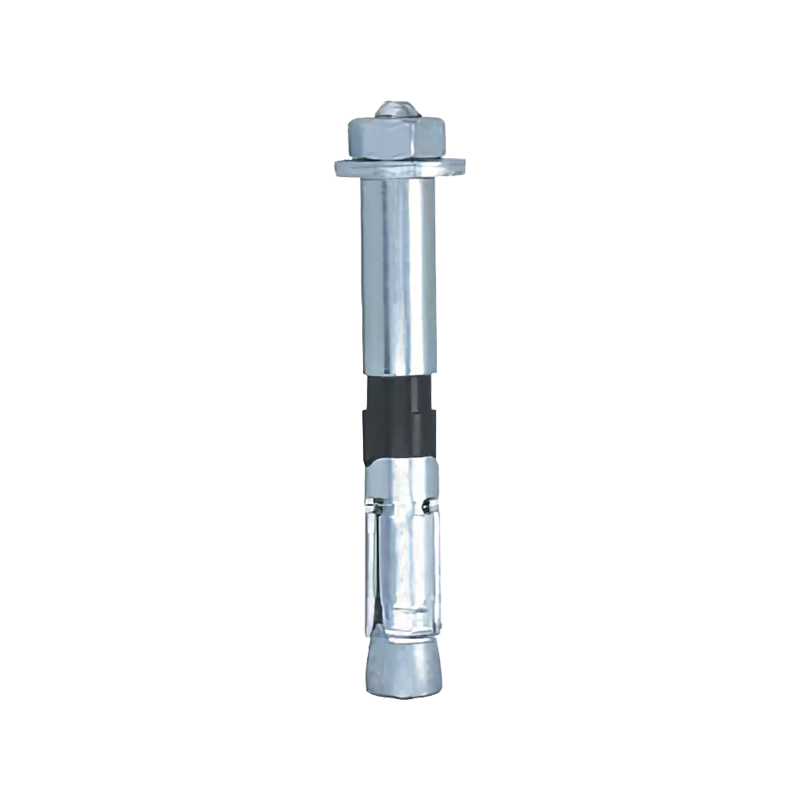
Bolt Custom

Home / Product / Bolt
  • Bolt
  • Bolt Yuyao Nanshan Development Co., Ltd.

Bolt

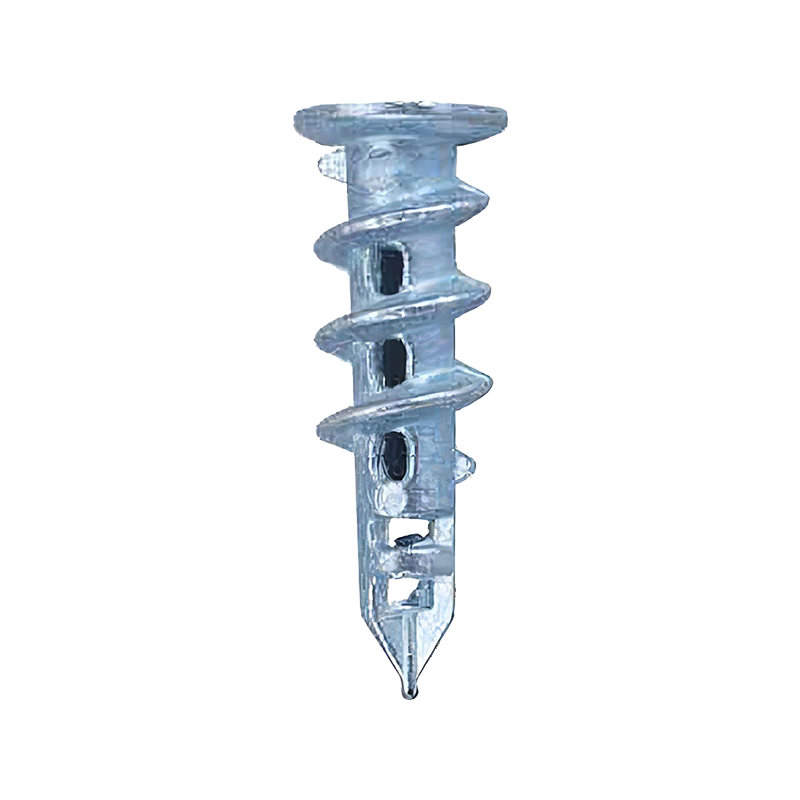
PRODUCT INFORMATION: Zinc alloy screws from the zinc alloy and nylon material are very popular today with the expansion of the application of the gypsum board walls. Is a very simple screw, just use # 2 Philips bit into the can flush with the plane.

01Production Information 02Inquiry

NO.

Material

Length(IN)

CASE/BOX

Weight (kg/box)

MJP

ZINC ALLOY

11/2

100/1000

6.62

MFJ

NYLON

13/16

100/1000

6.8

Industrial Bolts: Premium Structural Fastening Solutions

Comprehensive range of metric industrial bolts engineered for structural steel, heavy equipment, pressure vessels, and aerospace applications. M6-M64 sizes spanning grades 4.6 through 12.9 with multiple material options. Global standards compliance (ISO 898, ASTM A307-A490, DIN 933) ensures compatibility with international engineering specifications and certifications.

M6-M64
Size Range
4.6-12.9
Grade Range
5+ Materials
Options Available
Global Standards
ISO, ASTM, DIN

Industrial Applications

01

Structural Steel

Building frameworks, bridge construction, high-rise infrastructure. Load-bearing critical fastening with engineering specifications.

02

Pressure Vessels

Boilers, tanks, high-pressure equipment. Rated for extreme internal pressures and safety-critical applications.

03

Heavy Equipment

Crane bases, excavator frames, industrial machinery. Reliable fastening under extreme operational loads.

04

Power Generation

Turbine bases, generator frames, power plant equipment. Engineered for reliability in continuous-duty applications.

05

Aerospace & Defense

Aircraft structures, defense systems, high-reliability applications. Aerospace-grade material and quality standards.

06

Automotive Manufacturing

Frame fastening, engine block assembly, suspension components. OEM-specification quality standards.

Technical Specifications

Size Range
M6 - M64 (metric)
Grade Range
4.6 to 12.9 (DIN 933)
Material Options
Carbon steel, alloy steel, stainless, titanium
Thread Types
Coarse, fine, custom pitch available
Head Styles
Hex, socket, carriage, specialty options

Tensile Strength by Grade

Grade 4.6 400 MPa (standard)
Grade 5.6 500 MPa (general use)
Grade 5.8 500 MPa (automotive)
Grade 6.8 600 MPa (heavy duty)
Grade 8.8 800 MPa (structural)
Grade 10.9 1000 MPa (aerospace)
Grade 12.9 1200 MPa (extreme)

Bolt Grade Selection Guide

Grade 4.6

Standard general-purpose fastening. Cost-effective for non-critical applications. 400 MPa tensile strength.

Grade 5.6-5.8

General and automotive fastening. Moderate strength for standard industrial use. 500 MPa rating.

Grade 6.8

Heavy-duty industrial and machinery applications. 600 MPa strength. Reliable performance under stress.

Grade 8.8

Structural steel and critical applications. 800 MPa tensile strength. Engineering-specified fastening.

Grade 10.9

Aerospace and high-reliability applications. 1000 MPa strength. Extreme-load capability.

Grade 12.9

Maximum-performance fastening. 1200 MPa tensile strength. Mission-critical applications only.

International Standards & Certifications

ISO 898-1

International metric bolt standard. Specifies grade designations, mechanical properties, and dimensional tolerances.

DIN 933/931

German metric hexagon head bolt standard. Global reference specification for industrial fastening.

ASTM A307-A490

American carbon and alloy steel bolt specifications. Structural and high-strength categories.

EN 25204

European metric hexagon head bolts standard. CE compliance for EU industrial applications.

JIS B1180

Japanese metric bolt standard. Ensures compatibility with Asian engineering specifications.

BS 3692

British metric fastener standard. Global engineering compatibility and certification.

Six Premium Advantages

1

Global Standards Compliance

Full ISO 898, DIN 933, and ASTM certification. Compatible with international engineering specifications.

2

Comprehensive Grade Range

4.6 through 12.9 grades available. Optimize performance and cost for specific application requirements.

3

Material Versatility

Carbon steel, alloy steel, stainless, titanium, specialty materials. Select optimal material for environment.

4

Aerospace-Grade Quality

Manufacturing and testing to highest standards. Suitable for mission-critical and safety-critical applications.

5

Complete Size Range

M6 through M64 sizes cover all industrial applications. Single supplier for full fastening needs.

6

Customization Available

Custom grades, materials, coatings, and specifications. Engineering support for OEM requirements.

Material Selection for Performance

Standard Materials

  • Carbon Steel (Grade 4.6-8.8) - versatile, economical
  • Alloy Steel (Grade 8.8-12.9) - high strength
  • Zinc-Plated Coating - corrosion protection
  • Galvanized - extended outdoor durability
  • Black Oxide - cost-effective rust prevention

Premium Materials

  • Stainless Steel 304/316 - marine/chemical resistance
  • Titanium Alloy - aerospace-grade extreme performance
  • Duplex Stainless - ultra-corrosion resistance
  • Nitrided Finish - wear resistance and hardness
  • Custom Coatings - application-specific needs

Bolt Grade Performance Comparison

Factor Grade 8.8 Grade 6.8 Grade 4.6
Tensile Strength 800 MPa 600 MPa 400 MPa
Applications Structural/critical Heavy-duty General use
Cost Higher Moderate Lower
Installation Force Higher torque Moderate Lower
Service Life Extended Standard Standard
Safety Factor Range Higher available Moderate Lower

Frequently Asked Questions

How do you select the right bolt grade?

Grade selection depends on: (1) application load requirements, (2) safety factor needed, (3) budget constraints, (4) environmental conditions. Grade 4.6-5.8 for non-critical industrial use. Grade 8.8 for structural steel and critical applications. Grade 10.9+ for aerospace and mission-critical fastening. Consult engineering specifications for specific application.

What material is best for corrosive environments?

Stainless steel 304/316 recommended for coastal and chemical environments. Outperforms carbon steel with galvanized coating in long-term salt-spray exposure. Duplex stainless provides superior performance in extreme corrosion scenarios. Verify stainless grade availability in required bolt size.

Are all grades available in all sizes?

Most grades available in M6-M64 range. Some ultra-high grades (12.9) may have limited size availability. Check specific grade-size combination availability. Larger sizes (M36+) may require longer lead times. Custom grades possible with minimum order quantities.

What torque specification applies?

Torque varies by grade, size, material, and surface condition. Grade 4.6 lower torque; Grade 12.9 higher torque requirements. Always consult engineering specifications or ISO 16130 torque tables. Over-torquing damages threads; under-torquing reduces holding force.

Can you mix bolt grades in same assembly?

Not recommended for critical applications. Engineering specifications typically require consistent grades throughout assembly. Mixing grades complicates torque calculations and creates inconsistent stress distribution. Consult structural engineer before mixing grades.

How do ISO 898, ASTM, and DIN standards differ?

ISO 898 is international metric standard (grades 4.6-12.9). ASTM A307-A490 is US standard (slightly different grade designations). DIN 933 is German standard (matches ISO 898 closely). All are globally recognized; select based on regional engineering requirements. Cross-reference charts available for grade equivalencies.
Yuyao Nanshan Development Co., Ltd.
About Nanshan

Yuyao Nanshan Development Co., Ltd.

Yuyao Nanshan Development Co., Ltd. was established in 1999 and is located in Ningbo with elegant and charming environments and enjoys convenient transportation.
Yuyao Nanshan Development Co., Ltd. is China Bolt Manufacturers and Wholesale Bolt Suppliers, specializes in producing Bolt with professional production equipment. Nanshan has strong technologies with advanced facilities and imported automatic production machines and inspection equipment. Nanshan also is using the ERP to control the production process line and has set up a research & development center for continued innovation and to meet the requirements of more and more customers from all over the world.
Our products extensively are used in steel high constructions, tunnel projects, bridges, railways, airport stations, high way, sea ports, nuclear power plants,s and so on. And it sold to USA market and Europe market morely and Asia, that all makes customers satisfied exactly.
Yuyao Nanshan Development Co., Ltd. adheres to the principle of “quality the eternal base, credit forever pursuit”, we will spare no effort to provide our customers with more stable quality and more wonderful service. We welcome domestic and overseas customers to contact us for more information and business opportunities.

Witness strength

Honorary Qualifications

Update news
NEWS AND BLOG
Bolt Industry knowledge

What precautions should be taken when using Bolt

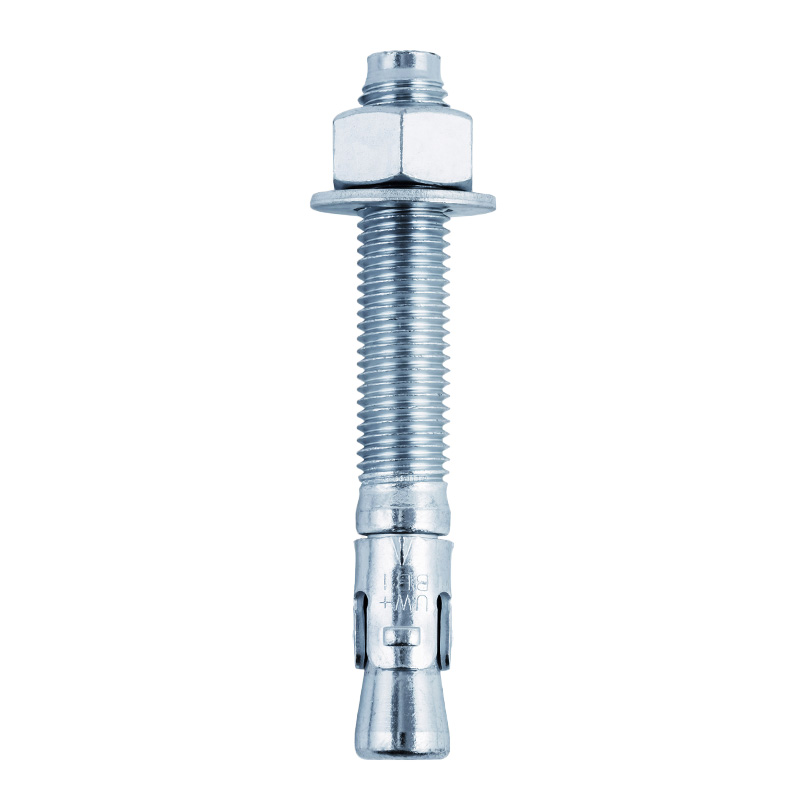
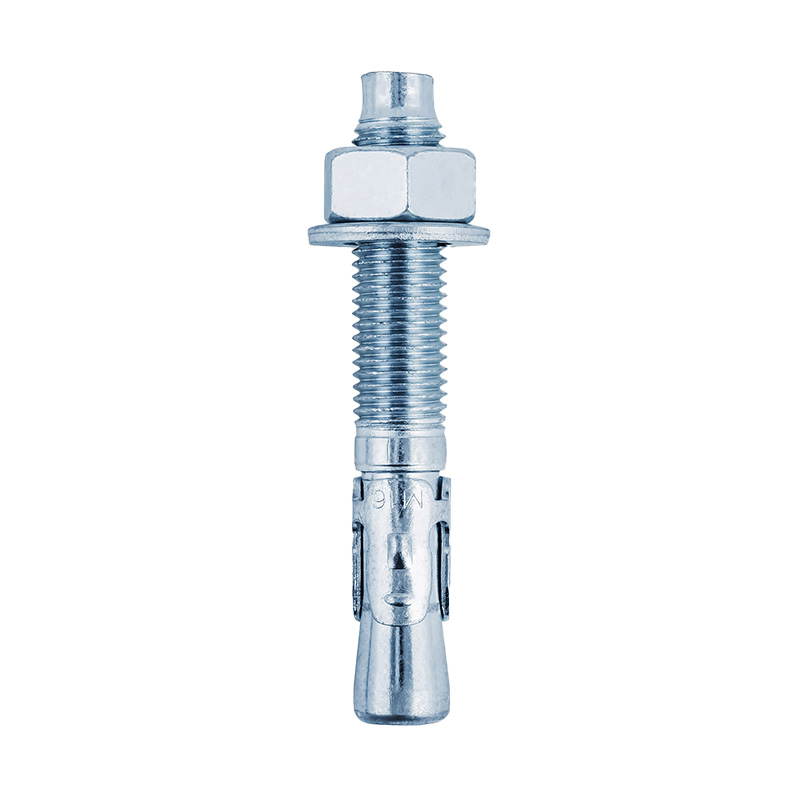
In the field of construction engineering, wedge anchor bolts play an indispensable role as a key connector. Its design requires not only to withstand huge tensile and shear forces, but also to maintain stable performance in various harsh environments. As a professional manufacturer in this field, Yuyao Nanshan Development Co., Ltd. is committed to providing customers with high-quality wedge anchor bolt solutions with years of accumulated experience.
Preparation before installation of wedge anchor bolts
Before installing wedge anchor bolts, a comprehensive inspection of materials and environment is required. First, confirm whether the material of the anchor bolt meets the design specifications to ensure that its mechanical properties such as strength and hardness meet the project requirements. In addition, the installation environment must also meet the conditions of use, including the quality and state of the substrate, and check whether there are factors such as corrosion and oil pollution that affect the performance of the anchor bolt.
Measurement and positioning are important links in the installation process. High-precision measuring tools should be used to ensure that the installation position, spacing, and margins of the wedge anchor bolts accurately meet the design requirements. When positioning, it is also necessary to consider the possible deformation of the anchor bolt under stress, and appropriately reserve margins to ensure safety.
Drilling and cleaning are the basic steps of installation. According to the specifications of the wedge anchor, select the appropriate drill bit for drilling to ensure the accuracy of the hole diameter. After drilling, use compressed air or a vacuum cleaner to thoroughly clean the dust and debris in the hole to ensure that the hole wall is clean and free of impurities, laying a good foundation for subsequent installation.
Key considerations during the installation of wedge anchors
When installing wedge anchors, it is crucial to choose the right installation tools. Different types and specifications of anchors require corresponding tools. For example, for anchors that require preload, a torque wrench should be used to ensure that the preload meets the design standard.
Installation sequence and force control are also very important. During the installation process, the principle of tightening gradually from one end to the other should be followed to avoid deformation or damage of the anchor due to excessive tightening at one time. At the same time, the tightening force must be strictly controlled to prevent the anchor from breaking or damage to the substrate due to excessive force.
After installation, the wedge anchor must be fully inspected and accepted. The inspection content includes the tightness of the anchor, the accuracy of the installation position, and whether there is looseness or deformation. In addition, conducting a tensile test or shear test is an important means to verify the bearing capacity of the anchor bolt to ensure that it meets the design requirements.
Maintenance and maintenance of wedge anchor bolts during use
During use, regular inspection of the status of the wedge anchor bolts is an important part of maintenance. Attention should be paid to the tightness and surface condition of the anchor bolts to ensure that they meet the design standards. Once looseness, corrosion or wear is found, appropriate maintenance measures must be taken immediately.
For wedge anchor bolts exposed to harsh environments, anti-corrosion treatment is an effective means to extend their service life. Common anti-corrosion methods include applying anti-corrosion paint and galvanizing, which can effectively resist the erosion of environmental factors.
During use, strict control of the load borne by the anchor bolt is the key to ensuring its normal operation. Overload must be avoided to prevent damage or failure of the anchor bolt. At the same time, attention should be paid to the impact of external factors on the anchor bolt, such as impact and vibration, to minimize their interference with the performance of the anchor bolt.