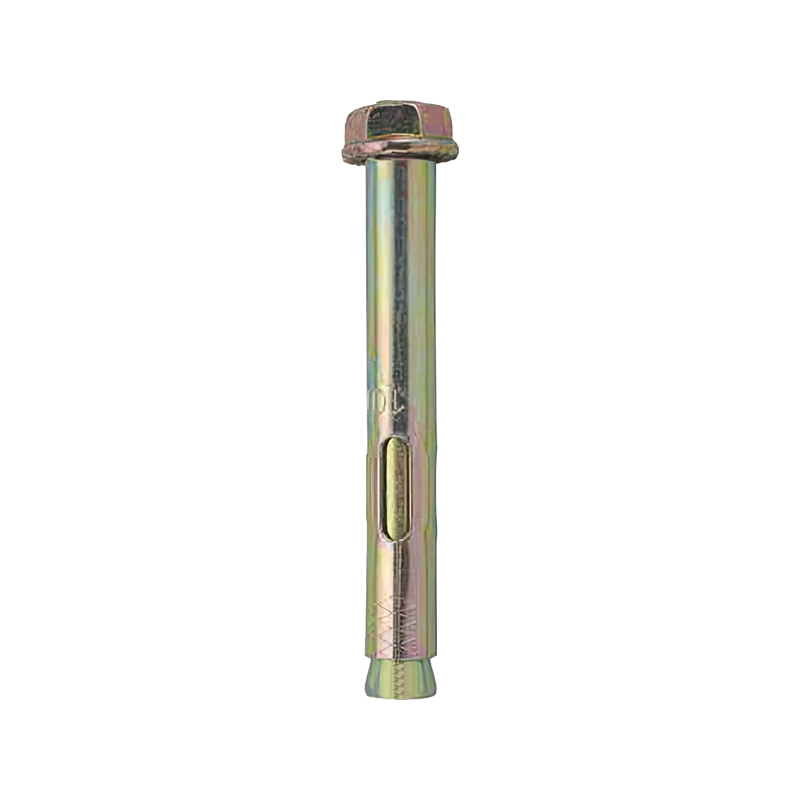
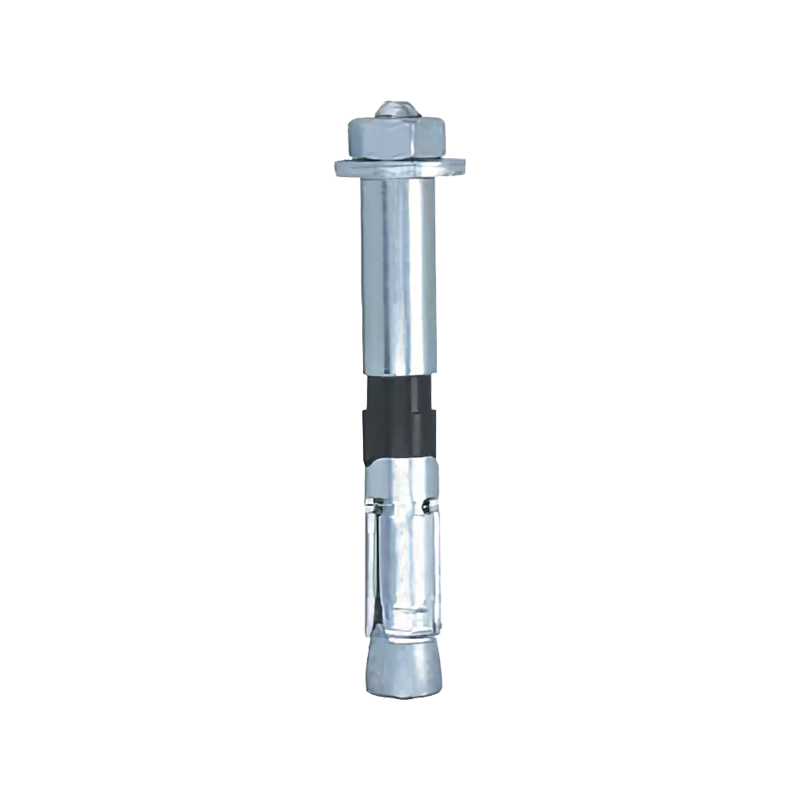
Metric Sleeve Anchor Custom

Home / Product / Metric Sleeve Anchor
  • Metric Sleeve Anchor
  • Metric Sleeve Anchor Yuyao Nanshan Development Co., Ltd.

Metric Sleeve Anchor

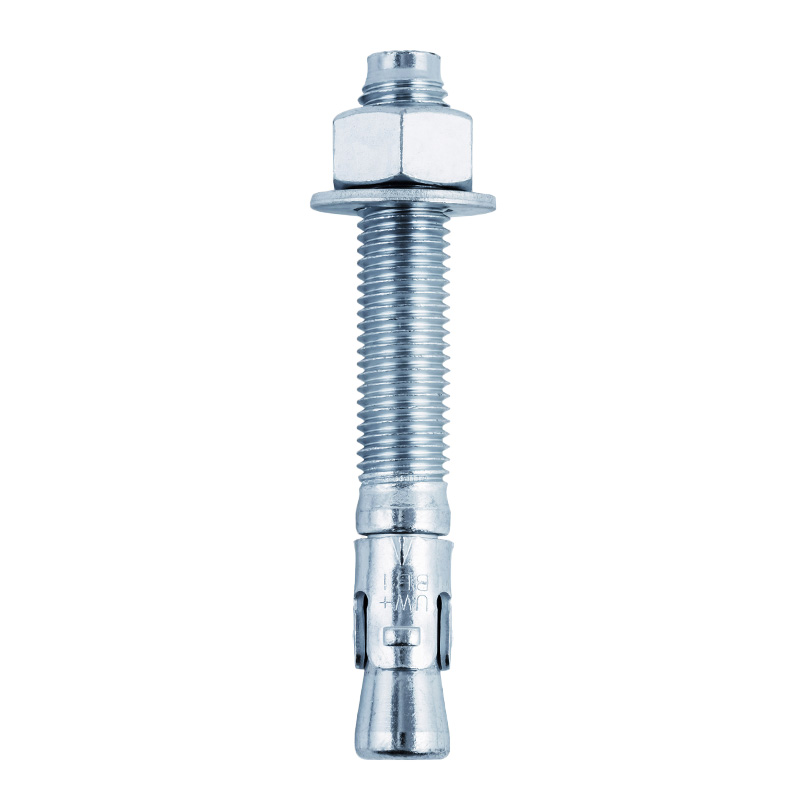
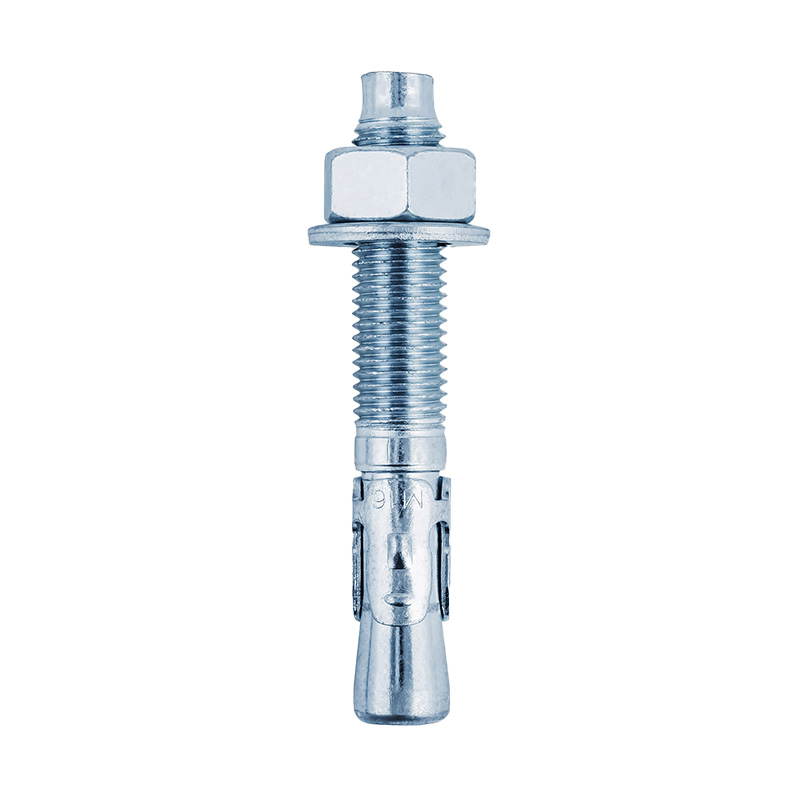
PRODUCT INFORMATION: The Metric Sleeve Anchor is a high-performance anchoring solution with standardized design, standardized in international units such as millimeters. It is designed to meet the fixing needs of a variety of complex materials and structures and is widely used in construction projects. Whether it is traditional masonry, hollow bricks, or thin-walled materials, marble and concrete commonly seen in modern buildings, the Metric Sleeve Anchor can provide excellent fixing effects to ensure the safety and stability of the structure.
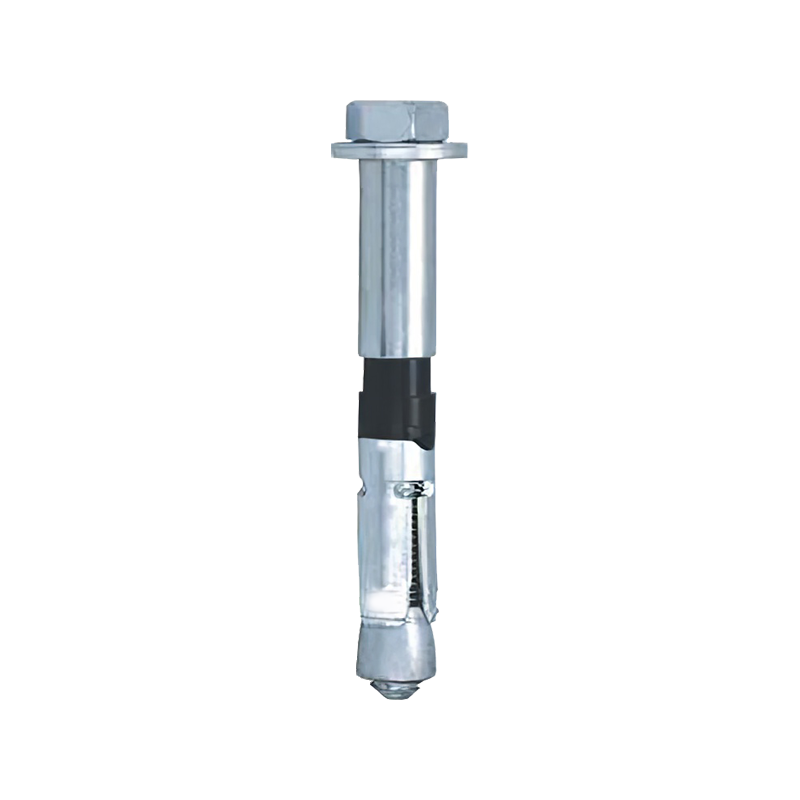
The uniqueness of this anchor is that it is tightly integrated with the substrate, rather than relying solely on the fasteners for fixing. Through precise design and high-quality materials, the Metric Sleeve Anchor can form a strong anchoring force in different types of substrates. The structural design of this anchor uses advanced engineering technology, which makes it excellent in load-bearing capacity and durability, and is suitable for a variety of demanding application scenarios. Compared with traditional anchors, the head design of the Metric Sleeve Anchor can be customized according to actual application needs.
This flexibility allows the anchor to adapt to different installation environments and fixing requirements, greatly improving its applicability. During the construction process, users can choose the appropriate head form according to the specific situation, thereby optimizing installation efficiency and reducing construction time.

FOR USE IN: The products are widely used in railway, highway, power stations, power, petroleum, chemical, theaters, stadiums, construction of Construction and other companies and factories.

FEATURE: The product has good resistance to thickness, is shock-resistant, wind-resistant, anti-fracture, solid and durable, easy to install, and easy to expand.

MADE OF: Stainless steel and carbon steel.

01Production Information 02Inquiry

NO.

Specifications

Thread Size (mm)

Thousand Piece Weight(kgs)

Standard Pull-Out Force(kgs)

MT5040

M5*40

M5

9.5

500

MT6050

M6*50

M6

18.26

750

MT8065

M8*65

M8

35.93

1100

MT8075

M8*75

M8

39.93

1100

MT1065

M10*65

M10

52.31

1600

MT1075

M10*75

M10

55.50

1600

MT1275

M12*75

M12

104

2500

MT1290

M12*90

M12

116

2500

MT12100

M12*100

M12

130

2500

MT16100

M16*100

M16

210

3200

Mt20140

M20*140

M20

436

5000

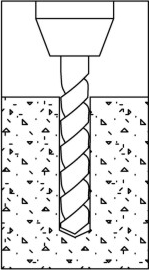
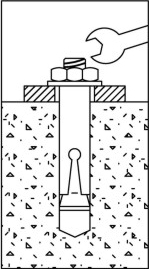
1. Drill holes on the base according to
the required diameter and depth
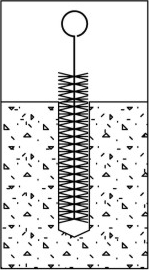
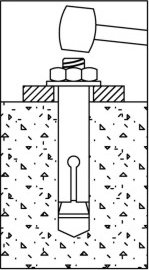
2. Move debris and clean small holes 3. Knock the socket gecko into the hole 4. Tighten the screws with a wrench

Metric Sleeve Anchors: DIN/ISO Engineering Excellence

Fully compliant with European engineering standards (DIN, ISO) and international specifications. Metric sleeve anchors deliver M8-M24 sizing with reliable 20-90kN load capacity. Engineered for automotive manufacturing, pharmaceutical facilities, railway infrastructure, and European industrial applications requiring strict standards compliance.

M8-M24
Size Range
20-90kN
Load Capacity
100% Compliant
DIN/ISO Standards
25+ Years
Service Life

European Industrial Applications

01

Automotive Manufacturing

Equipment anchoring for production lines, robotic systems, and assembly facilities. Meets OEM specifications and automotive industry standards throughout Europe.

02

European Engineering Plants

Standard fastening solution for manufacturing facilities throughout Germany, France, and the EU. Designed specifically for precision engineering requirements.

03

Pharmaceutical Manufacturing

Critical equipment anchoring in pharmaceutical and biotechnology facilities. Meets cleanroom standards and regulatory compliance requirements.

04

Railway Infrastructure

European railway system equipment anchoring and infrastructure support. Tested and approved for transportation infrastructure projects.

05

Food & Beverage Industry

Hygienic equipment mounting in food processing facilities. Meets food safety standards and cleanroom requirements.

06

Commercial HVAC Systems

Mechanical equipment mounting in commercial buildings. Complies with building codes throughout European countries.

Technical Specifications

Diameter Range
M8 - M24 (ISO metric standard)
Load Capacity
20kN (M8) to 90kN (M24)
Material Grade
Carbon steel, alloy, stainless (DIN/ISO compliant)
Concrete Grade Support
C20 to C50 (DIN 1054 verified)
Thread Standard
ISO 13918 - M8x1.25 to M24x3

DIN/ISO Performance Data

Tensile Strength Per ISO 898-1 specification
Load Verification Tested per DIN 1052
Pull-Out Testing DIN standard concrete samples
Compliance Certification Full DIN/ISO documentation
Interchangeability Full metric compatibility
Service Life 25+ years (DIN standard)

International Standards & Compliance

DIN 1052
Timber & Concrete Connections

Foundation standard for anchor performance verification. Defines load testing methodologies and safety factors for timber and concrete applications.

ISO 13918
Metric Thread Specifications

International standard defining metric thread pitch, tolerance, and interchangeability. Ensures worldwide compatibility of fastening components.

EN 1993-1-8
Eurocode 3 - Steel Connections

European design standard for steel structures and connections. Provides calculation methods and design guidelines for structural fastening applications.

ISO 898-1
Fastener Mechanical Properties

Defines tensile strength classes for metric fasteners. Standard reference for mechanical property specification and material selection.

EN 12370
Salt Spray Testing

Corrosion resistance verification method. Specifies test procedures for evaluating coating durability in aggressive environments.

DIN 12620
Concrete Test Methods

Concrete quality verification standards. Defines compressive strength testing and material characterization methods.

Full European Engineering Compliance

Standards Compliance

  • DIN 1052 verified load capacity
  • ISO 13918 metric thread accuracy
  • EN 1993-1-8 design conformance
  • ISO 898-1 material specification
  • EN 12370 corrosion testing
  • European CE marking eligible

Quality Assurance

  • 100% dimensional verification (ISO tolerance)
  • Tensile strength testing per batch
  • Thread pitch accuracy verification
  • Material composition certification
  • Load testing documentation
  • Complete technical documentation provided

Six Key Advantages

1

Full DIN Compliance

100% compliant with German and European engineering standards. Meets all DIN 1052 and ISO requirements for structural fastening applications.

2

Design Standardization

Engineered specifically for metric-based design calculations. Simplifies engineering coordination with metric-standard facilities throughout Europe.

3

Equipment Compatibility

Perfect fit with existing European equipment and facility infrastructure. Eliminates compatibility issues with metric-based machinery.

4

Proven Reliability

Trusted throughout European industrial facilities. Extensive track record in automotive, pharmaceutical, and manufacturing sectors.

5

Documentation Standardization

Complete technical documentation and material certificates provided. Easy integration with European engineering documentation standards.

6

Global Supply Availability

Metric anchors sourced worldwide with consistent quality. Ensures reliable supply chain for European manufacturing operations.

Regional Market Leadership

Germany & Central Europe

DIN standard is primary engineering reference. Metric anchors are standard specification for industrial facilities throughout region.

  • Automotive industry standard
  • Manufacturing facilities
  • Engineering consultants preferred
  • Government projects approved

European Union

ISO and EN standards enable harmonized specification across EU member states. Facilitates project coordination across borders.

  • EU-wide infrastructure projects
  • Cross-border manufacturing
  • EU regulation compliance
  • Unified procurement possible

ISO Global Adoption

ISO 13918 enables worldwide compatibility. Metric anchors suitable for international projects requiring standardized specifications.

  • International project standardization
  • Global supplier coordination
  • Unified documentation
  • Quality consistency worldwide

Metric vs. Imperial Anchoring Systems

Factor Metric Sleeve (DIN/ISO) Imperial Anchors Chinese Metric
Standards Compliance Full DIN/ISO certified Partial ASTM Variable
Documentation Complete with material certs Basic specs Limited
Equipment Compatibility Perfect for European equipment Conversion needed Specification mismatch
Engineering Acceptance Universally recognized Limited in Europe Quality concerns
Quality Assurance Rigorous testing Standard testing Variable testing
Service Life 25+ years verified 20+ years Unpredictable

Frequently Asked Questions

Are metric anchors required for European equipment?

While metric sizes can adapt to various equipment, metric anchors are specifically engineered for seamless compatibility with European machinery and facility infrastructure. Using metric anchors eliminates specification translation and compatibility verification steps, simplifying engineering coordination.

What does DIN compliance guarantee?

DIN 1052 compliance certifies that anchors have been tested under standardized conditions using defined testing methodologies. Load capacity ratings are verified through independent testing. Material composition meets specifications. Performance is predictable and consistent across applications.

Can metric anchors be sourced worldwide?

Yes. Metric sizing (ISO 13918) is an international standard, enabling worldwide sourcing. However, quality and compliance vary significantly. Ensure suppliers provide DIN/ISO certification and complete material documentation. Verify tensile strength testing results with each order.

What documentation is provided?

Complete technical documentation includes material test certificates per batch, load capacity verification, DIN/ISO compliance attestation, and installation guidelines. Documentation supports engineering specification requirements and quality assurance protocols.

How does metric specification simplify engineering?

Metric specification eliminates conversion calculations between measurement systems. Equipment specifications, facility dimensions, and anchor sizing all use consistent metric units. This simplification reduces engineering time, minimizes errors, and facilitates international project coordination.

Are stainless steel metric anchors available?

Yes. Stainless 304 and 316 metric anchors are available with full DIN compliance documentation. Stainless material extends durability in corrosive environments while maintaining metric specifications and thread standards. Verify stainless material selection with technical team for your application.
Yuyao Nanshan Development Co., Ltd.
About Nanshan

Yuyao Nanshan Development Co., Ltd.

Yuyao Nanshan Development Co., Ltd. was established in 1999 and is located in Ningbo with elegant and charming environments and enjoys convenient transportation.
Yuyao Nanshan Development Co., Ltd. is China Metric Sleeve Anchors Manufacturers and Wholesale Metric Sleeve Anchor Suppliers, specializes in producing Metric Sleeve Anchors with professional production equipment. Nanshan has strong technologies with advanced facilities and imported automatic production machines and inspection equipment. Nanshan also is using the ERP to control the production process line and has set up a research & development center for continued innovation and to meet the requirements of more and more customers from all over the world.
Our products extensively are used in steel high constructions, tunnel projects, bridges, railways, airport stations, high way, sea ports, nuclear power plants,s and so on. And it sold to USA market and Europe market morely and Asia, that all makes customers satisfied exactly.
Yuyao Nanshan Development Co., Ltd. adheres to the principle of “quality the eternal base, credit forever pursuit”, we will spare no effort to provide our customers with more stable quality and more wonderful service. We welcome domestic and overseas customers to contact us for more information and business opportunities.

Witness strength

Honorary Qualifications

Update news
NEWS AND BLOG
Metric Sleeve Anchor Industry knowledge

How to improve the anchoring effect of metric sleeve anchor

In the field of modern construction and infrastructure, anchoring technology is the core element to ensure structural stability and safety. As an industry leader in anchoring technology, Yuyao Nanshan Development Co., Ltd. has won the trust and recognition of global customers with its excellent anchoring performance and wide application fields.
Accurate selection of product specifications
The anchoring effect of metric sleeve anchors is closely related to the selected product specifications. Different engineering application scenarios have different requirements for the bearing capacity, size and material properties of anchors. Therefore, when selecting metric sleeve anchors, it is necessary to comprehensively consider the project requirements, including anchoring depth, load size, base material type and other factors, and make accurate calculations and selections. With its rich industry experience and advanced technical strength, Nanshan Company can provide customers with professional selection suggestions to ensure that the selected product specifications match the actual needs of the project.
Standardized implementation of installation methods
To ensure the anchoring effect of metric sleeve anchors, the correct installation method is crucial. During the installation process, strict operating procedures must be followed to ensure that the anchors can be firmly embedded in the base material. This process involves several key links, including drilling depth, hole size, hole wall cleaning, anchor bolt installation and preload. Nanshan Development Co., Ltd. provides customers with detailed installation guides and professional technical support to ensure that the installation process meets industry standards and achieves the best anchoring effect.
Effective use of friction and adhesion
The anchoring effect of metric sleeve anchors mainly depends on the friction and adhesion between them and the base material. By applying appropriate preload, close contact can be formed between the anchor and the hole wall, thereby generating strong friction. In addition, the material selection and surface treatment process of the anchor also play an important role in the adhesion between it and the base material. Nanshan Company adopts leading production processes and material technologies to ensure that metric sleeve anchors have excellent friction and adhesion properties, thereby providing reliable anchoring effects.
Continuous technological innovation and optimization
To ensure that the anchoring effect of metric sleeve anchors always maintains its leading position in the industry, Yuyao Nanshan Development Co., Ltd. continues to promote technological innovation and product optimization. The company has established a professional R&D center to focus on the development of new products and the improvement of existing products. By introducing advanced production equipment and inspection equipment, Yuyao Nanshan Development Co., Ltd. continuously improves product quality and performance. At the same time, Nanshan Development Co., Ltd. actively participates in the formulation and revision of industry standards, promotes the standardization and normalization of anchoring technology, and adapts to the ever-changing market demand.
Wide application field
The application field of metric sleeve anchor covers many industries such as construction, bridges, tunnels, mechanical equipment, etc., showing its excellent applicability and reliability. Whether in high-intensity industrial environments or in complex building structures, metric sleeve anchors can provide stable anchoring solutions to ensure the safety and durability of the project.

What are the precautions for the installation of metric sleeve anchors

In modern construction and infrastructure projects, Metric Sleeve Anchor is an efficient and reliable anchoring solution. Its installation process is crucial and directly affects the safety and stability of the overall structure. The following is a professional guide to the installation of Metric Sleeve Anchor, covering every key link from preliminary preparation to final acceptance.
Preliminary preparation and inspection
The first step in installing Metric Sleeve Anchor is to make sufficient preliminary preparations and inspections. The core task of this stage is to confirm the consistency of the anchor model, specifications and engineering design requirements to ensure that it can meet the expected bearing capacity and stability. At the same time, the anchor and all its accessories (such as sleeves, wedge plugs, gaskets, etc.) must be fully inspected to ensure that they are free of rust, cracks or other defects that may affect performance before installation. In addition, the status of the installation tools must also be checked to ensure that they function properly to avoid unexpected situations during installation.
Accurate measurement and positioning
Next, accurate measurement and positioning are the key to ensuring installation quality. At this stage, according to the engineering design requirements, professional measuring tools are used to accurately measure the position, depth and diameter of the drill hole to ensure that the drill hole size is consistent with the anchor specifications. At the same time, the verticality and spacing of the drill holes must also be strictly controlled to avoid affecting the anchoring effect due to excessive deviation. During the positioning process, the arrangement and spacing of the anchor bolts should also be considered to ensure the stability and uniformity of the overall structure.
Drilling and cleaning
Drilling is an indispensable and important step in the installation of Metric Sleeve Anchor. During this process, a suitable drill bit should be selected, and the drilling speed and feed rate should be strictly controlled to avoid excessive heat and vibration, which will affect the quality of the hole wall. After drilling, the hole wall must be thoroughly cleaned to remove impurities such as debris, oil and moisture in the hole to ensure close contact and good bonding between the anchor bolt and the hole wall.
Installing anchor bolts and applying preload
After drilling and cleaning, insert the Metric Sleeve Anchor into the drilled hole. According to the requirements of the product manual, gradually install the sleeve, wedge plug and other accessories. During the installation process, it is important to ensure that the parts fit tightly to avoid looseness or misalignment. At the same time, it is crucial to apply appropriate preload, which will generate sufficient friction and bonding between the anchor bolt and the hole wall to ensure the reliability of the anchoring effect. The preload should be applied using a professional torque wrench or hydraulic tensioner, and strictly follow the recommended value in the product manual.
Inspection and acceptance
After installation, the Metric Sleeve Anchor must be fully inspected and accepted. The inspection contents include the tightness of the anchor bolt, the fit between the sleeve and the hole wall, and the locking state of the wedge plug. In addition, a pull-out test or torque test should be carried out to verify the bearing capacity and stability of the anchor bolt. If any problems are found during the acceptance process, corresponding corrective measures should be taken immediately to ensure the safety and reliability of the anchoring system.