
 English
 中文简体
中文简体 русский
 Español
Explore Our Product Range
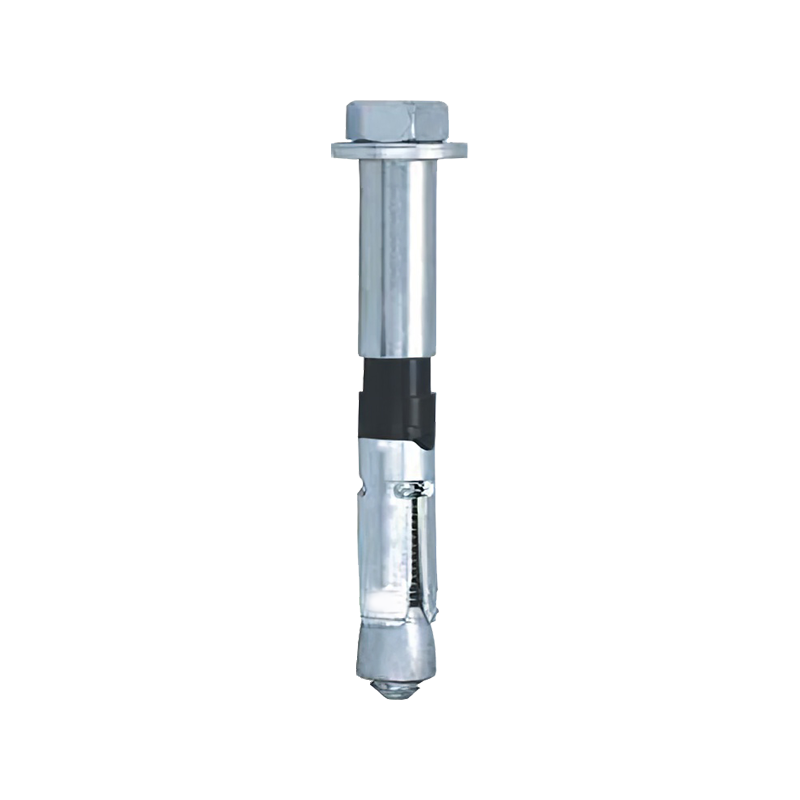
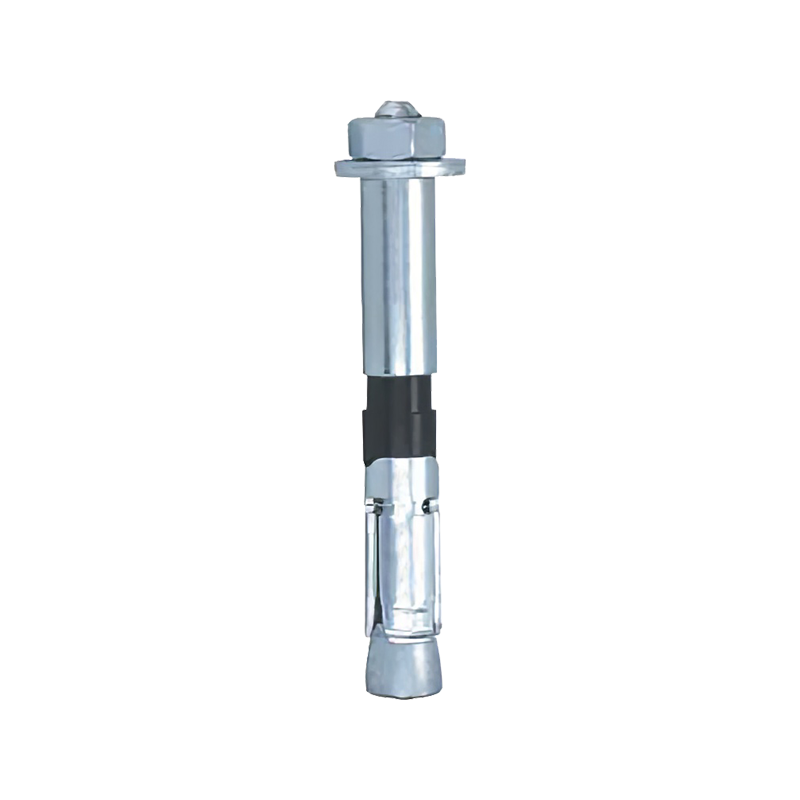
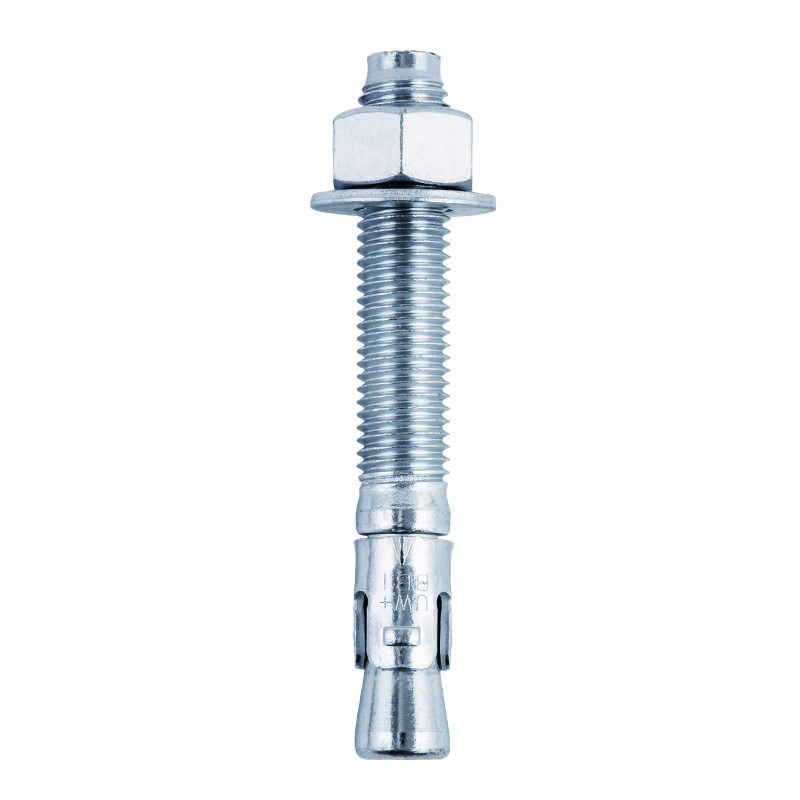
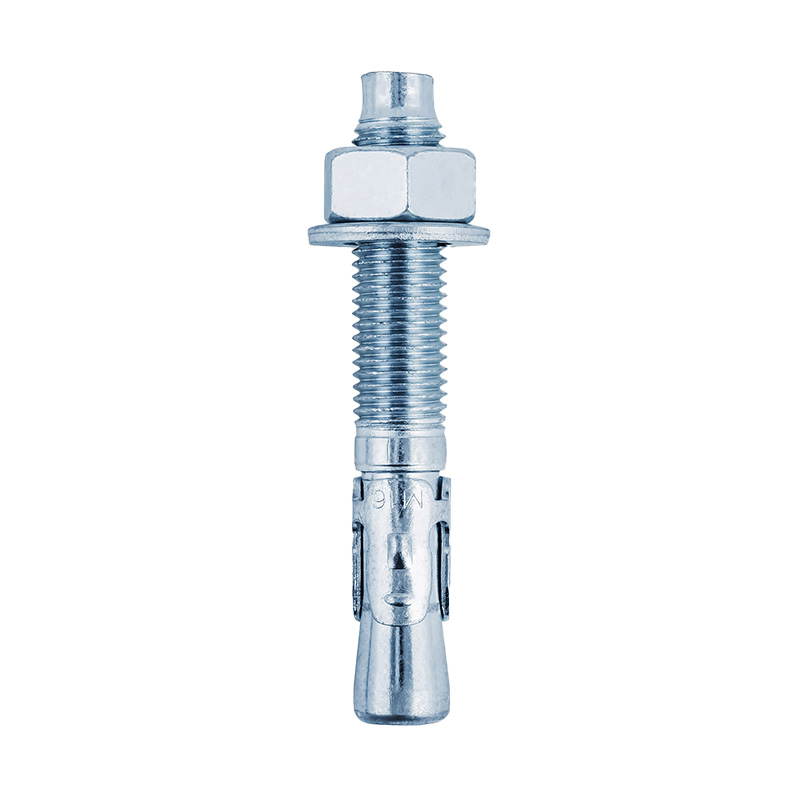
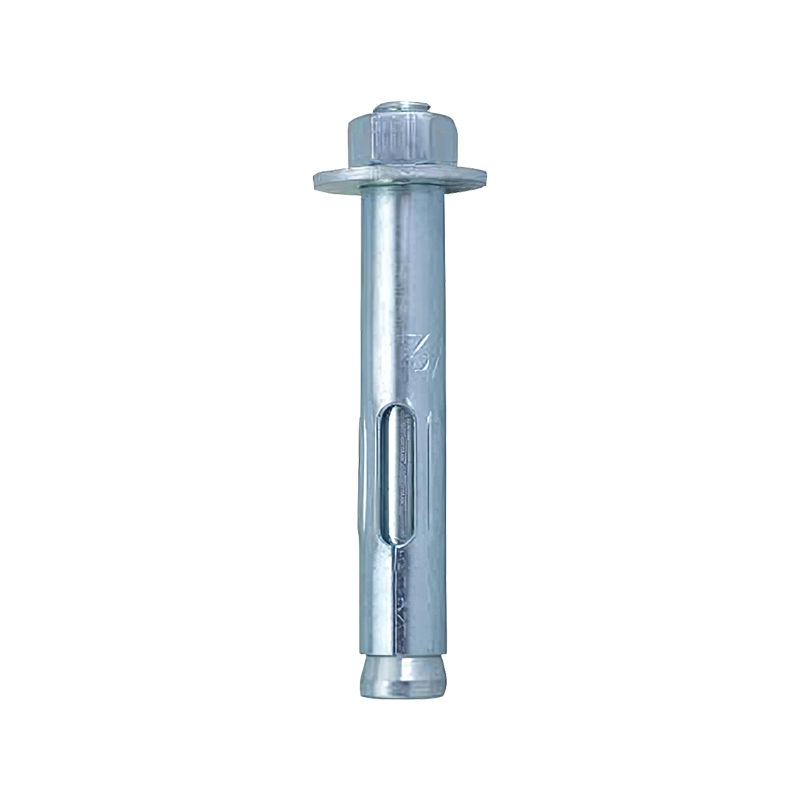
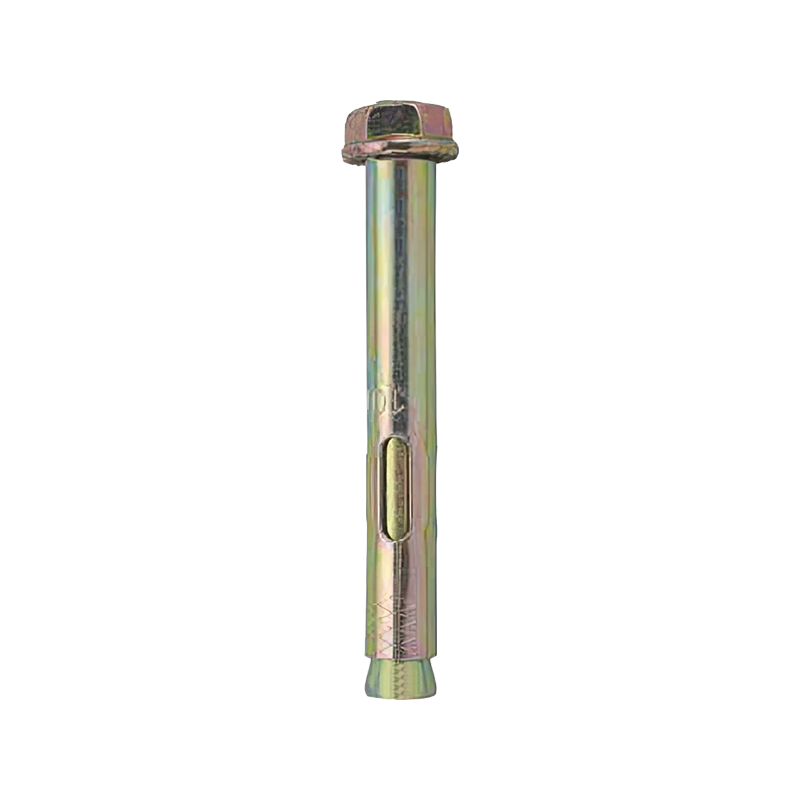
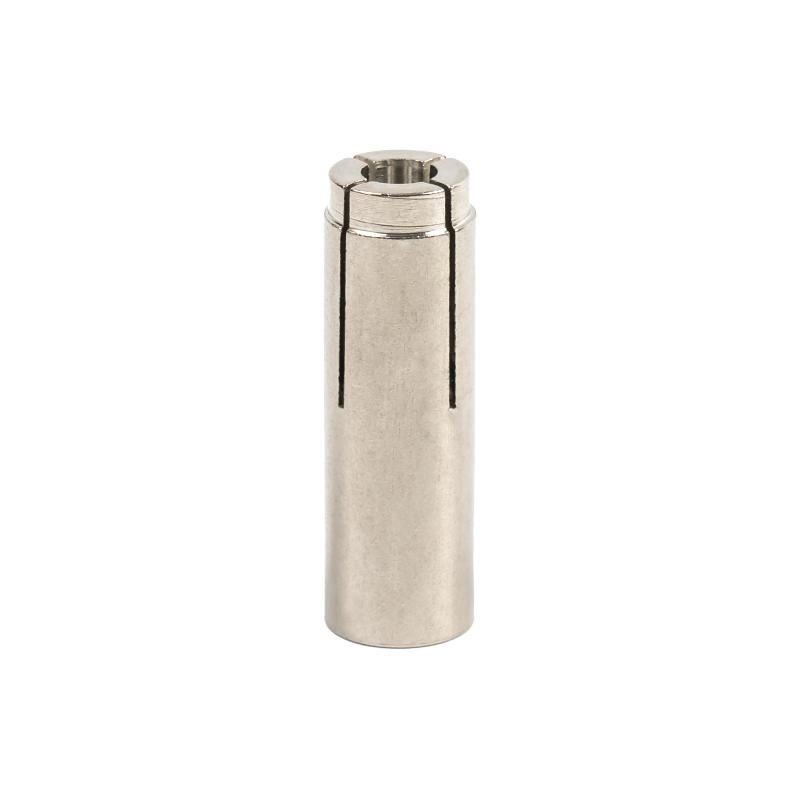
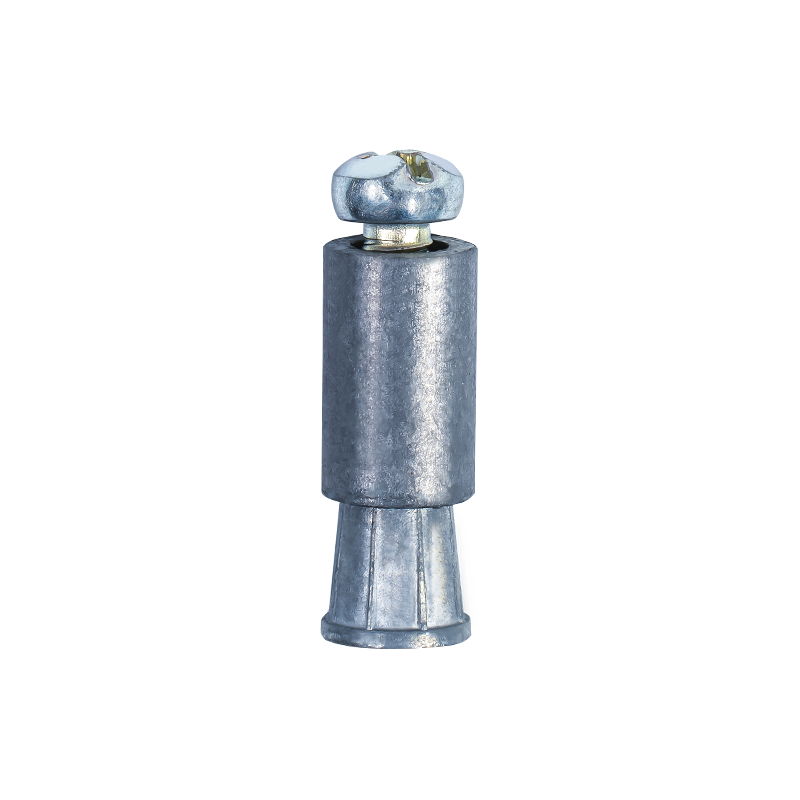
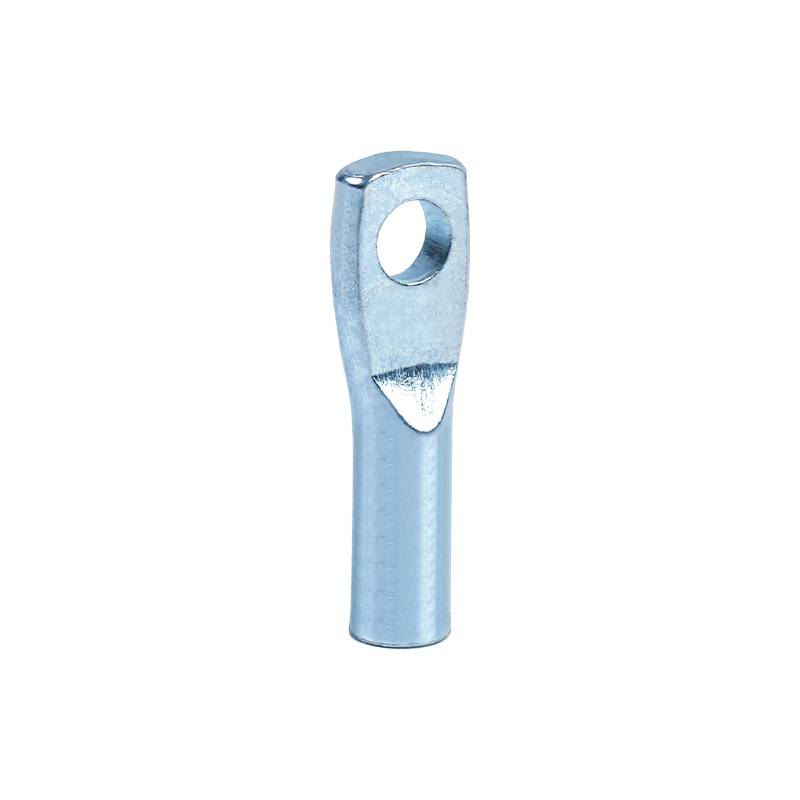
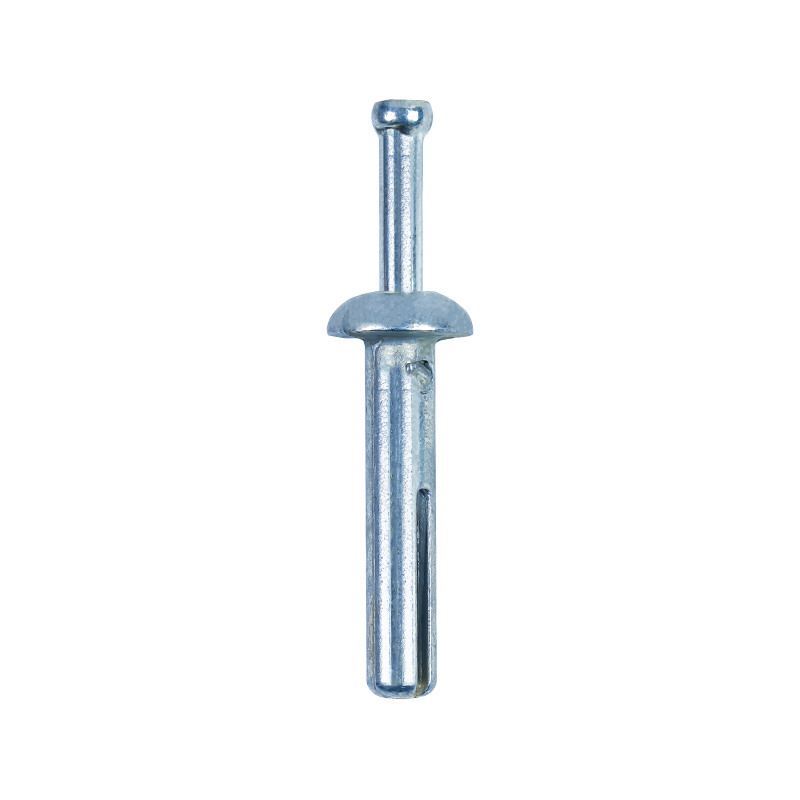
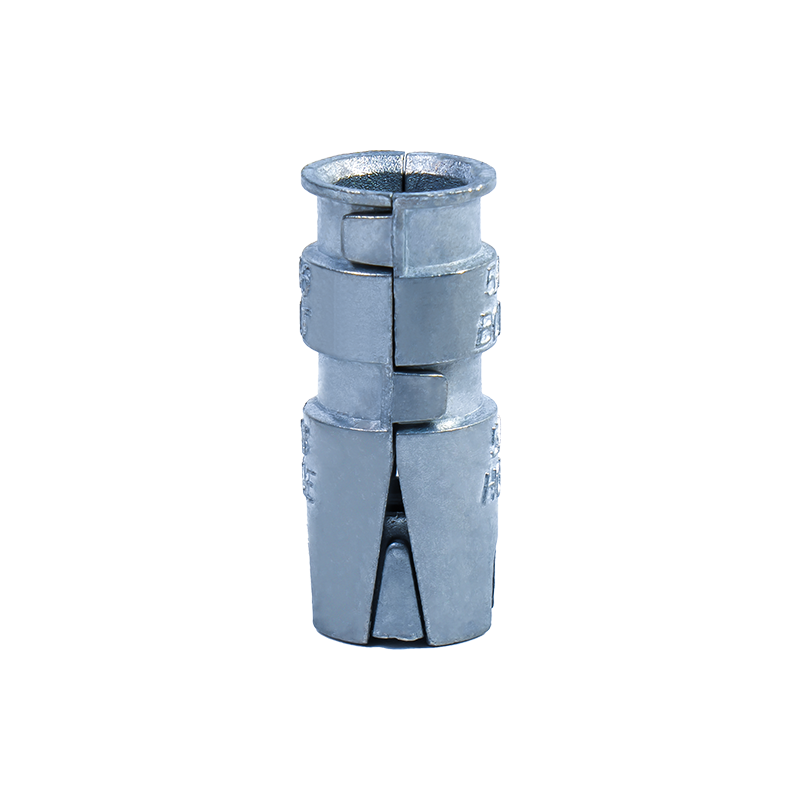
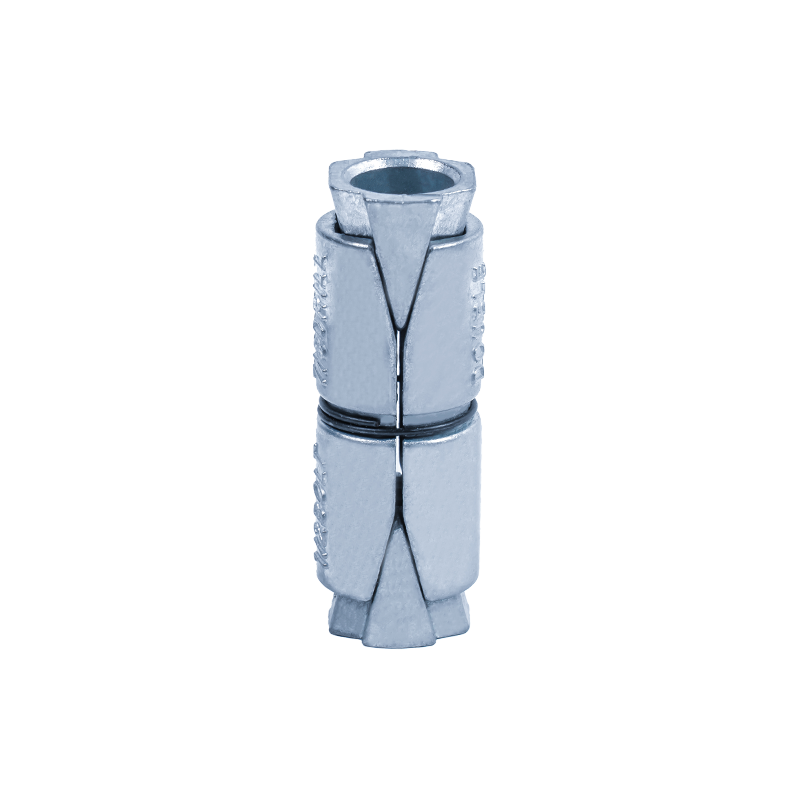
Heavy Duty Zinc Plated
Wedge Anchor
High-performance mechanical expansion bolt engineered for structural integrity in concrete and masonry. Trusted in skyscrapers, bridges, and railways worldwide.
Ensuring Structural Integrity in Concrete & Masonry
In the world of structural engineering and heavy-duty construction, the security of an entire assembly often relies on the smallest components: the fasteners. Among the broad family of mechanical anchors, the wedge anchor stands as a fundamental solution for high-strength applications in solid concrete. Unlike adhesive anchors or plastic plugs, the wedge anchor uses a precise mechanical expansion mechanism to create a friction-based grip that resists both tensile and shear forces. Whether the project involves skyscraper curtain walls, bridge railings, industrial machinery, or seismic retrofitting, the correct wedge anchor ensures long-term safety and performance. This deep-dive introduction covers the core working principle, material science, and the wide spectrum of variations available today, including stainless steel metric wedge anchors, carbon steel through bolts, four-shield heavy duty bolt anchors, three-shield screw anchors, and many specialized fasteners for challenging environments.
The fundamental working principle of a wedge anchor is deceptively simple yet mechanically brilliant. A pre-drilled hole is made in the concrete using a carbide-tipped drill bit with a diameter exactly matching the anchor diameter. The anchor, which consists of a threaded body, an expansion clip (or clips), a washer, and a nut, is then inserted through the fixture and into the hole. As the nut is tightened with a torque wrench, the cone-shaped end of the anchor is drawn upward, forcing the expansion clip outward against the walls of the concrete hole. This creates an extremely high radial pressure, generating the holding values that engineers rely upon. For heavy-duty structural wedge anchors used in seismic zones, the expansion mechanism is often enhanced with multiple shields (four-shield or three-shield designs) that distribute the load more evenly and accommodate minor irregularities in the hole.
Material selection is critical. Carbon steel wedge anchors are typically manufactured in grades 4.8, 5.8, and 8.8, with grade 8.8 offering the highest tensile strength for the most demanding applications such as nuclear power plant safety anchors or bridge construction structural fastening bolts. For corrosive environments like sea ports or coastal infrastructure, stainless steel metric wedge anchors (grades A2 or A4) provide superior resistance to chlorides. Surface finishes range from electro-zinc plating (bright or yellow) for basic indoor protection to hot-dip galvanizing for outdoor exposure. Zinc alloy single expansion anchors and zamac alloy hammer drive anchors offer cost-effective solutions for light-duty applications, while corrosion resistant double expansion anchors are preferred for cracked concrete or dynamic loading conditions.
Beyond the classic wedge anchor, the fastening industry has developed a vast ecosystem of related expansion anchors. Through bolts (also known as through-bolt wedge anchors) allow installation directly through the fixture without pre-assembly. Sleeve anchors, including external threaded metric sleeve anchors and hex nut type sleeve anchor bolts, are more versatile for block or brick. Drop-in anchors (internal threaded drop in anchor, knurled body drop in anchor bolt) are ideal for overhead or flush-mount applications. Hammer drive anchors (mushroom head hammer drive anchor, zamac alloy hammer drive anchor) provide instant installation in concrete or masonry. Toggle bolts (hollow wall toggle bolt fastener, spring wing toggle bolt anchor) are the go-to solution for hollow walls, plaster, or drywall. Lag shields (short lag shield masonry anchor, long lag shield concrete anchor) accept standard lag screws and are excellent for medium-duty wood attachments to concrete. Machine screw anchors (zinc plated machine screw anchor, galvanized steel machine screw anchors) provide a threaded receptacle for machine screws. Eye coupling anchors (eye coupling anchor for hanging) and sleeve type rod hanger systems allow for suspended loads. This guide covers all these types, ensuring you find the exact fastener for your tunnel project, railway infrastructure, highway guardrail, or airport station construction.
Advanced Zinc Plating
Electrolytic coating provides a sacrificial protective layer preventing oxidation and rust, significantly extending service life. Suitable for dry indoor environments and temporary outdoor exposure. Also available in yellow zinc for enhanced corrosion resistance.
ERP-Controlled Production
Imported automatic machines and ERP system monitor every stage — from cold-heading to zinc plating, ensuring 100% traceability and consistency across millions of pieces.
Global Market Reach
Sold primarily to USA, European, and Asian markets. Extensively utilized in steel constructions, bridge engineering, sea port facilities, railway infrastructure, and highway guardrail projects.
Product Specifications
| Diameter | M6 – M24 / 1/4" – 1" |
| Material | Grade 5.8 / 8.8 Carbon Steel, Stainless Steel (A2/A4), Zinc Alloy, Zamac Alloy |
| Surface Treatment | Electro-Zinc Plating (min 5μm), Hot-Dip Galvanized, Yellow Zinc, Mechanical Zinc |
| Anchor Length | 50mm – 300mm (custom up to 400mm) |
| Concrete Strength | C20/25 to C50/60 (non-cracked solid concrete) |
| Expansion Clip | 360-degree wrap-around clip, four-shield, three-shield, or split-sleeve design |
Summary Information
Quick Inquiry
Need custom sizes or special materials? We respond within 24 hours with a technical datasheet.
Send InquiryApplication Scenarios
Steel Structures
Securing heavy steel columns, beams, base plates, and crane rails in industrial warehouses and high-rise buildings.
Infrastructure
Critical fastening in tunnel linings, bridge railings, railway sound barriers, and highway guardrail expansion bolts.
Mechanical Installations
Anchoring heavy machinery, conveyor systems, industrial pumps, and vibration-prone equipment.
Public Utilities
Installation of airport seating, highway signage, sea port docking equipment, and stadium seating.
Nuclear Power Plants
Safety-grade anchors for equipment mounting and seismic restraint systems.
Railway Infrastructure
Concrete fastening solutions for trackside signals, overhead line equipment, and platform canopies.
Sea Ports
Corrosive environment anchors for bollards, fender systems, and container handling equipment.
Airport Stations
Structural anchor bolts for baggage handling systems, boarding bridges, and terminal seating.
Core Technical Advantages
Superior Load Capacity
High tensile strength carbon steel grades 5.8 and 8.8, plus stainless steel A2/A4 for corrosive environments.
Uniform Expansion
360-degree contact through precision-engineered expansion clip, four-shield, or three-shield designs.
Corrosion Protection
Zinc plating, hot-dip galvanizing, or stainless steel provides long-term resistance against moisture and chemicals.
Installation Efficiency
Through-bolt design allows direct installation through fixture without pre-assembly, reducing labor time.

Yuyao Nanshan Development Co., Ltd.
Yuyao Nanshan Development Co., Ltd. was established in 1999 and is located in Ningbo with elegant and charming environments and enjoys convenient transportation.
Yuyao Nanshan Development Co., Ltd. is China Heavy Duty Zinc Plated Wedge Anchor Manufacturers and Wholesale Heavy Duty Zinc Plated Wedge Anchor Factory, specializes in producing Wedge Anchor with professional production equipment. Nanshan has strong technologies with advanced facilities and imported automatic production machines and inspection equipment. Nanshan also is using the ERP to control the production process line and has set up a research & development center for continued innovation and to meet the requirements of more and more customers from all over the world.
Our products extensively are used in steel high constructions, tunnel projects, bridges, railways, airport stations, high way, sea ports, nuclear power plants, and so on.
Yuyao Nanshan Development Co., Ltd. adheres to the principle of "quality the eternal base, credit forever pursuit", we will spare no effort to provide our customers with more stable quality and more wonderful service.

Step-by-Step Professional Installation
Drilling
Use a hammer drill with a carbide-tipped bit of the same diameter as the anchor. Drill slightly deeper (minimum 1/2 inch) than intended embedment depth to allow for dust accumulation.
Cleaning
Use a blow pump or compressed air to remove all dust from the hole. Then use a wire brush to scrub the walls, followed by another blast of air. A clean hole is essential for the clip to grip effectively.
Placement
Assemble washer and nut flush with bolt top. Drive anchor through the fixture and into the hole using a hammer until the washer is tight against the fixture surface.
Expansion (Torque)
Use a calibrated torque wrench to tighten nut to the manufacturer's recommended value. This expands the clip 360-degree against the concrete. Do not over-torque.
Professional Tips
- Always use a calibrated torque wrench — never rely on "hand tight" or impact wrenches without settings.
- Minimum embedment: 4–5× bolt diameter for full load capacity.
- Hole must be completely free of all dust and debris.
- Maintain minimum edge distance (typically 5× diameter) per data sheets to prevent concrete breakout.
- For overhead installations, consider drop-in anchors or undercut anchors for safety.
Tools Required
Heavy Duty Wedge Anchor vs. Standard Sleeve Anchor
Rigorous Testing for Zero-Defect Quality
Salt Spray Testing
Tested 72–96 hours to verify corrosion resistance of zinc plating and stainless steel grades.
Tensile & Shear
Breaking point exceeds safety margins by minimum 25% for all diameter sizes.
Dimensional Precision
Digital calipers and optical comparators ensure exact tolerances on every production batch.
Hardness Testing
Rockwell verification for bite-in effect and thread strength consistency.
Critical Engineering Design Parameters
Edge Distance
Maintain minimum specified distance from concrete edge to prevent breakout. Minimum 5× anchor diameter for non-cracked concrete, 8× for cracked or seismic.
Anchor Spacing
Sufficient spacing avoids overlapping stress cones that reduce effective load. Minimum 10× diameter center-to-center.
Concrete Thickness
Base thickness should be at least 1.5× embedment depth to avoid blowout at the far face.
Dynamic Loading
Performs well under minor vibratory conditions in industrial workshops. For high-cycle fatigue or seismic, specify seismic-rated wedge anchors.
Environmental Responsibility & Material Safety
Prioritizing environmental compliance for USA and European markets. All products meet or exceed local regulations.
RoHS & REACH Compliance
Zinc plating strictly monitored to be free from Hexavalent Chromium (Cr6+). No restricted SVHC substances.
100% Recyclable
All steel and stainless steel fasteners are fully recyclable at end of life, contributing to the circular economy.
Sustainable Sourcing
Carbon steel from certified mills with energy-efficient smelting processes and verified chain of custody.
Advanced Cold Heading & Thread Rolling
Cold Heading
Aligns grain flow for superior fatigue resistance and no material waste, unlike machining.
Thread Rolling
Threads are rolled, not cut for higher stripping resistance, improved fatigue life, and better surface finish.
Automated Inspection
Optical sorting machines inspect 100% of production for dimensional accuracy, cracks, and plating defects.
Production Process Flow (Standard Carbon Steel)
Ultimate Load Capacity — Heavy Duty Zinc Plated Wedge Anchor Grade 8.8
Values shown are for Grade 8.8 carbon steel zinc plated heavy duty wedge anchors in solid non-cracked concrete of strength class C25/30. Minimum embedment equals 5 times anchor diameter. A safety factor of 4 to 1 applies for working loads in general structural applications according to EN 1992-4. For Grade 5.8 anchors, reduce all tensile and shear values by approximately 30 percent. For concrete strengths other than C25/30, apply the appropriate conversion factors from the ETA technical assessment.
| Diameter (millimeters) | Minimum Embedment (millimeters) | Ultimate Tensile Load (kilonewtons) | Ultimate Shear Load (kilonewtons) | Recommended Installation Torque — Dry Threads (Newton-meters) | Minimum Concrete Thickness Required (millimeters) |
|---|---|---|---|---|---|
| M6 | 30 | 7.8 | 6.0 | 12 | 80 |
| M8 | 40 | 13.5 | 10.5 | 28 | 100 |
| M10 | 50 | 21.5 | 16.8 | 52 | 120 |
| M12 | 60 | 31.0 | 24.0 | 90 | 140 |
| M16 | 80 | 54.0 | 44.0 | 220 | 190 |
| M20 | 100 | 84.0 | 65.0 | 450 | 230 |
| M24 | 120 | 122.0 | 93.0 | 720 | 280 |
For working load calculations, divide the ultimate tensile or shear value by the applicable safety factor (minimum 4 for general structural applications). For cracked concrete, multiply the tabulated values by 0.7. For reduced edge distance or reduced spacing, apply reduction factors from the product ETA or ICC-ES report. All values assume a properly cleaned hole and correct installation torque. Never exceed the recommended torque.
Professional Installation Checklist — Heavy Duty Zinc Plated Wedge Anchor
Following this step-by-step installation protocol ensures that the heavy duty wedge anchor achieves its published load capacities. Field experience demonstrates that the most common cause of anchor failure is incomplete hole cleaning, which can reduce holding power by 30 to 50 percent compared to properly cleaned holes.
Pre-Installation Verification Checklist
- Confirm concrete age is at least 28 days and compressive strength meets or exceeds design requirements. Minimum C20/25 for full published loads.
- Verify edge distance is at least 6 times anchor diameter from any free edge. For reduced edge distance, load reduction factors from the ETA technical assessment must be applied.
- Verify anchor spacing is at least 10 times anchor diameter center to center. Closer spacing reduces group capacity due to overlapping concrete stress cones.
- Check that the fixture hole diameter (if installing through a fixture) matches the anchor diameter plus 0.5 to 1.0 millimeter. Do not exceed plus 1.5 millimeters.
- Ensure the hammer drill bit is sharp, made of carbide, and measures the correct diameter. Worn bits produce oversized holes that reduce expansion grip.
- Confirm that the anchor grade (5.8 or 8.8) and zinc plating specification match the project requirements for the intended environment.
- Calibrate the torque wrench within the last 6 months. Verify the setting against a known reference or calibration standard.
- For overhead installations, ensure proper safety equipment including safety glasses, hard hat, and fall protection if working at height.
Installation Execution Procedure
- Position the steel plate, machinery base, or structural member at its final location. Clamp or temporarily secure the fixture to prevent movement during drilling operations.
- Drill through the fixture hole into the concrete using a hammer drill with a carbide-tipped bit. Maintain perpendicularity within 2 degrees of vertical.
- Drill the hole to a depth equal to the required embedment plus 10 to 15 millimeters of extra depth for dust accumulation at the bottom of the hole.
- Clean the hole using the four-step method: blow compressed air for 5 seconds, brush with a wire brush using 5 full strokes, blow compressed air again for 5 seconds, then repeat the entire cleaning cycle once more.
- Assemble the flat washer and hex nut onto the anchor so that they are flush with the top of the threads. The nut should be finger-tight only at this stage.
- Insert the assembled anchor through the fixture hole and into the concrete hole. Drive the anchor using a hammer until the washer makes firm contact with the fixture surface.
- Apply torque using a calibrated torque wrench in three increments: first pass at 30 percent of final torque to seat the anchor, second pass at 70 percent to begin expansion, final pass at 100 percent to achieve full grip.
- After final torque is applied, mark the nut position relative to the threaded stud using a paint marker. This provides a visual reference for post-installation inspection.
Post-Installation Quality Control
For safety-critical applications including overhead suspensions, crane rails, fall protection anchor points, and seismic force-resisting systems, we provide full traceability to raw material heat numbers, production process parameter logs, and witnessed destructive testing upon request. All documentation is provided in EN 10204 Type 3.1 format suitable for project quality records.
Detailed Hole Cleaning Protocol — Critical for Performance
- Step 1 — Initial blow: Insert compressed air nozzle to the bottom of the hole. Blow for a minimum of 5 seconds while slowly withdrawing the nozzle. This removes the majority of loose drilling dust.
- Step 2 — Wire brushing: Insert a wire brush whose bristle diameter is slightly larger than the hole diameter. Perform 5 full back-and-forth strokes to break loose compacted dust on the hole walls.
- Step 3 — Second blow: Repeat the compressed air blow for another 5 seconds minimum. This removes the dust that was loosened by the wire brush.
- Step 4 — Repeat cycle: For structural and safety-critical applications, repeat steps 1 through 3 one additional time to ensure the hole is completely clean.
- For horizontal holes: Angle the compressed air nozzle to ensure dust is expelled completely. Dust may accumulate at the bottom of horizontal holes if not properly angled.
- For overhead holes: Use a vacuum attachment with the compressed air blow to prevent dust from falling onto the installer. Wear appropriate respiratory protection.
Critical Warning: Skipping or rushing the hole cleaning step is the number one cause of wedge anchor failure in field installations. Laboratory tests demonstrate that even a thin layer of residual dust reduces ultimate pull-out capacity by 30 to 50 percent. In some cases, dust prevents the expansion clip from fully deploying, resulting in near-zero holding capacity. Do not skip this step.
Standards, Approvals and Testing Methods — Heavy Duty Zinc Plated Wedge Anchor
Our heavy duty wedge anchors are manufactured, tested, and certified in accordance with international standards for mechanical anchors in concrete. Full traceability is maintained from raw material through final packaging.
European Standards
EN 1992-4:2018 — European Technical Assessment (ETA) for mechanical anchors in concrete. EN ISO 898-1: Mechanical properties of carbon steel fasteners. EN 10204: Material certification requirements for Type 3.1 certificates.
ASTM Testing Methods
ASTM B117 — Salt spray testing for coating corrosion resistance. ASTM F606 — Mechanical testing methods for fasteners including wedge and tensile testing. ASTM A153 — Zinc coating on steel hardware. ASTM E8 — Tensile testing of metals.
North American Approvals
ICC-ES ESR-xxxx (available upon request for specific diameters). Compliant with International Building Code (IBC) and International Residential Code (IRC). Conforms to AC193 criteria for mechanical anchors in cracked and uncracked concrete.
Product Marking and Traceability
Each heavy duty zinc plated wedge anchor head is marked with the manufacturer identification, property class (5.8 or 8.8), and batch traceability code. Full traceability from raw material heat analysis to finished anchor is documented in EN 10204 Type 3.1 certificates included with each shipment.
Recommended Tightening Torque — Heavy Duty Zinc Plated Wedge Anchor
The following torque values apply to Grade 8.8 carbon steel heavy duty wedge anchors with electro-zinc plating (5 to 12 micrometers) and trivalent yellow passivation. Torque values assume clean, dry threads with no lubricant unless specified as lubricated condition. For Grade 5.8 anchors, reduce all torque values by 30 percent.
| Diameter | Dry Threads — No Lubricant (Newton-meters) | Lubricated Threads (Newton-meters) | Torque Reduction with Lubrication | Galling Risk — Carbon Steel |
|---|---|---|---|---|
| M6 | 12 Nm | 9 Nm | 25 percent reduction | Very low — not a concern for carbon steel |
| M8 | 28 Nm | 22 Nm | 21 percent reduction | Very low |
| M10 | 52 Nm | 42 Nm | 19 percent reduction | Very low |
| M12 | 90 Nm | 72 Nm | 20 percent reduction | Very low |
| M16 | 220 Nm | 176 Nm | 20 percent reduction | Very low |
| M20 | 450 Nm | 360 Nm | 20 percent reduction | Very low |
| M24 | 720 Nm | 580 Nm | 19 percent reduction | Very low |
For hot-dip galvanized wedge anchors, reduce dry torque values by 15 percent because the thicker zinc coating provides some lubrication effect. For plain (uncoated) carbon steel wedge anchors, use dry torque values as listed.
Torque Application Protocol
- Always use a calibrated torque wrench. Do not rely on impact wrenches for final torque unless they are equipped with a verified torque stick and are calibrated daily.
- Apply torque in three increments for all structural anchors. First pass at 30 percent of final value seats the anchor and takes up any clearance. Second pass at 70 percent begins the expansion process. Third pass at 100 percent achieves full expansion grip and published load capacity.
- For critical applications such as overhead suspensions, crane rails, or seismic anchors, perform a verification torque check by applying torque in the tightening direction. If the nut rotates more than 10 degrees before reaching specified torque, remove the anchor, clean the hole, and install a new anchor.
- Do not exceed the recommended torque value. Over-torquing can strip the concrete hole, damage the expansion clip, or yield the anchor threads. Any of these failures can reduce holding capacity below design requirements.
- For large-diameter anchors M20, M24, use a torque multiplier and an extension arm. Apply smooth, steady force without jerking or impact actions to achieve accurate torque.
- Record torque values for each anchor on critical projects. Documentation should include anchor size and grade, torque wrench calibration number, date, installer name, and verification results.
Torque Wrench Requirements
Safety Factors and Working Load Determination — Heavy Duty Wedge Anchor
Working loads shall be calculated by dividing the ultimate test load by the appropriate safety factor based on application criticality and consequence of failure. The safety factors below represent minimum values for general structural design per EN 1992-4 and AC193. Local building codes may require higher safety factors.
| Application Category | Minimum Safety Factor | Example Calculation | Typical Applications |
|---|---|---|---|
| Non-structural — no life safety consequence if anchor fails | 3 to 1 | 3,000 lb ultimate ÷ 3 = 1,000 lb working load | Signage, light fixtures, conduit supports, cable trays |
| General structural — moderate consequence of failure | 4 to 1 | 4,000 lb ultimate ÷ 4 = 1,000 lb working load | Steel columns, platforms, handrails, equipment anchors |
| Safety-critical — human life at risk if anchor fails | 5 to 1 or 6 to 1 | 5,000 lb ultimate ÷ 5 = 1,000 lb working load | Overhead cranes, fall protection anchor points, seismic bracing, elevator rails |
| Nuclear safety-related — per ASME Section III | 10 to 1 plus additional quality factors | Per specific code requirements | Nuclear power plant equipment and safety systems |
| Parameter | Value | Calculation or Source |
|---|---|---|
| Ultimate tensile load from testing (C25/30 concrete, 60mm embedment) | 31.0 kilonewtons | From load table in Column 16 |
| Safety factor for general structural application | 4 to 1 | Per table above |
| Working load in tension — uncracked concrete, general structural | 7.75 kilonewtons | 31.0 kN ÷ 4 = 7.75 kN (approximately 790 kilograms or 1,740 pounds) |
| Reduction factor for cracked concrete per ETA Option 1 | 0.70 | 7.75 kN × 0.70 = 5.43 kN working load in cracked concrete |
| Reduction factor for edge distance less than 6 times diameter (example: edge = 3× diameter) | 0.65 | Consult ETA reduction factor table for exact value by edge distance ratio |
| Reduction factor for anchor spacing less than 10 times diameter (example: spacing = 6× diameter) | 0.75 | Group efficiency factors per ETA or AC193 |
Engineering advisory: The safety factors and reduction factors provided above are for preliminary design estimation only. Final design and approval of anchor working loads must be performed by a licensed structural engineer familiar with the specific project conditions, concrete strength, installation quality control, and local building code requirements. The engineer shall reference the appropriate ETA, ICC-ES report, or other recognized technical assessment for the specific anchor product being used. Never base final design on preliminary estimation alone.
Payment & Shipping
Payment Methods
Shipping Ports
Packaging Standards
Frequently Asked Questions
Zinc Plated Heavy Duty Wedge Anchor — Corrosion Protection by Environment
Select the appropriate zinc plating thickness and passivation type based on the exposure environment to achieve the desired service life. For marine or high-chloride environments, stainless steel wedge anchors are strongly recommended over any coated carbon steel product.
| Environment Description | Recommended Zinc Plating | Expected Service Life (Years) | Limitations and Notes |
|---|---|---|---|
| Dry indoor — heated, air-conditioned, no condensation, relative humidity below 40 percent | 5 micrometers, clear passivation | 50+ years | No corrosion expected. Zinc provides decorative and light protective function. |
| Indoor with occasional condensation — warehouses, parking garages, unheated storage | 8 micrometers, yellow passivation | 30 to 40 years | Yellow passivation provides higher corrosion resistance than clear. |
| Indoor industrial — chemical plant atmosphere, moderate humidity with mild chemical exposure | 12 micrometers, yellow or black passivation | 20 to 30 years | Thicker zinc extends life. Consider zinc flake for severe exposure. |
| Sheltered outdoor — under roof overhang or canopy, not directly rained upon | 12 micrometers, yellow passivation plus sealer | 15 to 20 years | Not for direct rain or wind-driven moisture. |
| Outdoor rural — direct rain exposure, no industrial pollution, no deicing salts | 12 micrometers, yellow passivation plus sealer, or hot-dip galvanizing | 10 to 15 years | Electro-zinc will eventually show white rust. Hot-dip galvanizing recommended for 20+ years. |
| Outdoor urban — moderate pollution, occasional deicing salts on roads (splash zone) | Not recommended — use hot-dip galvanizing | 5 to 10 years | Chlorides from deicing salts rapidly consume thin zinc electroplating. |
| Coastal within 1 kilometer of saltwater | Not suitable | Less than 5 years | Use A4 (316) stainless steel wedge anchor for coastal environments. |
| Passivation Type | Appearance | Salt Spray Hours to White Rust | Salt Spray Hours to Red Rust | Typical Applications |
|---|---|---|---|---|
| Clear (Trivalent Chromium) | Silver / metallic | 24 to 48 hours | 72 to 96 hours | Indoor dry applications, automotive interior fasteners |
| Yellow (Trivalent Chromium) | Iridescent yellow-gold | 72 to 96 hours | 96 to 120 hours | Indoor with condensation, sheltered outdoor |
| Black (Trivalent Chromium) | Uniform black | 48 to 72 hours | 72 to 96 hours | Architectural appearance, anti-glare applications |
| Yellow Plus Organic Sealer | Yellow with darker tint | 96 to 120 hours | 120 to 144 hours | Extended outdoor life, mild industrial environments |
All passivation types are hexavalent chromium (Cr6+) free and comply with RoHS, REACH, and ELV directives. Salt spray testing per ASTM B117. White rust indicates zinc coating consumption. Red rust indicates base steel corrosion.
Chemical Resistance of Zinc Plated Carbon Steel Wedge Anchors
Carbon steel with zinc plating provides limited chemical resistance. The zinc coating acts as a barrier and sacrificial layer. For prolonged exposure to acids, alkalis, or aggressive chemicals, stainless steel wedge anchors are strongly recommended. The ratings below assume electro-zinc plating of 8 micrometers minimum with yellow passivation, tested at 20 degrees Celsius.
| Chemical or Environment | Concentration | Resistance Rating | Notes and Limitations |
|---|---|---|---|
| Fresh water — tap, river, lake, drinking water | Any | Good to Excellent | Zinc provides good protection. Some white rust may appear after extended immersion. No structural degradation for 20+ years. |
| Distilled water or deionized water | 100 percent | Fair | Lack of dissolved minerals accelerates zinc corrosion. Not recommended for long-term immersion. |
| Seawater or brine | 3.5 percent sodium chloride | Poor | Rapid zinc consumption. Chlorides attack zinc quickly. Stainless steel A4 required for marine environments. |
| Sodium hydroxide — caustic soda | Up to 10 percent | Fair to Poor | Zinc reacts with strong alkalis. pH above 12 will attack zinc. Use stainless steel for caustic environments. |
| Ammonium hydroxide — ammonia solution | Any concentration | Poor | Zinc forms soluble amine complexes. Rapid attack. Not suitable. |
| Hydrochloric acid | Any concentration | Very Poor | Acid dissolves zinc rapidly. Do not use in hydrochloric acid environments. |
| Sulfuric acid | Any concentration | Very Poor | Severe corrosion. Only for accidental splash with immediate fresh water washing. |
| Nitric acid | Any concentration | Very Poor | Nitric acid is passivating for stainless steel but aggressive to carbon steel and zinc. |
| Acetic acid — vinegar | Up to 10 percent | Poor | Organic acids attack zinc. Not for food processing environments. |
| Citric acid | Up to 5 percent | Poor | Similar to acetic acid. A2 stainless steel anchor recommended. |
| Phosphoric acid | Up to 5 percent | Poor | Mild attack but prolonged exposure causes zinc loss and eventual steel corrosion. |
| Chlorine gas — dry | Any | Fair | Zinc chloride forms on surface. Limited protection. Humid conditions worsen corrosion. |
| Chlorine gas — wet or humid | Any | Very Poor | Rapid pitting and general corrosion. Use A4 stainless steel wedge anchor. |
| Hydrogen sulfide — wastewater treatment atmosphere | Low concentration — ppm levels | Poor | Zinc reacts with H₂S to form zinc sulfide, a black surface film. A4 stainless steel anchor recommended for permanent installation. |
| Automotive fluids — gasoline, diesel, motor oil | Pure or diluted | Good to Fair | Zinc is resistant to hydrocarbons. However, salt and moisture often accompany automotive environments. |
For carbon steel without zinc plating (plain finish or oiled finish), all chemical resistance ratings are very poor except for brief dry contact. Always test the actual anchor in the actual chemical environment before full-scale installation if there is any uncertainty about chemical compatibility. For permanent chemical exposure or high-value installations, select A4 (316) stainless steel wedge anchors.
Real-World Case Studies — Heavy Duty Zinc Plated Wedge Anchors
The following case studies demonstrate the reliable field performance of heavy duty zinc plated wedge anchors in diverse applications and environments over extended service periods.
Installation of 45,000 heavy duty zinc plated wedge anchors for curtain wall attachment on a 65-story commercial tower.
M10 and M12 Grade 8.8 wedge anchors with 8 micrometer zinc plating and yellow passivation were specified. The anchors secured steel embeds to concrete core walls and floor slabs. Installation occurred over 18 months with daily torque verification. After building completion and 5 years of service including high wind events, periodic inspection found zero anchor failures or loosening. The yellow passivation provided sufficient corrosion protection in the protected cavity behind the curtain wall despite Manhattan's humid summers and deicing salt exposure during construction.
Key learning: For protected cavities behind building facades, electro-zinc plating with yellow passivation provides 50-plus year service life. Grade 8.8 anchors provided the high strength required for wind load and seismic connections.
Anchoring of 120 stamping presses and conveyor systems weighing up to 80 tons each.
M20 and M24 Grade 8.8 heavy duty wedge anchors with 12 micrometer zinc plating were selected. The environment included cutting oils, moderate humidity, and vibration from adjacent presses. After 8 years of 24-hour operation, torque checks on 200 sample anchors showed all within 5 percent of original installation torque. No corrosion was visible on the anchors despite occasional oil and coolant spills. The zinc plating remained intact.
Key learning: Thicker zinc plating (12 micrometers versus standard 5 to 8 micrometers) significantly extends service life in industrial environments with chemical exposure. Grade 8.8 anchors provided fatigue resistance under cyclic press loads.
Retrofit installation of 15,000 wedge anchors for overhead catenary system supports in a 3-kilometer railway tunnel.
M16 Grade 8.8 wedge anchors with 12 micrometer zinc plating and yellow passivation plus sealer were installed into existing concrete tunnel lining. The environment includes condensation, deicing salt residue from train wheels, and temperature cycling from minus 20 degrees Celsius to plus 30 degrees Celsius. After 6 years of service, inspection found no corrosion and no torque relaxation. Pull-out testing on 30 anchors exceeded design values by more than 35 percent.
Key learning: Zinc plated wedge anchors with a sealer over the passivation layer can provide 20-plus year service life in tunnel environments. The through-bolt configuration (anchor driven through pre-drilled bracket) simplified retrofit installation.
Installation of 8,000 heavy duty wedge anchors securing crane rails for ship-to-shore container cranes.
M24 Grade 8.8 wedge anchors with hot-dip galvanizing (not electro-zinc) were required due to coastal environment with salt spray. However, comparison test sections with electro-zinc plating (12 micrometers plus sealer) were installed in less exposed areas. After 10 years, the electro-zinc sections showed moderate surface rust on exposed threads but no loss of structural capacity. The hot-dip galvanized sections showed no corrosion.
Key learning: For true coastal environments (within 500 meters of saltwater), hot-dip galvanizing or stainless steel A4 is strongly recommended over electro-zinc plating. Electro-zinc may be acceptable for sheltered or interior coastal locations with regular inspection.
Glossary of Heavy Duty Wedge Anchor Terminology
Definitions of common technical terms used in wedge anchor specifications, installation, and engineering design.
Wedge Anchor
A mechanical expansion anchor that uses an internal cone and expandable clip or sleeve. As the nut is tightened, the cone is drawn upward, forcing the clip outward against the concrete hole wall to create a friction-based grip.
Through Bolt Wedge Anchor
A wedge anchor configuration where the anchor is inserted through a pre-drilled hole in the fixture and then driven into the concrete hole. Allows fixture positioning before anchoring. Often has a permanently assembled washer and nut for one-step installation.
Grade 5.8 Carbon Steel
Medium-carbon steel fastener grade with minimum tensile strength of 500 megapascals and minimum yield strength of 400 megapascals. Suitable for general structural anchoring where loads are moderate.
Grade 8.8 Carbon Steel
High-strength carbon steel fastener grade with minimum tensile strength of 800 megapascals and minimum yield strength of 640 megapascals. Used for heavy-duty structural applications, seismic zones, and dynamic loading.
Cold Heading
A high-speed manufacturing process where wire is cut and formed into the anchor head and body at room temperature using progressive dies. Aligns grain flow for superior fatigue resistance compared to machined anchors.
Thread Rolling
A process that forms threads by displacing material rather than cutting it. Rolled threads have work-hardened roots and compressive residual stress, resulting in up to 30 percent higher stripping resistance than cut threads.
Electro-Zinc Plating
An electrolytic coating process that deposits a thin layer of zinc onto the anchor surface. Provides sacrificial corrosion protection for indoor and mild outdoor environments. Thickness typically 5 to 12 micrometers.
Hot-Dip Galvanizing
A coating process where anchors are immersed in molten zinc at approximately 450 degrees Celsius. Produces a thick coating (40 to 85 micrometers) with excellent corrosion resistance for outdoor, coastal, and industrial environments.
Passivation
A chemical treatment applied after zinc plating (typically chromate or trivalent chromium) that enhances corrosion resistance and provides a specific appearance such as clear, yellow, or black.
Embedment Depth
The distance from the concrete surface to the deepest point of the anchor within the concrete. Deeper embedment increases pull-out capacity but requires thicker concrete members.
Edge Distance
The distance from the center of the anchor hole to the nearest free edge of the concrete member. Insufficient edge distance can cause concrete splitting or breakout failure under load.
Concrete Breakout
A failure mode where a cone of concrete is pulled out of the member due to tensile load on the anchor. The size of the breakout cone increases with anchor embedment depth.
Pull-Out Failure
A failure mode where the anchor slips out of the concrete hole without damaging the concrete. Typically caused by insufficient embedment depth, low concrete strength, incomplete hole cleaning, or improper torque application.
Torque Wrench Calibration
The process of verifying that a torque wrench applies the correct torque value within an acceptable tolerance. Calibration must be performed regularly (typically every 6 months or every 5,000 cycles) to maintain accuracy.
EN 10204 Type 3.1 Certificate
A material test certificate that is issued by the manufacturer and includes specific test results for the production batch, including chemical analysis, mechanical properties, and traceability to raw material heat numbers.
Certified Documentation with Every Shipment — Heavy Duty Zinc Plated Wedge Anchor
Every batch of heavy duty zinc plated wedge anchors is accompanied by a complete documentation package suitable for quality assurance records, regulatory audits, construction project handover requirements, and forensic traceability. We maintain full traceability from raw material heat analysis through final packaging and shipment.
For nuclear, military, petrochemical, pharmaceutical, or critical infrastructure projects, we provide enhanced documentation including full traceability to raw material heat numbers, production process parameter logs (cold heading force, thread rolling die inspection, plating bath chemistry and thickness measurements), and witnessed destructive or non-destructive testing upon request. Third-party inspection agencies such as SGS, BV, TÜV, or Intertek are welcome to witness any stage of production, testing, or packaging at the buyer's expense. Additional documentation such as weld procedure specifications (WPS) for expansion clips or ultrasonic testing reports is available for specialized applications.
Related Tags & Articles
Three Shield Heavy Duty Screw Anchor
Product Introduction Three Shield Expansion Technology for Reliable Heavy D
Four Shield Heavy Duty Bolt Anchor
Product Introduction Four Shield Expansion Technology for Maximum Load Capa
Zinc Alloy Single Expansion Anchor
Product Introduction Economical Corrosion-Resistant Anchoring for Light to
Stainless Steel Metric Wedge Anchor
Product Introduction Corrosion Resistance Witho
Carbon Steel Through Bolt Wedge Anchor
Product Introduction One-Step Installation Without Compromising Holding Str
Concrete Installation Wedge Anchor Bolt
Product Introduction Fast, Reliable Concrete Installation for Demanding Sch
Seismic Resistant Wedge Anchor Fastener
Product Introduction Engineered Anchoring for Seismic Demand and Cracked Co
High Strength Structural Wedge Anchor
Product Introduction Ultra-High Strength Mechanical Anchoring for Critical
External Threaded Metric Sleeve Anchor
Product Introduction Versatile Metric Threaded Anchoring for Multiple Base
Ready to Secure Your Next Project?
Whether you need standard wedge anchors, stainless steel metric series, carbon steel through bolts, seismic-rated fasteners, or custom specifications for tunnel, bridge, or nuclear applications, our engineering team is ready to help.
