Lag Shield Short Custom

Home / Product / Lag Shield Short
  • Lag Shield Short
  • Lag Shield Short Yuyao Nanshan Development Co., Ltd.

Lag Shield Short

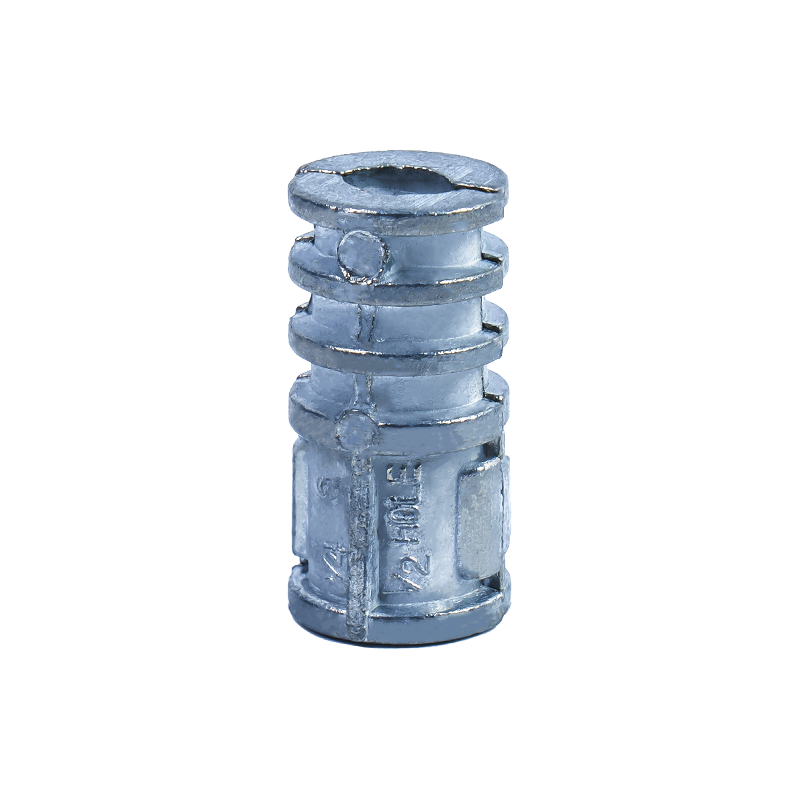
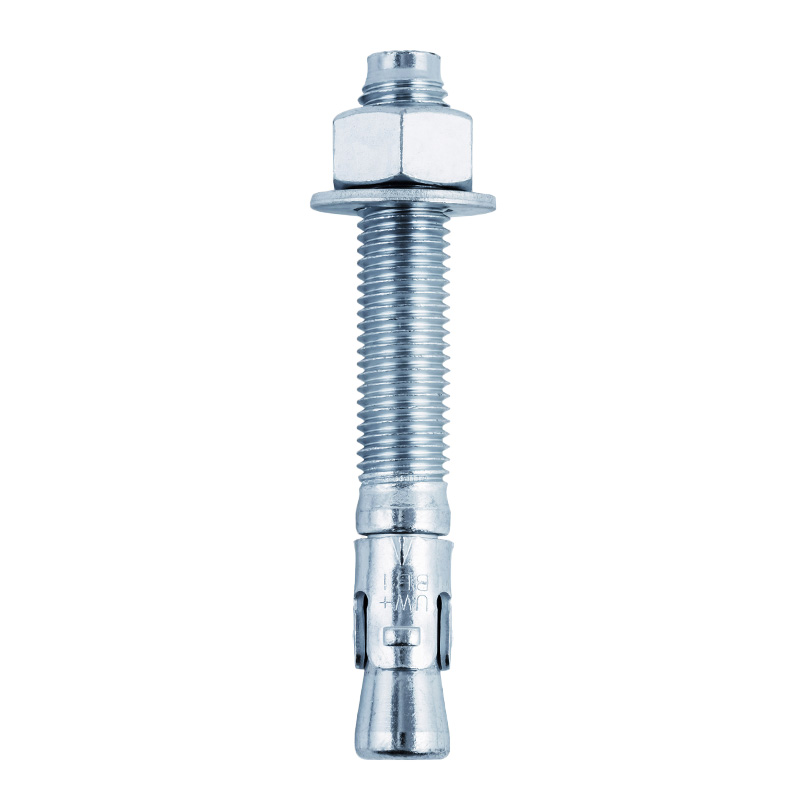
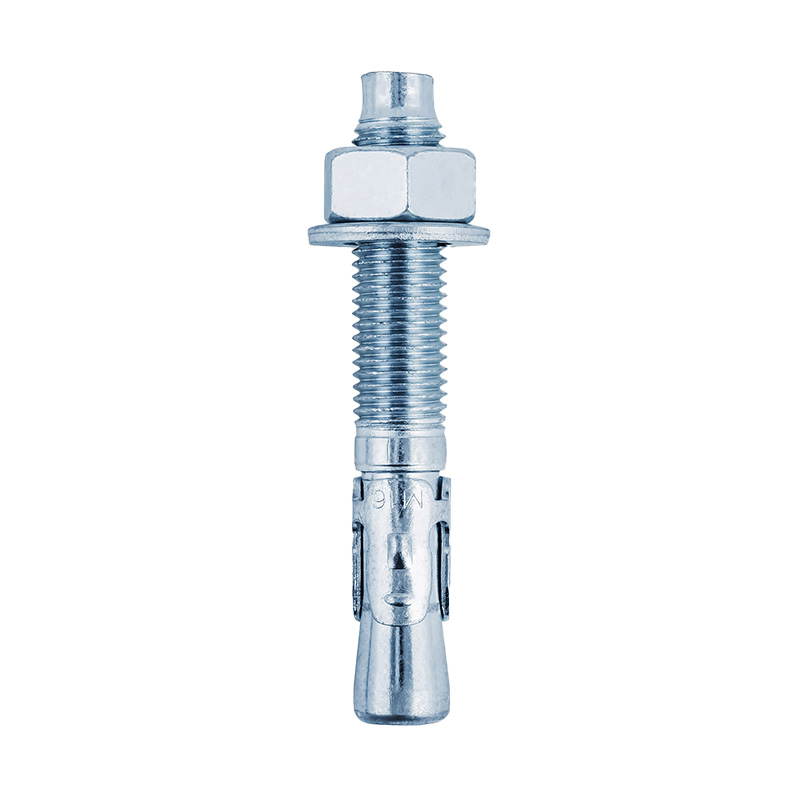
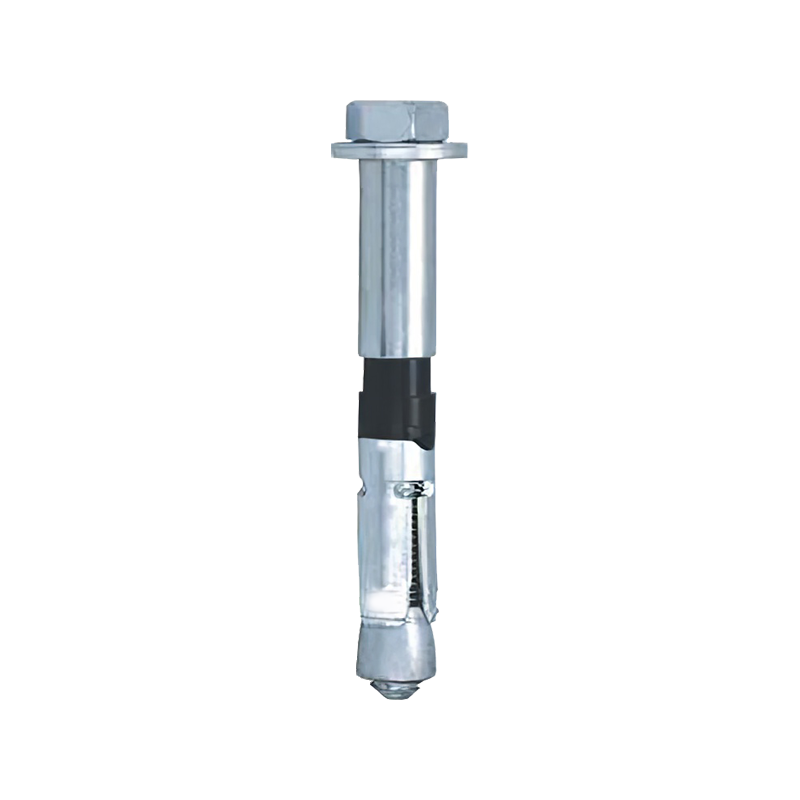
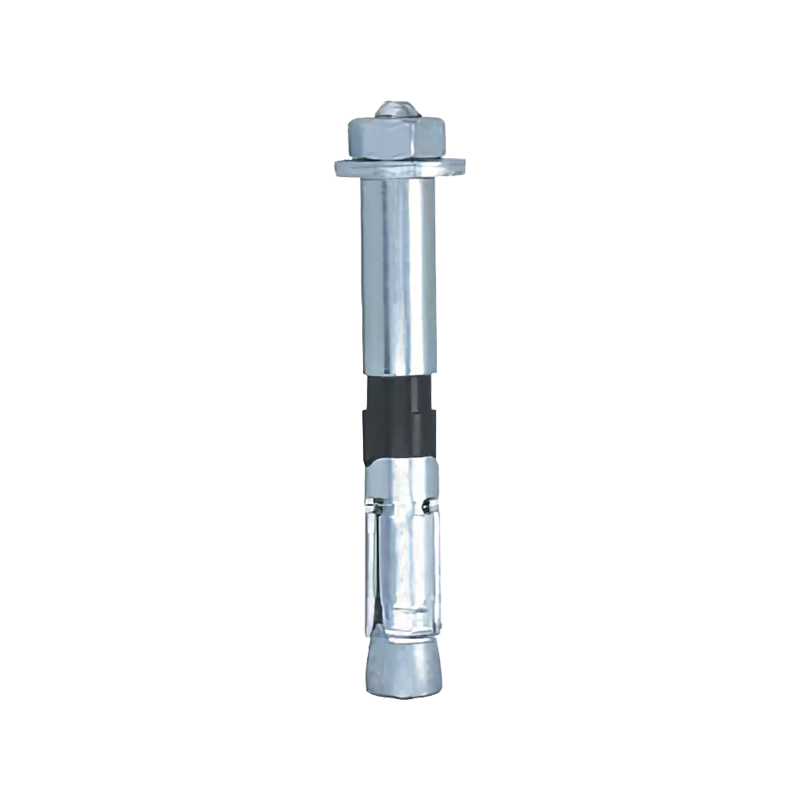
PRODUCT INFORMATION: Zinc alloy large wooden teeth for fastening concrete, mortar seams masonry, zinc alloy large wooden teeth antirust and wood screws together use, screws length can be zinc alloy large wooden tooth increase length decision has been reinforcement materials thickness increase 1 / 4, zinc alloy large wooden teeth top must bottom extend to ensure when expansion, in hard masonry, zinc Alloy Short wooden dental may only use least drilling time in soft masonry buildings, zinc alloy Longwood teeth can play better grip.

01Production Information 02Inquiry

NO.

Specifications

Aperture (IN)

Length (IN)

CASE/BOX

Weight (kg/box)

LSS14N

1/4

1/2

1

100/1000

11.70

LSS56N

5/16

1/2

11/4

100/1000

13.61

LSS38N

3/8

5/8

13/4

50/500

14.24

LSS12N

1/2

3/4

2

25/250

11.52

LSS58N

5/8

7/8

2

25/250

15.60

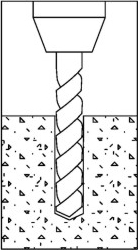
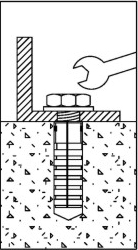
1. Drill holes on the base according to
the required diameter and depth
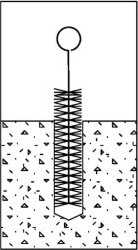
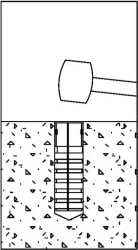
2. Move debris and clean small holes 3. Knocking in zinc alloy large wooden teeth 4. Tighten the screws with a wrench

Lag Shield Anchors: Versatile Multi-Substrate Fastening

Universal fastening engineered for multi-substrate applications. Lag shield anchors deliver reliable 2-8kN holding capacity across wood, metal, and masonry substrates. 1/4"-3/8" sizes with simple hand-tool installation. Ideal for residential and light commercial applications including shelving, picture rails, fixtures, and interior/exterior modifications.

1/4"-3/8"
Size Range
2-8kN
Load Capacity
3 Substrates
Wood, Metal, Masonry
Simple Tools
Hand Installation

Multi-Substrate Applications

01

Interior Shelving

Wall-mounted shelving systems for residential and office spaces. Handles moderate loads reliably across diverse substrate conditions.

02

Picture Rail Fastening

Decorative and functional picture hanging systems. Flexible substrate adaptation for gallery walls and display applications.

03

Exterior Fixtures

Light-duty exterior fastening including outdoor lighting, plaques, address markers. Weather-resistant fastening performance.

04

Cabinet Hardware

Hardware attachment for cabinets, closets, and storage systems. Reliable fastening across multiple cabinet substrate types.

05

Interior Modifications

Temporary and semi-permanent fastening for accent features, moldings, and interior enhancements without major substrate disruption.

06

Multi-Purpose Fastening

General-purpose fastening for residential projects requiring simple, cost-effective, substrate-versatile solution.

Technical Specifications

Size Range
1/4" - 3/8" diameter
Load Capacity
2-8kN depending on size and substrate
Substrate Compatibility
Wood, steel, masonry, concrete
Installation Tools
Standard wrench or socket (hand-operated)
Finish Options
Zinc-plated, stainless, galvanized

Performance Specifications

Holding Capacity 2-8kN (substrate dependent)
Expansion Range Varies by size (typically 10-15mm)
Installation Time 1-2 minutes per anchor
Reusability Single use recommended
Outdoor Durability 10-15 years with proper finish
Temperature Range -10°C to +60°C

Multi-Substrate Installation Guide

Wood Applications

  • Directly into solid wood studs (2-8kN capacity)
  • Pre-drill pilot hole for easier installation
  • Turn lag screw with wrench until tight
  • Expansion not required in wood
  • Best performance in hardwoods and engineered lumber
  • Zinc-plated finish protects against moisture

Masonry/Concrete

  • Drill hole to specified depth
  • Insert anchor shield into hole
  • Turn lag screw to expand anchor
  • Ensure anchor fully expanded for maximum holding
  • Test holding force before applying load
  • Stainless recommended for wet environments

Substrate Versatility Features

Adaptive Design

Engineering adapts to different substrate densities and hardness levels. Single anchor type works across wood, metal, and masonry without modification.

Simple Installation

Standard wrench operation works for all substrate types. No complex tools or substrate-specific procedures. Hand-tool installation suitable for DIY and professional use.

Cost Efficiency

Single anchor type handles multiple applications. Inventory simplification reduces fastener stocking costs for contractors and builders.

Flexibility

Suitable for both temporary and semi-permanent fastening. Easy removal without major substrate damage if relocation necessary.

Performance Consistency

Reliable holding force across different installation scenarios. Predictable performance enables confident use in diverse applications.

Material Options

Multiple finish selections (zinc-plated, stainless, galvanized) optimize performance for specific environmental conditions.

Six Key Advantages

1

Multi-Substrate Versatility

Single fastener works across wood, metal, and masonry. Eliminates need for substrate-specific anchor selection.

2

Simple Hand-Tool Installation

Standard wrench operation - no power tools or specialized equipment required. DIY-friendly installation process.

3

Cost-Effective Fastening

Lower material and labor costs. Ideal for residential and light-commercial applications where budget matters.

4

Minimal Substrate Damage

Expansion-based design requires smaller pilot holes than traditional fastening. Easy removal without major substrate disruption.

5

Finish Options

Multiple material finishes (zinc, stainless, galvanized) optimize performance for indoor and outdoor environments.

6

Proven Reliability

Decades of residential and commercial use demonstrates consistent, predictable holding performance.

Five-Step Installation Guide

Prepare Substrate

Mark fastening point. For masonry/concrete, drill pilot hole to specified depth. For wood, pilot hole optional.

Position Anchor

Insert lag shield anchor into hole. For masonry, ensure shield fully enters hole. Align screw with installation point.

Begin Screw Insertion

Start turning lag screw using standard wrench. Initial turns may feel loose as screw threads into anchor.

Complete Expansion

Continue turning until anchor fully expanded and screw hand-tight. Verify anchor not over-tightened. Stop when firm resistance felt.

Load Application

Attach fixture or equipment. Test holding with gentle pull. Monitor for movement or shifting under actual load.

Lag Shield vs. Alternative Fastening Methods

Factor Lag Shield Anchor Spring Toggle Bolt Standard Screw
Substrate Compatibility Wood/metal/masonry Drywall only Wood only
Installation Time 1-2 minutes 2-3 minutes 1 minute
Holding Capacity 2-8kN 5-10kN (hollow walls) 1-2kN
Installation Difficulty Easy Medium Very easy
Cost Per Unit Low-moderate Low Very low
Versatility High Limited Limited

Frequently Asked Questions

Do lag shields work in all substrates?

Lag shields work very well in wood, masonry, and concrete. Metal substrates require different installation (direct screw-in). Drywall applications better served by toggle bolts. Substrate density affects holding capacity - harder materials generally provide better performance.

What's the holding capacity?

Holding capacity ranges 2-8kN depending on anchor size and substrate type. Harder substrates (concrete, hardwood) provide maximum capacity. Softer materials (drywall, plaster) reduce capacity. Substrate density is primary performance factor.

Can anchors be reused after removal?

Reuse in same hole may reduce holding capacity. For maximum reliability, new anchors recommended for reinstallation. Extracting from masonry may damage the anchor shield. For temporary installations, removal and new installation acceptable.

What about outdoor weathering?

Zinc-plated finish provides 10-15 years outdoor durability in most climates. Stainless steel recommended for coastal or highly corrosive environments. Galvanized finish offers excellent weather resistance. Apply marine-grade finish in extreme conditions.

How to install in wood vs. concrete?

Wood: Pilot hole optional; directly screw lag through anchor. Concrete/masonry: Drill hole slightly smaller than anchor diameter; insert shield fully; turn screw to expand anchor. Both use standard wrench - installation process very similar despite substrate differences.

Is over-tightening a concern?

Avoid excessive over-tightening - can compress substrate and reduce holding force. Turn until firm resistance felt, then stop. Substrate damage more likely with over-tightening than under-tightening. Hand-wrench torque usually appropriate without special tools.
Yuyao Nanshan Development Co., Ltd.
About Nanshan

Yuyao Nanshan Development Co., Ltd.

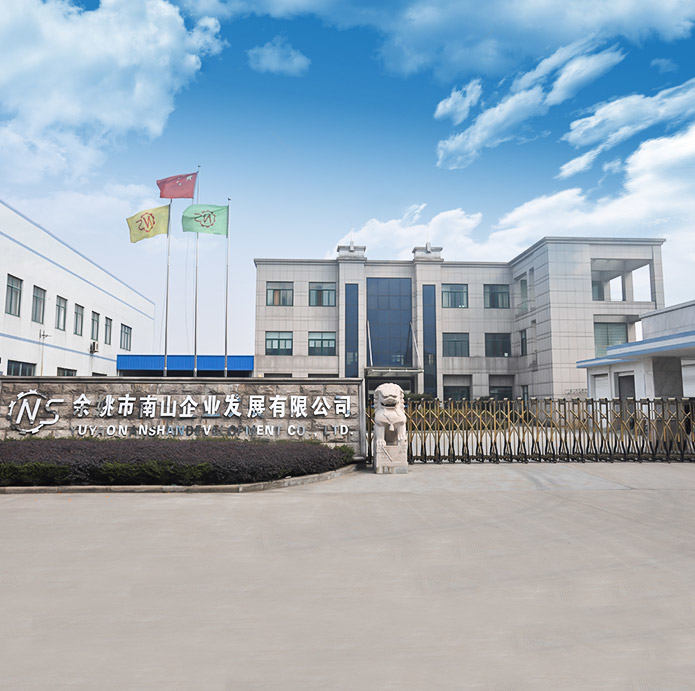
Yuyao Nanshan Development Co., Ltd. was established in 1999 and is located in Ningbo with elegant and charming environments and enjoys convenient transportation.
Yuyao Nanshan Development Co., Ltd. is China Lag Shield Short Manufacturers and Wholesale Lag Shield Short Suppliers, specializes in producing Lag Shield Short with professional production equipment. Nanshan has strong technologies with advanced facilities and imported automatic production machines and inspection equipment. Nanshan also is using the ERP to control the production process line and has set up a research & development center for continued innovation and to meet the requirements of more and more customers from all over the world.
Our products extensively are used in steel high constructions, tunnel projects, bridges, railways, airport stations, high way, sea ports, nuclear power plants,s and so on. And it sold to USA market and Europe market morely and Asia, that all makes customers satisfied exactly.
Yuyao Nanshan Development Co., Ltd. adheres to the principle of “quality the eternal base, credit forever pursuit”, we will spare no effort to provide our customers with more stable quality and more wonderful service. We welcome domestic and overseas customers to contact us for more information and business opportunities.

Witness strength

Honorary Qualifications

Update news
NEWS AND BLOG
Lag Shield Short Industry knowledge

What factors affect the bearing capacity of lag shield short?

In the construction industry, anchors are the core components of connection and fixing, and their bearing capacity is one of the important indicators for evaluating their performance. As an efficient anchoring solution, the bearing capacity of Lag Shield Short is affected by many factors, and these key factors will be discussed in detail below.
Material and alloy composition
The bearing capacity of Lag Shield Short is first directly affected by the materials used and their alloy composition. High-quality alloy materials not only provide high strength and superior toughness, but also maintain stable performance in harsh environments. Yuyao Nanshan Development Co., Ltd. selects high-performance alloy materials in the production process of Lag Shield Short, and through scientific alloy composition design, ensures that the product performs well in mechanical properties and corrosion resistance. Through this material selection and optimization of alloy composition, Lag Shield Short has obtained a solid bearing capacity foundation that can meet the needs of various complex application scenarios.
Wedge design and expansion mechanism
The unique wedge design of Lag Shield Short and its expansion mechanism are key factors in improving bearing capacity. When Lag Shield Short is installed on a hard substrate such as concrete or brick wall, as the bolts are tightened, the wedge-shaped part will gradually expand, forming a tight friction and mechanical bite force with the substrate. This expansion mechanism not only significantly improves the load-bearing capacity of Lag Shield Short, but also enhances the connection stability with the substrate. In addition, the wedge-shaped design enables Lag Shield Short to automatically adjust its position during installation to ensure that it is fully fitted with the substrate, thereby further improving the safety and reliability of the overall structure.
Installation process and precision
The installation process and its precision also have an important impact on the load-bearing capacity of Lag Shield Short. Correct installation methods and strict precision control can ensure that Lag Shield Short is not damaged during installation and make its connection with the substrate tighter. During the installation of Lag Shield Short, Yuyao Nanshan Development Co., Ltd. provided detailed installation guidelines and professional technical support to ensure that construction personnel can operate in accordance with the specifications. In addition, the company also uses advanced testing equipment and technical means to strictly control the installation accuracy of Lag Shield Short to ensure that its load-bearing capacity reaches the best state, thereby improving the efficiency and quality of the overall construction.
Hardness and strength of the substrate
The bearing capacity of Lag Shield Short is also significantly affected by the hardness and strength of the substrate. The higher the hardness and strength of the substrate, the greater the bearing capacity of Lag Shield Short. Therefore, when choosing Lag Shield Short, it is necessary to make a reasonable match according to the specific engineering needs and substrate characteristics. When providing Lag Shield Short to customers, Yuyao Nanshan Development Co., Ltd. will make accurate recommendations and selections based on the specific needs of customers and the characteristics of the substrate to ensure the best effect of the product in practical applications.

The impact of environmental factors on the performance of lag shield short

In the field of construction and engineering, anchors are the core components of connection and fixation, and the stability and durability of their performance are crucial to the safety of the overall structure. As an industry pioneer in the production of anchors, Yuyao Nanshan Development Co., Ltd. has won a good market reputation for its star product Lag Shield Short with its excellent bearing capacity and wide application fields. However, the impact of environmental factors on the performance of anchors cannot be underestimated and must be given enough attention.
The impact of environmental factors on the performance of Lag Shield Short
The impact of temperature and humidity
Temperature and humidity are key factors affecting the performance of anchors. In extremely high or low temperature environments, the material of Lag Shield Short may experience thermal expansion and contraction, causing its size to change, which will affect the tightness of the connection with the substrate and the load-bearing capacity. In addition, excessive humidity will cause corrosion on the surface of the anchor, significantly reducing its durability.
Challenges of corrosive environments
In certain specific engineering environments, such as chemical plants or at the seaside, the air may contain corrosive substances, such as salt spray, acid and alkali gases, etc. These corrosive substances will corrode the surface of Lag Shield Short, destroy its anti-corrosion layer, accelerate the corrosion process of the material, and thus reduce its service life and load-bearing capacity.
Effect of UV radiation
In outdoor environments, long-term UV radiation may cause aging of the material of Lag Shield Short, especially the anti-corrosion layer and coating on its surface. After aging, the material will become brittle and prone to cracking and falling off, thereby reducing the overall performance and durability of the anchor.
Effect of vibration and shock
In some dynamic load environments, such as bridges and high-rise buildings, Lag Shield Short may be subjected to continuous vibration and shock. These factors may cause the connection between the anchor and the substrate to loosen or even crack, which will affect its load-bearing capacity and structural stability.
Yuyao Nanshan Development Co., Ltd.'s response strategy
In response to the impact of the above environmental factors on the performance of Lag Shield Short, Yuyao Nanshan Development Co., Ltd. has adopted a number of effective response strategies:
Selection of high-performance materials
The company is committed to selecting high-quality alloy materials, and through scientific alloy composition design, significantly improves the strength and toughness of Lag Shield Short, while enhancing its corrosion resistance and aging resistance. These high-performance materials can maintain stable performance in harsh environments and significantly extend the service life of anchors.
Optimize surface treatment process
Yuyao Nanshan Development Co., Ltd. uses advanced surface treatment processes such as hot-dip galvanizing and plastic spraying to provide Lag Shield Short with a solid anti-corrosion layer. This anti-corrosion layer can effectively isolate corrosive substances from direct contact with materials, slow down the corrosion process, and thus protect anchors from damage.
Provide customized solutions
In order to meet the specific needs of different engineering environments and customers, the company provides customized Lag Shield Short solutions. According to specific conditions such as temperature, humidity, and corrosive environment, the professional team recommends the most suitable anchor model and material for customers to ensure its optimal performance in a specific environment.