
 English
 中文简体
中文简体 русский
 Español
Explore Our Product Range
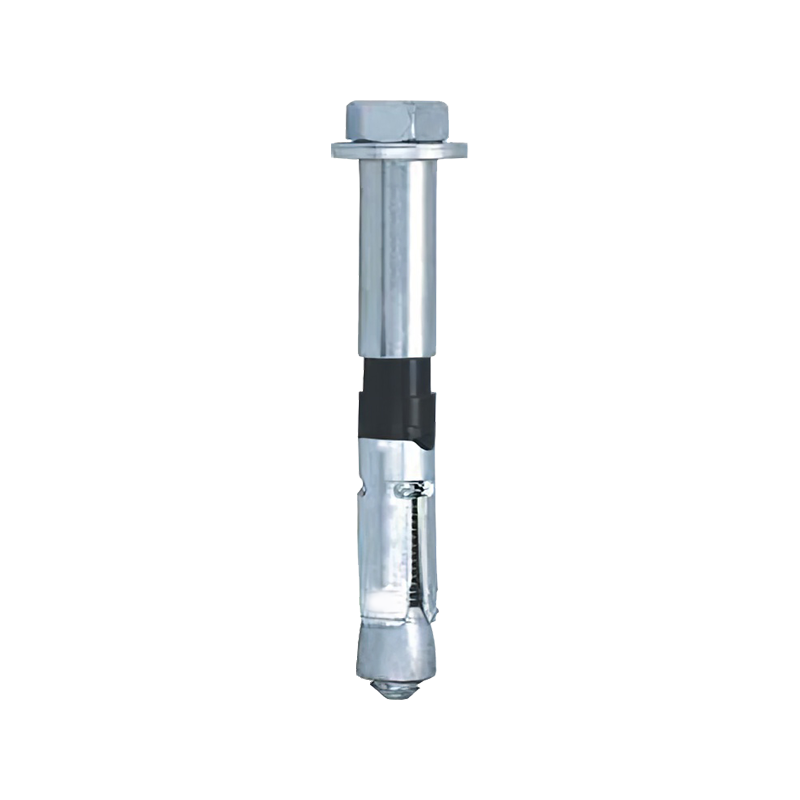
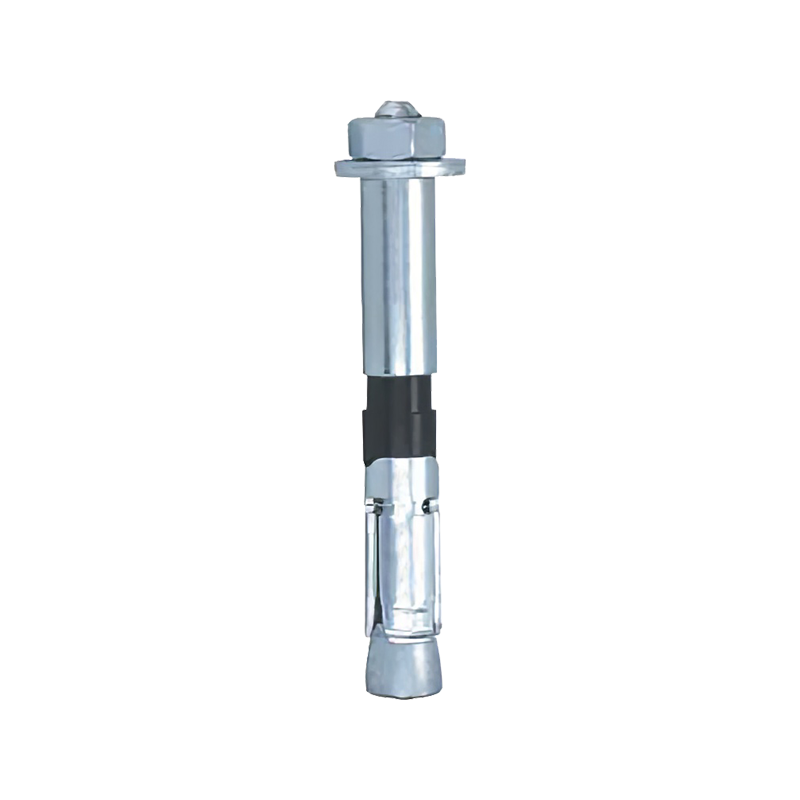
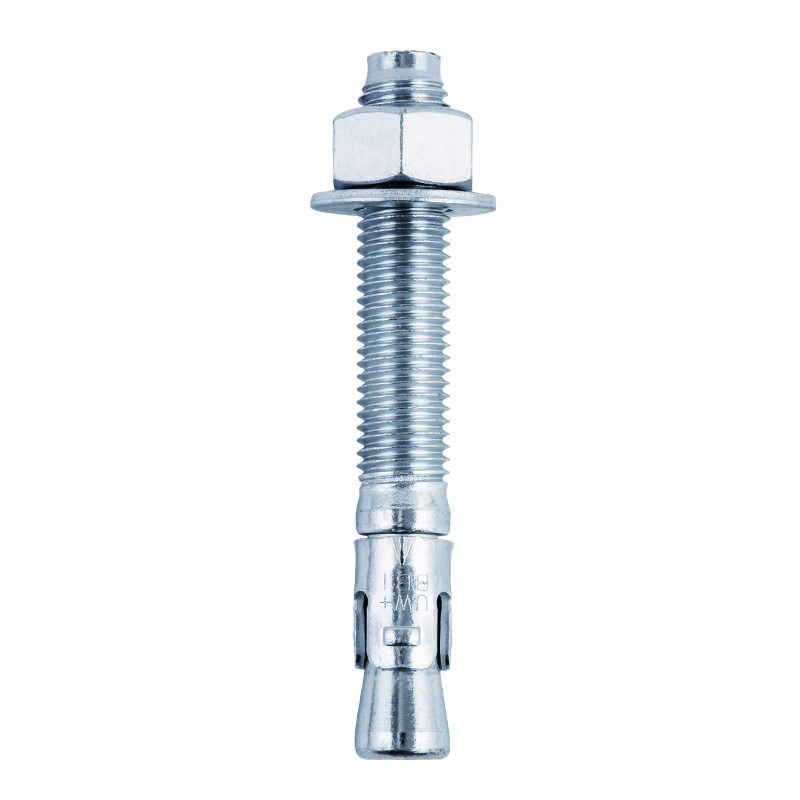
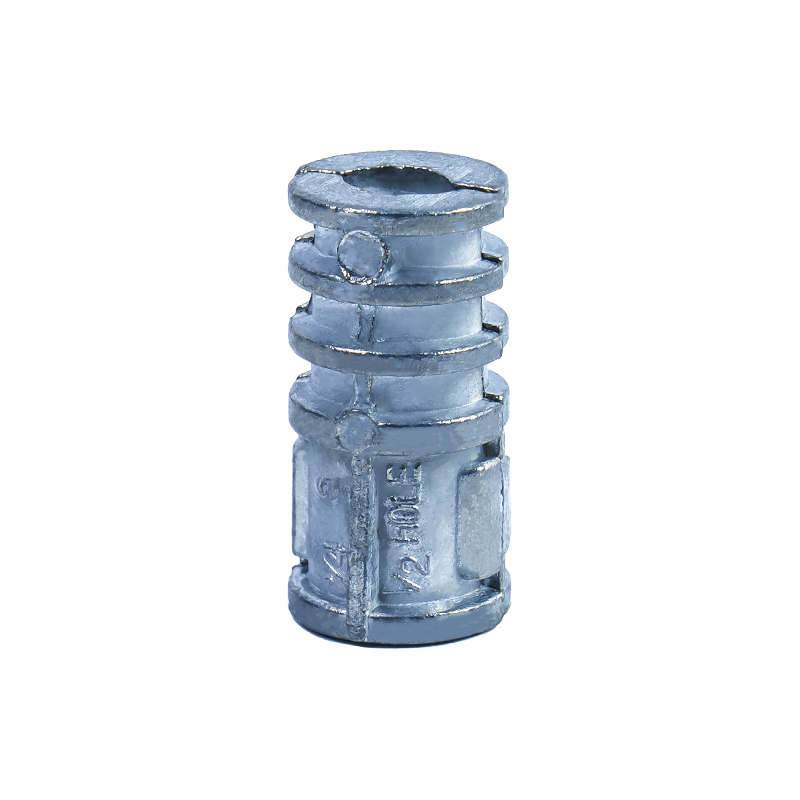
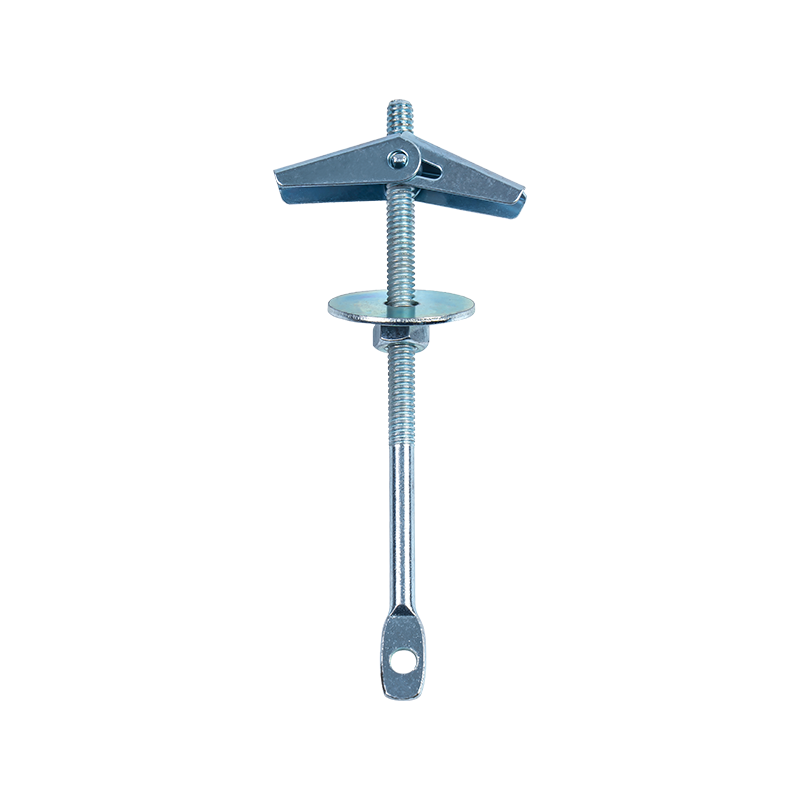
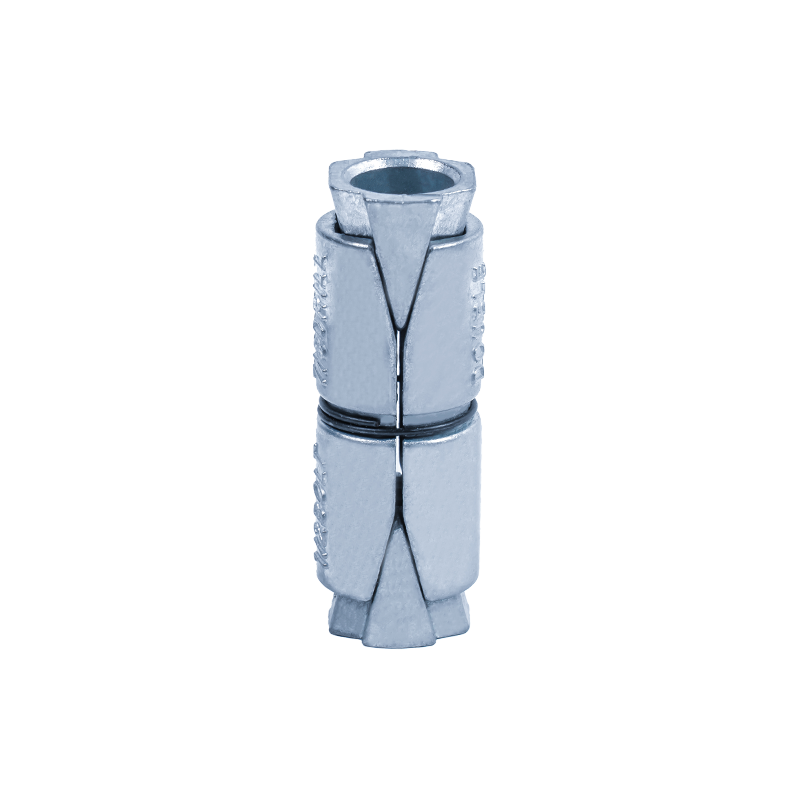
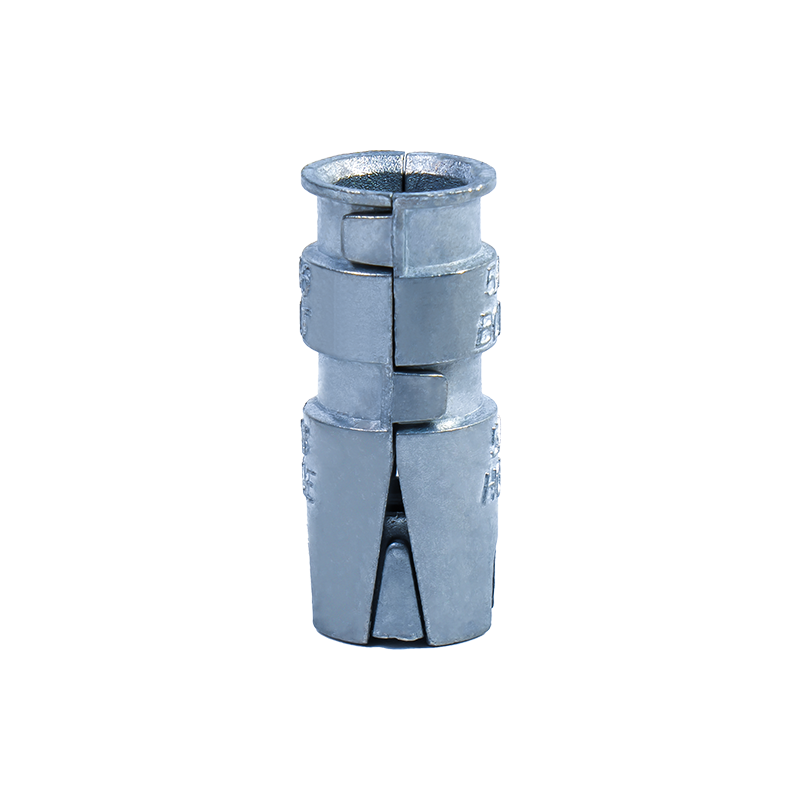
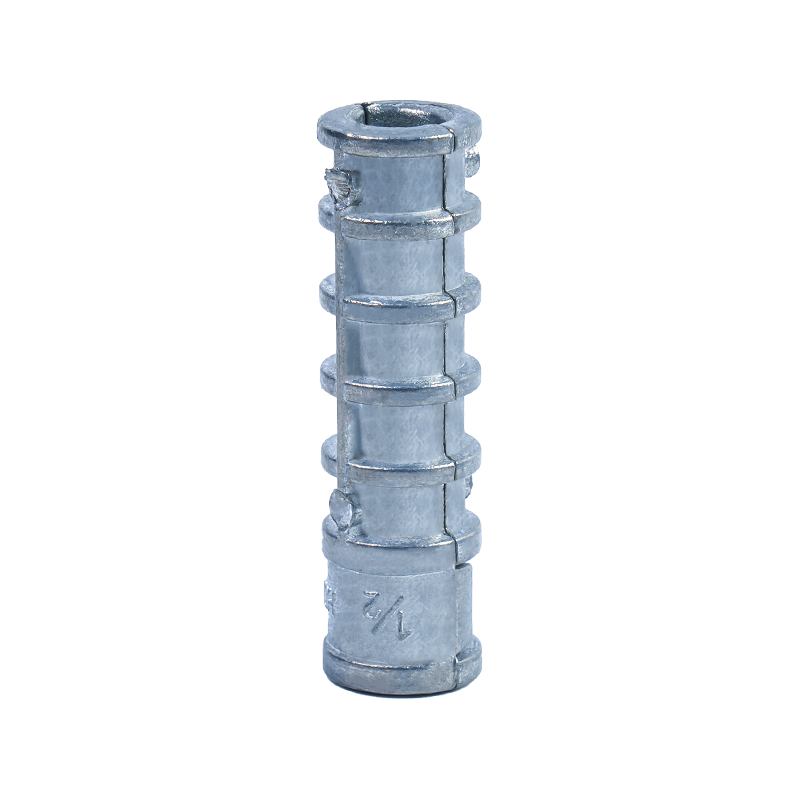
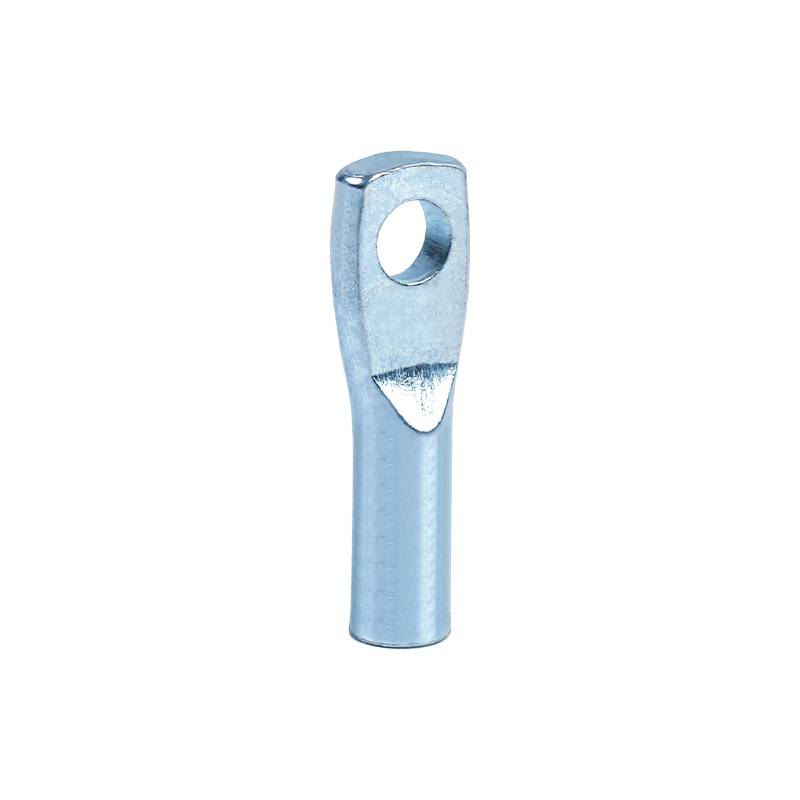
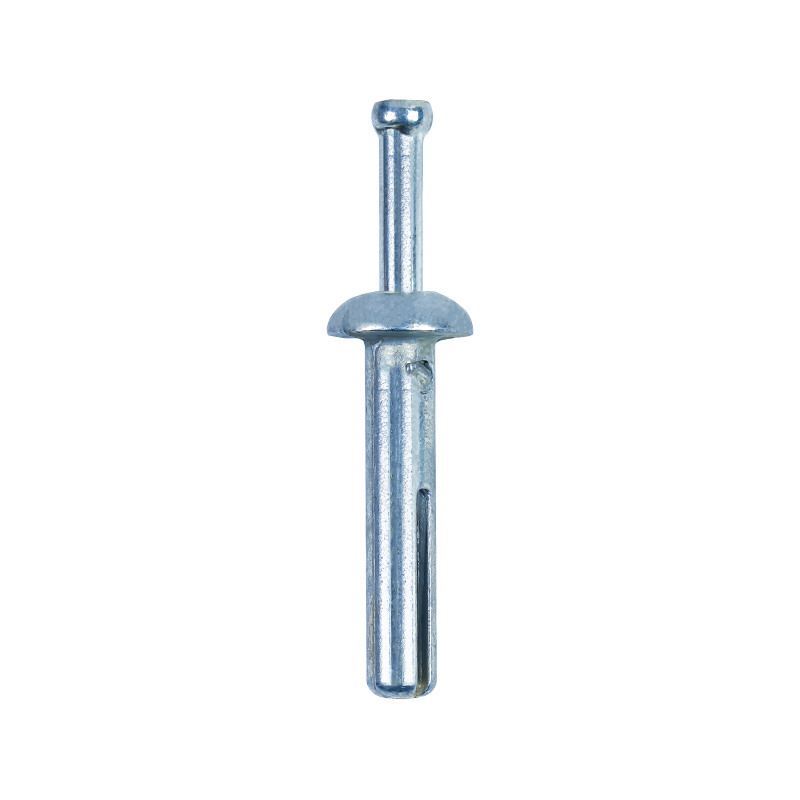
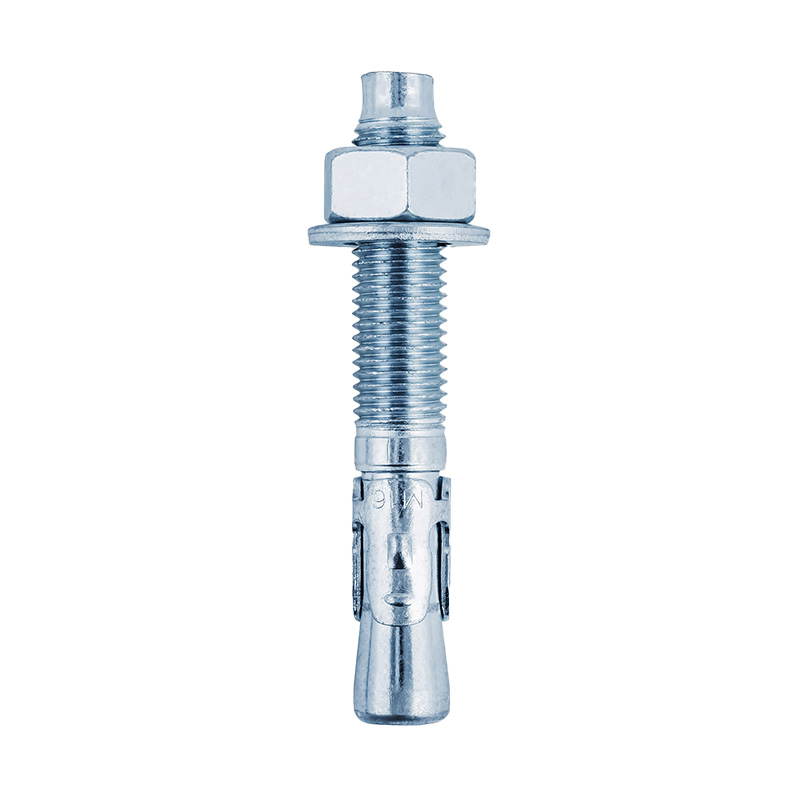
Four Shield Heavy Duty
Bolt Anchor
Advanced mechanical expansion anchor featuring four independent expansion shields that provide 360-degree uniform grip in solid concrete. Designed for maximum load capacity and reliability in the most demanding heavy duty applications including industrial machinery, bridge structures, and high-rise steel connections.
Four Shield Expansion Technology for Maximum Load Capacity
The Four Shield Heavy Duty Bolt Anchor represents an advanced evolution of mechanical expansion anchor technology. Unlike conventional wedge anchors that utilize a single wrap-around clip or three-segment expansion sleeve, the four shield design incorporates four independent expanding shields arranged symmetrically around the anchor cone. This configuration provides superior load distribution, more uniform radial expansion, and enhanced grip in both cracked and uncracked concrete. The four shield design is particularly advantageous in dynamic loading conditions, seismic applications, and installations where hole tolerances may vary.
The fundamental operating principle of the four shield anchor shares similarities with standard wedge anchors but with important distinctions. When the nut is tightened, the internal cone is drawn upward. This cone contacts the four individual shields, forcing them outward against the concrete hole wall. Unlike wrap-around clips that may have variable contact pressure, each shield in a four shield anchor is independently forced outward, ensuring uniform contact even if the hole is slightly oversize or if the concrete surface is irregular. The four expansion points create a balanced grip that resists off-axis loading and moment forces better than three-shield or wrap-around designs.
The four shield anchor excels in applications where standard wedge anchors may struggle. In low-strength concrete where breakout risk is higher, the four shields distribute the expansion force over a larger area, reducing point loading on the concrete. In overhead installations, the four independent shields provide redundancy — even if one shield does not fully expand due to dust or debris, the remaining three maintain holding capacity. In vibratory environments such as compressor stations or stamping press foundations, the independent shields accommodate minor movement without losing grip. For these reasons, four shield anchors are often specified for mission-critical equipment, bridge expansion joints, and seismic force-resisting systems.
The manufacturing process for four shield anchors requires precision tooling and quality control. Each shield is stamped from high-carbon spring steel, heat treated to achieve consistent hardness, and then assembled onto the anchor body. The cone angle must be precisely machined to ensure simultaneous contact with all four shields. The shields must move freely on the cone face but remain captive during handling and driving. The anchor body is typically cold-headed from Grade 8.8 or Grade 5.8 carbon steel, with threads rolled after cold forming. The assembled anchor includes a flat washer and hex nut, both zinc plated for corrosion resistance.
Installation of four shield anchors follows the same basic procedure as standard wedge anchors but with some differences in torque requirements and setting characteristics. Because the four shields provide more uniform expansion, the torque-to-expansion relationship is more linear and predictable. The recommended torque values are similar to standard wedge anchors of equivalent diameter and grade. However, the four shield anchor may require slightly deeper embedment to fully accommodate the shield height. Minimum embedment is typically 5 to 6 times anchor diameter. Hole cleaning requirements are equally important — dust can prevent one or more shields from fully expanding, reducing the capacity of the anchor.
For engineers and contractors working on heavy-duty applications, the four shield heavy duty bolt anchor offers distinct advantages over competitive expansion anchors. The four-point expansion provides superior resistance to rotational loosening under vibration. The independent shields accommodate wider hole diameter tolerances. The balanced expansion pattern reduces concrete splitting risk near edges. And the redundant shield design provides a margin of safety in the event of installation anomalies. When maximum reliability is required, the four shield anchor is the preferred choice among experienced anchor specifiers.
Four Independent Shields
Four separate expansion arms provide 360-degree balanced grip. Each shield expands independently, accommodating hole irregularities and providing redundancy in overhead or vibratory applications.
Heavy Duty Load Capacity
Manufactured from Grade 8.8 or Grade 5.8 carbon steel with electro-zinc plating. Four shield design distributes loads evenly, reducing concrete stress concentrations and allowing higher working loads.
Wide Diameter Range
Available from M8 through M30 in both standard and through-bolt configurations. Custom lengths and stainless steel options available for specialized applications.
Four Shield Heavy Duty Bolt Anchor Specifications
| Parameter | Grade 5.8 Four Shield | Grade 8.8 Four Shield |
|---|---|---|
| Diameter Range | M8 through M30 | M8 through M30 |
| Anchor Body Material | Medium carbon steel SAE 1008 to 1012 | Medium carbon steel SAE 1035 to 1045 |
| Shield Material | Hardened spring steel 50CrV4 | Hardened spring steel 50CrV4 |
| Tensile Strength Minimum | 500 megapascals | 800 megapascals |
| Yield Strength Minimum | 400 megapascals | 640 megapascals |
| Surface Treatment | Electro-zinc plating 5 to 12 microns | Electro-zinc plating with hydrogen relief bake |
| Shield Heat Treatment | Induction hardened 45 to 50 HRC | Induction hardened 45 to 50 HRC |
| Minimum Embedment | 5 times diameter | 6 times diameter |
Ordering and Availability
Four Shield Technical Support
Need load tables or four shield recommendations for your heavy duty application? Our engineering team responds within 24 hours.
Request Four Shield DataFour Shield Heavy Duty Anchor Applications
Heavy Industrial Equipment
Stamp presses, forging hammers, rolling mills, large compressors, turbines, and other equipment generating high vibration and dynamic loads.
Bridge and Infrastructure
Bridge bearings, expansion joint anchors, seismic restrainers, tunnel ventilation equipment, and heavy rail components.
Steel Construction
Column base plates, moment connections, crane runway beams, and heavy steel framing in high-rise buildings and stadiums.
Power Generation
Generator foundations, turbine mounts, cooling tower anchors, and wind turbine tower connections requiring maximum reliability.
Core Advantages of Four Shield Bolt Anchors
True 360 Degree Grip
Four independently expanding shields provide uniform radial force around the entire circumference. Eliminates偏心 loading common with three-shield or wrap-around designs.
Redundant Expansion
If one shield fails to expand fully, three shields continue to provide holding capacity. Critical safety margin in overhead or seismic applications.
Superior Vibration Resistance
Four point expansion resists rotational loosening under vibratory loads. Ideal for compressor stations, stamping presses, and heavy machinery.
Wider Hole Tolerance
Independent shields accommodate slightly oversized holes that would cause wrap-around clips to lose grip. Reduces rework from worn drill bits.

Yuyao Nanshan Development Co., Ltd.
Yuyao Nanshan Development Co., Ltd. was established in 1999 and is located in Ningbo with elegant and charming environments and enjoys convenient transportation.
Yuyao Nanshan Development Co., Ltd. is China Four Shield Heavy Duty Bolt Anchor Manufacturers and Wholesale Four Shield Heavy Duty Bolt Anchor Factory, specializes in producing Wedge Anchor with professional production equipment. Nanshan has strong technologies with advanced facilities and imported automatic production machines and inspection equipment. Nanshan also is using the ERP to control the production process line and has set up a research & development center for continued innovation and to meet the requirements of more and more customers from all over the world.
Our products extensively are used in steel high constructions, tunnel projects, bridges, railways, airport stations, high way, sea ports, nuclear power plants, and so on.
Yuyao Nanshan Development Co., Ltd. adheres to the principle of "quality the eternal base, credit forever pursuit", we will spare no effort to provide our customers with more stable quality and more wonderful service.

Four Shield Anchor Installation Procedure
Drill Precise Hole
Use hammer drill with carbide-tipped bit matching anchor diameter. Four shield anchors have tighter hole tolerance requirements than wrap-around clips. Drill depth equals embedment plus 15mm for dust.
Thorough Hole Cleaning
Clean hole with blow and brush cycle three times minimum. Dust is particularly detrimental to four shield anchors as it can prevent one or more shields from expanding. For critical applications, four cleaning cycles required.
Inspect Shields Before Insertion
Before driving anchor, verify all four shields are evenly positioned around cone and move freely. Shield tips should be aligned. Discard any anchor with damaged or misaligned shields.
Drive and Torque
Assemble washer and nut flush with anchor top. Drive into hole until washer contacts fixture. Apply torque in three increments. The four shield design requires same torque as standard wedge anchors of equivalent diameter.
Four Shield Installation Tips
- Inspect shields before each installation — bent or misaligned shields will not expand properly.
- Do not reuse four shield anchors — shields permanently deform during expansion.
- Minimum embedment 6 times diameter for Grade 8.8 four shield anchors.
- Hole cleaning critical — dust prevents shield expansion more than wrap-around clips.
- Apply torque smoothly — jerky torque application may cause uneven shield expansion.
- Edge distance 7 times diameter recommended for full four shield capacity.
Tools Required for Four Shield Anchors
Four Shield vs. Wrap-Around Wedge Anchor
Four Shield Anchor Quality Control Program
Shield Hardness Testing
Each production batch of shields tested for hardness. 45 to 50 HRC required for proper expansion without deformation under load.
Shield Alignment Check
100 percent visual inspection of shield assembly. All four shields must seat evenly on cone face before packaging.
Expansion Test Sample
Sample anchors from each batch installed in test block. Shield expansion verified to minimum diameter per spec.
Pull-Out Testing
Destructive tensile testing per batch. Exceeds published load values by minimum 15 percent.
Four Shield Anchor Design Parameters
Minimum Embedment for Four Shield
Due to shield height, four shield anchors require deeper embedment than wrap-around clips. Minimum 6 times diameter for Grade 8.8. For Grade 5.8, 5 times diameter may be acceptable for light duty.
Edge Distance for Four Shield
Four shield anchors distribute expansion force over larger area, reducing concrete splitting risk. Minimum edge distance 6 times diameter for Grade 8.8, versus 7 times diameter for wrap-around clips of equivalent load.
Group Efficiency
Four shield anchors in closely spaced groups have 15 percent higher group efficiency than wrap-around designs due to more uniform load distribution. Group reduction factors start at 8 times diameter spacing versus 10 times for standard wedges.
Dynamic Load Rating
Four shield anchors are recommended for dynamic and vibratory loads including rotating machinery, reciprocating compressors, and impact equipment. Consult engineering data for fatigue limit values.
Environmental Responsibility in Four Shield Manufacturing
Four shield anchors manufactured with sustainable practices and full environmental compliance.
RoHS and REACH Compliance
Zinc plating Cr6+ free. Spring steel shields from recycled content mills.
100 Percent Recyclable
Steel anchor and shields fully recyclable at end of structure life.
Energy Efficient Production
Cold heading and induction shield hardening consume less energy than hot forming.
Precision Four Shield Anchor Manufacturing Process
Cold Heading Body
Anchor body cold headed from wire coil. Integral cone machined to precise angle for simultaneous four-shield contact.
Shield Stamping
Spring steel coil stamped into shield blanks. Induction hardened to 45 to 50 HRC for wear resistance without brittleness.
Manual Assembly
Four shields assembled onto cone. 100 percent visual inspection before plating. Countersunk washer and nut added.
Four Shield Production Process Flow
Four Shield Anchor Ultimate Load Capacity Grade 8.8
Values shown for Grade 8.8 four shield heavy duty bolt anchors in solid non-cracked concrete C30/37. Minimum embedment equals 6 times anchor diameter. Safety factor of 4 to 1 applies for working loads. Four shield anchors provide approximately 15 percent higher load capacity than wrap-around wedge anchors of same diameter due to more uniform load distribution.
| Diameter mm | Min Embedment mm | Ultimate Tensile kN | Ultimate Shear kN | Recommended Torque Nm | Min Concrete Thickness mm |
|---|---|---|---|---|---|
| M8 | 48 | 14.0 | 11.0 | 28 | 100 |
| M10 | 60 | 22.5 | 17.5 | 52 | 125 |
| M12 | 72 | 33.0 | 25.5 | 90 | 150 |
| M16 | 96 | 58.0 | 47.0 | 220 | 200 |
| M20 | 120 | 90.0 | 70.0 | 450 | 250 |
| M24 | 144 | 130.0 | 100.0 | 720 | 300 |
| M30 | 180 | 190.0 | 145.0 | 1150 | 370 |
Professional Four Shield Anchor Installation Checklist
Pre-Installation Verification for Four Shield Anchors
- Verify concrete strength minimum C25/30 for Grade 8.8 four shield anchors.
- Confirm edge distance at least 6 times anchor diameter for four shield design.
- Verify anchor spacing at least 10 times diameter center to center.
- Inspect each anchor before installation. All four shields must be evenly positioned around cone and move freely.
- Ensure drill bit is carbide-tipped and exact diameter. Four shield anchors require precise hole diameter.
- Calibrate torque wrench within 6 months. For M20 and above, torque multiplier required.
Four Shield Anchor Installation Execution
- Drill hole to depth equals embedment plus 15mm minimum for dust accumulation.
- Clean hole using three complete blow and brush cycles minimum. For four shield anchors, four cycles recommended.
- Assemble washer and nut flush with anchor top. Do not tighten nut before driving.
- Insert anchor into hole. Ensure all four shields enter hole without catching on edge.
- Drive anchor using hammer until washer contacts fixture surface. Do not over-drive.
- Apply torque in three increments: 30 percent, 70 percent, 100 percent.
- Record torque value and anchor batch number for quality records.
Shield Inspection Before Installation
- Check that all four shields are present. Four shield anchors have exactly four shields.
- Verify shields are evenly spaced around the cone at 90 degree intervals.
- Shields should move slightly when pressed with finger. They should not be stuck or frozen.
- Shield tips should be aligned at same height. One shield protruding further than others indicates damage.
- Shield edges should be smooth. Burrs or sharp edges indicate stamping defects.
Critical Installation Warning: Do not install four shield anchors without first inspecting the shields. Damaged or misaligned shields will not expand properly and will reduce anchor capacity below design values. Any anchor with shield defects must be discarded.
Standards and Approvals for Four Shield Bolt Anchors
European Standards
EN 1992-4 for mechanical anchors. EN ISO 898-1 for fastener mechanical properties. EN 10204 Type 3.1 certification available.
ASTM Testing Methods
ASTM F606 mechanical testing. ASTM B117 salt spray. ASTM A153 zinc coating. ASTM E8 tensile testing.
ICC-ES Evaluation
Evaluation report available for four shield anchors in cracked and uncracked concrete. AC193 seismic compliance for seismic-rated variant.
Third-Party Testing
Independent testing available through TUV, SGS, or BV at buyer's option. Witnessed testing can be arranged.
Recommended Torque for Four Shield Heavy Duty Bolt Anchors
| Diameter mm | Dry Threads Nm | Lubricated Threads Nm | Torque Multiplier Required | Verification Torque Required for Vibration Applications |
|---|---|---|---|---|
| M8 | 28 | 22 | No | Yes on 10 percent of anchors |
| M10 | 52 | 42 | No | Yes on 10 percent of anchors |
| M12 | 90 | 72 | No | Yes on 10 percent of anchors |
| M16 | 220 | 176 | No for M16 | Yes on 100 percent for critical equipment |
| M20 | 450 | 360 | Yes | Yes on 100 percent for critical equipment |
| M24 | 720 | 580 | Yes | Yes on 100 percent for critical equipment |
| M30 | 1150 | 920 | Yes | Yes on 100 percent for critical equipment |
Safety Factors for Four Shield Heavy Duty Anchors
| Application Category | Steel Failure | Concrete Breakout | Shield Pullover | Recommended Factor |
|---|---|---|---|---|
| Non-structural general purpose | 3.0 | 3.5 | 3.0 | Use 4.0 for simplicity |
| General structural building | 4.0 | 4.5 | 4.0 | Use 5.0 for simplicity |
| Vibrating equipment heavy machinery | 5.0 | 5.5 | 5.0 | Use 6.0 for simplicity |
| Overhead safety critical | 6.0 | 7.0 | 6.0 | Use 7.0 for simplicity |
| Seismic categories D E F | 4.0 times static plus seismic reduction | 4.5 times static plus seismic reduction | 4.0 times static plus seismic reduction | Per ICC-ES report |
Payment and Shipping for Four Shield Anchors
Payment Methods
Shipping Ports
Packaging
Four Shield Heavy Duty Bolt Anchor Frequently Asked Questions
Corrosion Protection for Four Shield Heavy Duty Anchors
| Environment | Recommended Coating | Service Life Years | Special Considerations for Shields |
|---|---|---|---|
| Dry indoor heated | Electro-zinc 5 micron | 50 plus | Shields protected same as body |
| Indoor with condensation | Electro-zinc 8 micron yellow | 30 to 40 | Shield tips may show rust first - inspect periodically |
| Sheltered outdoor | Electro-zinc 12 micron with sealer | 15 to 20 | Shields more susceptible to corrosion than body due to spring steel |
| Outdoor rural direct rain | Hot-dip galvanized | 20 to 30 | HDG may affect shield movement - verify before ordering |
| Outdoor urban deicing salts | A4 stainless steel | 30 plus | Stainless shields recommended for corrosive environments |
| Coastal within 500m | A4 stainless steel | 30 plus | A2 stainless not sufficient for coastal - specify A4 |
Chemical Resistance of Four Shield Carbon Steel Anchors
| Chemical | Concentration | Carbon Steel Body | Spring Steel Shields | Notes |
|---|---|---|---|---|
| Fresh water | Any | Good | Good | Shield tips more corrosion prone than body. Inspect annually. |
| Seawater or brine | 3.5 percent | Poor | Poor | Not suitable. Specify A4 stainless four shield anchors. |
| Hydrochloric acid | Any | Very Poor | Very Poor | Severe corrosion. Do not use. |
| Sulfuric acid dilute | Up to 10 percent | Very Poor | Very Poor | Not suitable for chemical exposure. |
| Sodium hydroxide | Up to 10 percent | Fair | Fair | Limited exposure only. Stainless recommended. |
| Chlorine gas wet | Any | Very Poor | Very Poor | Rapid pitting. Not suitable. |
Four Shield Anchor Case Studies
Four shield anchors for 500 ton stamping press foundations in high vibration environment.
M24 Grade 8.8 four shield anchors were specified due to superior vibration resistance. Standard wedge anchors had previously loosened requiring retorquing every 6 months. After 4 years of service with four shield anchors, torque checks showed no significant loosening.
Key learning: Four shield anchors provided superior vibration resistance in high impact applications where standard wedge anchors failed.
Four shield anchors for highway bridge expansion joint hardware subject to traffic vibration and thermal cycling.
M16 four shield anchors with hot-dip galvanizing were installed to secure expansion joint assemblies. After 7 years of service, inspection found all anchors tight with no corrosion.
Key learning: Four shield anchors are ideal for bridge expansion joints where thermal movement and traffic vibration could loosen standard anchors.
Glossary of Four Shield Anchor Terminology
Four Shield Anchor
Mechanical expansion anchor with four independent expanding shields arranged symmetrically around an internal cone. Provides uniform 360-degree grip with redundancy.
Shield
Individual expansion element that contacts the concrete hole wall. Four shield anchors have four shields spaced at 90 degrees. Made from hardened spring steel.
Internal Cone
Tapered surface that contacts the shields. As the cone is drawn upward by tightening the nut, it forces shields outward against concrete.
Redundant Expansion
Characteristic of four shield anchors where remaining shields maintain holding capacity even if one shield fails to expand properly.
Wrap-Around Clip
Alternative expansion mechanism using a single continuous clip that expands around the entire circumference. Less expensive but lacks four shield redundancy.
Shield Hardness
Spring steel shields hardened to 45 to 50 HRC. Hard enough to resist deformation but not brittle.
Shield Alignment
Shields must be evenly spaced and at same height on cone. Misalignment prevents proper expansion.
Expansion Ratio
Ratio of expanded shield diameter to anchor diameter. Four shield anchors typically expand 1.5 to 2.5mm depending on diameter.
Four Shield Anchor Documentation Package
For mission-critical and heavy industrial projects, we provide enhanced documentation including shield hardness verification records, expansion test videos, and witnessed pull-out testing. All four shield anchors are 100 percent visually inspected for shield alignment before packaging. Special inspection agencies are welcome to witness any stage of production.
Related Tags & Articles
Three Shield Heavy Duty Screw Anchor
Product Introduction Three Shield Expansion Technology for Reliable Heavy D
Heavy Duty Zinc Plated Wedge Anchor
Product Introduction Ensuring Structural Integrity in Concrete & Masonr
Carbon Steel Through Bolt Wedge Anchor
Product Introduction One-Step Installation Without Compromising Holding Str
Concrete Installation Wedge Anchor Bolt
Product Introduction Fast, Reliable Concrete Installation for Demanding Sch
Hex Nut Type Sleeve Anchor Bolt
Product Introduction Standard Hex Nut Sleeve Anchor for Universal Fastening
Stainless Steel Metric Wedge Anchor
Product Introduction Corrosion Resistance Witho
Seismic Resistant Wedge Anchor Fastener
Product Introduction Engineered Anchoring for Seismic Demand and Cracked Co
High Strength Structural Wedge Anchor
Product Introduction Ultra-High Strength Mechanical Anchoring for Critical
External Threaded Metric Sleeve Anchor
Product Introduction Versatile Metric Threaded Anchoring for Multiple Base
Need Four Shield Anchors for Your Heavy Duty Project?
Whether you need Grade 8.8 four shield anchors for vibrating machinery or seismic applications, our engineering team provides technical data and competitive quotations.
