
 English
 中文简体
中文简体 русский
 Español
Explore Our Product Range
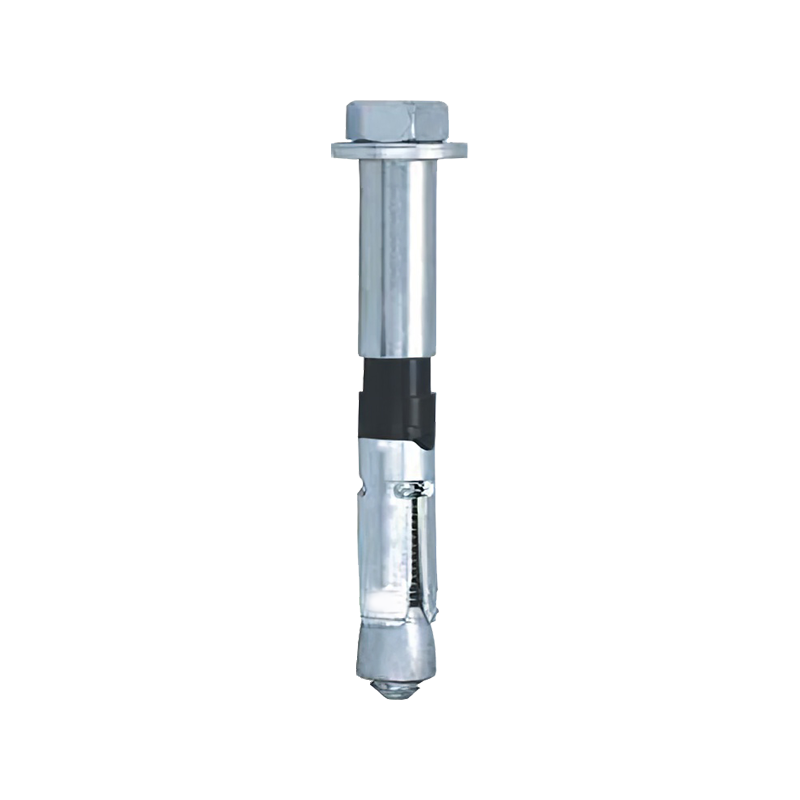
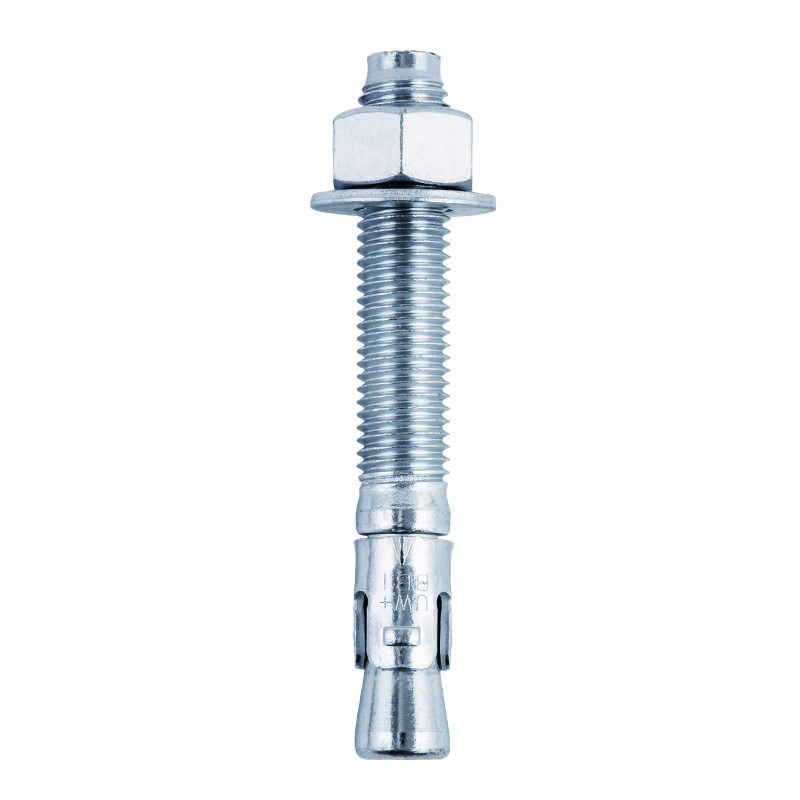
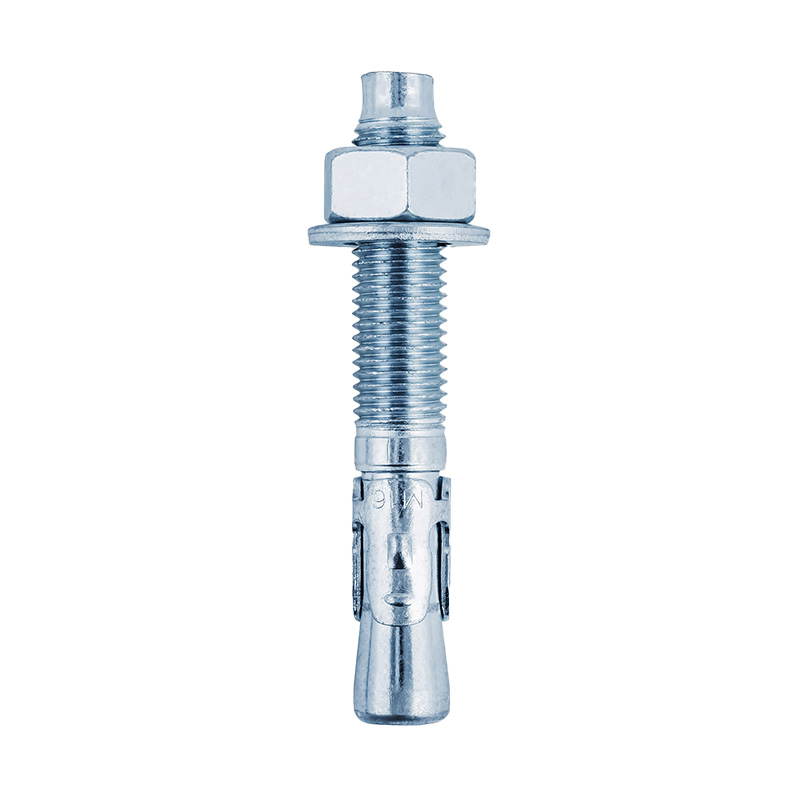
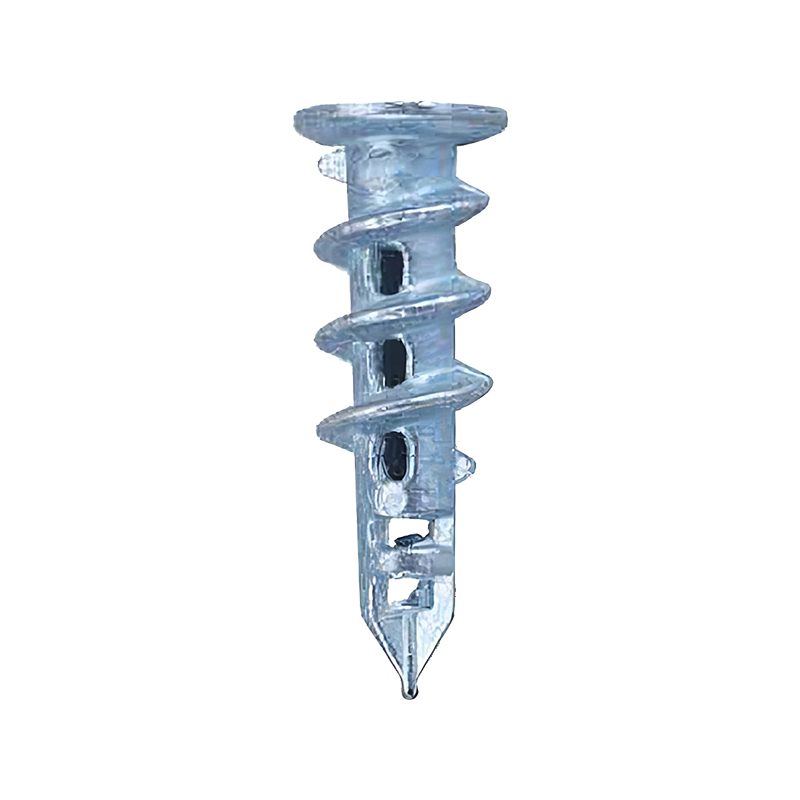
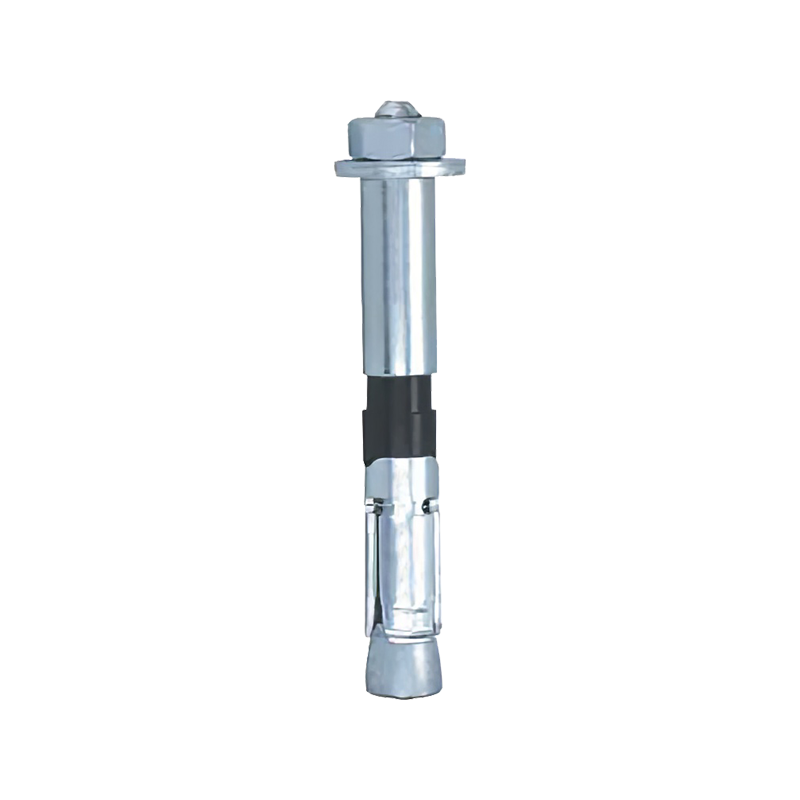
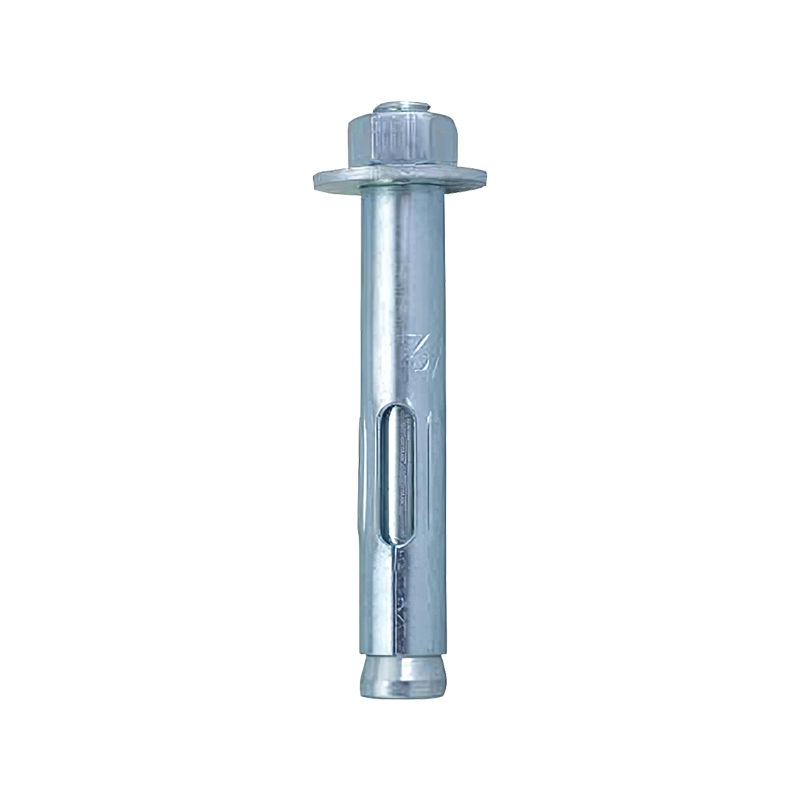
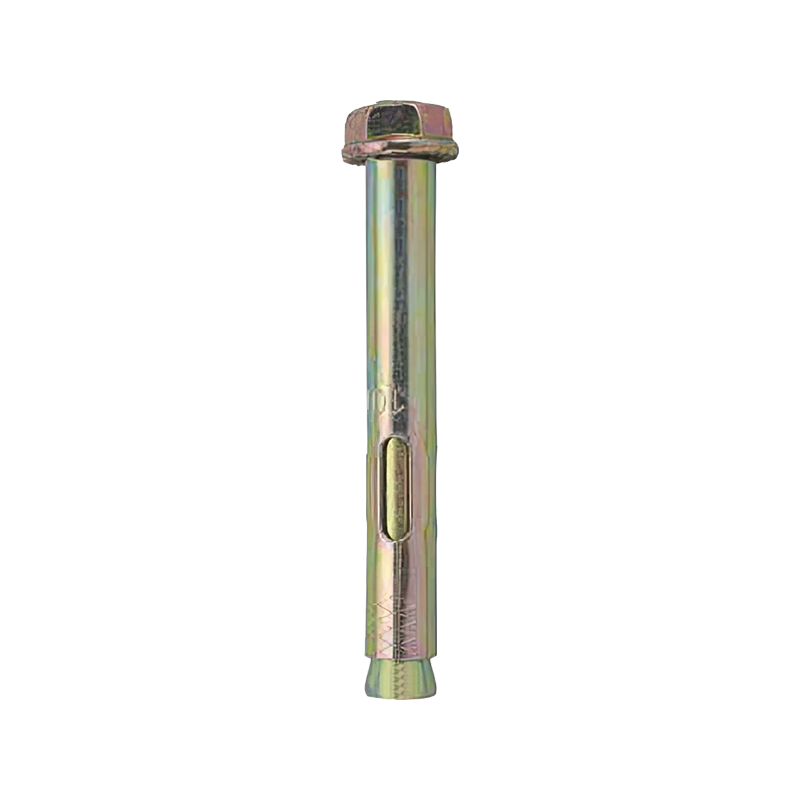
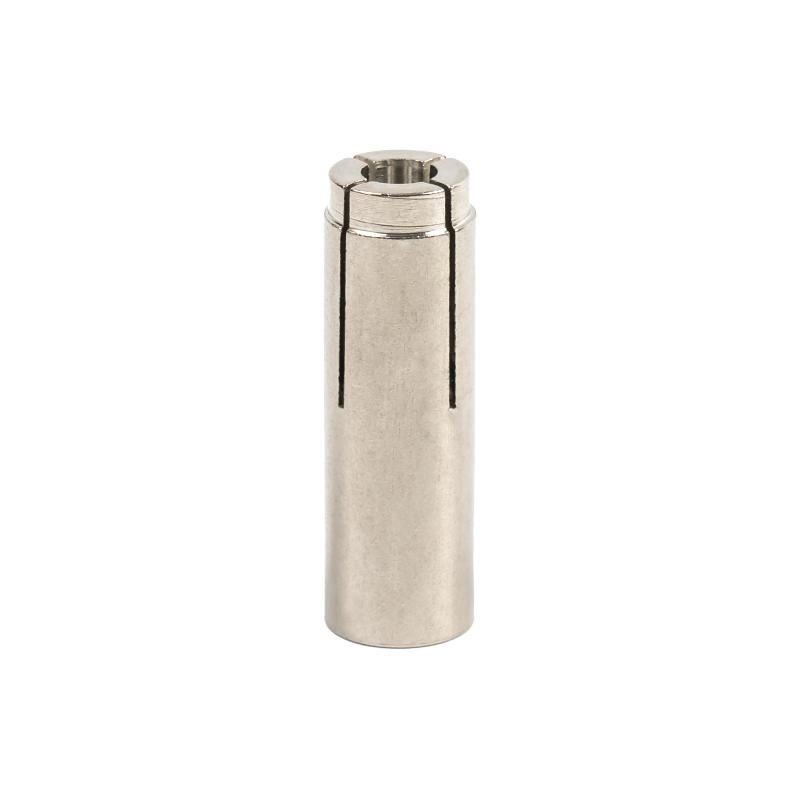
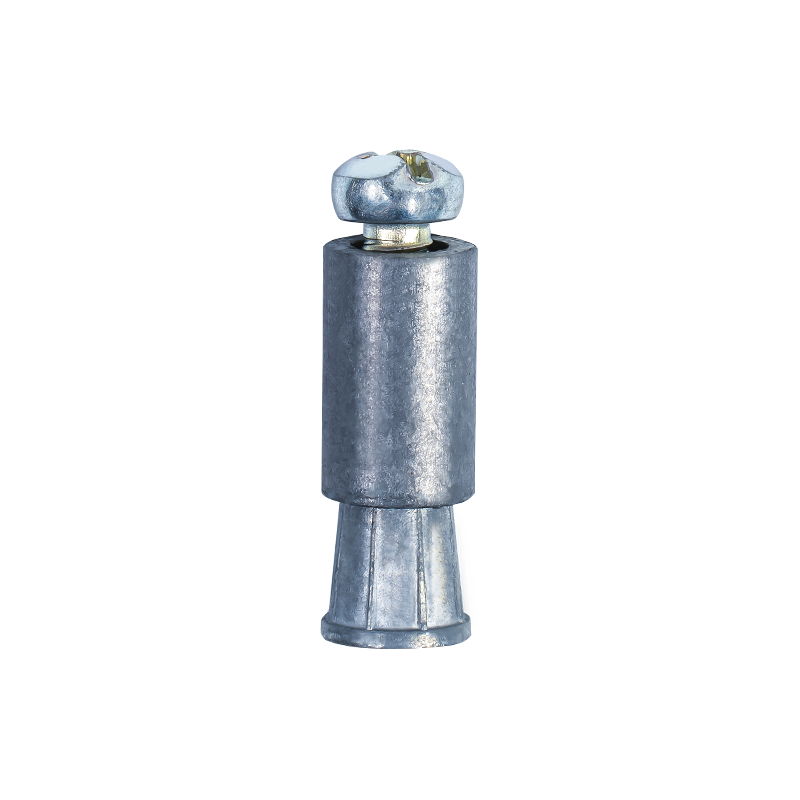
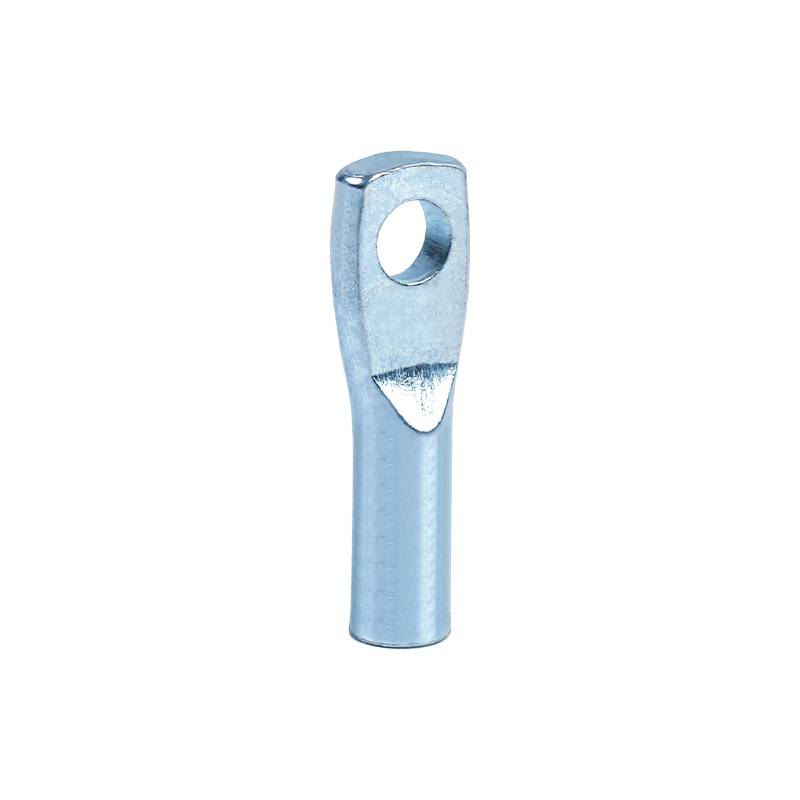
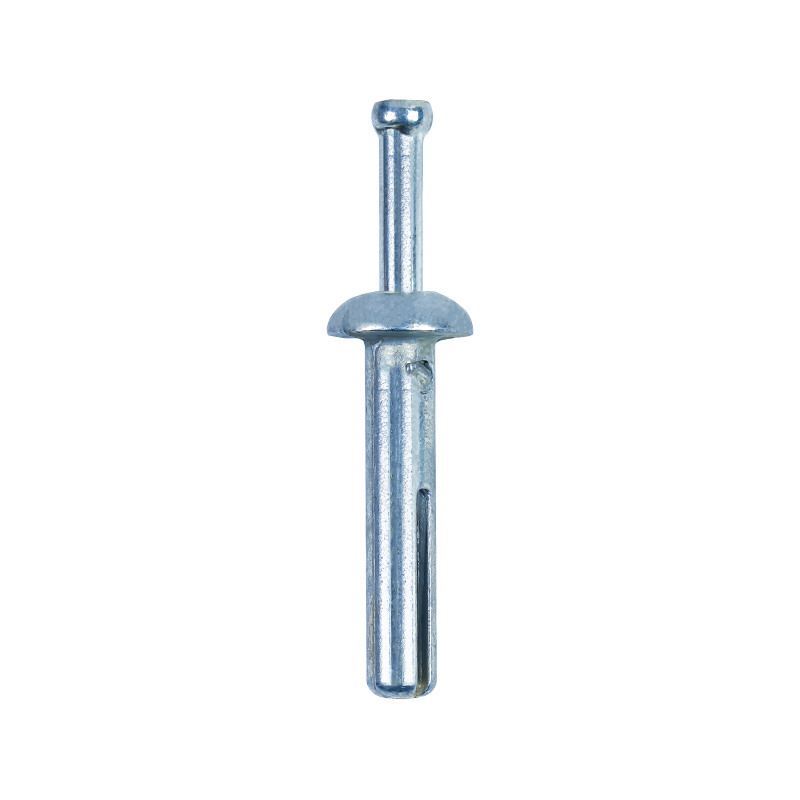
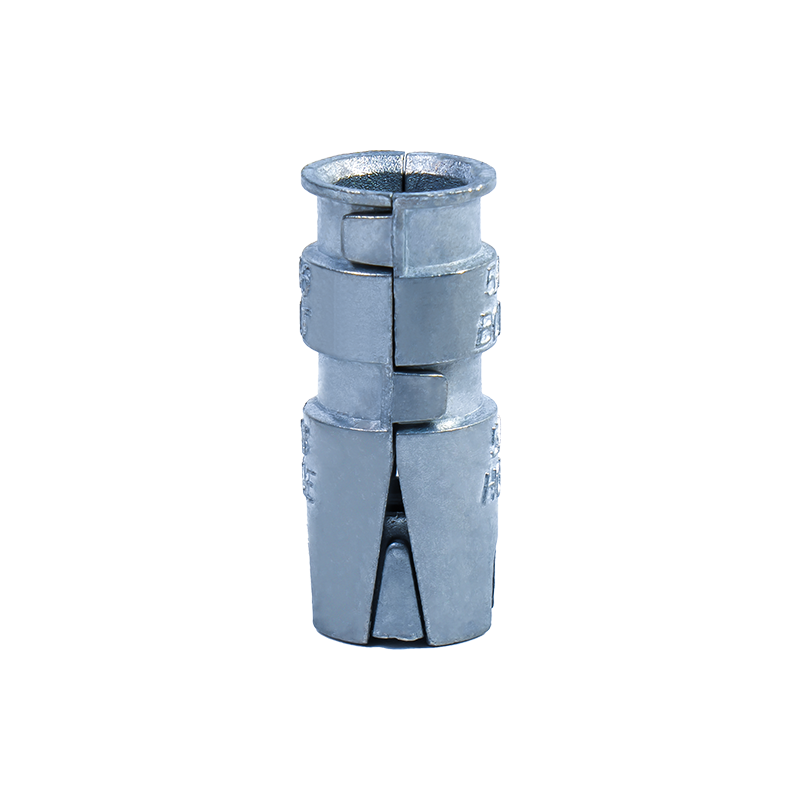
Concrete Installation
Wedge Anchor Bolt
Engineered specifically for rapid and reliable installation in solid concrete. The wedge anchor bolt delivers immediate holding strength with no curing time, making it the preferred choice for contractors requiring fast turnaround on structural fastening projects.
Fast, Reliable Concrete Installation for Demanding Schedules
The Concrete Installation Wedge Anchor Bolt represents a specialized category of mechanical expansion anchors designed with the contractor's installation workflow as the primary engineering consideration. Unlike chemical adhesives that require curing time, temperature controls, and specialized dispensing equipment, the wedge anchor bolt delivers immediate load capacity the moment the nut is torqued to specification. This instant holding strength translates directly to construction schedule acceleration, allowing subsequent work to proceed without delay while other trades wait for adhesives to cure.
The installation process for a concrete wedge anchor bolt follows a straightforward sequence that any competent construction crew can master with minimal training. First, a hole is drilled into the solid concrete base material using a carbide-tipped hammer drill bit of the same diameter as the anchor being installed. Second, the hole is thoroughly cleaned to remove all drilling dust and debris. Third, the anchor assembly, consisting of the threaded bolt body, expansion clip, washer, and nut, is driven into the hole using a hammer until the washer contacts the fixture surface or the concrete face. Fourth, a calibrated torque wrench is used to tighten the nut to the specified value, which draws the internal cone upward and forces the expansion clip outward against the concrete hole wall. This entire sequence can be completed in less than two minutes per anchor by an experienced installer.
The engineering behind the concrete installation wedge anchor bolt focuses on simplicity and reliability. The expansion clip, typically a four-segment wrap-around design, is heat-treated to provide consistent spring force. The internal cone angle is precisely calculated to convert the vertical force from torque application into radial expansion force. The threaded portion is rolled rather than cut, providing work-hardened thread roots that resist stripping under high torque loads. The zinc plating, typically 5 to 12 micrometers thick with trivalent chromium passivation, provides sacrificial corrosion protection for indoor and sheltered outdoor applications while also lubricating the threads during installation.
For contractors working on commercial buildings, industrial facilities, infrastructure projects, and residential developments, the concrete installation wedge anchor bolt offers several distinct advantages over alternative anchoring methods. Unlike expansion anchors that require the fixture to be placed after the anchor is set, the through-bolt configuration allows the fixture to be positioned first, then the anchor is driven through it. Unlike adhesive anchors, there is no waiting for chemical curing, no temperature restrictions, no expiration dates on cartridges, and no special dispensing guns to maintain. Unlike cast-in-place anchors, there is no need for embedment templates, no concrete pouring delays, and no risk of anchor displacement during concrete placement.
Quality control for concrete installation wedge anchor bolts begins at the raw material stage and continues through every manufacturing step. Incoming wire rod is verified against mill certificates for chemical composition. Cold heading is monitored for dimensional accuracy and grain flow. Thread rolling dies are inspected regularly to ensure consistent thread profiles. Expansion clips are sample-tested for spring force and hardness. Zinc plating thickness is measured with X-ray fluorescence. Tensile and shear tests are performed on samples from every production batch. Salt spray testing validates corrosion protection claims. Only anchors that pass all quality checks are packaged and shipped.
Rapid Installation Workflow
Designed for efficiency on job sites. No curing time, no temperature restrictions, no special tools beyond standard hammer drill and torque wrench. Immediate load capacity upon torque application.
Through-Bolt Compatibility
Available in standard configuration for direct concrete anchoring or through-bolt configuration for fixture-first installation. The through-bolt variant includes a permanently assembled washer and nut for one-step hammer driving through pre-drilled steel plates, machinery bases, or structural members.
Grade Flexibility
Available in Grade 5.8 for general duty applications and Grade 8.8 for heavy-duty structural anchoring. Same anchor geometry, different strength classes to match specific project load requirements.
Concrete Installation Wedge Anchor Bolt Specifications
| Diameter Range | M6 through M24 / 1/4 inch through 1 inch |
| Material | Grade 5.8 or Grade 8.8 Carbon Steel |
| Surface Treatment | Electro-Zinc Plating with trivalent chromium passivation. Thickness 5 to 12 micrometers. |
| Anchor Lengths | 50mm through 300mm standard. Custom lengths up to 400mm available. |
| Concrete Strength | C20/25 to C50/60 for non-cracked concrete |
| Expansion Clip | 360-degree wrap-around clip with four expansion segments |
| Thread Type | Metric coarse thread or UNC/UNF for inch sizes |
| Included Components | Anchor body with integral cone, expansion clip, flat washer, hex nut |
Ordering and Logistics
Quick Installation Inquiry
Need technical data sheets, installation videos, or sample anchors for job site testing? Our team responds within 24 hours.
Send Installation InquiryConcrete Installation Wedge Anchor Bolt Applications
Commercial Construction
Steel column base plates, curtain wall embeds, mechanical equipment mounts, and railing attachments in office buildings, retail centers, and hotels.
Industrial Facilities
Anchoring of machinery, conveyors, storage racks, mezzanines, and processing equipment in factories and warehouses.
Infrastructure
Bridge railings, tunnel supports, highway sign structures, sound barrier walls, and public transit facilities.
Residential
Post bases for decks and patios, garage equipment anchors, shelving supports, and basement column attachments.
Core Advantages of Concrete Installation Wedge Anchor Bolt
Installation Speed
No curing time, no temperature restrictions. Anchor achieves full load capacity immediately upon torque application.
Simple Tooling
Requires only standard construction tools. No special dispensing equipment or training required.
Visual Verification
Proper installation is visually verifiable: washer contact against fixture surface and correct torque applied.
Torque-Controlled Expansion
Expansion force is directly controlled by applied torque. Consistent expansion across all anchors.

Yuyao Nanshan Development Co., Ltd.
Yuyao Nanshan Development Co., Ltd. was established in 1999 and is located in Ningbo with elegant and charming environments and enjoys convenient transportation.
Yuyao Nanshan Development Co., Ltd. is China Concrete Installation Wedge Anchor Bolt Manufacturers and Wholesale Concrete Installation Wedge Anchor Bolt Factory, specializes in producing Wedge Anchor with professional production equipment. Nanshan has strong technologies with advanced facilities and imported automatic production machines and inspection equipment. Nanshan also is using the ERP to control the production process line and has set up a research & development center for continued innovation and to meet the requirements of more and more customers from all over the world.
Our products extensively are used in steel high constructions, tunnel projects, bridges, railways, airport stations, high way, sea ports, nuclear power plants, and so on.
Yuyao Nanshan Development Co., Ltd. adheres to the principle of "quality the eternal base, credit forever pursuit", we will spare no effort to provide our customers with more stable quality and more wonderful service.

Step-by-Step Concrete Installation Procedure
Drill the Hole
Using a hammer drill with a carbide-tipped bit of the same diameter as the anchor, drill a hole into solid concrete. Drill depth should equal required embedment plus 10 to 15 millimeters for dust accumulation. Maintain perpendicularity within 2 degrees of vertical.
Clean the Hole
Use compressed air or a blow pump to remove all drilling dust. Follow with a wire brush using 5 full strokes. Repeat the blow and brush cycle at least once more. A clean hole is essential for proper expansion.
Insert the Anchor
Assemble the washer and nut flush with the top of the anchor threads. Insert the anchor into the hole. Drive the anchor using a hammer until the washer contacts the fixture surface or the concrete face.
Torque to Specification
Using a calibrated torque wrench, tighten the nut to the specified torque value. Apply torque in three increments: 30 percent, 70 percent, then 100 percent. The anchor is now fully expanded and ready for load.
Installation Tips for Best Results
- Always use a calibrated torque wrench. Do not rely on impact wrenches for final torque.
- Minimum embedment depth: 5 times anchor diameter for full load capacity.
- Minimum edge distance: 6 times anchor diameter from any free edge.
- Minimum anchor spacing: 10 times anchor diameter center to center.
- Concrete thickness must be at least 1.5 times embedment depth.
- For through-fixture installations, fixture hole should be anchor diameter plus 0.5 to 1.0mm.
Required Tools
Wedge Anchor Bolt vs. Alternative Anchoring Methods
Rigorous Testing for Reliable Concrete Installation
Salt Spray Testing
Zinc plated samples tested to ASTM B117 for 72 to 96 hours without red rust, verifying coating quality.
Tensile and Shear Testing
Destructive testing on samples from each batch. Breaking point exceeds safety margins by minimum 15 percent.
Dimensional Precision
Laser micrometers verify plus or minus 0.02mm tolerance on shank diameter and cone geometry.
Hardness Verification
Rockwell testing confirms material grade. Grade 8.8: HRC 33 to 39.
Critical Design Parameters for Concrete Installation
Minimum Edge Distance
Maintain minimum distance from concrete edge to prevent splitting. For full load capacity: 6 times anchor diameter. Reduced distance requires load reduction factors.
Anchor Spacing
Sufficient spacing prevents overlapping stress zones. Minimum 10 times anchor diameter center to center for full group capacity.
Embedment Depth
Minimum embedment 5 times anchor diameter for standard designs. Deeper embedment increases pull-out capacity.
Concrete Thickness
Base material thickness must be at least 1.5 times embedment depth. For dynamic loads, 2 times embedment depth is recommended.
Environmental Responsibility and Material Safety
Prioritizing environmental compliance for USA, European, and global construction markets.
RoHS and REACH Compliance
Zinc plating strictly monitored to be free from Hexavalent Chromium. Meets all EU environmental regulations.
100 Percent Recyclable
All steel fasteners fully recyclable at end of life, contributing to the circular economy. Carbon steel maintains properties through infinite recycling cycles.
Sustainable Sourcing
Carbon steel from certified mills with energy-efficient smelting processes. Mill certificates confirm responsible sourcing.
Advanced Cold Heading and Thread Rolling for Installation Reliability
Cold Heading
Wire is cut and formed at high speed. Aligns grain flow for superior fatigue resistance compared to machined anchors.
Thread Rolling
Threads are rolled, not cut, providing work-hardened roots and up to 30 percent higher stripping resistance.
Automated Inspection
Optical sorting machines inspect 100 percent of production for dimensional accuracy and surface defects.
Production Process Flow
Ultimate Load Capacity by Anchor Diameter
Values shown for Grade 8.8 carbon steel wedge anchor bolts in solid non-cracked concrete C25/30. Minimum embedment equals 5 times anchor diameter. Safety factor of 4 to 1 applies for working loads. Reduce values by approximately 30 percent for Grade 5.8 anchors.
| Diameter mm | Min Embedment mm | Ultimate Tensile kN | Ultimate Shear kN | Recommended Torque Nm | Concrete Thickness Required mm |
|---|---|---|---|---|---|
| M6 | 30 | 7.8 | 6.0 | 12 | 80 |
| M8 | 40 | 13.5 | 10.5 | 28 | 100 |
| M10 | 50 | 21.5 | 16.8 | 52 | 120 |
| M12 | 60 | 31.0 | 24.0 | 90 | 140 |
| M16 | 80 | 54.0 | 44.0 | 220 | 190 |
| M20 | 100 | 84.0 | 65.0 | 450 | 230 |
| M24 | 120 | 122.0 | 93.0 | 720 | 280 |
Professional Installation Checklist for Wedge Anchor Bolts
Pre-Installation Verification
- Confirm concrete age is at least 28 days and compressive strength meets design requirements at least C20/25.
- Verify edge distance and anchor spacing per engineering drawing with minimum 6 times diameter to edge and 10 times diameter center to center.
- Check that the fixture hole diameter matches the anchor diameter within plus 0.5mm to plus 1.0mm.
- Ensure the drill bit is sharp, carbide-tipped, and the correct diameter not worn beyond tolerance.
- Confirm that the anchor grade and coating match the project specification.
Installation Execution
- Drill hole to depth equal to required embedment plus 10 to 15mm for dust accumulation.
- Drill perpendicular to concrete surface within 2 degrees of vertical.
- Clean hole thoroughly with blow and brush cycle repeated twice minimum.
- Assemble washer and nut flush with top of anchor threads.
- Drive anchor into hole using hammer until washer contacts fixture surface.
- Apply torque in three increments: 30 percent, 70 percent, and 100 percent of final value.
Hole Cleaning Protocol Critical for Performance
- Blow with compressed air for 5 seconds minimum.
- Brush with wire brush using 5 full strokes back and forth.
- Blow again with compressed air for 5 seconds minimum.
- Repeat the entire cycle once more for structural applications.
Warning: Skipping the cleaning step is the number one cause of anchor failure. Even a small amount of dust reduces holding power by 30 to 50 percent.
Standards, Approvals and Testing Methods
European Standards
EN 1992-4 for mechanical anchors in concrete. EN ISO 898-1 for mechanical properties of carbon steel fasteners. EN 10204 for material certification.
ASTM Testing Methods
ASTM B117 for salt spray testing. ASTM F606 for mechanical testing. ASTM A153 for zinc coating. ASTM E8 for tensile testing.
North American Approvals
ICC-ES ESR available upon request. Compliant with IBC and IRC. Conforms to AC193 criteria for mechanical anchors.
Traceability Marking
Recommended Tightening Torque for Metric Wedge Anchor Bolts
| Diameter mm | Dry Threads Nm | Lubricated Threads Nm | Reduction with Lubrication |
|---|---|---|---|
| M6 | 12 | 9 | 25 percent |
| M8 | 28 | 22 | 21 percent |
| M10 | 52 | 42 | 19 percent |
| M12 | 90 | 72 | 20 percent |
| M16 | 220 | 176 | 20 percent |
| M20 | 450 | 360 | 20 percent |
| M24 | 720 | 580 | 19 percent |
Safety Factors for Working Load Determination
| Application Category | Minimum Safety Factor | Example |
|---|---|---|
| Non-structural signage light fixtures | 3 to 1 | 1000 lb ultimate divided by 3 equals 333 lb working load |
| General structural columns platforms | 4 to 1 | 1000 lb ultimate divided by 4 equals 250 lb working load |
| Safety-critical cranes fall protection | 5 to 1 or 6 to 1 | 1000 lb ultimate divided by 5 equals 200 lb working load |
Consult a structural engineer for final design. These factors are for preliminary estimation only.
Payment and Shipping Information
Payment Methods
Shipping Ports
Packaging
Frequently Asked Questions for Concrete Installation Wedge Anchor Bolt
Zinc Plating Performance by Exposure Environment
| Environment Description | Recommended Coating | Expected Service Life Years |
|---|---|---|
| Dry indoor heated with no condensation | 5 micron zinc clear passivation | 50 plus |
| Indoor with occasional condensation like warehouses | 8 micron zinc yellow passivation | 30 to 40 |
| Sheltered outdoor under roof not directly rained upon | 12 micron zinc with sealer | 15 to 20 |
| Outdoor rural with direct rain no deicing salts | Hot-dip galvanizing recommended | 10 to 15 |
| Outdoor urban with deicing salts splash zone | Not recommended use stainless steel | 5 to 10Coastal within 1km of saltwaterNot suitable use A4 stainless steelLess than 5 |
Chemical Resistance of Zinc Plated Carbon Steel Wedge Anchors
| Chemical | Concentration | Rating | Notes |
|---|---|---|---|
| Fresh water | Any | Good | Some white rust possible with long immersion |
| Seawater or brine | 3.5 percent | Poor | Not recommended use A4 stainless steel |
| Sodium hydroxide | Up to 10 percent | Fair | Prolonged exposure not recommended |
| Hydrochloric acid | Any | Very Poor | Do not use in acid environments |
| Sulfuric acid | Any | Very Poor | Severe corrosion rapid attack |
| Acetic acid vinegar | Up to 10 percent | Poor | Not for food processing environments |
Real-World Case Studies for Wedge Anchor Bolts
Installation of 25000 wedge anchor bolts for curtain wall attachment on a 50 story building.
M12 Grade 8.8 zinc plated wedge anchors secured steel embeds to concrete core walls. Installation completed in 4 months with zero failures. After 8 years of service including high wind events, inspection found no loosening or corrosion.
Key learning: Through-bolt configuration reduced installation time by 30 percent compared to traditional methods.
Anchoring of 60 stamping presses weighing up to 50 tons each.
M20 Grade 8.8 wedge anchors with 12 micron zinc plating were selected. After 6 years of 24 hour operation with significant vibration, torque checks showed all anchors within 5 percent of original values. No corrosion visible.
Key learning: Thicker zinc plating extends service life in industrial environments with chemical exposure.
Glossary of Wedge Anchor Terminology
Wedge Anchor
A mechanical expansion anchor that uses an internal cone and expandable clip. As the nut is tightened, the cone is drawn upward forcing the clip outward.
Through Bolt
A wedge anchor configuration inserted through a pre-drilled hole in the fixture allowing fixture positioning before anchoring.
Grade 8.8
High-strength carbon steel grade with 800 MPa tensile strength and 640 MPa yield strength.
Cold Heading
A manufacturing process that forms the anchor head and body at room temperature aligning grain flow for superior fatigue resistance.
Thread Rolling
A process that forms threads by displacing material rather than cutting resulting in higher stripping resistance.
Embedment Depth
The distance from concrete surface to the deepest point of the anchor within the concrete.
Edge Distance
The distance from the center of the anchor hole to the nearest free edge of the concrete member.
Torque Wrench Calibration
The process of verifying that a torque wrench applies correct torque value typically required every 6 months.
Certified Documentation with Every Shipment
For nuclear, military, or critical infrastructure projects, we provide full traceability to raw material heat numbers and witnessed testing upon request.
Related Tags & Articles
Carbon Steel Through Bolt Wedge Anchor
Product Introduction One-Step Installation Without Compromising Holding Str
Heavy Duty Zinc Plated Wedge Anchor
Product Introduction Ensuring Structural Integrity in Concrete & Masonr
Stainless Steel Metric Wedge Anchor
Product Introduction Corrosion Resistance Witho
Seismic Resistant Wedge Anchor Fastener
Product Introduction Engineered Anchoring for Seismic Demand and Cracked Co
High Strength Structural Wedge Anchor
Product Introduction Ultra-High Strength Mechanical Anchoring for Critical
Four Shield Heavy Duty Bolt Anchor
Product Introduction Four Shield Expansion Technology for Maximum Load Capa
Hex Nut Type Sleeve Anchor Bolt
Product Introduction Standard Hex Nut Sleeve Anchor for Universal Fastening
Three Shield Heavy Duty Screw Anchor
Product Introduction Three Shield Expansion Technology for Reliable Heavy D
External Threaded Metric Sleeve Anchor
Product Introduction Versatile Metric Threaded Anchoring for Multiple Base
Ready to Simplify Your Concrete Installation?
Whether you need standard wedge anchor bolts for a current project or custom specifications for a specialty application, our team is ready to provide technical support and competitive quotations.
