
 English
 中文简体
中文简体 русский
 Español
Explore Our Product Range
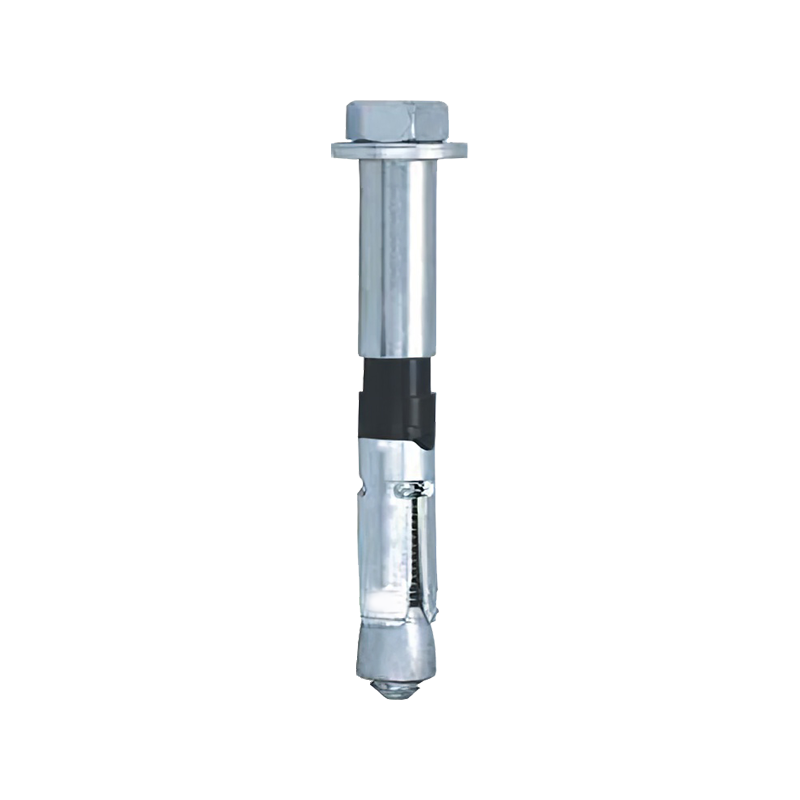
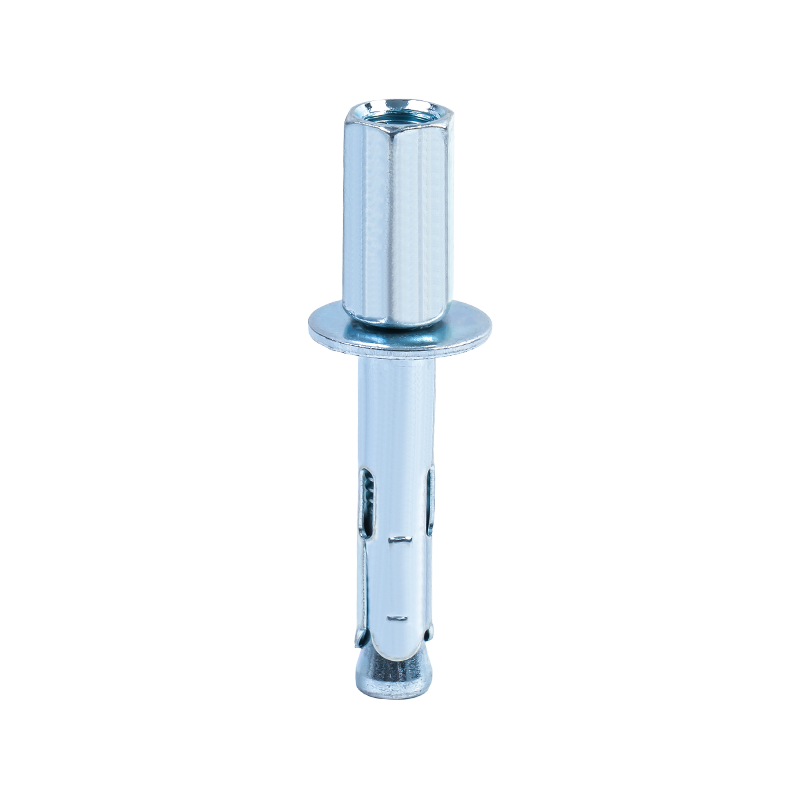
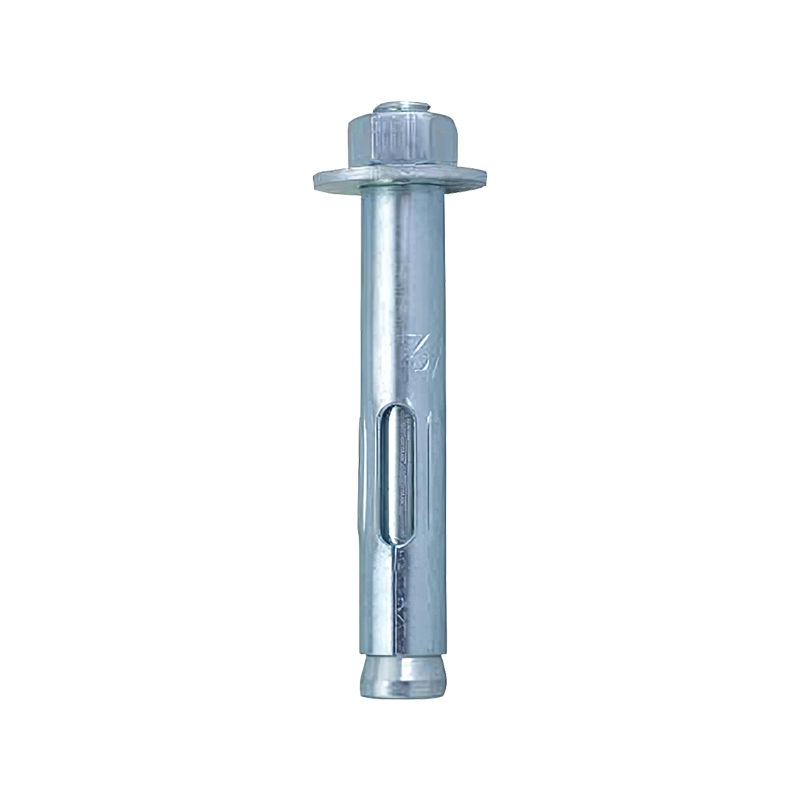
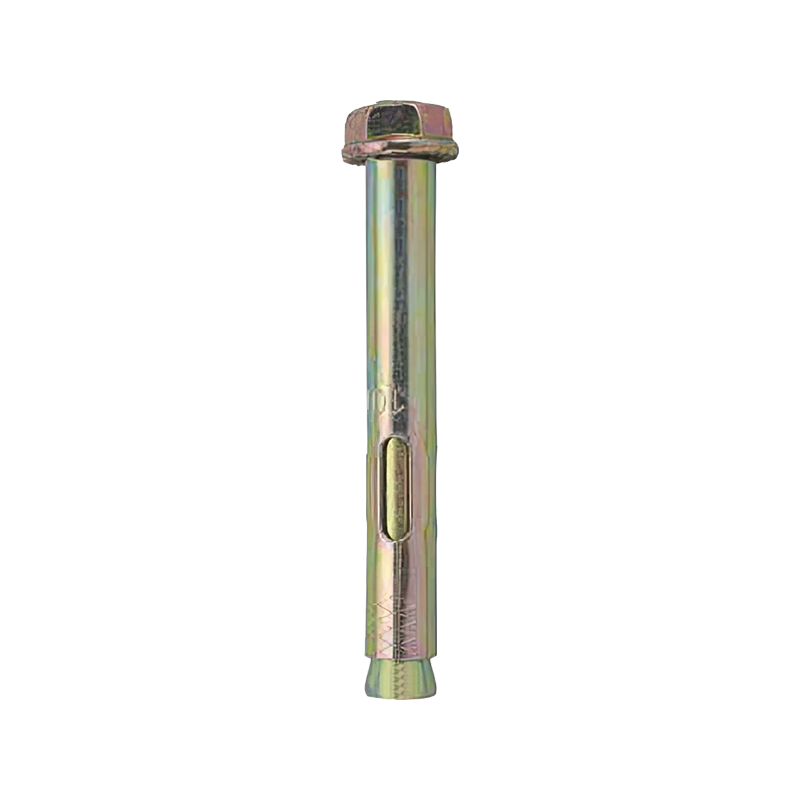
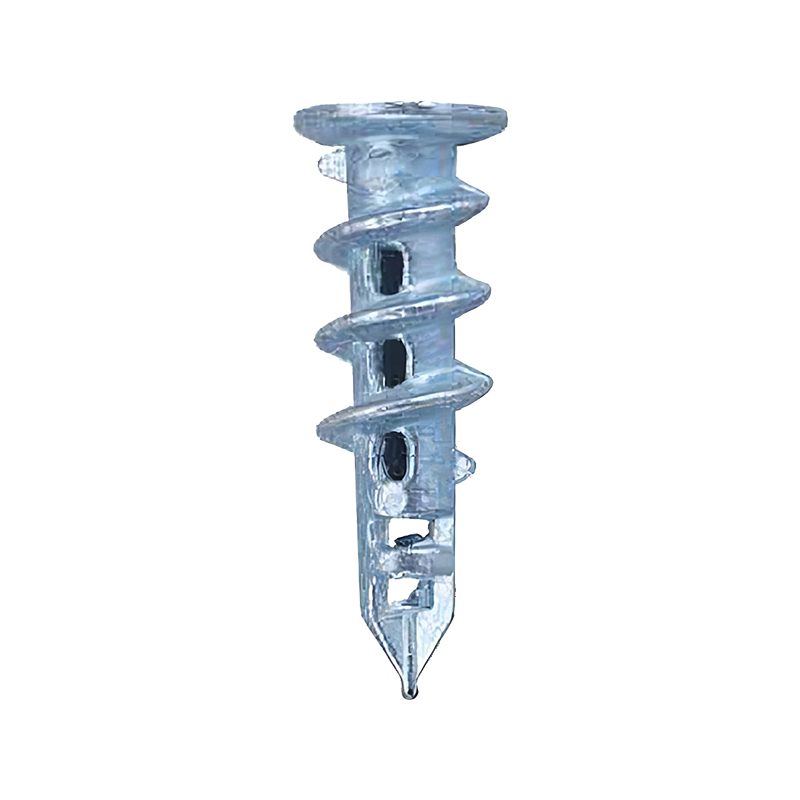
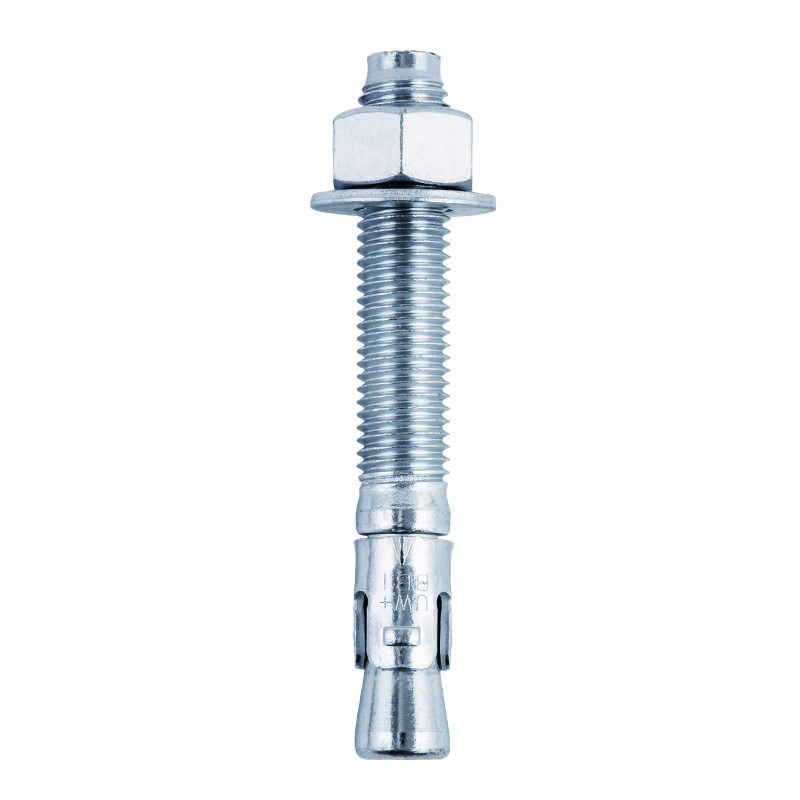
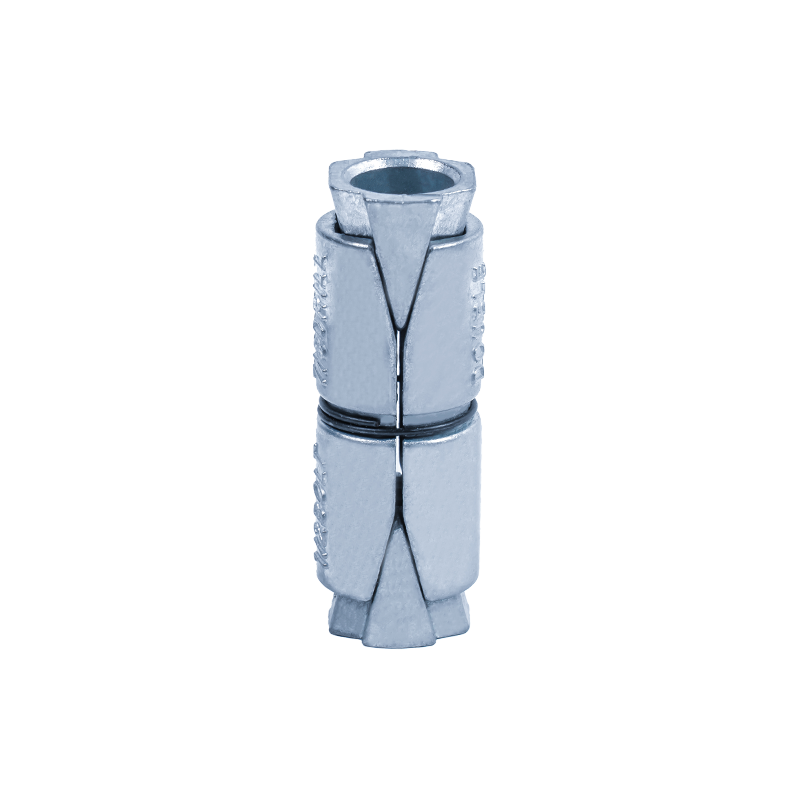
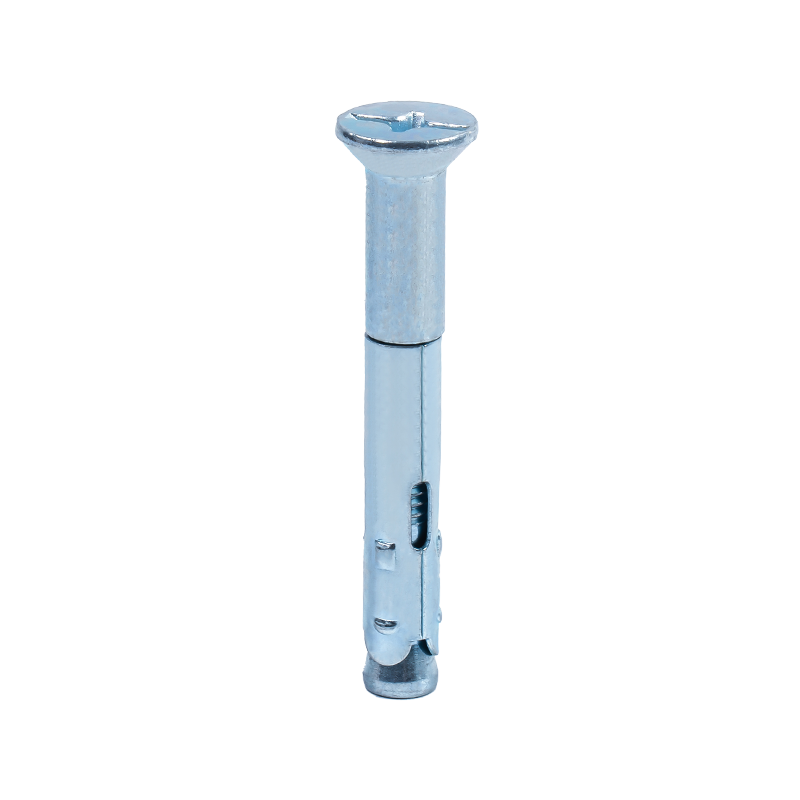
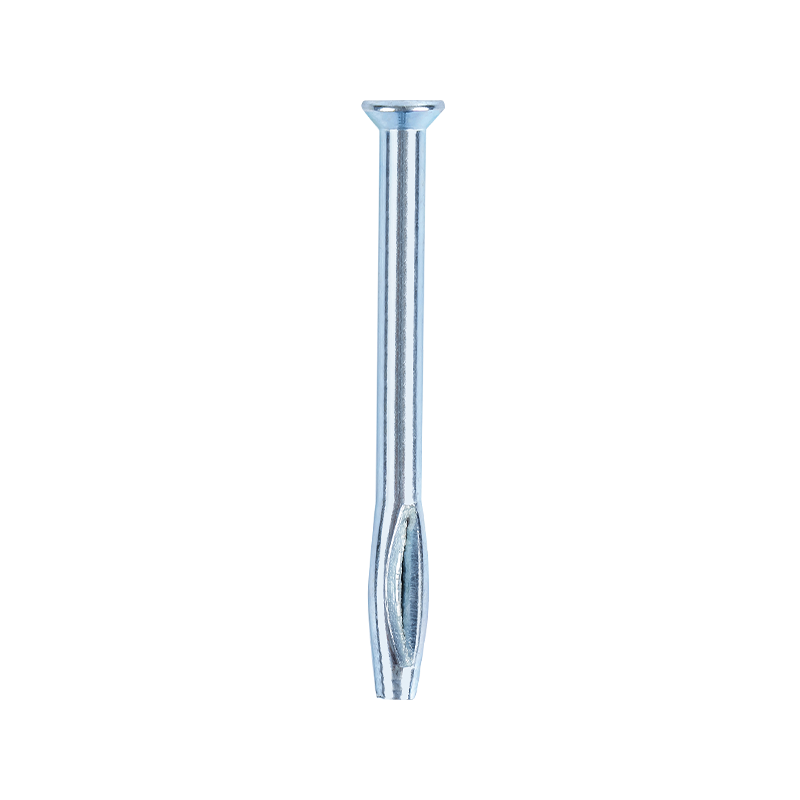
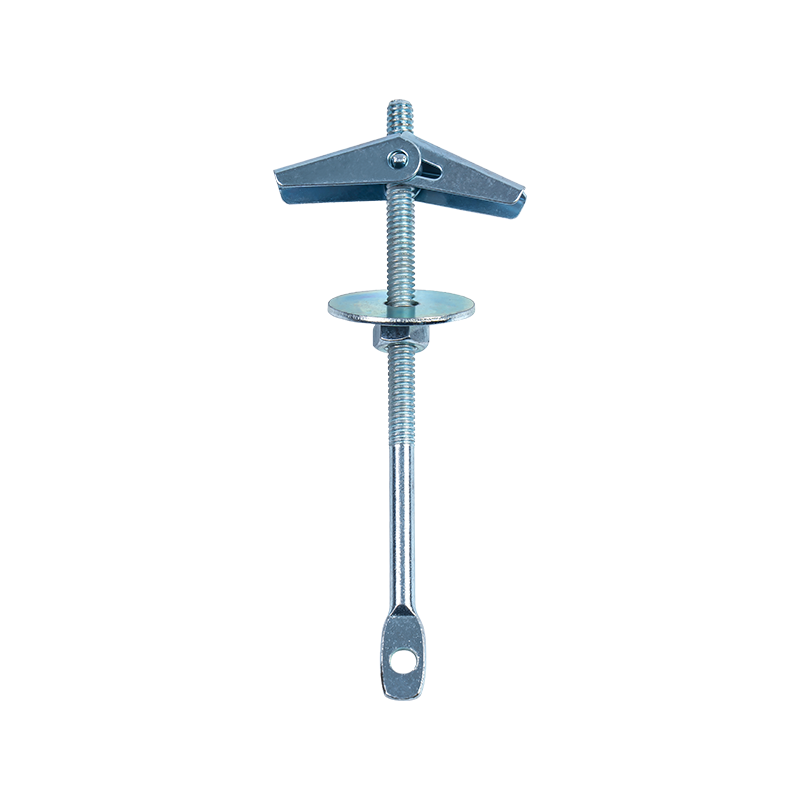
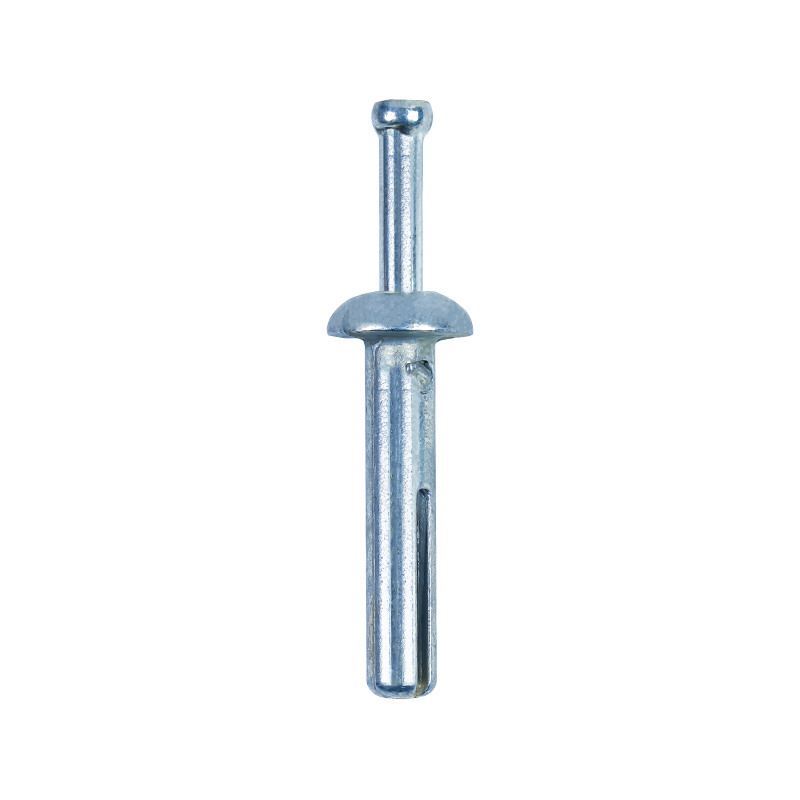
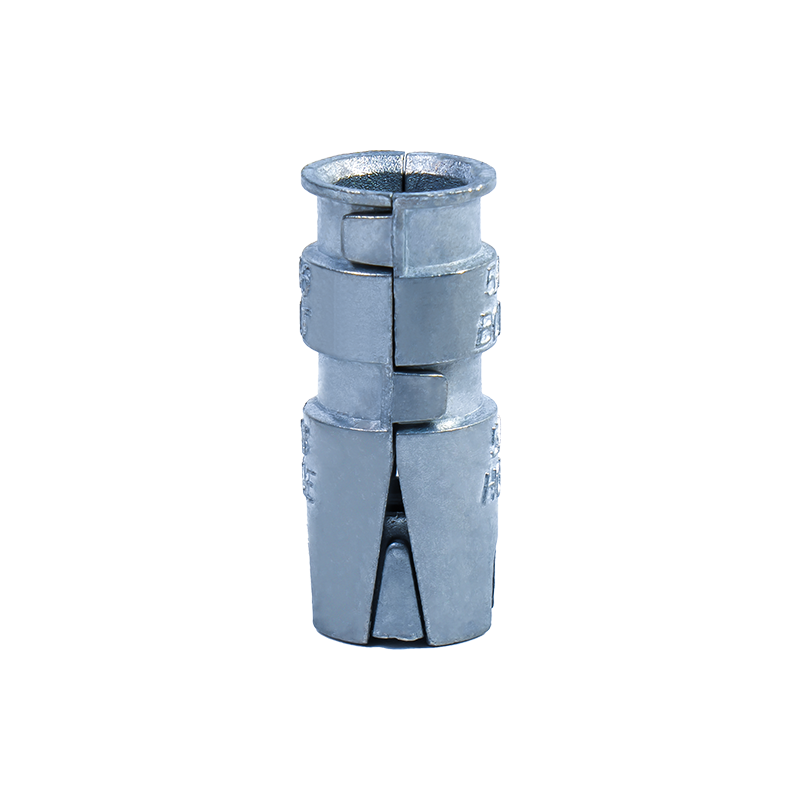
Hex Nut Type
Sleeve Anchor Bolt
Heavy duty sleeve anchor with standard hex nut configuration for secure fastening in concrete, brick, and block. The hex nut design provides easy installation with standard tools and reliable torque control for consistent expansion.
Standard Hex Nut Sleeve Anchor for Universal Fastening Applications
The Hex Nut Type Sleeve Anchor Bolt represents the most common and widely recognized configuration of mechanical sleeve anchors. The standard hex nut drive system provides several important advantages for contractors and installers. First, hex nuts are universally available and compatible with standard socket sets and torque wrenches. Second, the hex nut design allows for precise torque control, which is essential for proper expansion of the sleeve. Third, hex nuts can be easily removed and reinstalled if temporary fixture removal is required, unlike some other anchor configurations that permanently capture the nut.
The operating principle of the hex nut type sleeve anchor is identical to other sleeve anchors but with a focus on the hex nut as the driving and tightening mechanism. The anchor consists of a threaded bolt body with an integral expander cone at the lower end. A split sleeve surrounds the cone. A flat washer and hex nut are assembled onto the threaded upper portion. When the nut is tightened using a socket or torque wrench, the bolt is drawn upward, pulling the cone into the sleeve. This action forces the sleeve to expand radially outward against the walls of the pre-drilled hole, creating a friction-based grip that secures the anchor in place.
The hex nut configuration offers distinct advantages over other drive systems such as Phillips, slotted, or internal hex drives. Hex nuts provide a larger contact area for torque application, reducing the risk of drive stripping under high torque loads. The six-sided geometry allows for both open-end wrenches and socket wrenches, giving installers flexibility in tool selection. The hex nut can be torqued to higher values than many other drive systems, which is important for larger diameter anchors that require significant torque to achieve proper sleeve expansion. Additionally, the hex nut can be used with torque multipliers for large diameter anchors where manual torque is insufficient.
The material selection for hex nut type sleeve anchor bolts includes several options to match environmental and load requirements. Standard anchors are manufactured from Grade 5.8 carbon steel with electro-zinc plating, suitable for indoor and sheltered outdoor applications. For higher strength requirements, Grade 8.8 carbon steel provides 60 percent greater tensile capacity. For corrosive environments, hot-dip galvanized carbon steel provides enhanced corrosion protection. For permanent outdoor, coastal, or chemical exposure, A2 and A4 stainless steel hex nut sleeve anchors are available with matching stainless steel nuts and washers.
The hex nut itself is manufactured to ISO or ASTM standards depending on the threading system. For metric anchors, the hex nut conforms to ISO 4032 or ISO 8673 standards with a property class matching or exceeding the anchor grade. For inch anchors, hex nuts conform to ASTM A563 or SAE J995. The flat washer is similarly standardized, providing a uniform bearing surface under the nut. When the anchor is properly torqued, the washer distributes the load against the fixture surface, preventing local crushing of soft materials and reducing the risk of nut loosening under vibration.
For contractors and engineers seeking a reliable, standardized mechanical anchor for general purpose fastening to concrete, brick, and block, the hex nut type sleeve anchor bolt is an excellent choice. The hex nut drive system is familiar to all construction trades, requiring no special training or unusual tools. The sleeve expansion mechanism is forgiving of hole quality variations and works across multiple base materials. The anchor provides immediate load capacity with no curing time. With proper selection of material grade and corrosion protection, the hex nut sleeve anchor delivers decades of reliable service in a wide range of applications.
Standard Hex Nut Drive
Industry standard hex nut configuration compatible with all common socket sets and torque wrenches. Provides precise torque control for consistent sleeve expansion.
Multi-Material Sleeve Expansion
Split sleeve design expands uniformly in solid concrete, brick, and block. Forgiving hole tolerance accommodates drill bit wear and operator technique variations.
Removable and Reusable Nut
Unlike captive nut designs, the hex nut can be removed if fixture needs adjustment or replacement. The anchor body remains in place while the nut is removed and reinstalled.
Hex Nut Type Sleeve Anchor Bolt Specifications
| Parameter | Grade 5.8 Carbon Steel | Grade 8.8 Carbon Steel | A4 Stainless Steel |
|---|---|---|---|
| Diameter Range | M6 through M20 | M6 through M20 | M6 through M16 |
| Length Range | 40mm to 200mm | 40mm to 200mm | 50mm to 150mm |
| Anchor Body Material | Medium carbon steel | Medium carbon alloy steel | A4 stainless 316 |
| Sleeve Material | Carbon steel | Carbon steel | A4 stainless |
| Nut Standard | ISO 4032 | ISO 4032 | ISO 4032 A4 |
| Washer Standard | ISO 7089 | ISO 7089 | ISO 7089 A4 |
| Thread Class | ISO 6H | ISO 6H | ISO 6H |
| Minimum Embedment Concrete | 4 times diameter | 4.5 times diameter | 5 times diameter |
Ordering and Availability
Hex Nut Sleeve Anchor Support
Need torque specifications or load tables for your application? Our engineering team responds within 24 hours.
Request Hex Nut Anchor DataHex Nut Type Sleeve Anchor Bolt Applications
Commercial Construction
Mounting electrical panels, mechanical equipment, conduit racks, and shelving systems to concrete floors and masonry walls in office and retail buildings.
Industrial Facilities
Equipment anchoring, pipe supports, conveyor mounts, and storage system attachments in factories, warehouses, and distribution centers.
Infrastructure
Highway signage, traffic signal equipment, bridge inspection platforms, and tunnel lighting systems requiring reliable masonry anchoring.
Residential
Basement wall anchors, garage shelving, deck post attachments, and fence post anchoring in concrete or masonry foundations.
Core Advantages of Hex Nut Type Sleeve Anchor Bolts
Standard Hex Drive
Universally compatible with standard socket sets and torque wrenches. No special tools required. Hex nut provides excellent torque transfer without stripping.
Multi-Material Versatility
Works in solid concrete, brick, concrete block, and stone. One anchor for most base materials encountered on job sites.
Removable Nut
Hex nut can be removed and reinstalled multiple times without affecting anchor holding capacity. Facilitates fixture adjustment and replacement.
Simple Installation
Drill, clean, insert, and tighten. Immediate load capacity with no curing time. Forgiving hole tolerance simplifies field installation.

Yuyao Nanshan Development Co., Ltd.
Yuyao Nanshan Development Co., Ltd. was established in 1999 and is located in Ningbo with elegant and charming environments and enjoys convenient transportation.
Yuyao Nanshan Development Co., Ltd. is China Hex Nut Type Sleeve Anchor Bolt Manufacturers and Wholesale Hex Nut Type Sleeve Anchor Bolt Factory, specializes in producing Wedge Anchor with professional production equipment. Nanshan has strong technologies with advanced facilities and imported automatic production machines and inspection equipment. Nanshan also is using the ERP to control the production process line and has set up a research & development center for continued innovation and to meet the requirements of more and more customers from all over the world.
Our products extensively are used in steel high constructions, tunnel projects, bridges, railways, airport stations, high way, sea ports, nuclear power plants, and so on.
Yuyao Nanshan Development Co., Ltd. adheres to the principle of "quality the eternal base, credit forever pursuit", we will spare no effort to provide our customers with more stable quality and more wonderful service.

Hex Nut Sleeve Anchor Installation Procedure
Select Proper Drill Bit
For hex nut sleeve anchors, drill bit must be 2mm larger than anchor diameter. Example: M10 anchor requires 12mm bit. Use carbide-tipped bit for concrete, masonry bit for brick and block.
Drill Hole to Correct Depth
Drill hole depth equal to anchor length plus 10 to 15mm for dust accumulation. For through-fixture installations, add fixture thickness to required embedment. Drill perpendicular to surface within 2 degrees.
Clean Hole Thoroughly
Use compressed air or blow pump to remove dust. Follow with wire brush using 5 full strokes. Repeat blow and brush cycle at least twice. Dust is the primary cause of reduced anchor performance.
Insert and Torque Anchor
Place fixture over hole. Insert sleeve anchor through fixture. Ensure washer is positioned under nut. Using calibrated torque wrench, tighten nut to specified torque. Apply torque in three increments for best results.
Hex Nut Sleeve Anchor Tips
- Drill bit size chart: M6 use 8mm, M8 use 10mm, M10 use 12mm, M12 use 14mm, M16 use 18mm, M20 use 22mm.
- Minimum embedment: 4 times diameter for concrete, 5 times for brick and block.
- Edge distance: Minimum 5 times anchor diameter from any free edge.
- Spacing: Minimum 8 times anchor diameter center to center for groups.
- Nut removal: Hex nut can be removed after installation for fixture adjustment. Do not overtighten when reinstalling.
- Washer use: Always use supplied flat washer under nut to distribute load and prevent local crushing.
Tools Required
Hex Nut Sleeve Anchor vs. Other Drive Types
Hex Nut Sleeve Anchor Quality Control Program
Hex Nut Property Verification
Hex nuts tested to property class requirements. Grade 5 or Grade 8 nuts matched to anchor tensile strength. Hardness and proof load verified.
Sleeve Expansion Test
Sample anchors tested in calibration block. Sleeve expansion verified to minimum diameter ensuring proper grip in base material.
Tensile Testing
Destructive testing per ISO 898-1. Grade 8.8 minimum 800 MPa tensile strength verified each production batch.
Thread Gauge Inspection
100 percent GO/NO-GO thread inspection on anchor and nut. ISO 6H tolerance verified for proper fit.
Hex Nut Sleeve Anchor Design Parameters
Minimum Embedment by Base Material
Solid concrete: 4 times anchor diameter for Grade 5.8, 4.5 times for Grade 8.8. Brick masonry: 5 times diameter. Hollow block: 5 to 6 times diameter depending on web thickness.
Edge Distance Requirements
Minimum edge distance for full capacity: 5 times anchor diameter in concrete, 6 times in brick. Reduced edge distance requires load reduction factors per ACI 318 or masonry code.
Anchor Spacing
Minimum center to center spacing: 8 times anchor diameter in concrete, 10 times in masonry. Closer spacing reduces group efficiency due to overlapping stress zones.
Torque and Preload Relationship
Hex nut design provides direct torque-to-preload relationship. Use calibrated torque wrench with three incremental steps. Lubricated threads require 20 percent torque reduction.
Environmental Responsibility in Hex Nut Anchor Manufacturing
Hex nut sleeve anchors manufactured with sustainable practices and full environmental compliance.
RoHS and REACH Compliance
Zinc plating Cr6+ free. All components comply with EU environmental regulations.
100 Percent Recyclable
Carbon steel anchor, nut, and washer fully recyclable at end of structure life.
Efficient Manufacturing
Cold heading and thread rolling processes consume less energy than hot forming. Minimal material waste.
Hex Nut Sleeve Anchor Production Process
Cold Heading Body
Anchor body cold headed from wire. Expander cone formed integrally. Precision cone geometry ensures uniform sleeve expansion.
Sleeve Forming
Steel strip rolled and welded into sleeve. Longitudinal split allows expansion. Sleeve heat treated for consistent spring force.
Complete Assembly
Sleeve assembled onto cone. Hex nut and flat washer added. 100 percent inspection verifies component presence and thread quality.
Hex Nut Sleeve Anchor Production Process Flow
Hex Nut Type Sleeve Anchor Load Capacity Grade 8.8
Values shown for Grade 8.8 hex nut sleeve anchors in solid non-cracked concrete C25/30. Minimum embedment equals 4.5 times anchor diameter. Safety factor of 4 to 1 applies for working loads in general structural applications. For Grade 5.8 anchors, reduce tensile and shear values by approximately 30 percent.
| Diameter mm | Min Embedment mm | Ultimate Tensile kN | Ultimate Shear kN | Recommended Torque Nm | Drill Bit Size mm |
|---|---|---|---|---|---|
| M6 | 27 | 8.5 | 6.5 | 15 | 8 |
| M8 | 36 | 15.0 | 11.5 | 30 | 10 |
| M12 | 54 | 35.0 | 27.0 | 80 | 14 |
| M20 | 90 | 90.0 | 70.0 | 250 | 22 |
For brick and block, reduce concrete values by 40 to 60 percent. Field testing is strongly recommended for critical masonry installations.
Professional Hex Nut Sleeve Anchor Installation Checklist
Pre-Installation Verification
- Confirm base material type and condition. Concrete must be cured minimum 28 days. Brick must be sound with intact mortar.
- Select correct drill bit size: anchor diameter plus 2mm. Verify bit is sharp and appropriate for base material.
- Verify edge distance minimum 5 times anchor diameter from any free edge. For brick, increase to 6 times diameter.
- Verify anchor spacing minimum 8 times diameter center to center for concrete, 10 times for masonry.
- Check that anchor length provides required embedment plus fixture thickness plus nut and washer height.
- Calibrate torque wrench within 6 months. Verify calibration certificate is available.
Installation Execution
- Position fixture and mark hole locations. Drill through fixture or use template for precise hole placement.
- Drill hole to depth equals anchor length plus 10 to 15mm for dust accumulation. Drill perpendicular to surface within 2 degrees.
- Clean hole using two complete blow and brush cycles minimum. For critical applications, three cycles required.
- Insert sleeve anchor through fixture into hole. Ensure washer is positioned under hex nut.
- Using hand wrench or socket, initially tighten nut until washer contacts fixture surface.
- Apply final torque using calibrated torque wrench in three increments: 30 percent, 70 percent, 100 percent.
- For removable fixtures, note torque value for future reinstallation reference.
Torque Application for Hex Nut Anchors
- Use a socket that fits the hex nut snugly. Worn sockets can round nut corners.
- Apply torque smoothly without jerking. Jerky torque application can cause uneven sleeve expansion.
- For large diameter M16 and M20, consider using a torque multiplier for easier manual application.
- If nut binds before reaching torque, stop immediately. The sleeve may be damaged or hole may be undersized.
- If nut does not reach torque after significant rotation, the hole may be oversized or base material may be weak.
Installation Warning: Incomplete hole cleaning is the most common cause of sleeve anchor failure. Dust prevents full sleeve expansion, reducing holding capacity by 30 to 50 percent. Do not skip or rush the cleaning steps.
Standards and Approvals for Hex Nut Sleeve Anchors
European Standards
EN 1992-4 for anchors in concrete. EN ISO 898-1 for fastener properties. EN ISO 898-2 for nut properties. EN 10204 Type 3.1.
ISO Standards
ISO 9001:2015 manufacturing. ISO 4032 for hex nut dimensions. ISO 7089 for flat washer. ISO 6H thread class.
ASTM Methods
ASTM F606 mechanical testing. ASTM B117 salt spray. ASTM E488 for masonry anchors. ASTM A563 for nuts.
Masonry Standards
Testing per ASTM E488 for anchors in masonry. Design values available for brick and block installations.
Recommended Torque for Hex Nut Type Sleeve Anchors
| Diameter mm | Grade 5.8 Concrete Nm | Grade 8.8 Concrete Nm | Brick Nm Reduce by | A4 Stainless Nm | Torque Multiplier |
|---|---|---|---|---|---|
| M6 | 8 | 15 | 40 percent | 12 | No |
| M8 | 15 | 30 | 40 percent | 24 | No |
| M10 | 25 | 50 | 40 percent | 40 | No |
| M12 | 40 | 80 | 40 percent | 64 | No |
| M16 | 80 | 150 | 40 percent | 120 | No for M16 |
For brick and block, reduce listed concrete torque values by 40 percent. For stainless steel, apply nickel-based anti-seize lubricant to threads and reduce torque by 20 percent.
Safety Factors for Hex Nut Type Sleeve Anchors
| Application Category | Base Material | Steel Failure | Concrete Masonry Failure | Recommended Factor |
|---|---|---|---|---|
| Non-structural | Concrete | 3.0 | 3.5 | Use 4.0 |
| General structural | Concrete | 4.0 | 4.5 | Use 5.0 |
| General anchoring | Brick masonry | 5.0 | 5.0 | Use 5.0 |
| General anchoring | Hollow block | 5.0 | 5.0 with field test | Use 6.0 |
| Safety critical overhead | Concrete | 6.0 | 7.0 | Use 7.0 |
| Seismic categories | Cracked concrete | 4.0 plus seismic reduction | 4.5 plus seismic reduction | Per ICC-ES report |
Payment and Shipping for Hex Nut Sleeve Anchors
Payment Methods
Shipping Ports
Packaging
Hex Nut Type Sleeve Anchor Bolt Frequently Asked Questions
Corrosion Protection for Hex Nut Sleeve Anchors by Environment
| Environment Description | Recommended Material | Service Life Years | Notes |
|---|---|---|---|
| Dry indoor heated no condensation | Zinc plated Grade 5.8 or 8.8 | 50 plus | Standard finish sufficient |
| Sheltered outdoor under roof | Hot-dip galvanized | 15 to 20 | HDG recommended for outdoor |
| Outdoor rural direct rain | Hot-dip galvanized or A2 stainless | 20 to 30 | A2 for longer service |
| Outdoor urban deicing salts | A4 stainless steel | 30 plus | A4 required for salt exposure |
| Coastal within 1 kilometer | A4 stainless steel | 30 plus | A2 not sufficient for coastal |
Chemical Resistance of Hex Nut Sleeve Anchors by Material
| Chemical | Concentration | Zinc Plated Carbon Steel | A4 Stainless Steel | Recommendation |
|---|---|---|---|---|
| Fresh water tap river lake | Any | Good | Excellent | Zinc suitable for indoor. A4 for immersion. |
| Seawater or brine | 3.5 percent | Poor | Excellent | A4 required for marine environments. |
| Hydrochloric acid | Any | Very Poor | Poor | Do not use in acid environments. |
| Sulfuric acid dilute | Up to 10 percent | Very Poor | Fair | Not suitable for prolonged exposure. |
| Sodium hydroxide caustic | Up to 10 percent | Fair | Excellent | Limited exposure only for carbon steel. |
| Ammonium hydroxide | Any | Poor | Good | Zinc corrodes rapidly. Use stainless. |
Hex Nut Sleeve Anchor Case Studies
Hex nut sleeve anchors for conveyor system supports in a 500000 square foot warehouse.
M12 Grade 8.8 hex nut sleeve anchors were used to secure conveyor support stands to a concrete floor. Over 8000 anchors installed. The hex nut design allowed easy fixture adjustment during installation. After 7 years of conveyor operation with vibration, torque checks showed less than 5 percent loosening across all anchors.
Key learning: The removable hex nut design significantly simplified conveyor alignment and adjustment compared to captive nut anchors.
A4 stainless hex nut sleeve anchors for mounting equipment in a coastal school environment.
M10 A4 stainless hex nut sleeve anchors were used to mount interactive whiteboards and shelving to masonry walls at a school located 500 meters from the coast. After 4 years of service, anchors show no corrosion. Standard zinc plated anchors in adjacent rooms show rust after 12 months.
Key learning: For coastal environments, A4 stainless steel sleeve anchors are required for acceptable service life. The hex nut design allowed fixture removal for maintenance without anchor replacement.
Glossary of Hex Nut Sleeve Anchor Terminology
Hex Nut Sleeve Anchor
Sleeve anchor with standard hex nut drive. Includes flat washer under nut. Nut is removable for fixture adjustment.
Hex Nut
Six-sided nut that threads onto anchor bolt. Conforms to ISO 4032 or ASTM A563 standards. Provides torque transfer for sleeve expansion.
Flat Washer
Standard flat washer placed under hex nut. Distributes clamping load and prevents local crushing of fixture surface.
ISO 4032
International standard for hex nut dimensions and tolerances for metric threaded fasteners.
Property Class
Grade designation for nut strength. Class 5 nut for Grade 5.8 anchors. Class 8 nut for Grade 8.8 anchors.
Proof Load
Test load applied to nut to verify strength. Must be met without thread stripping or nut deformation.
Torque Wrench Calibration
Verification that torque wrench applies correct torque. Required every 6 months for critical applications.
Nut Run-On
Initial threading of nut onto anchor before torque application. Should be smooth without binding.
Hex Nut Sleeve Anchor Documentation Package
For structural and safety-critical projects, we provide complete documentation including nut property verification and witnessed testing. All components are 100 percent traceable from raw material to finished anchor. Third-party inspection is welcome at any production stage. Records maintained for minimum 15 years per code requirements.
Related Tags & Articles
Carbon Steel Through Bolt Wedge Anchor
Product Introduction One-Step Installation Without Compromising Holding Str
Concrete Installation Wedge Anchor Bolt
Product Introduction Fast, Reliable Concrete Installation for Demanding Sch
Four Shield Heavy Duty Bolt Anchor
Product Introduction Four Shield Expansion Technology for Maximum Load Capa
External Threaded Metric Sleeve Anchor
Product Introduction Versatile Metric Threaded Anchoring for Multiple Base
Heavy Duty Zinc Plated Wedge Anchor
Product Introduction Ensuring Structural Integrity in Concrete & Masonr
Stainless Steel Metric Wedge Anchor
Product Introduction Corrosion Resistance Witho
Seismic Resistant Wedge Anchor Fastener
Product Introduction Engineered Anchoring for Seismic Demand and Cracked Co
High Strength Structural Wedge Anchor
Product Introduction Ultra-High Strength Mechanical Anchoring for Critical
Three Shield Heavy Duty Screw Anchor
Product Introduction Three Shield Expansion Technology for Reliable Heavy D
Need Reliable Hex Nut Sleeve Anchors for Your Project?
Standard hex nut sleeve anchors provide reliable performance across concrete, brick, and block. Contact our team for technical data and competitive pricing.
