
 English
 中文简体
 русский
 Español
Zinc-Plated or Stainless Steel Anchors for Outdoor Projects? A Practical Guide
2026-11-02The Short Answer: Where Zinc-Plated Anchors Do and Do Not Belong Outdoors
Zinc-plated anchors are suitable for outdoor use when the exposure is sheltered, the air is dry, and the anchor is not subjected to direct rainfall, soil contact, or chloride-laden air. Stainless steel becomes the necessary material when any of those conditions does not hold. That is the core decision rule, and it applies regardless of whether you are anchoring a fence post bracket, a handrail base plate, or a heavy machine skid on an exterior slab.
In our work with anchor bolts at the factory, we see the same mistake repeatedly: a buyer chooses zinc-plated anchors purely on price, skips the environment analysis, and ends up with rust stains or loose fixtures within two or three seasons. The opposite mistake is also common: a buyer pays four times as much for stainless steel in a dry covered location where a quality zinc-plated anchor would have given the same service life. Neither extreme is correct, and the purpose of this guide is to give you a practical framework you can apply directly to your project.
If the anchor will stay dry or only see occasional condensation, zinc plating is acceptable; if the anchor will see water, salt, chemicals, or wet-dry cycling, choose stainless steel.
What Zinc Plating Actually Does on an Anchor
Zinc plating is an electroplated coating. The anchor is placed in an electrolyte bath containing zinc ions, and a direct current deposits a metallic zinc layer onto the steel surface. Standard commercial thicknesses for fasteners range from 5 to 12 microns. These thickness levels are defined in ASTM B633, with designations such as Fe/Zn 5, Fe/Zn 8, and Fe/Zn 12, where the number indicates microns of zinc.
The zinc layer protects the steel in two ways. First, it acts as a physical barrier that keeps oxygen and moisture away from the steel surface. Second, and more importantly, it protects electrochemically. Because zinc is more active than steel, the zinc corrodes preferentially at any scratch, nick, or exposed edge. This sacrificial action is what gives zinc-plated anchors their well-known resistance to red rust, even after the coating has been damaged during installation.
In outdoor conditions, a zinc-plated anchor will first develop white rust, a powdery zinc oxide compound. White rust means the zinc layer is actively sacrificing itself, which is exactly what it was designed to do. When you begin to see orange-red rust, it means the zinc layer has been consumed or was too thin to begin with. At that point, the anchor will continue corroding much like an uncoated steel bolt, and the rate of metal loss depends entirely on the environment.
Coating thickness is the single most important quality variable in zinc-plated anchors. An anchor plated at only 3 microns can erode within a few months of outdoor exposure, while the same anchor plated at 12 microns can hold for years in a dry climate. When you order zinc-plated anchors for any outdoor task, specify a minimum of 8 microns, preferably Fe/Zn 12, and request a clear chromate or trivalent passivation finish. Passivation delays the onset of white rust, which extends the effective life of the zinc layer.
Stainless Steel Anchor Metals: 304 and 316 Explained
Stainless steel does not rely on a coating. Its corrosion resistance comes from the alloy itself. When the chromium content in the steel reaches at least 10.5%, a thin, stable chromium oxide film forms on the surface. This film is what blocks oxygen and moisture from reaching the base metal. If the surface gets scratched, the film re-forms almost instantly in the presence of oxygen. Because the protection is part of the metal rather than a layer on top of it, stainless steel gives the same level of resistance across the full anchor body, threads, clip, and nut.
The two stainless grades most commonly used for masonry and concrete anchors are A2 and A4. A2 stainless steel, also known as 304 or 18/8 stainless, contains about 18% chromium and 8% nickel. It is a strong, widely available grade that handles rural, urban, and industrial outdoor atmospheres well, provided chlorides are not present in significant concentrations.
A4 stainless steel, commonly called 316, is identical to 304 in basic composition but adds 2 to 3% molybdenum. Molybdenum strengthens the passive oxide film against chloride attack. This makes 316 distinctly better in coastal air, de-icing salt runoff, swimming pool enclosures, and anchor embedments in concrete where chloride ions migrate into the pore water. If the chosen material is marked A4-80 on the head, it also meets a proof strength of approximately 600 MPa, so it is a legitimate structural material, not just a corrosion-resistant convenience.
Zinc-Plated vs Stainless Steel: Side-by-Side Comparison
The table below summarizes the practical differences you need to evaluate before selecting an anchor material.
| Criteria | Zinc-Plated Carbon Steel | Stainless 304 (A2) | Stainless 316 (A4) |
|---|---|---|---|
| Protection mechanism | Sacrificial zinc coating | Chromium oxide passive film | Chromium oxide film strengthened by molybdenum |
| General outdoor moisture resistance | Moderate; depends on zinc thickness | High | Very high |
| Coastal and chloride resistance | Low; rapid zinc loss with salt exposure | Moderate; may pit and tea stain | High |
| Base steel strength | High, carbon steel 8.8 class available | Moderate to high, A2-70 or A2-80 | Moderate to high, A4-70 or A4-80 |
| Relative cost per anchor | Lowest | Medium | Highest |
| Typical service life in dry inland outdoor air | 5 to 15 years, depending on coating thickness | 25 to 40 years | 30 to 50 years |
| Typical service life in coastal or wet outdoor air | 6 months to 3 years | 10 to 20 years | 25 to 40 years |
| Best application match | Sheltered exterior, indoor, dry storage | Most exterior structures away from salt | Coastal zones, marine projects, chemical exposure |
How Outdoor Environments Change the Corrosion Equation
Outdoor exposure is not one condition; it is a range of conditions that put very different demands on the same anchor. Analyzing the specifics of your site is more useful than any general rule.
Dry Inland Climates
In arid and semi-arid regions with low annual rainfall and little humidity, a Fe/Zn 12 quality zinc-plated anchor can perform well for many years. The zinc layer is simply not being consumed by frequent wetting. Condensation alone is rarely enough to exhaust a 12-micron coating within a decade. If your project is in Nevada, central Australia, or the Middle East, and the anchor is shaded or within a roofed projection, zinc plating is a defensible and economical choice.
Humid and Wet-Dry Cycling Regions
Humidity and daily condensation cycles are harder on zinc than continuous immersion. The surface wets, dries, wets again, and each cycle flushes away zinc oxide and exposes fresh metal. In subtropical and monsoon regions, zinc-plated anchors typically show significant white rust in the first year and red rust between two and five years, depending on the coating thickness. For a permanent structure, stainless steel is the more reliable selection. In a maintained facility where anchors are accessible and replaceable, zinc is still workable if you budget for replacement.
Coastal and Marine Air
Even a few hundred meters from the coast, windborne salt particles settle on metal surfaces. When the air humidity rises, these chloride salts dissolve into a thin electrolyte film that attacks zinc aggressively. A zinc-plated anchor in a beachfront installation can show red rust streaks in under a year. The same environment will also pit 304 stainless steel over time, which is why 316 is the preferred grade for rooftop fixtures, deck railings, and sign posts within roughly two kilometers of open seawater.
Industrial and Chemical Exposure
Sulfur dioxide, nitrogen oxides, and acid rain from industrial activity accelerate zinc corrosion. If your facility is near a chemical plant, power station, or heavy traffic corridor, treated the zinc-plated anchor as a temporary solution. Stainless 304 handles most industrial atmospheres well. For direct contact with aggressive chemicals, upgrade to 316 and check the intended chemical compatibility before installation.
Embedded in Concrete and Below Grade
An anchor embedded in exterior concrete sees a different environment from an anchor exposed to open air. The high alkalinity of concrete initially protects carbon steel and zinc. Over time, however, carbonation reduces the concrete pH, and chlorides from de-icing salts or seawater diffuse inward. This changes an innocent-looking embedded anchor into a corrosion cell. In exterior concrete that may be exposed to moisture and salts, 316 stainless is the industry-recommended choice. If you must use zinc-plated anchors in damp exterior concrete, the same rule applies: the zinc gives escape time, not permanent protection.
For a more detailed discussion of wet environments and anchor selection, see our technical review of whether the screw heavy-duty shield anchor suits outdoor or wet conditions.
Galvanic Corrosion: When Stainless Steel and Zinc Coexist
Choosing a corrosion-resistant anchor does not end with the anchor itself. The entire assembly, including the bracket, washer, nut, and base material, participates in the corrosion behavior. If you bolt a stainless steel anchor through a zinc-plated or hot-dip galvanized steel bracket, you create a galvanic couple.
In any galvanic couple, the more active metal corrodes faster than it would alone. Zinc sits high in the galvanic series, while stainless steel sits much lower. That means the zinc coating on the bracket can be consumed far more rapidly at the contact point, especially if water sits in the gap between the bracket and the anchor head.
The practical consequences are straightforward. Avoid mixing a stainless anchor with a zinc-plated bracket or washer in an outdoor wet application unless you are prepared to replace the bracket sooner. If you must mix materials, use a stainless washer and an isolating sleeve or a quality sealing washer to prevent water from bridging the two metals. Alternatively, switch the bracket and washer to the same stainless grade as the anchor.
Does the Anchor Type Affect the Material Choice?
Anchor geometry does not change the corrosion principles described above, but it does influence how moisture collects and how difficult replacement will be. This is why the material decision should be made together with the anchor style decision, not after it.
Wedge Anchors for Heavier Outdoor Loads
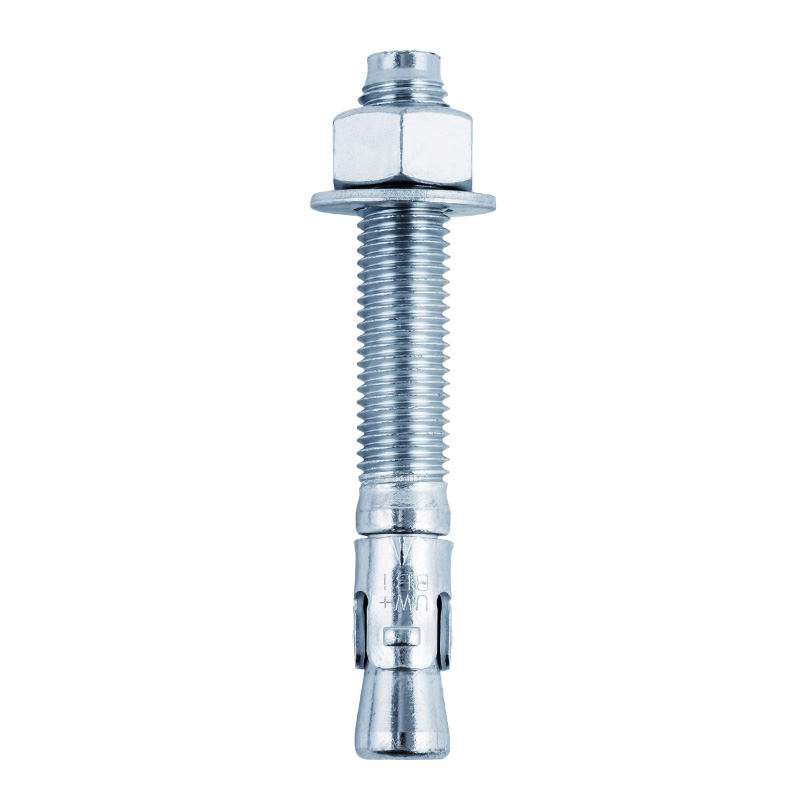
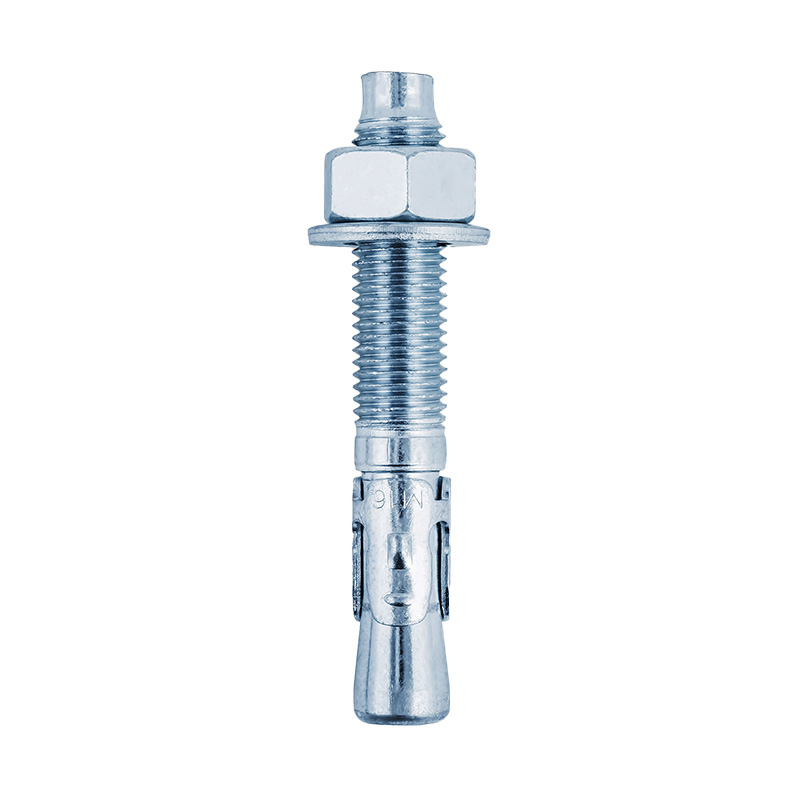
Wedge anchors transfer load by expanding a clip against the wall of a drilled hole. They are a popular choice for attaching equipment rails, structural steel columns, and heavy fixtures to exterior concrete. In an outdoor context, the wedge anchor body is the component most exposed to corrosion, and the expansion clip must remain ductile enough to maintain the clamping force. A high-strength 316 wedge anchor holds well even where wind-driven rain and road salts are present.
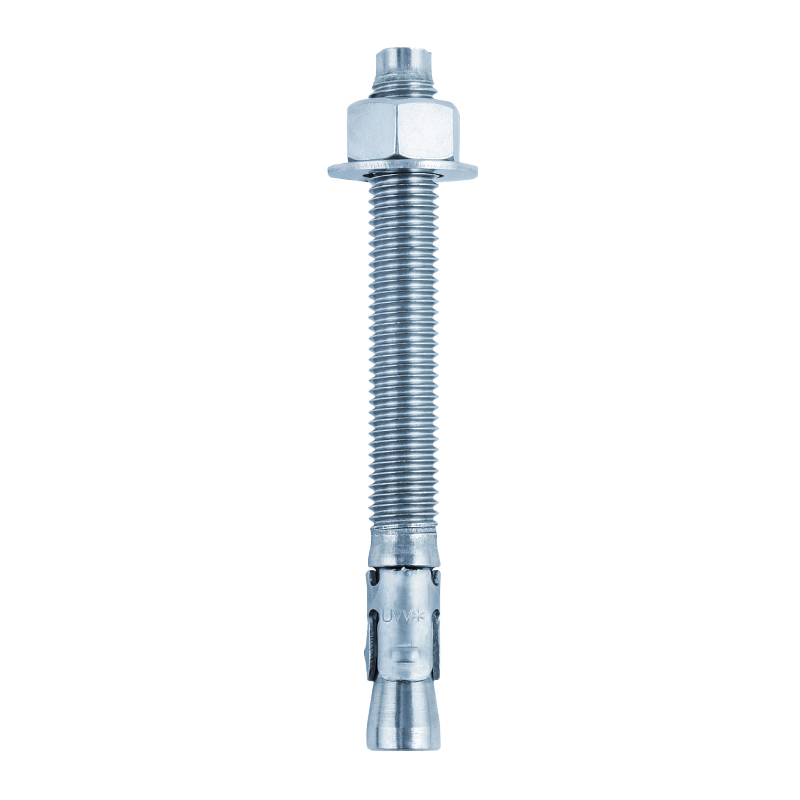 Ultra Wedge Anchor for High-Strength Concrete FasteningThis 316 stainless wedge anchor resists corrosion from wind-driven rain and road salts, making it ideal for exposed exterior concrete installations.View Product →
When the project is in a covered carport or a dry storage yard, a zinc-plated wedge anchor with a good coating thickness gives a considerably lower total cost. Just do not expect the same rust-free appearance after several years of direct rainfall.
Sleeve Anchors for Adjustable and Removable Mounts
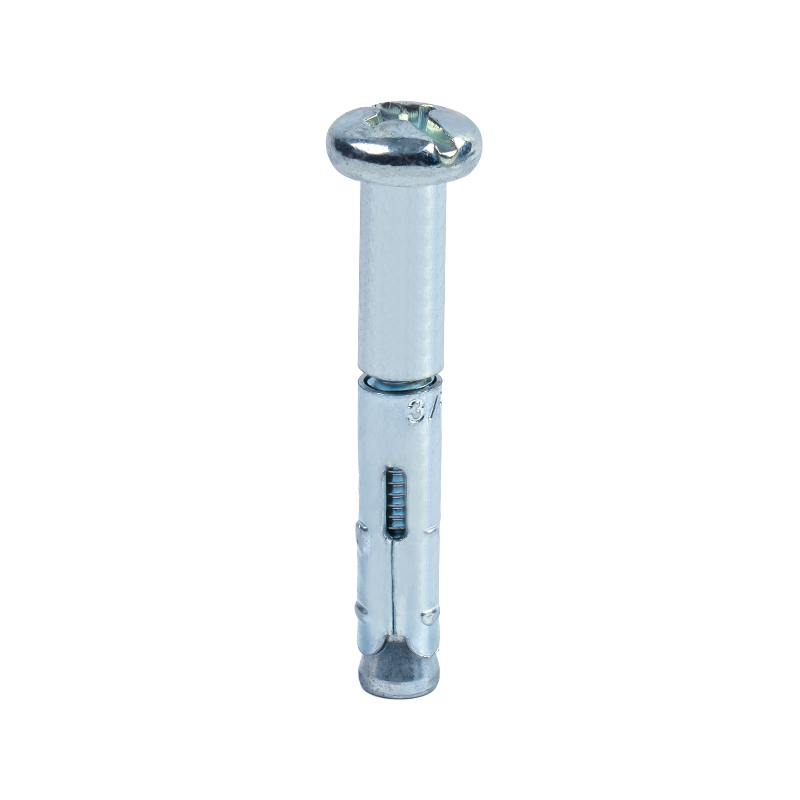
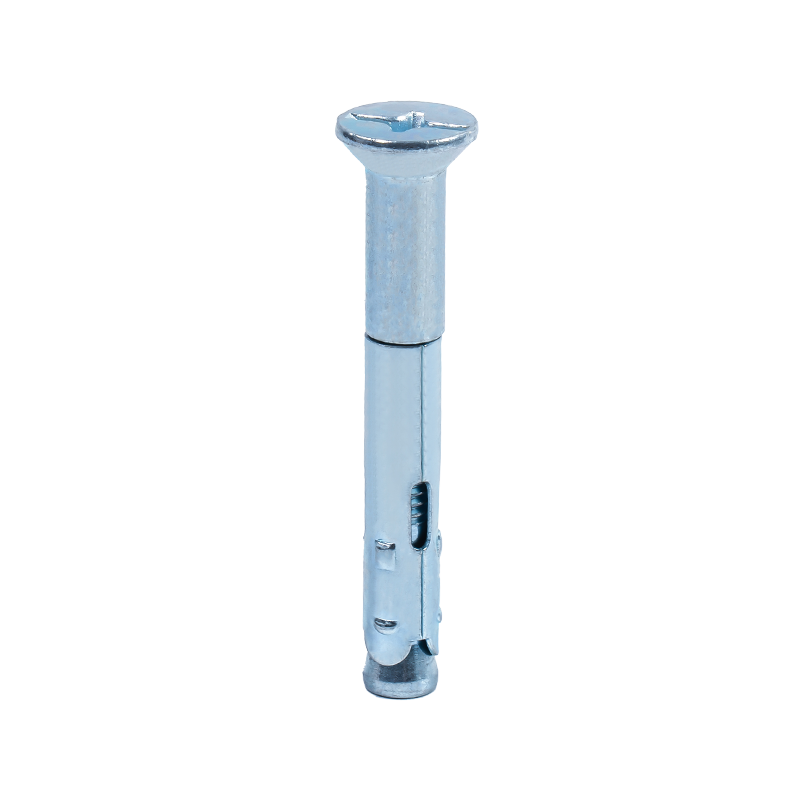
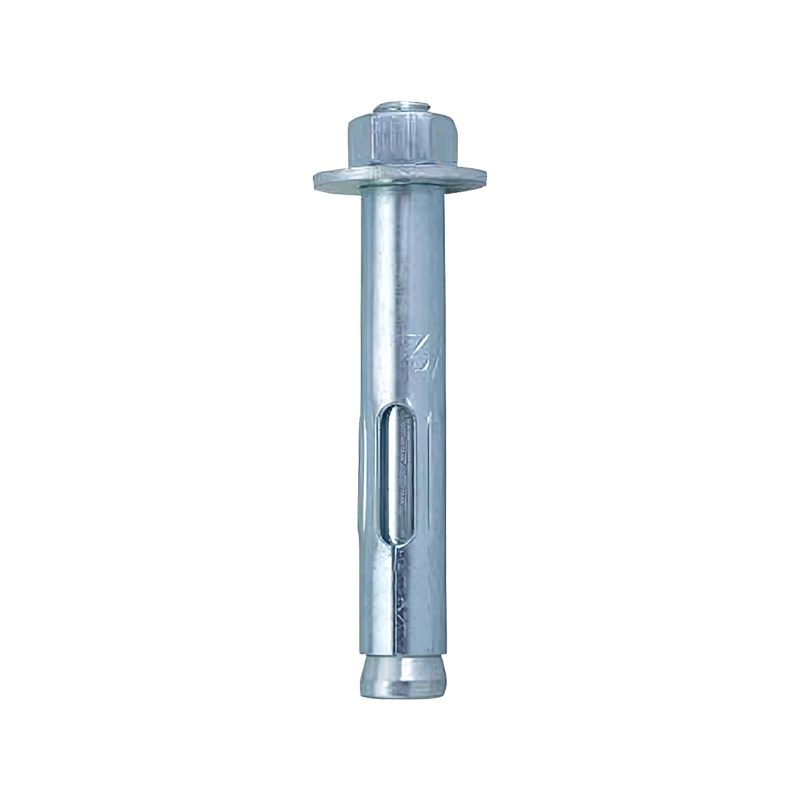
Sleeve anchors expand along a larger portion of their length, which makes them effective in brick, block, and lower-strength concrete. Because the entire sleeve sits against the hole wall, any moisture that enters the borehole stays in contact with a large surface area. This increases the importance of using stainless steel in damp or unsealed holes. Zinc-plated sleeve anchors are best restricted to interior applications where the wall cavity remains dry.
Heavy-Duty Shield Anchors for Structural Connections
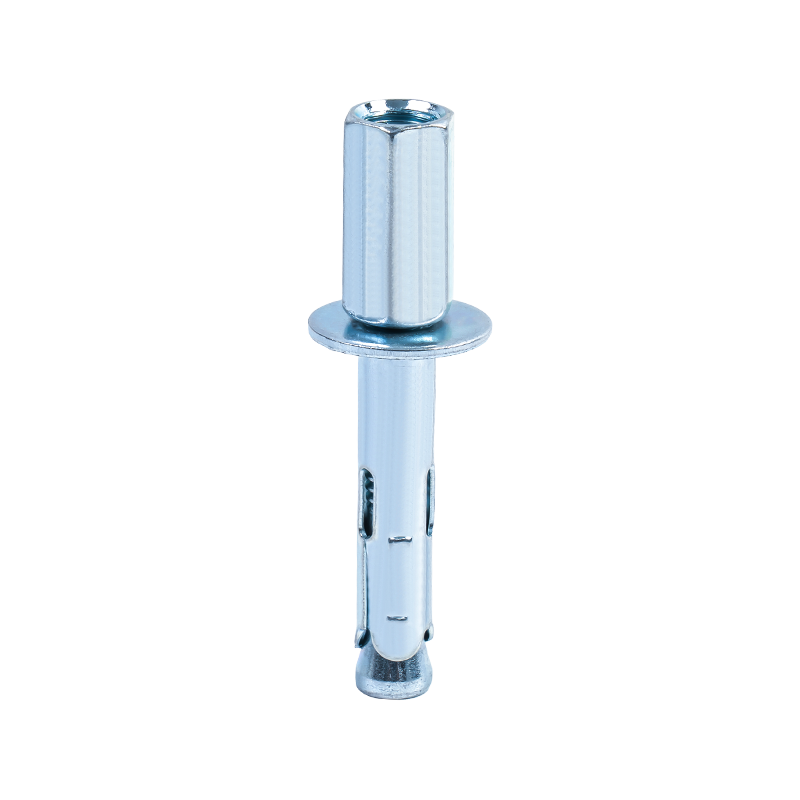
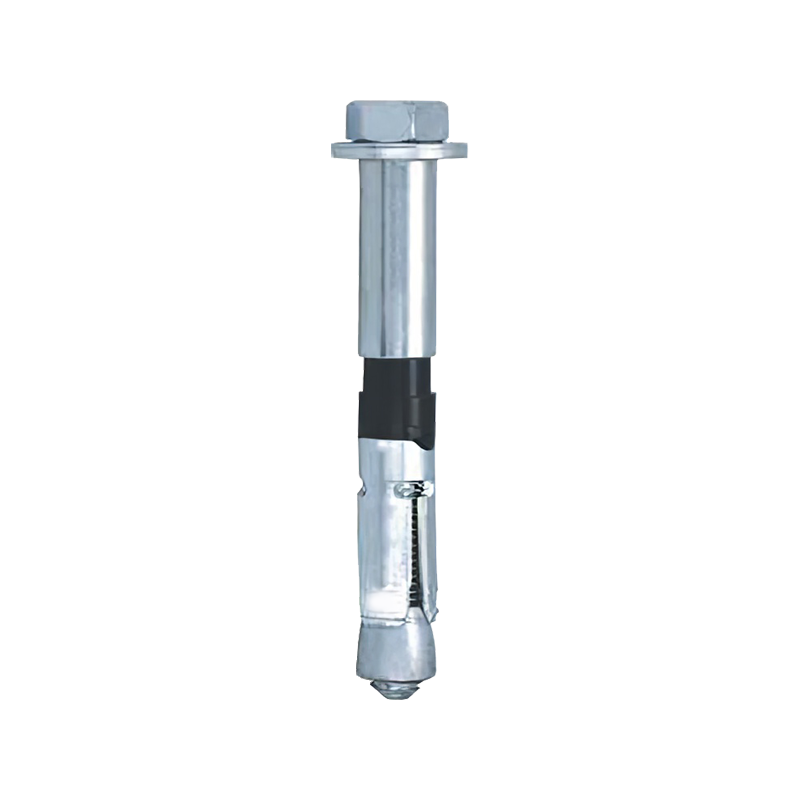
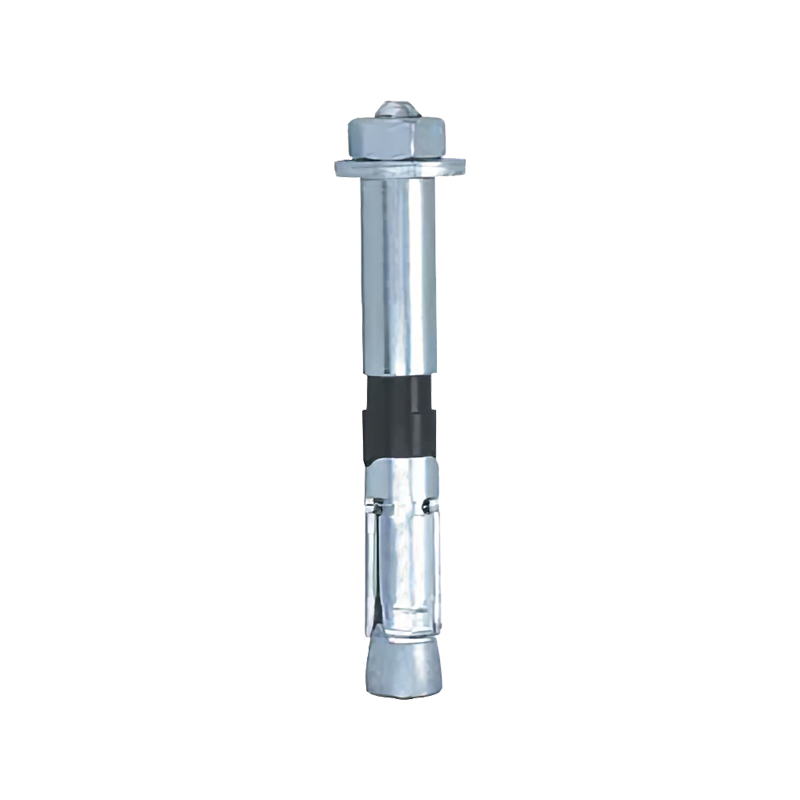
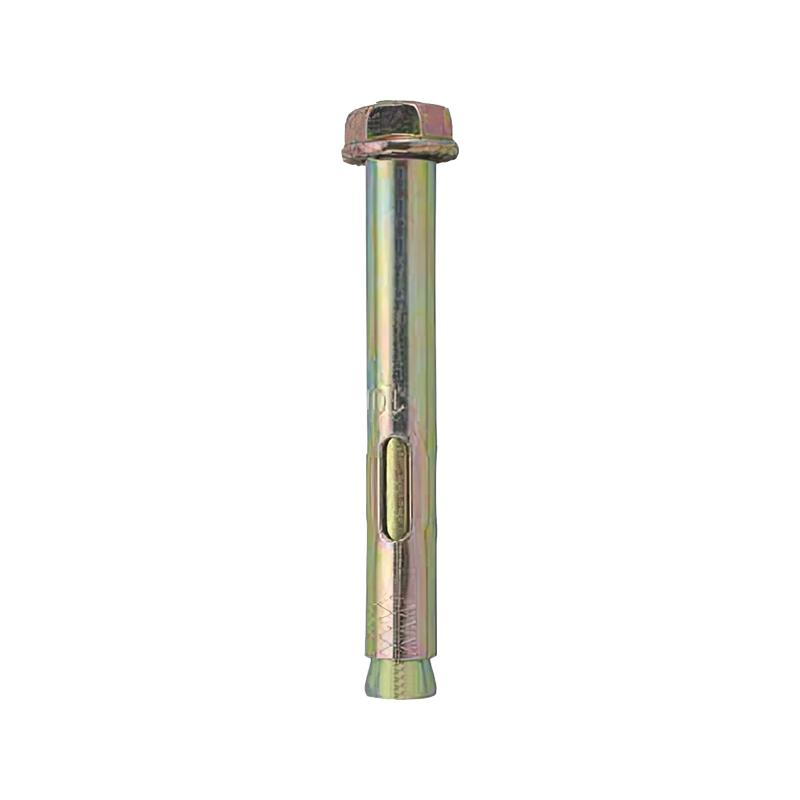
Heavy-duty shield anchors use an expanding shield to develop high holding values in solid concrete. They are commonly selected for exterior structural connections where a failure could be dangerous, such as fall-protection anchors, mezzanine supports, and parking structure brackets. For these uses, 304 is a reasonable minimum in non-coastal areas, and 316 is the right call where chlorides are present. The engineering effort spent on calculating load capacity is wasted if the anchor corrodes to a fraction of its original section after five years.
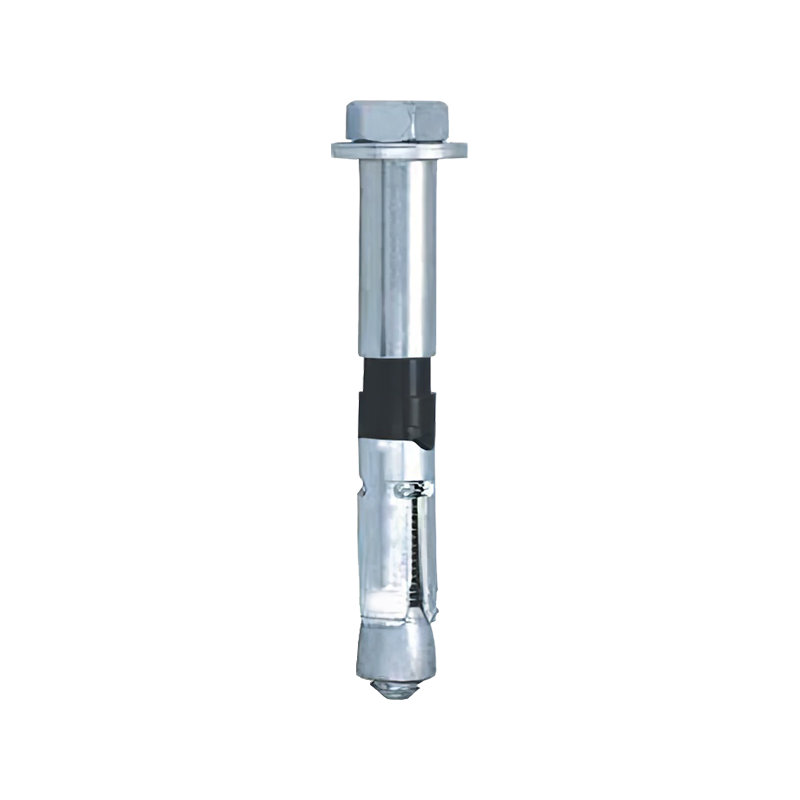 Bolt Heavy Duty Shield Anchor for Structural ConnectionsA torque-controlled expansion anchor suited for heavy structural uses like fall protection and parking brackets, with stainless options for chloride exposure.View Product →
Single Expansion Anchors for Light and Moderate Service
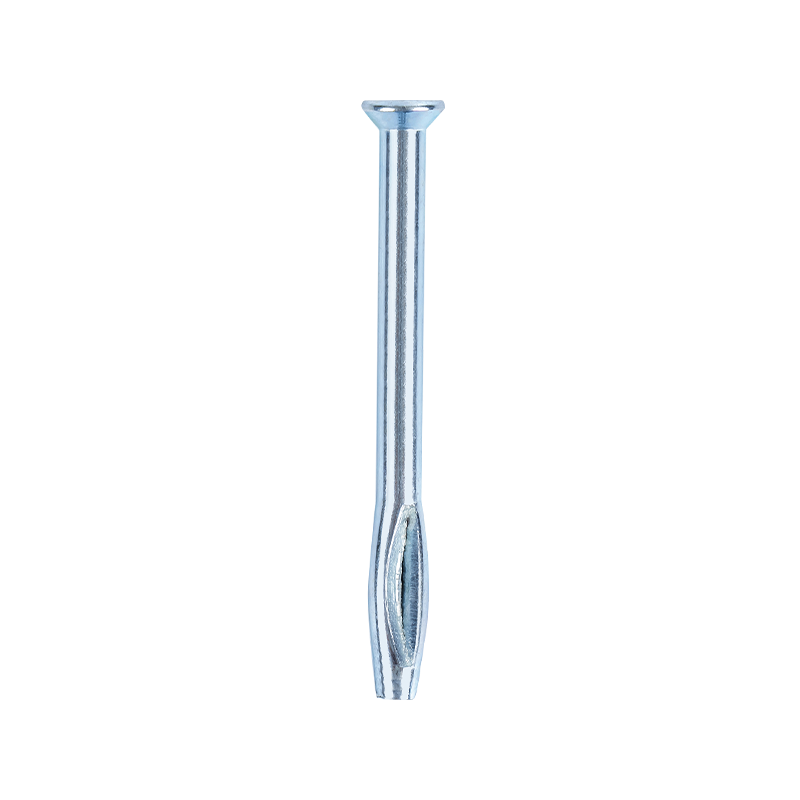
A single expansion anchor uses one expanding mechanism and is easy to install. It is often used for conduit straps, cable trays, and cladding supports on exterior walls. In those positions, the anchor is exposed to rain runoff from the wall surface, so stainless steel protects both the anchor and the appearance of the building. Zinc-plated single expansion anchors can be used for temporary supports or light-duty items that will be relocated during the life of the building.
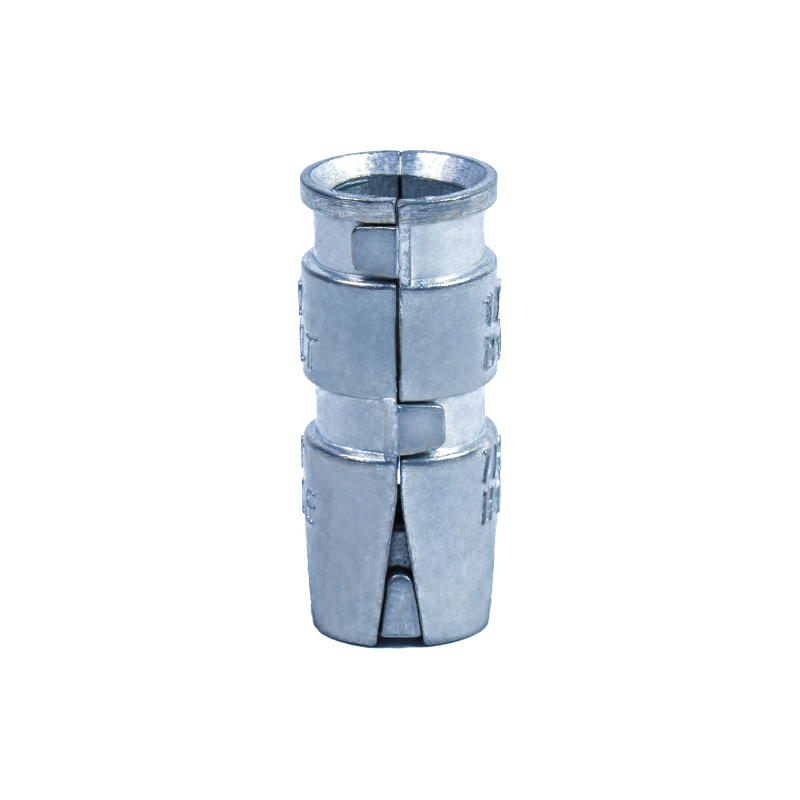 Single Expansion Anchor for Light-Duty Exterior MountingEasy-to-install zinc or stainless anchor for conduit straps, cable trays, and cladding supports, balancing corrosion protection with cost for outdoor use.View Product →
Strength and Load Capacity: What Changes with the Material
A common misconception is that stainless steel is weaker than zinc-plated carbon steel. The truth is more nuanced. A zinc-plated anchor made from class 8.8 carbon steel has a core tensile strength above 800 MPa. An A4-80 stainless steel anchor has a proof strength of approximately 600 MPa and a minimum tensile strength of 800 MPa. For most concrete anchor applications, both materials are more than adequate in their full-size range, and the practical load rating is usually governed by the concrete condition, embedment depth, and edge distance, not by the anchor steel grade.
Zinc plating itself adds nothing to the mechanical strength of the anchor. It is a corrosion protection layer, not a structural component. That means the load tables published for a dry interior anchor apply to an exterior anchor of the same size and steel grade, as long as the material grade is identical.
What the material does change is the long-term retention of load capacity. A corroded anchor loses section thickness, and the expansion clip loses its ability to hold setting tension. A 316 stainless anchor that looks clean after ten years will have maintained its original grip and load capacity, while a zinc-plated anchor in the same coastal location may have lost so much section that it is better treated as unserviceable. For concrete wedge anchors specifically, our article on wedge anchor weight capacity and load ratings by size gives a useful starting point for the strength side of the decision.
Cost per Year of Service: The Smarter Buying Question
Purchase price differences are easy to see but can mislead. A zinc-plated M10 wedge anchor might cost roughly 30 to 50% less than the same anchor in 304 stainless, and the 316 version costs even more. But a fastener does not cost only what it costs at the counter; it costs what it costs over its installed life, including labor, downtime, and the risk of a failed connection.
Consider a simple example with an M10 anchor priced at $0.80 in zinc-plated finish and $3.20 in 316 stainless. Installed in a dry inland location with a 12-year service life, the zinc anchor costs about $0.07 per year. The 316 anchor installed in the same location and lasting 35 years costs about $0.09 per year. The two are nearly identical on a cost-per-year basis. In a coastal location, the zinc anchor might last only two years, at $0.40 per year, while the 316 anchor still costs about $0.09 per year. Once you add the labor cost of removing the failed anchor, redrilling, and installing a new one, the cheaper purchase price is no longer cheaper at all.
For facilities that are difficult to access, such as roof edges, pits, and tower mounts, the labor cost of replacement easily exceeds twenty times the anchor price. In those positions, choose the higher-grade material even if the dry-environment calculation seems acceptable, because the replacement cost shifts the balance decisively.
Installation Mistakes That Accelerate Corrosion
Even the right material can fail early if it is installed poorly. Reviewing our own production and field support experience, we see five installation errors that consistently shorten anchor life outdoors.
- Over-torquing the nut. Excessive torque stretches the threads and can crack the zinc coating or the passive film on stainless steel. Cracks in a stainless passive film usually re-passivate, but cracks in a zinc coating expose bare steel and skip the sacrificial protection at that point. Always use the torque value specified in the anchor load table.
- Leaving drilling dust in the hole. Abrasive dust trapped at the bottom of the hole holds water against the expansion zone. That pool of moisture keeps the most stressed part of the anchor wet, which accelerates corrosion exactly where it matters most. Blow the hole clean and brush it before insertion.
- Installing in a damp hole. If the concrete is wet when the anchor is set, the moisture is sealed behind the anchor body. The resulting crevice can stay wet for a long time, even in an otherwise dry climate. Dry the hole or accept that a wet-set anchor will have a shorter service life.
- Using mismatched washers and nuts. A stainless anchor with a zinc-plated nut and washer is a galvanic cell waiting for water. Match the entire fastener assembly to the same material grade, or use isolators where mixing is unavoidable.
- Leaving the anchor head in a water-collecting pocket. A downward-facing fixture base with a recessed pocket can trap rainwater around the anchor head and nut. Angle the fixture or add a sealant bead so water cannot pool on the top of the anchor.
Project-by-Project Material Selection Guide
The following cards summarize how we typically guide customers through the zinc-plated versus stainless decision across common outdoor installations.
Dry inland yards can use quality zinc-plated anchors, but areas with sprinklers, winter road salt, or coastal air should move to stainless. Gate hardware is constantly handled and exposed, so rust stains matter for appearance as much as for function.
Handrails are safety-critical and often stand in direct rain. Zinc-plated anchors will rust and streak down the concrete. Stainless keeps the connection clean and reliable, especially where people grip the rail daily.
Solar arrays operate for 25 years with minimal maintenance. The anchor bolts are exposed to rainfall and ground splash. Zinc-plated anchors are often used in drier regions with good drainage, but life-cycle cost favors stainless in humid zones.
There is no argument for zinc-plated anchors in direct contact with marine air and water spray. Even 304 can pit in this zone. Use 316 for all anchors below or near the waterline.
De-icing salts splash onto highway sign anchor bolts for years. Zinc-plated anchors eventually lose section and can loosen. A welded steel post can be galvanized, but anchor bolts are usually replaced with stainless in chloride zones.
Facade anchors that fail are extremely expensive to replace. Water drains down the building face and concentrates around the anchor. Matching the anchor grade to the expected wall exposure is essential for the design service life of the facade.
Frequently Asked Questions
How long will a zinc-plated anchor last outdoors?
There is no single number because the answer depends on coating thickness, climate, and site conditions. In a dry, sheltered location, a quality Fe/Zn 12 zinc-plated anchor may last 10 to 15 years. In a damp coastal environment, the same anchor can show red rust in 6 to 24 months. Stainless steel 304 typically lasts 25 to 40 years in most outdoor settings, and 316 can last even longer in coastal areas.
Is 304 stainless steel good enough for coastal outdoor use?
304 stainless performs better than any zinc-plated alternative in coastal air, but it is not immune. Salt deposits combined with humidity can cause pitting and the brown staining often called tea staining. For structural or high-visibility coastal anchors, 316 is the safer choice because its molybdenum content resists chloride pitting much more effectively.
What is the difference between zinc plating and hot-dip galvanizing?
Zinc plating deposits a thin zinc layer, typically 5 to 12 microns, through an electrochemical process. Hot-dip galvanizing immerses the part in molten zinc and produces a much thicker coating, often 45 to 85 microns, with a characteristic matte gray finish. Hot-dip galvanized anchors give substantially longer outdoor life than electro-plated zinc, but the process is less practical for anchors with precision threads, and it changes final dimensions more noticeably.
Does stainless steel ever rust?
Yes, stainless steel can corrode under the right conditions. If the surface is deprived of oxygen, scratched deeply in a crevice, or exposed to concentrated chlorides, the passive film can break down and allow pitting. This is why 316 is preferred for chloride environments and why stainless anchors should never be installed with a carbon steel brush or contaminated tools.
Can I use zinc-plated anchors in an underground parking garage?
An enclosed parking garage is not an outdoor environment, but it is often damp and can be exposed to de-icing salt carried in by vehicles. The restraints and signage anchors in these structures should use stainless steel, ideally 316 in areas where cars drip salt water onto the floor. Zinc-plated anchors can survive in the dry upper levels of the same garage, but the concrete slabs in the ramp and entrance zones are the weakest links.
Should I use stainless steel anchors with pressure-treated lumber?
Modern pressure-treated lumber can contain copper-based preservatives that accelerate corrosion of ordinary galvanized or zinc-plated connectors. For anchors that attach to concrete through a treated wood member, stainless steel is recommended. Hot-dip galvanized fasteners are also acceptable in many treated-wood applications, but the anchor itself should be made of a compatible grade if in direct contact.
Final Recommendation: Matching the Anchor to the Exposure
Start your selection by writing down the actual conditions of the installation site. How much rain does the location receive per year? Is the anchor sheltered by an overhang or fully exposed? How close is the nearest source of salt water or de-icing salt? Can the anchor be replaced easily, and what is the consequence if it fails? The answers to those questions point to a clear material selection.
For an exposed outdoor location with meaningful moisture, the responsible answer is stainless steel. Between the two stainless grades, use 304 for the wider range of general outdoor work and 316 for coastal, marine, and heavy chloride exposure. For dry, sheltered locations where zinc-plated anchors can do the job, insist on a quality coating thickness rating of Fe/Zn 8 or Fe/Zn 12, and match the washer and nut to the same finish.
At our factory, we control both sides of this decision. Every anchor, whether carbon steel with a carefully applied zinc layer or a certified 304/316 stainless product, is made on automated production lines with dimensional verification and inspection before packing. If you are still uncertain which material fits your project, providing us with the site exposure details will give you a more useful answer than the single-order price list ever can.


Contact Us