
 English
 中文简体
 русский
 Español
How to Install Expansion Anchor Bolts in Concrete: Hole Size and Embedment Depth Explained
2026-11-16Why Hole Size and Embedment Depth Decide Whether an Anchor Holds
Start with the conclusion: when a wedge anchor pulls out of concrete, the problem is almost never the anchor itself. It is the diameter of the hole, the depth of the hole, or the cleanliness of the hole bottom. Nine out of ten field failures trace back to one of these three.
The most common deviations we see on site look small enough to ignore. A dull bit keeps drilling and produces a hole 0.5 to 1 mm oversize. A hole is drilled 15 mm shallower than the rod length, so the anchor bottoms out before it reaches design embedment. A hole is drilled and never blown clean, so the sleeve turns inside a layer of dust instead of gripping concrete.
An expansion anchor bolt holds because the concrete wall of the hole squeezes the sleeve. The real load path is local concrete compression and shear, not the steel itself. Widen the hole and the sleeve has to travel further before it touches anything, so the effective contact area drops and the pull-out value with it. Shorten the embedment and the failure cone changes from a deep inverted cone into a shallow dish, and the concrete lifts away long before the steel reaches yield.
Three numbers worth memorising before you pick up a drill:
- Hole diameter equals the nominal anchor diameter, with positive tolerance held between +0.2 mm and +0.5 mm.
- Minimum embedment runs at roughly 4.5 times the anchor diameter, so about 50 mm for M10 and 60 mm for M12.
- Hole depth equals minimum embedment plus 10 to 15 mm, which absorbs dust and leaves the rod proud of the surface.
The Real Cost of One Extra Millimetre
Take a working example. An M12 wedge anchor with a design pull-out value of 25 kN. The bit is nominal 12 mm, but it has already drilled sixty holes and the cutting edge is rounded. Measured hole diameter comes in at 12.6 mm.
Six tenths of a millimetre sounds irrelevant. Geometrically it is not. The sleeve must expand an extra 0.6 mm before it touches the wall, the radial pressure from the expansion cone is spread over a longer travel, and the effective contact arc falls from close to the full circumference to under half. A field pull test reached 18 kN before the anchor began to slip. That is a 28 percent shortfall against design, produced by a drill bit that still looked serviceable.
This is why drawings specify hole tolerance so tightly. The published load rating is calculated on that contact area. Change the area and the rating no longer applies.
Why Drilling Too Deep Is Also a Failure Mode
A deeper hole is often treated as cheap insurance. It is the opposite. If the hole runs well past the anchor length, the rod sinks into the hole as you tighten. By the time the torque wrench reaches its setting, the anchor head is already sitting on the hole bottom, the exposed thread is too short, and the fixture has never been compressed.
The dangerous part is that the wrench still clicks. The feel at the handle is identical to a correct installation, but the connection is loose. Once the structure takes load the fixture shifts, torque falls away, and the problem only surfaces during a re-check.
How an Expansion Anchor Bolt Transfers Load into Concrete
Understanding the load path is more useful than memorising a table of numbers.
When the nut is tightened, the stud is drawn outward and the tapered end is pulled into the expansion sleeve or ring. The sleeve is forced outward and presses radially against the hole wall. The concrete surrounding the hole carries that pressure and spreads it into the surrounding mass, creating a radiating zone of compressive stress that starts at the anchor tip.
As tension increases further, the concrete eventually shears away along an approximately inverted conical surface. The height of that cone is essentially the embedment depth. An M12 embedded 60 mm produces a cone roughly 60 mm tall. Embedded only 40 mm, the cone is shallow and the force required to lift it is far lower.
Embedment depth is therefore not a comfortable margin. It is the physical dimension of the failure surface. Capacity grows faster than linearly with embedment until the steel shank itself becomes the governing limit.
Friction contributes as well. Surface condition of the sleeve, concrete grade, and aggregate type all shift the final number. This is why the same anchor tested in C25 and C40 concrete returns noticeably different values, and why a single catalogue figure should never be applied blind to every pour on a site.
How to Determine Hole Size for Expansion Anchor Bolts
Matching Drill Bit to Anchor
For most expansion anchor bolts the hole diameter equals the nominal anchor diameter. M10 uses a 10 mm bit, M12 uses 12 mm, a 1/2 inch anchor uses a 1/2 inch bit. The exception is a small family of heavy-duty shield anchors that use a slightly larger basic aperture to accommodate a thicker shield, so always confirm against the specific product sheet rather than assuming.
Nominal and measured are two different things. A fresh SDS bit typically drills 0.1 to 0.3 mm oversize because of cutting clearance, which is normal and accounted for. The problem begins when a worn bit pushes beyond +0.8 mm, and when hammer mode chips the hole wall so the effective diameter grows further.
Practical field control comes down to three habits:
- Check hole size every 40 to 60 holes by trial-fitting the anchor body. If it rocks noticeably side to side, change the bit.
- Near the target depth, switch the rotary hammer out of impact mode and finish with light rotation. This reduces spalling at the hole bottom.
- Avoid repeated re-entry during drilling. Each pass grinds the hole mouth into a funnel shape.
Setting the Depth Mark on the Bit
Wrap tape around the bit or fit a depth stop collar. The mark goes at minimum embedment plus 10 to 15 mm. That allowance covers dust accumulation at the bottom and leaves enough thread proud of the surface for the washer, fixture, and nut.
| Anchor Size | Drill Bit Diameter | Minimum Embedment | Suggested Hole Depth | Reference Torque |
|---|---|---|---|---|
| M6 | 6 mm | 30 mm | 42 mm | 8 to 12 N·m |
| M8 | 8 mm | 40 mm | 52 mm | 15 to 25 N·m |
| M10 | 10 mm | 50 mm | 62 mm | 30 to 40 N·m |
| M12 | 12 mm | 60 mm | 75 mm | 50 to 60 N·m |
| M16 | 16 mm | 80 mm | 95 mm | 100 to 120 N·m |
| M20 | 20 mm | 100 mm | 118 mm | 180 to 220 N·m |
Measuring Hole Depth Versus Measuring Embedment
These are two separate checks and installers routinely merge them.
Hole depth is measured from the concrete surface to the bottom, using a tape or depth gauge. Embedment is the portion of the anchor actually inside the concrete, which is hole depth minus the allowance you deliberately left at the bottom. If the anchor is a fixed-length stud, compare stud length directly against hole depth to see whether the allowance is adequate.
The more reliable method is a physical trial fit. Insert the anchor fully, then measure how much stud remains above the surface. That figure should equal total stud length minus design embedment. A shortfall beyond 10 mm means stop, re-drill, or step up to a longer version.
Choosing Embedment Depth in Practice
A decision sequence works better than a memory exercise.
Step One: Read the Product Sheet
The minimum embedment figure published for that specific model carries test evidence behind it. Wedge anchors generally sit near 4.5 times diameter. Sleeve anchors are usually shorter. Double expansion anchors typically ask for five times diameter or more because the two cones spread the expansion over a longer body.
Step Two: Check Base Material Thickness
Embedment plus at least 30 mm of clearance must fit inside the slab. On a 100 mm floor slab, an M12 at 60 mm embedment leaves only 40 mm below the hole bottom, so the failure cone will punch straight through the underside.
Step Three: Check Edge Distance and Spacing
Edge distance below 1.5 times embedment, or spacing below 3 times embedment, allows the concrete to spall sideways rather than form a proper cone. In tight geometry either increase embedment while pushing the group further from the edge, or switch to an anchoring format with a more compact load spread.
Step Four: Confirm Crack Condition
In cracked or tension-zone concrete, only anchors rated for cracked conditions should be used, and the published reduction factors must be applied. Embedment depth alone does not compensate for a crack opening under load.
For a finer breakdown of minimum depth by diameter, a companion article on wedge anchor minimum embedment depth in concrete sets out the values diameter by diameter.
Step-by-Step Installation with Checkpoints
- Locate and mark. Avoid reinforcement and embedded services. Where steel is struck, shift 20 to 30 mm within the permitted repositioning allowance rather than cutting rebar, because cutting reduces the capacity of the member itself.
- Drill. Hold the tool perpendicular to the concrete surface throughout. A hole that leans produces an anchor that leans, which loads one side of the sleeve far harder than the other.
- Finish the depth. Drill to the tape mark, then complete the last few millimetres in rotation-only mode to control spalling at the hole bottom.
- Verify depth. Insert a tape or gauge. Keep tolerance within plus or minus 3 mm of the target.
- Clean the hole. Blow from the bottom outward, brush the wall with a nylon brush, blow again. Repeat three times. Run a finger around the inside as a check, and it should come out without a visible dust film.
- Trial fit. Push the anchor in before final assembly to confirm it reaches design embedment. Excessive side-to-side movement of more than 2 to 3 mm indicates an oversized hole.
- Set the anchor. Drive to the embedment mark. For through-fixing, thread the fixture on before driving.
- Tighten in two stages. Hand-tighten until the fixture seats, then apply torque in two passes at roughly 50 percent and 100 percent of the specified value.
- Re-check. Within 24 hours, spot check torque on 5 to 10 percent of installed anchors.
Field Scenarios and How to Handle Them
Hole Comes Out Oversize
Confirm by trial-fitting the anchor body. If the hole exceeds the allowable tolerance, do not simply drive the anchor harder. Relocate the fixing, or switch to an adhesive anchor or a larger diameter format. Oversize holes are the single largest cause of anchors spinning under torque.
Rebar Is Struck Mid-Drill
Stop, withdraw, and reposition within the permitted allowance. If repositioning is not possible, consult the structural designer. Never cut reinforcement to make room for an anchor point.
Hole Bottom Reaches a Void
Hollow-core slabs, blockwork, and slabs with a topping layer all create this problem. Reduce embedment to suit the solid layer, or change to an anchor designed for that substrate. Continuing to drill achieves nothing except losing the load path.
Concrete Strength Below Design
Lower grade concrete reduces the concrete cone capacity even when everything else is correct. Test the substrate with a rebound hammer where records are missing, and apply the appropriate reduction rather than relying on the catalogue value for C30 concrete.
Hole Pierces the Slab Underside
A hole that breaks through the bottom cannot form a proper failure cone and the anchor will not develop rated capacity in tension. Relocate to a thicker section or reduce the anchor size to restore clearance beneath the hole bottom.
Water in the Hole
Standard expansion anchors are not intended for flooded holes. Where water is present, dry the hole and use an appropriate corrosion-resistant anchor, or move to an adhesive system formulated for wet conditions. Water reduces friction and promotes corrosion at the contact zone.
Troubleshooting Table for Common Installation Faults
| Symptom | Likely Cause | Corrective Action |
|---|---|---|
| Anchor spins when tightened | Hole oversize from a worn bit, or clean-through to a void | Stop, change the bit, relocate the fixing, or use a larger diameter |
| Torque reached but fixture still loose | Hole drilled deeper than planned, anchor bottomed out | Withdraw, re-drill to correct depth, or fit a longer stud |
| Low pull-out value on site test | Embedment short, or hole not cleaned | Re-drill, clean thoroughly, re-test |
| Concrete surface splits near the hole | Edge distance too small, or heavy hammer drilling | Increase edge distance, finish drilling in rotation-only mode |
| Stud deforms during tightening | Torque above specification, or thread galling | Use a calibrated torque wrench, apply a suitable lubricant |
| Hole mouth crumbles into a funnel | Repeated drill re-entry, or bit wander at start | Start with a pilot mark, avoid multiple entry passes |
| Anchor loosens weeks after installation | Insufficient initial torque, or vibration settling | Re-apply torque, consider a thread-locking element for dynamic loads |
Torque Control and Re-Tightening
Tightening harder than specification is not a shortcut to a stronger joint. Once the sleeve is fully expanded, further rotation does not add contact pressure. It starts to deform the thread and the stud, and on smaller sizes it can shear the stud outright. Over-torqued anchors frequently show a stretched thread that makes later inspection impossible, because the nut can no longer be removed cleanly.
Under-torque is equally common in high-volume installations. A torque wrench that has not been calibrated for a year may be reading 15 percent high or low. For structural work, calibration records matter as much as the wrench itself.
Two-stage tightening gives more consistent results than a single pass. Applying roughly half the final value first seats the fixture and takes up any small misalignment, then the second pass reaches the specified figure without the nut fighting a seated washer.
Where vibration is present, such as in machinery bases or highway structures, the fixture should be re-checked after the first load cycle and again after a short service period. A second anchor placed close by is often better than one very large anchor for this reason, since load sharing reduces the consequence of any single anchor relaxing.
From Installation Parameters to Product Selection
Once hole diameter and embedment depth are fixed, the remaining question is which anchor format suits the job. Three families cover the majority of concrete fixing work, and the differences map directly onto the tolerances discussed above.
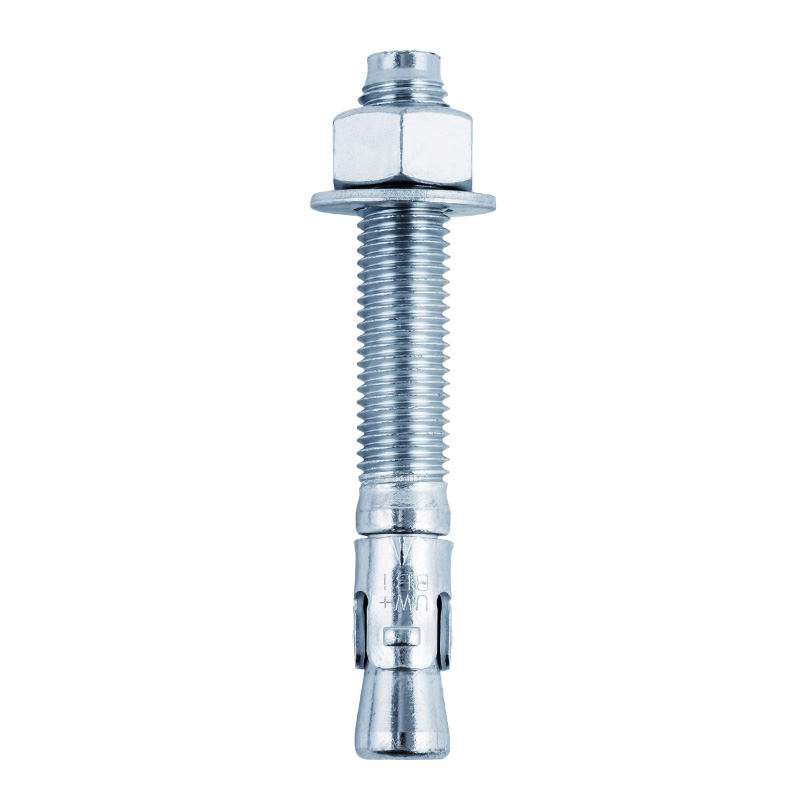
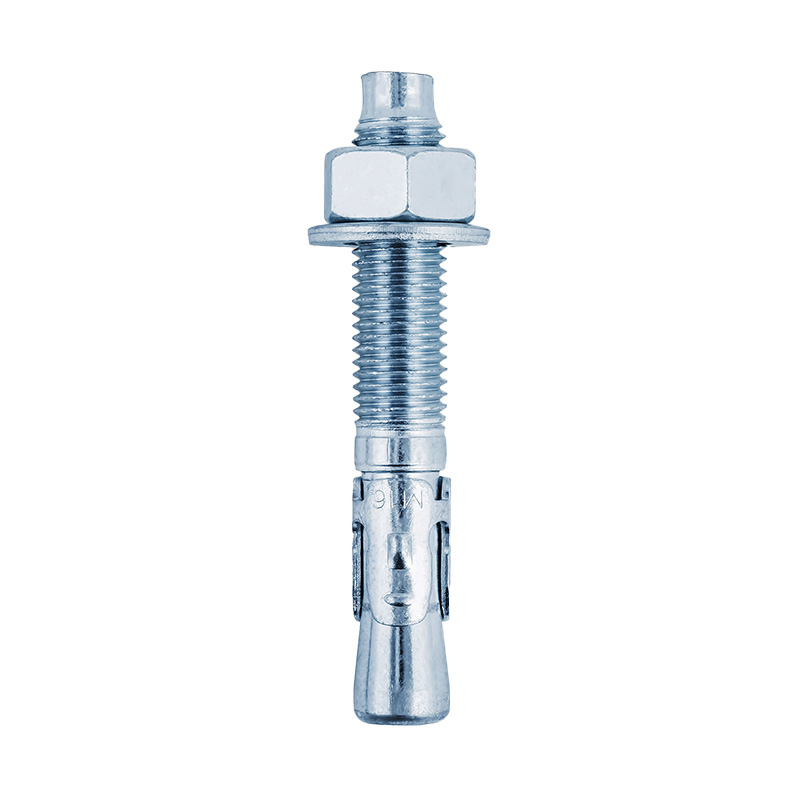
The Ultra Wedge Anchor is built for heavy duty structural fixing where the drill tolerance can be controlled tightly and the base material is sound. Its expansion geometry develops high tension values from a compact body, which makes it a strong candidate for column bases, equipment anchoring, and steel-to-concrete interfaces.
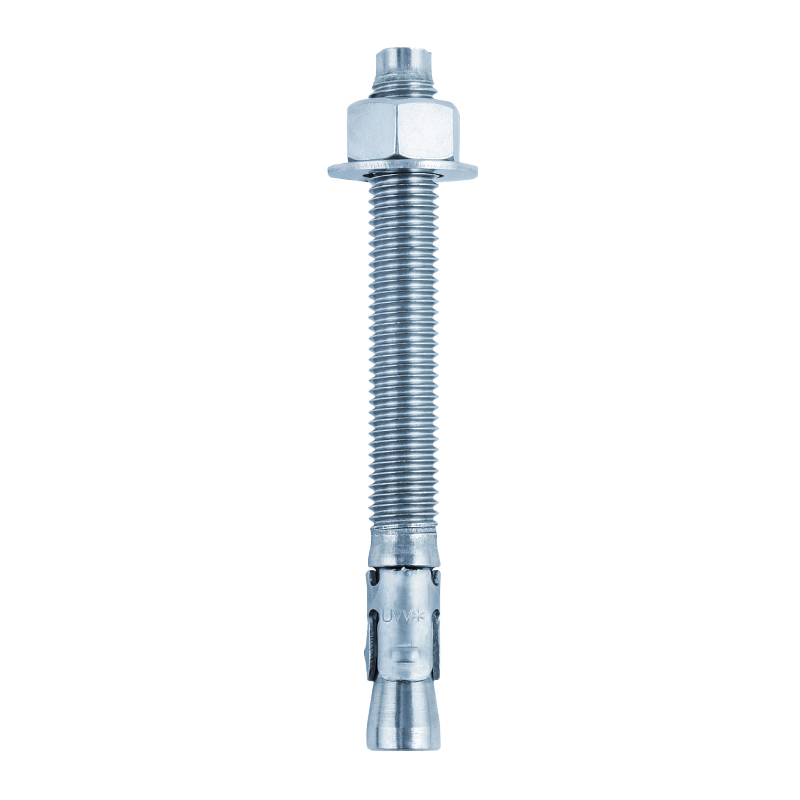 Ultra Wedge Anchor for Heavy-Duty Concrete FixingHeavy-duty mechanical expansion anchor for high pull-out loads in solid concrete, suited to structural equipment and steel-to-concrete fixing where drill tolerance is controlled.View Product →
The Metric Wedge Anchor follows the same installation logic but in a metric dimension range that aligns with European and Asian design drawings. Where a project specifies M10, M12, or M16 fixings to metric drawings, matching the anchor to that system avoids conversion errors at the drill, which is where tolerance problems usually start.
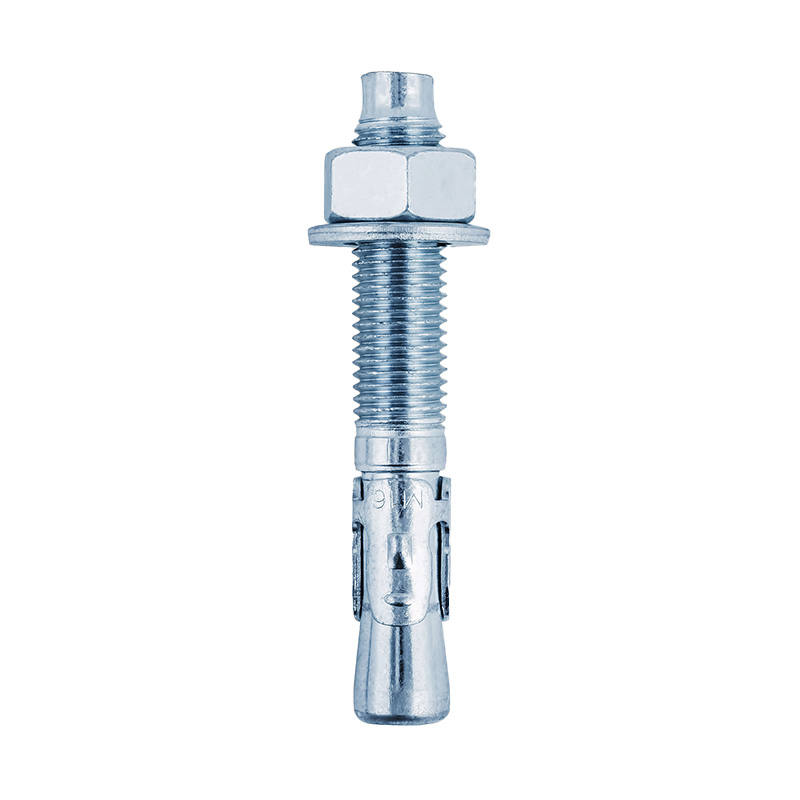 Metric Wedge Anchor for M6–M24 Concrete FixingMetric-standard wedge expansion anchor ranging from M6 to M24, intended to match European and Asian drawings and avoid drill conversion errors on concrete fixings.View Product →
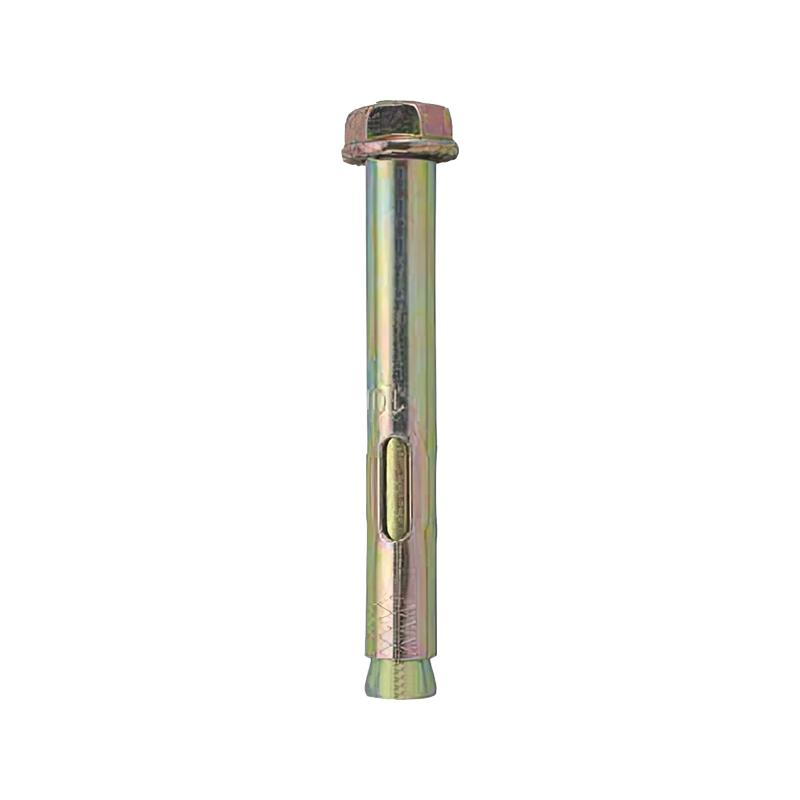
The Single Expansion Anchor uses a different expansion geometry and suits medium-load fixing in thinner slabs and blockwork where the embedment depth is limited. When the slab thickness rule pushes you below the minimum embedment a wedge anchor requires, this format often fits the available depth without compromising the load path.
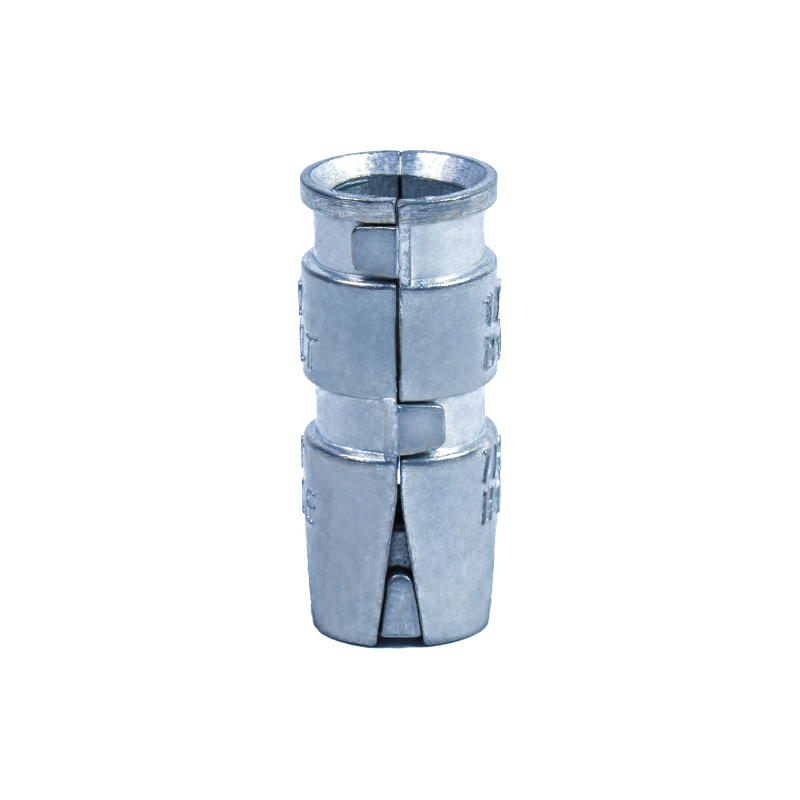 Single Expansion Anchor for Concrete, Brick and StoneZinc-alloy single expansion anchor for removable screw or bolt fixings in concrete, brick and stone, suited to medium loads and limited embedment depths.View Product →
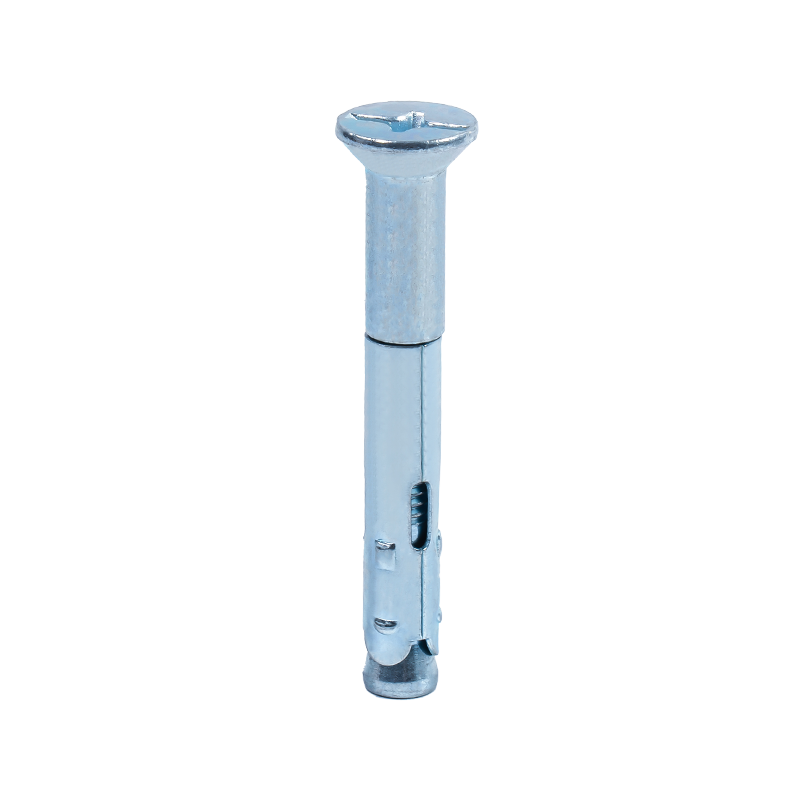
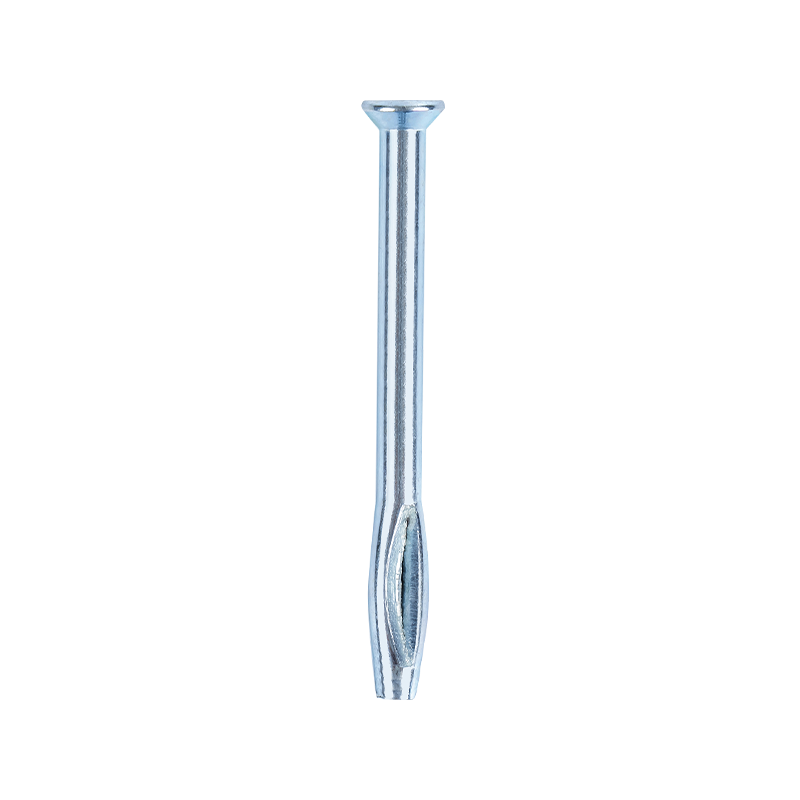
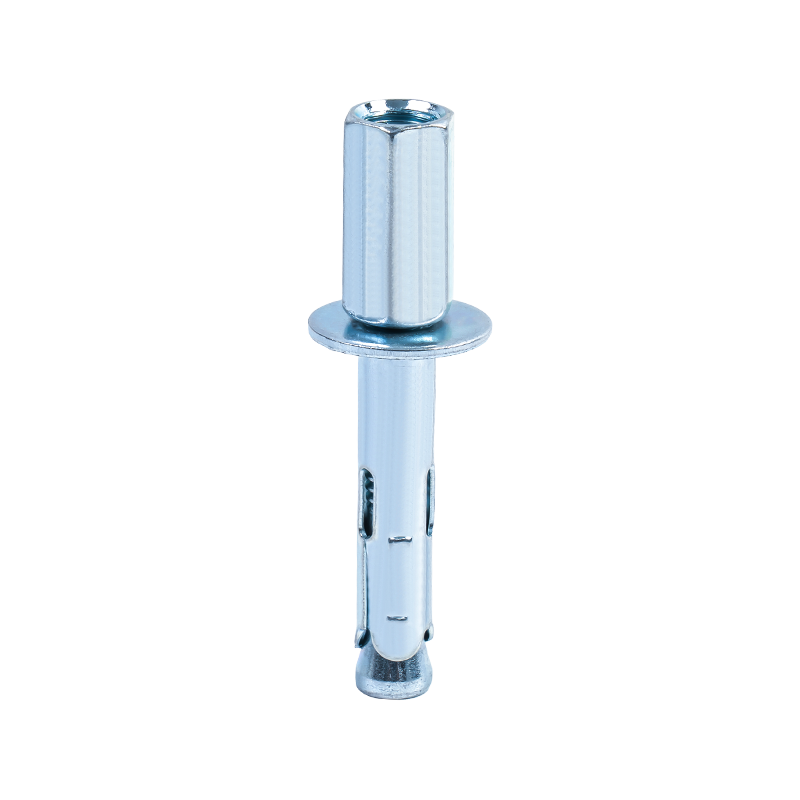
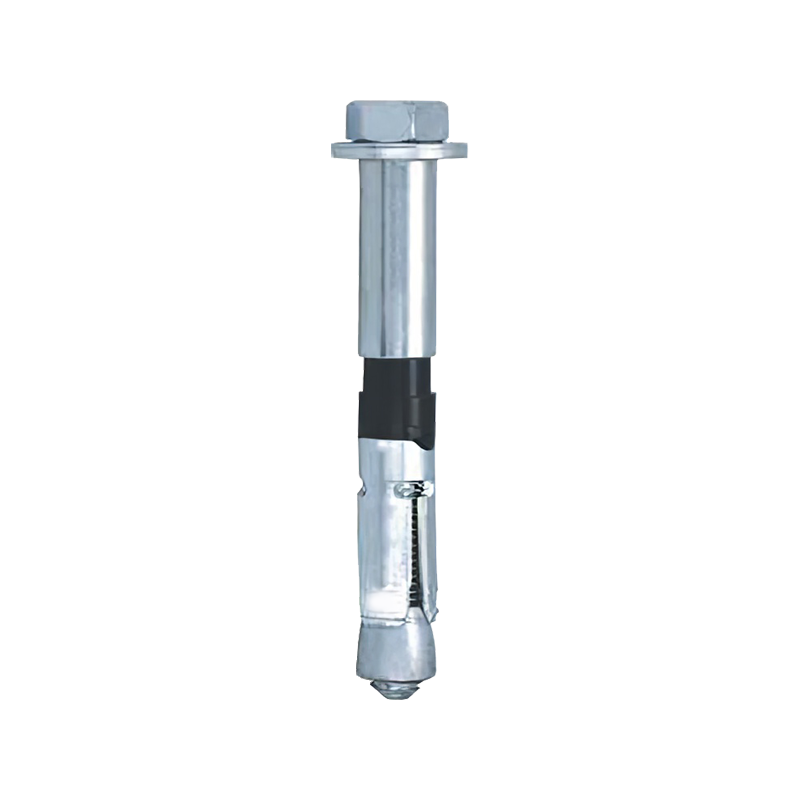
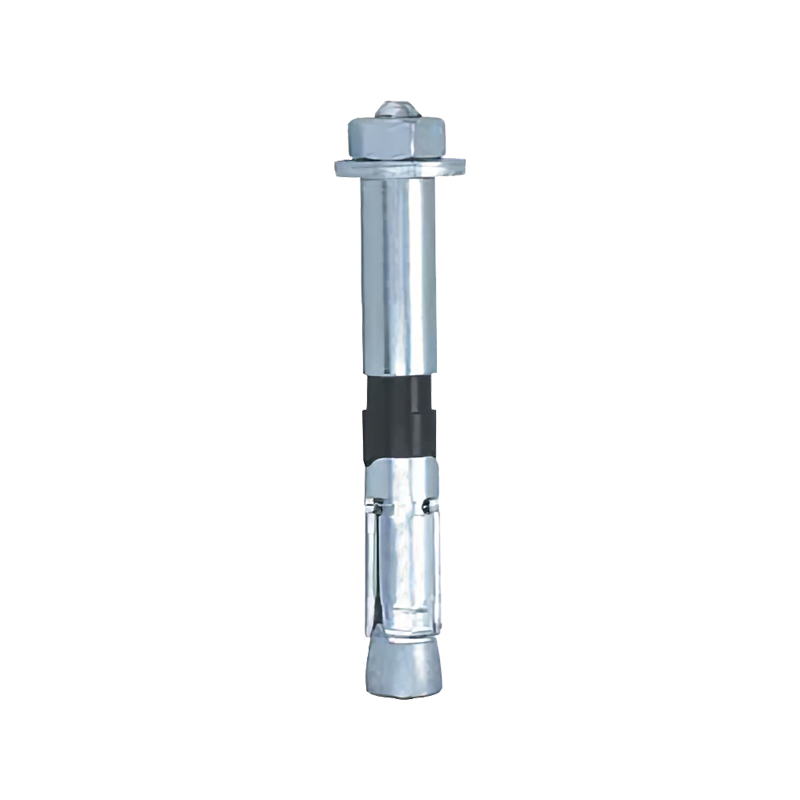
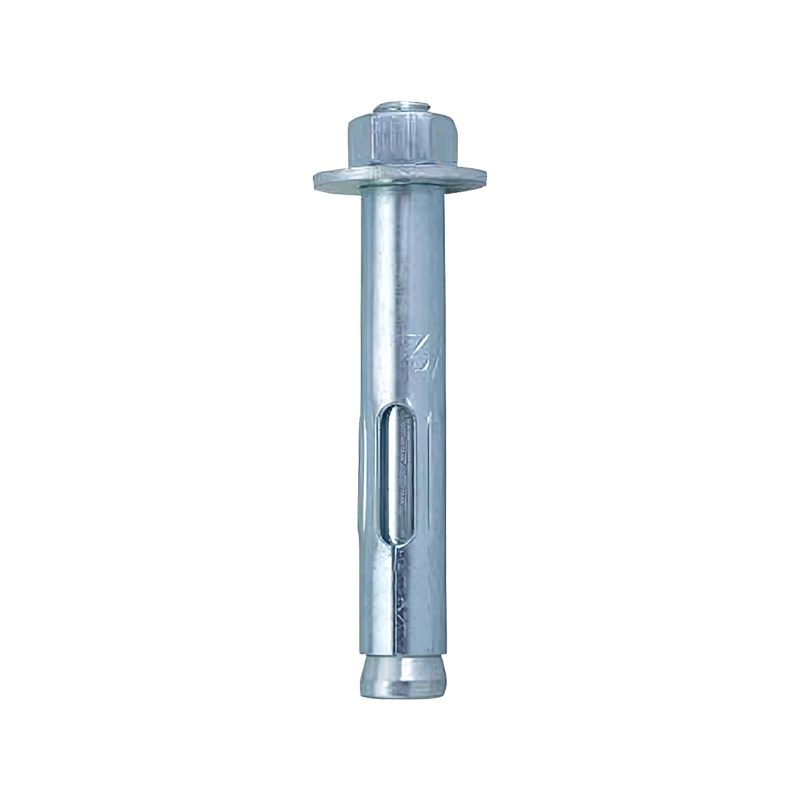
Beyond these three, the wider range covers shield anchors, sleeve anchors, drop-in anchors, hammer drive anchors, and machine screw anchors, each tuned to a specific substrate or removal requirement. Where a project needs a non-standard diameter or length, drawing-based development is available for volume work.
Frequently Asked Questions
Can I drill one size larger than the anchor diameter?
No. A one-size-larger hole removes the interference fit that the expansion sleeve relies on. The anchor will spin under torque and will not develop rated tension capacity. If the correct bit is not available, wait for it rather than drilling oversize.
Is there a way to recover a hole that was drilled too deep?
Within limits. If the excess depth is under roughly 10 mm, a slightly longer stud will restore correct embedment. Beyond that, relocate the fixing. Filling the bottom of the hole with a setting compound is not a reliable solution because the filler does not reproduce the stiffness of the surrounding concrete.
Can expansion anchor bolts be installed in wet concrete?
Only after it has cured. Fresh concrete cannot develop the compressive strength the expansion mechanism depends on. Once cured, a hole that remains wet needs to be dried and, in persistent damp conditions, a corrosion-resistant anchor should be specified.
Why does the anchor keep turning without reaching torque?
This is the classic oversize-hole symptom. Either the bit is worn and produced a hole beyond tolerance, or the drill broke through into a void, or the hole was cleaned too aggressively and the wall was scuffed out. All three remove the grip the sleeve needs.
Is a site pull test always required?
Not for every project, but it is strongly advised for structural or safety-critical fixing, and for any installation where the substrate strength is not documented. A small sample test at the start of work catches most tolerance problems before they multiply across hundreds of anchors.
What is the difference between hammer drilling and rotary drilling?
Hammer drilling breaks the concrete with percussive blows and is fast, but it chips the hole wall. Rotary-only drilling cuts more cleanly and produces a rounder, more dimensionally accurate hole. For anchors where tolerance matters, finishing with rotary-only action near the final depth improves results noticeably.
How many times can a wedge anchor be removed and reused?
A wedge anchor is intended for a single setting. The expansion sleeve deforms permanently the first time it is driven, so a second use develops reduced capacity. For fixings that must be repeatedly dismantled, a machine screw anchor or a drop-in anchor with a removable bolt is the correct choice.
Does hole cleaning really affect holding capacity?
It affects it more than most installers expect. Dust at the bottom of the hole prevents the anchor from reaching full embedment, and dust on the wall reduces the friction the sleeve depends on. Three blow-and-brush cycles take under a minute and are the cheapest reliability improvement available on any site.


Contact Us