
 English
 中文简体
中文简体 русский
 Español
Wedge Anchor Weight Capacity Guide: Load Ratings by Size and Concrete Strength
2026-09-14Wedge anchors are among the most widely used concrete fasteners for steel-to-concrete connections, and load capacity is usually the first question a buyer asks. A 1/2-inch wedge anchor embedded 2-1/4 inches into 3,000 psi concrete typically provides an allowable tension load of about 2,110 pounds and an ultimate tension capacity of about 8,440 pounds. Those numbers only apply under ideal conditions. The actual weight a wedge anchor can hold shifts with concrete compressive strength, embedment depth, edge distance, anchor spacing, material grade, and the way the hole is drilled and cleaned. This guide explains how to read load data correctly, what the numbers in manufacturer charts actually mean, and how to choose a wedge anchor that will remain secure over the service life of the structure.
What Determines How Much Weight a Wedge Anchor Can Hold?
Load capacity is never a single fixed number. It is the result of several interacting variables that determine how much force can transfer from the anchor to the surrounding concrete. The following factors appear in every reliable wedge anchor load table.
Concrete Compressive Strength
Wedge anchors grip by pressing expansion clips against the wall of the drilled hole. Concrete that reaches 3,000 psi compressive strength is the common baseline for published load tables. If the actual concrete is rated at 2,500 psi, the anchor will develop a lower pull-out resistance. If it is 4,000 psi or above, the load capacity will increase. For cracked concrete, apply the derating factors listed in the specific product's technical data.
Embedment Depth
Embedment depth controls how much concrete surrounds the expansion zone. The deeper the wedge anchor sits, the larger the concrete failure cone that resists the pull-out force. A 1/2-inch wedge anchor embedded 3-1/4 inches will carry measurably more tension than the same anchor embedded only 2-1/4 inches. When comparing load tables, always check the minimum embedment column in addition to the anchor size.
Edge Distance and Spacing
An anchor loaded near a concrete edge or close to another anchor may fail by breaking the concrete rather than by pulling out. The standard recommendation is at least ten anchor diameters of spacing and five anchor diameters of edge distance. When these limits cannot be met, the load capacity listed in the chart must be reduced.
Anchor Material and Finish
Carbon steel wedge anchors with zinc plating are the standard choice in dry indoor environments. Hot-dip galvanized and stainless steel versions, including 304 and 316 grades, are selected for outdoor or corrosive conditions. Material grade affects both corrosion life and mechanical strength, so the load value should be read from the table for the exact finish being installed.
Typical Load Capacities by Wedge Anchor Size
Manufacturers publish load values in a consistent format so buyers can compare anchors from different suppliers. The table below shows typical capacities for common wedge anchor sizes in 3,000 psi normal-weight concrete without supplemental reinforcing. Values are expressed in pounds and are based on a 4:1 safety factor between ultimate and allowable loads.
| Anchor Size | Min. Embedment | Ultimate Tension (lb) | Allowable Tension (lb) | Ultimate Shear (lb) | Allowable Shear (lb) |
|---|---|---|---|---|---|
| 1/4 in | 1-1/2 in | 3,300 | 825 | 3,000 | 750 |
| 3/8 in | 1-5/8 in | 5,040 | 1,260 | 4,700 | 1,175 |
| 1/2 in | 2-1/4 in | 8,440 | 2,110 | 7,500 | 1,875 |
| 5/8 in | 2-3/8 in | 10,800 | 2,700 | 9,600 | 2,400 |
| 3/4 in | 3-1/8 in | 13,800 | 3,450 | 11,200 | 2,800 |
| 1 in | 4-1/2 in | 20,300 | 5,075 | 17,400 | 4,350 |
Two practical rules apply to this table. First, use allowable load values for design work, not ultimate values. Second, adjust for concrete strength when the substrate is not 3,000 psi. A lower concrete strength can reduce capacity by roughly 10 to 15 percent at 2,500 psi, while higher strength concrete supports a modest capacity increase. Note that larger diameters normally gain more from higher strength concrete because their failure mode is controlled more by the concrete itself.
The same data presented as allowable tension capacity makes the difference between sizes easier to compare at a glance.
Ultimate Load vs. Allowable Load
Many field errors trace back to mixing up ultimate load and allowable load. The distinction is simple but critical, and using the wrong number can lead to an under-designed connection that appears acceptable on paper.
Ultimate Load
Ultimate load is the average failure load recorded during testing. It is the point at which the anchor pulls out of the concrete, the steel snaps, or the concrete breaks. Ultimate values allow engineers to compare one anchor model against another, but they should never be treated as the working capacity of the anchor.
Allowable Load
Allowable load is the safe working value used in design. It is calculated by dividing the ultimate load by a safety factor, typically 4 to 1 for wedge anchors. For example, a 1/2-inch anchor with an ultimate tension value of 8,440 lb is published with an allowable tension of 2,110 lb. Some project specifications require lower allowable values depending on the risk level of the application.
Applications that involve vibration, impact, tension cycling, or overhead fastening often demand additional de-rating beyond the standard 4:1 factor. Structural engineers may also convert allowable values differently when following design codes. The safest approach is to obtain the exact product load table from the manufacturer and review it against the relevant building code requirements before finalizing anchor spacing.
Installation and Site Conditions That Change the Real Capacity
The best load rating is worthless if installation deviates from what the rating assumes. Field conditions affect a wedge anchor's holding power more than most buyers expect.
- Drill the hole with the correct bit diameter. An oversized hole leaves space for the expansion clip to slip and reduces the grip of the anchor in the concrete.
- Clean the hole thoroughly after drilling. A wire brush and compressed air or a shop vacuum remove dust that would otherwise act as a lubricant between the clip and the concrete wall.
- Set the anchor with a hammer until the washer is seated against the base material, then tighten the nut to the torque specified on the product data sheet.
- When drilling near an unsupported edge, do not chip the concrete at the mouth of the hole. A damaged edge removes exactly the material the expansion mechanism relies on.
Spacing and edge distance deserve special attention on structural projects. When anchors sit too close to each other or to a free edge, the concrete failure surfaces overlap and the total strength of the connection drops faster than the number of anchors suggests. Detailed reduction factors and worked examples are available in the spacing and edge distance analysis for ultra wedge anchors.
Selecting the Right Wedge Anchor for the Project
The first step in selecting a wedge anchor is to convert the structural load into a per-anchor allowable load, then choose a diameter and embedment whose allowable value comfortably exceeds that load. The second step is to match the product to the environment. Indoor, dry applications usually call for zinc plated carbon steel anchors. Outdoor, humid, or marine environments need hot-dip galvanized or stainless steel anchors. The wedge anchor range covers both inch-system and metric-system projects.
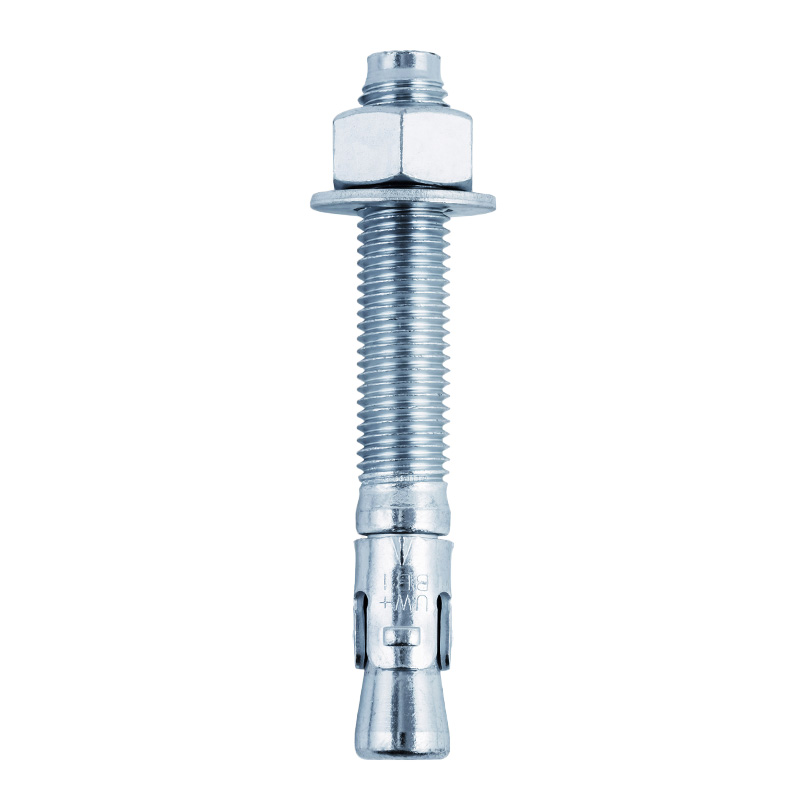
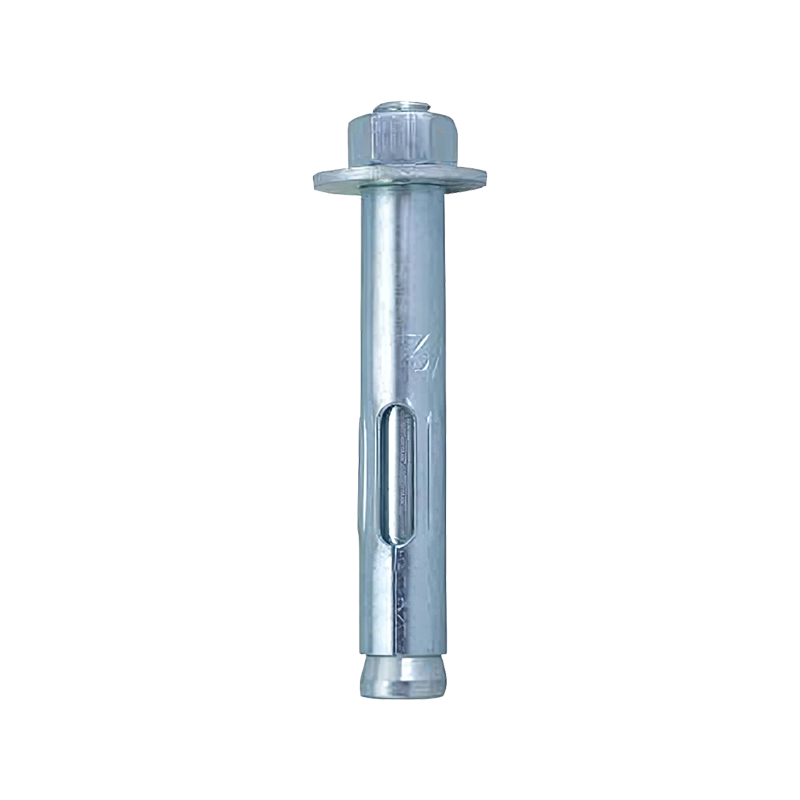
For standard inch-system construction work, the Ultra Wedge Anchor series is a general-purpose choice for structural steel framing, column base plates, and machinery mounting. Its expansion clip sets quickly as the nut is tightened, which simplifies installation in production environments.
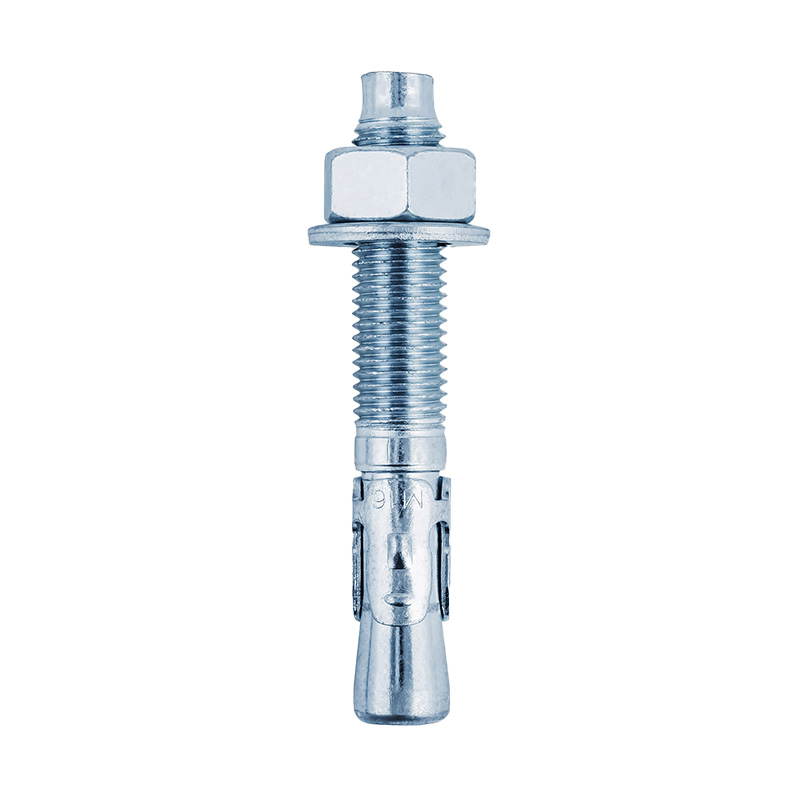
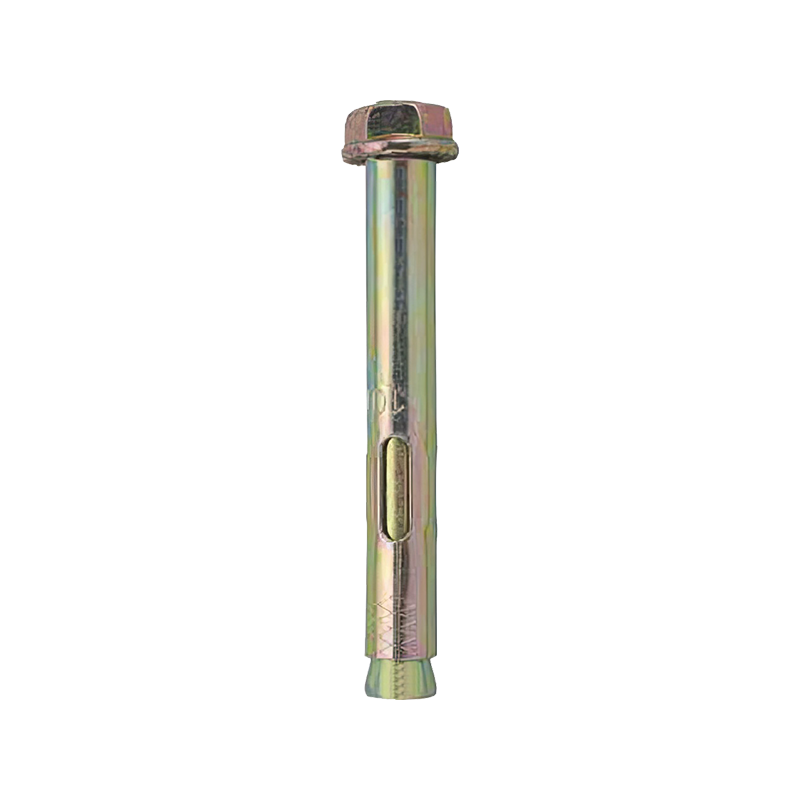
Metric projects, including equipment imported from metric-standard markets, are better served by a metric-specification anchor. The Metric Wedge Anchor series is produced with metric thread dimensions and corresponding metric hole specifications.
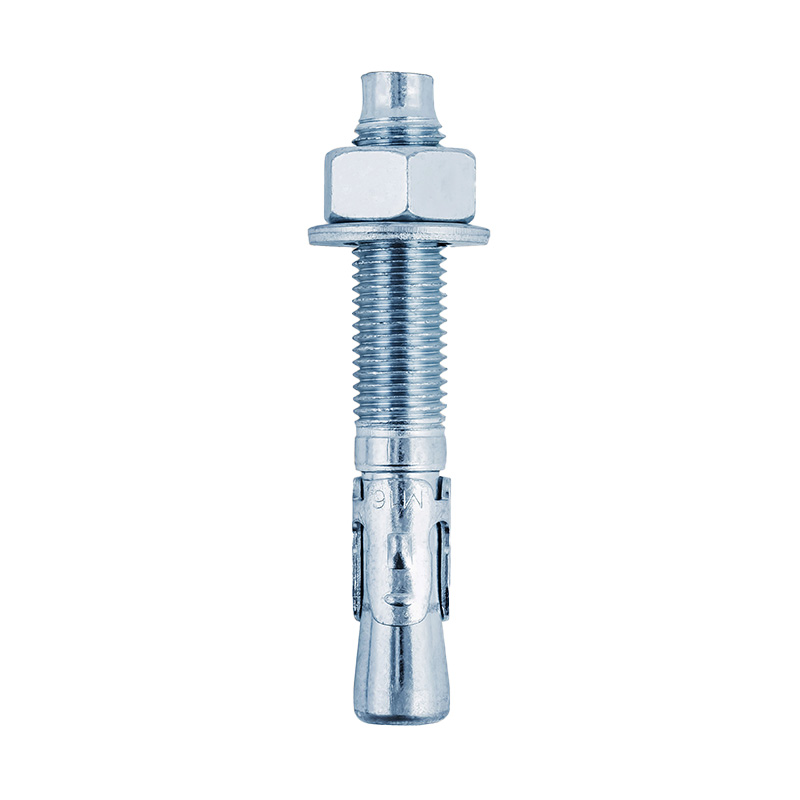 Metric Wedge Anchor for High-Strength FasteningThis metric-specification anchor uses ISO 68-1 threads and high-strength alloy steel, making it suitable for projects that require precise metric hole and thread compatibility.View Product →
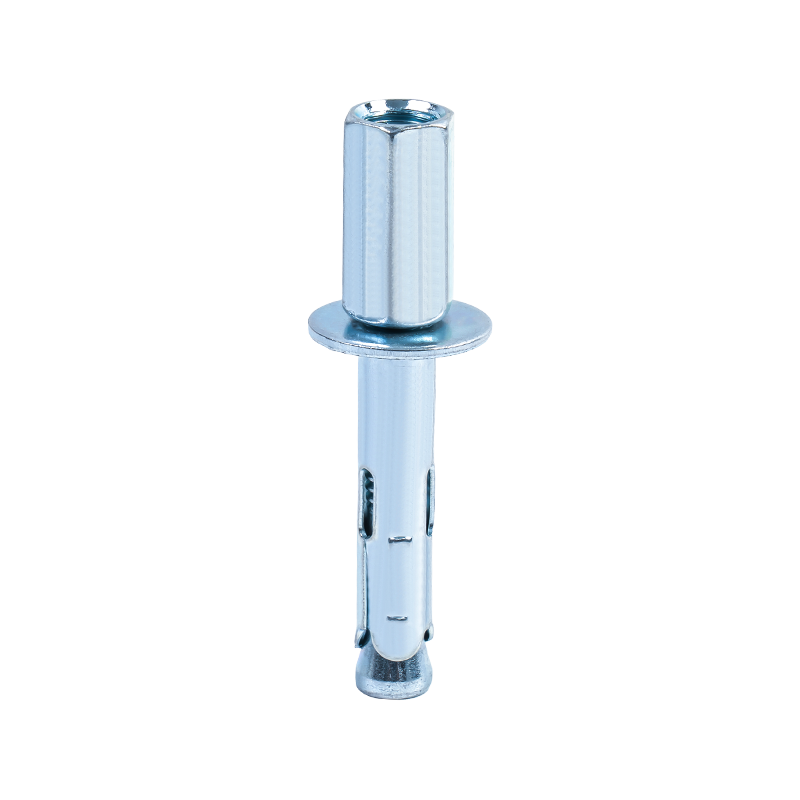
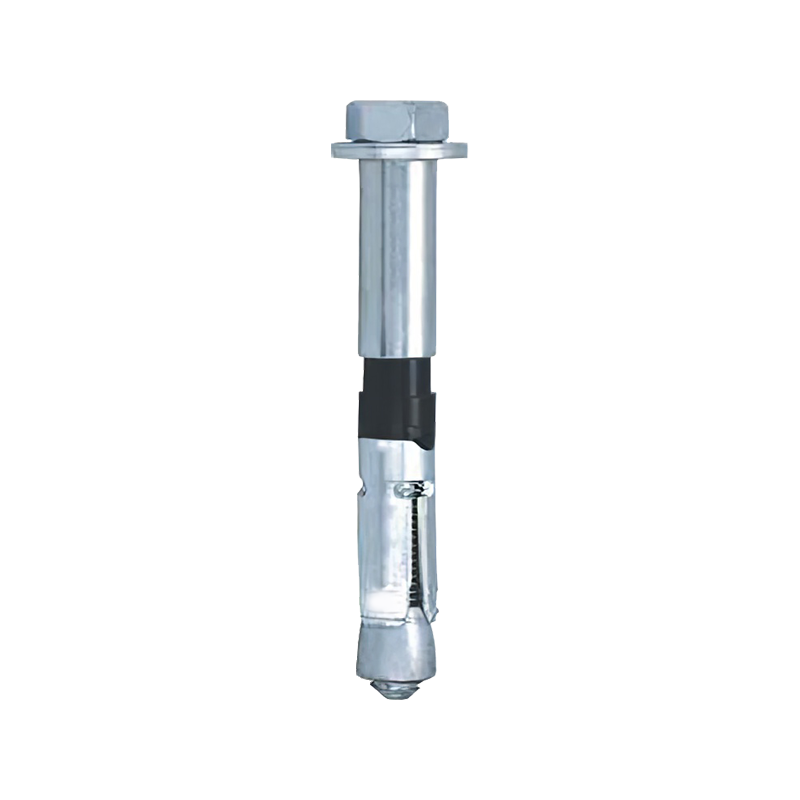
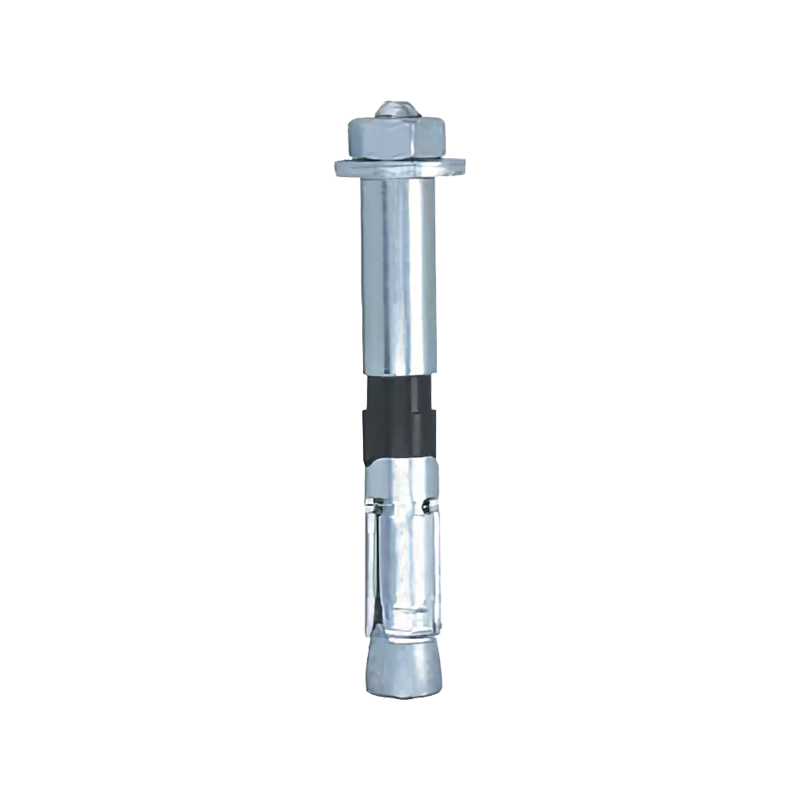
Where heavy static loads must be distributed across a larger bearing surface, the Bolt Heavy Duty Shield Anchor provides a different expansion mechanism, with a shielded design that spreads contact over a longer segment of the hole. It can support connections that experience sustained load rather than short-term pull.
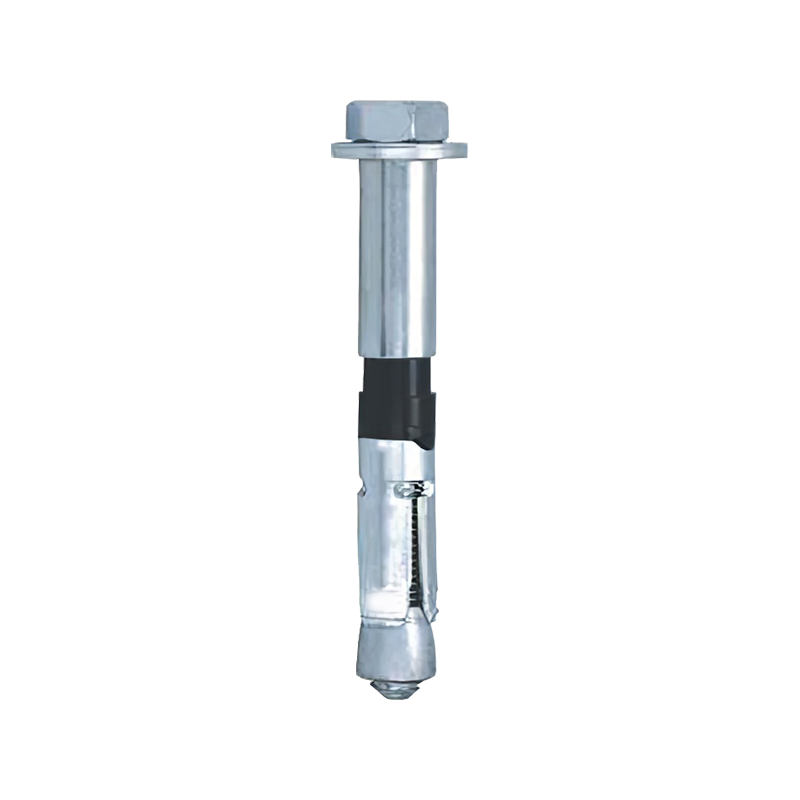 Bolt Heavy Duty Shield Anchor for Pass-Through InstallationThis shield anchor allows installation through pre-existing holes without repositioning heavy fixtures, saving time and reducing positioning errors in structural and equipment mounting.View Product →
Before finalizing any product, check the recommended anchor size against the base plate thickness, the clearance hole diameter, and the required embedment. For a broader view of where wedge anchors and related fasteners are used, the company's anchor application scenarios cover common details in steel structures, infrastructure, and industrial facilities.
FAQ
How much weight can a 3/8-inch wedge anchor hold?
A 3/8-inch wedge anchor embedded at least 1-5/8 inches into 3,000 psi concrete typically carries about 1,260 pounds of allowable tension and 1,175 pounds of allowable shear. The actual value changes with concrete strength, edge conditions, and installation quality.
What does the 4:1 safety factor mean in wedge anchor load tables?
It means the published allowable load is one quarter of the tested ultimate load. An anchor with an ultimate tension capacity of 8,440 pounds is therefore listed with an allowable tension capacity of about 2,110 pounds. The safety factor is intended to compensate for installation variability and material differences.
Can wedge anchors be used in brick, block, or hollow concrete?
Wedge anchors are designed for solid concrete only. The expansion mechanism generates radial pressure; in brick, masonry, or hollow block that pressure can crack the base material and the anchor will not hold its rated load. For those substrates, use fasteners specifically designed for masonry construction.
Does drilling dust really affect how much weight a wedge anchor can hold?
Yes. Dust left in the hole reduces friction between the expansion clip and the concrete wall. Tests have shown capacity losses of more than 20 percent in dirty holes compared with properly cleaned holes. Use a brush and compressed air or vacuum before inserting the anchor.
How can I increase the load capacity of a wedge anchor connection?
Increase the anchor diameter or embedment depth, use higher strength concrete, maintain at least the recommended spacing and edge distance, and install the anchors in a clean, properly drilled hole. Increasing the number of anchors is the most direct method, but only if spacing limits are respected.


Contact Us