
 English
 中文简体
中文简体 русский
 Español
Why Single Expansion Anchors Are Prone to Displacement Under High Shear Load
2026-01-19In construction engineering and equipment installation, the Single Expansion Anchor is widely utilized due to its simple structure and installation efficiency. However, when subjected to high Shear Load or lateral alternating loads, technical personnel frequently observe significant anchor displacement or angular tilting. This displacement phenomenon, if not addressed, often evolves into structural failure.
From the perspective of mechanical structure and interface interaction, the tendency of single expansion anchors to shift under shear forces stems from four primary professional technical factors.
Limitations of Expansion Force Distribution and the Lever Effect
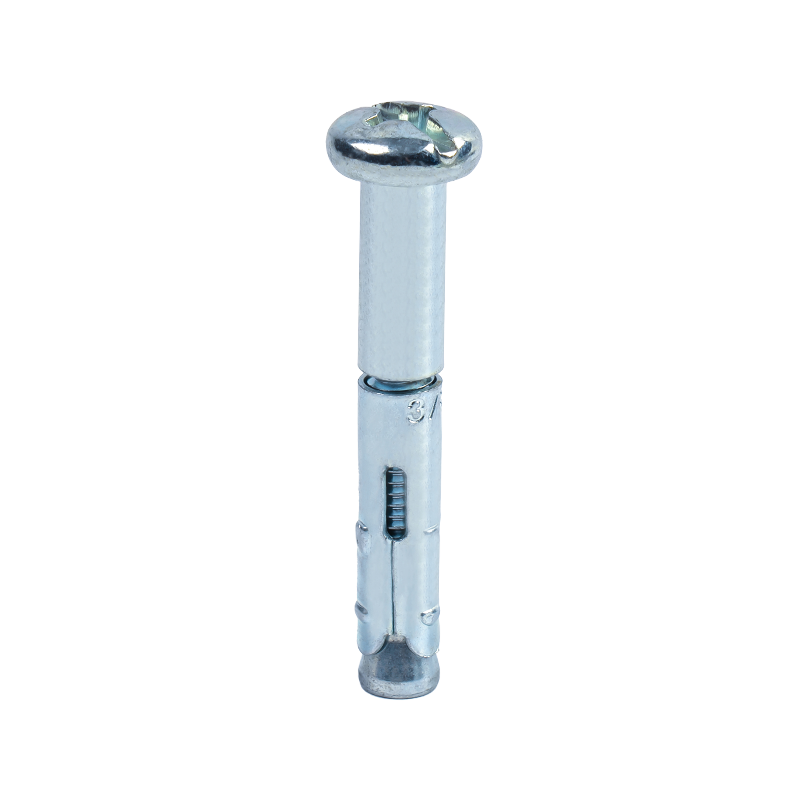
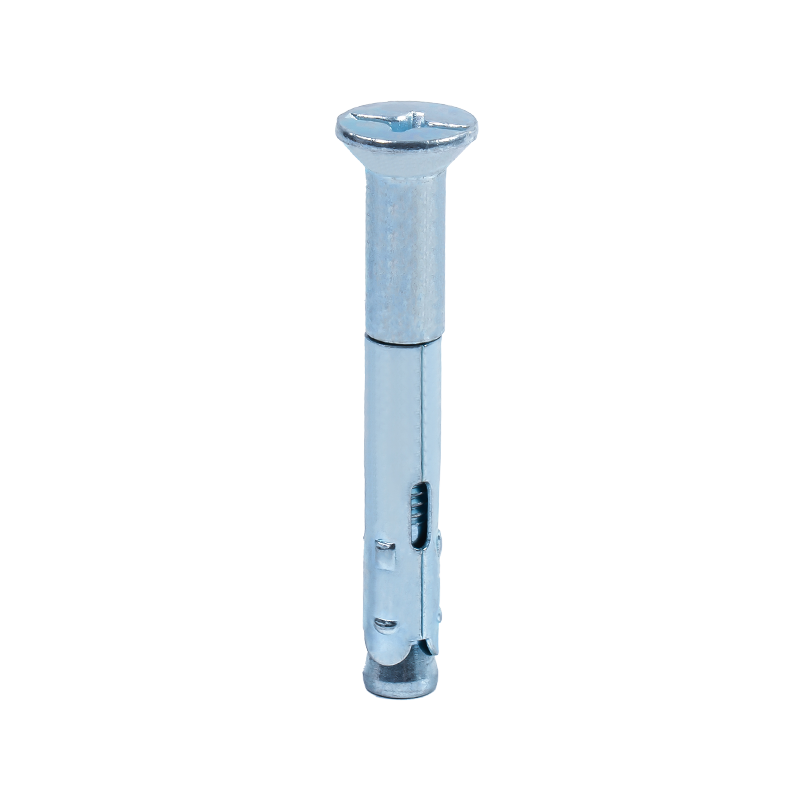
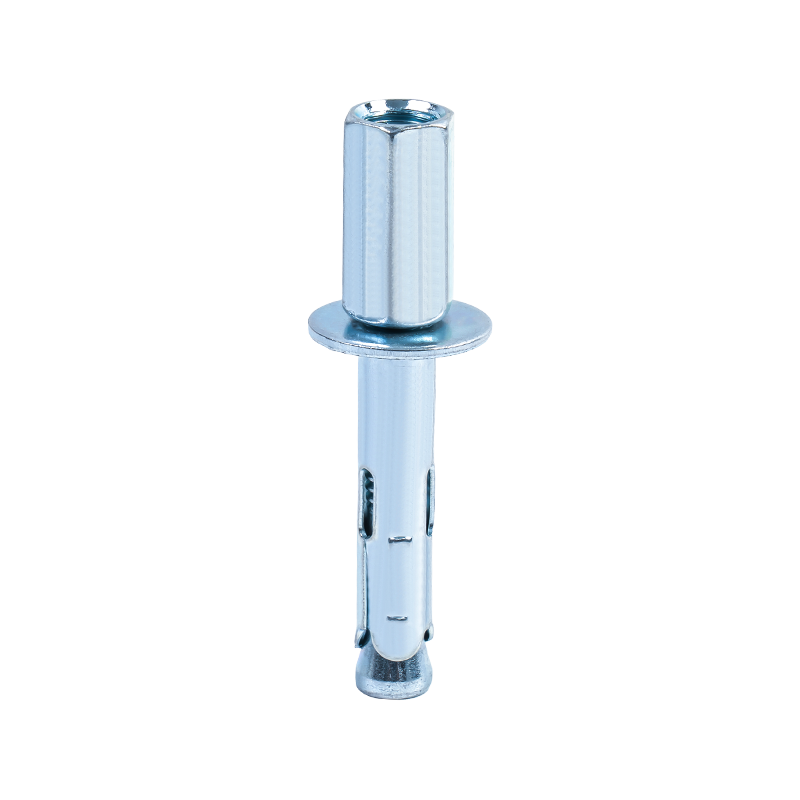
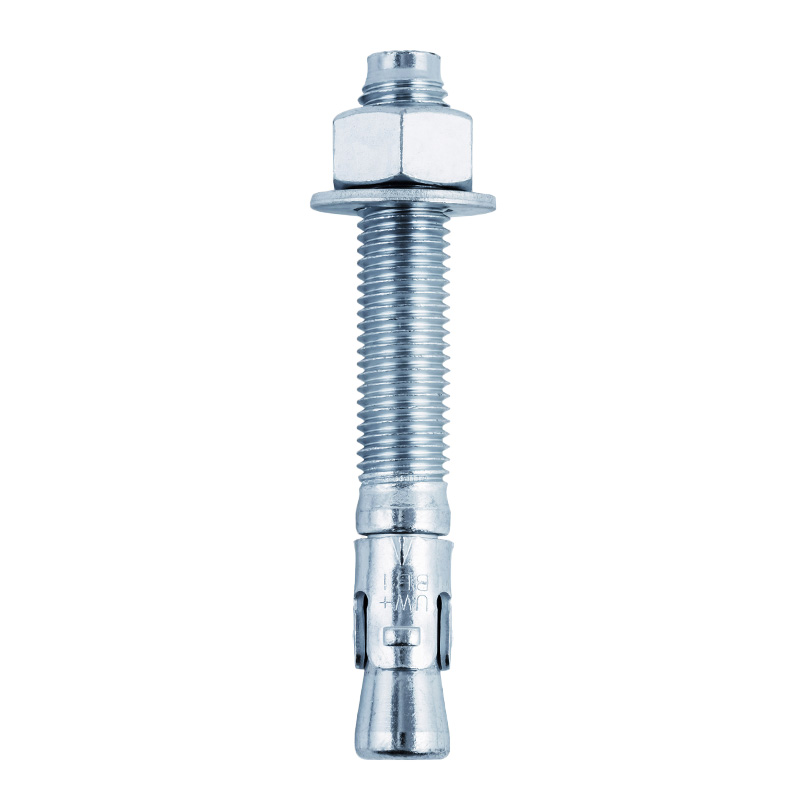
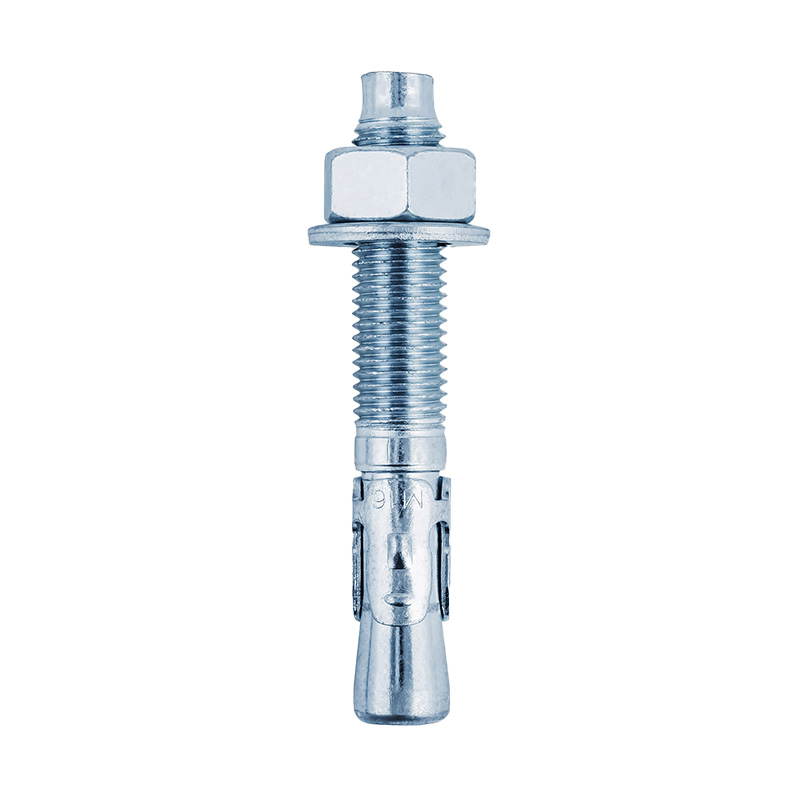
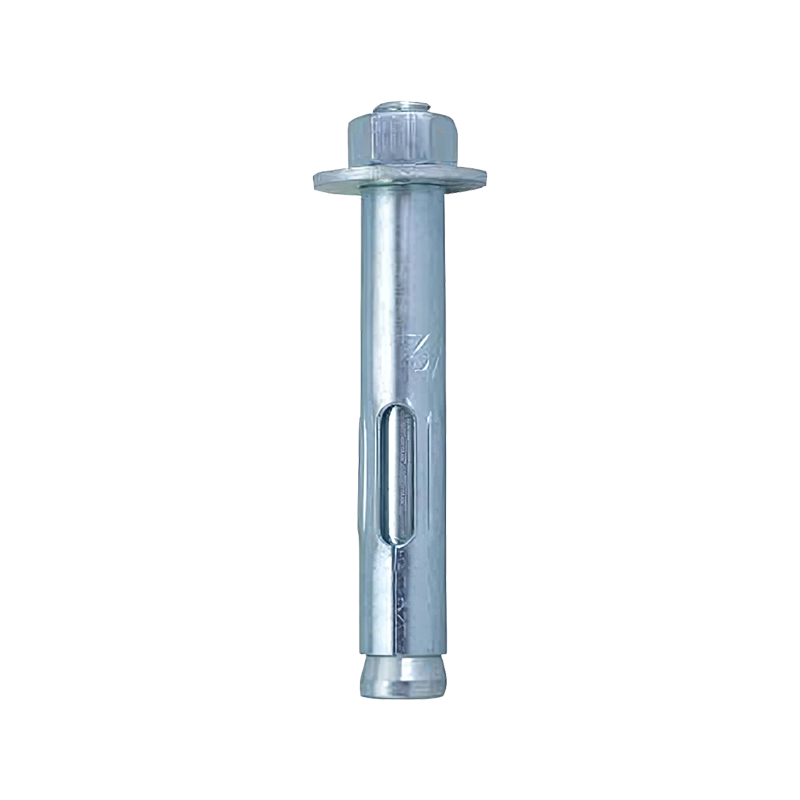
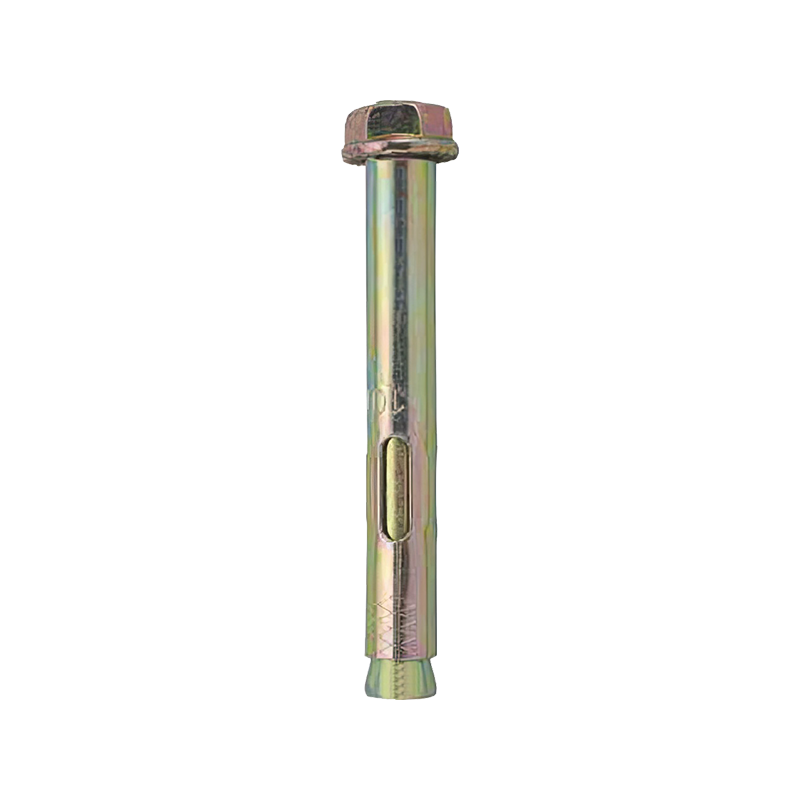
The operational core of a Single Expansion Anchor lies in its single expansion zone at the base. When the anchor is tightened, only the Expander Nut at the bottom forces the sleeve to open, generating localized frictional pressure.
Stress Concentration: The tight contact points between the anchor and the concrete hole wall are primarily concentrated at the deepest part of the anchorage zone.
Fulcrum Effect: When Shear Load is applied to the head of the anchor at the substrate surface, the anchor acts like a lever with the bottom expansion zone as the "fulcrum." Since there is often a slight Annular Gap between the upper part of the anchor and the hole wall, lateral forces drive the anchor to tilt slightly within the hole, leading to the displacement of the surface attachment.
Initial Displacement Caused by the Annular Gap
In practical construction, to ensure the anchor can be successfully inserted, the drilled hole diameter is usually slightly larger than the anchor's outer diameter. For a Single Expansion Anchor, this gap is a direct culprit for displacement.
Hole Mismatch: If the Drill Bit wear results in an irregular hole diameter, or if the chosen diameter is too large, the upper section of the anchor lacks effective radial support to resist horizontal thrust.
Shear Slip: Upon the initial loading of shear force, the anchor must first bridge this gap before making contact with the hole wall. The existence of this physical gap ensures that the single expansion anchor undergoes irreversible initial displacement even before reaching its design load.
Local Crushing of Concrete Substrate and Stress Relaxation
Under high-intensity shear forces, the anchor exerts massive lateral compressive pressure against the concrete hole wall.
Surface Spalling Risk: Because the Single Expansion Anchor lacks expansion support in its upper portion, shear forces are transmitted directly through the bolt to the edge of the concrete hole. If the Edge Distance is insufficient, the concrete at the hole mouth is highly susceptible to microscopic Spalling.
Stress Relaxation: Concrete is a brittle material. Under sustained lateral high pressure, local stress relaxation occurs. Over time, the confinement force of the hole wall on the sleeve decreases, causing the once-tight anchor to loosen within the hole, eventually manifesting as visible displacement.
Lack of Full-Length Friction Constraint
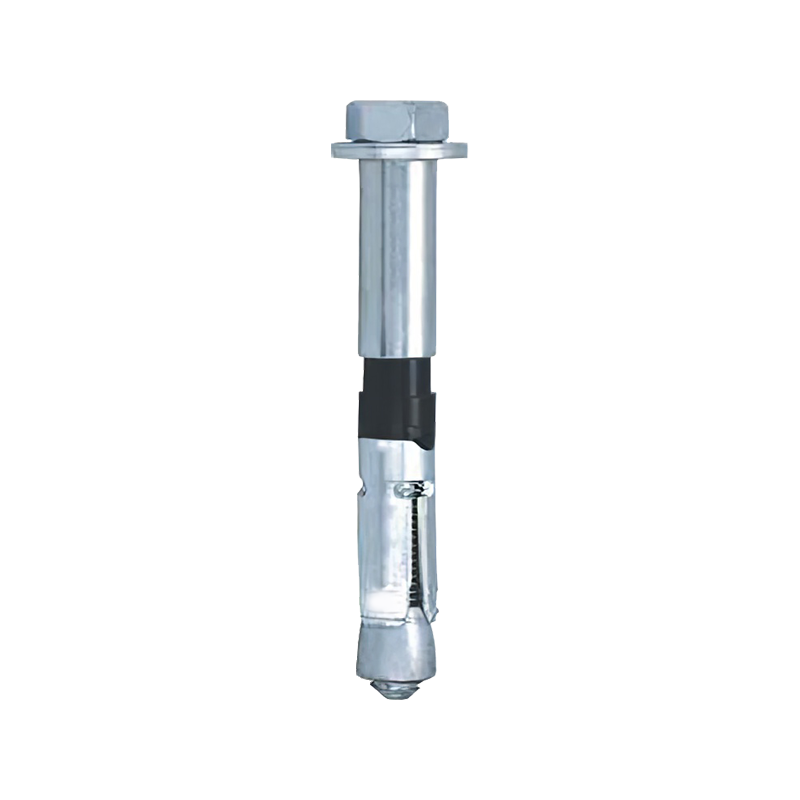
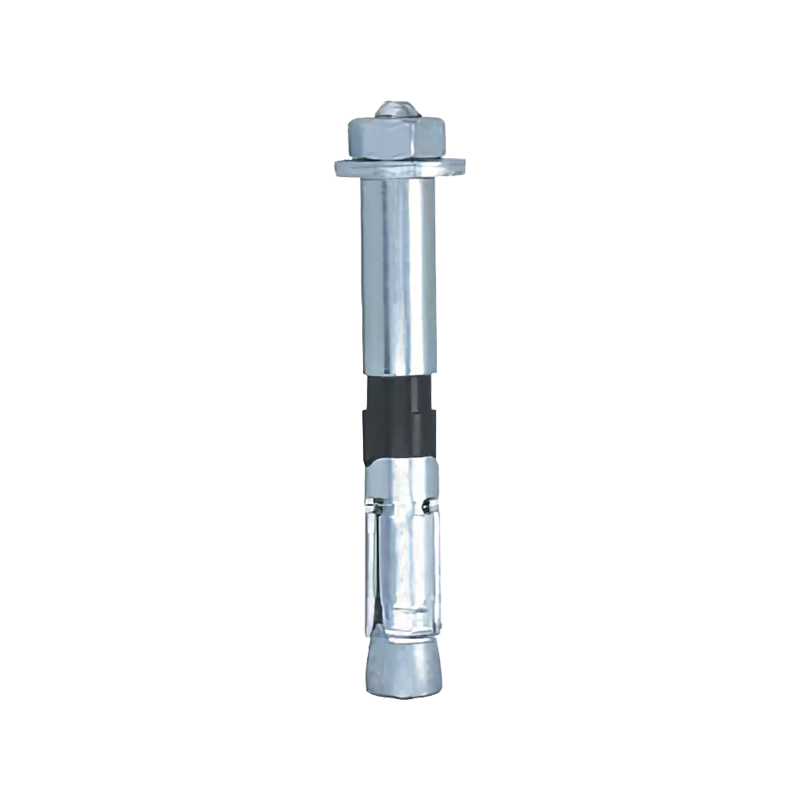
Compared to a Double Expansion Anchor or an Undercut Anchor, the single expansion anchor lacks uniform frictional constraint along the entire length of the sleeve.
Loss of Anchoring Rigidity: Since expansion only occurs at the bottom, the middle and upper segments of the anchor are in a "floating" state. Under alternating shear loads (such as wind loads or equipment vibration), this structure cannot counteract shear stress through a full contact surface like full-length expansion anchors do.
Force Couple Balance Failure: The torque generated by shear force needs to be balanced by the constraint along the full length of the anchor. The limited stress distribution area of the single expansion anchor restricts its ability to resist force couples, thereby triggering tilting.
[Image comparing stress distribution of single expansion anchor versus double expansion anchor under lateral load]
Technical Recommendations for Engineering Specifications
To reduce the risk of displacement in high shear applications, the following technical countermeasures are recommended:
Selection of Anchor Type: In scenarios dominated by shear force, prioritize the Double Expansion Anchor to obtain full-length support within the hole.
Strict Control of Hole Diameter: Use carbide-tipped drill bits that meet tolerance standards to ensure the hole walls are smooth and the diameter is precise.
Increase Pre-load: Tighten the anchor according to the standard torque to increase the clamping force at the anchor head, providing additional frictional support at the surface level.
Understanding the mechanical deficiencies of the Single Expansion Anchor allows for the effective mitigation of quality risks in reinforcement projects, ensuring system stability in Heavy Duty application scenarios.


Contact Us