
 English
 中文简体
中文简体 русский
 Español
Single Expansion Anchor vs. Double Expansion Anchor: Professional Technical Comparison and Selection Guide
2026-01-12In the field of construction fastening and industrial anchoring, selecting the correct mechanical fastener is critical to ensuring structural safety and engineering longevity. While both Single Expansion Anchor and Double Expansion Anchor belong to the category of post-installed mechanical anchors, they differ fundamentally in their load-bearing mechanisms, base material adaptability, and stress distribution patterns.
Structural Characteristics and Working Principle of Single Expansion Anchor
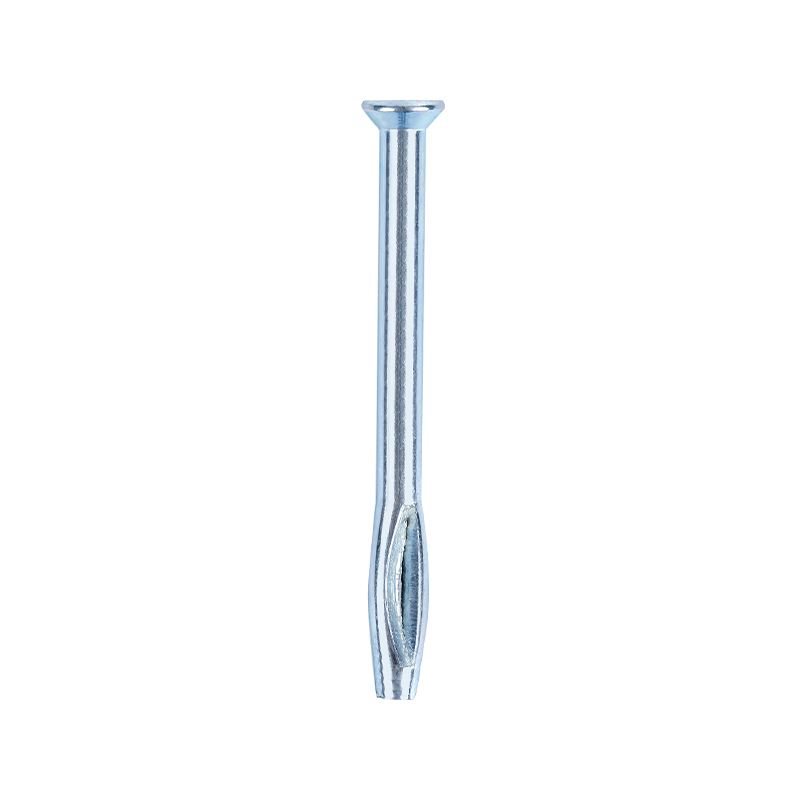
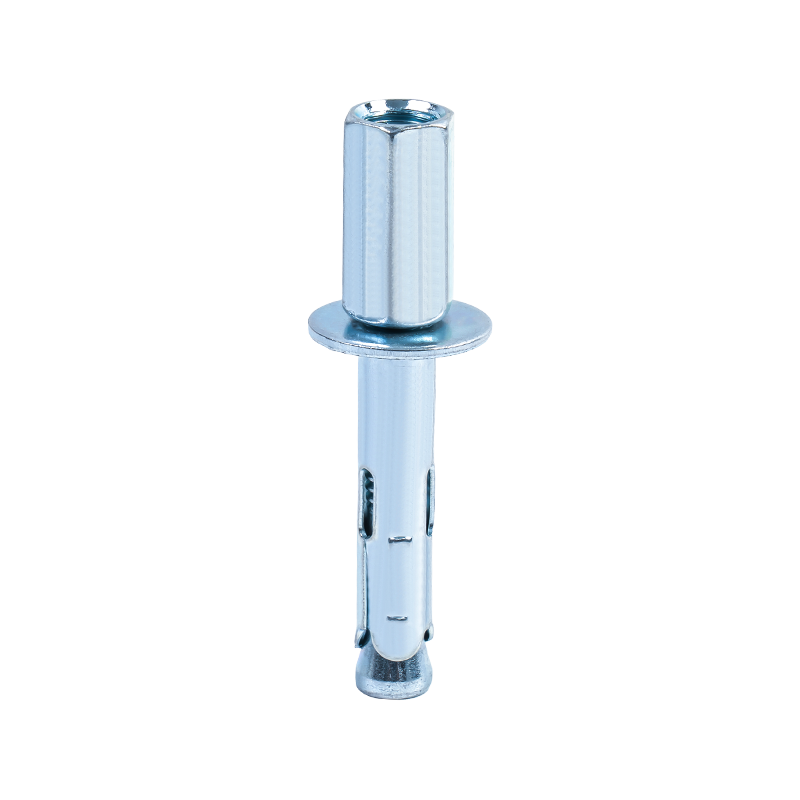
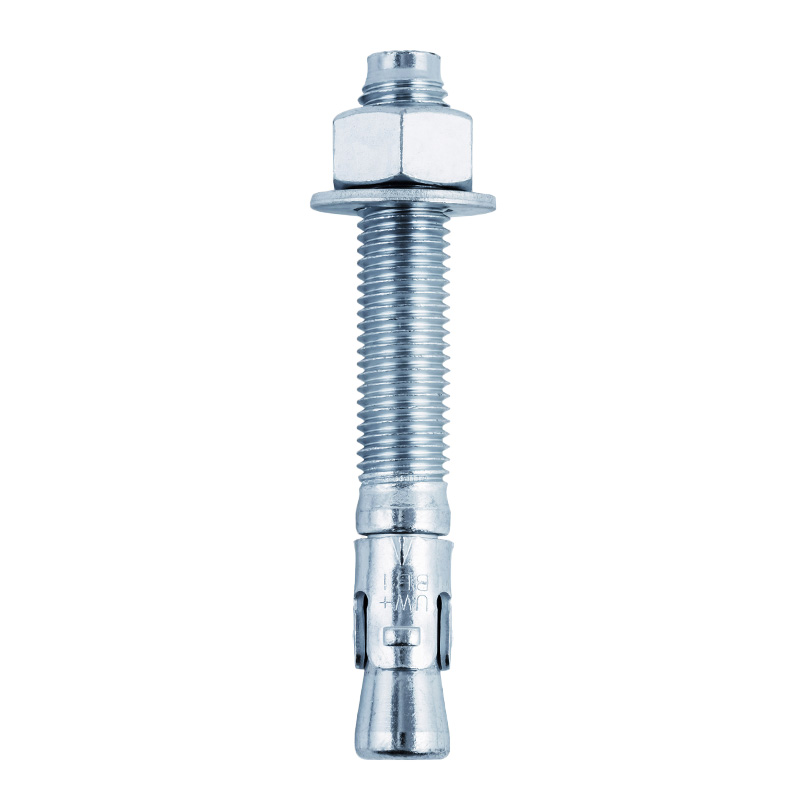
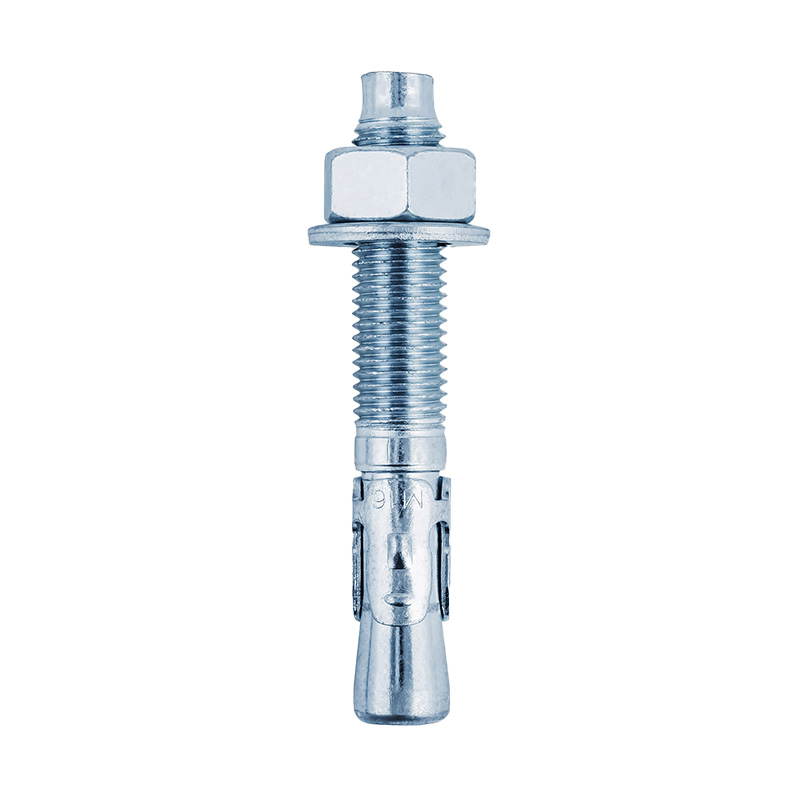
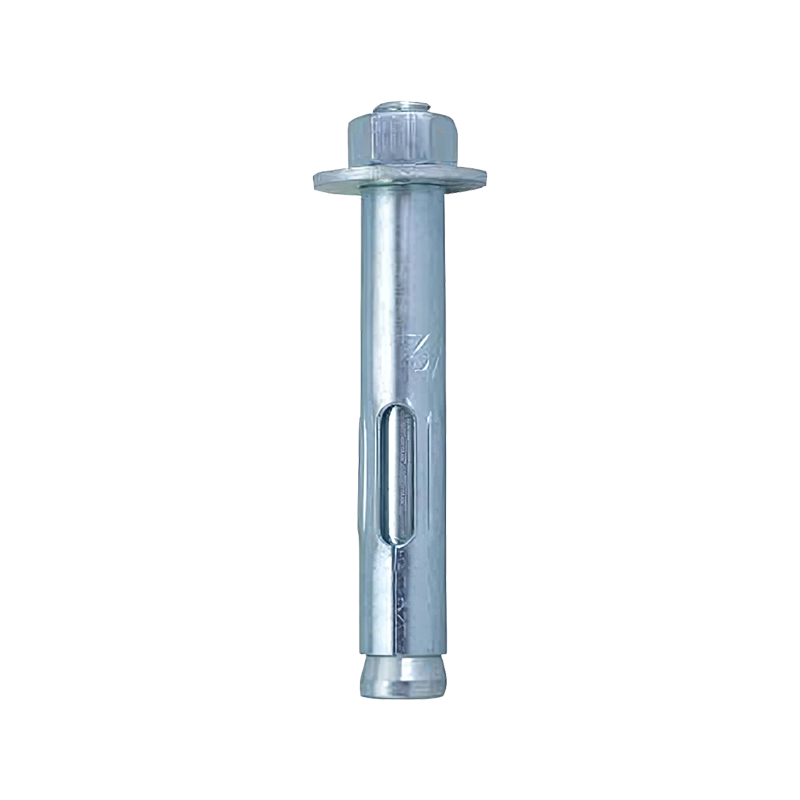
A Single Expansion Anchor typically consists of two main components: a metal expansion sleeve and a cone-shaped Expander Nut located at the bottom. The design is engineered for high-strength environments where deep-seated grip is required.
When the matching bolt enters the internal threads of the anchor and is tightened, the internal cone is drawn upward into the sleeve. This action forces the bottom portion of the sleeve to expand radially, creating immense frictional pressure against the walls of the drilled hole in the concrete.
Point of Load Concentration: The expansion stress is primarily concentrated at the very base of the anchor. This creates a powerful "wedging" effect at the deepest point of the Embedment Depth.
Suitable Base Materials: Due to this high concentration of expansion force, it is best suited for hard, dense base materials such as high-strength Concrete or hard natural stone.
Technical Advantage: The installation process is relatively straightforward, and because the expansion occurs at the furthest point of the anchoring depth, its Pull-out Value in high-quality concrete is exceptional.
Dual Expansion Mechanism of Double Expansion Anchor
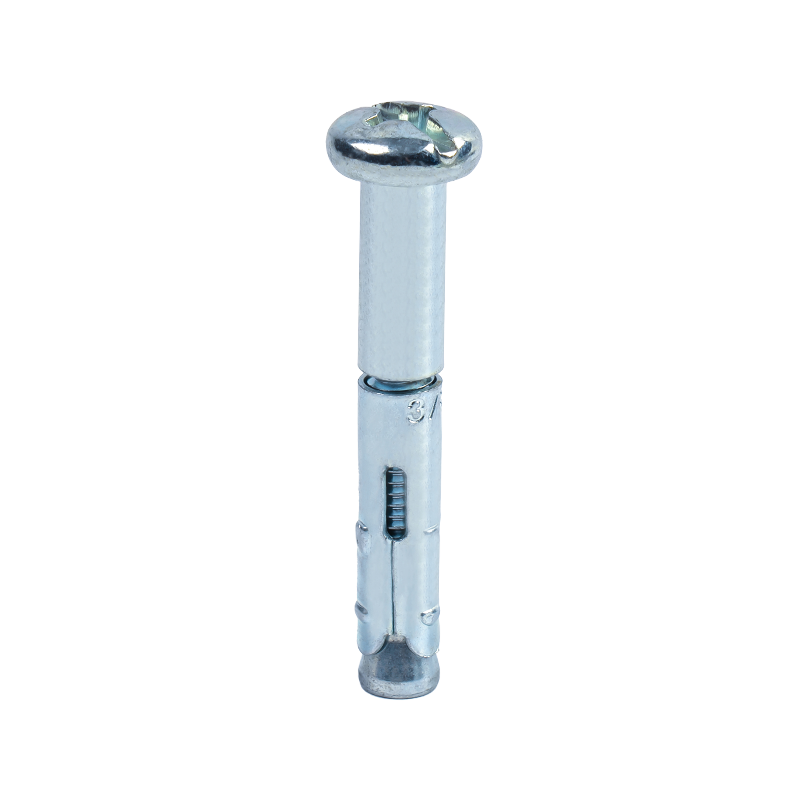
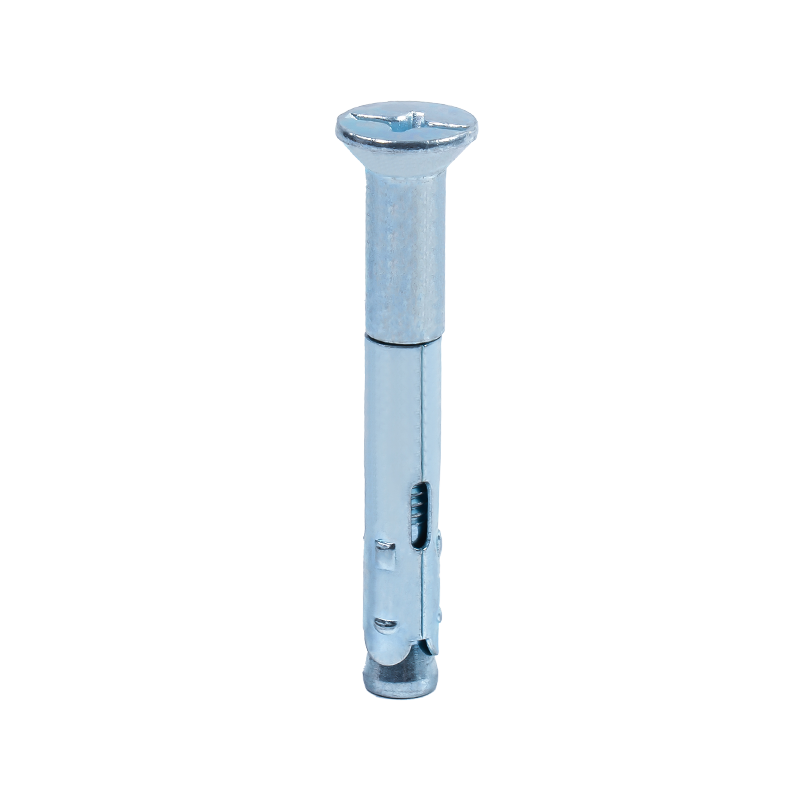
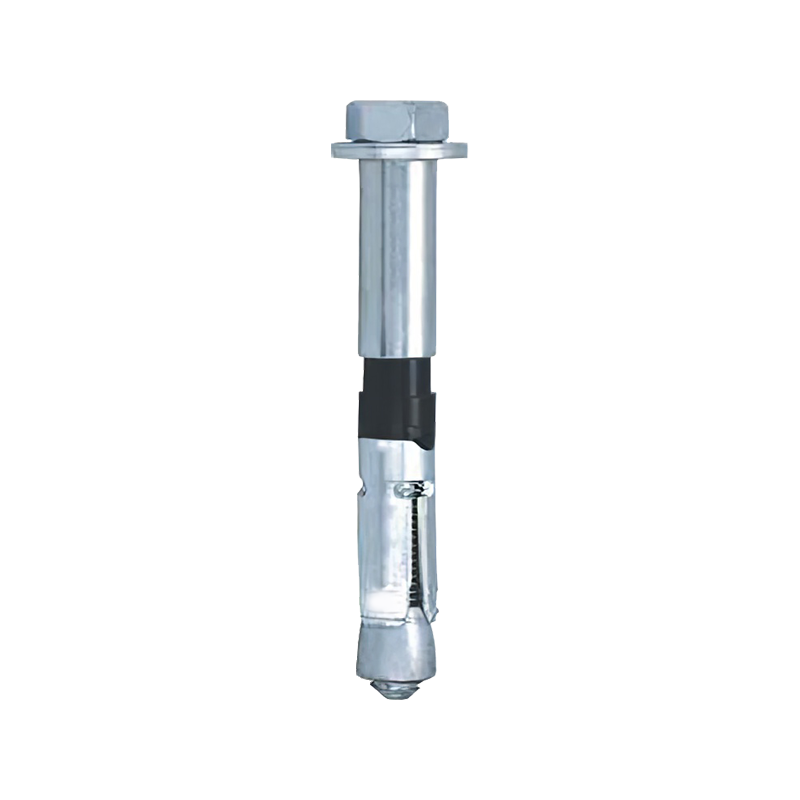
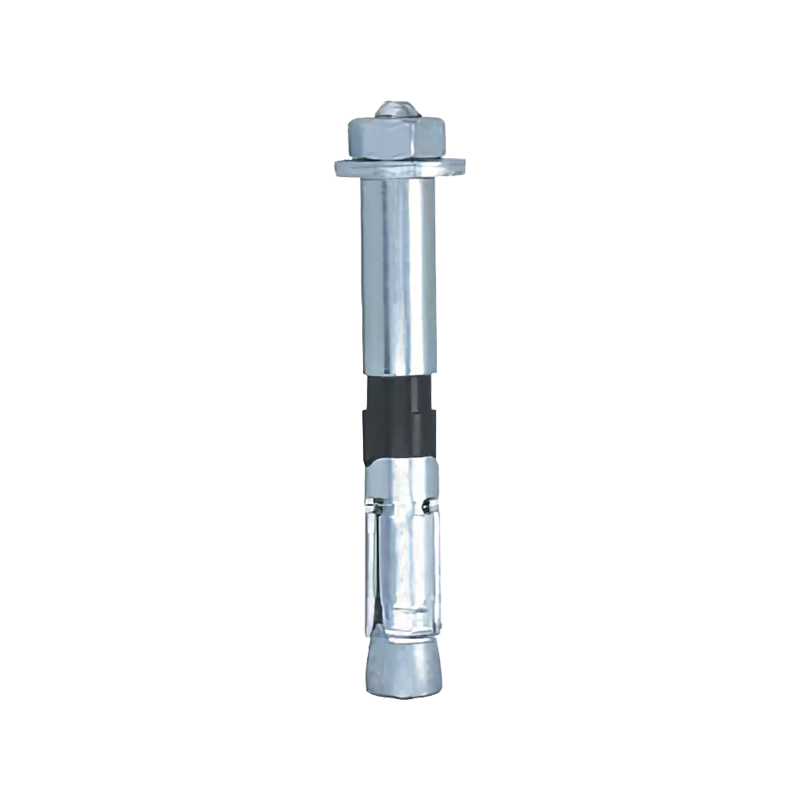
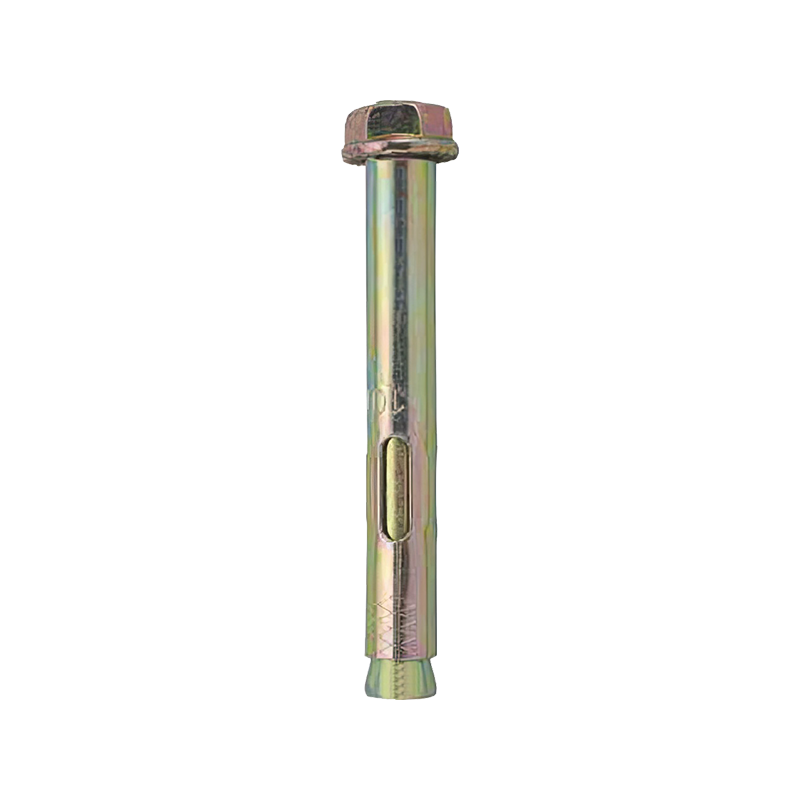
The Double Expansion Anchor was originally designed to address the challenges of inconsistent base material strength or softer substrates. Its architecture includes a two-piece expansion longitudinal sleeve, a bottom Conical Nut, and an upper Conical Wedge, often held together by spring steel rings.
During the installation process, as the bolt is tightened, the top wedge is pressed downward while the bottom nut is pulled upward. This "dual-directional" compression forces the entire length of the sleeve to expand uniformly against the hole surface.
Load Distribution: Pressure is no longer concentrated at a single point but is distributed evenly across the entire contact surface of the Drilled Hole.
Suitable Base Materials: This characteristic makes it the ideal choice for medium-hardness or questionable base materials, such as Brick, hollow block, or aged/soft concrete where high localized stress might cause material failure.
Performance Focus: It significantly reduces the risk of Fracture or spalling in the base material, especially in applications involving Shear Load or lateral pressure.
Core Performance Parameter Comparison
| Performance Dimension | Single Expansion Anchor | Double Expansion Anchor |
| Expansion Point | Bottom Only (Single point) | Entire Length (Dual point) |
| Base Material | Hard Concrete, Solid Stone | Brick, Block, Soft/Old Concrete |
| Load Type | Primary Static Tension | Vibration Load, Lateral Pressure |
| Stress Distribution | High Stress Concentration | Uniform Distribution |
| Removability | Difficult to remove without damage | Sleeve can often be retracted |
Technical Considerations for Engineering Specifications
When designing anchoring solutions, it is essential to reference industry standards such as ASTM E488 or local Concrete Capacity Design (CCD) methods. Several variables impact the final Load Capacity of the system.
Vibration and Impact: If the equipment being secured generates continuous vibration, the full-contact friction provided by the Double Expansion Anchor offers superior resistance against loosening compared to single-point expansion.
Edge Distance: Because the Single Expansion Anchor creates high stress at its base, it is susceptible to causing Edge Failure. Engineers must strictly adhere to minimum edge distance requirements to prevent the concrete from bursting outward.
Hole Diameter Precision: For both types, the Drill Bit diameter must match the anchor's outer diameter precisely. An oversized hole leads to insufficient expansion resistance, resulting in immediate Anchor Failure under load.
Corrosion Resistance: Depending on the environment, these anchors are available in Zinc Plated carbon steel or Stainless Steel. In coastal or chemical processing environments, material selection is as important as the mechanical expansion type to prevent Stress Corrosion Cracking.


Contact Us