
 English
 中文简体
中文简体 русский
 Español
Impact of Metal Fatigue on Single Expansion Anchor Reliability in High-Temperature Environments
2026-01-26In industrial construction, power facilities, and infrastructure surrounding high-temperature kilns, the Single Expansion Anchor is widely utilized due to its structural simplicity and installation efficiency. However, prolonged exposure to high-temperature environments—typically defined as sustained temperatures exceeding 80°C or exposure to severe thermal cycling—poses significant challenges to the long-term safety of mechanical anchoring systems.
Coupling Mechanism of Metal Fatigue and Creep
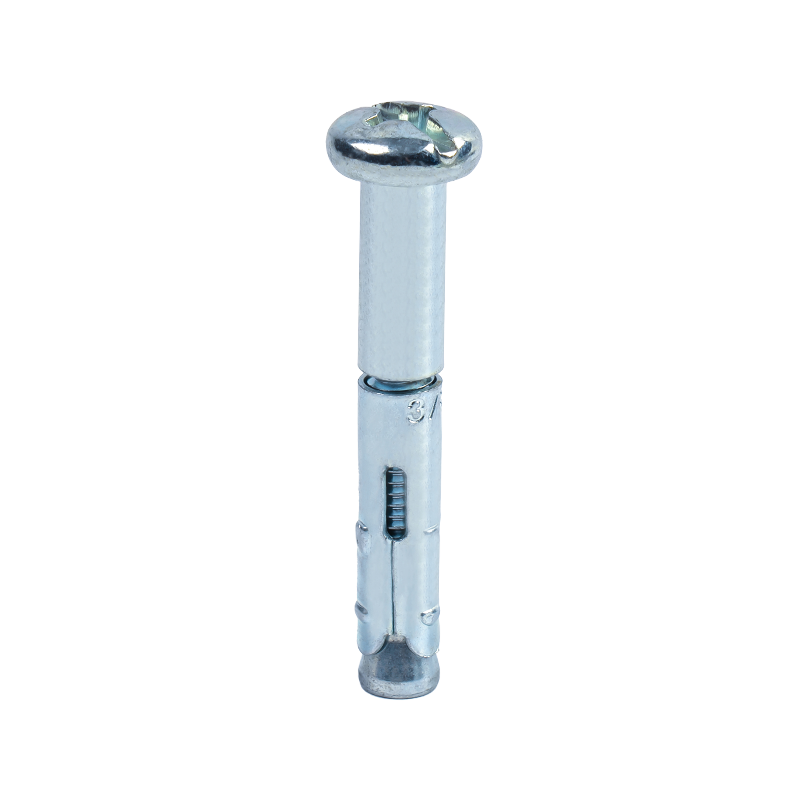
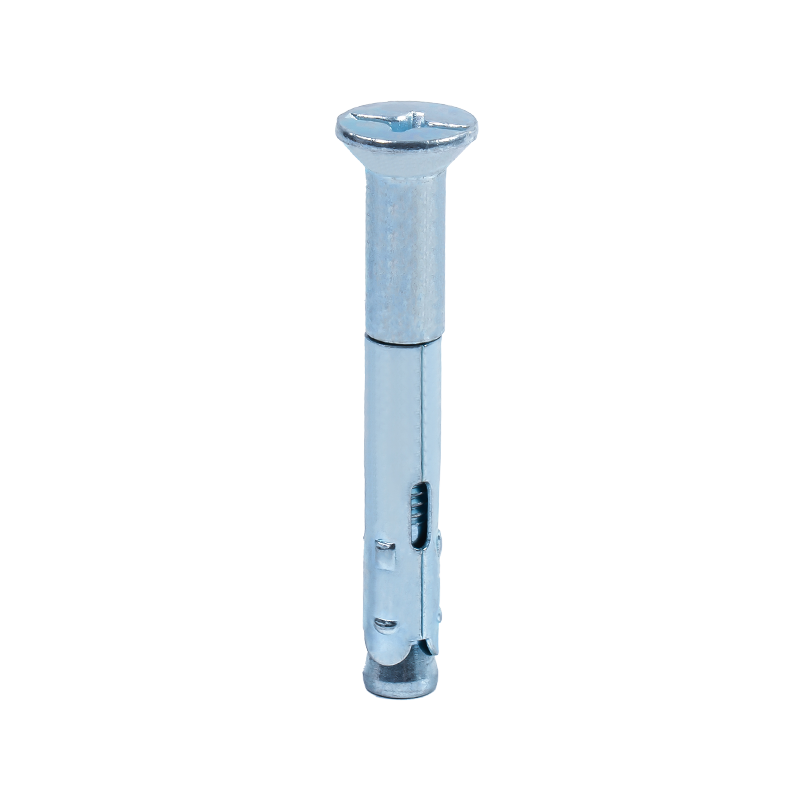
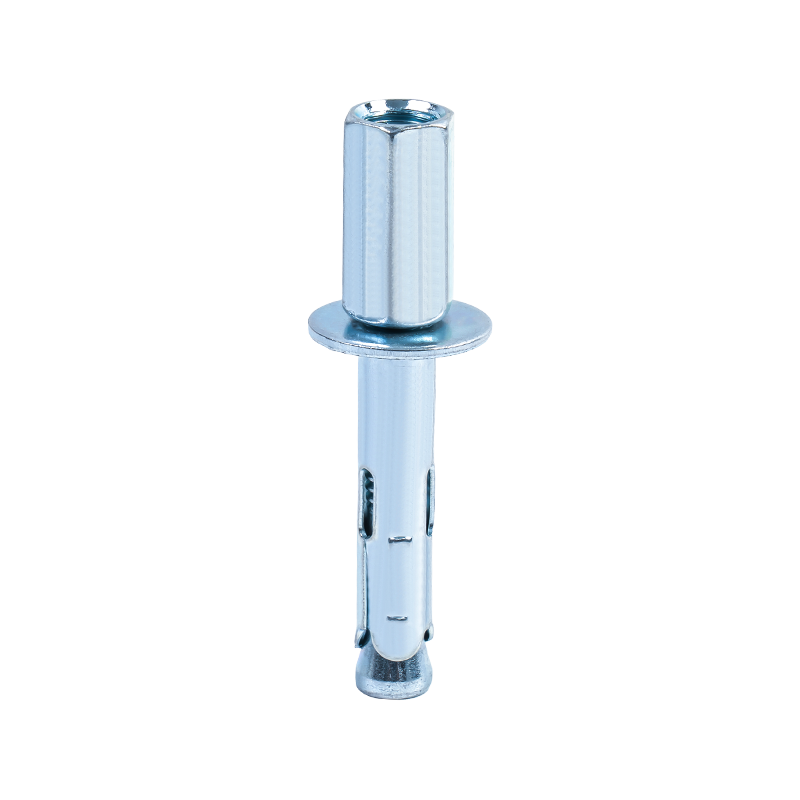
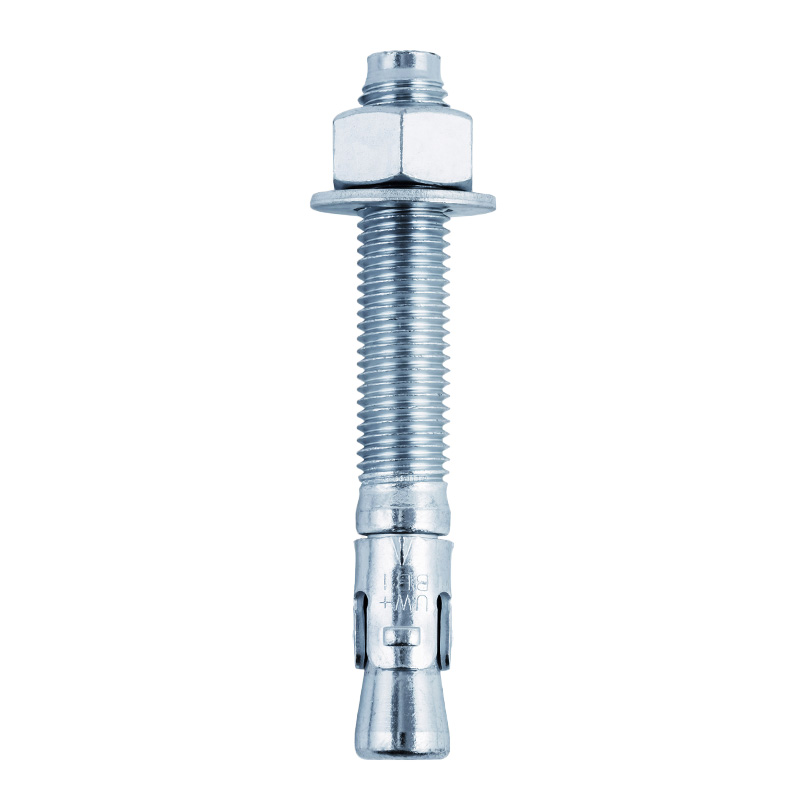
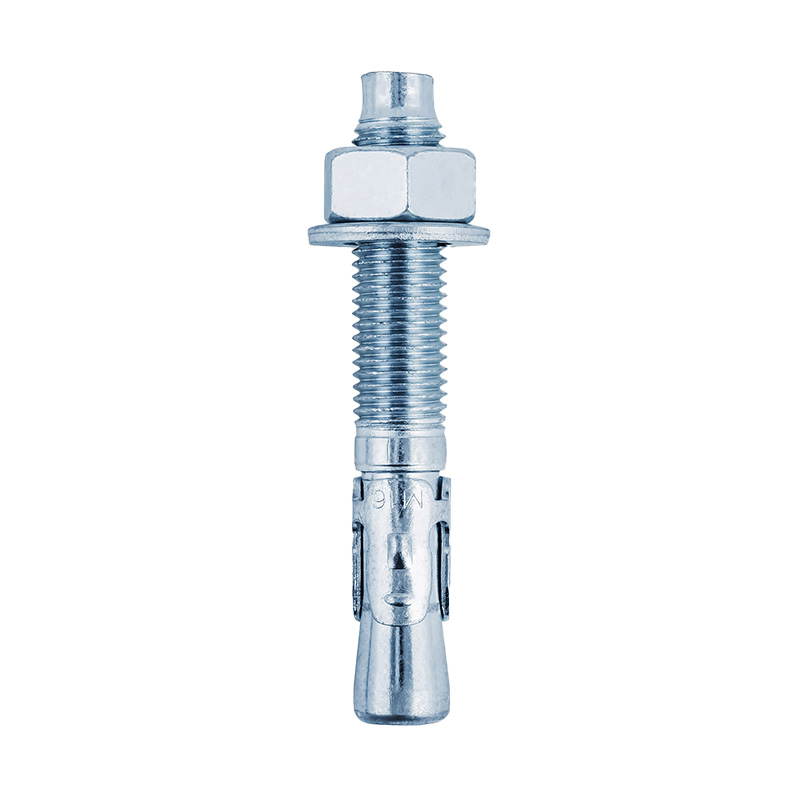
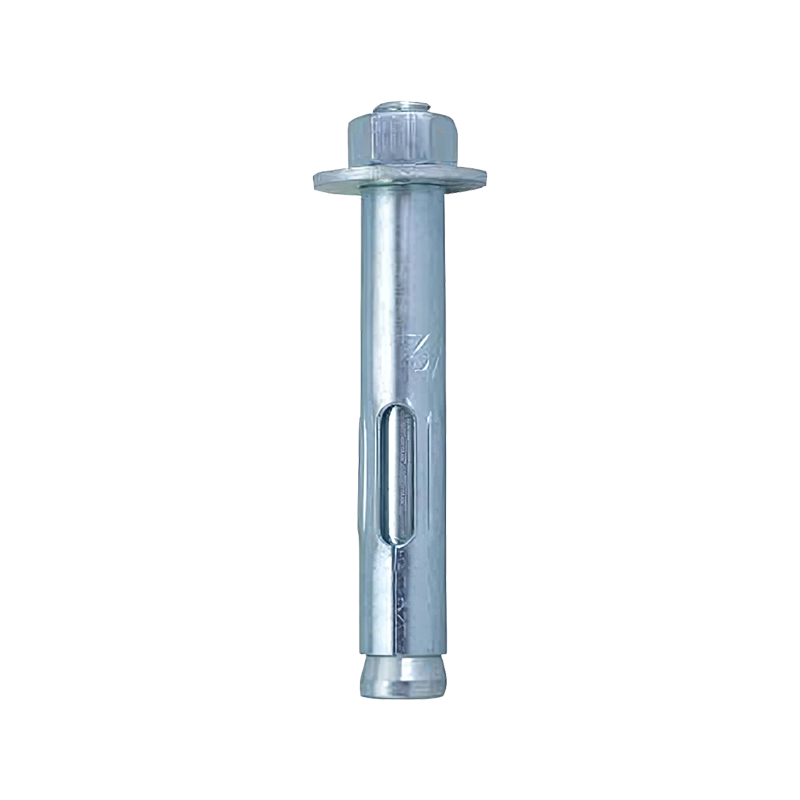
Under ambient conditions, a Single Expansion Anchor relies on the friction generated between the Expansion Sleeve and the substrate (typically concrete) borehole wall to provide anchoring force. In long-term high-temperature environments, the physical properties of metallic materials undergo substantial changes. The primary threat is not a simple instantaneous fracture, but rather the loss of preload caused by the coupling of Creep and Metal Fatigue.
As environmental temperatures rise, the metal sleeve undergoes thermal expansion. Because the thermal expansion coefficient of concrete substrates does not perfectly align with that of steel, this uneven expansion generates additional internal stress within the anchor. During prolonged thermal fluctuations, the microstructure of the sleeve metal changes, leading to a reduction in yield strength. Even if the load remains below design limits, continuous thermal stress cycles induce the initiation and propagation of microscopic cracks, a phenomenon known as thermal fatigue.
Stress Relaxation and Loss of Anchorage Force
The performance of a Single Expansion Anchor is highly dependent on the radial Expansion Force exerted by the sleeve against the borehole wall. At elevated temperatures, steel exhibits significant Stress Relaxation.
Elastic Modulus Degradation: As temperature increases, the elastic modulus of the steel decreases, weakening the sleeve's ability to maintain its original expanded state.
Radial Pressure Loss: The sleeve, which originally pressed tightly against the borehole wall, gradually loses its elastic recovery force due to plastic deformation at high temperatures. Once the radial pressure drops, the Friction Resistance between the anchor and the concrete diminishes accordingly.
Increased Slip Risk: Under Tensile Load, anchors that have lost their preload are highly susceptible to displacement, leading to potential instability of the entire attached structure.
Synergistic Degradation of Concrete Substrates
A technical analysis of Single Expansion Anchor metal fatigue must consider the substrate interaction. Long-term high temperatures cause dehydration reactions in concrete, leading to embrittlement and powdering of the borehole surface.
When the metal sleeve undergoes infinitesimal deformation due to fatigue, the weakened concrete wall fails to provide an effective counter-support force. This dual softening of the metal-concrete interface shifts the anchor from a "mechanical interlock" state toward a "pure friction" state, eventually resulting in Pull-out Failure at loads far below the rated Characteristic Resistance.
Comparative Impact on Different Material Grades
Material selection determines the maximum service life of a Single Expansion Anchor in high-temperature applications:
Carbon Steel: Highly sensitive to temperature; strength drops sharply above 200°C, and oxidation scaling can thin the sleeve, accelerating fatigue failure.
Stainless Steel (e.g., A4/316): Offers superior heat resistance and oxidation stability, yet Creep strength limits must still be evaluated around 400°C.
Alloy Steel: Specialized alloys designed for extreme temperatures can delay thermal fatigue by utilizing stable carbides to maintain structural integrity.
Prevention and Engineering Monitoring
To mitigate the risk of Single Expansion Anchor failure in high-temperature zones, specific engineering interventions are required:
Reduction Factor Application: During the design phase, the nominal load capacity must be adjusted using a Reduction Factor based on the specific environmental temperature curve.
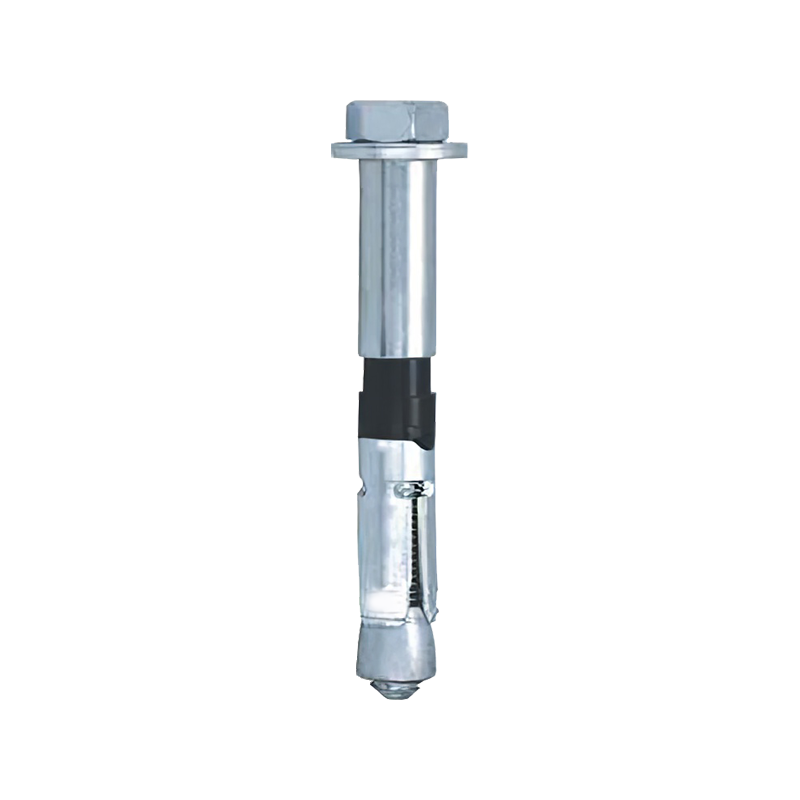
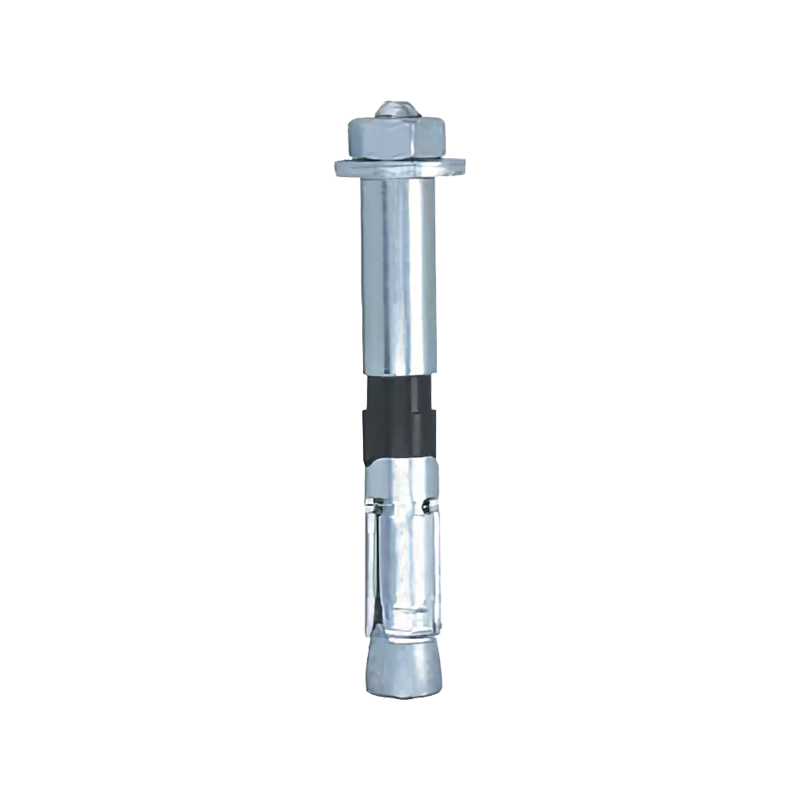
Undercut Anchor Alternatives: For critical lifelines or extreme temperature zones, consider replacing single expansion anchors with an Undercut Anchor, which utilizes a mechanical keying effect to offset the loss of friction caused by material fatigue.
Periodic Torque Verification: Implement inspection protocols using calibrated torque wrenches to monitor for preload loss. However, extreme caution is required to avoid over-torquing brittle, heat-affected metals.


Contact Us