
 English
 中文简体
中文简体 русский
 Español
Why Machine Screw Anchors Outperform Heavy Duty Sleeve Anchors in Hollow Brick and Soft Stone
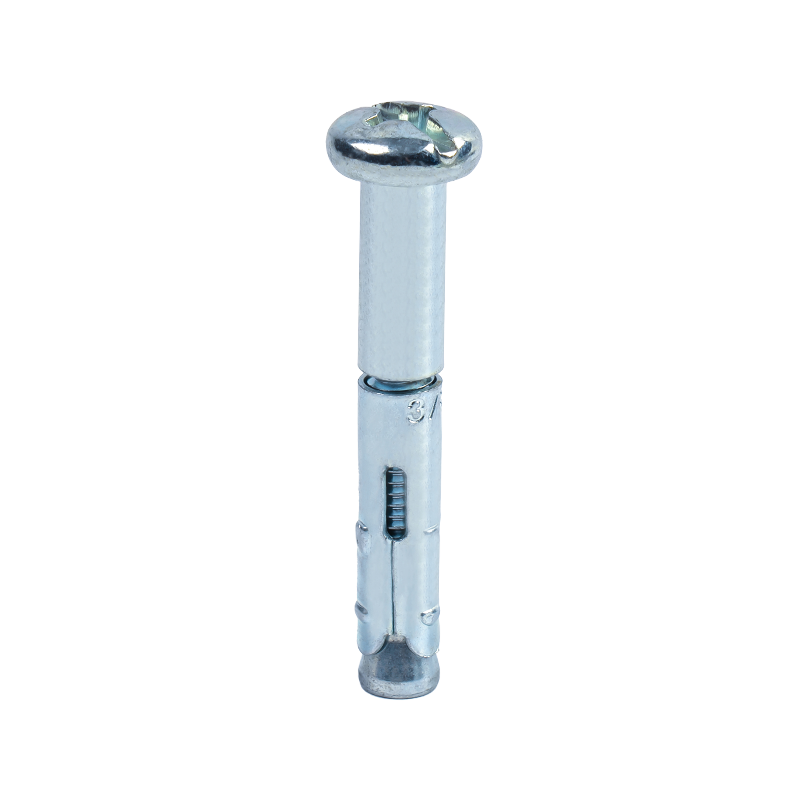
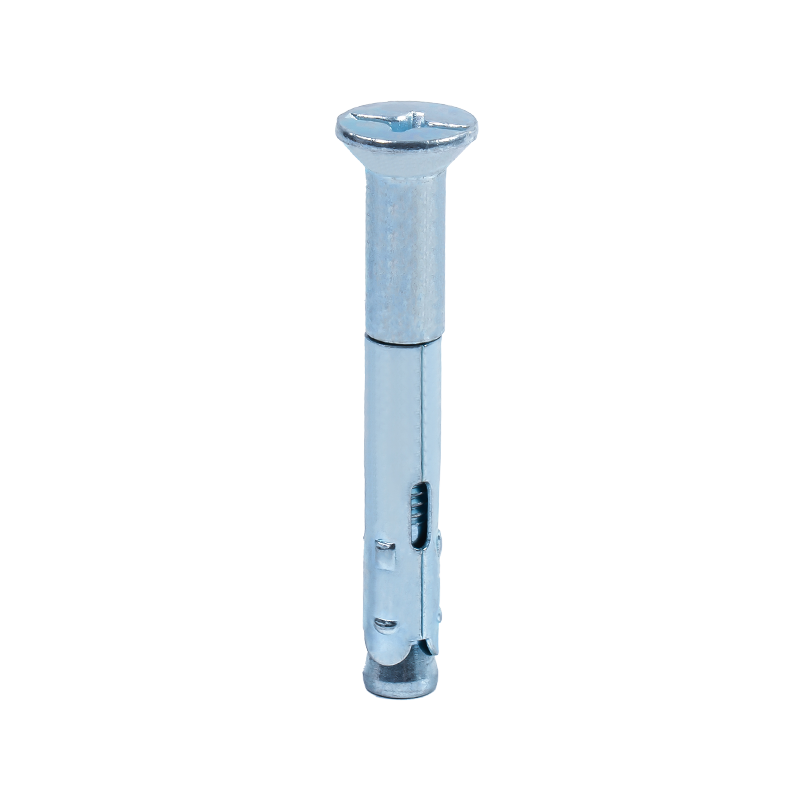
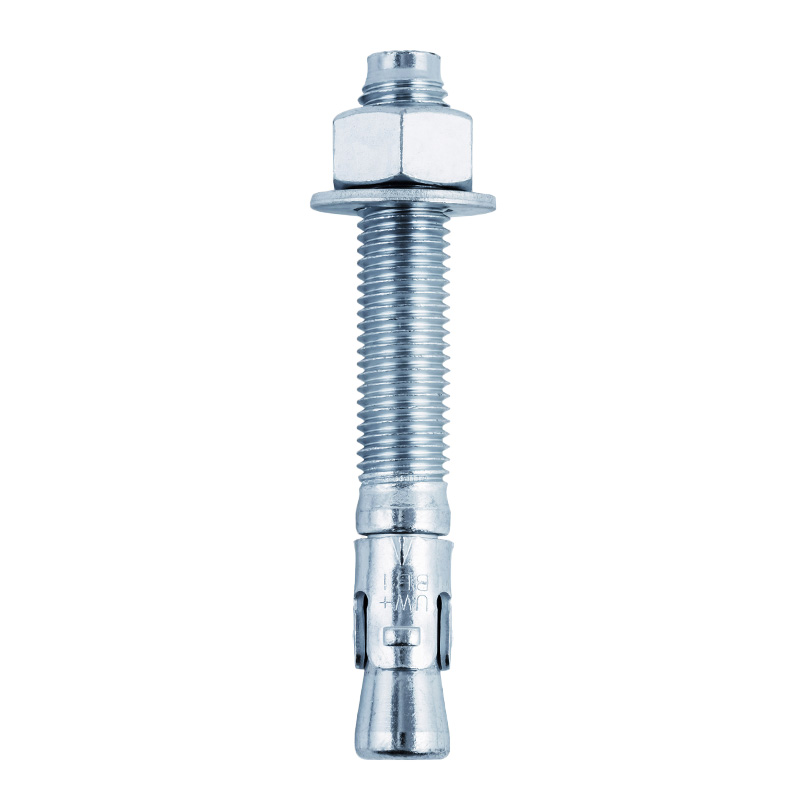
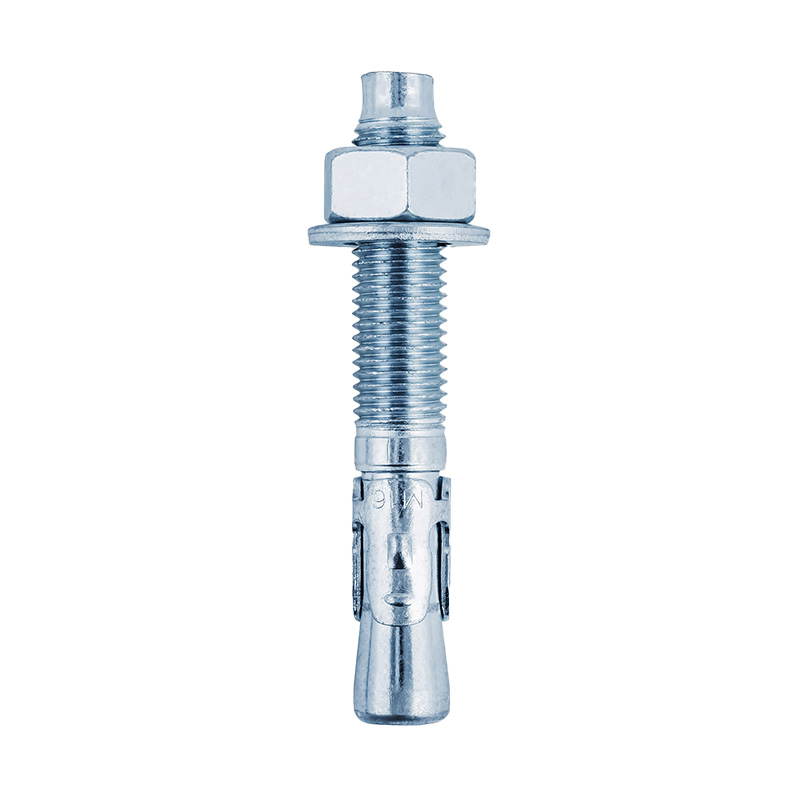
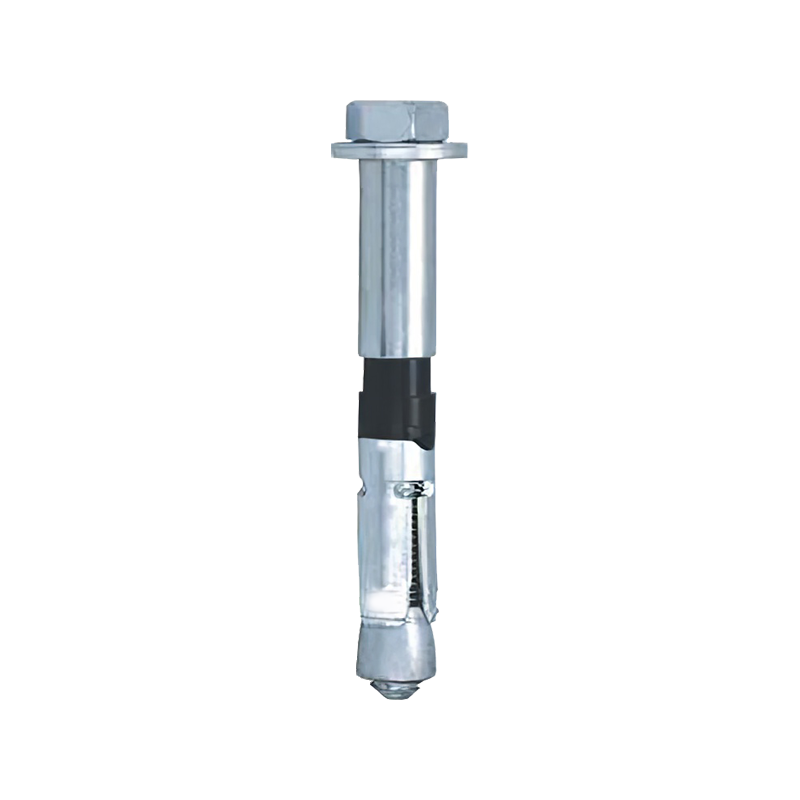
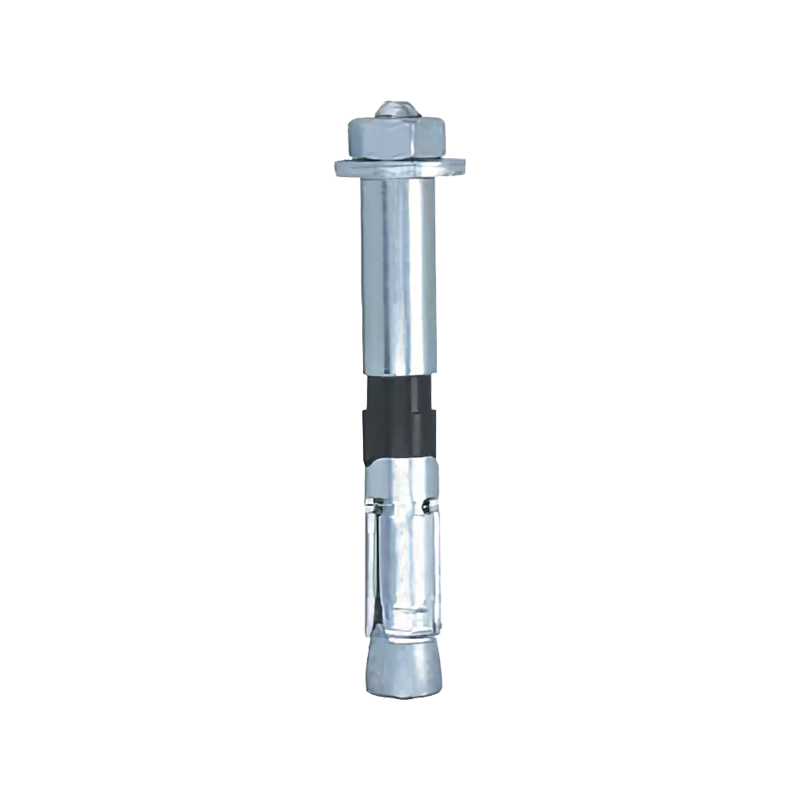
2026-02-23Machine Screw Anchor systems, often referred to as internally threaded expansion anchors, have become the industry standard for securing fixtures to challenging substrates such as Hollow Brick and Soft Stone. In the field of mechanical anchoring, selecting the correct fastener is a balance between load requirements and substrate integrity. While a Heavy Duty Sleeve Anchor is a powerhouse in solid, high-psi concrete, it often fails in porous or brittle materials. This technical report explores the mechanical advantages that make Machine Screw Anchor the preferred choice for engineers and contractors.
Stress Distribution and Substrate Protection
The primary failure mode in Hollow Brick or light-density masonry is the fracturing of the internal webs. A Machine Screw Anchor operates through a controlled expansion mechanism where a conical nut is drawn into a lead or alloy sleeve. This creates a localized, radial expansion that is relatively shallow. Because the sleeve is shorter and the expansion is concentrated, it can be positioned to grip the outer shell or a specific internal rib of the brick without shattering the surrounding structure. In contrast, a Heavy Duty Sleeve Anchor features a long expansion sleeve designed to exert massive lateral pressure over a larger surface area. In Soft Stone like limestone or sandstone, this intense pressure often exceeds the material's compressive strength, leading to "spalling" or "coning" failure. The Machine Screw Anchor provides a gentler, more uniform distribution of Expansion Stress, preserving the aesthetic and structural face of the stone.
Internal Thread Versatility and Maintenance
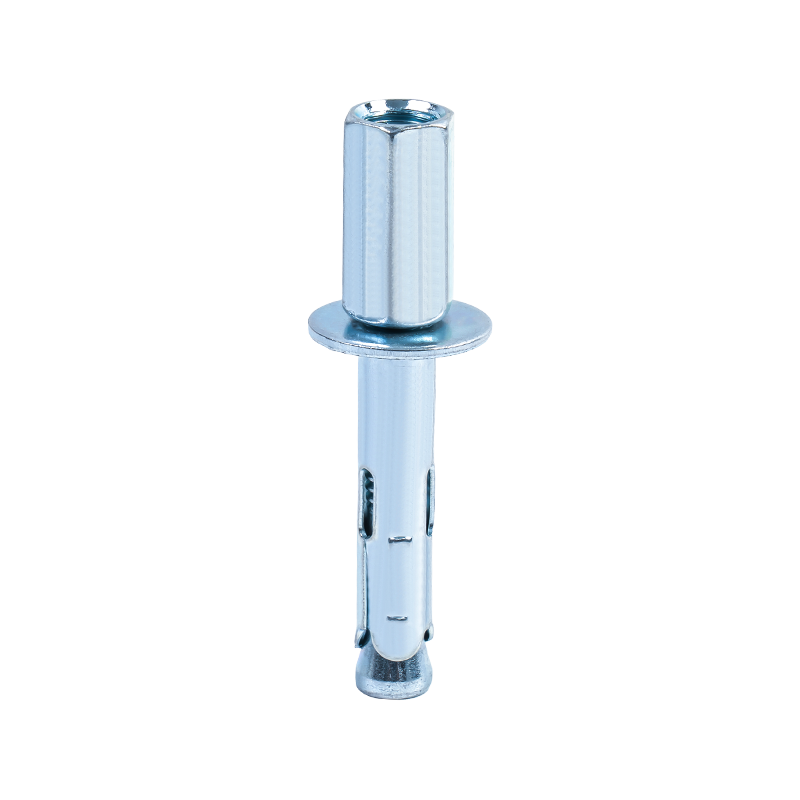
One of the most significant logistical advantages of the Machine Screw Anchor is its internal thread design. This system allows for the use of any standard Machine Bolt or threaded rod. Unlike the Heavy Duty Sleeve Anchor, which typically has a fixed bolt or stud protruding from the wall, the Machine Screw Anchor sits flush with or below the surface. This allows for: Removability: The bolt can be removed and replaced multiple times without disturbing the anchor's set. This is critical in Soft Stone where re-drilling a new hole nearby would significantly weaken the substrate. Vibration Dampening: In equipment mounting, the ability to use different grades of bolts or add specialized washers allows the system to better handle the micro-vibrations that might otherwise loosen a rigid sleeve anchor in soft materials.
Mechanical Interlock in Porous Materials
Soft Stone and Hollow Brick lack the density required for pure friction-based anchoring. Machine Screw Anchors, particularly those made from malleable alloys like lead or zinc, offer a unique advantage: they conform to the irregularities of the Drill Hole. As the cone expands the soft metal sleeve, the material "flows" into the pores and crevices of the stone. This creates a Mechanical Interlock rather than relying solely on Friction Resistance. A Heavy Duty Sleeve Anchor, made of rigid carbon or stainless steel, cannot conform to these irregularities, often resulting in the anchor spinning within the hole during Installation Torque application.
Installation Precision and Edge Distance
Precision is paramount when working with Edge Distance constraints in masonry. Because the Machine Screw Anchor is set using a specialized Setting Tool, the expansion is completed before the actual load-bearing bolt is even introduced. This "pre-setting" process allows the installer to verify the anchor's grip without the risk of over-torquing. In Hollow Brick, the risk of "blow-out" is high when using high-torque fasteners. The Machine Screw Anchor minimizes this risk by decoupling the setting force from the final fastening torque. This ensures that the Tensile Strength of the connection is maximized while the structural integrity of the brittle substrate remains uncompromised.
| Feature | Machine Screw Anchor | Heavy Duty Sleeve Anchor |
| Primary Substrate | Hollow Brick, Soft Stone, Concrete | Solid Concrete, Hard Stone |
| Expansion Type | Deformation/Interlock | High-Pressure Friction |
| Removability | High (Internal Thread) | Low (Permanent Stud) |
| Edge Distance Safety | Superior | Limited |


Contact Us