
 English
 中文简体
中文简体 русский
 Español
Why Machine Screw Anchors are Critically Sensitive to Installation Torque
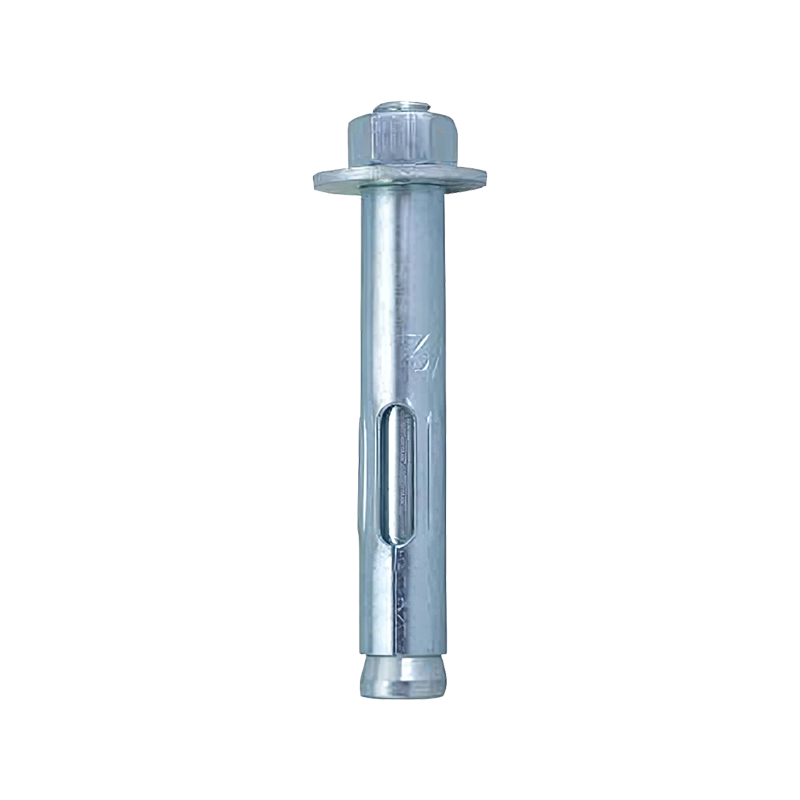
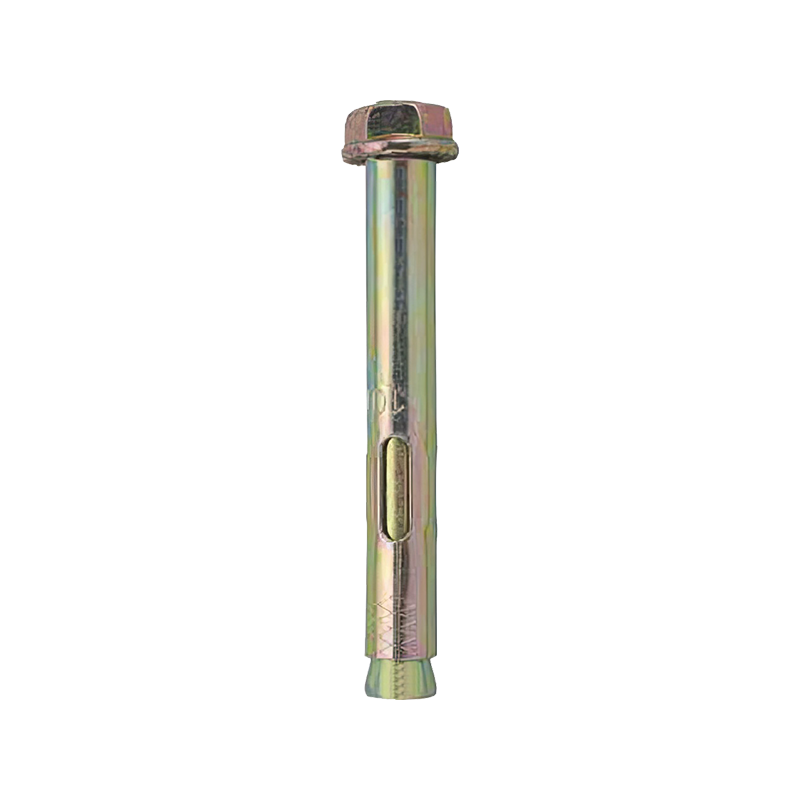
2026-03-02In the field of architectural fasteners, the Machine Screw Anchor plays a vital role in securing fixtures to concrete, masonry, and stone due to its unique design and material properties. However, for installation professionals, precisely controlling the Installation Torque remains a significant technical challenge. Unlike the Wedge Anchor or Heavy Duty Sleeve Anchor, the Machine Screw Anchor exhibits extreme sensitivity to torque deviations. This report explores the core mechanisms behind this phenomenon from the perspectives of material mechanics, physical structure, and stress distribution.
Rheology of Soft Materials and Deformation Mechanisms
The sleeve of a Machine Screw Anchor is typically manufactured from lead or zinc alloys. These materials are classified as "soft metals," possessing excellent ductility and malleability. When the internal Cone is drawn into the sleeve, the soft metal undergoes plastic deformation, flowing into the microscopic pores of the substrate hole wall to create a mechanical interlock.
This material property dictates its high sensitivity to Installation Torque. If the torque slightly exceeds design limits, the soft alloy sleeve may undergo excessive rheology, causing the material to overflow from the hole or be squeezed too thin internally, thereby losing the necessary lateral support. Conversely, insufficient torque fails to activate enough plastic deformation, leading to a significant drop in Pull-out Strength.
Linear Relationship Between Cone Displacement and Preload
Unlike heavy-duty anchors that distribute pressure through long sleeves, the effective anchoring point of a Machine Screw Anchor is relatively concentrated. Each rotation of the screw produces a constant longitudinal displacement of the internal cone. Because the soft sleeve has a very low tolerance for displacement, minor increases in torque translate rapidly into massive radial pressure.
During installation, Installation Torque is essentially the process of overcoming friction and converting torque into preload. In hard substrates, this conversion efficiency is extremely high. Once an operator continues to apply pressure after reaching the recommended torque, it easily leads to stripping of the Internal Thread or causes the cone to punch through the bottom of the sleeve. This "sudden failure" is a hallmark of torque management for machine screw anchors.
Substrate Stress Concentration and Splitting Risks
In engineering mechanics, the distribution pattern of Expansion Stress determines the stability of the substrate. The Machine Screw Anchor is designed as a displacement-controlled anchor. When Installation Torque is applied, the expansion force is primarily concentrated at the base of the sleeve.
If torque is improperly controlled, excessive localized pressure will quickly exceed the tensile strength of the concrete or stone. For installation points near the Edge Distance or with small Spacing, unstable torque input easily triggers substrate splitting. This sensitivity requires construction personnel to use calibrated torque wrenches rather than relying on manual tightening by feel.
Fluctuation of Friction Coefficients and Installation Environment
The sensitivity of the Machine Screw Anchor to torque is also reflected in how environmental factors interfere with friction. Since it relies on a machine screw to drive the cone, the lubrication level of the threads, dust residue within the hole, and the humidity of the substrate all alter the Torque-Tension Relationship.
In a dry, clean hole, a small amount of torque can reach the rated load capacity. However, in a dusty environment, a large portion of the torque is consumed overcoming meaningless frictional resistance, resulting in insufficient actual effective preload. This torque deviation caused by the environment is often the invisible killer behind anchor loosening in the later stages of a project.
Thread Engagement Depth and Mechanical Stability
A core advantage of the Machine Screw Anchor is its internal thread system. However, the load-bearing capacity of the internal threads depends entirely on the engagement quality between the Machine Bolt and the internal cone. When Installation Torque is applied, the shear stress on the threads is highly concentrated.
If excessive tightening causes the cone to tilt or over-displace within the sleeve, the thread contact area decreases sharply. This structural damage at the microscopic level is difficult to detect visually, but under Dynamic Loading, the compromised threads will fatigue and fail rapidly.
| Variable | Impact on Machine Screw Anchor | Technical Risk |
| Over-Torque | Sleeve Rheology / Material Overflow | Loss of Radial Tension |
| Under-Torque | Incomplete Plastic Deformation | Reduced Pull-out Strength |
| Thread Friction | Inconsistent Preload Conversion | Unexpected Anchor Loosening |
| Edge Proximity | Localized Stress Spikes | Substrate Splitting / Failure |


Contact Us