
 English
 中文简体
中文简体 русский
 Español
What Is a Metric Sleeve Anchor and How Do You Install It for Maximum Load Power
2026-03-09Metric Sleeve Anchor: The Definitive Guide to Heavy-Duty Concrete Fastening
1. Understanding the Fundamentals of Metric Sleeve Anchors
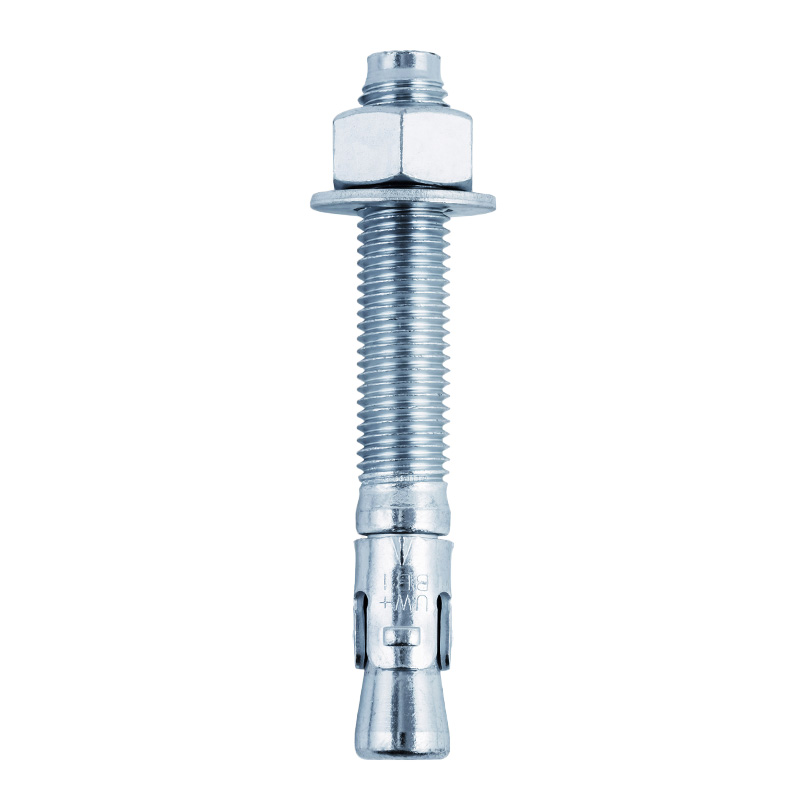
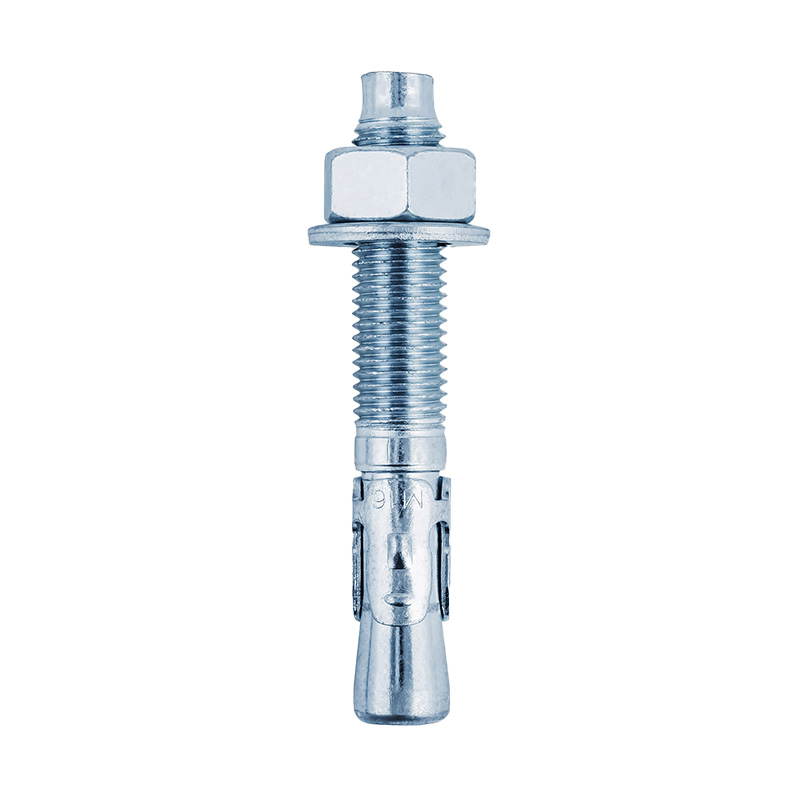
The Metric Sleeve Anchor is a versatile, torque-controlled expansion anchor designed for permanent fastening in solid base materials. Its functional brilliance lies in its simplicity: as the bolt or nut is tightened, the tapered end of the bolt is pulled into the expansion sleeve. This action forces the sleeve to expand outward, creating a high-friction mechanical interlock against the internal walls of the pre-drilled hole.
Anatomy of the Anchor
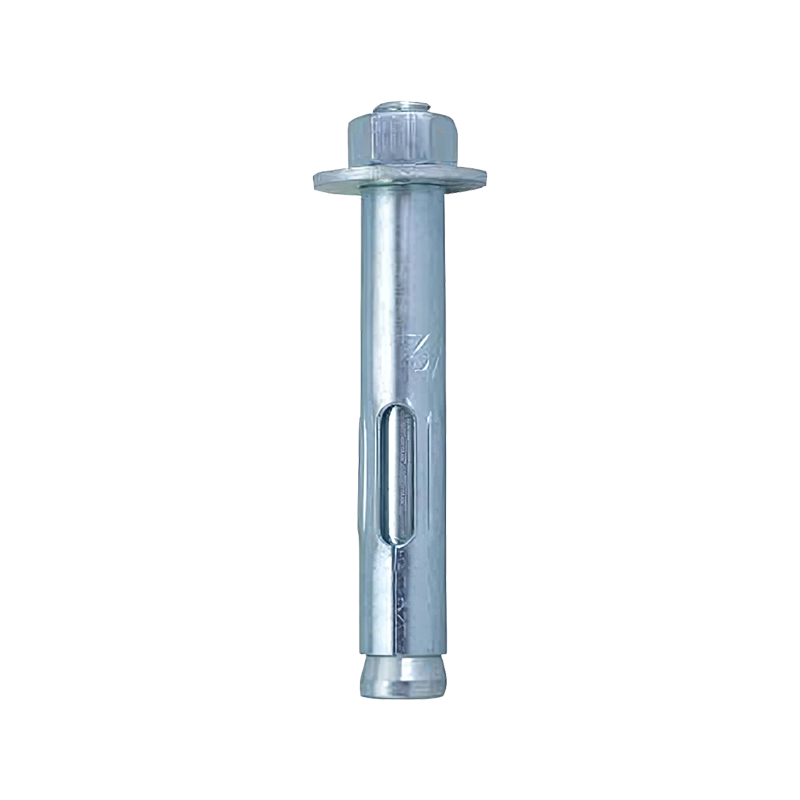
To understand the reliability of a Metric Sleeve Anchor, one must look at its four primary components:
The Threaded Bolt: The core component that provides the tensile strength.
The Expansion Sleeve: A split or ribbed metal tube that deforms to grip the substrate.
The Washer: Distributes the clamping force and prevents damage to the fixture surface.
The Hex Nut or Flange: The interface for applying torque to initiate the expansion.
Metric vs. Fractional Sizing
In the global manufacturing and construction landscape, the Metric Sleeve Anchor is the preferred choice due to its alignment with ISO standards. Unlike fractional (inch-based) anchors, metric sizing allows for precise engineering calculations in millimeters, ensuring compatibility with international drill bit standards (e.g., an M6 drill bit for an M6 anchor). This precision reduces the risk of hole over-sizing, which is the leading cause of anchor failure.
2. Technical Specifications and Material Grades
The performance of a Metric Sleeve Anchor is dictated by the materials used in its construction. Choosing the correct grade ensures the longevity of the installation and prevents catastrophic structural failure.
Material Diversity
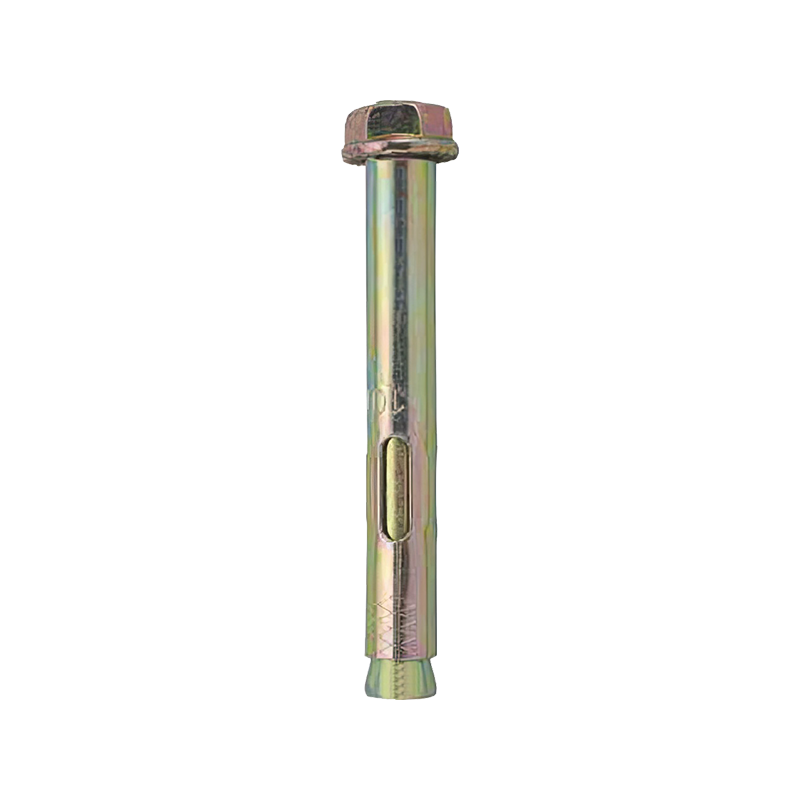
Zinc Plated Carbon Steel: This is the most common version for dry, indoor environments. The zinc coating provides a basic layer of protection against oxidation during transport and initial installation.
Stainless Steel (SS304/A2): Designed for outdoor use where moisture is present. It offers excellent resistance to rusting in standard atmospheric conditions.
Stainless Steel (SS316/A4): The premium choice for marine environments or chemical processing plants. It contains molybdenum, which protects the Metric Sleeve Anchor from chloride-induced pitting.
Metric Sleeve Anchor Dimension and Performance Table
The following table provides standard parameters for carbon steel variants in 20MPa to 25MPa non-cracked concrete:
| Specification (Size) | Drill Bit Diameter (mm) | Min. Hole Depth (mm) | Max. Fixture Thickness (mm) | Recommended Tensile Load (kN) | Recommended Shear Load (kN) |
| M6 x 40 | 8 | 45 | 10 | 2.5 | 3.2 |
| M8 x 65 | 10 | 70 | 25 | 4.1 | 5.8 |
| M10 x 75 | 12 | 80 | 30 | 6.2 | 8.5 |
| M12 x 100 | 16 | 110 | 40 | 9.5 | 13.0 |
| M16 x 145 | 20 | 155 | 60 | 15.8 | 21.5 |
3. Critical Applications in Industrial and Commercial Construction
The Metric Sleeve Anchor is renowned for its "all-purpose" nature. Because the sleeve covers the entire length of the bolt below the fixture, it provides better support in substrates that might have small voids or inconsistent density compared to wedge-style anchors.
Structural Steel Attachment
Used extensively for securing base plates for steel columns, mezzanine floors, and perimeter guarding. The Metric Sleeve Anchor handles the vibration of industrial environments effectively.
Machinery Installation
Factories utilize these anchors to prevent the migration of heavy lathes, milling machines, and conveyor systems. The ability to achieve high torque ensures the machine remains leveled during operation.
Infrastructure and Safety
From mounting handrails on concrete staircases to securing stadium seating, the Metric Sleeve Anchor provides a flush or semi-flush finish that meets safety codes.
HVAC and MEP Systems
Mechanical, electrical, and plumbing contractors rely on them for suspending heavy pipe racks and ventilation units from concrete ceilings or walls.
4. Step-by-Step Installation Mastery
Achieving the rated load of a Metric Sleeve Anchor requires strict adherence to installation protocols. Even the highest-quality anchor will fail if the hole is improperly prepared.
Installation Process
Step 1: Drilling - Use a rotary hammer drill with a carbide-tipped bit matching the anchor's sleeve diameter. Ensure the drill is held perpendicular to the surface.
Step 2: Cleaning - This is the most overlooked step. Use a blow pump or compressed air followed by a wire brush to remove all concrete dust. Remaining dust acts as a lubricant, preventing the Metric Sleeve Anchor from gripping.
Step 3: Insertion - Drive the anchor through the fixture and into the hole using a hammer until the washer is flush against the material.
Step 4: Tightening - Use a calibrated torque wrench to tighten the nut. As you turn, the bolt pulls the cone into the sleeve. Stop once the specified torque setting is reached to avoid over-stressing the concrete.
5. Selecting the Right Head Style for Your Project
While the internal expansion mechanism of the Metric Sleeve Anchor remains consistent, the head style determines how the anchor interacts with the fixture and the visual aesthetic of the finished installation.
Common Head Configurations
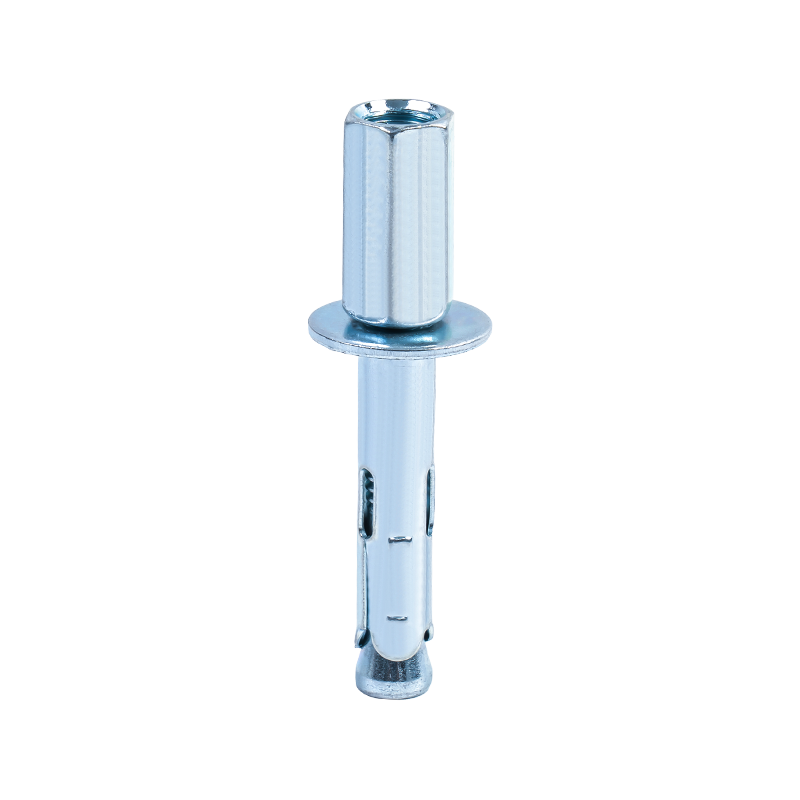
Hex Nut Style: The most ubiquitous version. It features a protruding threaded stud and a hex nut. It is ideal for industrial applications where high torque is required.
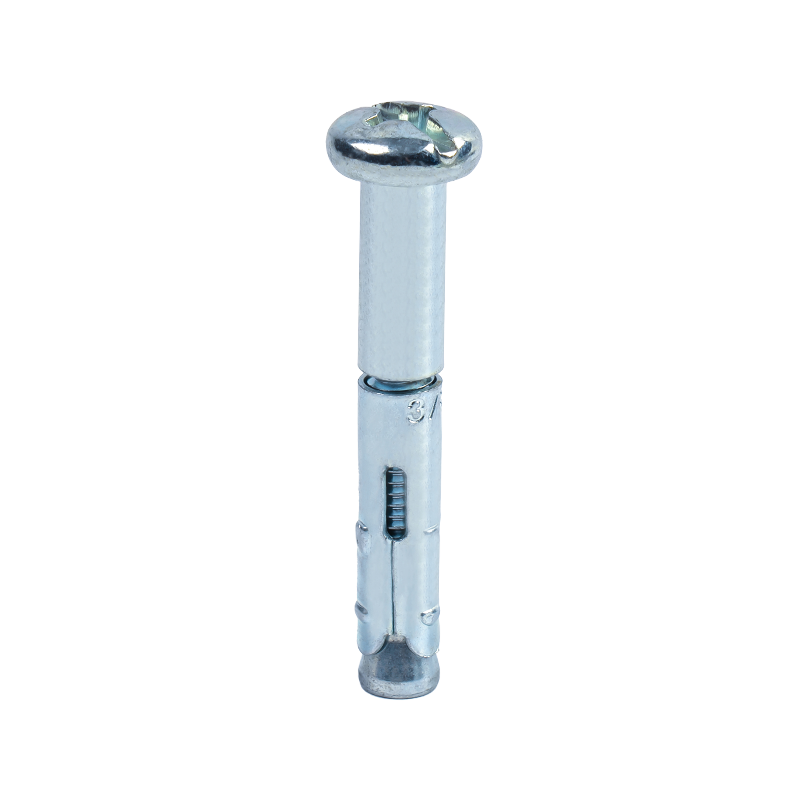
Acorn Nut (Dome) Head: Similar to the hex nut style but capped with a smooth, rounded nut. This Metric Sleeve Anchor variant is frequently used in public areas to prevent snagging.
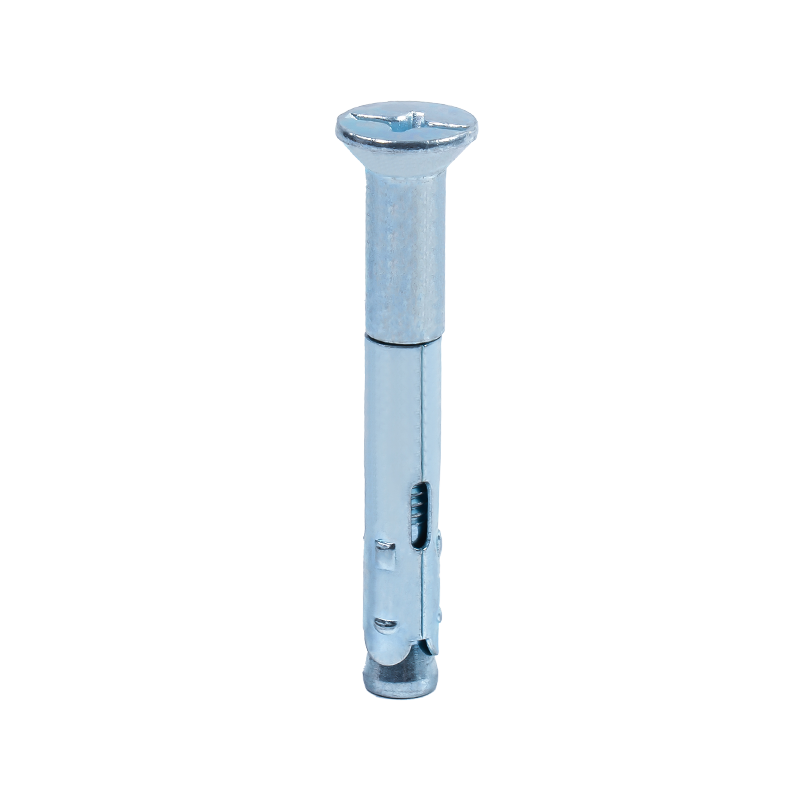
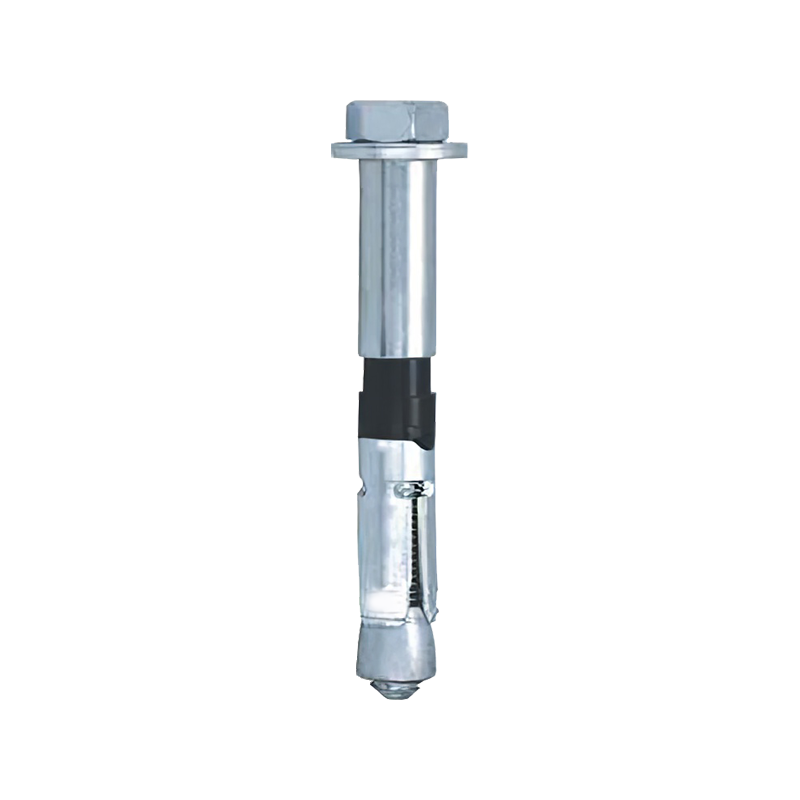
Countersunk (Flat) Head: Designed for fixtures that require a flush surface. The head sits inside a pre-chamfered hole in the fixture.
Hook and Eye Variants: Specialized versions where the head of the bolt is shaped into a hook or a closed loop for tethering cables or hanging signage.
Comparison of Head Styles
| Head Type | Primary Advantage | Best For... | Removability |
| Hex Nut | Highest torque capacity | Heavy machinery, structural steel | Permanent |
| Acorn Nut | Safety and aesthetics | Public seating, handrails | Permanent |
| Countersunk | Zero protrusion | Door frames, floor tracks | Permanent |
| Eye Bolt | Tensioning capabilities | Cables, lighting suspension | Permanent |
6. Performance Factors and Substrate Compatibility
The effectiveness of a Metric Sleeve Anchor is heavily dependent on the base material or substrate.
Substrate Suitability
Solid Concrete: The ideal medium. The high density of concrete allows the Metric Sleeve Anchor to reach its maximum rated load.
Solid Brick: Very effective, though the load capacity is generally lower than in concrete.
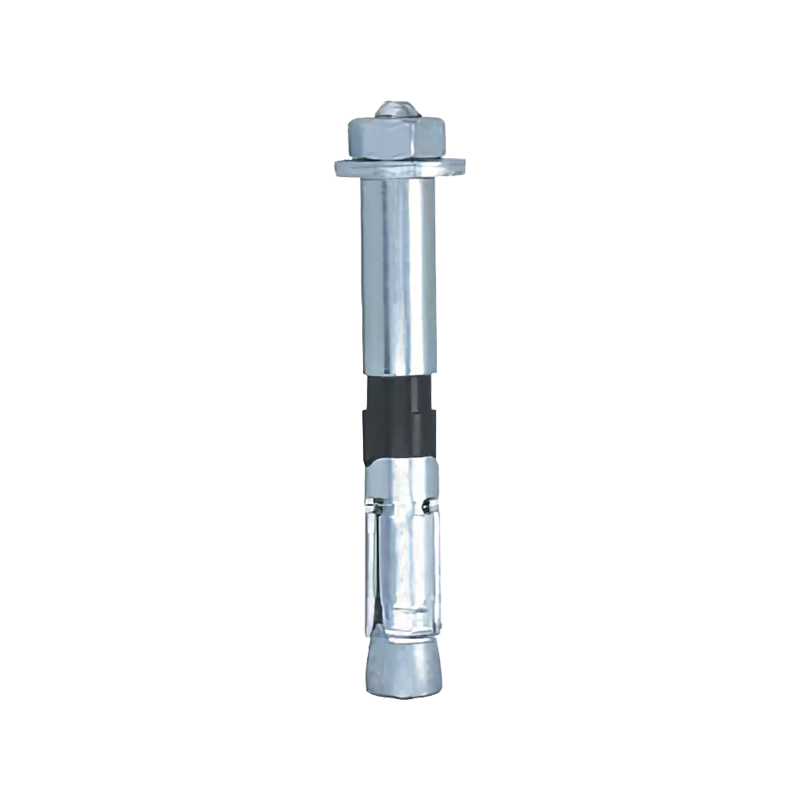
Hollow Block: The Metric Sleeve Anchor is superior to wedge anchors here because the sleeve can expand across the hollow cavity to grip the inner walls.
Critical Engineering Constraints
Edge Distance: Maintain a distance of at least 5 times the anchor diameter from any edge to prevent concrete spalling.
Anchor Spacing: A minimum spacing of 10 times the anchor diameter is recommended to prevent expansion stress zones from overlapping.
Vibration Resistance: Constant high-frequency vibration can potentially loosen the mechanical interlock over time.
7. Global Manufacturing Standards and Quality Control
For a manufacturer, the quality of a Metric Sleeve Anchor is about compliance with rigorous engineering standards.
Quality Metrics
ISO 9001 Compliance: Ensures every batch of Metric Sleeve Anchor has consistent metallurgical properties.
Tensile and Shear Testing: Destructive testing where samples are pulled until failure to verify Ultimate Load limits.
Salt Spray Testing (ASTM B117): Determines corrosion resistance. A standard zinc-plated Metric Sleeve Anchor typically lasts 24–48 hours, while stainless steel versions last much longer.
Frequently Asked Questions (FAQ) & Knowledge Base
Q: What is the main difference between a Wedge Anchor and a Metric Sleeve Anchor?
A: The primary difference lies in the hole diameter and versatility. A wedge anchor requires a hole the same size as the bolt, while a Metric Sleeve Anchor requires a hole larger than the bolt (to accommodate the sleeve).
Q: How do I know how deep to drill?
A: The hole depth should always be deeper than the embedment depth of the Metric Sleeve Anchor (at least one diameter deeper) to allow space for residual dust.
Q: Can I use a Metric Sleeve Anchor in wood?
A: No. These are strictly mechanical expansion anchors designed for brittle, hard materials like concrete and stone.
Q: What does the M stand for in M8 or M12?
A: The M stands for Metric. The number following it represents the nominal diameter of the threaded part of the Metric Sleeve Anchor in millimeters.
Q: Why did my anchor pull out during installation?
A: This is usually caused by the hole being drilled too large, the hole not being cleaned of dust, or the base material being too soft.
Q: Is the Metric Sleeve Anchor fire-resistant?
A: Steel has a high melting point, making these anchors generally suitable for fire-rated applications. However, structural load capacity will decrease in extreme heat.


Contact Us