
 English
 中文简体
中文简体 русский
 Español
Why Are Concrete Wedge Anchors the Top Choice for Heavy-Duty Structural Fastening
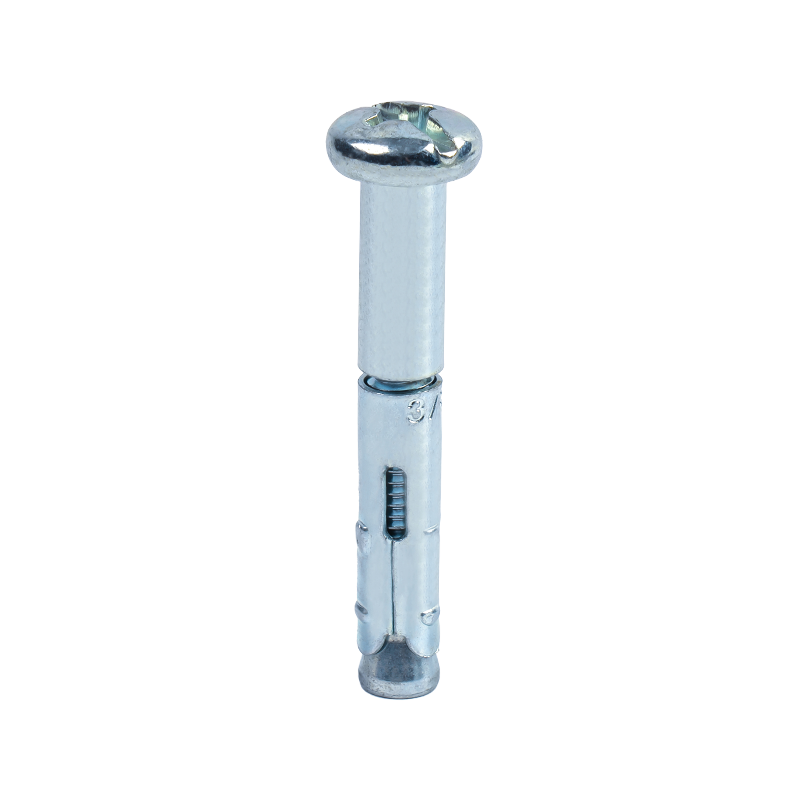
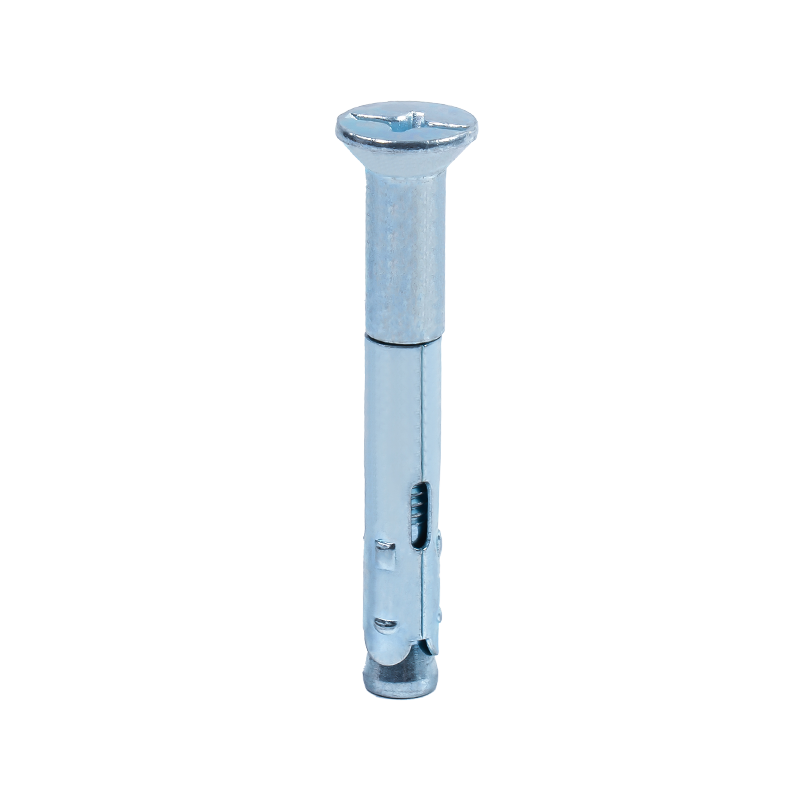
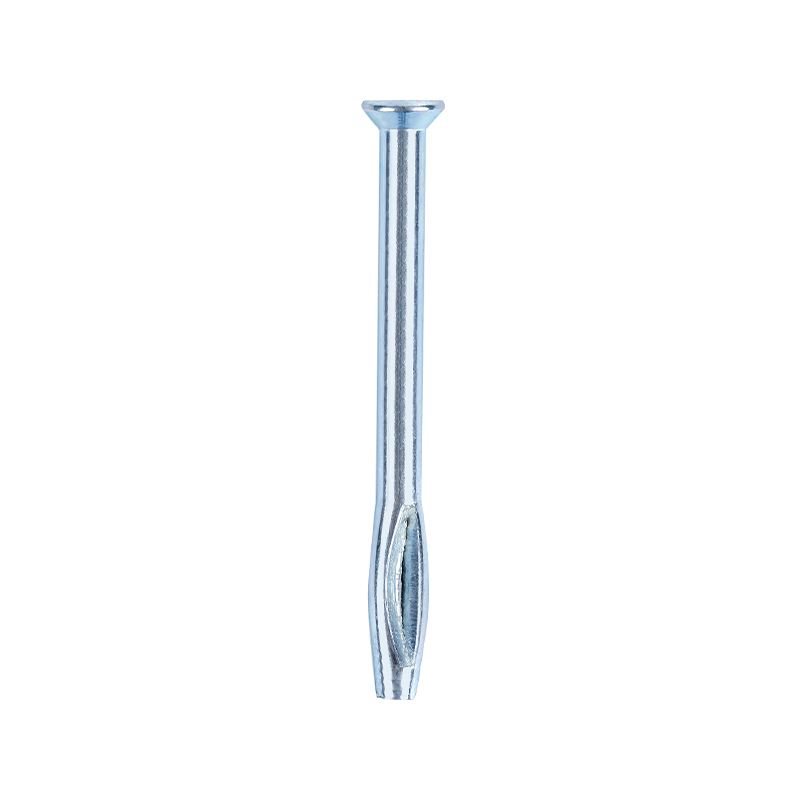
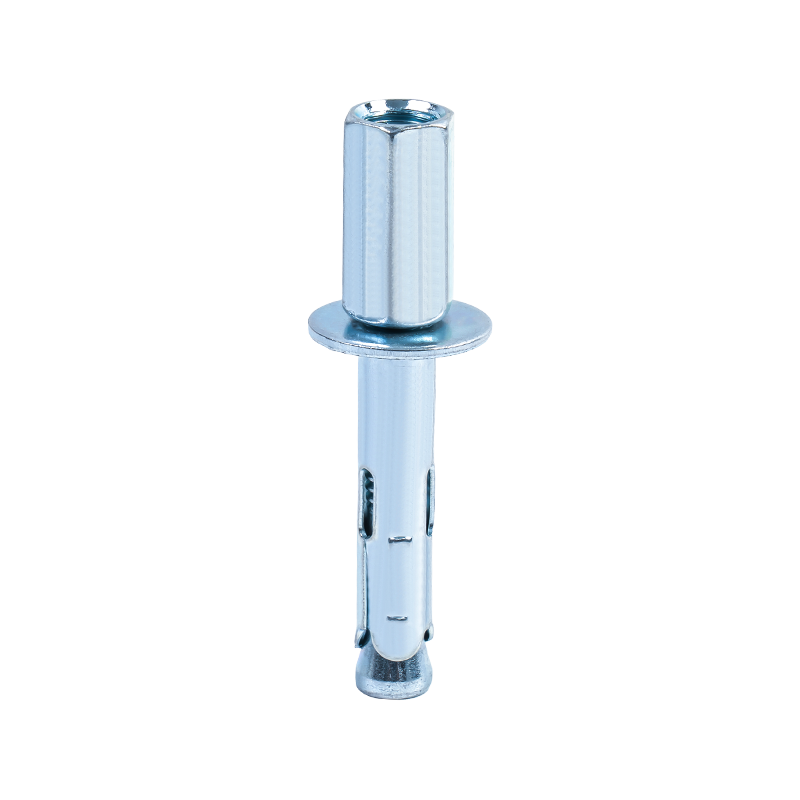
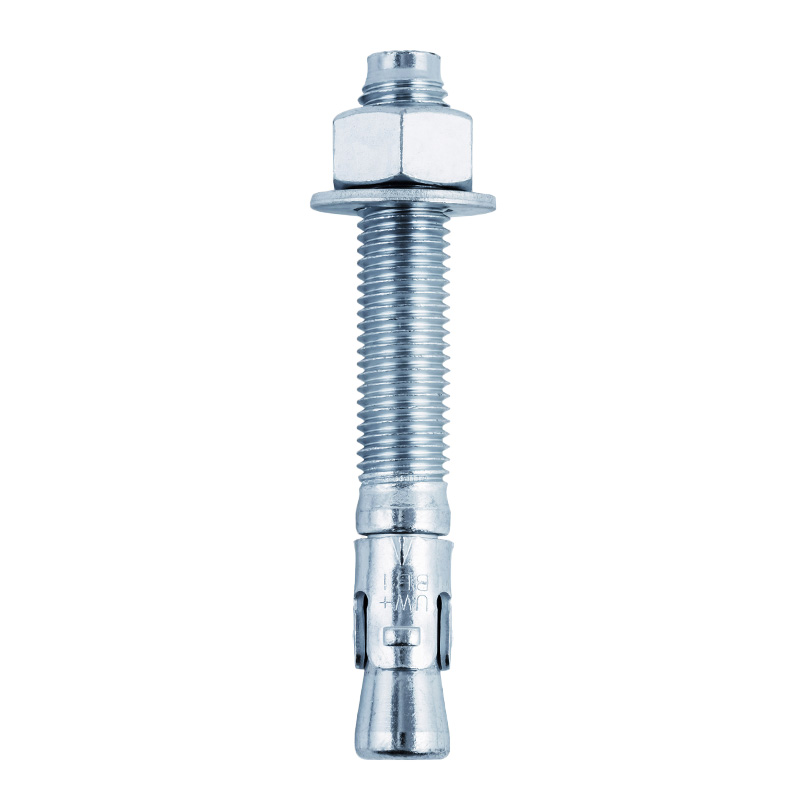
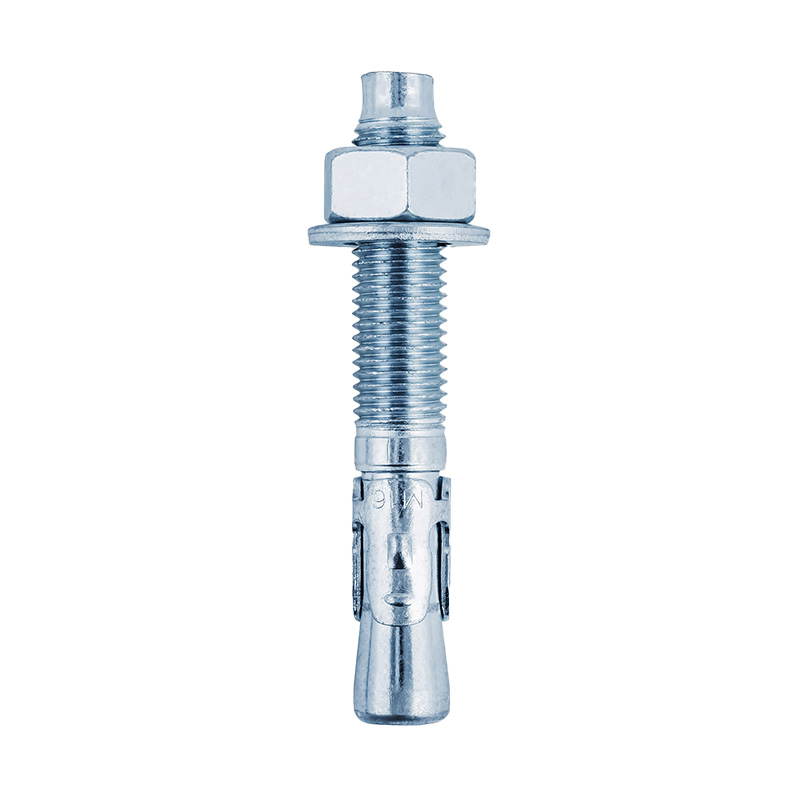
2026-05-04In the field of modern construction and heavy equipment installation, ensuring the long-term stability of structural connections is a core task. concrete wedge anchors, as a high-performance mechanical expansion fastener, have become the preferred solution for anchoring projects due to their excellent pull-out resistance and ease of installation. For engineers and procurement decision-makers, an in-depth understanding of different materials and specifications of wedge anchor bolts is the foundation for ensuring project quality.
Material Performance Analysis: stainless steel wedge anchors vs galvanized wedge anchors
Choosing the right material is crucial under different environmental humidity and corrosion levels.
stainless steel wedge anchors: Usually made of 304 or 316 stainless steel. These anchors have extremely high oxidation resistance, especially suitable for high salt spray environments, underground engineering, or food processing workshops with high hygiene requirements. The corrosion resistance of stainless wedge anchors ensures that under extreme conditions, the fastening structure will not generate expansion pressure due to rust, thereby avoiding concrete cracking.
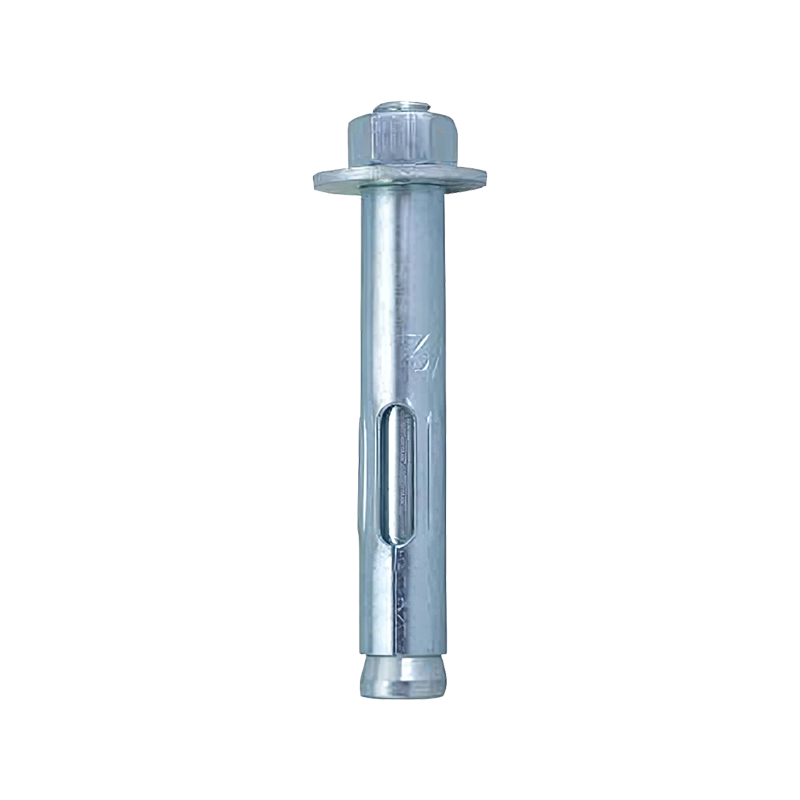
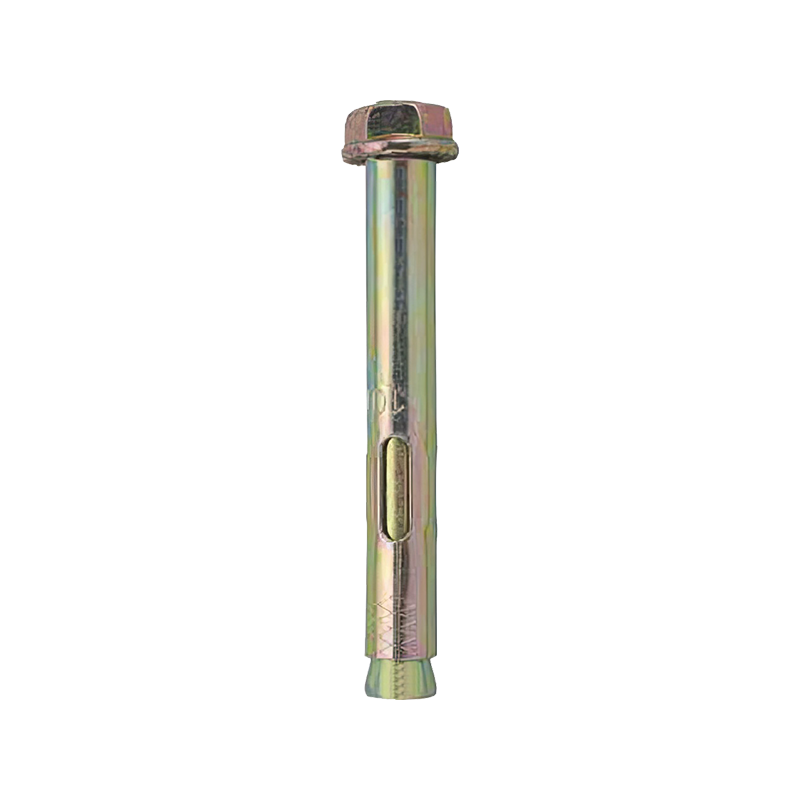
galvanized wedge anchors: Mainly divided into electro-galvanized and hot-dip galvanized. Hot-dip galvanized anchors have a thicker outer coating and are suitable for dry outdoor environments or general industrial plants. In contrast, the lifespan performance of stainless concrete anchor when exposed to moisture environments for a long time is usually superior to that of ordinary carbon steel galvanized parts.
Installation Differences Between Metric Wedge Anchor and US Standard
With the deepening of global trade, the popularity of Metric Wedge Anchor in international engineering projects has significantly increased. The main difference between metric and US standard anchors lies in the precision of the drilling diameter. For example, an M12 Metric Wedge Anchor must be drilled with a 12mm alloy drill bit.
When installing wedge anchor bolts, the depth and cleanliness of the hole directly affect its final load-bearing capacity. It is generally required that the drilling depth be at least 15mm deeper than the embedment depth of the anchor to accommodate dust generated during the installation process. When using confast wedge anchor types of products, torque control must be strictly implemented to ensure that the expansion clip reaches the intended mechanical locking state within the hole wall.
Technical Parameter Comparison
To intuitively demonstrate the performance of different specifications and materials of concrete wedge anchors in practical applications, the following technical parameter comparison is provided:
| Parameter Project | stainless steel wedge anchors (316) | galvanized wedge anchors (Carbon Steel) |
| Ultimate Tensile Strength | High | Medium to High |
| Shear Strength | Excellent | Excellent |
| Corrosion Resistance Level | C4 - C5 (Extremely High) | C2 - C3 (Medium) |
| Common Size Range | M6 - M24 / 1/4" - 1" | M6 - M24 / 1/4" - 1" |
| Recommended Application | Coastal engineering, Chemical facilities | Indoor dry environment, Equipment bases |
Key Factors for Improving Anchoring Reliability
When installing stainless wedge anchors, the following three technical points must be focused on to prevent fastening failure:
Concrete Base Material Strength: All concrete wedge anchors are designed for use in solid heavy-duty concrete base materials. If used in brick walls, aerated concrete, or mortar layers, the expansion clip will not obtain sufficient reaction force, resulting in a significant drop in load-bearing capacity.
Edge Distance and Spacing Control: When installing multiple wedge anchor bolts, if the anchor spacing is too close, the internal stress fields of the concrete will overlap, increasing the risk of base material cracking. It is generally recommended that the anchor spacing be no less than 2 times the embedment depth, and the edge distance be no less than 1.5 times.
Torque Loading: Insufficient torque will prevent the expansion clip from fully opening, leading to slippage; while excessive torque may cause the anchor rod to break or damage the concrete cone. When using high-quality stainless concrete anchor, refer to the torque table provided by the manufacturer and use a torque wrench for standardized construction.
Common Problems and Troubleshooting
On construction sites, confast wedge anchor occasionally encounters slippage. This is usually due to oversized drilling or severe drill bit wear. When using Metric Wedge Anchor, be sure to check the drill bit edge size regularly to ensure that the hole diameter tolerance meets the specifications.
For structural components exposed outdoors for a long time, choosing stainless steel wedge anchors can effectively solve the problem of high maintenance costs. Although the initial investment is higher than that of ordinary carbon steel parts, its safety redundancy over the life of the structure is irreplaceable.
By strictly controlling materials, specifications, and installation processes, wedge anchor bolts can provide a rock-solid guarantee for the fixation of heavy steel structures, handrail balustrades, storage racks, and various mechanical equipment.


Contact Us