
 English
 中文简体
中文简体 русский
 Español
What is a Toogle Bolt and How Does It Secure Heavy Heavy Loads in Hollow Walls
2026-05-11In modern construction and interior fit-out projects, securing heavy loads to hollow substrates such as drywall, hollow concrete blocks, plaster, and plywood presents significant engineering challenges. Standard expansion anchors often fail in these environments because they lack the necessary structural backing. The Toogle Bolt represents the primary solution for achieving high-strength mechanical interlocks in thin-walled or hollow materials. By distributing the load across a wider surface area on the hidden side of the substrate, the Toogle Bolt ensures long-term stability and safety.
Mechanism and Structural Components of Toogle Bolt
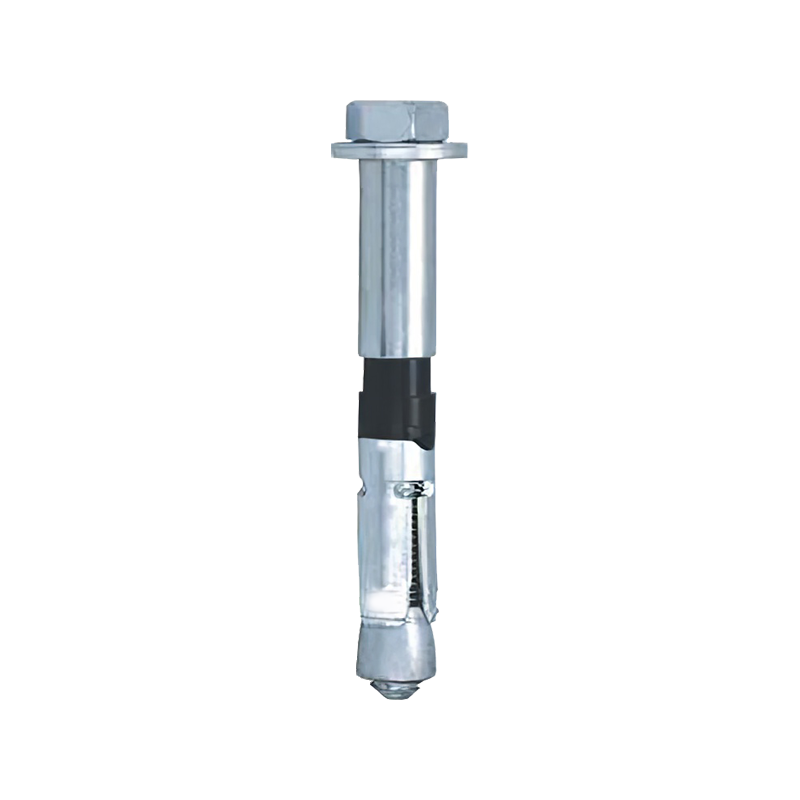
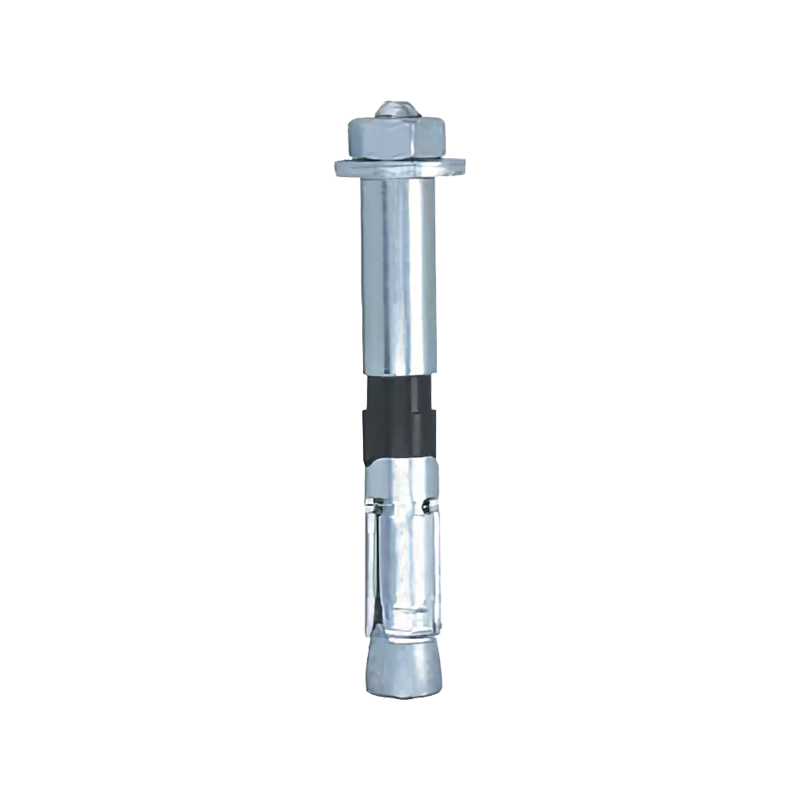
The Toogle Bolt consists of two essential parts: a machine-threaded screw and a spring-loaded metal wing assembly. Unlike traditional fasteners that rely on friction against the sides of a hole, the Toogle Bolt utilizes a gravity or spring-actuated pivot system.
During installation, the wings are folded and inserted through a pre-drilled hole. Once the wings clear the thickness of the wall and enter the hollow cavity, the internal spring mechanism forces the wings to snap open. As the bolt is tightened, the wings are pulled flush against the inner surface of the wall, creating a large bearing surface that resists pull-out forces. This "behind-the-wall" bracing is what allows the Toogle Bolt to support significantly heavier weights than standard plastic plugs.
Technical Parameters and Performance Data
Selecting the correct Toogle Bolt size is critical for maintaining structural integrity. Performance varies based on the diameter of the bolt and the thickness of the base material. The following table provides a comparison of ultimate tension loads for various Toogle Bolt specifications when installed in standard wallboard.
| Bolt Diameter | Drill Bit Size Required | Ultimate Load (1/2" Drywall) | Ultimate Load (5/8" Drywall) |
| 1/8" | 3/8" | 240 lbs | 285 lbs |
| 3/16" | 1/2" | 247 lbs | 298 lbs |
| 1/4" | 5/8" | 241 lbs | 324 lbs |
| 3/8" | 7/8" | 292 lbs | 406 lbs |
Engineering Safety Note: The values listed above are ultimate load capacities determined through laboratory testing. For practical application, a safety factor of 4:1 is standard. This means the safe working load for a Toogle Bolt should not exceed 25% of the ultimate load capacity to account for variations in material quality and environmental stressors.
Installation Solutions for Common Anchoring Issues
Improper installation is the leading cause of fastener failure. To ensure the Toogle Bolt functions correctly, specific procedural steps must be followed. First, the item being mounted must be attached to the bolt before the wing is threaded onto the bolt. The Toogle Bolt cannot be "pre-installed" into the wall like a wedge anchor.
Once the wings are threaded onto the bolt (with the tips facing the bolt head), they are compressed and pushed through the drill hole. It is essential to maintain outward tension on the bolt while tightening. By pulling the fixture toward you, the wings are locked against the interior wall, preventing them from spinning in the void while the screw is driven home. This technique ensures a tight, vibration-resistant fit.
Material Selection and Environmental Durability
The longevity of a Toogle Bolt installation depends heavily on the material of the fastener relative to its environment. Carbon steel with zinc plating is the industry standard for dry, indoor applications, providing sufficient resistance to oxidation in climate-controlled spaces. For high-moisture areas, such as commercial kitchens or coastal facilities, stainless steel variants are required to prevent galvanic corrosion and maintain the structural capacity of the Toogle Bolt over time.
Furthermore, the length of the Toogle Bolt must be calculated accurately. It must be long enough to accommodate the thickness of the fixture, the thickness of the wall material, and the full clearance required for the wings to snap open in the cavity. A Toogle Bolt that is too short will fail to deploy, while one that is too long may not allow the fixture to sit flush against the wall surface.


Contact Us