
 English
 中文简体
中文简体 русский
 Español
How to Avoid Damaging Metric Sleeve Anchor During Installation
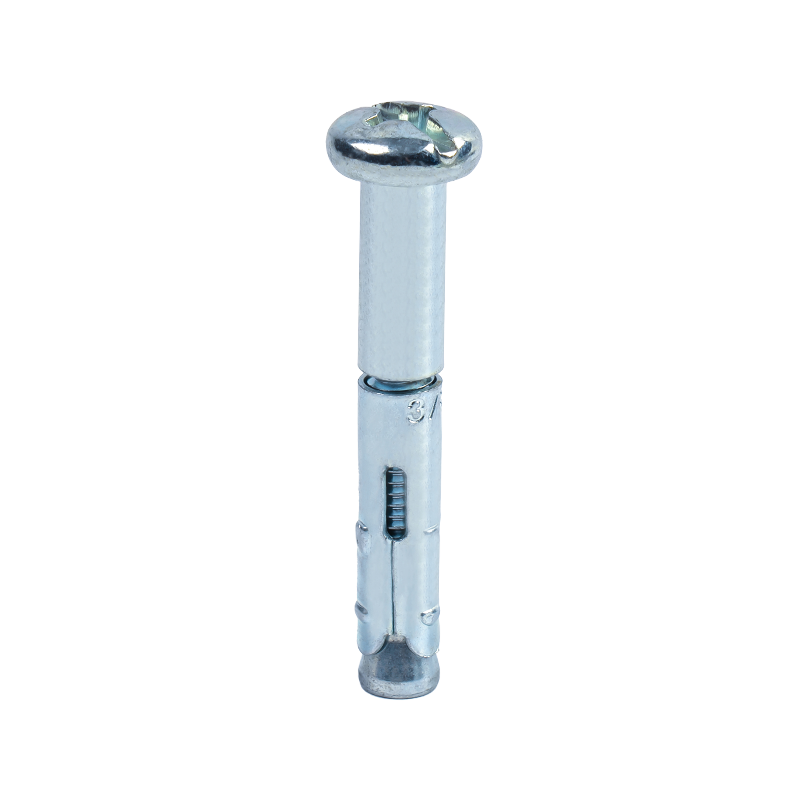
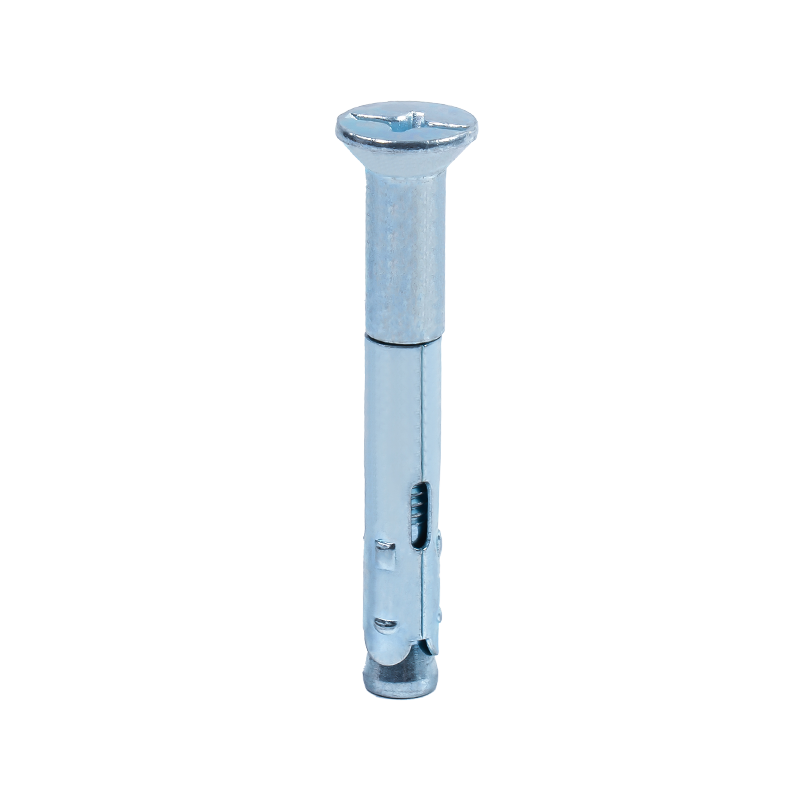
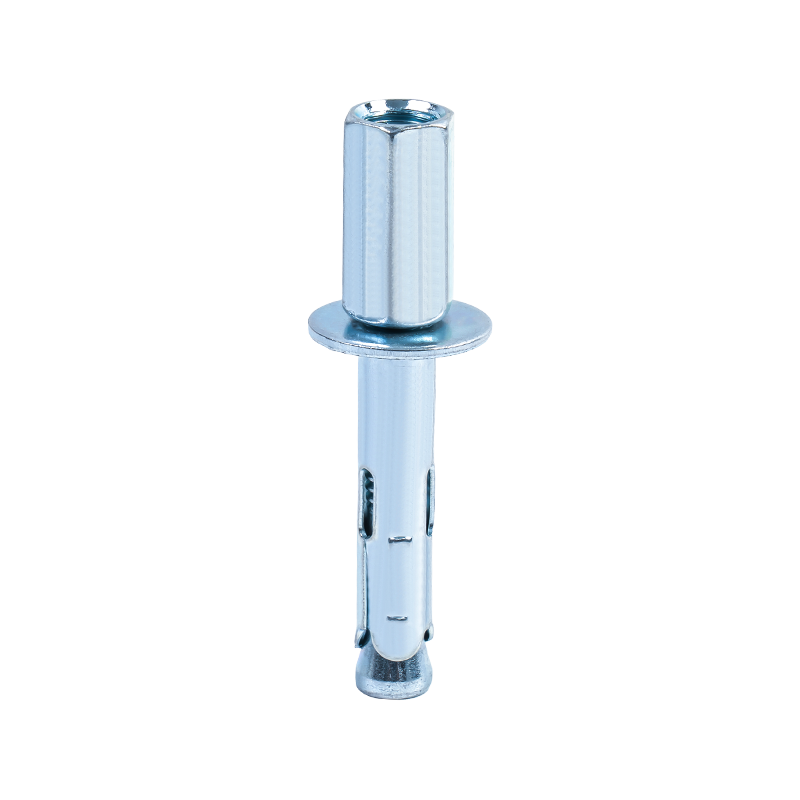
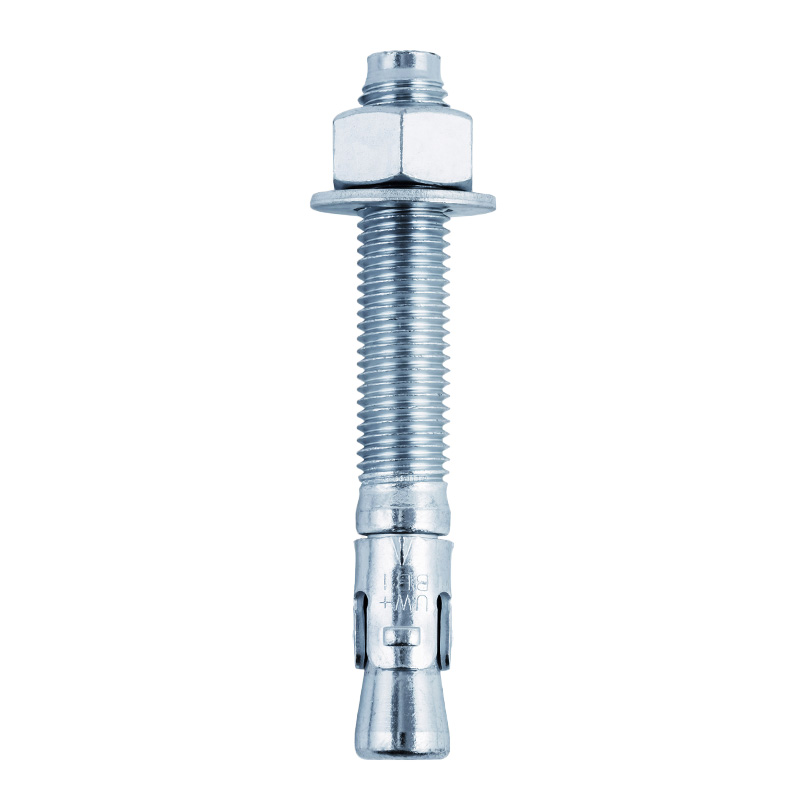
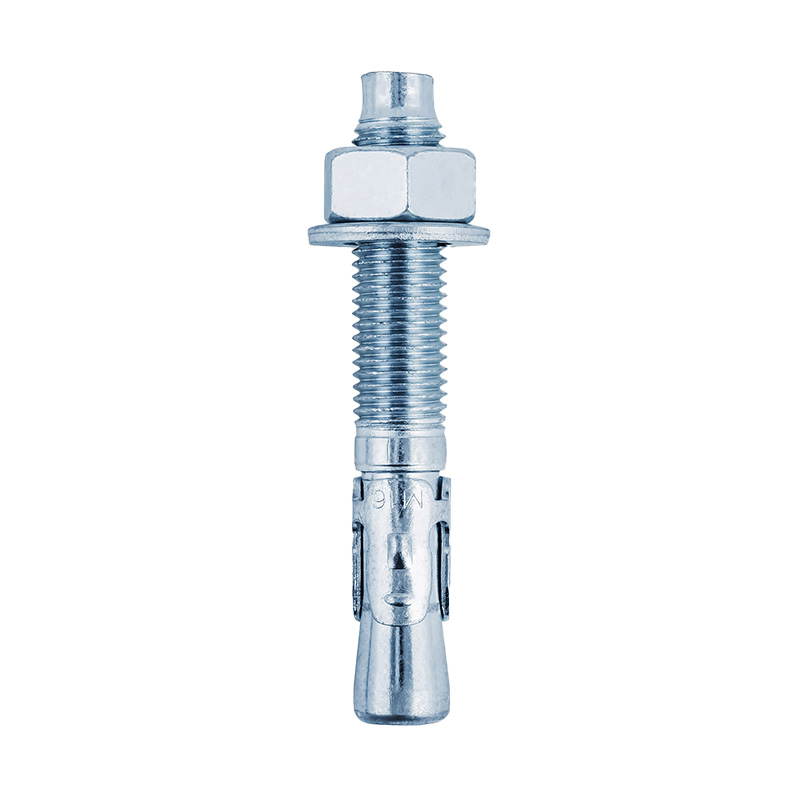
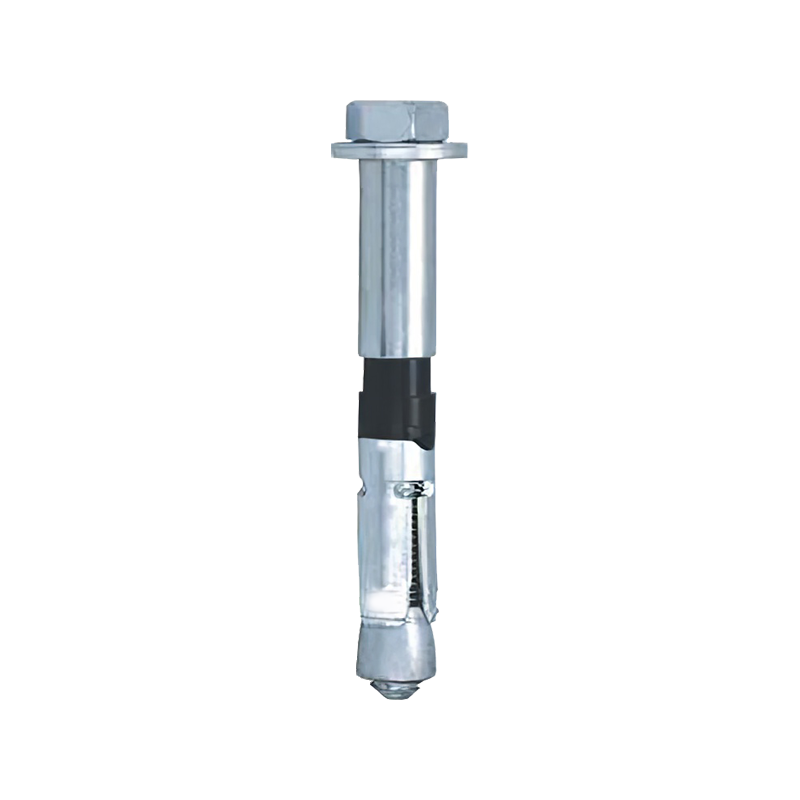
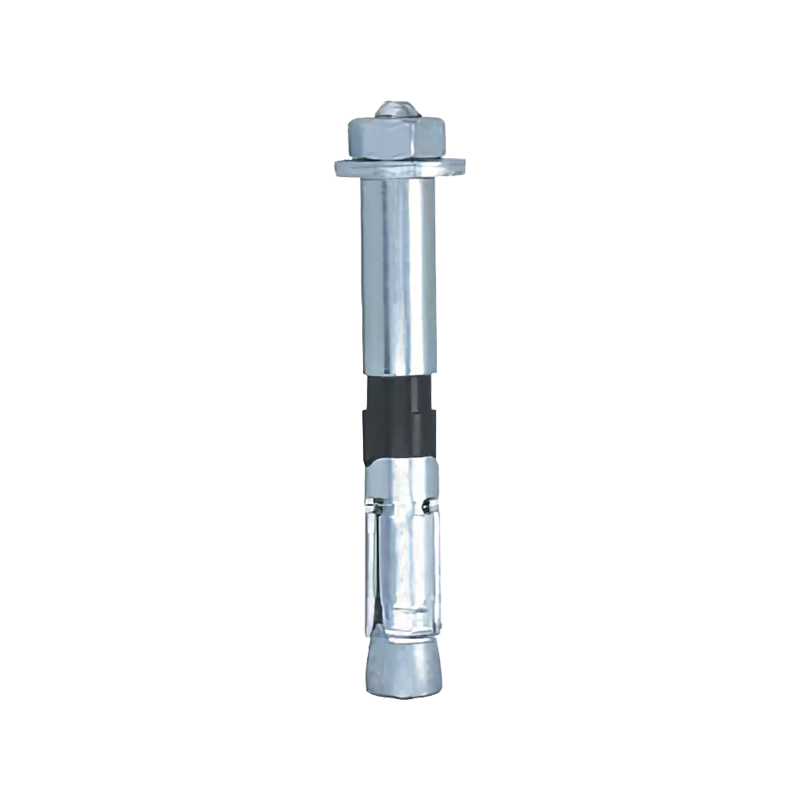
2026-04-27Metric Sleeve Anchor is a commonly used fastener in construction and renovation, widely applied in various substrates such as concrete, brick walls, and stone. Although its design is simple and reliable, improper installation can lead to anchor damage, affecting performance and posing safety risks. To ensure the Metric Sleeve Anchor remains undamaged during installation, mastering the proper techniques is crucial.
Choosing the Right Tools and Equipment
The right tools are essential for proper installation of Metric Sleeve Anchor. Using improper tools may lead to damage or incorrect installation. When using a power drill, choose the appropriate drill bit size to avoid mismatched hole sizes. The drill bit should match the anchor's specifications and be sharp enough for the material. Adjust the drill speed according to the hardness of the wall material to avoid causing cracks in the wall or damage to the anchor.
Ensure Accurate Hole Size and Depth
The hole size and depth are key factors affecting the installation of Metric Sleeve Anchor. If the hole diameter is too large, the anchor will not fit snugly against the wall, leading to loosening after installation. If the hole is too small, the anchor may not be inserted properly, or may be overly compressed during insertion, causing damage. The hole depth should match the length of the anchor and the thickness of the fixture. Before installation, measure the hole size and depth precisely to ensure a proper fit.
Pre-treat the Hole Surface
Cleaning the hole surface before installation is crucial. Dust, grease, and debris on the wall or base material can affect the anchor's stability and load-bearing capacity. Especially for hard substrates like concrete and stone, debris left in the hole can prevent smooth insertion, potentially damaging the anchor. After drilling, use an air blower or brush to clean the hole, and ensure it is dry and free from oil or contaminants for a tight anchor-to-wall contact.
Use Torque Tools Correctly
Over-tightening or under-tightening during the installation of Metric Sleeve Anchor can cause anchor damage or improper installation. When using wrenches or power tools, adjust the torque to match the anchor's material and specifications. Excessive torque can deform or break the anchor, while insufficient torque will not fix it properly. It is advisable to use a tool with torque-setting functionality, which automatically stops when the recommended tightening force is reached to avoid human error.
Avoid Overusing on Soft Substrates
While Metric Sleeve Anchors are suitable for various wall materials, they may damage soft materials like drywall because of the material's weak load-bearing capacity. For soft substrates, select anchors designed specifically for these materials, and avoid using oversized anchors. Additionally, using backing plates or support boards can enhance the soft substrate's load-bearing capacity, reducing the risk of anchor damage during installation.
Choose the Right Installation Location
The installation location also affects the safety and stability of Metric Sleeve Anchor. Avoid drilling in cracks, voids, or areas that might experience high stress. Installing the anchor in these areas can cause uneven pressure distribution in the wall, leading to anchor damage or failure. Ideal installation locations are on solid, intact wall surfaces where the anchor can bear load evenly.
Consider Environmental Factors
Environmental factors can affect the performance and lifespan of Metric Sleeve Anchor. In damp or corrosive environments, metal anchors are prone to rust, which weakens their strength and stability. In such environments, selecting anchors made from stainless steel or those with special coatings can reduce corrosion. Extreme temperature changes can also cause material expansion or contraction, affecting the anchor's fixing performance. It is essential to select the appropriate material and model in such conditions.
Monitor Installation Quality and Perform Regular Inspections
After installation, carefully inspect to ensure the anchor is secure. You can manually check if the anchor is tight or use a pull-testing tool to verify its stability. If issues are detected, re-adjust and reinstall. Additionally, conduct regular inspections during long-term use to ensure the anchor’s strength and stability.


Contact Us