
 English
 中文简体
中文简体 русский
 Español
What Is the Purpose of an Expansion Anchor? Types & Uses Explained
2026-08-10What Is the Purpose of an Expansion Anchor?
A steel column base plate must be fixed to a concrete foundation that was poured three weeks ago. There are no cast-in bolts, and welding to embedded plates is not an option. This is the situation an expansion anchor is designed for.
An expansion anchor is a post-installed mechanical fastener that secures objects to solid base materials such as concrete, brick, and masonry. Its purpose is to create a dependable, load-bearing connection after the base material has hardened, without cast-in bolts or chemical adhesives. The anchor expands against the wall of a predrilled hole and produces a friction lock strong enough to transfer the applied load into the surrounding base material.
A regular screw cannot do this job. Concrete is hard, abrasive, and brittle. It does not deform the way wood does, so a wood screw simply spins in place or tears out. An expansion anchor converts tightening torque into outward radial force, pressing an expansion clip or sleeve firmly against the hole wall. The resulting friction and mechanical interlock hold the fixture securely in place, which is why expansion anchors are essential for steel-to-concrete connections, equipment mounting, structural framing, and renovation work that requires a new fastening point in existing concrete.
How Does an Expansion Anchor Work?
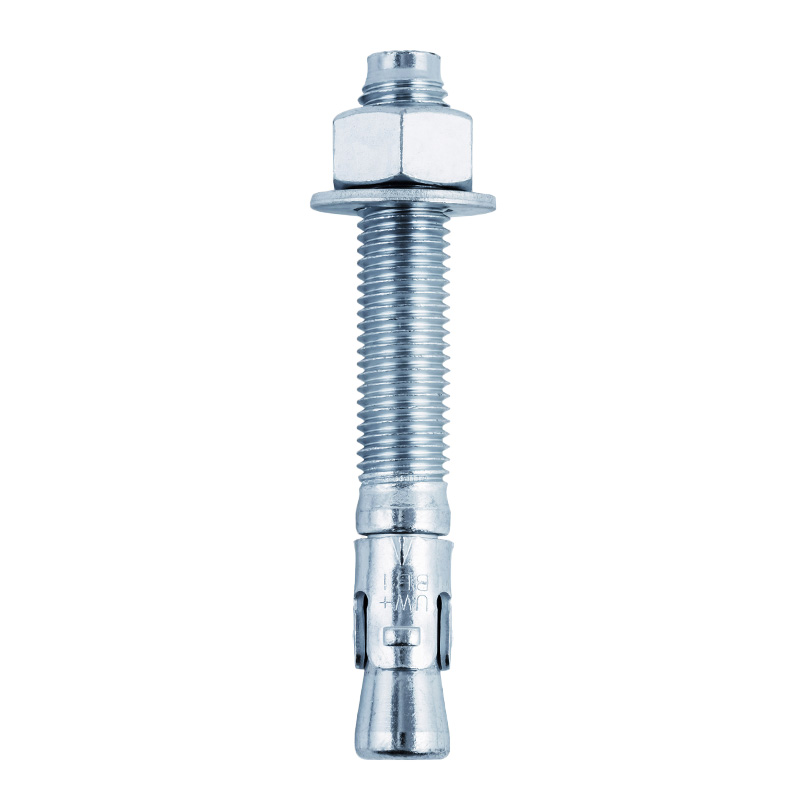
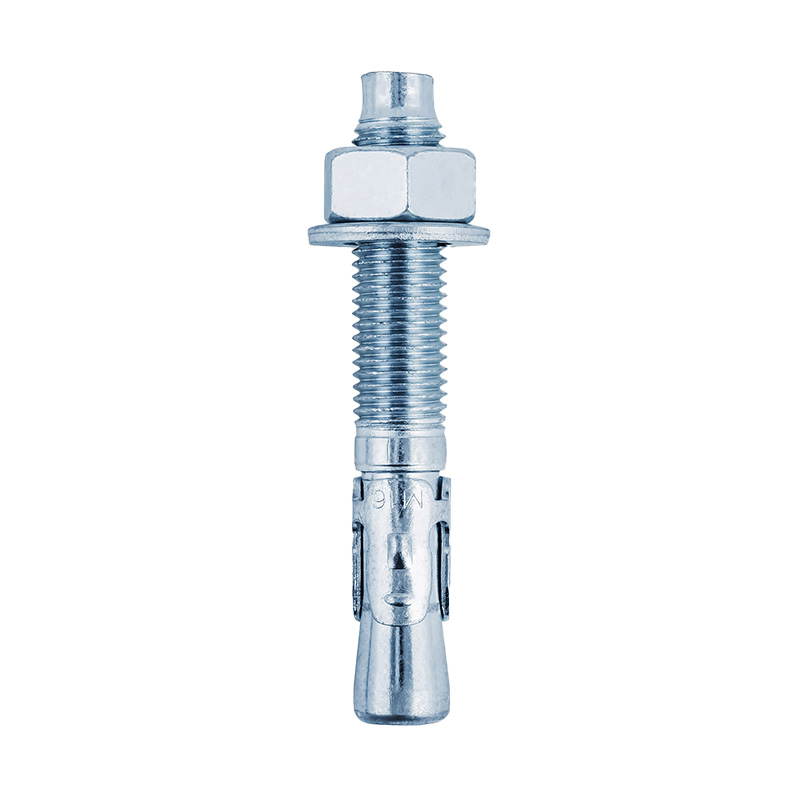
All expansion anchors share the same core principle: a tightening action creates axial tension, which is converted into radial expansion inside the hole. An anchor consists of a threaded body, a cone-shaped end, and one or more clips or a sleeve. When the nut is tightened, the body pulls upward and forces the clip up the taper of the cone, pushing it outward against the hole wall. The resulting radial clamping force creates the friction that resists pull-out and transfers the load to the base material.
Wedge anchors are torque-controlled expansion anchors: the installer controls the amount of clip expansion by applying a specified torque. Under-torquing leaves the clip under-expanded, while over-torquing can crush the concrete at the bearing surface. This torque sensitivity is why following the anchor's installation data matters so much.
The Four-Step Fastening Mechanism
In practice, the fastening sequence has four steps:
- Drill a hole to the specified diameter and depth with a sharp carbide-tipped bit.
- Clean the hole with a brush and air blower so the clip can contact the hole wall fully.
- Insert the anchor, then place the fixture, washer, and nut.
- Tighten to the recommended torque so the cone pulls the clip outward and locks the anchor in place.
As an indicative example, a 1/2 in wedge anchor embedded 65 mm in 25 MPa uncracked concrete can develop roughly 8 to 12 kN of tensile capacity. These are typical example values, not guaranteed product ratings; actual performance depends on anchor design, installation quality, and base material condition.
Common Types of Expansion Anchors and Their Purposes
Expansion anchors fall into two families: pre-expanded and non-pre-expanded, also called torque-controlled, anchors. Pre-expanded anchors are already expanded when they enter the hole, so installation is fast and no re-tightening is needed, but they are generally limited to light-duty use. Non-pre-expanded anchors expand only after tightening and are preferred when holding power must be verified, as in most structural work.
Wedge Anchor — The Heavy-Duty Choice for Solid Concrete
The wedge anchor is the most common torque-controlled expansion anchor. It combines a cone-shaped end with a single expansion clip. As the nut is tightened, the clip is drawn up the cone and pressed into the concrete, delivering high and consistent holding values in solid, uncracked concrete. This makes wedge anchors the default choice for structural steel connections, column base plates, and heavy machinery. They are essentially a classic type of single expansion anchor, specified wherever consistent pull-out resistance matters.
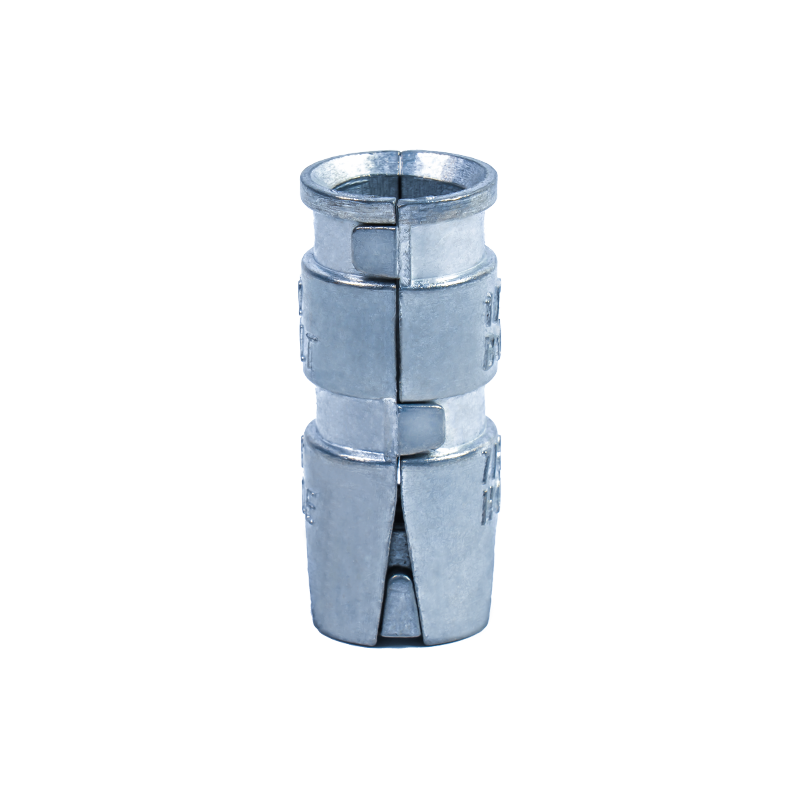 Zinc Alloy Single-Head Anchors Manufacturers, SuppliersAs China Zinc Alloy Single-Head Anchors Manufacturers and Single Expansion Anchor Custom Suppliers, Nanshan Development Co., Ltd. offer W...View Product →
Sleeve Anchor — Versatile for Brick and Block
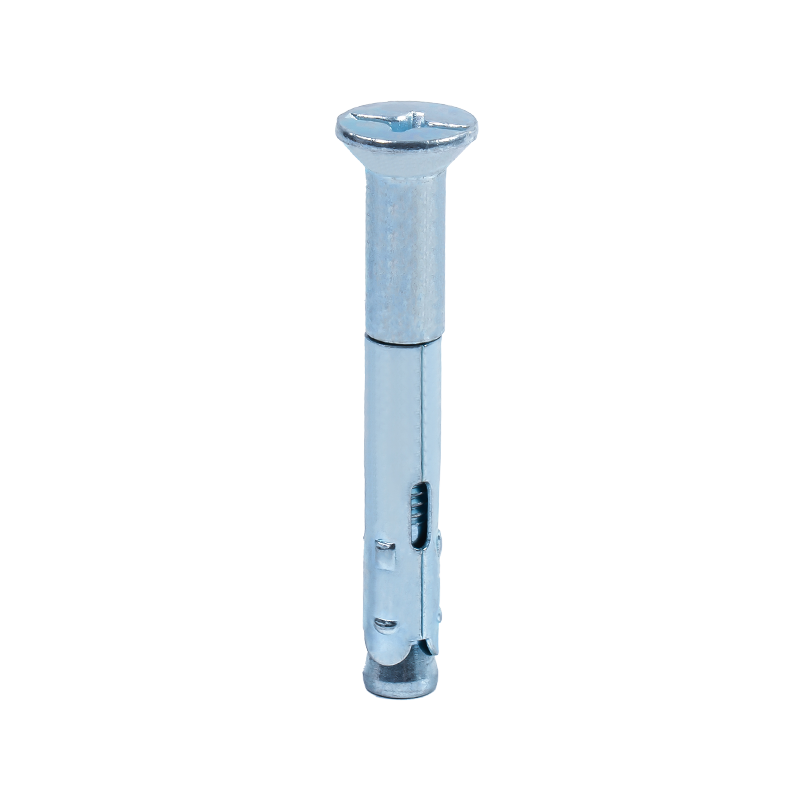
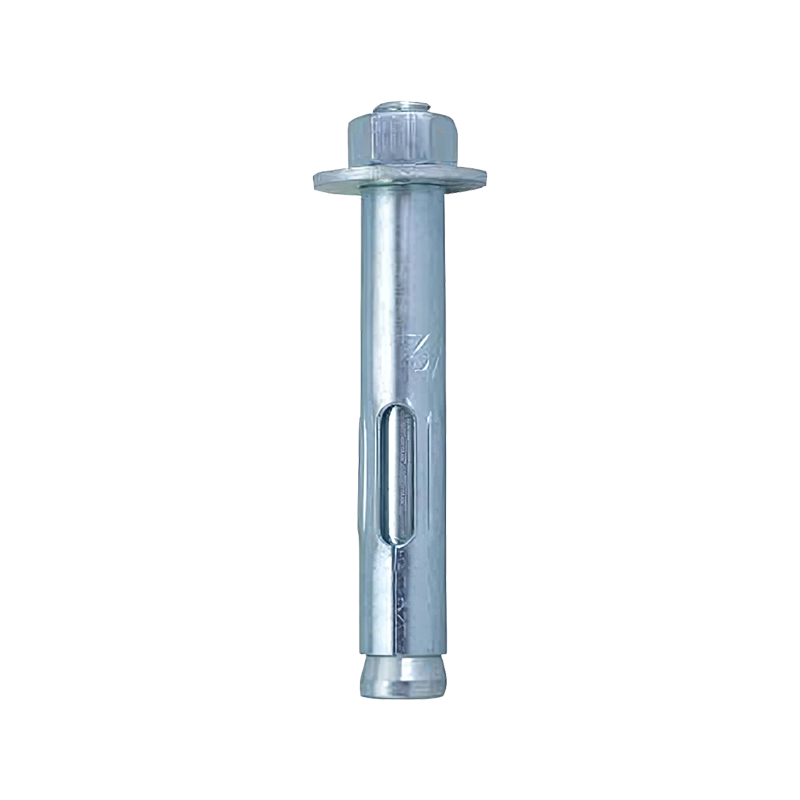
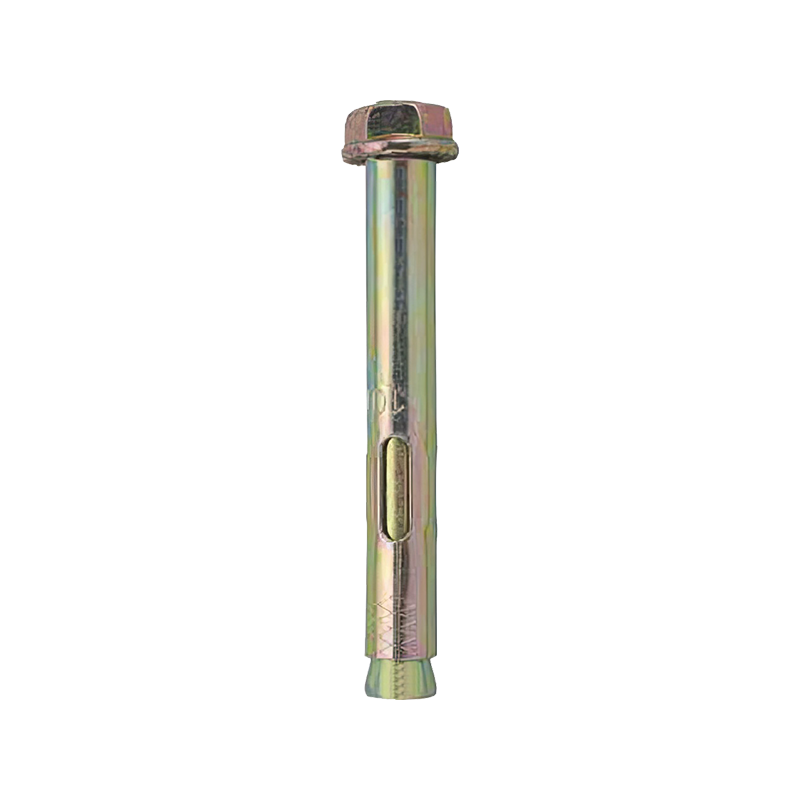
The sleeve anchor uses a thin-walled sleeve fitted over the threaded body. When the nut is tightened, the sleeve compresses and expands along its length, pressing over a larger area of the hole. This makes sleeve anchors more forgiving in softer or variable base materials, so they work well in concrete, brick, and block for handrails, door frames, partitions, and signage with light to medium loads.
Drop-In and Hammer Drive Anchors — Compact and Quick to Install
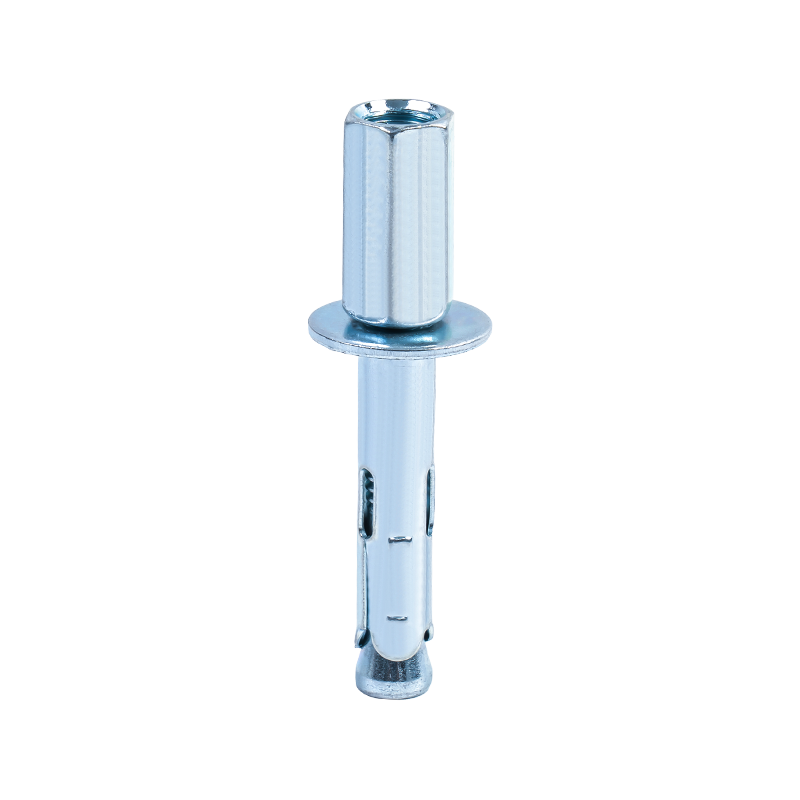
Drop-in anchors are internally threaded and set flush into the concrete with a setting tool that expands the clip. Because nothing protrudes, they are ideal for overhead work and flush-mounted applications such as cable trays and suspended ceiling supports. For applications that need a flush-mounted, internally threaded anchor, drop-in anchors offer the cleanest solution.
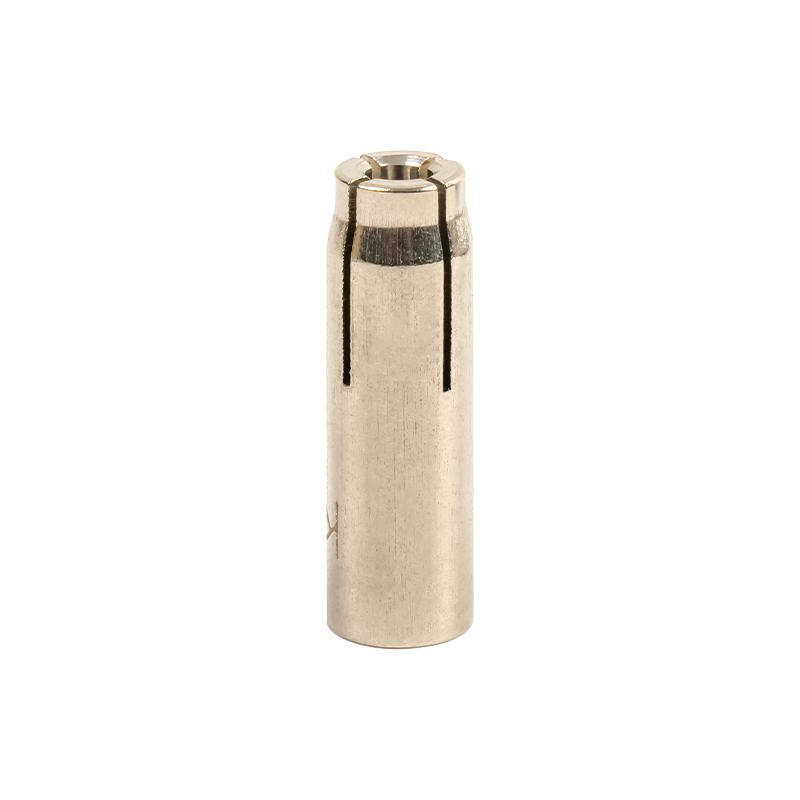 Drive-In Anchors Manufacturers, Drop-In Anchor SuppliersNanshan Development Co., Ltd. is China Drive-In Anchors Manufacturers and Drop-In Anchor Custom Suppliers, specializes in producing Whole...View Product →
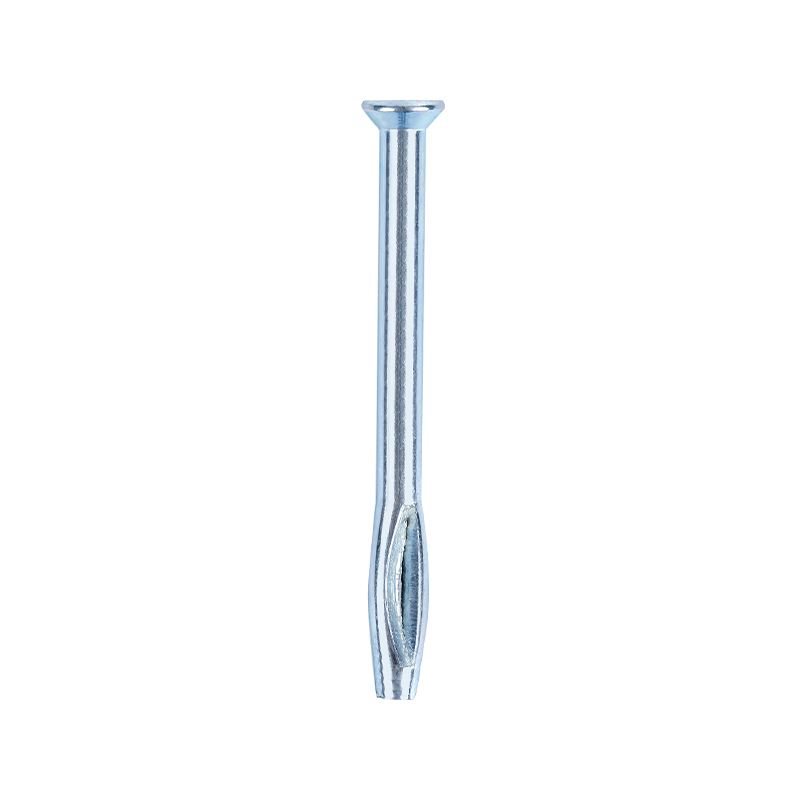
Hammer drive anchors are the quickest option. The installer drives the anchor into the hole, and a drive pin forces the expansion clip outward. They are fast but suit mainly light-duty fastening and temporary installations.
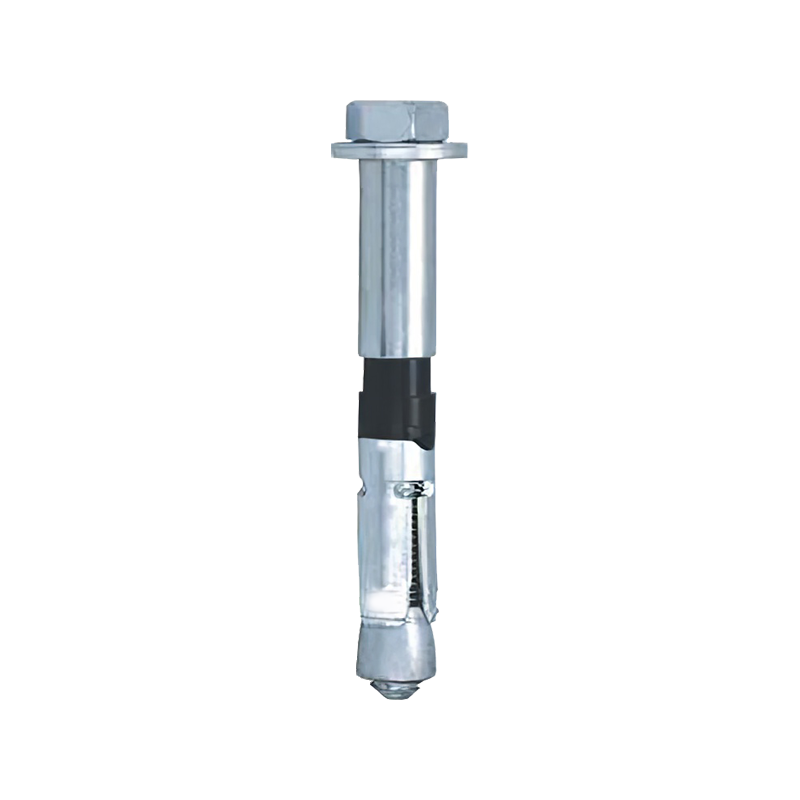
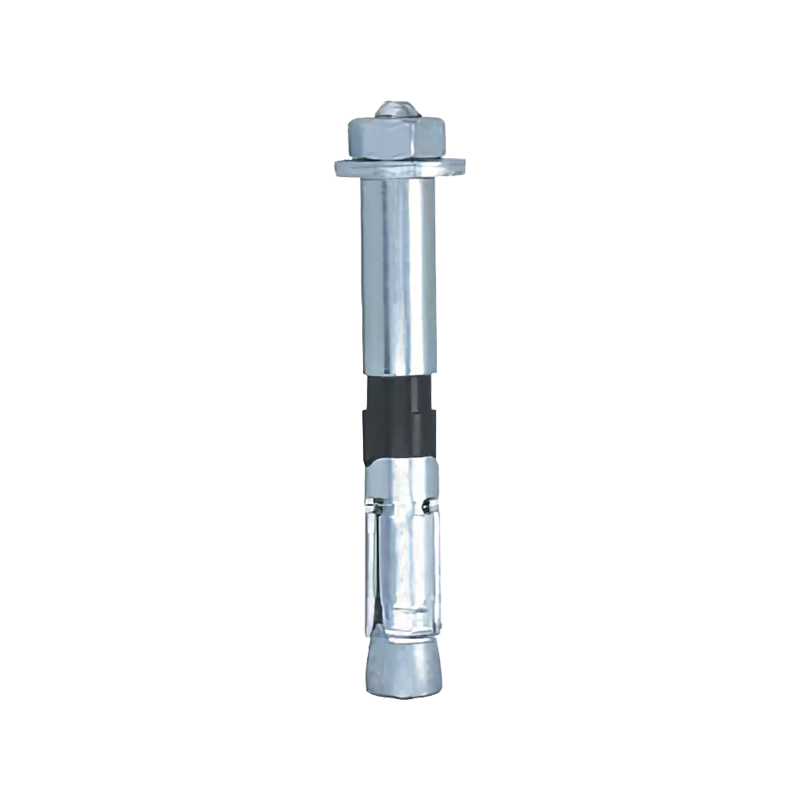
Where concrete is old, cracked, or inconsistent, grip can vary from hole to hole. A double expansion anchor uses two clips that distribute the load over a larger area and reduce localized stress. This is why double expansion anchors are a sensible choice when the base material condition is uncertain and the connection needs extra confidence.
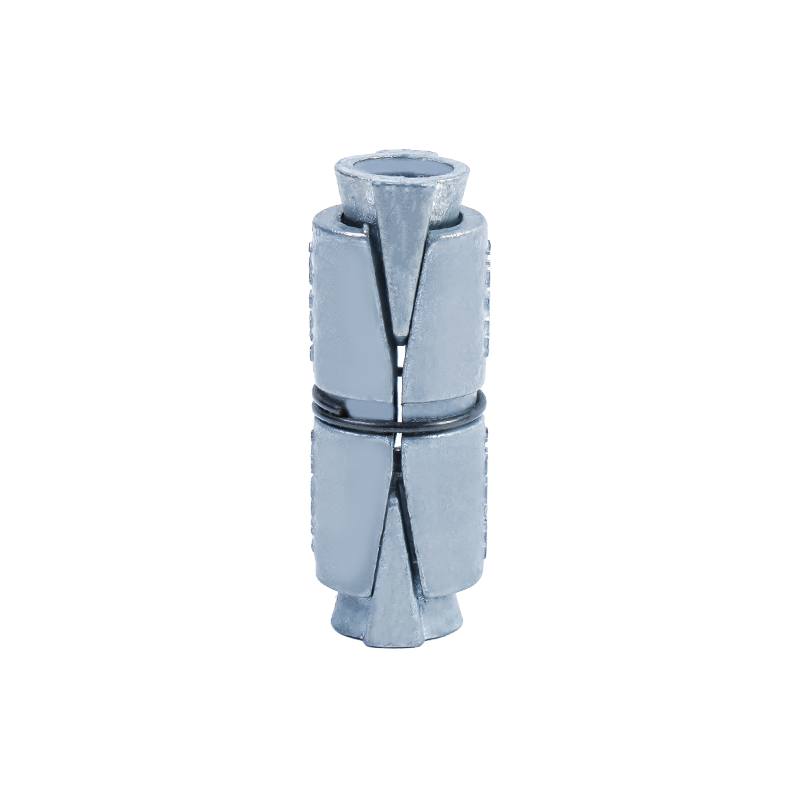 Wholesale Double Expansion Anchor Manufacturers, Custom Suppliers - Yuyao NanshaYuyao Nanshan Development Co., Ltd is China Custom Double Expansion Anchor Manufacturers and Wholesale Double Expansion Anchor Suppliers,...View Product →
| Anchor Type | Best Base Material | Typical Load Range | Common Applications |
|---|---|---|---|
| Wedge anchor | Solid, uncracked concrete | Heavy | Structural steel, base plates, machinery |
| Sleeve anchor | Concrete, brick, block | Light to medium | Handrails, frames, partitions, signage |
| Drop-in anchor | Solid concrete | Light to medium | Overhead fixtures, cable trays, sprinkler lines |
| Hammer drive anchor | Concrete, block | Light | Temporary fastening, light-duty fixtures |
Key Applications of Expansion Anchors Across Industries
Expansion anchors appear in almost every sector where a fixture must be attached to concrete or masonry:
- Construction and structural steel: columns, beam connections, base plates, and bracing.
- Infrastructure: bridges, tunnels, railways, airports, highway guardrails, and ports.
- Energy and industry: nuclear plants, substations, pump bases, conveyors, and equipment.
- Commercial installations: handrails, canopies, facade brackets, mezzanine floors, and racking.
- Outdoor and DIY: fence posts, pergolas, awnings, satellite dishes, and garage shelving.
- Renovation: adding fastening points to existing concrete without tearing up the structure.
The common thread is the need for post-installed connections in cured concrete. Expansion anchors can be drilled in at any time, so designers and contractors can add, relocate, or reinforce connections long after the concrete has set.
How to Choose the Right Expansion Anchor
Selection is a four-step decision: work through base material, load, environment, and installation constraints in that order.
Consider the Base Material First
The base material decides whether an expansion anchor can work at all. If it is soft or friable, holding values will be low or non-existent. Solid, uncracked concrete supports every anchor type described above. Brick and block need anchors that expand gradually over a larger surface, typically sleeve anchors, to avoid cracking the masonry. Cracked concrete requires an anchor rated for crack zones, or a double expansion design, and the condition of the concrete should be checked before installation.
Match Anchor Size to Load and Embedment
Pull-out resistance increases with anchor diameter and embedment depth. A deeper embedment places the expansion mechanism in stronger concrete; a larger diameter increases the bearing area. The drill bit must be matched precisely: an undersized hole makes insertion difficult, and an oversized hole leaves the clip without enough bearing surface. If in doubt, choose deeper embedment rather than a larger diameter, because deeper embedment normally delivers more reliable performance for the same hole size.
Installation Best Practices for Reliable Holding Power
Installation quality determines how well any anchor performs. Even a correctly selected anchor will fail if it is installed poorly. Follow these practices:
- Drill with a sharp carbide-tipped bit, perpendicular to the surface. A blunt or worn bit enlarges the hole unintentionally, and a 0.5 mm oversize in hole diameter can reduce pull-out resistance by 30 to 40 percent.
- Clean the hole completely. Dust and debris act as a lubricant and prevent the expansion clip from making full contact with the concrete.
- Apply the correct torque. Use a calibrated torque wrench instead of tightening by feel.
- Respect edge distance and spacing. Anchors placed too close to a free edge or to one another can crack the concrete and sharply reduce capacity. Load direction and edge condition both matter; you can read more about spacing and edge distance considerations for wedge anchors to understand how these parameters affect performance.
Common Mistakes That Cause Expansion Anchors to Fail
When an expansion anchor loosens or pulls out, the cause is almost always one of the following:
- Wrong drill bit size. A hole that is too large, too shallow, or out of round prevents the clip from seating properly.
- Dust left in the hole. Debris reduces friction and lowers holding power.
- Inadequate torque. The clip stays only partially expanded, and the anchor moves under load.
- Excessive torque. The concrete around the clip is crushed, creating a void instead of a firm grip.
- Insufficient edge distance or spacing. Cracks propagate toward the anchor and eliminate the friction lock.
- Anchoring into cracked or deteriorating concrete without accounting for the condition.
- Corrosion. A zinc-plated anchor in a wet, marine, or chemical environment loses both strength and expansion capacity over time; stainless steel is required for long-term outdoor or corrosive exposure.
Most field failures are preventable by following the anchor's technical data sheet: drill, clean, torque, and position all within the specified limits.
Summary and Expert Recommendation
The purpose of an expansion anchor can be summarized in one sentence: it creates a secure, load-bearing connection in concrete and masonry after these materials have cured, by converting tightening torque into radial expansion and friction lock. Choosing the correct anchor type for the base material, matching the size to the load, and installing at the correct torque are the three factors that determine whether the connection performs as intended.
Because selection involves so many variables, input from an experienced manufacturer saves time and risk. The engineering team behind this product range works daily with wedge, sleeve, drop-in, hammer drive, and other expansion anchor families for structural and industrial applications in the United States and Europe. Contact the factory directly for a quotation or a recommendation on the right anchor for your substrate, load, and environment.


Contact Us