
 English
 中文简体
中文简体 русский
 Español
Single vs Double Expansion Anchors: When to Use Each
2026-08-03Project teams across the United States and Europe face the same question when selecting mechanical anchors: when should you use single and double expansion anchors? The answer is not found in the catalog alone. It comes from the base material, the load path, and the installation process. This guide explains how both anchor types work, then gives you a practical selection framework you can use on site or during procurement.
Understanding the Basic Structure of Single and Double Expansion Anchors
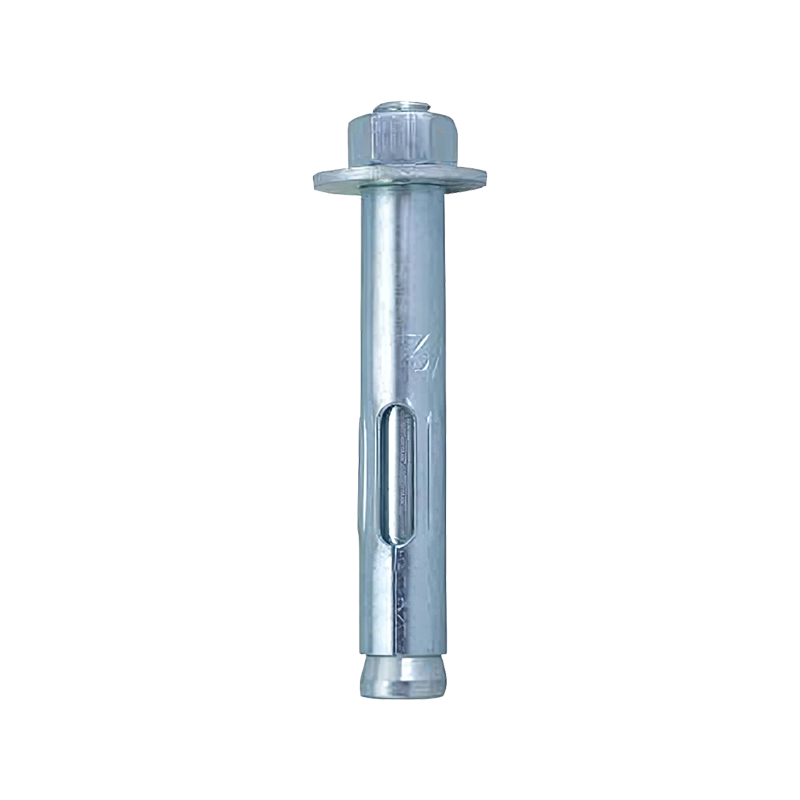
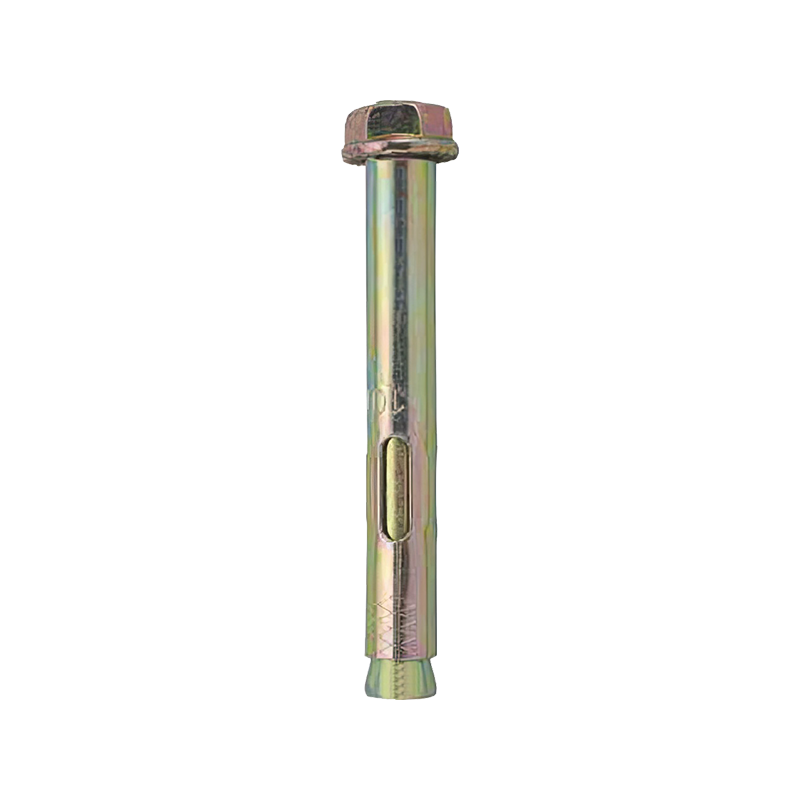
A single expansion anchor consists of one expansion cone, one expansion sleeve, and a threaded body. When the nut is torqued, the cone pulls through the sleeve, forcing the lower portion of the sleeve to expand and press against the hole wall. Because only one cone drives the expansion, all of the clamping force develops in a short zone near the bottom of the hole.
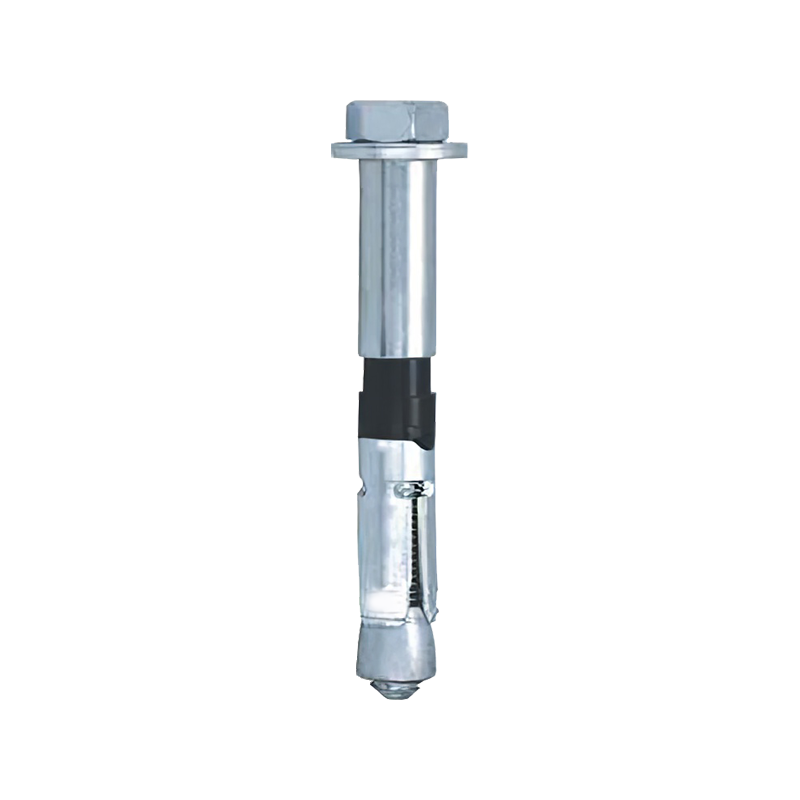
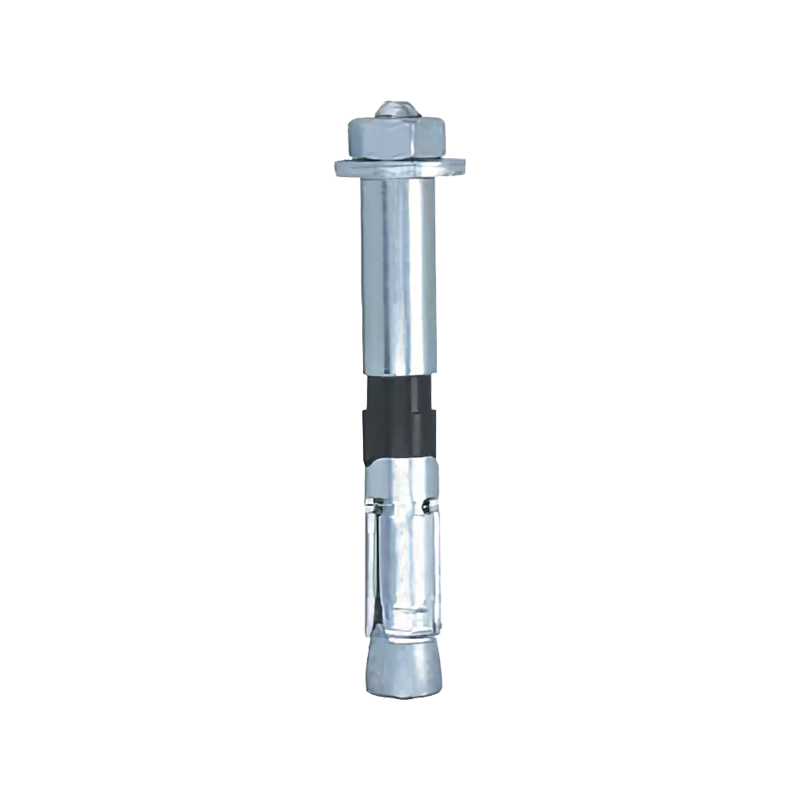
A double expansion anchor uses two expansion cones inside a split shell. Two spring steel straps hold the two halves of the shell together before installation. One end of the anchor is threaded, and the other is not. As you tighten the nut, the two cones move toward each other and push the two halves outward at two separate locations. The shell therefore bears against the concrete along a longer portion of the hole, rather than at a single concentrated point. You can review the standard configurations of the single expansion anchor on our product page to see how this simpler geometry translates into available sizes and finishes.
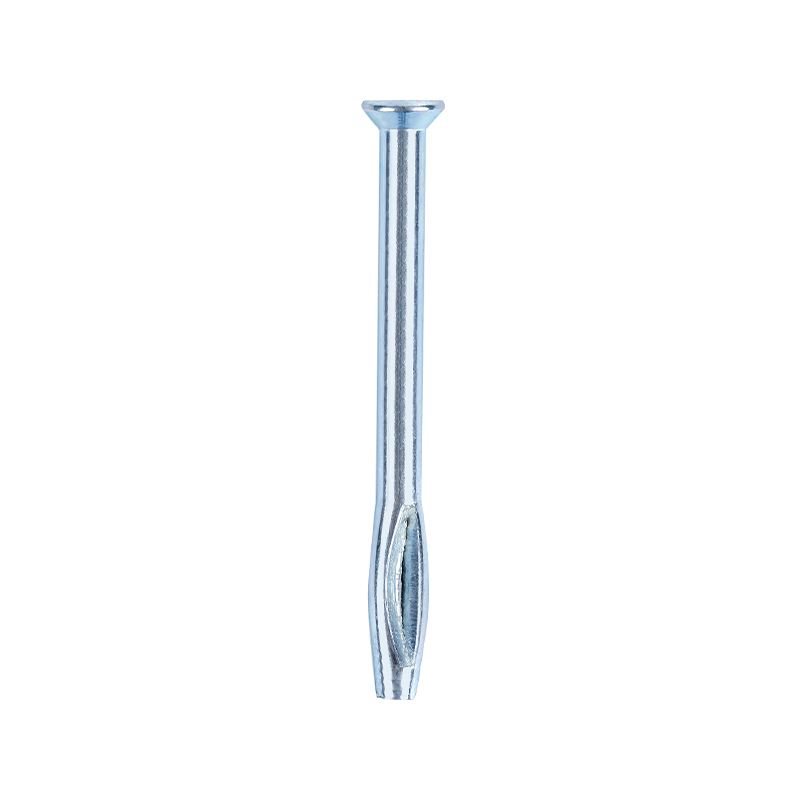
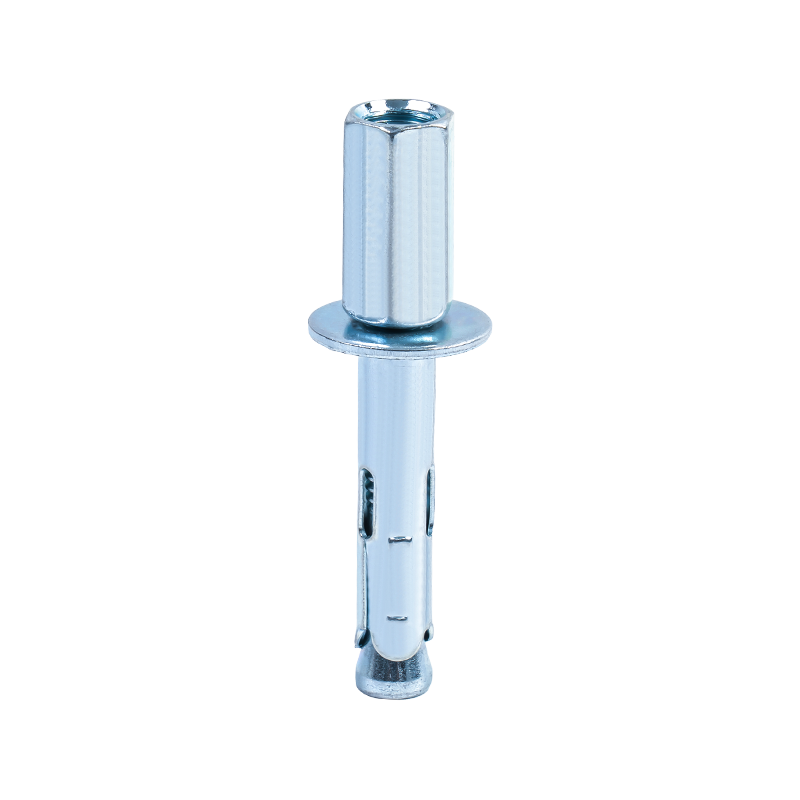
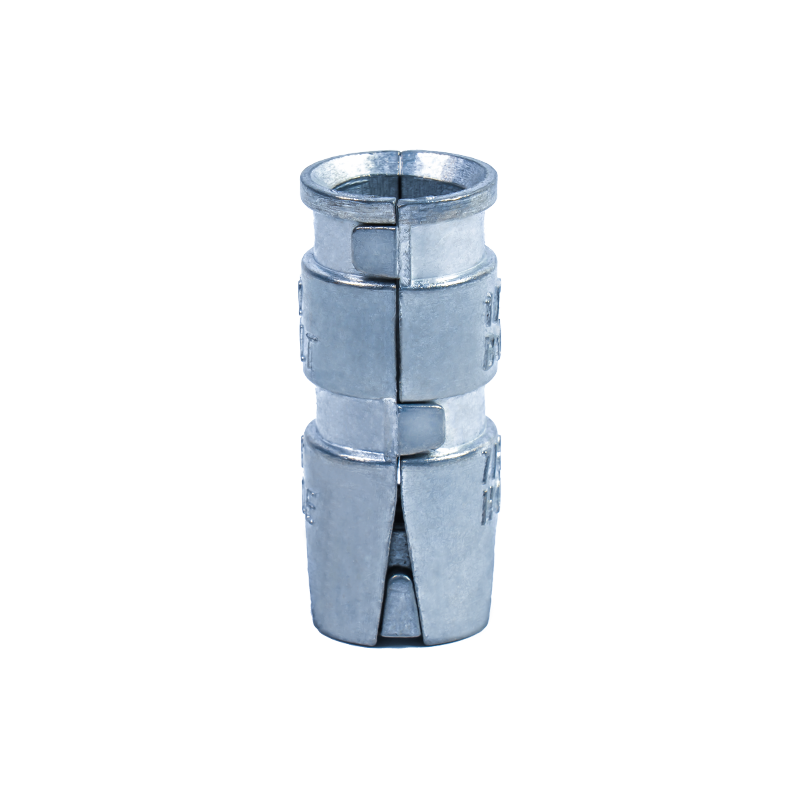 Zinc Alloy Single-Head Anchors Manufacturers, SuppliersAs China Zinc Alloy Single-Head Anchors Manufacturers and Single Expansion Anchor Custom Suppliers, Nanshan Development Co., Ltd. offer W...View Product →
Key Differences in How Each Anchor Works
Both anchor types rely on torque-controlled mechanical expansion, but the stress distribution is very different. In a single expansion anchor, the full expansion force is concentrated at one conical point. That produces high local compression on the concrete. When the concrete is dense, well-cured, and free of significant cracks, this is perfectly acceptable. When the concrete is weaker, the high local stress can crush the matrix or propagate cracks, which reduces holding capacity.
Double expansion anchors reduce local stress by spreading the expansion across two cones. The two expansion zones share the load over a larger area of the hole wall. This is why double expansion anchors are regularly used in concrete that is older, softer, cracked, or otherwise not fully predictable. It also means the anchor depends less on one perfect contact point, which makes field installation more forgiving if the hole wall is slightly rough.
Another practical difference is the length of the anchor body. A single expansion anchor has a short effective bearing zone, so it works well for shallow embedment into solid concrete. A double expansion anchor needs a slightly deeper and longer hole because the split shell must accommodate the second cone. That extra length is not wasted; it provides a longer contact surface and more consistent resistance to pullout in variable base materials.
In the broader anchoring industry, expansion anchors are evaluated differently in cracked and uncracked concrete, often following frameworks such as ACI 355.2. That distinction matters because cracks change the contact mechanics under load. A double expansion anchor, when designed correctly, is better suited for conditions where cracking is likely or cannot be ruled out.
When to Use Single Expansion Anchors
Use a single expansion anchor when the base material is uniform and known to be sound. The concentrated expansion force needs a reliable local bearing surface, so this anchor is best suited to projects where the concrete quality is well documented.
- Quality concrete with no major spalling, honeycombing, or large cracks. The single cone creates high local compression, and the surrounding concrete must absorb that stress without failing.
- Relatively static loads. Guardrails, handrails, pipe clamps, light machinery, and shelf brackets are typical applications. These connections do not produce repeated or violent stress reversals.
- Cost-sensitive projects. A single expansion anchor is more economical because it uses less material and takes less time to set. For large quantities, the savings are meaningful.
- Fast installation with a clean, accurate hole. If the crew can drill to the correct depth and remove dust properly, the single expansion anchor performs well. It tolerates normal field conditions but not sloppy hole preparation.
Choosing a single expansion anchor is not a compromise. It is a match between the anchor geometry and a known-good base material. For most standard concrete fastening jobs, it is the most efficient option on the market.
When to Use Double Expansion Anchors
A double expansion anchor is the safer choice when the base material is less certain. The double expansion anchor in our product range is built with two expansion zones specifically for this reason.
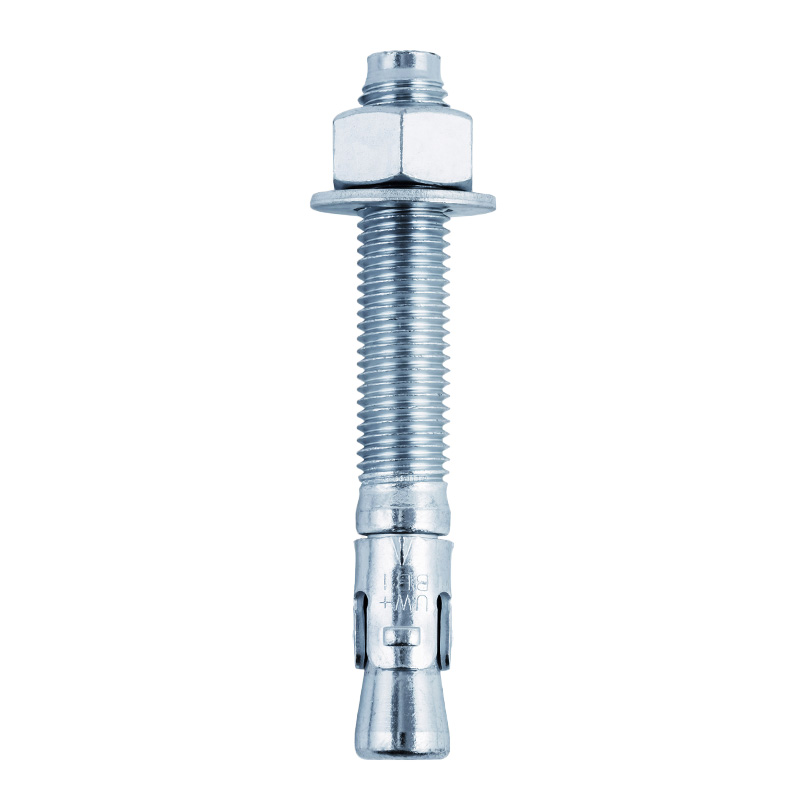
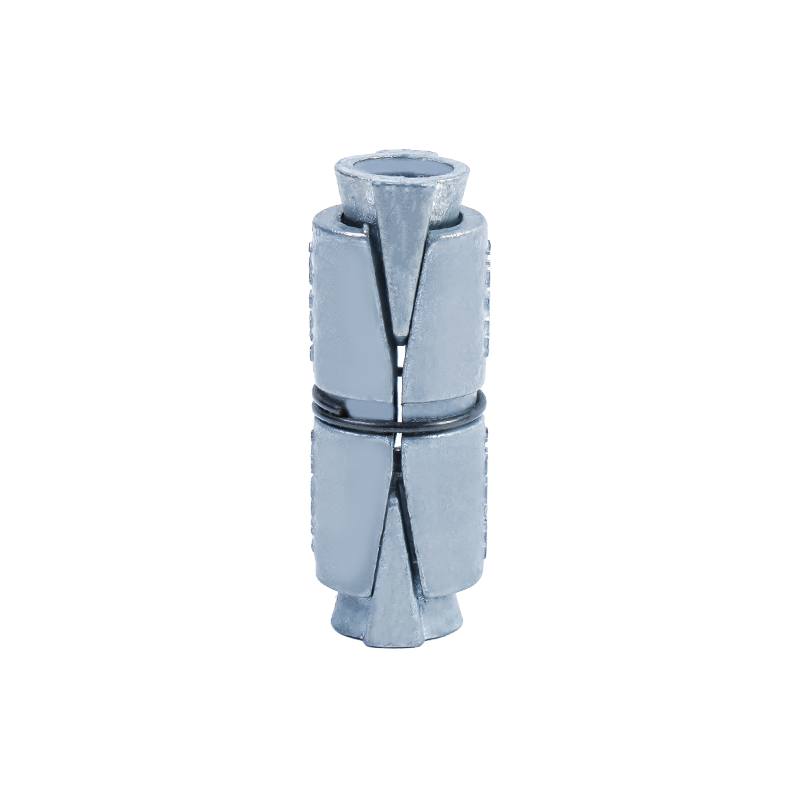 Wholesale Double Expansion Anchor Manufacturers, Custom Suppliers - Yuyao NanshaYuyao Nanshan Development Co., Ltd is China Custom Double Expansion Anchor Manufacturers and Wholesale Double Expansion Anchor Suppliers,...View Product →
- Concrete strength is unknown or lower than design strength. This happens in old buildings, repaired slabs, and site pours that were not documented. If you cannot confirm the concrete grade, the double expansion design gives you a wider safety margin.
- The base material is masonry, block, or brick. These materials have variable density and lower bearing capacity than structural concrete. Double expansion spreads the load and reduces the risk of localized crushing.
- Cracks or cold joints may pass through the anchor zone. Two expansion points help distribute the clamping force so a single crack cannot eliminate the whole connection.
- The connection will face vibration or dynamic loads. Handrails on a bridge, overhead lifting equipment, and outdoor stairs all involve movement and repeated forces. The longer bearing zone helps maintain clamping under these conditions.
- The installer cannot guarantee a perfectly clean and uniform hole. Field experience shows that a double expansion anchor handles a modest amount of dust or a slightly oversized hole better, because the second cone still picks up load if the first zone has weak bearing.
That does not mean a double expansion anchor is always the right answer. It is a condition-specific tool. Choose it when the base material tells you that one expansion point may not be enough.
Side-by-Side Comparison: Single vs Double Expansion Anchors
The table below summarizes the decision-relevant differences already discussed. Use it on site or when reviewing a fastener submittal.
| Aspect | Single Expansion Anchor | Double Expansion Anchor |
|---|---|---|
| Base material suitability | Sound, high-strength concrete | Concrete of varying strength, masonry, cracked concrete |
| Load distribution | Concentrated near one cone | Distributed over two expansion zones |
| Installation speed | Faster, more direct torque process | Slightly more care needed while setting |
| Relative cost | Lower per unit | Higher per unit |
| Typical applications | Handrails, static equipment, standard concrete | Vibrating fixtures, older concrete, suspect masonry |
| Hole and cleaning tolerances | Requires clean, accurate hole | More tolerant of minor hole wall irregularities |
Installation Considerations Unique to Each Type
Drilling and Hole Preparation
Both anchor types require a hole that is at least as deep as the embedment depth. For a single expansion anchor, the hole diameter should be approximately equal to the outer diameter of the anchor. For a double expansion anchor, the same rule applies, but because the split shell is longer, check the full length of the hole for obstacles or rough spots.
Use a hammer drill with a carbide-tipped bit. Clean the hole thoroughly with a brush and compressed air or a blowout bulb. The holding value of an expansion anchor depends almost entirely on friction between the sleeve and the concrete. Dust and debris will turn a good design into a loose connection.
Mark the drill bit with tape or a depth gauge before drilling. If the hole is deeper than the anchor length, the anchor may not reach its intended bearing surface, or the expansion zone may sit too high in the concrete.
Setting and Torque Requirements
Set the anchor so the washer and nut are snug, then apply torque according to the specified range. For a single expansion anchor, the nut pulls the cone upward into the sleeve, so tightening is direct and predictable. For a double expansion anchor, the two cones must advance together. Apply torque slowly and check the fixture for sideways movement. If the nut spins too freely, the cones may not be engaging properly. Remove the anchor, inspect the shell, and clean the hole before retrying.
To calculate the correct anchor length, use a simple formula: fixture thickness plus required embedment depth. The expansion zone must sit at the bottom of the hole, not in the gap between the fixture and the concrete. Choosing the correct length also prevents the anchor from bottoming out before the expansion cones fully engage.
Common Mistakes to Avoid When Choosing Between the Two
The most expensive mistakes happen during selection, not installation. Here are the ones we see most often from contractors and procurement teams.
- Using a single expansion anchor in hollow block or low-strength masonry. The concentrated expansion load can easily exceed the local bearing capacity of a hollow block and cause the face to spall. A double expansion anchor is the natural fit for masonry conditions.
- Ignoring cracks in the concrete. A crack passing through the anchor zone reduces the contact surface between sleeve and concrete. If the concrete is already cracked or likely to crack, a double expansion anchor is the safer call.
- Making the decision based on unit price alone. A cheaper anchor that fails in poor concrete is not economical. The real cost is the failed connection, rework, inspection delay, and potential safety liability.
- Oversizing the anchor to fix a bad base material. The base material must still carry the load. A larger anchor increases local stress and can make a weak concrete condition worse instead of better.
Choosing the Right Expansion Anchor for Your Project: Final Thoughts
Use a simple decision rule on your next job: if you know the concrete is sound and the load is static, choose the single expansion anchor. If you cannot confirm the base material condition, or if vibration and cracking are possible, choose the double expansion anchor.
You can review available sizes and ordering details on the double expansion anchor product page. For unusual jobs, our engineering office in Yuyao, China, can provide application support. We are a manufacturer of wedge anchors and expansion anchors, and we have served customers in the United States and Europe since 1999. Send us your base material information and load requirements, and our team can help you select the right product or develop a custom solution from your drawings.
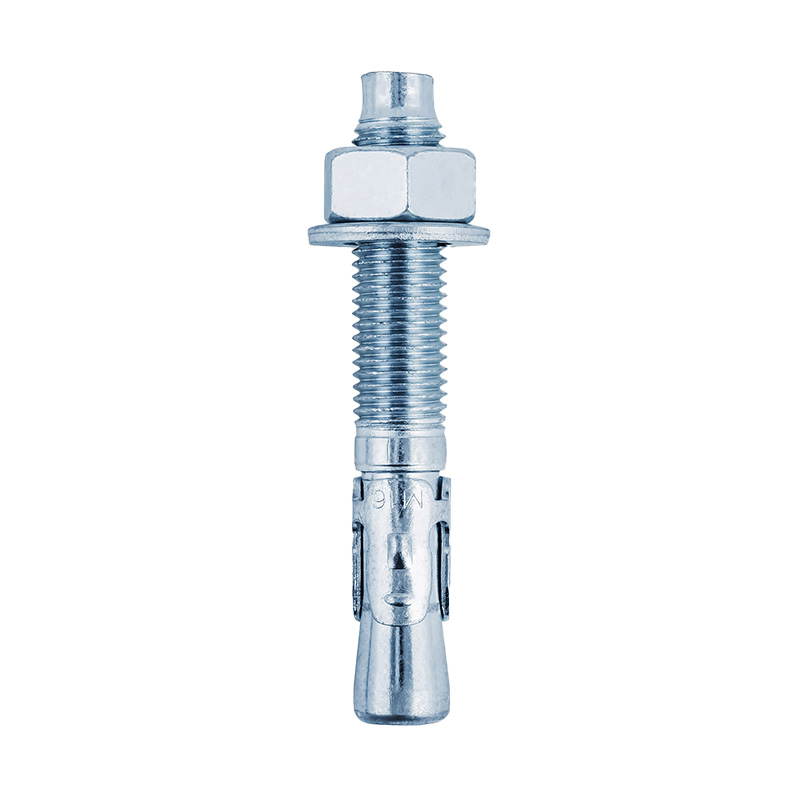
Wholesale Double Expansion Anchor Manufacturers, Custom Suppliers - Yuyao NanshaYuyao Nanshan Development Co., Ltd is China Custom Double Expansion Anchor Manufacturers and Wholesale Double Expansion Anchor Suppliers,...View Product →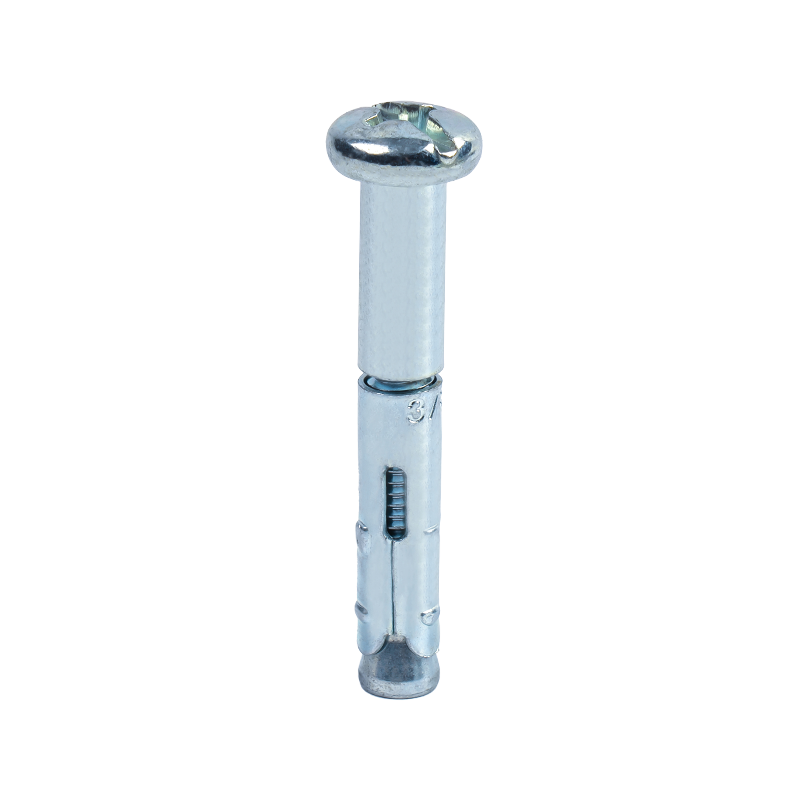


Contact Us