
 English
 中文简体
中文简体 русский
 Español
Is a Single Expansion Anchor Female? | Internal Thread Explained
2026-08-17What Does "Female" Mean for an Expansion Anchor?
Yes, a single expansion anchor is a female anchor. In fastener terminology, "female" means internally threaded: the anchor body has a threaded hole that receives a separately supplied machine bolt. The anchor body is installed into the base material first; then the bolt is threaded into the anchor to develop expansion. This is not a reference to gender. It is the standard engineering term for an internally threaded component.
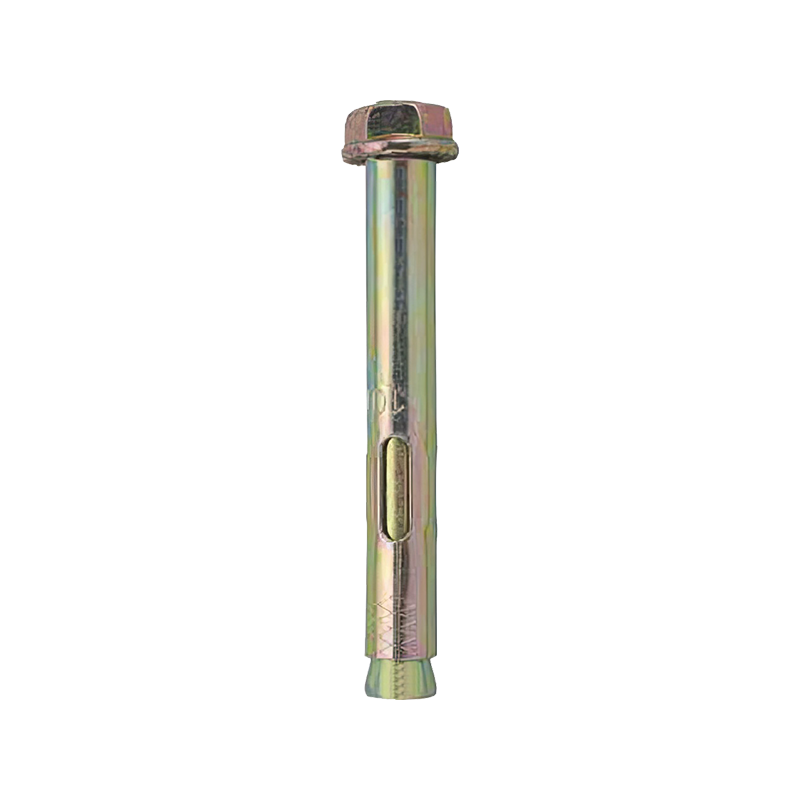
A single expansion anchor is built around a two-piece shell, an expansion cone, a spring wire that holds the shell together, and an internally threaded hole. Because the thread is on the inside of the shell, the anchor is female-threaded. The male component is the machine bolt. When the bolt is inserted and tightened, it pushes the expansion cone, which forces the shell to expand against the wall of the drilled hole.
In practical terms, "female" tells you two things. The anchor itself is not a bolt; it is a receiver. You must supply a machine bolt of matching size and thread. The bolt should be long enough to pass through the fixture, enter the anchor shell, and still engage enough thread to move the expansion cone.
This design has a practical advantage: the machine bolt can be removed and replaced without pulling the anchor body out of the base material. The anchor remains fixed in the hole, and the holding value is maintained as long as the base material is sound. For that reason, the bolt is a serviceable component rather than a permanent part of the anchor.
Female vs. Male Threaded Anchors: A Quick Comparison
Mechanical anchors are often described by how the thread is arranged. A wedge anchor and a sleeve anchor are typically supplied as a one-piece assembly with an externally threaded stud or bolt already attached. That is a male-threaded or integrated design. A single expansion anchor, by contrast, is a two-piece system: the female-threaded shell stays in the base, and the male-threaded bolt is installed afterward.
The distinction matters when you order the anchor. If you buy a single expansion anchor, you should also buy machine bolts in the correct diameter and length. The bolt must extend through the material being fastened, pass into the anchor body, and reach the expansion cone.
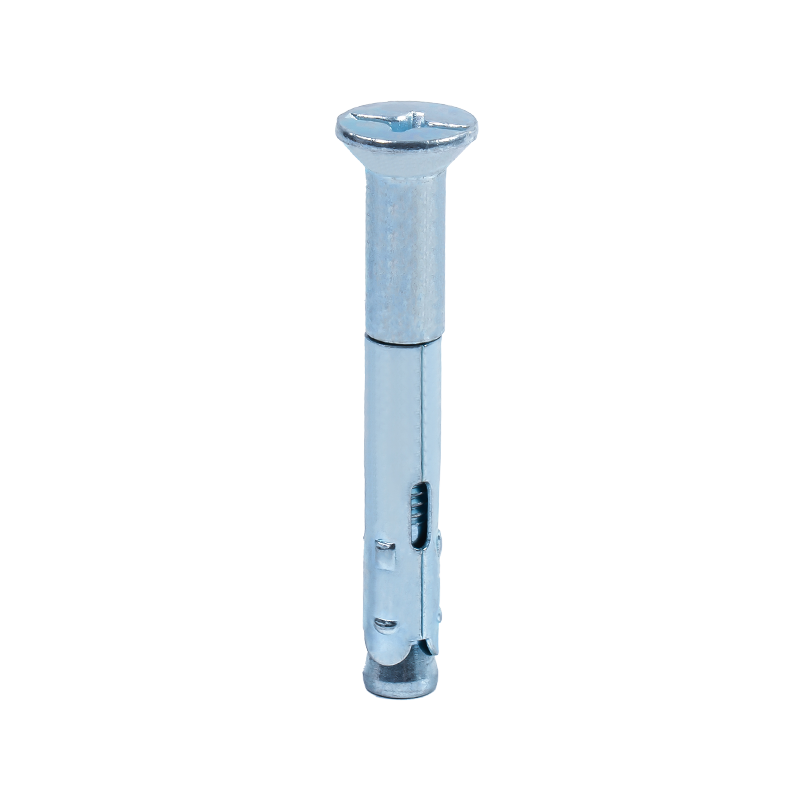
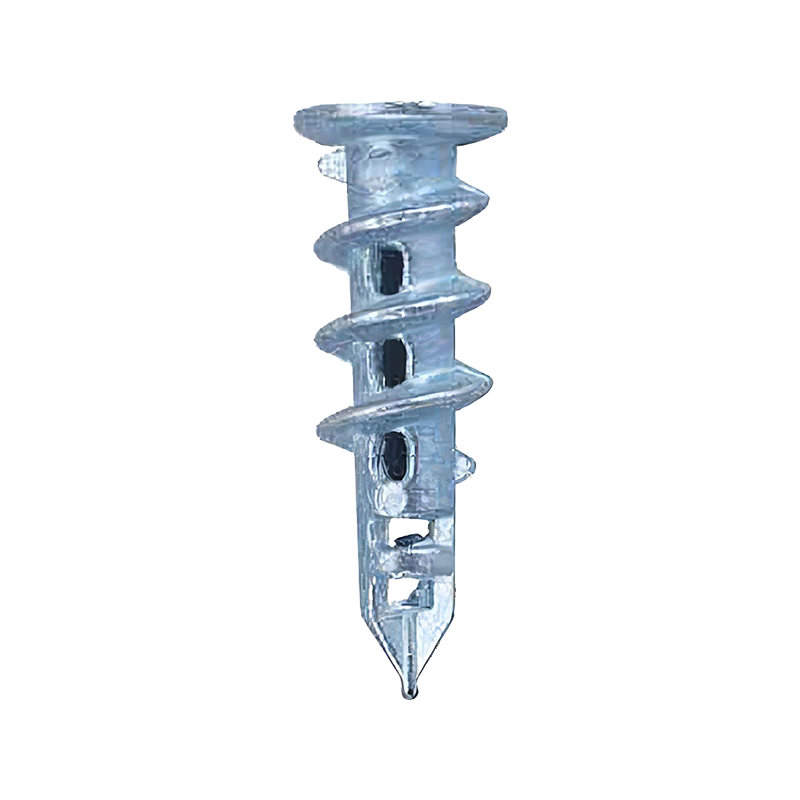 Wholesale Bolt Manufacturers, Custom Suppliers - Yuyao Nanshan Development Co., Yuyao Nanshan Development Co., Ltd is China Custom Bolt Manufacturers and Wholesale Bolt Suppliers, details:PRODUCT INFORMATION: Zinc all...View Product →
How a Single Expansion Anchor Works
A single expansion anchor derives its name from the fact that it has one expansion point. The anchor consists of two die-cast zinc alloy (Zamac) shell halves, one expansion cone, and a zinc-plated carbon spring wire that keeps the halves aligned. The inner surface of the assembled shell contains the thread that accepts the machine bolt.
When you tighten the bolt, the tip of the bolt pushes the expansion cone ahead of it. The cone moves into the space between the two shell halves and forces them outward. Because the shell is already inside a drilled hole, the outward movement presses the shell tightly against the base material. This creates a mechanical interlock at one defined point along the length of the anchor. That single point of expansion is what differentiates the product from a double expansion anchor.
The bolt does not carry the load directly; the expansion force does. If the bolt is loosened or removed, the shell remains expanded in the hole. When you reinsert a new bolt and tighten it, the expansion is re-established. This makes the single expansion anchor useful for applications where a fixture may need to be removed for maintenance.
For available sizes and dimensions, you can review the single expansion anchor product page. The details there are a practical starting point for matching the anchor to your hole size and load requirement.
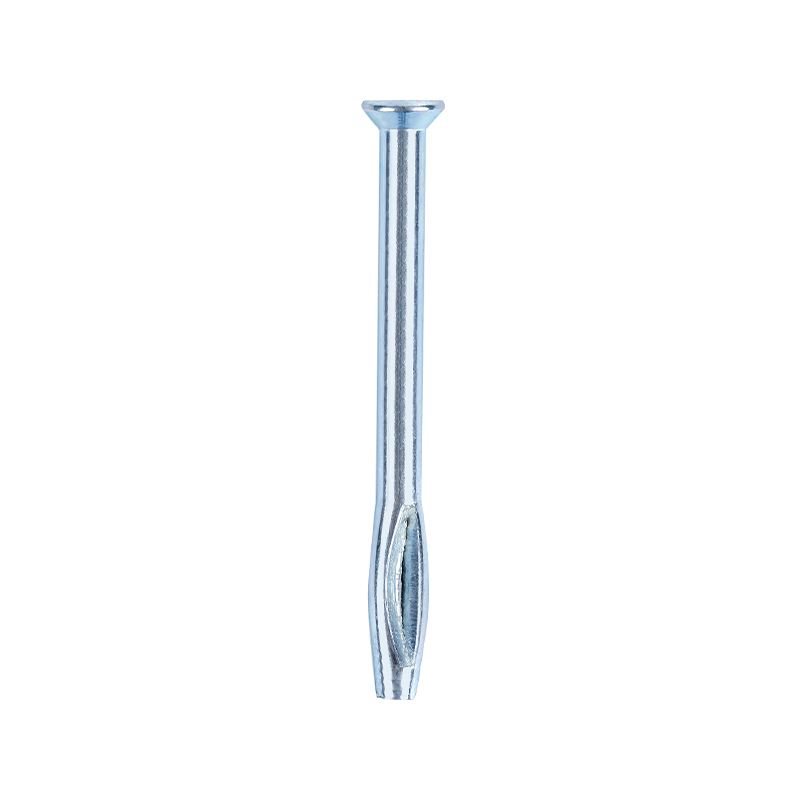
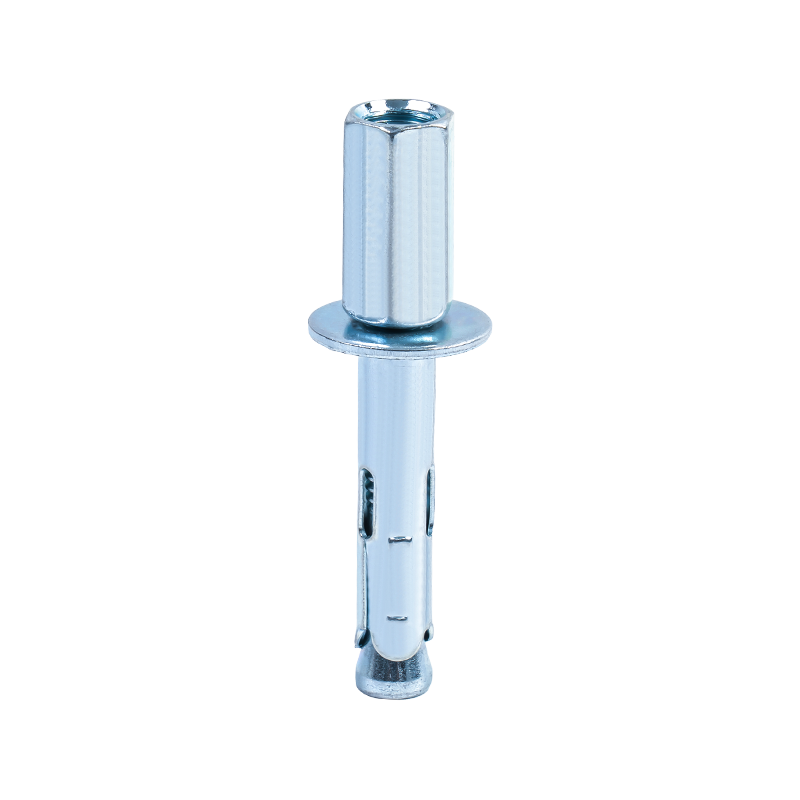
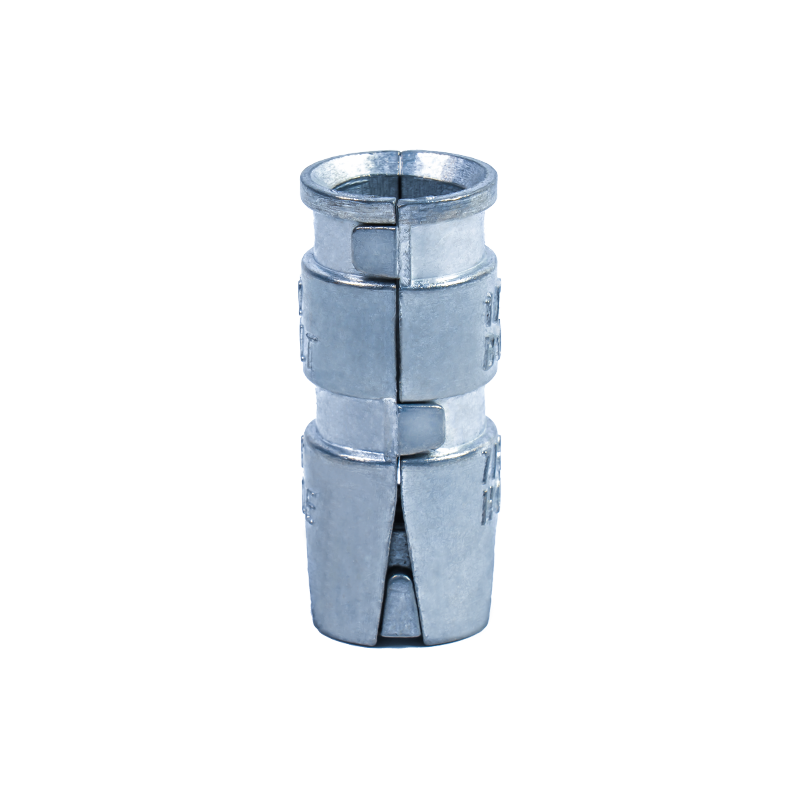 Zinc Alloy Single-Head Anchors Manufacturers, SuppliersAs China Zinc Alloy Single-Head Anchors Manufacturers and Single Expansion Anchor Custom Suppliers, Nanshan Development Co., Ltd. offer W...View Product →
Understanding the Expansion Mechanism Step by Step
Installation follows a simple sequence, but each step affects the final holding value.
- Drill a hole with a carbide-tipped bit. The drill diameter should match the anchor size specified by the manufacturer.
- Clean the hole thoroughly. Dust and loose material reduce the friction that the expanded shell depends on.
- Tap the single expansion anchor into the hole until the top of the shell is flush with the base material surface.
- Place the fixture over the anchor and insert a machine bolt through the fixture into the internally threaded shell.
- Tighten the bolt to the recommended torque. As the bolt advances, it moves the expansion cone, forcing the shell halves outward and locking the anchor in place.
For a 1/4-inch anchor, a typical minimum embedment is around 1-3/8 inches and a typical tightening torque is about 5 ft-lb. For larger diameters, both values increase. These are reference values, not a substitute for the project specification. The actual values depend on the anchor diameter, base material strength, and the load being carried.
When Should You Choose a Single Expansion Anchor?
Choose a single expansion anchor when the base material is hard, dense, and capable of withstanding the local stress created by a single expanding point. The typical base materials are concrete, brick, and concrete block. The anchor is also commonly used in soft masonry where the installer cannot confirm the strength of the base material, because a single expansion anchor can often provide a useful holding value without overstressing the surrounding material.
There are also situations where a single expansion anchor is not the first choice. In cracked concrete, a single expansion point can lose holding capacity if the crack passes through the expansion zone. In vibration or impact applications, the anchor may need to be spaced farther apart or replaced with a different type that has been designed for dynamic loading. In any high-stakes connection, work with an engineer before choosing the anchor.
Common jobs for this anchor family include attaching handrails, pipe supports, cable trays, door frames, and light structural steel to concrete or masonry. The anchor is a practical choice when the base material is sound and the connection will not be subjected to repeated heavy impacts.
A useful rule of thumb is to keep the anchor spacing at least ten anchor diameters and the edge distance at least five anchor diameters. If the base material is weak or the load involves vibration, increase those distances. We cover this in more detail in our article on spacing and edge distance considerations.
Because the holding value of any mechanical anchor depends on base material strength and embedment depth, many fastening specifications use a safety factor of 4:1. This means the rated working load is kept well below the ultimate failure load observed in testing. The exact factor should be defined in the governing design code.
Single vs. Double Expansion Anchor: Which Is Right for Your Base Material?
The main structural difference between the two types is the number of expansion cones. A single expansion anchor has one cone and therefore one expansion zone. A double expansion anchor has two cones, which creates two expansion points along the shell.
That difference is not accidental. In hard, dense concrete, a single expansion point can develop a strong mechanical lock. In soft masonry or material whose strength is uncertain, two expansion points spread the force over a larger area. This reduces the risk of cracking or crushing the base material. If your project is on hard cast-in-place concrete, the single expansion anchor is usually the more direct solution. If the base is brick, block, or older masonry, the double expansion anchor is often a better fit.
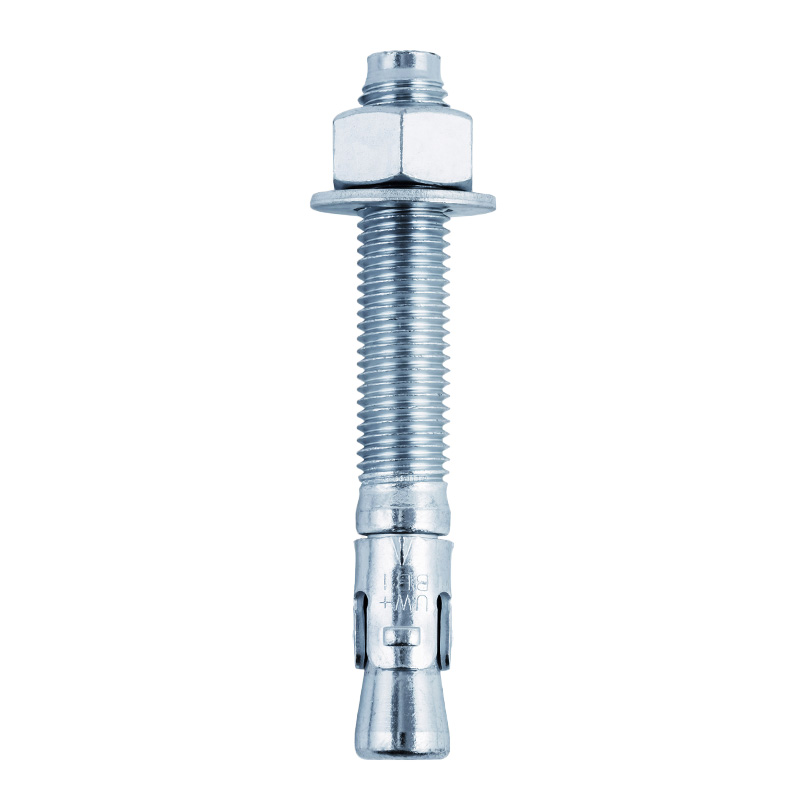
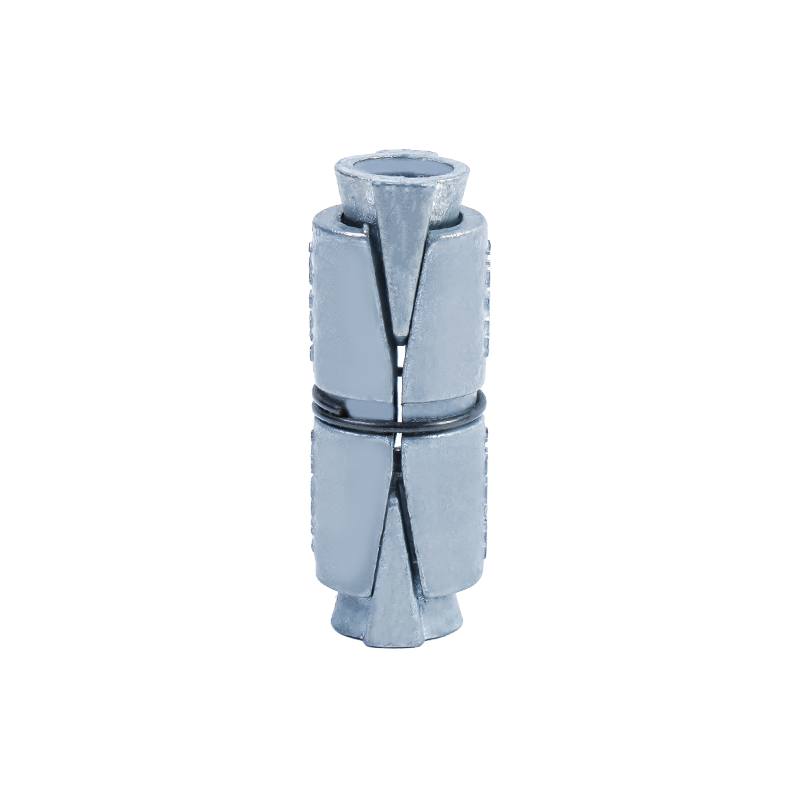 Wholesale Double Expansion Anchor Manufacturers, Custom Suppliers - Yuyao NanshaYuyao Nanshan Development Co., Ltd is China Custom Double Expansion Anchor Manufacturers and Wholesale Double Expansion Anchor Suppliers,...View Product →
Installation and Sizing Guide
When you order a single expansion anchor, the anchor body is supplied with the shell, cone, and spring wire. The machine bolt is ordered separately. To select the correct bolt length, add the thickness of the material being fastened to the minimum embedment required for the anchor. Add a small allowance for thread engagement inside the shell and for any washers.
Typical diameter series for single expansion anchors run from 1/4 inch to 3/4 inch. The table below shows commonly used reference values. Always confirm the final values with the product data sheet and the applicable structural code.
| Nominal diameter | Minimum embedment (typical) | Suggested tightening torque (typical) |
|---|---|---|
| 1/4" | 1-1/8" to 1-3/8" | 4 to 6 ft-lb |
| 5/16" | 1-3/8" to 1-5/8" | 7 to 10 ft-lb |
| 3/8" | 1-5/8" to 2" | 12 to 18 ft-lb |
| 1/2" | 2" to 2-1/2" | 20 to 30 ft-lb |
| 5/8" | 2-1/2" to 3" | 30 to 40 ft-lb |
| 3/4" | 3" to 3-3/4" | 35 to 45 ft-lb |
Use a torque wrench during installation. Over-tightening can break the shell or damage the base material; under-tightening leaves the anchor below its intended holding value. If the base material is cracked or if the load is cyclic, do not rely on these reference values. Ask a structural engineer to review the connection.
Conclusion: Confirming the Female Thread Design of Single Expansion Anchors
To answer the original question directly: yes, a single expansion anchor is a female, internally threaded anchor. It works with a male-threaded machine bolt that is installed after the anchor shell has been set into the hole. The internal thread is not an accessory; it is essential to the expansion mechanism. The bolt pushes the expansion cone, which spreads the shell against the base material and creates the mechanical lock.
Use a single expansion anchor when you need a light-to-medium duty connection in hard, dense concrete, brick, or block. For soft masonry or for materials with inconsistent strength, consider a double expansion anchor instead. In every case, follow the manufacturer's recommended drill size, embedment, edge distance, and torque, and have the final design checked by a qualified engineer.
As a manufacturer based in Yuyao, near Ningbo, we have been making wedge anchors, expansion anchors, and related fasteners since 1999. We use automated production and testing equipment, control our production flow with an ERP system, and maintain an R&D center for custom development. If you are evaluating a fastener for a specific project, or if you need a non-standard shell length, send us your drawing. We can help you select the right anchor and confirm the parameters before you order.


Contact Us