
 English
 中文简体
中文简体 русский
 Español
What Is a Drop-In Anchor and How Do You Install One Correctly
2026-07-20Engineering Behind Every Concrete Drop In Anchor We Manufacture
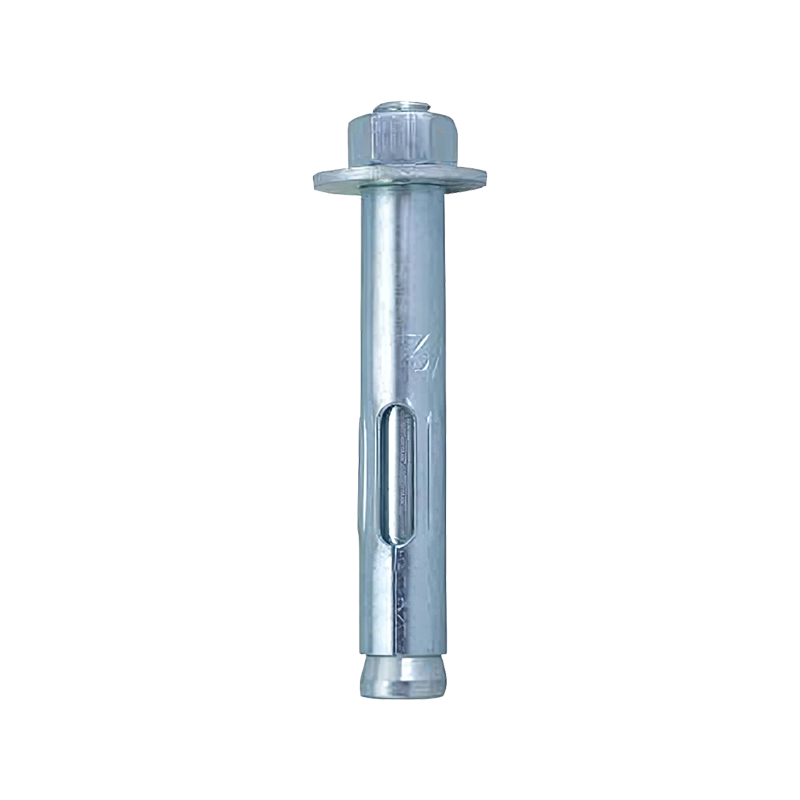
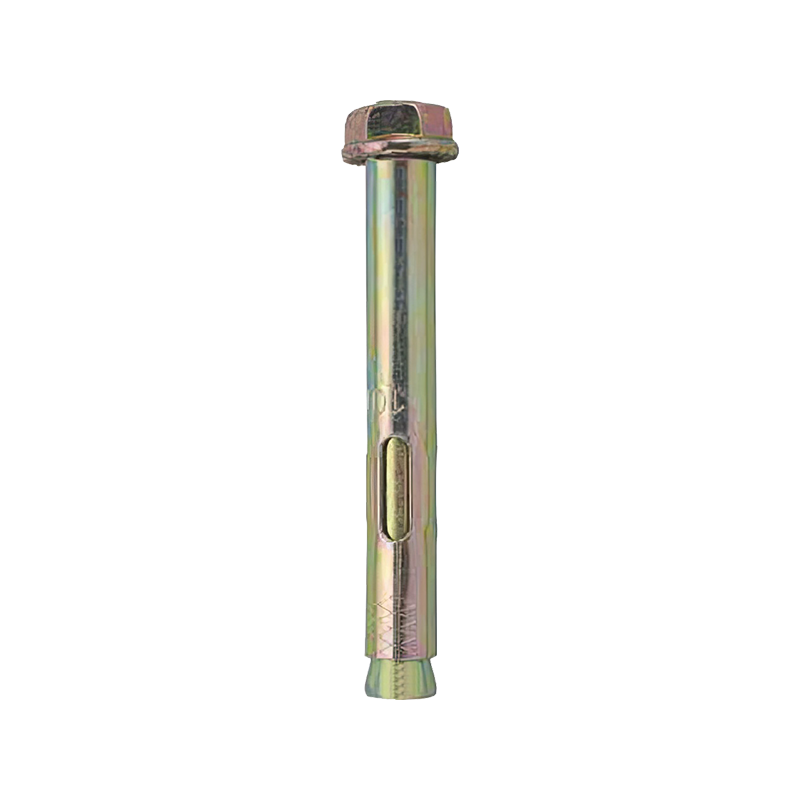
As a manufacturing factory producing fastening solutions for construction, industrial equipment mounting, and facade systems, we treat every Drop-In Anchor as a precision-machined component rather than a generic fastener. Tolerances on the outer diameter, wall thickness of the expansion sleeve, and internal thread pitch are controlled at every stage of production, because even a 0.1mm deviation on a 3/8 drop in anchor can change how the sleeve expands inside a drilled hole. This section explains what a drop-in anchor is, how it is produced, how it should be installed, and what load performance customers can realistically expect from a properly manufactured unit.
Carbon Steel Zinc Plated
The most widely requested option for standard concrete drop in anchors used indoors, offering corrosion resistance suitable for dry to moderately humid environments and a lower cost per unit for large volume orders.
Stainless Steel 304
Selected for kitchens, food processing facilities, and coastal buildings where periodic moisture exposure occurs but salt concentration is not extreme.
Stainless Steel 316
Recommended for marine platforms, wastewater treatment plants, and chemical exposure areas, since molybdenum content improves resistance to chloride pitting.
Custom Alloy on Request
Our factory accepts drawings for special alloy drop in anchors when a project specification calls for a material outside the three standard grades above.
What Is a Drop-In Anchor and How Does the Internal Thread Work
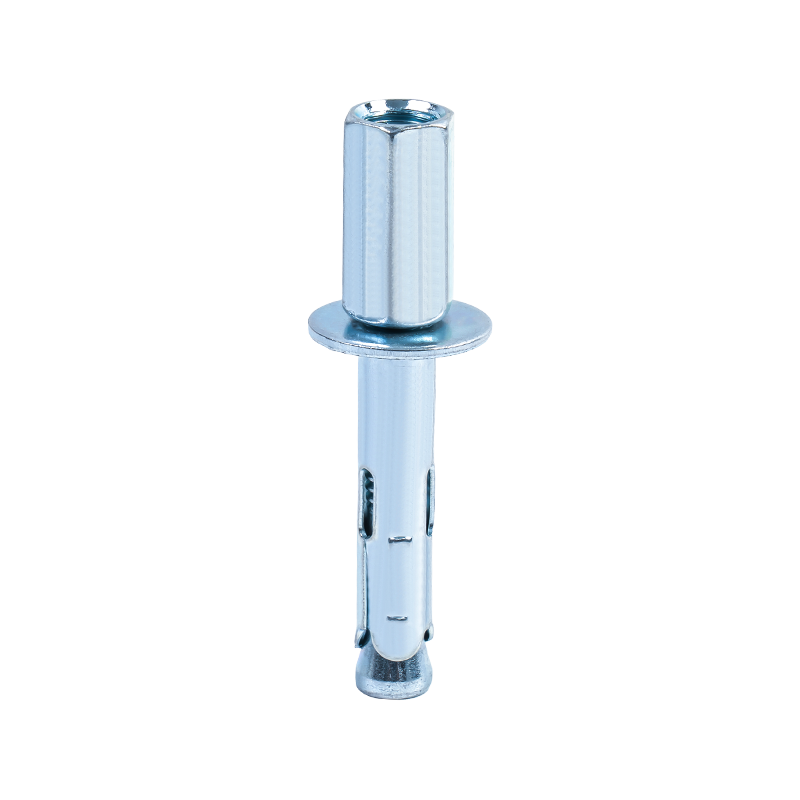
What is a drop-in anchor? It is a female-threaded expansion fastener designed to be fully embedded, or "dropped in," flush with a concrete surface. Unlike wedge anchors or sleeve anchors that ship with an external bolt attached, the drop-in anchor is installed first, and the threaded bolt, eye bolt, or all-thread rod is added afterward. Is a drop-in anchor female? Yes — internally, once the setting tool forces the cone upward into the split sleeve, the body forms a finished internal thread that accepts a matching male fastener, which is why the component is classified as a female-threaded anchor rather than a stud-type anchor.
3/8 Drop In Anchor Specification Table
| Parameter | Specification |
| Anchor Diameter | 3/8 inch (9.5mm) |
| Common Lengths | 1 inch / 1-1/2 inch / 2 inch |
| Internal Thread | 3/8-16 UNC |
| Recommended Drill Bit | 3/8 inch carbide-tipped masonry bit |
| Minimum Concrete Thickness | 1.5 times anchor length |
| Minimum Edge Distance | 5 times anchor diameter |
| Minimum Spacing | 10 times anchor diameter |
| Material Options | Carbon steel zinc plated, 304 stainless, 316 stainless |
What Size Drill Bit for 3/8 Drop In Anchor
Use a 3/8 inch carbide masonry bit rated for the concrete hardness of the substrate. A hammer drill or rotary hammer produces a cleaner, more consistent bore than a standard drill, which directly affects how evenly the expansion sleeve seats against the hole wall.
How Deep to Drill for Drop-In Anchor
Drill approximately 1/4 inch deeper than the anchor body length. This extra depth gives dust and debris somewhere to settle so the anchor can seat fully flush instead of resting on top of loose material at the bottom of the hole.
How to Install Drop In Anchors From a Factory Quality Standpoint
How to install drop in anchors correctly depends as much on the anchor's own manufacturing tolerance as it does on the installer's technique. We test every production batch against the following sequence before it leaves the factory, and we recommend the same sequence on-site:
Drill a hole matching the anchor diameter to the depth noted above, keeping the drill perpendicular to the surface.
Blow or brush out all dust; residual debris is the leading cause of anchors that will not seat flush.
Insert the anchor body into the hole until the top edge sits level with the concrete surface.
Place the setting tool into the anchor and strike it firmly until the internal cone is fully driven and the sleeve has expanded.
Remove the setting tool and check that the cone will not travel further, confirming full expansion.
Thread the bolt or rod in by hand first, then tighten to the specified torque without over-driving the sleeve a second time.
How to Use Drop In Anchors After the Setting Stage
Once set, how to use drop in anchors becomes a matter of matching the correct male fastener to the internal thread. A 3/8-16 bolt, eye bolt, or continuous all-thread rod can be threaded directly into the anchor. For suspended loads such as cable trays, ductwork, or piping, an eye bolt rated for the intended load direction should be selected, since the anchor's rated capacity assumes the load is applied along the axis the manufacturer tested, not at an unsupported angle.
How Much Weight Can Drop In Anchors Hold in Real Applications
How much weight can drop in anchors hold is a question our engineering team answers differently depending on concrete strength, embedment depth, and installation quality. The figures below reflect typical performance for a properly installed 3/8 drop in anchor in normal-weight concrete rated at 3000 psi or higher.
| Load Type | Typical Capacity Range |
| Tension (Pull-Out) | 1,500 – 2,200 lbs |
| Shear | 1,800 – 2,500 lbs |
| Recommended Working Load (with safety factor) | 25% – 30% of ultimate capacity |
These figures assume the minimum edge distance and spacing shown in the specification table above are respected. Cracked concrete, hollow block substrates, or shallow embedment will reduce actual holding capacity below these figures, which is why we recommend a field pull test for any load-bearing or life-safety installation.
From Raw Coil to Finished Concrete Drop In Anchor: Our Production Process
Cold Heading
Wire stock is cold-formed into the anchor body shape, preserving material grain structure for better fatigue resistance than machining from bar stock alone.
Precision Machining
The internal thread, cone seat, and split-sleeve slots are cut on CNC equipment to hold tight tolerance across every production run.
Heat Treatment
Controlled hardening balances sleeve flexibility for expansion against the strength needed to grip the concrete wall under sustained load.
Surface Finishing
Zinc plating or stainless passivation is applied depending on the ordered grade, followed by salt spray testing on sample batches.
Batch Sampling
A percentage of every production lot is set and pull-tested in-house before the order is released for packaging.
Packaging and Labeling
Anchors are boxed with size, thread, and material clearly marked to prevent mix-ups between similar 3/8 drop in anchor and larger diameter batches on a job site.
Common Application Scenarios for Drop In Anchors
Warehouse Racking
Baseplate anchoring for storage racks where repeated vibration from forklift traffic requires a consistent, tested holding value.
HVAC and Piping Supports
Suspended and wall-mounted brackets for ductwork and pipe runs, often paired with eye bolts threaded into the anchor.
Curtain Wall and Facade
Fixing brackets into structural concrete where flush-mounted anchors are needed so no protrusion interferes with cladding panels.
Machinery Base Mounting
Fixing motor bases, compressors, and production equipment where shear resistance from operational vibration matters as much as tension load.
Frequently Asked Questions
Is a drop-in anchor female?
Yes, the finished anchor has an internal thread and accepts a separate male bolt or rod, which is the defining feature separating it from stud-type expansion anchors.
What size drill bit for 3/8 drop in anchor should I keep on hand?
A 3/8 inch carbide masonry bit matched to the anchor's nominal diameter, replaced once the cutting edge dulls to avoid an oversized hole.
How deep to drill for drop-in anchor installation in thin slabs?
Confirm the slab thickness is at least 1.5 times the anchor length before drilling; in thin slabs, a shorter anchor length is safer than forcing full embedment near the underside of the slab.
Can concrete drop in anchors be reused?
Once the sleeve has expanded it cannot be reset in the same hole; a new anchor and a new hole are required if a fixture is removed and relocated.


Contact Us