
 English
 中文简体
中文简体 русский
 Español
What factors affect the load-bearing capacity of a machine screw anchor
2026-01-05Machine screw anchors are commonly used components in various construction and engineering applications, providing stability and securing structural elements. The load capacity of these anchors is crucial in ensuring the safety and durability of the entire system. Understanding the factors that influence the load capacity of machine screw anchors is essential for engineers and contractors. This article will explain the key factors that affect the load capacity of machine screw anchors, helping professionals make informed decisions for reliable installations.
1. Type and Quality of Base Material
The load capacity of machine screw anchors is directly related to the type and quality of the base material where they are installed. Different materials, such as concrete, brick, wood, and metal, have distinct physical properties, such as hardness, density, and tensile strength, which can influence the anchor's performance.
For concrete, machine screw anchors generally provide strong load-bearing capacity. However, the presence of cracks or defects in the concrete can significantly reduce the anchor's effectiveness. In the case of brick and wood, the load capacity is relatively weaker, so longer or specially designed anchors may be required to ensure a secure fit. Understanding the properties of the base material is crucial when selecting the appropriate machine screw anchor for the project.
2. Size and Depth of the Installation Hole
The dimensions and depth of the installation hole are critical factors affecting the load capacity of machine screw anchors. A hole that is too small will prevent the anchor from expanding fully, reducing the holding capacity. Conversely, a hole that is too large will result in insufficient contact between the anchor and the base material, weakening its stability.
The depth of the hole is also an important consideration. It should be deeper than the length of the anchor, typically by 2-3 mm, to allow the anchor to enter the hole fully. Shallow holes will limit the anchor’s ability to provide adequate support, compromising its load capacity. Ensuring the correct hole dimensions and depth is essential for optimal anchoring performance.
3. Material and Design of the Anchor
The material and design of the machine screw anchor directly affect its load capacity and durability. Common materials used for machine screw anchors include carbon steel, stainless steel, and alloy steel. Each material has its own strength characteristics, corrosion resistance, and suitability for different environmental conditions.
For instance, carbon steel anchors are typically used in indoor environments where corrosion is not a major concern, providing high strength. However, in environments with moisture or corrosive conditions, such as coastal areas or chemical plants, stainless steel or galvanized steel anchors are recommended due to their superior corrosion resistance. The material’s strength and resistance to environmental factors must be considered when selecting the anchor.
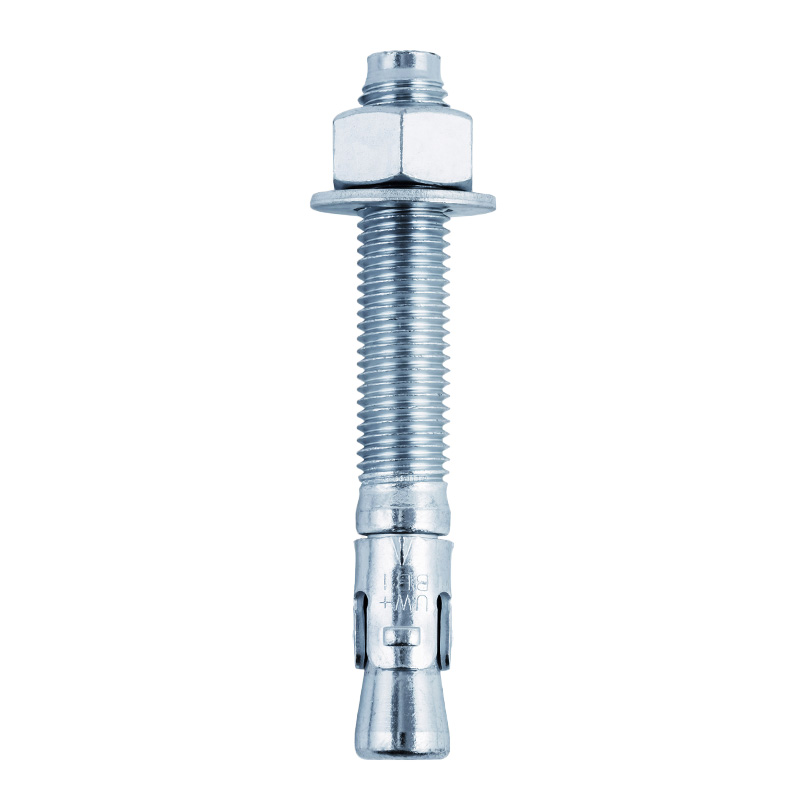
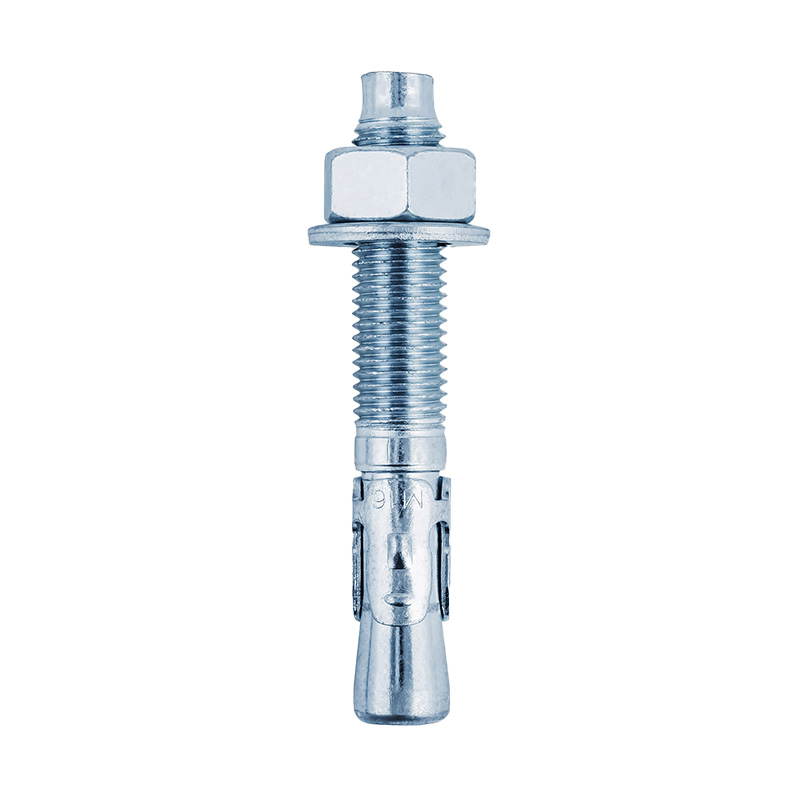
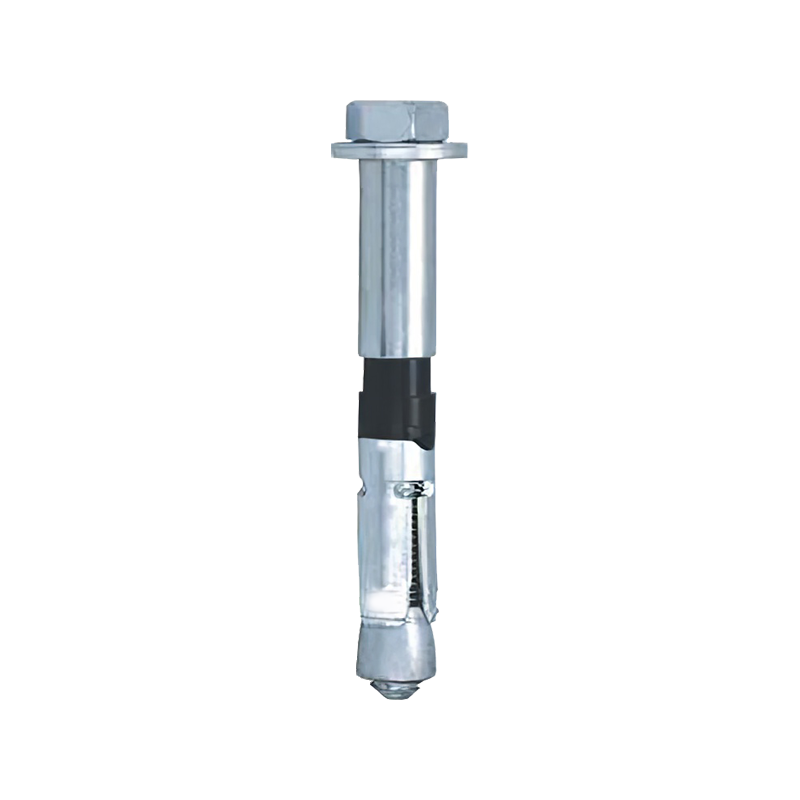
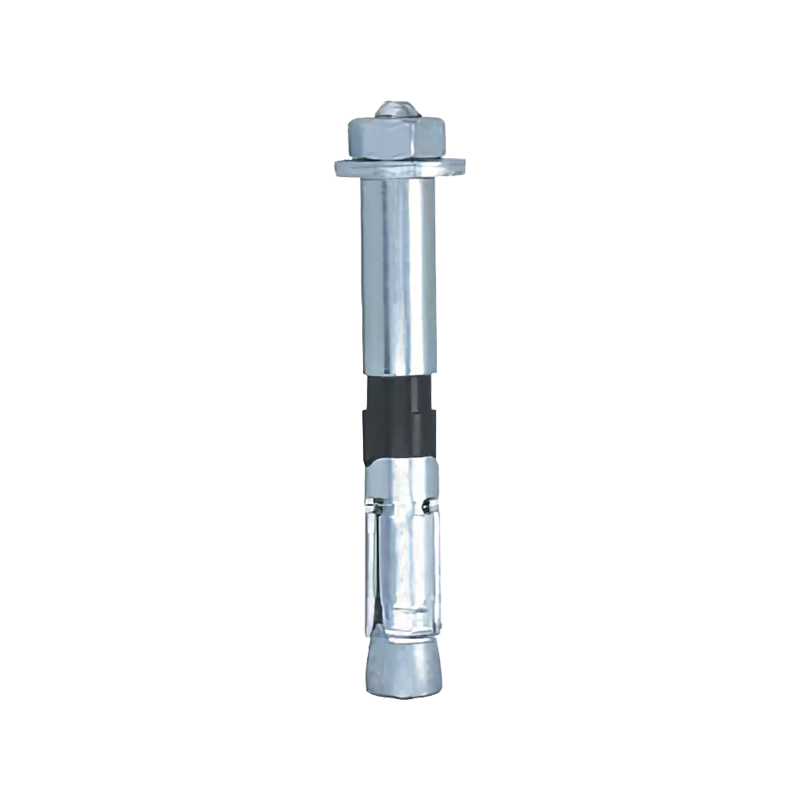
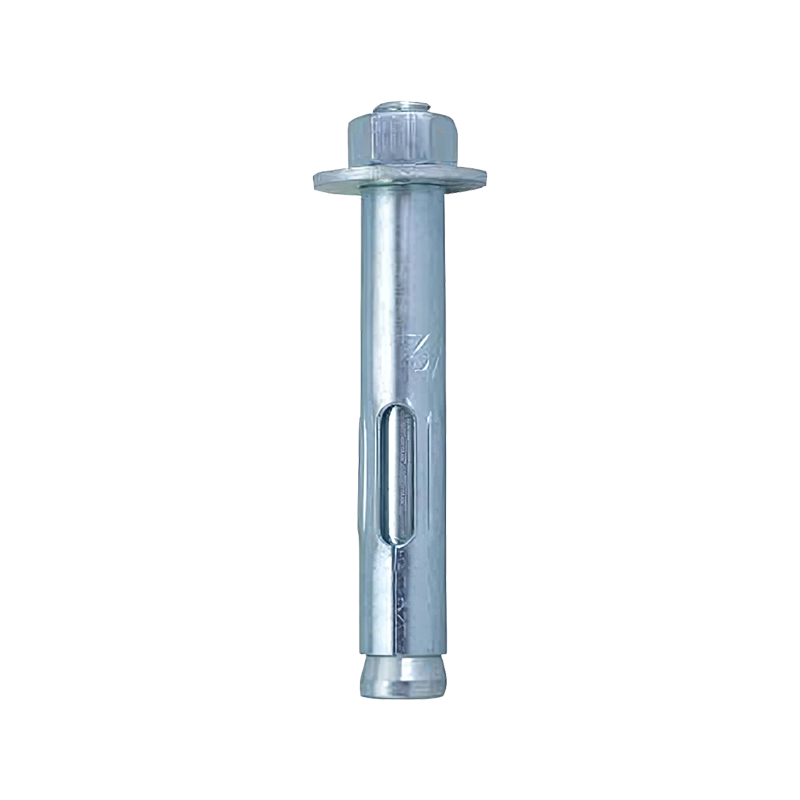
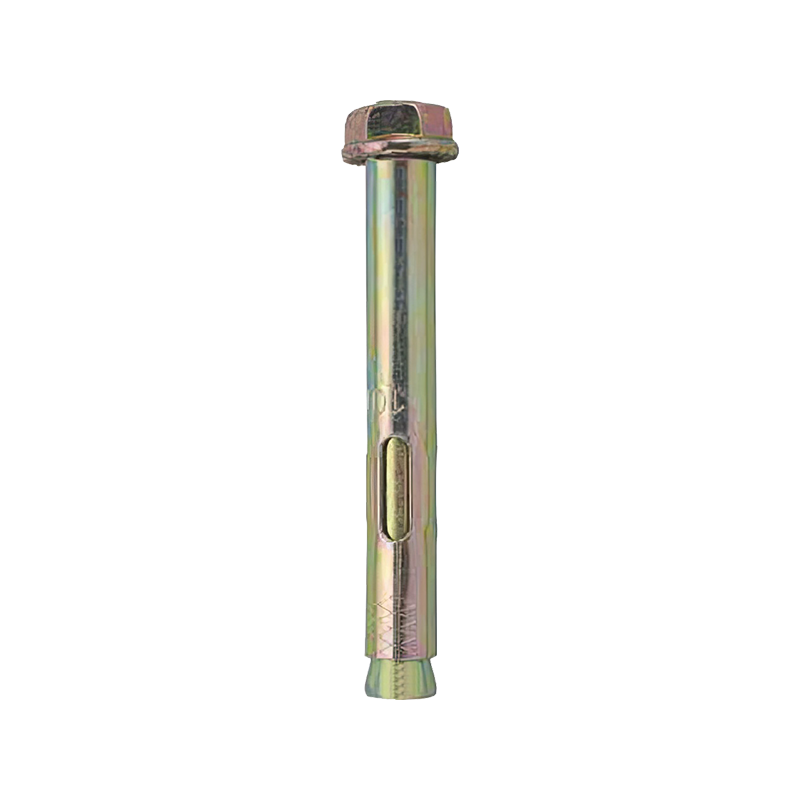
Additionally, the design of the anchor plays a significant role in its load capacity. Expansion anchors, for example, increase their contact area with the base material during installation, improving load distribution and enhancing the holding capacity. In contrast, screw-in type anchors rely on tight threading to secure the anchor, and their load-bearing capacity depends on the precision and integrity of the threads.
4. Installation Method and Tightening Force
The method of installation and the tightening force applied during installation significantly impact the load capacity of machine screw anchors. Over-tightening the anchor can lead to damage to the anchor itself or the base material, reducing the holding strength. On the other hand, insufficient tightening may result in the anchor being loose, compromising its ability to bear loads.
During installation, it is essential to use the proper tools and apply the correct tightening force. Wrenches, power tools, or torque wrenches should be used according to the anchor's specifications to ensure that it is tightened properly. Proper tightening ensures that the anchor forms a secure bond with the base material, maximizing its load-bearing capacity.
5. Environmental Factors
Environmental conditions play a significant role in the performance of machine screw anchors. Factors such as temperature, humidity, and exposure to corrosive gases can degrade the anchor’s material, impacting its load capacity.
In high-temperature environments, the metal materials used for machine screw anchors may expand or deform, affecting the anchor’s ability to hold loads. In contrast, low temperatures can cause metal materials to become brittle and more susceptible to breakage, reducing the anchor’s effectiveness.
Humidity and corrosive gases (such as salt mist or acidic gases) can lead to corrosion on the surface of the anchor, diminishing its strength over time. In environments with high levels of humidity or corrosive agents, selecting corrosion-resistant anchors, such as stainless steel or anchors with a protective coating, is crucial to maintain the anchor’s load capacity and durability.
6. Load Type and Dynamic Loading
The type of load that the anchor will bear is another important factor in determining its load capacity. Static loads are constant, unchanging forces applied to the anchor, while dynamic loads involve periodic changes or vibrations. In environments with high vibration or dynamic loading, anchors must be capable of withstanding these forces without failing.
Machine screw anchors used in applications subject to dynamic loads or seismic activity need to have high resistance to fatigue and vibration. In these cases, anchors with superior fatigue resistance and wear resistance should be selected. Proper anchor design and distribution of the load across multiple anchors can also help reduce the stress on individual anchors, ensuring their load capacity is not exceeded.
7. Installation Quality and Construction Practices
The quality of installation and construction practices is one of the most important factors in determining the load capacity of machine screw anchors. Even with the correct anchors and installation procedures, poor workmanship can result in improper anchor placement, which reduces the anchor’s effectiveness and load capacity.
It is essential to follow the manufacturer’s guidelines and installation standards during the installation process. If the installation is not done correctly, the anchor may not form a secure connection with the base material, or it may be subjected to improper tightening, which could compromise its load-bearing capacity. Regular quality control checks during installation and post-installation inspections help identify potential issues and ensure that the anchors perform as expected.
For large-scale projects, training and certification for installers should be considered to ensure that all personnel are equipped with the knowledge and skills necessary to perform the installation correctly. Additionally, periodic inspections and maintenance should be conducted to detect any wear or loosening of anchors, ensuring their continued performance.


Contact Us