
 English
 中文简体
中文简体 русский
 Español
What are the installation steps for a machine screw anchor
2025-12-29Machine screw anchors are essential components used for securing and reinforcing structural elements in various applications, including construction, engineering, and heavy equipment installations. The correct installation process ensures the anchor’s stability and longevity. This article provides a detailed guide on how to properly install machine screw anchors, which will help contractors and builders improve efficiency and ensure high-quality installations.
1. Preparation
Before starting the installation of machine screw anchors, several preparatory steps need to be taken to ensure the environment is suitable. First, verify the cleanliness of the site. Any dirt, debris, or dust may interfere with the installation process. Next, check that the machine screw anchors’ type, size, and quantity match the project requirements. Gather all the necessary tools, such as drills, hammers, screwdrivers, and measuring instruments, to ensure smooth installation.
2. Marking the Installation Locations
Accurately marking the positions for the anchors is crucial. Any misalignment in the positioning can affect the anchoring effectiveness. Typically, a level and protractor can be used to accurately locate the anchor points. For precision, a laser distance meter or traditional tape measure can also be used to mark the spots. Once the locations are determined, use a pencil or marker to make visible markings on the base material.
3. Drilling the Holes
Once the anchor locations are marked, the next step is drilling the holes. Select an appropriate drill bit diameter, which should match the size of the machine screw anchor. The depth of the hole should be slightly deeper than the length of the anchor, typically by about 2-3 mm, to allow the anchor to fit securely. When drilling, make sure the drill bit is perpendicular to the surface to avoid tilting, which can affect the anchor’s performance.
The type of drill bit depends on the material being drilled. For concrete, use a masonry drill bit; for brick walls, a general-purpose stone drill bit works well. It's essential to control the drill speed to avoid overheating or jamming the drill bit during the process.
4. Cleaning the Hole
After drilling, it is vital to clean the hole from any dust, debris, or particles. The cleanliness of the hole is crucial for the anchor to make full contact with the base material, which enhances its holding capacity. Use a blower or small vacuum to remove the debris from the hole. If the hole is wet, allow it to dry naturally before proceeding to the next step.
5. Installing the Machine Screw Anchor
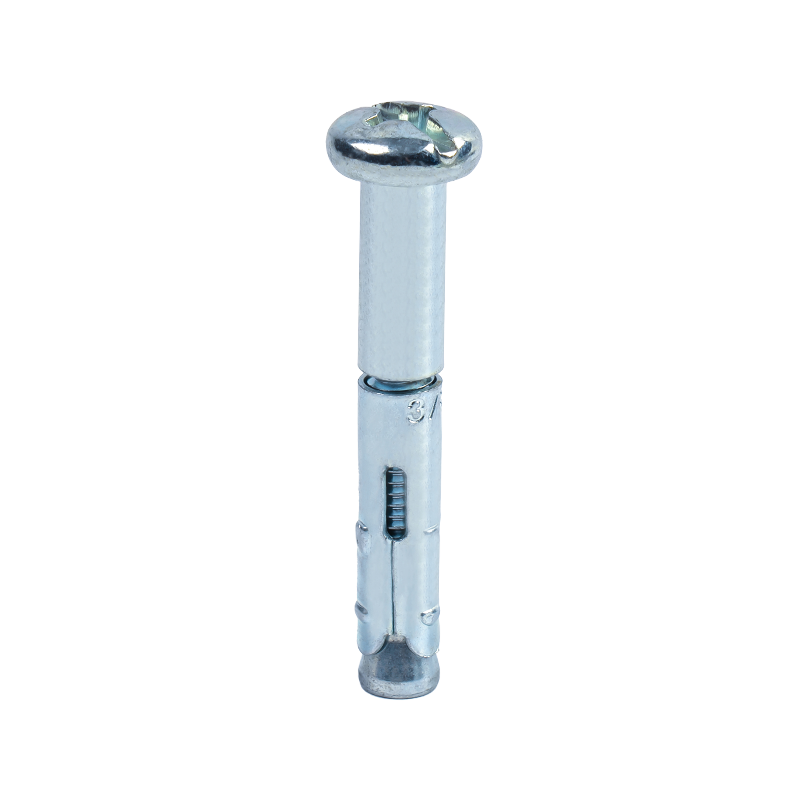
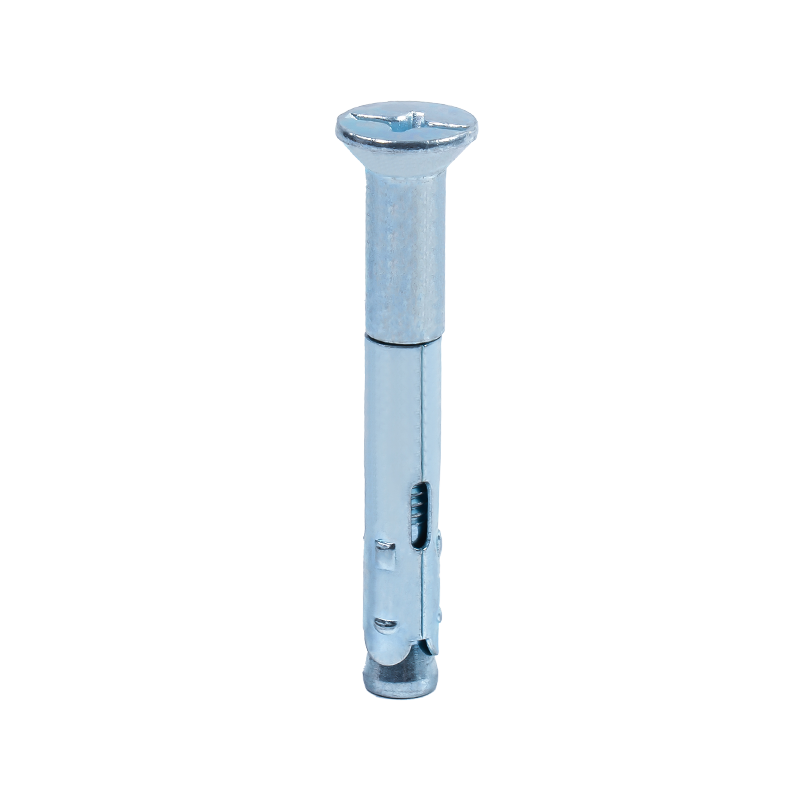
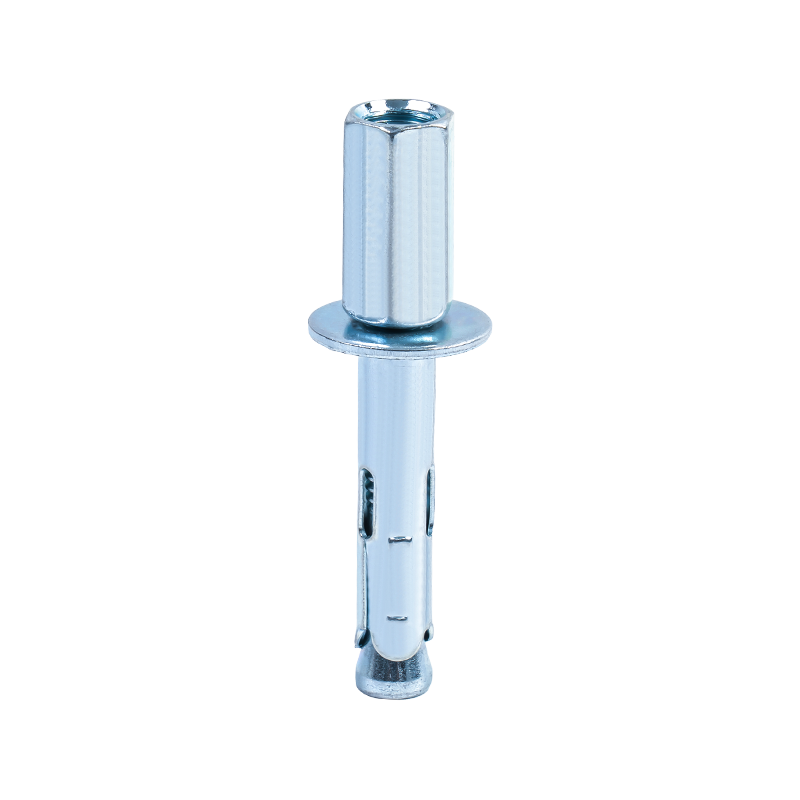
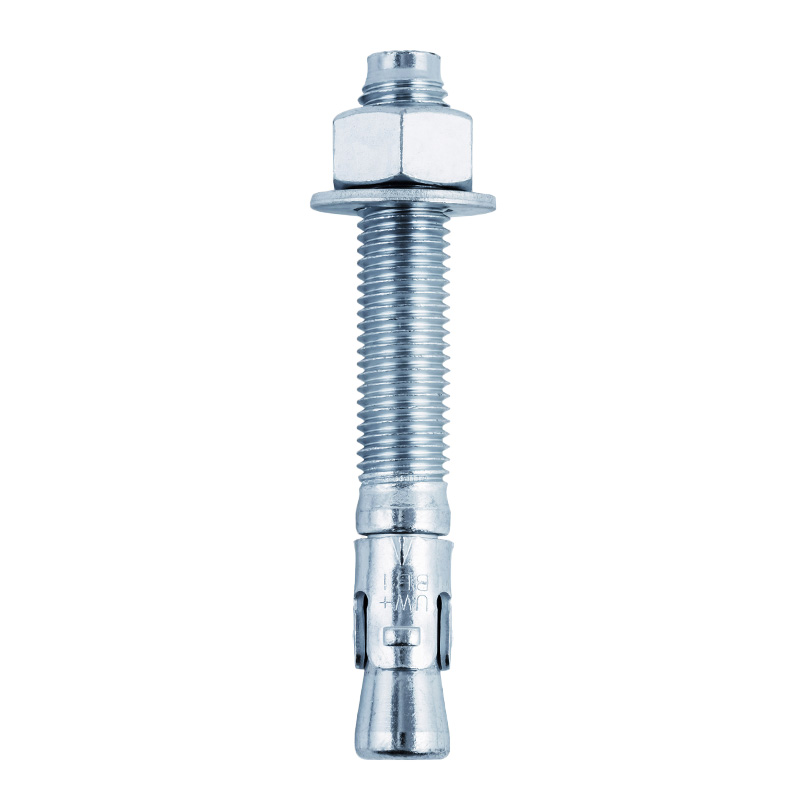
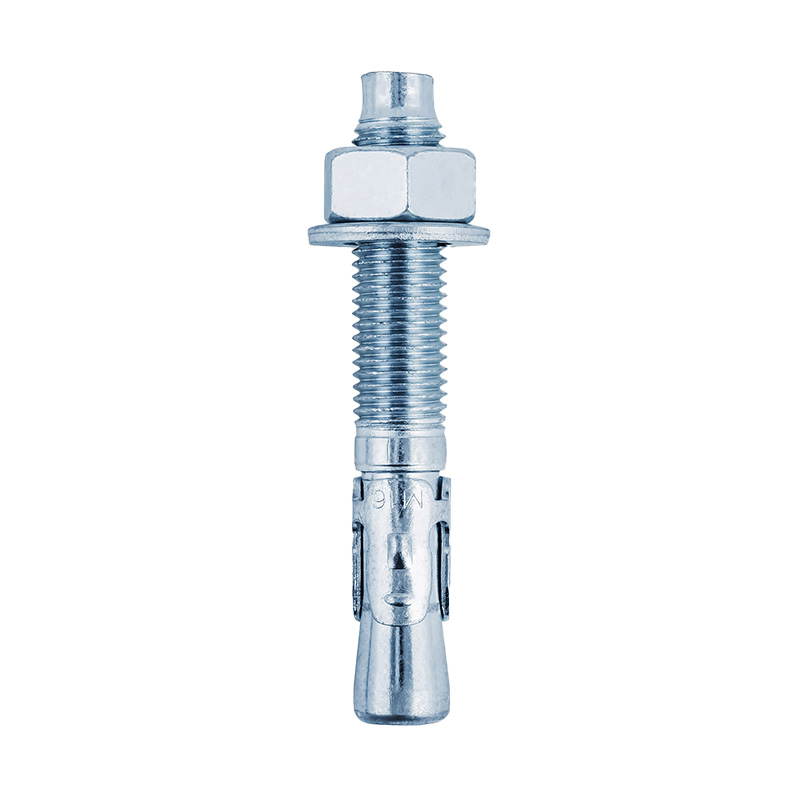
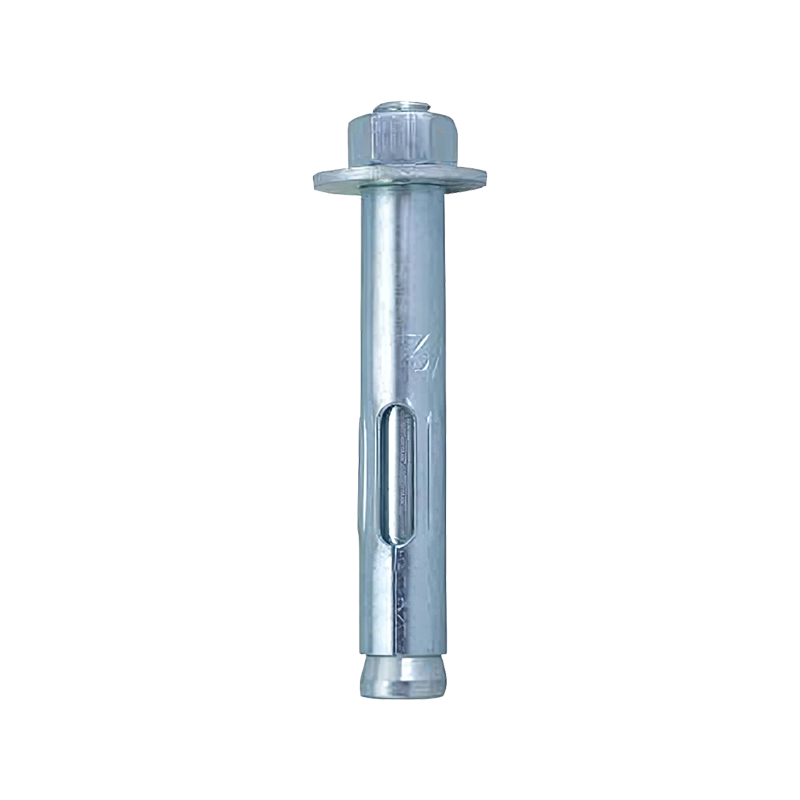
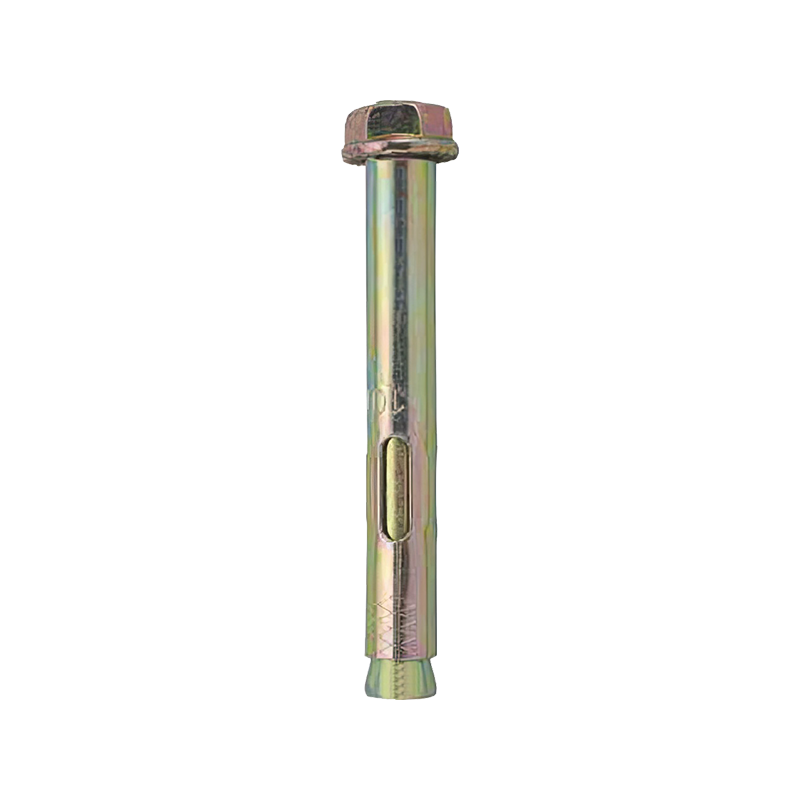
With the hole prepared, insert the machine screw anchor into the hole. Depending on the type of anchor, you may need a tool to help position it correctly within the hole. Ensure the anchor fits snugly into the hole and makes full contact with the sides. If the anchor has an expansion mechanism, use a wrench or hammer to expand the anchor to secure it firmly in place.
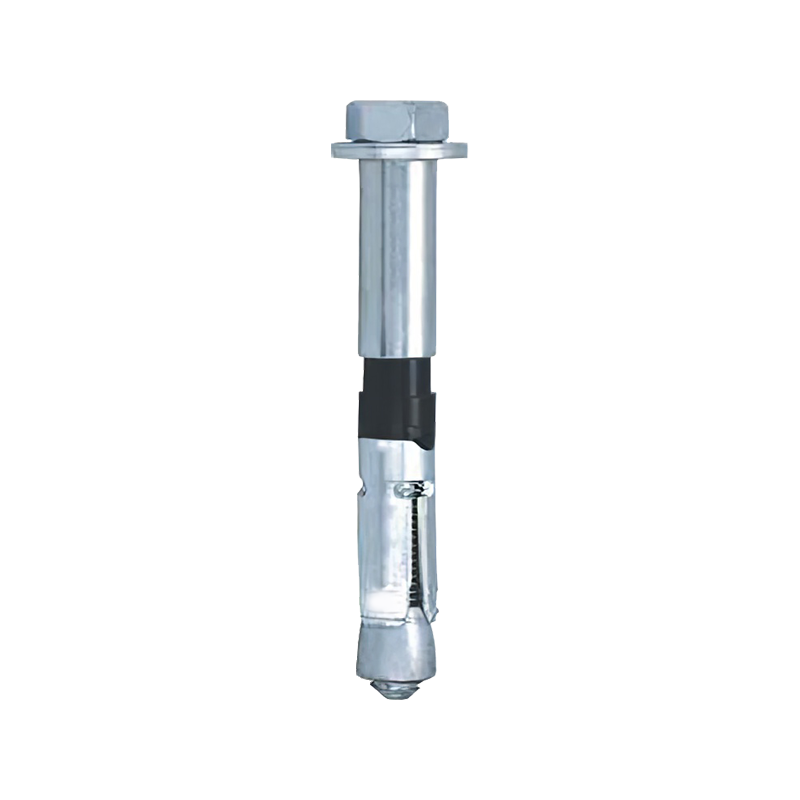
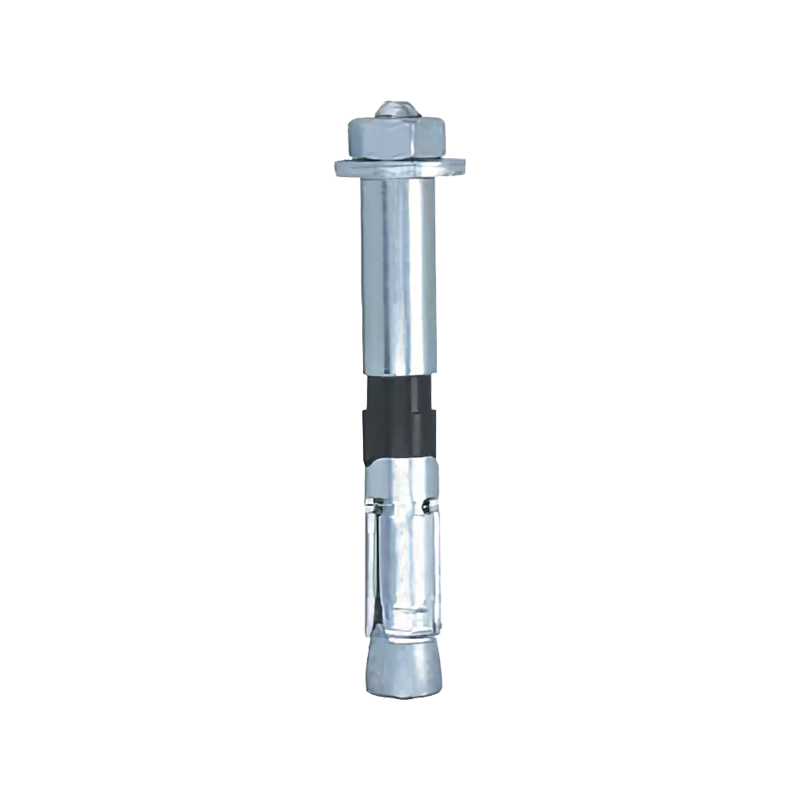
Some machine screw anchors have a self-expanding feature that only requires tightening with a screwdriver or wrench. As you install the anchor, ensure that it goes in smoothly and remains level with the surface. Do not over-tighten the anchor, as this may cause damage to the base material or the anchor itself.
6. Tightening the Anchor
After inserting the anchor, the next step is to tighten the screw. Use a screwdriver or wrench to turn the screw and secure the anchor. It is important not to overtighten, as excessive force may damage the threads or the base material. The anchor should be firm but not so tight that it compromises the structural integrity.
In some cases, additional components like washers, lock washers, or spacers may be needed to reinforce the anchor's grip. Ensure these components are installed as required by the product specifications or project plans to enhance the anchor’s stability.
7. Verifying the Installation
Once the machine screw anchor is installed, it is essential to check its stability. Perform a test by pulling gently on the anchor to confirm that it is firmly attached to the base material. If the anchor feels loose, it should be adjusted or replaced with an appropriately sized anchor.
For heavy-duty applications, it is advisable to perform mechanical testing to check the anchor's pull-out strength and shear resistance. This is particularly important for structural elements that will bear heavy loads or vibrations during use.
8. Maintenance and Periodic Checks
The longevity of machine screw anchors depends heavily on maintenance. Regular checks should be performed, especially in environments with high vibrations or extreme conditions. If any looseness or damage is detected, replace or re-install the anchor as necessary.
In corrosive environments, such as outdoor or industrial installations, consider using anchors made from corrosion-resistant materials or applying anti-corrosion treatments. Over time, corrosion or rust may affect the anchor's performance, so it’s important to replace or maintain anchors regularly to ensure safety.


Contact Us