
 English
 中文简体
中文简体 русский
 Español
Wedge Anchors vs Screw Anchors: Which Is Better for Load, Speed, and Removal?
2026-09-07A project engineer on a renovation site needs to secure a steel column base to an existing concrete slab, and the same question comes up on almost every jobsite: are wedge anchors better than screw anchors? The practical answer is yes for heavy structural loads and dynamic conditions, and no when installation speed, close-edge positioning, and removal flexibility matter more. This article explains the engineering reasons behind those differences and translates them into selection criteria you can use in design and procurement.
As a manufacturer producing wedge anchors, screw-type shield anchors, and other mechanical expansion systems, we see every week how these two designs perform in real projects, from steel structure erection to industrial plant maintenance. The right choice is rarely obvious until you compare load requirements, concrete condition, installation time, and removal needs side by side.
- Wedge anchors provide higher load capacity and better vibration resistance for the same diameter.
- Screw anchors install faster and allow closer edge distances in tight layouts.
- Wedge anchors are difficult to remove; screw anchors can be backed out and repositioned.
- Concrete strength, embedment depth, and material finish ultimately decide real-world performance.
What Is a Wedge Anchor?
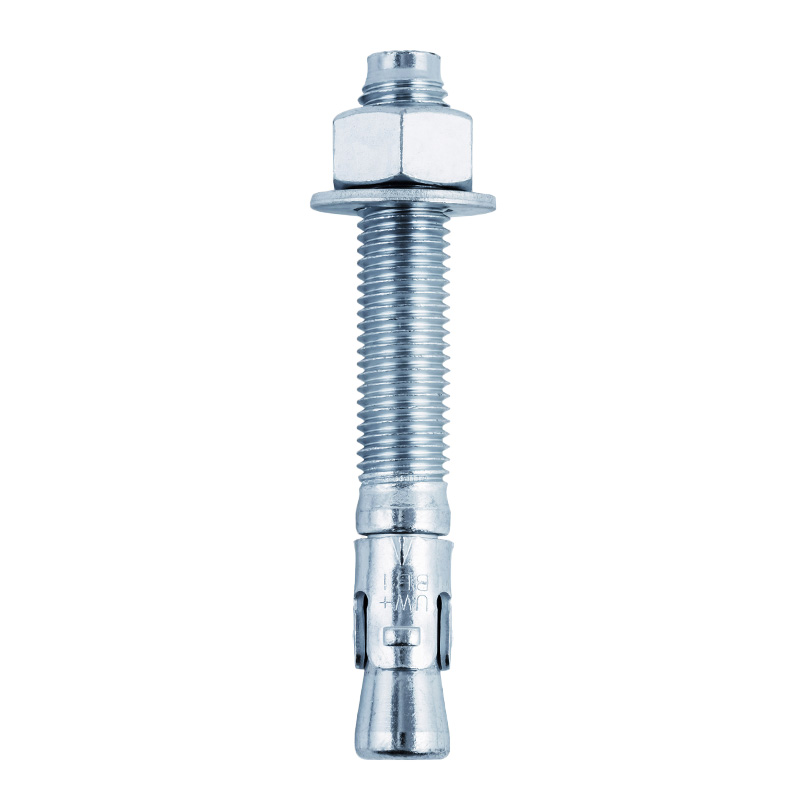
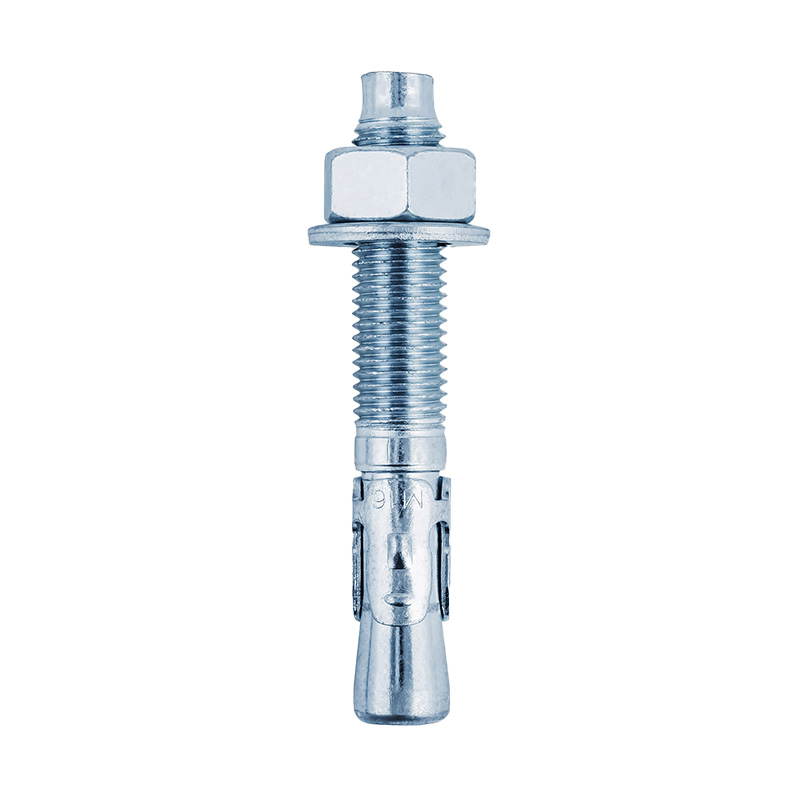
A wedge anchor is a mechanical expansion anchor made up of a fully threaded rod, an expansion clip pre-assembled near the base, and a matching nut and washer. When the nut is tightened, it presses the washer and the fixture against the concrete surface while pulling the anchor shaft upward. That upward motion forces the expansion clip to ride onto the tapered shoulder of the anchor body, pressing outward against the drilled hole wall and creating a high clamping force inside the concrete.
This expansion action is what gives wedge anchors their reputation for reliable holding power under sustained static loads. Wedge anchors require solid concrete and are available in carbon steel with zinc plating, hot-dip galvanized finishes, or stainless steel grades for outdoor and marine environments. Typical applications include steel column base plates, heavy machinery mounting, parking structures, bridge railings, and industrial racks.
| Nominal Diameter | Typical Embedment | Common Application |
|---|---|---|
| 3/8 in. (10 mm) | 35–60 mm | Railings, brackets, pipe clamps |
| 1/2 in. (12 mm) | 55–80 mm | Steel frames, moderate equipment loads |
| 5/8 in. (16 mm) | 70–95 mm | Structural steel, columns, crane rails |
| 3/4 in. (20 mm) | 80–120 mm | Heavy machinery, bridge components |
What Is a Screw Anchor?
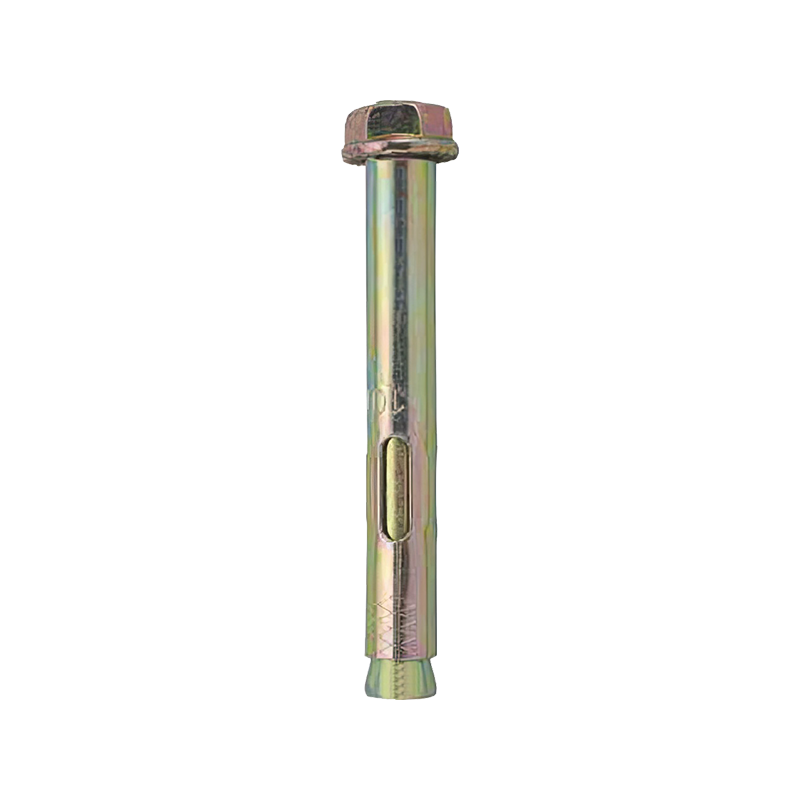
A screw anchor is a one-piece fastener made from case-hardened carbon steel with deep, hardened threads. It is driven directly into a pre-drilled pilot hole in concrete. Instead of expanding a clip, the screw threads cut matching grooves into the concrete, and the interlock formed along the thread length carries both tension and shear load.
Because no expansion clip is involved, screw anchors can be placed closer to concrete edges, require a shallower hole in many cases, and are simple to remove with a reverse drive. That makes them a practical choice for wood sill plates, electrical boxes, conduit clips, signs, and suspended ceiling hardware. The tradeoff is lower pullout resistance than a wedge anchor of the same diameter, particularly in low-strength or soft concrete. Excessive edge distance or spacing reduction can also weaken the connection; our guide on spacing and edge distance considerations for ultra wedge anchors explains how these limits affect real-world capacity.
Wedge Anchors vs Screw Anchors: Key Differences
To simplify the decision, the table below compares both systems across the factors that matter most in specification and site work.
| Comparison Factor | Wedge Anchor | Screw Anchor |
|---|---|---|
| Load capacity | Higher for the same diameter and embedment | Moderate; thread engagement only |
| Installation steps | Drill, clean, insert, torque to specification | Drill pilot hole, drive directly |
| Edge distance | Larger edge distance required | Can work closer to concrete edges |
| Removal | Difficult; clip remains expanded in the hole | Easy; reverse the screw out |
| Vibration resistance | Strong mechanical interlock | Threads can loosen under dynamic load |
| Material options | Zinc, hot-dip galvanized, stainless steel | Usually hardened carbon steel with coating |
| Relative unit cost | Higher | Lower in common sizes |
Load Capacity: Where Wedge Anchors Take the Lead
Load capacity is where wedge anchors earn their reputation. In a tension test using the same anchor diameter and embedment depth in the same concrete strength, a wedge anchor typically reaches a higher ultimate load than a screw anchor. The expansion clip spreads the load over a wider bearing surface inside the concrete, while a screw anchor concentrates tension onto the individual thread flanks cut into the hole wall.
That is not to say screw anchors are weak. In higher-strength concrete, a correctly sized screw anchor handles a substantial share of light structural and non-structural work. The practical question is how much safety margin you need. For connections supporting equipment, overhead loads, or structural members, the larger margin and predictable expansion behavior of a wedge anchor are usually worth the extra installation time. For outdoor and aggressive environments, the material choice matters as much as the design; the strength and toughness of galvanized steel in heavy-duty anchor applications is worth reviewing before selecting a finish.
Installation Speed: Fast Does Not Mean Free
Installation speed is the main reason contractors look at screw anchors. A wedge anchor installation requires drilling the hole to the specified depth, clearing the dust, inserting the anchor through the fixture, and torquing the nut to a defined value. With good tools and clear access, that cycle takes roughly three to four minutes per anchor. A screw anchor, by contrast, needs only a pilot hole and a direct drive with an impact driver. On repetitive work, such as fastening sill plates, metal track, or electrical boxes, the saving in labor hours is meaningful.
The speed advantage, however, brings a quality-control risk. Wedge anchors work to a measurable torque specification, so the installer knows exactly when the connection is complete. Screw anchors depend on installer judgment; over-driving can strip the threads cut into the concrete, and under-driving leaves the anchor loose. On a well-managed jobsite this is manageable, but it is a factor to include in your quality plan and in the training of installation crews.
Selection Guide: Which Anchor Fits Your Job?
Use these four situations as a starting point when deciding between the two systems.
Heavy Structural Connection
Column bases, beam supports, and equipment foundations. Choose a wedge anchor when loads approach the upper limits of screw anchors in the same diameter.
Light and Medium Duty
Sill plates, blocking, conduit trays, and signage. A screw anchor delivers enough strength and saves hours on site.
Vibration and Dynamic Loads
Compressors, motors, crushers, and overhead cranes. The expansion grip of a wedge anchor holds better under cyclic movement than thread-cutting contact.
Overhead and Tight Spaces
When access is limited, driving a screw is simpler than torquing a nut. Screw anchors also allow smaller edge distances, which helps in crowded layouts.
Anchor Products We Manufacture and Recommend
As a manufacturer, we control every step from wire drawing to heat treatment and surface finishing. That matters because anchor reliability depends on material quality and consistent production tolerances as much as on the design. Our wedge anchors and screw-type shield anchors are made on automatic production lines with in-process inspection, giving distributors, contractors, and design teams a stable supply and predictable field performance.
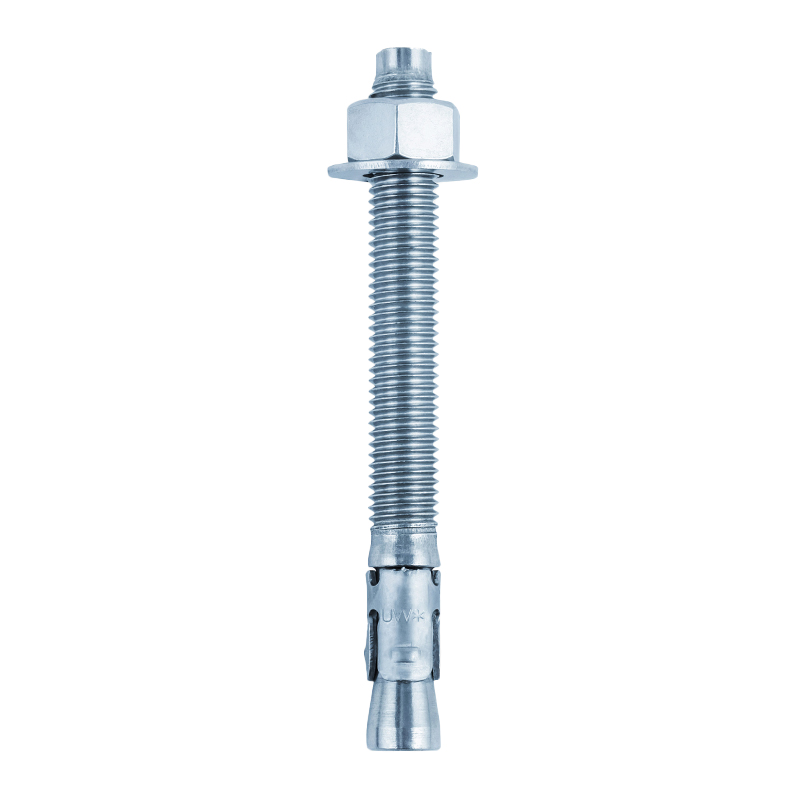 Ultra Wedge Anchor for Heavy-Duty Concrete FasteningEngineered for high pullout values in structural applications such as machinery and handrail mounting. The collar design reduces anchor spinning, and installation requires a torque wrench for proper seating.View Product →
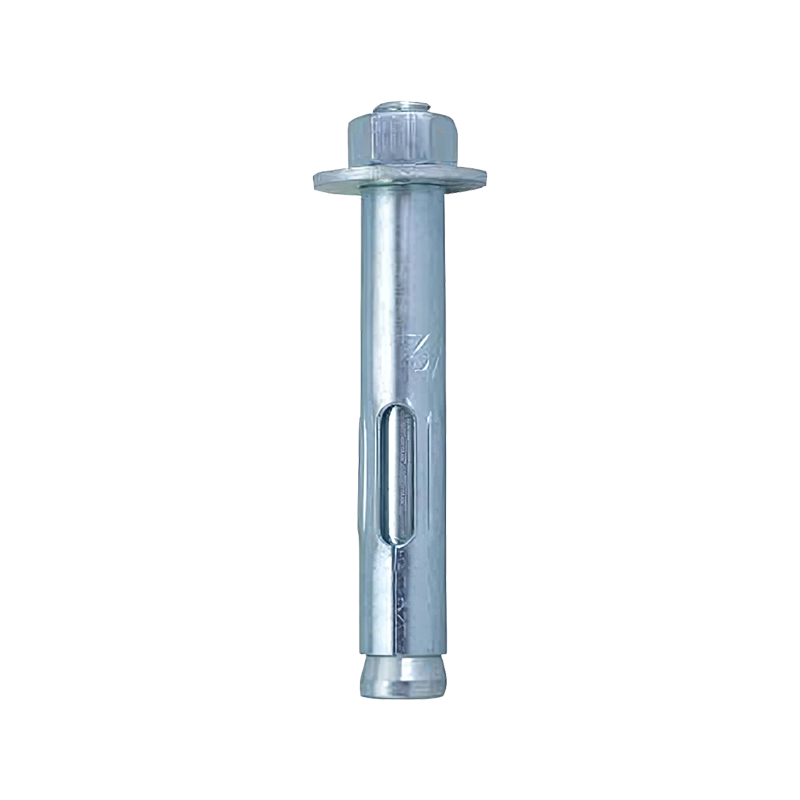
 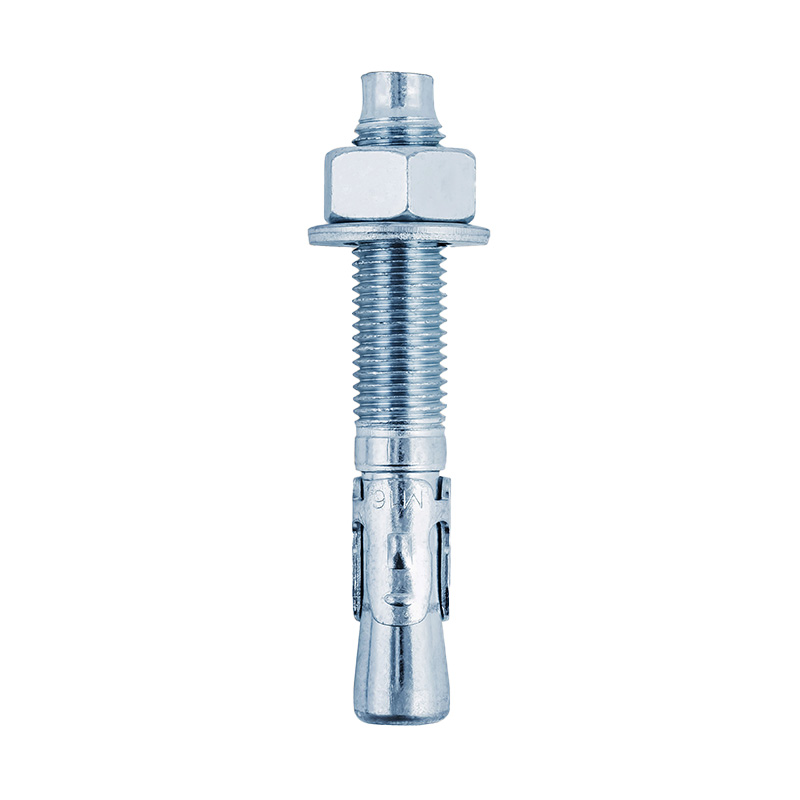 Metric Wedge Anchor with ISO 68-1 Thread SystemUses metric thread standards for compatibility with international structural steel and torque specifications. Built from high-strength alloy steel, it suits railways, power plants, and similar demanding installations.View Product →
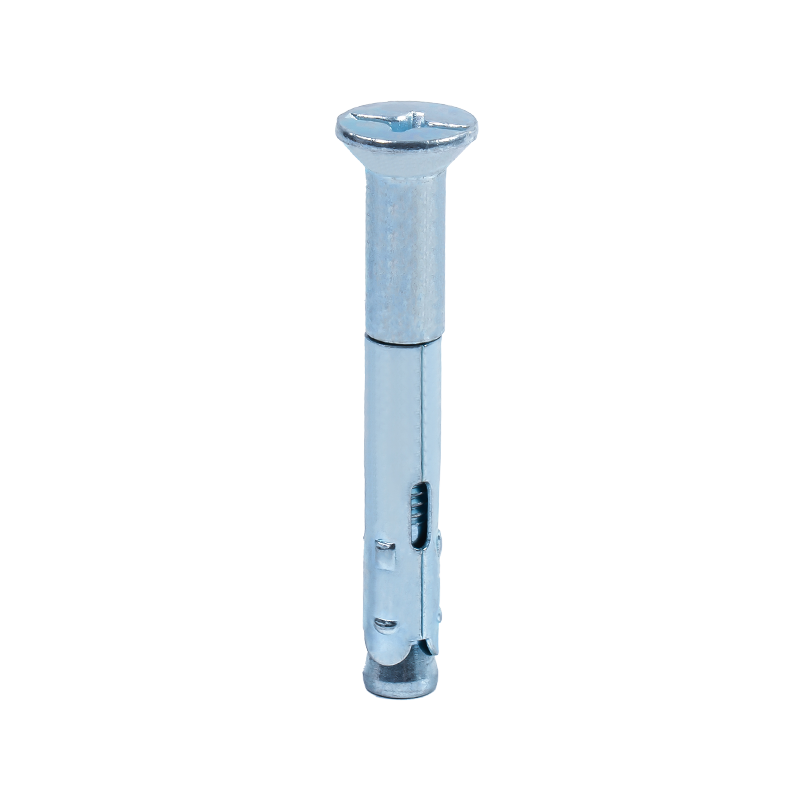
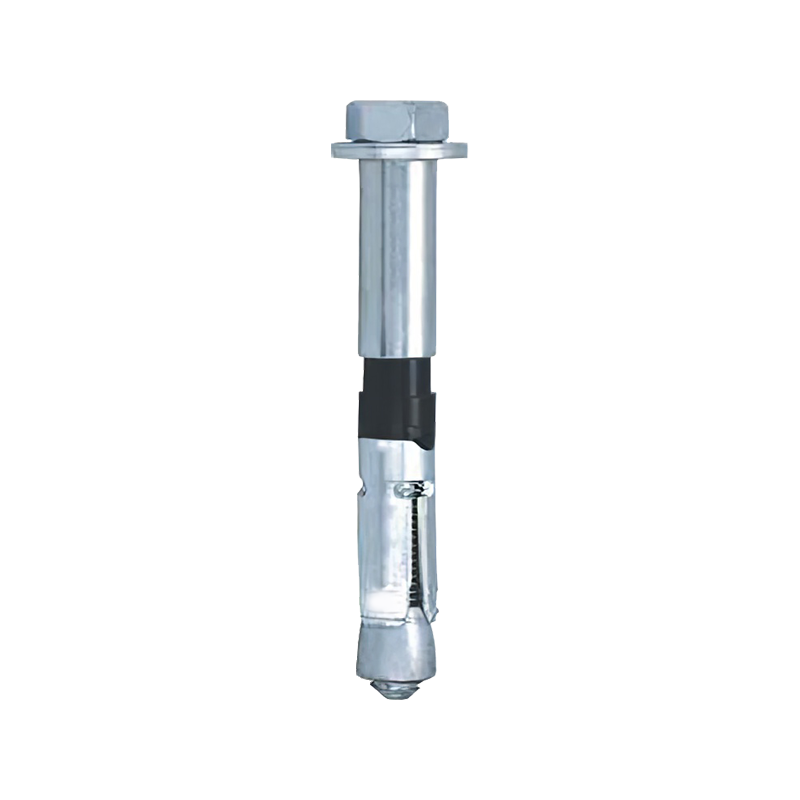
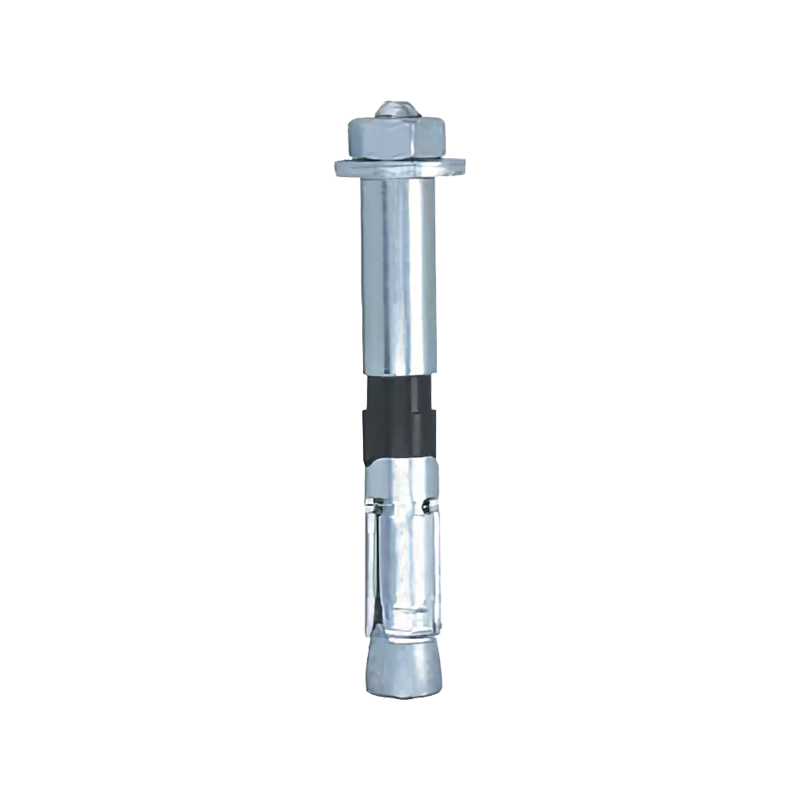
 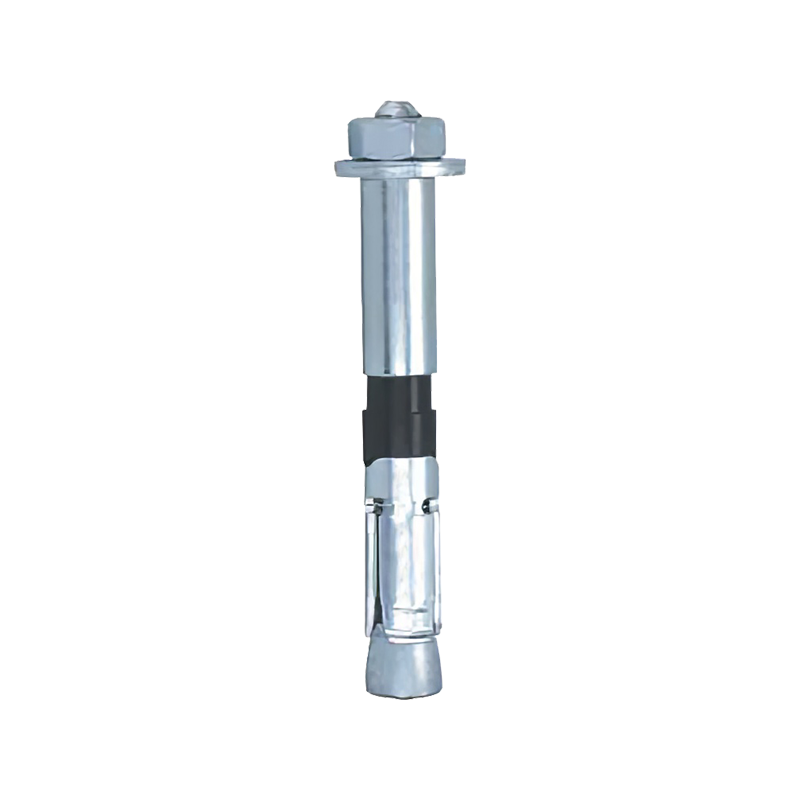 Screw Heavy Duty Shield Anchor for Non-Cracked ConcreteInstall-through design saves time by working directly through the fixture hole without extra drilling. Supports medium to heavy equipment mounting with load capacities up to 120 kN in non-cracked concrete.View Product →
Ultra Wedge Anchor
Carbon steel wedge anchor with zinc-plated finish, available in common imperial diameters. Designed for heavy static loads in structural steel and equipment mounting. Sized from 3/8 in. to 3/4 in. with full thread to the embedment mark.
Metric Wedge Anchor
The metric series follows the same expansion design with ISO-standard dimensions. Useful for projects specifying metric fasteners in Europe and Asia, with the same clamping mechanism and options for galvanized or stainless material.
Screw Heavy Duty Shield Anchor
A one-piece, case-hardened screw anchor for rapid installation in solid concrete. Recommended for light and medium duty connections where installation time is critical, without the need for a separate expansion sleeve.
Frequently Asked Questions
Are wedge anchors stronger than screw anchors?
Yes, for the same diameter and embedment depth in solid concrete, wedge anchors generally provide higher ultimate tension and shear values. The expansion clip spreads load over a larger bearing area than the thread flanks of a screw anchor. That makes wedge anchors the preferred choice for structural connections and heavy equipment. Screw anchors still cover a wide range of light and medium duty jobs, especially in high-strength concrete where thread cutting is clean and consistent.
Can I use screw anchors instead of wedge anchors?
Only when the required tension and shear loads fall within the screw anchor's published capacity and the concrete is sound. Check the supportable load values for the exact diameter and embedment you intend to use, and confirm edge distance and spacing. Where speed and removal flexibility are important, screw anchors install faster. Where maximum holding power is needed, stay with a wedge anchor.
How deep does a wedge anchor need to be embedded?
Embedment depends on the anchor diameter and the design load. As a general rule, a 10 mm wedge anchor needs about 40–50 mm of embedment, a 12 mm anchor about 50–65 mm, and a 16 mm anchor about 70–100 mm. Always match the embedment to the manufacturer's specification and verify against the actual compressive strength of the concrete on site.
Do wedge anchors work in brick or concrete block?
No. Wedge anchors depend on solid concrete to develop expansion pressure. In brick or hollow block, the clip cannot grip a solid wall and the connection will be unreliable. Use sleeve anchors, wedge-type masonry anchors, or other products designed specifically for masonry units when working with block or brick.
Can a wedge anchor be removed after installation?
Unscrewing the nut releases the fixture, but the anchor body normally remains wedged inside the concrete. It can be knocked deeper into the hole or cut flush if the surface must be returned to flat. Screw anchors, by contrast, are backed out completely with a reverse drive, which is one reason they are preferred for temporary connections.
What is the minimum edge distance for a wedge anchor?
As a practical rule, the minimum edge distance for a wedge anchor is about five times the anchor diameter, and spacing between anchors should be at least ten times the diameter. Reduced edge distance lowers the load capacity because the concrete may split before the anchor reaches its rated strength. Follow the manufacturer's published values for the specific product and concrete condition.
Final Recommendation
Choose a wedge anchor when the connection carries a significant static load, will see vibration, or needs the highest available mechanical holding strength. Choose a screw anchor when installation speed, close-edge positioning, and later removal save real money and the load stays moderate.
Knowing the difference is the first step; matching the anchor to the actual base material and load condition is what separates a reliable installation from a costly call-back. If you are specifying fasteners for an upcoming project and need technical support, samples, or load documentation, contact our engineering team through our website. We work with buyers to confirm dimensions, finish, packaging, and delivery before production starts.


Contact Us