
 English
 中文简体
 русский
 Español
Wedge Anchor vs J Bolt: Load Path, Installation, Tolerances, and Project Selection
2026-11-26Wedge Anchor vs J Bolt: The Answer Before the Catalog Page
A wedge anchor is a post-installed mechanical anchor. It is placed into a drilled hole in hardened concrete and expanded by torque, so the clip bites into the concrete wall. A J bolt is a cast-in anchor bolt. Its bent J-shaped end is embedded in concrete while the concrete is still plastic, and the straight threaded end projects for a column base, machine base, pole flange, or other fixture. The main difference is not the shape of the steel. It is the timing of installation, the way load moves into the concrete, and the tolerances that decide whether the connection behaves as designed.
That difference has commercial consequences. A J bolt is usually inexpensive as a piece of steel, but it demands layout work, templates, formwork coordination, and protection during the pour. A wedge anchor costs more per piece in many specifications, but it can be installed after the concrete has cured, which shortens the coordination chain and allows later equipment changes. Choosing between them on piece price alone is a common procurement error.
Wedge anchor
Post-installed, torque-controlled
Drill, clean, insert, tighten. Load transfer depends on hole quality, embedment, torque, concrete strength, edge distance, and spacing. The fixture can often be removed and reinstalled without cutting the anchor, provided the designer permits it.
J bolt
Cast-in, geometry-controlled
Set before the pour, aligned with a template, and embedded permanently. Load transfer depends on embedment depth, hook geometry, concrete confinement, thread projection, and the bolt's position relative to reinforcement and edges.
| Decision point | Wedge anchor | J bolt |
|---|---|---|
| Installation timing | After concrete curing; often after equipment arrives. | Before or during the concrete pour; fixed once concrete hardens. |
| Load transfer | Mechanical expansion and friction against the drilled hole wall. | Bearing and anchorage of the embedded hook plus bond along the embedment length. |
| Key field control | Hole diameter, hole depth, cleaning, torque, edge distance, spacing. | Template position, embedment depth, hook orientation, thread projection, pour protection. |
| Late layout changes | Relatively easy before drilling; relocation requires a new hole and engineering review. | Very difficult after the pour; errors often become repair or rework issues. |
| Typical use | Racks, guards, equipment, structural strengthening, MEP supports, retrofits. | Column bases, machine foundations, pole bases, bridge and infrastructure connections. |
How Each Fastener Moves Load into Concrete
The load path explains most field failures. A wedge anchor and a J bolt can both be strong, but they do not fail in the same way, and they do not tolerate the same mistakes.
Wedge anchor load path
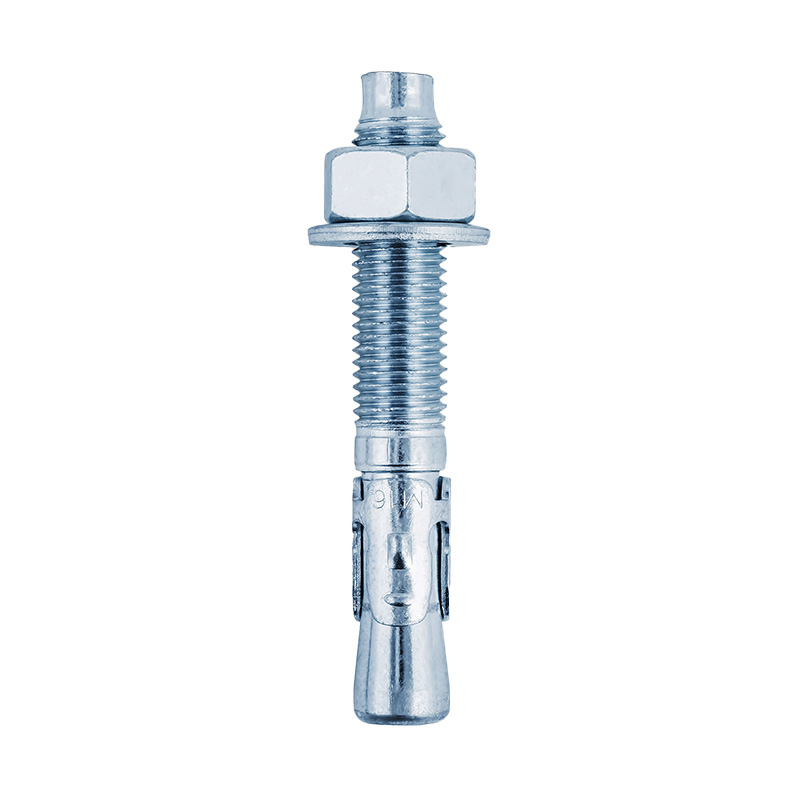
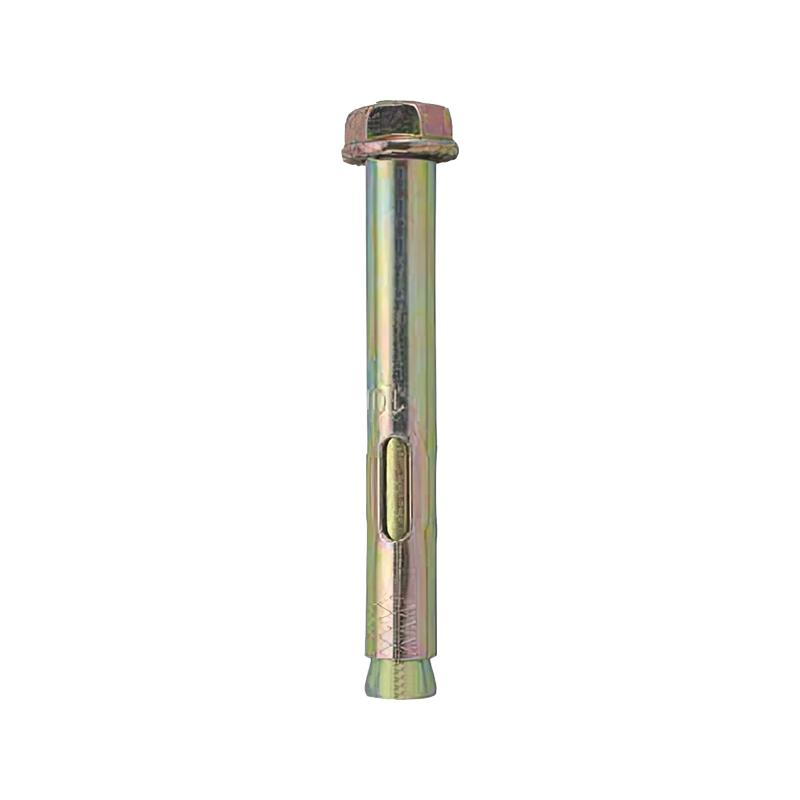
A typical wedge anchor has a threaded stud, a expansion clip at the embedded end, a nut, and a washer. The installer drills a hole to the specified diameter and depth, removes dust, inserts the anchor, and applies torque to the nut. The torque pulls a tapered section through the clip or expands the clip against the concrete. The anchor then transfers tension through the clip-to-concrete interface and shear through the stud and concrete around the hole. The concrete must be able to resist the expansion pressure. Thin slabs, weak concrete, close edges, and close spacing reduce that ability.
Because the anchor is post-installed, the installer can verify the hole and the embedment mark before tightening. That is an advantage. The same process also means the hole is created on site, so dust, oversize drilling, shallow drilling, and improper bit condition can change performance. A clean, correctly sized hole is not a housekeeping detail; it is part of the load path.
J bolt load path
A J bolt transfers tension through the embedded hook and the surrounding concrete. The hook bears against concrete and, where designed, engages reinforcement. The straight embedment length also develops bond. The threaded projection above the concrete connects to the fixture. The concrete must be consolidated around the hook and the bolt must remain in position during vibration. A void under the hook or a bolt pushed off line during the pour can reduce capacity and create eccentric loading on the fixture.
Unlike a wedge anchor, a J bolt does not rely on expansion pressure. It relies on geometry and embedment. That makes it a natural choice for heavy cast-in connections where the designer controls the foundation and can inspect the placement before the pour. It also makes late changes expensive. Once concrete has set, correcting a J bolt usually means cutting, chipping, drilling, or engineering a repair.
Installation Sequence and Site Consequences
The installation sequence changes who owns the risk. With a J bolt, the foundation contractor owns the layout before the pour. With a wedge anchor, the installation contractor owns the drilled hole, cleaning, torque, and inspection. Procurement teams should reflect that split in the request for quotation and in the inspection plan.
Cast-in sequence
J bolt workflow
- Review anchor-bolt layout against reinforcement and formwork.
- Fabricate or receive bolts with the specified hook, thread length, and coating.
- Set a template or fixture to hold spacing and projection.
- Tie or brace the bolts so they do not move during vibration.
- Pour and consolidate concrete around the hook without creating voids.
- Survey projection and alignment after stripping; repair only with approval.
Post-installed sequence
Wedge anchor workflow
- Confirm concrete strength, slab thickness, edge distance, and spacing.
- Use the specified drill diameter and check bit condition.
- Drill to the marked depth and clean the hole according to the product instruction.
- Insert the anchor and tighten to the published torque for that diameter and condition.
- Record torque, embedment, and any failed or abandoned holes.
- Do not patch or relocate a failed anchor without engineering direction.
A frequent site conflict occurs when a J bolt is specified but the foundation is already poured. The common reaction is to substitute a wedge anchor. That substitution is not automatically equivalent. The designer must check tension and shear capacity, edge distance, spacing, concrete cracking assumptions, fire or seismic requirements, and whether the fixture allows a post-installed solution. A wedge anchor may be a sound answer, but it is a different anchor with different failure modes.
Tolerances That Decide Performance
Tolerances are where the two products separate most clearly. A J bolt is a positioning problem before the pour. A wedge anchor is a drilling and tightening problem after the pour. Both are sensitive, but to different variables.
| Variable | Wedge anchor control | J bolt control |
|---|---|---|
| Embedment | Hole depth and anchor mark; shallow holes reduce expansion and capacity. | Hook depth and development length; a high hook or short embedment changes anchorage. |
| Diameter or hole size | Drill bit must match the anchor diameter and product instruction; oversize holes reduce friction. | Bolt diameter is fixed at fabrication; hole size in templates and base plates must allow erection tolerance. |
| Position | Spacing and edge distance are checked before drilling; later relocation is a design change. | Template position and survey control determine whether the fixture fits. |
| Torque | Published torque is part of installation; under-torque and over-torque both create risk. | Torque applies to the nut at erection, not to the embedded anchorage. |
| Concrete condition | Cracked concrete, low strength, and thin slabs require specific evaluation. | Consolidation around the hook and reinforcement conflicts affect anchorage. |
| Inspection evidence | Torque log, hole cleaning check, embedment mark, batch traceability. | Pre-pour survey, template inspection, pour photographs, post-pour projection survey. |
Embedment deserves separate attention because it is easy to mark and easy to ignore. For a wedge anchor, the minimum depth is tied to the specific product, diameter, concrete strength, and loading condition. A deeper hole does not always mean a stronger connection if the anchor is not set at the intended mark or if the hole is not cleaned. For practical guidance on depth checks and minimum embedment logic, see how deep a wedge anchor should go into concrete. For a J bolt, the equivalent question is not hole depth but hook geometry and development length in the foundation design.
Failure Modes and Inspection Points
Failure mode thinking prevents false comparisons. A wedge anchor that pulls out is not the same as a J bolt that pulls out, and the inspection response is different.
Wedge anchor risks
What inspectors look for
- Anchor spins or fails to develop torque, often linked to an oversize or poor hole.
- Concrete breakout near an edge or between closely spaced anchors.
- Shallow embedment caused by drilling into a slab with limited thickness.
- Corrosion risk where coating damage or incompatible metals are present.
- Fixture gap or thread projection too short for the nut and washer.
J bolt risks
What inspectors look for
- Bolt moved during the pour, reducing thread projection or base-plate fit.
- Hook placed too high, bent outward, or crowded against formwork.
- Voids or honeycombing around the hook after consolidation.
- Thread damage, paint contamination, or coating damage before erection.
- Anchor not vertical or not aligned with the intended load direction.
Inspection should match the failure mode. For a wedge anchor, the critical records are hole condition, embedment mark, torque, and any failed installation. For a J bolt, the critical records are pre-pour position, hook orientation, concrete placement, and post-pour projection. A project that uses both should not use one inspection checklist for both.
Indicative sensitivity to common installation errors
The bars are a qualitative management aid, not design values or test results.
Where Each Fastener Fits in Real Projects
Application fit is more useful than a blanket rule. The question is not which anchor is better in general. The question is which anchor fits the construction sequence, the load path, the inspection plan, and the consequences of a late change.
Better fit for wedge anchors
Post-installed and retrofit work
Equipment that arrives after the slab is cured, guards and racks, mechanical and electrical supports, structural strengthening, and tenant fit-outs often favor wedge anchors because the installation follows the final layout. The anchor can be placed near the point of use, provided the designer has checked concrete strength, slab thickness, edge distance, and spacing.
Better fit for J bolts
Cast-in foundations and heavy bases
Column bases, machine foundations, pole bases, bridge connections, and infrastructure works often favor J bolts because the foundation design can develop the hook and the bolt can be fixed before the pour. The trade-off is that layout accuracy becomes a pre-pour responsibility, and late changes are costly.
Mixed foundations
Some projects use both. A cast-in J bolt might secure the main column base, while a wedge anchor secures a secondary guard or a pipe support after the slab is cured. That is reasonable when each connection is designed for its own anchor. It is not reasonable to assume that a wedge anchor can replace a J bolt simply because both are threaded steel. The load path, edge distance, and inspection requirements are different.
When neither is a good default
If the concrete is unknown, if the slab is thin, if the anchor is close to an edge, or if the load is dynamic or seismic, the answer should come from the project engineer and the product evaluation report, not from a catalog preference. In some cases, a different anchor family or a cast-in solution is the safer choice. A manufacturer can support the selection with product data and test information, but the designer remains responsible for the connection.
Procurement Checklist for RFQs and Drawing Reviews
A clear RFQ prevents a commercial comparison that ignores installation cost. The following details should be fixed before quotes are compared.
1. Define the anchor function
State whether the anchor carries tension, shear, or combined load; whether it is a safety-critical connection; and whether the fixture is permanent or removable. A J bolt and a wedge anchor may both be threaded, but their design assumptions are not interchangeable.
2. State the concrete condition
Provide specified compressive strength at installation, slab thickness, edge distance, spacing, and whether cracked concrete must be assumed. These inputs determine the anchor category and the evaluation report that applies.
3. Reference the right standard
For cast-in anchor bolts, the project may reference ASTM F1554, A307, or another specified material grade, with coating and thread requirements. For post-installed mechanical anchors, the project may require an ICC-ES evaluation report, an ETA, or testing to ASTM E488. The exact reference belongs in the specification, not in a verbal instruction.
4. Require dimensional and coating records
Request diameter, length, thread length, hook dimensions where applicable, coating thickness, and lot traceability. For wedge anchors, confirm the expansion clip, stud grade, nut, and washer are supplied as a matched system.
5. Agree on inspection evidence
For wedge anchors, require torque records and hole-cleaning checks. For J bolts, require pre-pour template inspection and post-pour projection survey. Inspection evidence should be defined before the first delivery, not after a failed installation.
Wedge Anchor Product Notes for Practical Selection
Not every wedge anchor is the same. Diameter, length, clip design, material grade, coating, and approved substrate all affect the selection. A heavier-looking anchor is not automatically the correct anchor if the embedment, edge distance, or concrete strength does not match the design.
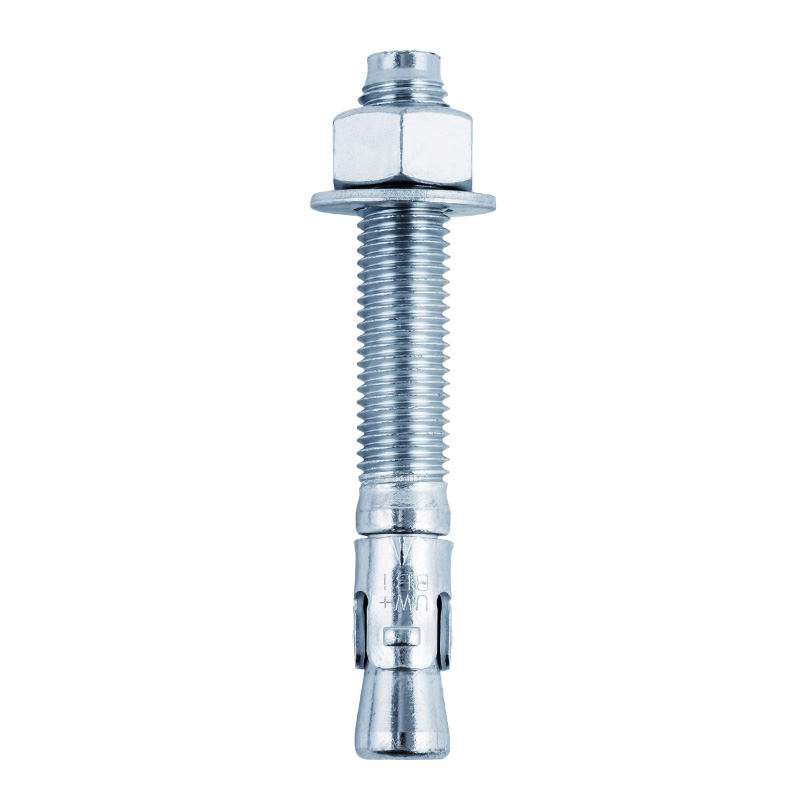
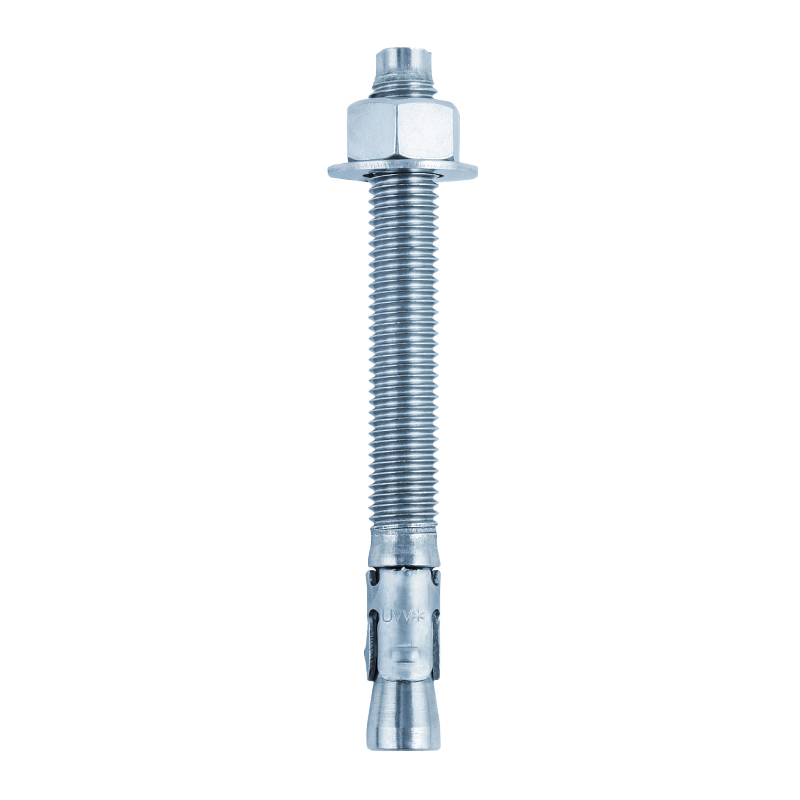 Ultra Wedge Anchor for Solid ConcreteInch-series mechanical expansion anchor with defined torque, multiple diameters, and zinc-plated or stainless steel options for post-installed concrete connections.View Product →
For demanding post-installed connections, an ultra wedge anchor is often reviewed where the project needs a controlled expansion mechanism and a defined torque value. The selection should still be checked against the concrete strength, hole diameter, embedment, and spacing. Where a metric specification is required, a metric wedge anchor keeps the dimensional system consistent with the drawings and the drilled hole.
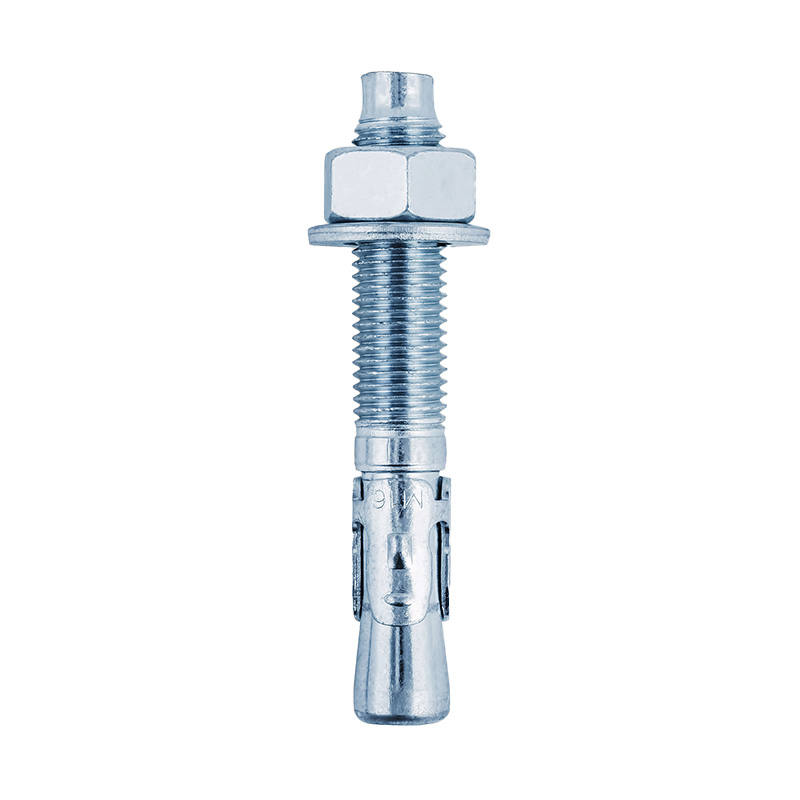 Metric Wedge Anchor for Concrete FasteningMetric mechanical expansion anchor in M6–M24 sizes, supplied unassembled with nut and washer, for high-strength concrete fastening across construction applications.View Product →
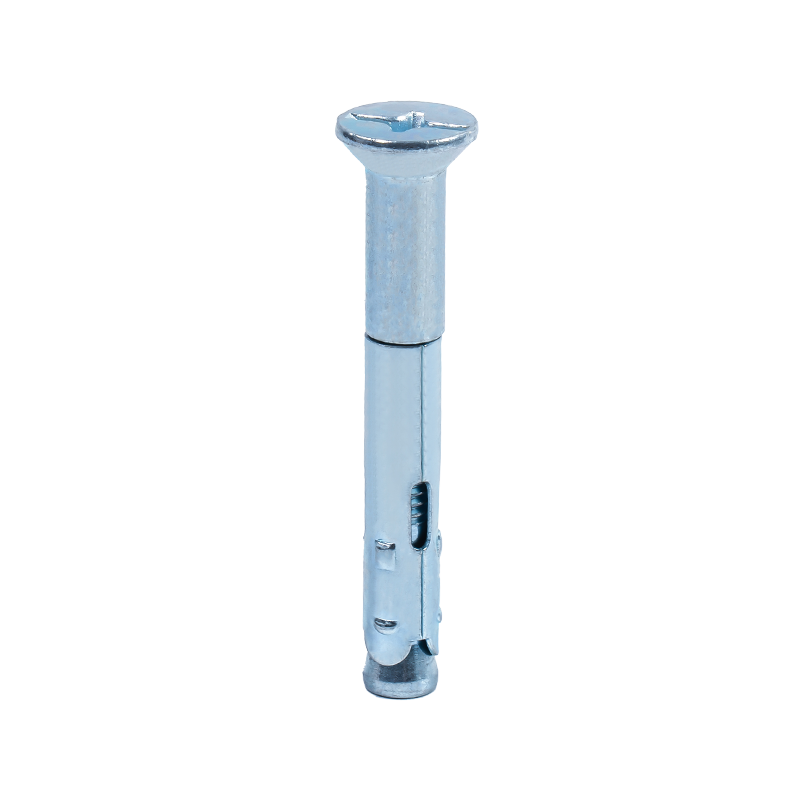
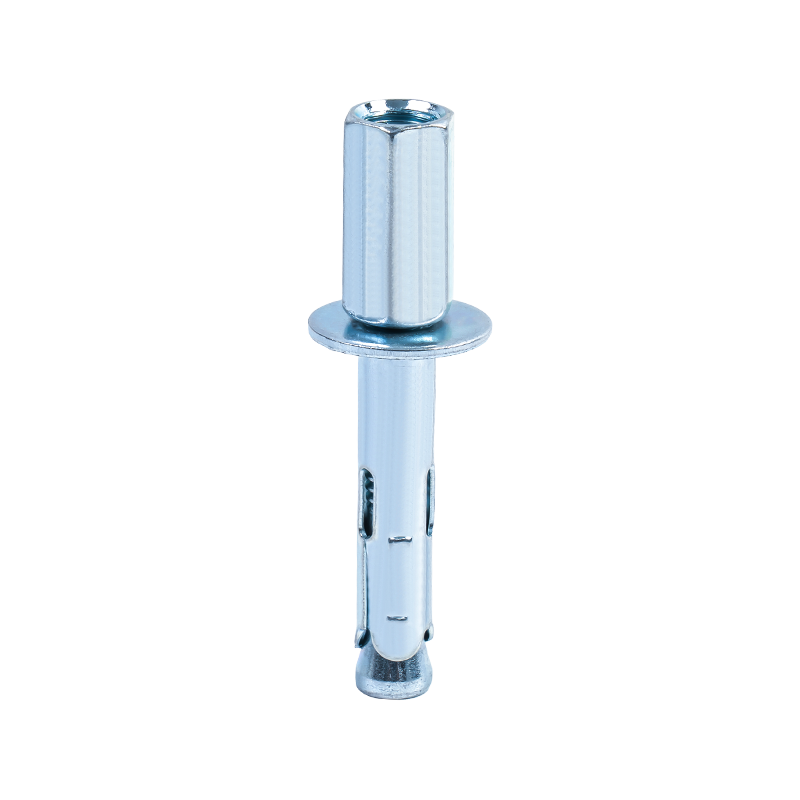
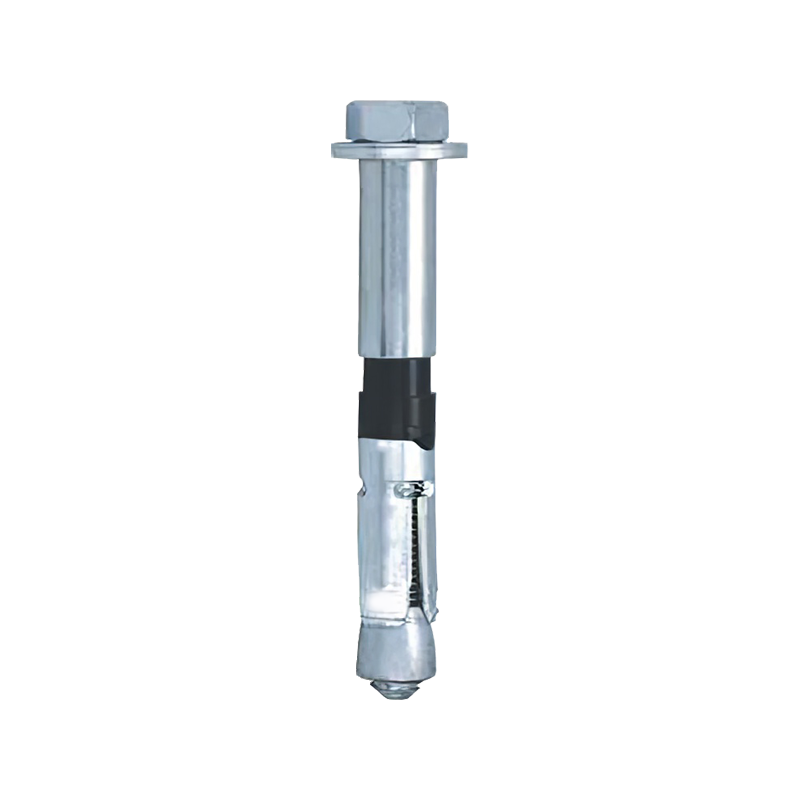
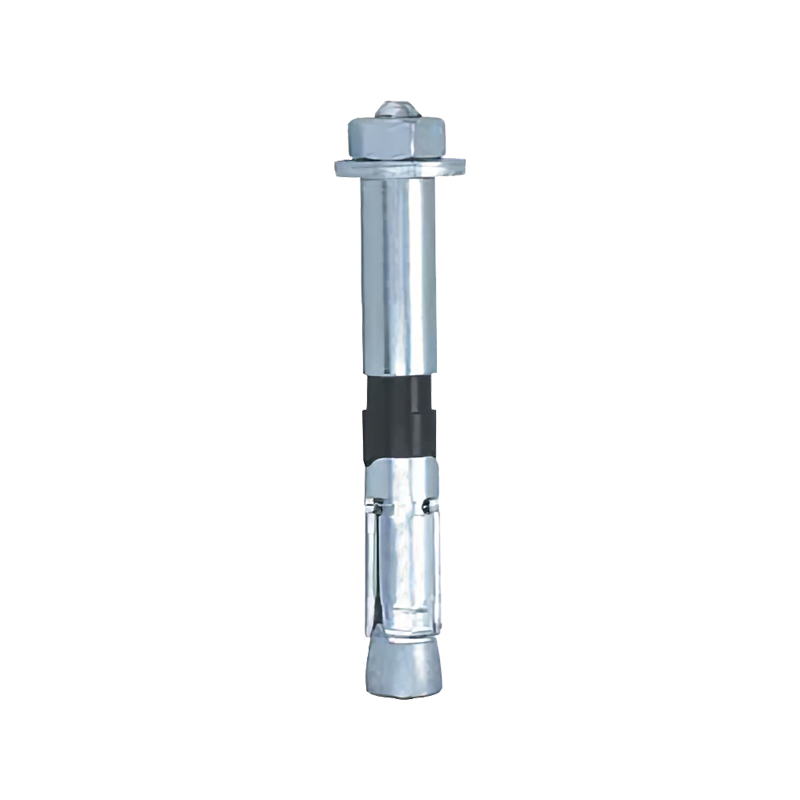
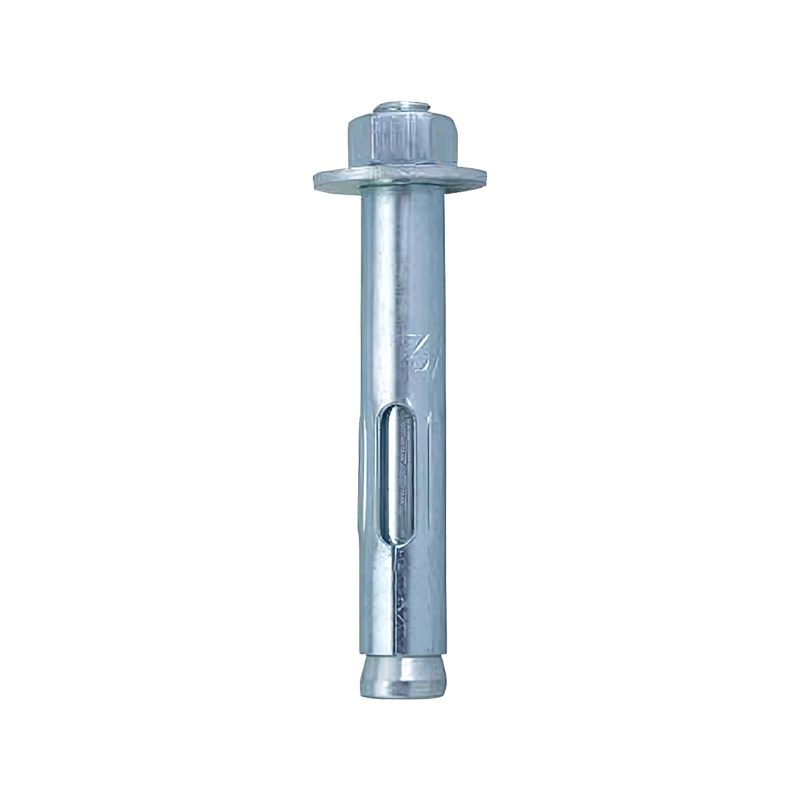
Where the application calls for a heavy-duty shield anchor rather than a standard wedge anchor, the connection geometry changes again. A shield anchor spreads load through a sleeve, so the installer must confirm the substrate, hole size, and setting depth. It is not a direct substitute for a J bolt without engineering review.
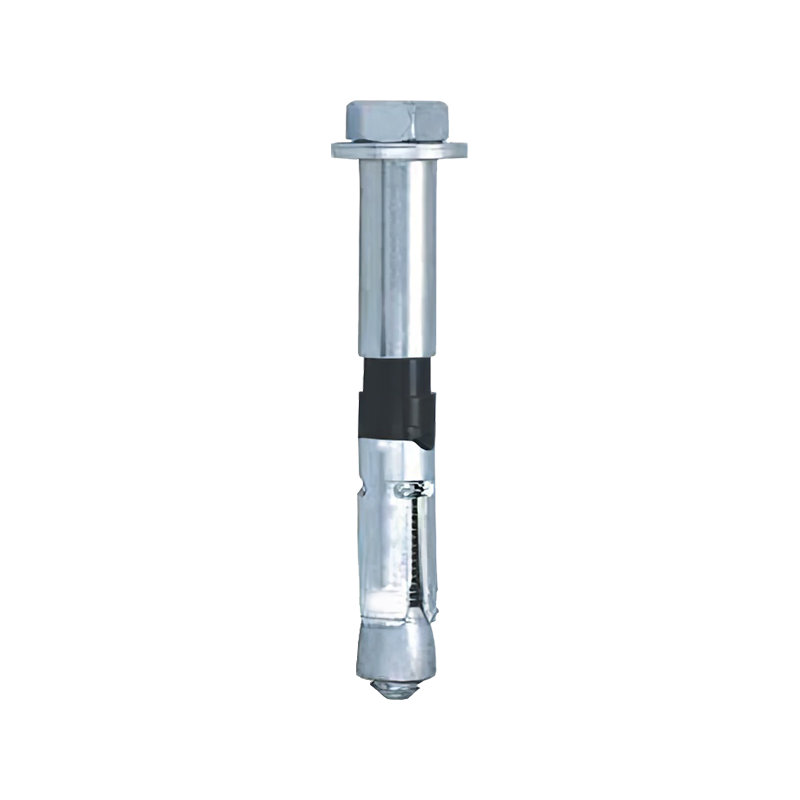 Bolt Heavy Duty Shield AnchorTorque-controlled shield anchor for pass-through installation in uncracked concrete, with measurable final torque and sizes M8 to M20 for heavy-duty fixtures.View Product →
Cost and Schedule: Compare the Installed Connection, Not the Piece
The least expensive piece is not always the least expensive connection. A J bolt may have a lower unit price, but the project also pays for templates, survey, holding the bolt during the pour, post-pour alignment checks, and potential repair if a bolt moves. A wedge anchor may have a higher unit price, but it can be installed after the concrete is cured and after the equipment layout is final, which can reduce coordination and rework.
| Cost driver | J bolt tendency | Wedge anchor tendency |
|---|---|---|
| Unit material | Often lower for a bent rod with thread. | Often higher because the anchor includes an expansion assembly and matched components. |
| Layout and template | Higher before the pour; errors are expensive after the pour. | Lower before the pour; drilling layout is created later. |
| Schedule flexibility | Low after concrete placement. | Higher, provided the concrete has reached the required condition and the design allows post-installation. |
| Inspection | Pre-pour survey and pour inspection. | Hole, torque, and embedment inspection. |
| Late change risk | High; relocation may require cutting or repair. | Moderate; a new hole may be possible with engineering approval and edge-distance checks. |
FAQ: Wedge Anchor vs J Bolt
Can a wedge anchor replace a J bolt?
Only after an engineering check. A wedge anchor is post-installed and relies on expansion in a drilled hole. A J bolt is cast-in and relies on embedment and hook geometry. The replacement must be checked for tension and shear capacity, edge distance, spacing, concrete strength, cracked-concrete assumptions, and the consequences of a different failure mode.
Is a J bolt stronger than a wedge anchor?
There is no universal answer. Capacity depends on diameter, embedment, concrete strength, hook geometry, edge distance, and the governing design standard. A large cast-in J bolt in a heavy foundation and a small wedge anchor in a thin slab are not comparable. The correct comparison uses the design loads and the approved product data for the specific connection.
Why does a wedge anchor need torque?
Torque activates the expansion mechanism and seats the clip against the concrete. The published torque value is part of the installation instruction. Under-torque may leave the anchor insufficiently expanded; over-torque may damage the thread, the clip, or the surrounding concrete. A torque value should never be copied from a generic table without confirming the anchor diameter, product, and substrate.
What is the most common J bolt installation error?
Movement during the pour is a frequent problem. If the bolt shifts, the thread projection or base-plate hole alignment may be wrong. A second common issue is poor consolidation around the hook, which can leave a void and reduce anchorage. Pre-pour templates, bracing, and a survey check are more effective than trying to correct a cast-in bolt after the concrete has hardened.
Can a wedge anchor be installed in a slab that is too thin?
Possibly, but only if the product data and the design allow it. A thin slab may not provide enough embedment or resistance to breakout. The installer should not drill through the slab and rely on the anchor bearing on the underside. The design must account for slab thickness, edge distance, and the load direction.
Which one is better for outdoor or wet environments?
Both can be specified with suitable materials and coatings, but the details differ. For a J bolt, the exposed thread, nut, and base-plate interface need corrosion protection, and coating damage during handling must be repaired. For a wedge anchor, the stud, clip, nut, and washer must be compatible with the environment. The project specification should define the coating system and any limits on mixing metals.
What should be included in an inspection record?
For a wedge anchor: hole diameter and depth, cleaning method, embedment mark, torque value, installer, date, and any failed holes. For a J bolt: pre-pour position, template condition, hook orientation, concrete placement record, post-pour projection, and thread condition. Records should be linked to the lot or batch where traceability is required.
How should a buyer compare quotations?
Compare the installed connection, not only the piece price. Ask for the material grade, dimensions, coating, approval or test reference, delivery basis, and inspection documents. Then add the project costs for templates, drilling, torque inspection, repair risk, and schedule. A quotation that omits these items is not a complete commercial comparison.
When should the project engineer be consulted?
Before any substitution, before changing embedment or diameter, before drilling near an edge or existing reinforcement, and whenever the concrete condition is uncertain. A wedge anchor and a J bolt can both be reliable products, but they are not interchangeable without a design check.


Contact Us