
 English
 中文简体
 русский
 Español
Cast-in-Place vs Post-Installed Anchors: Load Path, Tolerance, and Field Risk
2026-11-23The practical difference: designed-in versus drilled-in
The difference between a cast-in-place anchor and a post-installed anchor is decided by when the anchor becomes part of the concrete and how the load finds its way into the structure. A cast-in-place anchor is positioned before the pour, so the embedment, reinforcement, formwork, and concrete placement are coordinated as one construction sequence. A post-installed anchor is drilled and set after the concrete has hardened, so the connection depends on a hole, a prepared interface, and an installation procedure that must be verified on site.
That single timing difference changes four things that matter in specification and procurement: the load path, the installation tolerance, the inspection evidence, and the cost of change. Cast-in-place anchors are usually easier to control when the connection is heavy, fatigue-loaded, seismic, or close to an edge, because the embedment and the surrounding reinforcement can be designed together before concrete is placed. Post-installed anchors are usually easier to control when the work is a retrofit, a late equipment change, or an existing structure where drilling is the only practical access route. The second option is not a universal substitute for the first. A post-installed anchor must be qualified for the actual substrate, crack condition, temperature, and inspection regime.
If the project team treats the anchor as a catalogue item selected at the end of the drawing review, the real difference will appear later as rework. If the team treats it as a connection decision made with the concrete design, the choice becomes much clearer.
What a cast-in-place anchor does to the load path
A cast-in-place anchor is embedded while the concrete is still plastic. Common forms include headed bolts, headed studs, J-bolts, embedded plates, and cast-in channel inserts. The anchor head, plate, hook, or channel bears against the concrete and engages the surrounding reinforcement. In tension, the load moves from the steel embedment into a concrete breakout cone, and the design checks steel strength, concrete breakout, pullout, side-face blowout, and pryout. In shear, the load is transferred through bearing against the concrete and through the anchor steel, with edge distance and shear plane condition controlling much of the behavior.
The main advantage is not that cast-in-place anchors are automatically stronger. The advantage is that the load path can be designed, detailed, and inspected before the concrete is placed. The embedment depth is fixed by the drawing. The anchor position is fixed by the template. The reinforcement can be moved before the pour if there is a conflict. The concrete cover can be checked while it is still possible to correct it. That is why cast-in-place anchors are often preferred for heavy structures, bridge bearings, tunnel segments, railway infrastructure, airport works, and industrial equipment bases where the connection is part of the permanent load-bearing system.
The limitation is equally practical. A cast-in-place anchor must be in the right place at the right time. If the anchor is missing, bent, or filled with concrete during the pour, the repair may be difficult. If a late equipment change moves the connection by 50 mm, the embedded plate may no longer fit. If the formwork is stripped before the concrete has gained enough strength, the anchor can be damaged. These are not rare events. They are the reason pre-pour inspection is part of the cast-in-place method, not an optional extra.
- Strong control: embedment depth, anchor orientation, and reinforcement coordination are checked before the pour.
- Good fit for heavy demand: headed anchors and embedded plates can be designed for high tension, shear, fatigue, and seismic action.
- Less flexible after the pour: relocation, added connections, and late changes usually mean cutting, welding, or a separate post-installed solution.
- Inspection timing: the most important checks happen before and during concrete placement, not after the structure is complete.
For a project with a mature design and a controlled construction sequence, the cast-in-place route gives the engineer a predictable load path and the contractor a clear pre-pour checklist. For a project with unresolved coordination, the same route can become a source of hold-ups.
What a post-installed anchor does to the load path
A post-installed anchor is installed into hardened concrete or another base material after the structure exists. Mechanical post-installed anchors include wedge anchors, sleeve anchors, drop-in anchors, machine screw anchors, and hammer drive anchors. Adhesive anchors use a chemical bonding agent in a cleaned hole. The mechanical family transfers load through expansion, keying, friction, thread engagement, or a combination of these actions. The adhesive family transfers load through bond along the drilled hole. Both depend on the hole geometry and the condition of the substrate.
The installation sequence is the defining feature. The installer drills a hole to a specified diameter and depth, cleans the hole, inserts the anchor, and applies the specified torque or setting action. For a wedge anchor, the expansion clip bears against the concrete wall as the nut is tightened. For a sleeve anchor, the sleeve expands against the hole. For a drop-in anchor, an internal thread is set by a setting tool. For a machine screw anchor, the threaded component engages a pre-set internal thread or a setting mechanism. Each type has its own sensitivity to hole size, hole depth, cleaning, torque, and edge distance.
This is why post-installed anchors are often described as installation-sensitive. A cast-in-place anchor can be inspected before the concrete hides it. A post-installed anchor can be inspected after the hole is drilled, but the quality of cleaning, the actual hole diameter, the presence of rebar, and the applied torque all depend on the installer following the procedure. In a new-build project, that procedure can be controlled. In an occupied building or a remote site, it must be audited.
The strength of the post-installed method is access and flexibility. Existing slabs, walls, columns, and foundations can receive new connections without casting new concrete. Equipment can be set after the building is complete. Temporary works can be removed and repaired. The weakness is that the connection is only as good as the substrate and the installation. A post-installed anchor in cracked concrete, lightweight concrete, or a wet hole is not the same product as the same anchor in a dry, uncracked, properly cleaned hole. The specification must say which condition applies.
- High flexibility: suitable for retrofit, equipment changes, and connections added after the concrete has cured.
- Installation-dependent: hole diameter, depth, cleaning, and torque must be controlled and recorded.
- Substrate-sensitive: concrete strength, cracks, aggregate, reinforcement, and moisture affect performance.
- Verification-friendly: proof loading and torque checks can be performed on a sample or on the installed connection.
Side-by-side comparison for specification and procurement
The table below is written for the person who has to compare the two methods without turning the decision into a generic product preference. The right column is not a single product. It covers mechanical and adhesive post-installed anchors, because both are installed after the concrete has hardened, but they have different failure modes and different inspection requirements.
| Decision point | Cast-in-place anchor | Post-installed anchor |
|---|---|---|
| When the anchor is fixed | Before concrete placement, usually tied to formwork or reinforcement. | After concrete curing, by drilling and setting the anchor. |
| Primary load transfer | Bearing at the head or plate, bond, and engagement with reinforcement and concrete mass. | Expansion, keying, friction, thread engagement, or adhesive bond, depending on anchor type. |
| Best fit | New construction, heavy loads, fatigue, seismic demand, small edge distance, and permanent structural connections. | Retrofit, existing structures, late changes, equipment setting, and connections that cannot be embedded. |
| Edge-distance sensitivity | Designed with the reinforcement layout; still sensitive, but can be detailed before the pour. | Highly sensitive to actual edge distance, hole position, and concrete breakout. |
| Installation control | Template position, embedment depth, cover, and concrete placement. | Hole diameter, hole depth, cleaning, setting force, torque, and rebar avoidance. |
| Inspection evidence | Pre-pour checks, post-pour survey, and concrete records. | Hole records, torque checks, proof loading, and installer records. |
| Future modification | Difficult and costly once concrete is placed. | Relatively easy to add or relocate, provided the substrate allows another anchor. |
| Common failure modes | Concrete breakout, pullout, side-face blowout, steel failure, and damage during construction. | Concrete breakout, pullout, anchor slip, improper expansion, poor cleaning, and installation error. |
The table makes the trade-off visible. Cast-in-place gives design control at the cost of construction rigidity. Post-installed gives construction flexibility at the cost of installation control. A project can use both methods in the same structure. The mistake is to use one method as a default without checking the load path and the inspection plan.
Installation tolerance, sequencing, and rework
Installation tolerance is where the two methods separate most clearly on site. A cast-in-place anchor has a fixed position once the concrete is placed. The tolerance is built into the template and the connection detail. If the anchor is 20 mm out of position, the steel connection may need a slotted hole, a welded adapter, or a new post-installed anchor. A post-installed anchor can be positioned after the equipment is offered up, which is a real advantage when the interface is not fully known at the drawing stage.
That advantage comes with a sequence. The hole must be drilled without cutting reinforcement. The hole must be cleaned to the specified condition. The anchor must be set to the specified depth. The torque must be applied with a calibrated tool. The edge distance and spacing must be checked against the approved product data. If any of these steps is skipped, the anchor may still look installed, but the load path is not the one that was designed.
- Confirm the substrate: concrete strength, crack status, moisture, and reinforcement location before drilling.
- Set the hole geometry: use the specified drill diameter and depth, and check the hole with a depth gauge or marked drill bit.
- Clean the hole: follow the anchor system's cleaning instruction, including brushing and blowing where required.
- Set the anchor: apply the specified setting action or torque, and record the result for inspection.
- Check edge distance and spacing: compare the as-built position with the approved installation detail.
- Protect the connection: keep the anchor clean and dry until the fixture is installed, especially for adhesive systems.
Rework is another difference. A cast-in-place anchor that is missing or damaged may require chipping, welding, or a new post-installed connection. A post-installed anchor that fails a torque check or proof load may be replaced with a larger anchor, a different anchor type, or a redesigned connection. The cost of rework is not only the anchor. It includes access, inspection, downtime, and the risk of damaging the concrete around the original hole.
Inspection evidence: what you can verify after the pour
Inspection is not a paperwork exercise. It is the difference between a connection that has evidence and a connection that only has an appearance. For cast-in-place anchors, the important evidence is created before the pour: the anchor location, the embedment depth, the reinforcement clearance, the formwork condition, and the concrete placement record. After the pour, the team can survey the anchor position and check for concrete cover, but the most valuable checks have already passed.
For post-installed anchors, the evidence is created at installation. The hole diameter and depth can be measured. The cleaning process can be observed. The torque can be checked with a calibrated wrench. A proof load can be applied to a sample or to a defined percentage of anchors, depending on the specification and the project quality plan. The limitation is that a proof load proves the anchor performed under that short-term test. It does not prove the long-term condition, the corrosion protection, or the behavior under fire or fatigue unless those factors are part of the qualification.
This is why the inspection plan should match the anchor type. A cast-in-place anchor needs a pre-pour hold point. A post-installed anchor needs an installation record and, where required, a proof-load record. If the project uses both methods, the inspection plan should show both hold points on the same inspection and test plan. Otherwise the post-installed work can be treated as a minor item and the cast-in-place work can be closed out before the anchor positions are verified.
Risk: missing pre-pour check
A cast-in-place anchor can be misplaced or filled with concrete, and the defect may not be visible until the fixture is installed.
Risk: poor hole cleaning
A post-installed anchor can lose capacity if dust, water, or debris remains in the hole, even when the anchor is tightened correctly.
Risk: unrecorded torque
Without a torque record, the inspection team cannot distinguish a correctly set anchor from one that was only snugged down.
Risk: changed substrate
A hole that meets an unexpected void, crack, or reinforcement layer may need relocation, a different anchor, or a redesign.
Edge distance, spacing, and concrete failure modes
Edge distance and spacing are not secondary details. They control whether the concrete can develop the assumed failure cone. A cast-in-place anchor can be detailed with reinforcement that confines the breakout cone, but the edge distance still matters. A post-installed anchor is often more sensitive because the hole is drilled after the reinforcement is fixed, and the installer may have limited freedom to move the anchor away from an edge. When the anchor is close to an edge, the concrete may fail by breakout, side-face blowout, or pryout before the steel reaches its stated strength.
Spacing works in the same way. Anchors that are too close together can share a breakout surface, which reduces the capacity of the group. The design may require a larger spacing, a smaller anchor, a different anchor type, or a supplementary reinforcement detail. In post-installed work, the as-built spacing must be checked because the installer may adjust the position to avoid rebar. A small field adjustment can turn a valid layout into a group action that was never checked.
The trend chart below shows the general direction that designers watch: as edge distance decreases, the risk of a concrete-controlled failure increases. The shape is illustrative, not a design curve. A cast-in-place connection can be detailed with edge reinforcement, while a post-installed connection may need a larger edge distance, a different anchor, or a reduction in load. The important point is that the two methods do not fail in the same way at the same edge distance.
Illustrative trend only. Actual capacity requires project-specific design and approved anchor data. For a more detailed load discussion, see the wedge anchor weight capacity guide.
Procurement teams should ask for the edge distance and spacing assumptions that sit behind a quoted anchor capacity. A load table that assumes a large edge distance may not apply to the actual base plate. A post-installed anchor that is approved for cracked concrete may behave differently from one approved only for uncracked concrete. These are not marketing details. They are the conditions that make the published number valid.
Substrate, corrosion, fire, and dynamic loads
The substrate decides more than the anchor type. Concrete strength, age, aggregate, moisture, and cracking all affect the failure mode. Cast-in-place anchors are placed in new concrete with a known mix and a known curing history. Post-installed anchors are often placed in existing concrete where the strength is estimated from drawings or tested on site. If the concrete is cracked, the anchor must be qualified for cracked conditions. If the concrete is lightweight or contains voids, the anchor may need a different setting method or a different base material.
Corrosion is another point of difference. A cast-in-place anchor is protected by the concrete cover and the embedment depth, but the exposed thread and plate still need a coating or material selection that matches the environment. A post-installed anchor introduces a hole through the concrete surface, which can become a path for moisture if the connection is not detailed correctly. In coastal, industrial, or wet environments, the specification should state the required corrosion resistance for the anchor, the fixture, and the interface. The anchor should not be selected only by its dry internal test performance.
Fire and dynamic loads add further constraints. Cast-in-place anchors can be designed as part of the structural fire resistance because the embedment and cover are known. Post-installed anchors may rely on components that are sensitive to elevated temperature, especially adhesive systems. For seismic or fatigue demand, the anchor must be qualified for the relevant condition, and the installation must be controlled more tightly. A post-installed anchor that performs well in a static tension test is not automatically suitable for a vibrating machine base or a seismic brace.
- Cracked concrete: use anchors qualified for cracked conditions, and confirm the crack width assumption.
- Wet or submerged conditions: check the anchor material, coating, and installation method for moisture tolerance.
- Elevated temperature: review the fire exposure and the anchor system's temperature limits.
- Vibration and fatigue: use a connection detail and anchor type qualified for dynamic action, and verify torque retention.
Cost and schedule: the number that matters is installed cost
The unit price of an anchor is a poor comparison. The relevant number is the installed cost, including design time, coordination, drilling, cleaning, inspection, proof loading, rework, and schedule impact. A cast-in-place anchor may look inexpensive because the anchor itself is simple, but the cost of template work, rebar coordination, and pre-pour inspection is real. A post-installed anchor may look expensive because the anchor and the drilling equipment have a visible price, but it can avoid a cast-in-place hold-up or a late formwork modification.
Schedule risk often decides the comparison. If the connection is on the critical path and the concrete pour cannot wait, a missing cast-in-place anchor can delay the whole sequence. If the connection is added after the structure is complete, a post-installed anchor may be the only way to avoid a new concrete operation. The decision should be made with the construction sequence in front of the team, not with a generic preference for one method.
There is also a quality cost. A post-installed anchor program requires trained installers, calibrated torque tools, hole-cleaning equipment, and inspection records. If those resources are not available, the apparent schedule advantage can turn into a rework problem. A cast-in-place program requires pre-pour inspection and coordination, but it does not require drilling through finished concrete. The project team should compare the two methods with the same level of quality control, not with an ideal version of one and a worst-case version of the other.
Decision guide for mixed new-build and retrofit work
Many projects use both methods. The following decision cards are written for the coordination meeting, where the structural engineer, contractor, and procurement team need to agree on the connection route before the work is released.
New-build heavy connection
Use cast-in-place where the load is high, the edge distance is tight, and the connection is part of the permanent structure. Confirm the embedment and reinforcement before the pour.
Retrofit or late change
Use post-installed anchors where the concrete is already in place and the connection can be drilled, cleaned, set, and inspected. Confirm the substrate and the approved anchor data.
Equipment setting
Use post-installed mechanical anchors where the fixture can be positioned after the base is built. Check torque, edge distance, and vibration demand.
Uncertain substrate
Investigate before drilling. A post-installed anchor may need relocation, a different type, or a cast-in-place alternative if the concrete is cracked, weak, or congested with reinforcement.
The decision guide is not a substitute for design. It is a way to ask the right questions early. The worst outcome is a post-installed anchor selected only because the cast-in-place anchor was missed, or a cast-in-place anchor selected only because the post-installed option was not understood. Both methods can work. They work best when the load path, installation sequence, and inspection plan are aligned.
Product fit for post-installed mechanical anchoring
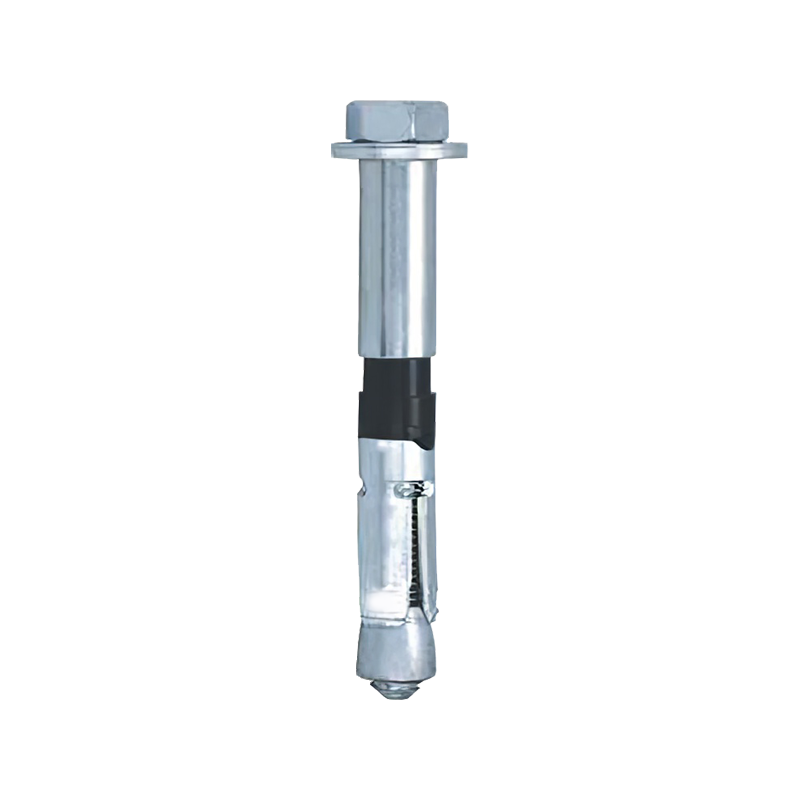
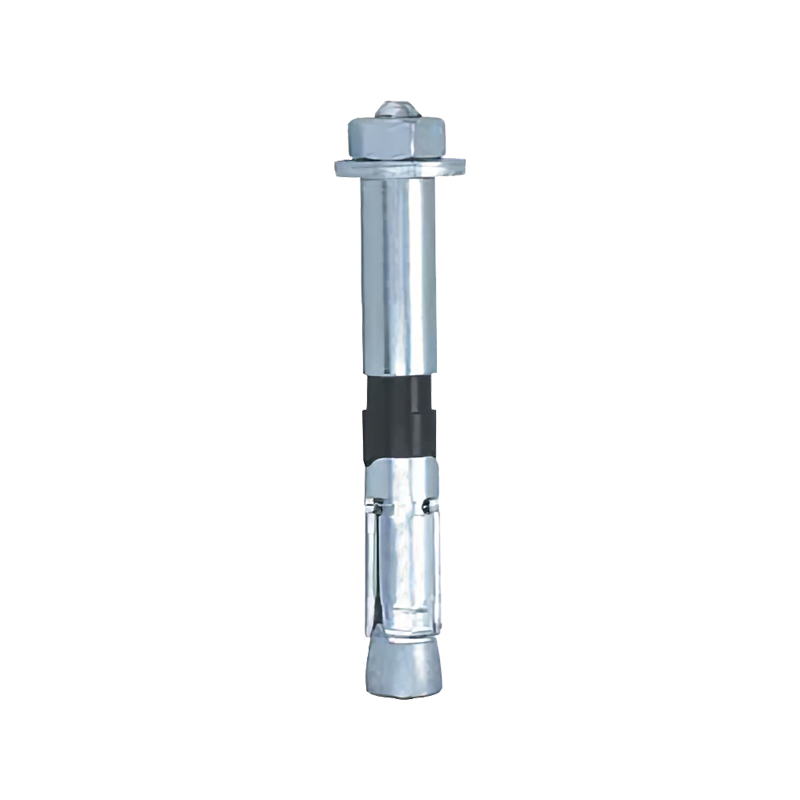
For post-installed work in solid concrete, the anchor type should follow the fixture, the load, and the inspection plan. A wedge-style anchor is often used for heavy static connections because the expansion clip engages the concrete along the embedment length. A single expansion anchor is a practical choice for general fixing where the load is moderate and the hole can be controlled. A machine screw anchor is useful where the fixture may need to be removed or adjusted, because the internal thread allows repeated assembly without replacing the anchor.
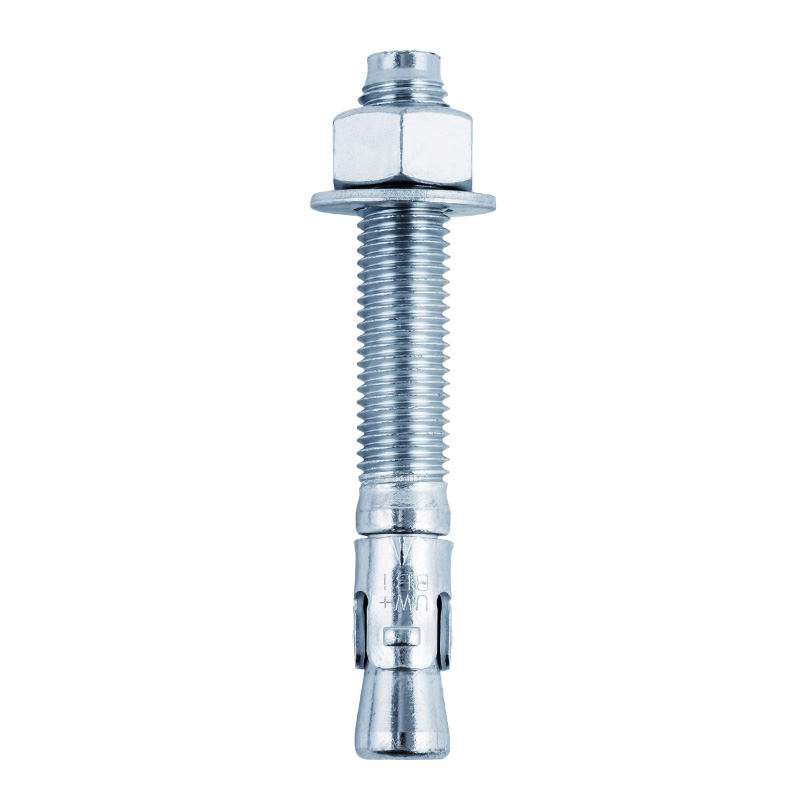
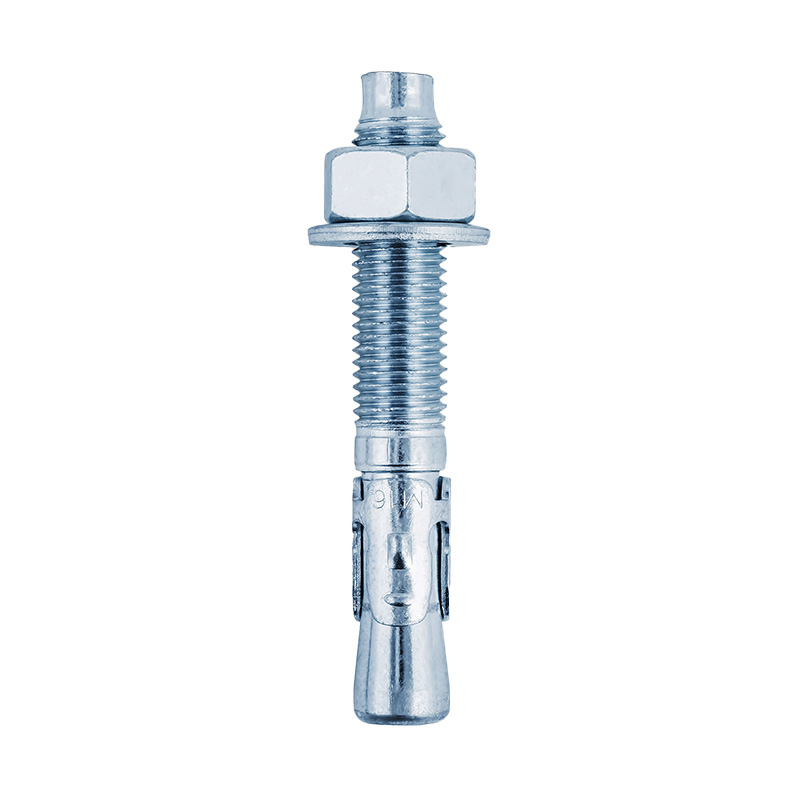
The ultra wedge anchor is designed for wedge-style expansion in solid concrete. It suits base plates, structural supports, and equipment connections where the installer can drill a clean, straight hole and apply the specified torque. The anchor should be selected with the approved load table, edge distance, and crack condition in mind. A high published capacity is only useful if the actual edge distance and concrete strength support it.
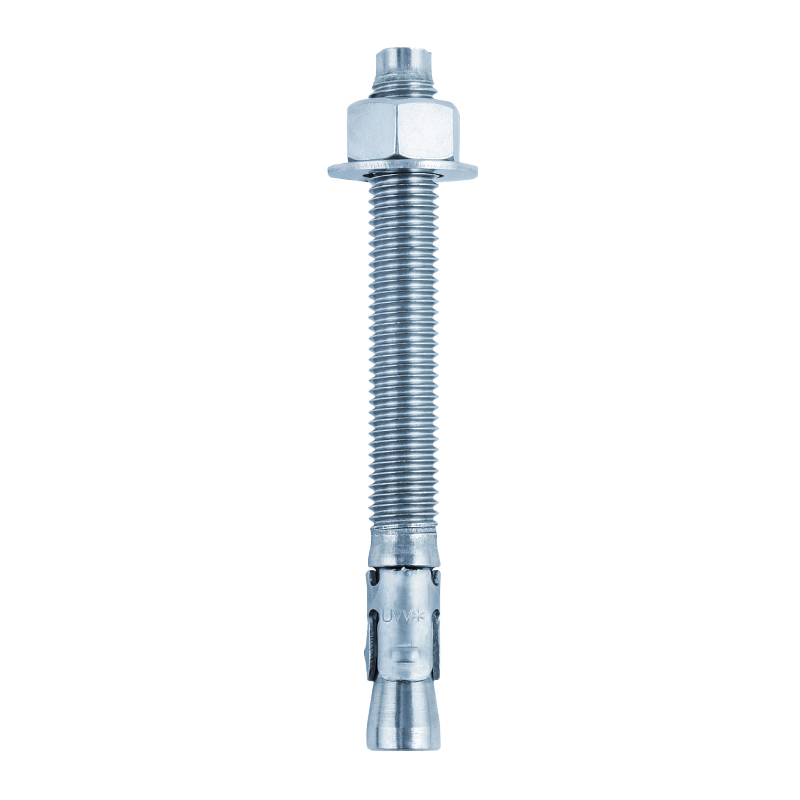 Ultra Wedge Anchor for Heavy-Duty Concrete FasteningMechanical expansion anchor for solid-concrete base plates and structural supports, requiring a clean hole and specified torque for reliable expansion.View Product →
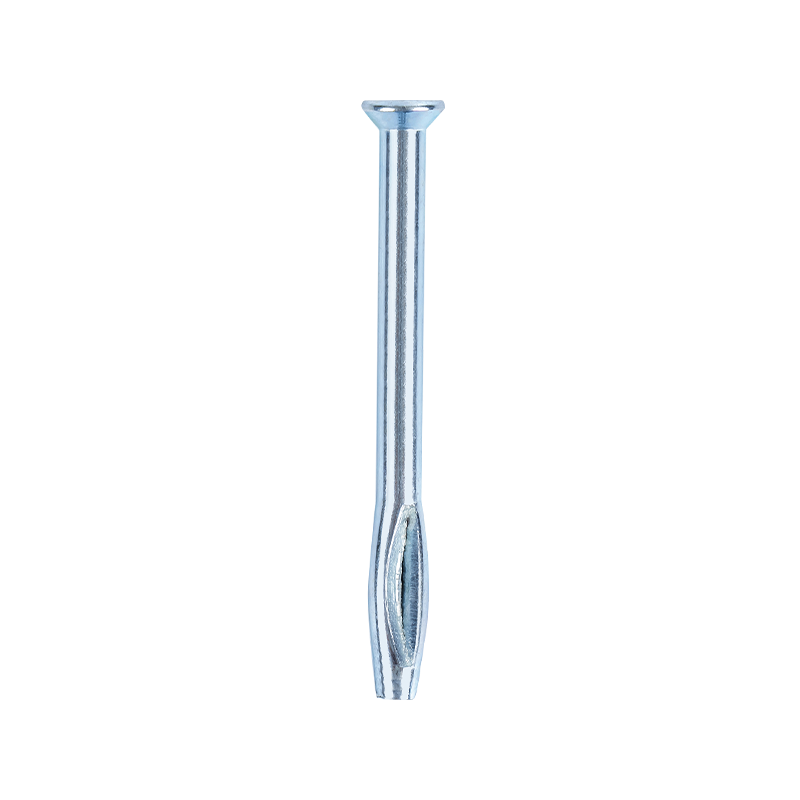
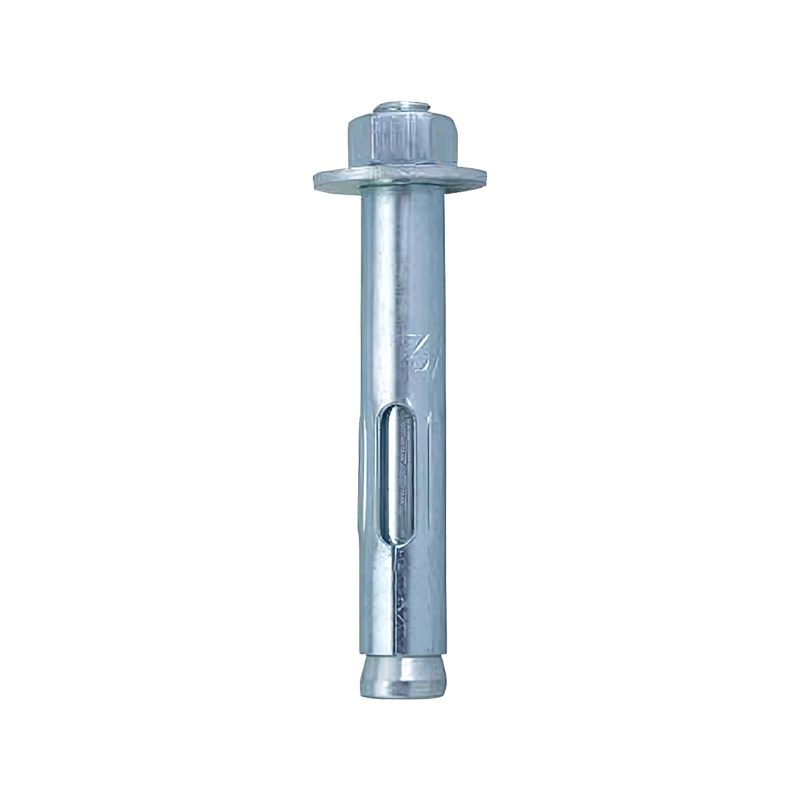
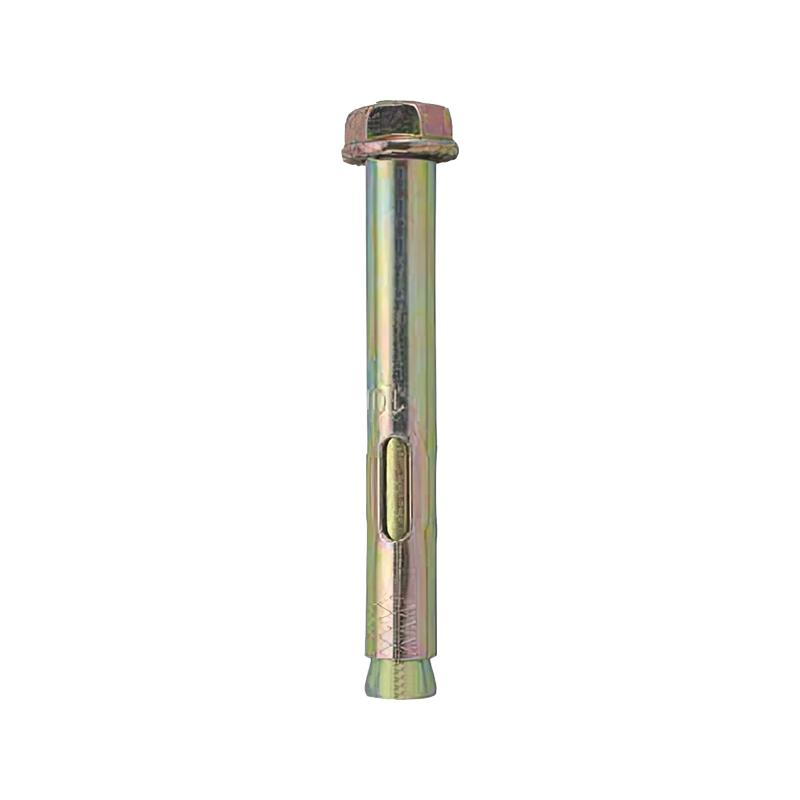
The single expansion anchor is a straightforward option for general post-installed fixing in concrete. It is often used for brackets, guards, cable trays, and light structural supports. The installation still needs the correct hole diameter, depth, and torque. It is not a “set and forget” item. The installer should confirm that the anchor expands properly and that the fixture sits flush against the concrete.
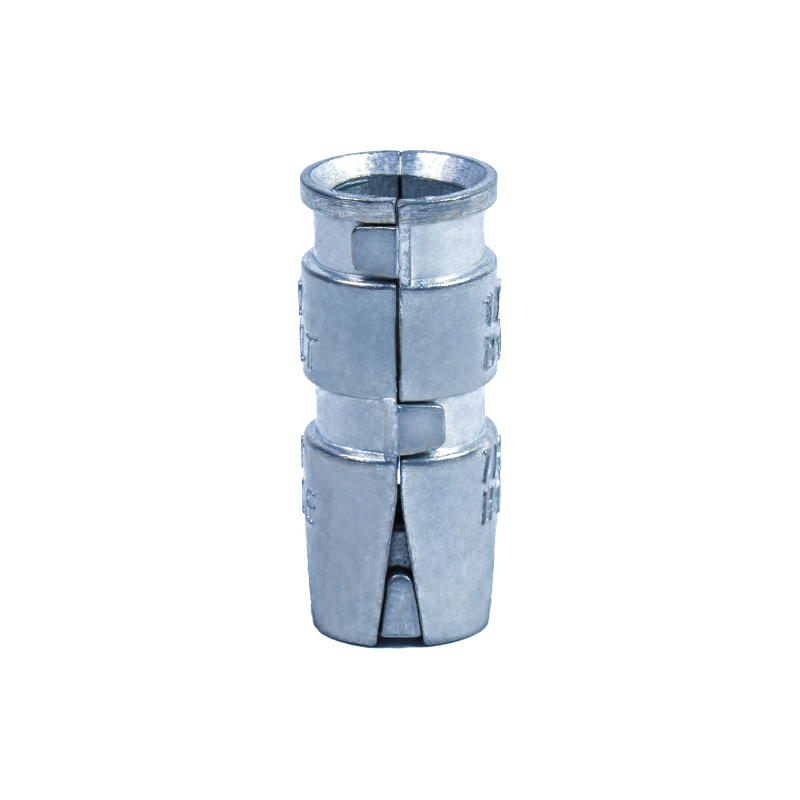 Single Expansion Anchor for General Concrete FixingZinc-alloy single-head anchor for brackets, guards, cable trays, and light supports; screws can be removed and replaced after installation.View Product →
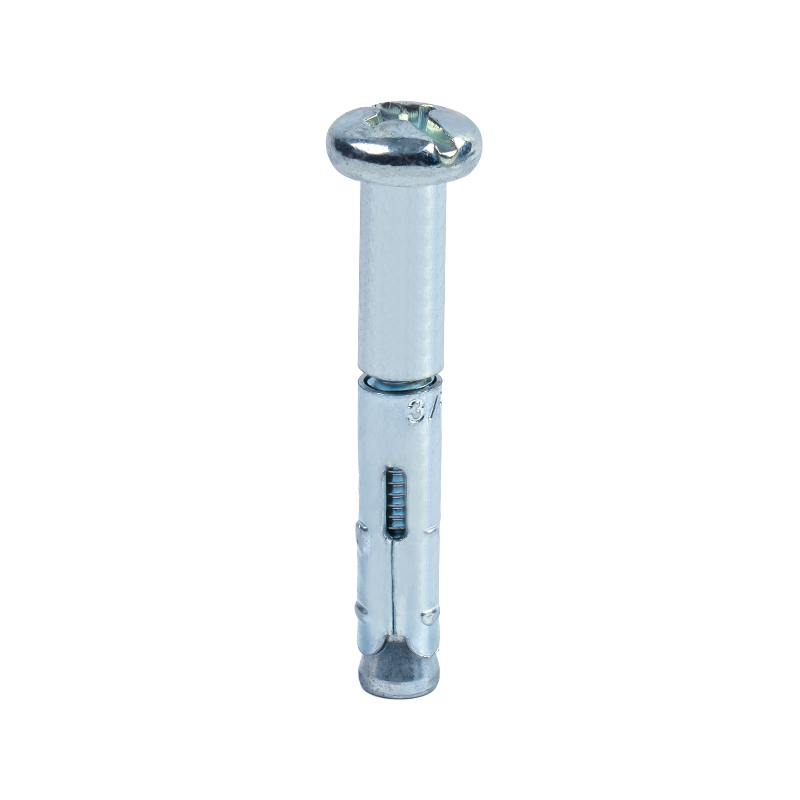
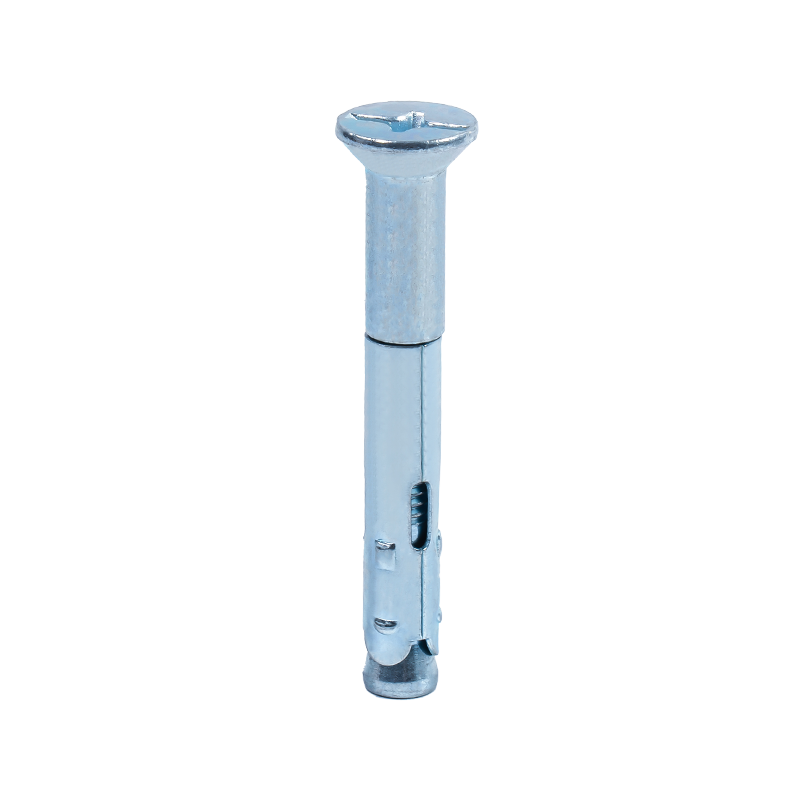
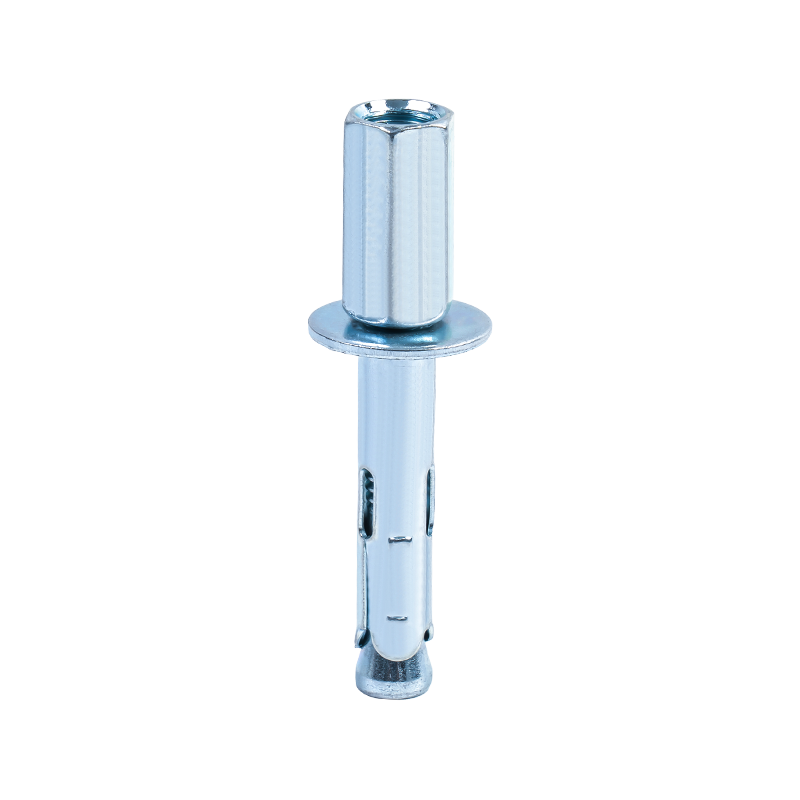
The machine screw anchor provides an internal thread after setting, which makes it convenient for removable fixtures and equipment that may be serviced. It is a good fit when the connection needs to be opened and re-tightened without replacing the anchor. The trade-off is that the setting operation and thread condition must be inspected. A damaged thread or an incomplete set can reduce the connection's reliability.
 Machine Screw Anchor for Removable Light-Duty FixturesZinc-alloy cone-and-ring anchor for concrete, stone, and brick, suited to removable fixtures and equipment that may need service or reuse.View Product →
Selection note: match the anchor to the base material, load direction, edge distance, corrosion exposure, and inspection requirement. For heavy-duty or cracked-concrete applications, use the approved product data and project-specific design rather than a generic capacity estimate.
FAQ
Is a post-installed anchor always weaker than a cast-in-place anchor?
No. The comparison depends on the anchor type, the substrate, the edge distance, and the qualification. A properly selected and installed post-installed anchor can carry significant load. The real difference is that post-installed performance is more dependent on the drilled hole and the installation procedure, while cast-in-place performance is more dependent on the pre-pour design and detailing.
When should a cast-in-place anchor be preferred?
Prefer cast-in-place when the connection is part of the permanent structural system, the load is heavy or dynamic, the edge distance is tight, or the connection cannot be proof-loaded after installation. It is also the better route when the construction sequence allows the embedment to be coordinated before the pour.
When is a post-installed anchor the better choice?
Use post-installed anchors for retrofit work, late equipment changes, existing concrete, and connections that cannot be embedded. They are also practical when the fixture position is not final until the equipment is on site. The project still needs a substrate check, an approved anchor, and an inspection plan.
What matters most during post-installed installation?
Hole diameter, hole depth, cleaning, setting force or torque, edge distance, and reinforcement avoidance. A missed step can change the failure mode even if the anchor looks correct from the surface. Use calibrated tools and record the checks that the specification requires.
Can cast-in-place and post-installed anchors be used in the same project?
Yes. A mixed approach is common. Cast-in-place anchors can be used for the main structural connections, while post-installed anchors handle secondary steel, equipment, and late additions. The key is to keep the inspection plans separate and to make sure the post-installed work is not treated as an unrecorded fallback.
What should a procurement team ask for before approving an anchor?
Ask for the substrate assumption, crack condition, edge distance and spacing limits, installation instructions, required torque, corrosion protection, and the inspection method. A quoted capacity without those conditions is incomplete. The approved data should match the actual site condition, not only the catalogue page.
Does a proof load prove the anchor will last?
No. A proof load is a short-term check of the installed connection. It does not replace the design check for long-term creep, corrosion, fire, fatigue, or seismic action. Those factors must be addressed by the anchor qualification and the project specification.


Contact Us