
 English
 中文简体
中文简体 русский
 Español
Single Expansion Anchor: What It Is & How It Works
2026-08-24You are fixing a pipe bracket to a concrete wall or anchoring a light steel frame to a block partition. The load is light to medium, and the base material may not be high-strength concrete. A single expansion anchor is one of the simplest fasteners for this situation: a mechanical anchor with a slotted sleeve that expands against the inside of a drilled hole when you tighten a machine bolt. It grips concrete, brick, and block, and it is especially useful in masonry whose quality is uncertain. This article explains the definition, working principle, comparative advantages, installation steps, and selection criteria for single expansion anchors.
What Is a Single Expansion Anchor?
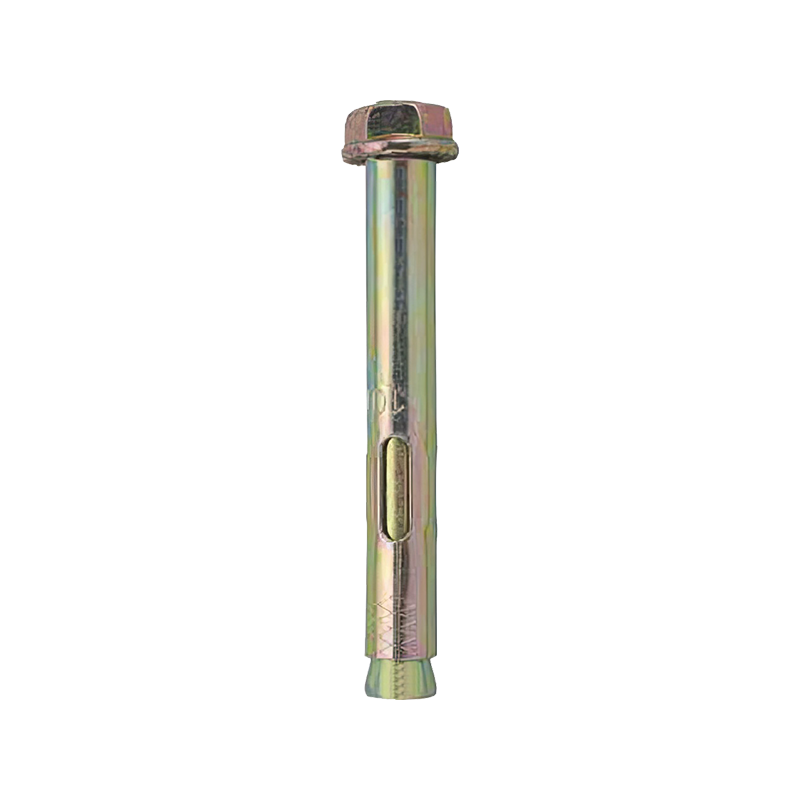
A single expansion anchor is a non-preexpanded mechanical anchor designed for light-to-medium-duty fastening in concrete, brick, and block masonry. "Non-preexpanded" means that the anchor is installed at its original diameter, and expansion is triggered afterward, when you tighten the machine bolt supplied with the anchor.
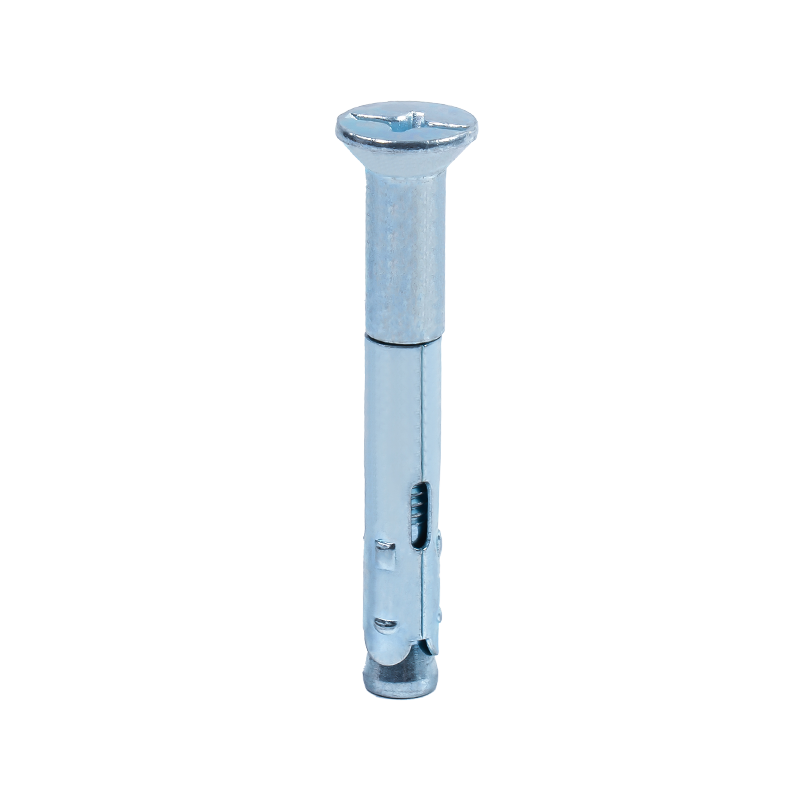
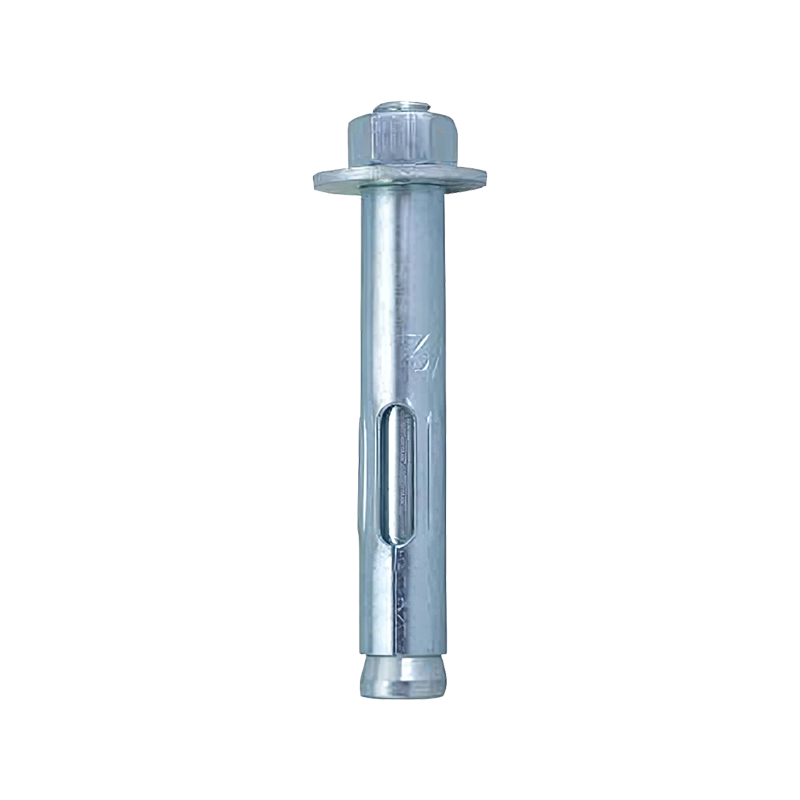
The anchor consists of two parts. The body is a slotted cylindrical sleeve with a tapered inner end. The second part is a machine bolt that threads into the sleeve. When the bolt is tightened, the bolt drives against the taper and forces the slotted section of the sleeve to expand outward against the wall of the hole.
The term "single expansion" describes the fact that the sleeve expands at only one point, near the tip of the anchor. This concentrated expansion is what makes the anchor effective in base materials whose quality cannot be guaranteed, such as soft or low-strength masonry.
How Does a Single Expansion Anchor Work?
The working principle is mechanical interlock, not chemical bonding. As you turn the machine bolt, the bolt pushes the anchor's internal cone into the slotted sleeve. The slots allow the sleeve to flare outward, creating radial pressure against the surrounding masonry. That pressure, combined with friction between the sleeve and the hole wall, produces the anchor's holding value.
Two variables determine how much load the anchor can carry. The first is the quality and quantity of the base material. In weak, cracked, or poorly consolidated concrete, the expanding sleeve can crush or displace the surrounding material. In sound material, the same anchor delivers consistent, reliable performance. The second variable is installation accuracy, especially the hole diameter and cleanliness, which we cover in the installation section.
A practical advantage is that the machine bolt can be removed and replaced without pulling the sleeve out of the hole. Once the sleeve has expanded and locked in place, you can swap in a longer bolt or a stainless steel bolt if site conditions change. This makes the anchor convenient for temporary fixtures and adjustable connections.
Single Expansion Anchor vs. Other Anchor Types
Single expansion anchors belong to a larger expansion anchor family. The two types you will compare most often are wedge anchors and sleeve anchors. The right choice depends on your base material and load.
Wedge Anchors
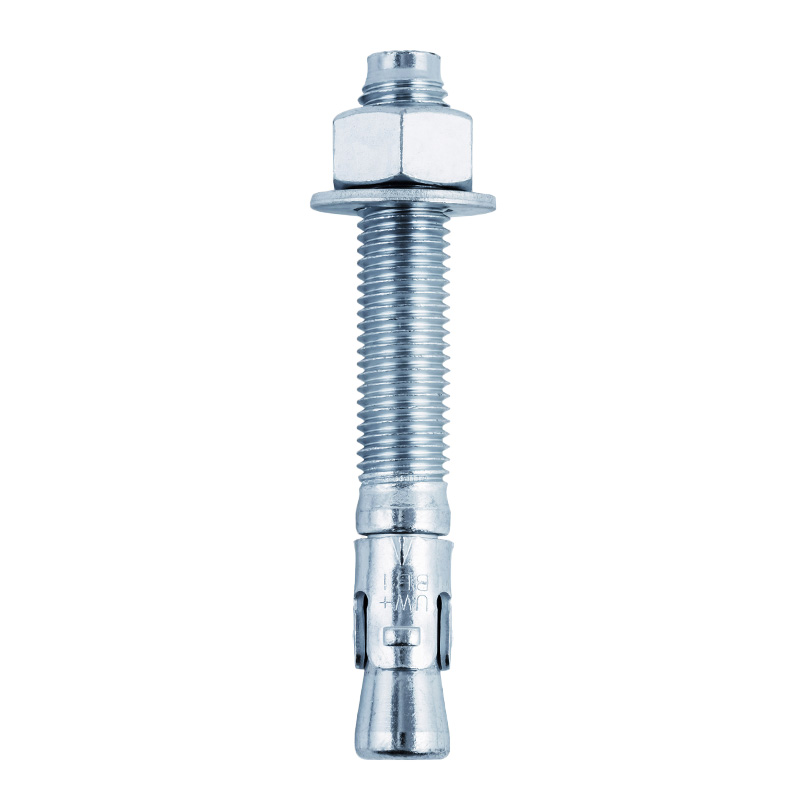
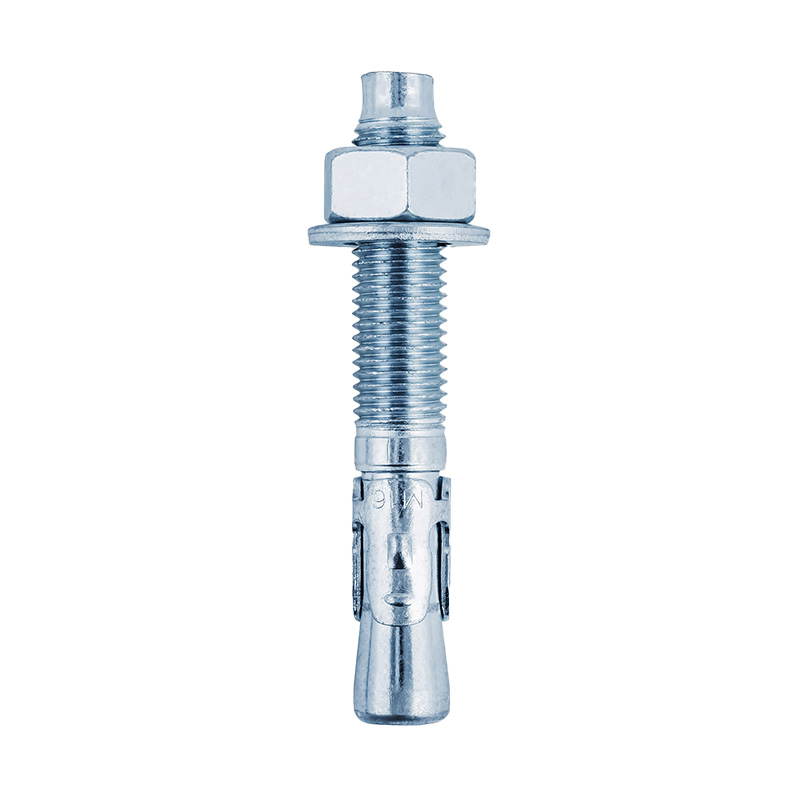
A wedge anchor uses a threaded rod with a tapered expansion clip at its lower end. When you tighten the nut, the clip is pulled up the taper and wedges firmly against the wall of the drilled hole. The wedging action creates a deeper, more uniform grip, so wedge anchors deliver higher and more consistent holding values in solid concrete. They are medium-to-heavy-duty fasteners, and they require sound concrete that is free of voids. If your project demands that level of performance, choose ultra wedge anchors for heavy-duty concrete fastening rather than a single expansion anchor.
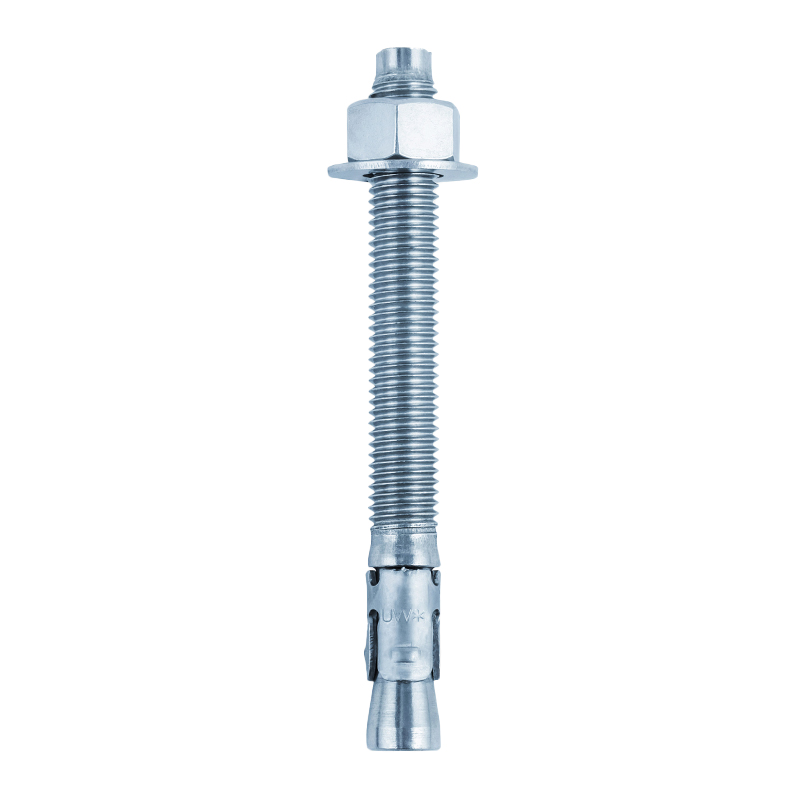 Wholesale Ultra Wedge Anchor Manufacturers, Custom Suppliers - Yuyao Nanshan DevYuyao Nanshan Development Co., Ltd is China Custom Ultra Wedge Anchor Manufacturers and Wholesale Ultra Wedge Anchor Suppliers, details:P...View Product →
Sleeve Anchors
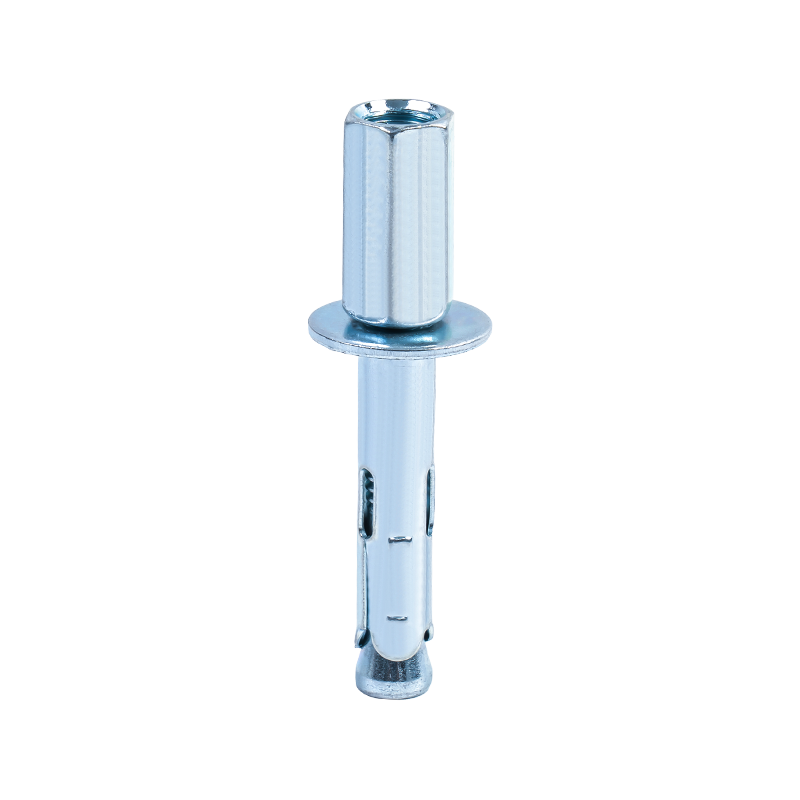
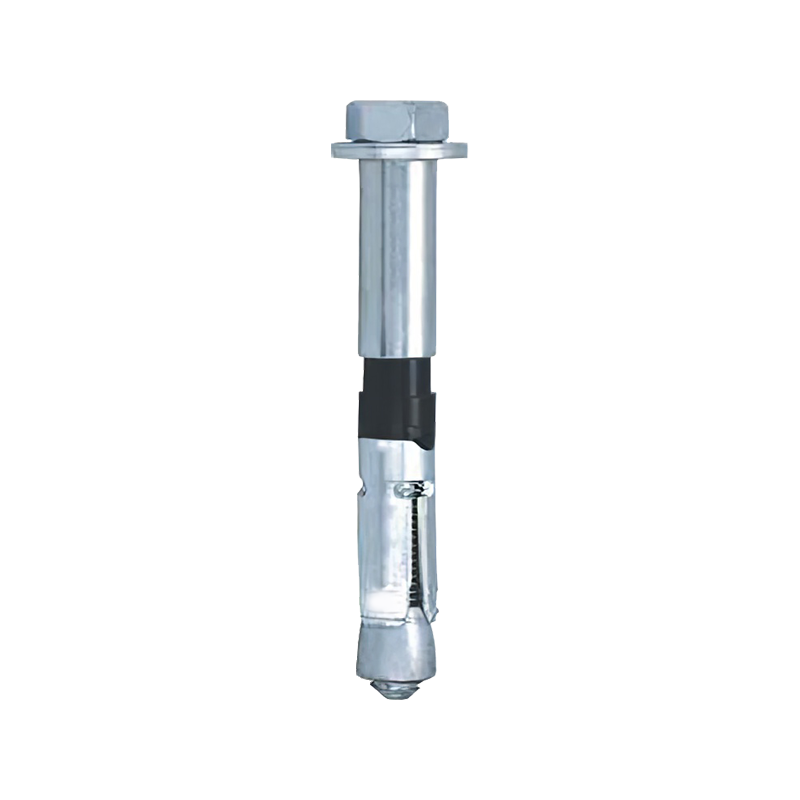
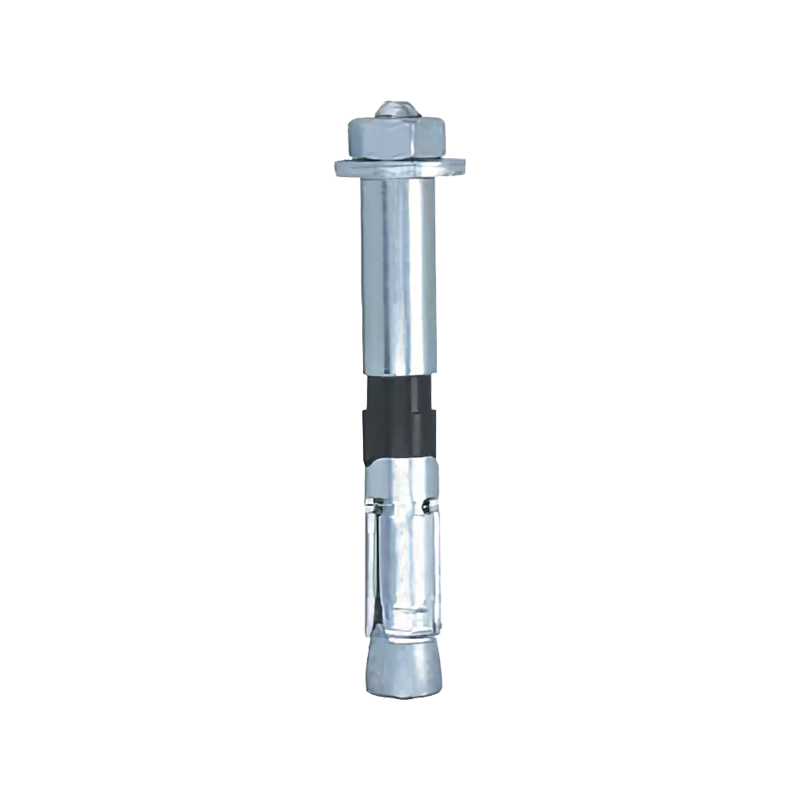
A sleeve anchor works differently. An outer sleeve is compressed by an internal plug as you tighten the nut, and the sleeve expands over a longer portion of its length. Distributing the load over a larger area makes sleeve anchors effective in both solid and hollow masonry, including brick and concrete block. Where the substrate is hollow or the masonry quality varies, ultra sleeve anchors for masonry and block applications are often a safer option.
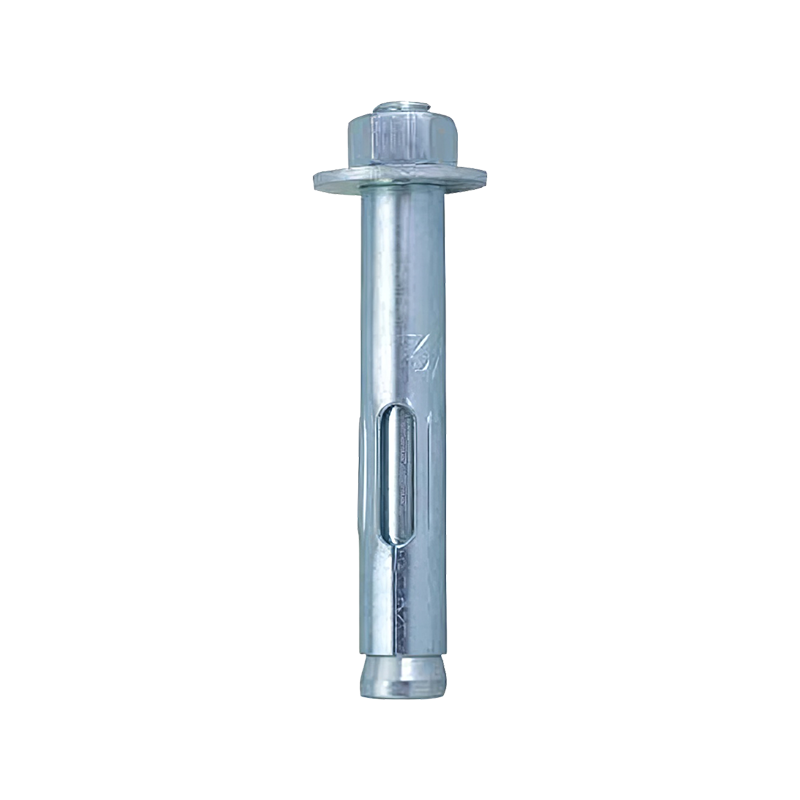 Custom Heavy-Duty Sleeve Anchors Manufacturers, SuppliersAs China Heavy-Duty Sleeve Anchors Manufacturers and Custom Suppliers, Yuyao Nanshan Development Co., Ltd. offer kinds of Wholesale Heavy...View Product →
| Selection Criterion | Single Expansion Anchor | Wedge Anchor | Sleeve Anchor |
|---|---|---|---|
| Expansion mechanism | One expansion point at the tip | Wedge clip drawn into the tip | Outer sleeve expands over a long section |
| Typical load rating | Light to medium | Medium to heavy | Light to medium |
| Base materials | Concrete, brick, block, soft masonry | Solid concrete | Concrete, brick, block, hollow masonry |
| Best-suited projects | Light fixtures, brackets, soft substrate | Structural connections and heavy loads | Hollow masonry and general-duty fixing |
The selection rule is straightforward. Choose a single expansion anchor when the load is light to medium and the base material may be soft or of uncertain strength. Choose a wedge anchor when the base is solid concrete and the load demands higher reliability. Choose a sleeve anchor when you are working with hollow block, brick, or other masonry where a longer expansion area is an advantage.
Typical Applications of Single Expansion Anchors
Because single expansion anchors are rated for light-to-medium-duty service, they cover a practical range of everyday fastening jobs:
- Pipe, conduit, and cable tray supports
- Electrical boxes, junction boxes, and distribution panels
- Light steel brackets, angles, and framing connections
- Door and window frames
- Partitions, shelving, and decorative wall elements
These applications share two characteristics: moderate loads and a masonry substrate. The anchor expands against the walls of a drilled hole in concrete, brick, or block, which makes it a dependable option even when the substrate is softer than structural-grade concrete.
Equally important is where a single expansion anchor should not be used. It is not the right product for heavy structural connections, overhead lifting points, or assemblies exposed to continuous vibration or impact. For those conditions, select a wedge anchor or a heavy-duty sleeve anchor instead. Setting the correct expectation during design prevents field failures and rework.
Sizes and Materials Available
Single expansion anchors are designated by the nominal diameter of the machine bolt that drives them. In imperial sizes, the typical range runs from 1/4 inch to 3/4 inch: 1/4", 5/16", 3/8", 1/2", 5/8", and 3/4" (about 6 mm to 19 mm). The drilled hole must match the outer diameter of the sleeve, which is larger than the bolt size, and the hole depth must accept the full expansion section of the anchor.
Material choices follow the exposure conditions. Zamac zinc alloy is a common cost-effective option for dry interior environments. Electro-galvanized carbon steel adds corrosion protection for covered outdoor and humid spaces. In coastal, chemical, or persistently wet environments, stainless steel grades such as 304 or 316 are recommended. Exact availability varies by manufacturer, so confirm the material range on the product page before specifying.
How to Install a Single Expansion Anchor
Installation is straightforward, but the quality of the result depends on the details. Follow these four steps.
- Drill the hole with a hammer drill and a carbide-tipped bit that matches the manufacturer's specified hole diameter, perpendicular to the surface and to the depth required by the anchor length. An oversized hole is the most common cause of premature pull-out, because the sleeve cannot develop full expansion pressure.
- Clean the hole. Remove all dust and loose particles from the hole using compressed air, a blow bulb, or a brush. Dust acts as a lubricant between the sleeve and the base material, and it can reduce the anchor's holding value significantly.
- Insert the anchor. Tap the anchor body into the hole with a hammer until its top is flush with the surface. If the anchor binds or tilts, remove it, clean the hole again, and try once more.
- Tighten the machine bolt. Place the fixture over the anchor, insert the machine bolt, and tighten it with a wrench. As the bolt draws the internal cone into the sleeve, the sleeve expands and locks against the hole wall. Stop when the anchor feels solid; excessive torque can crack or crush the surrounding masonry.
Before a large installation, run a simple pull test on one anchor in the actual base material. If it pulls out below the expected load, the substrate is weaker than assumed and requires a different anchor type.
How to Choose the Right Expansion Anchor for Your Project
Answer these four questions to narrow the field quickly:
- What is the base material? Solid concrete accepts all three anchor types. Brick, block, and soft or uncertain masonry favor single expansion or sleeve anchors.
- What is the load? Light to medium loads suit single expansion and sleeve anchors. Medium to heavy loads call for a wedge anchor.
- Do you need to remove the bolt later? Single expansion anchors let you remove and replace the machine bolt without losing the anchor's grip.
- How corrosive is the environment? Specify stainless steel or an appropriate coating in coastal, chemical, or wet conditions.
Spacing and edge distance also matter. Anchors placed too close to a free edge or too close to one another can crack the masonry and reduce the group's total capacity. For the technical details, read our guide on spacing and edge distance for anchors.
If your answers point to a single expansion anchor, start with single expansion anchor options to review diameters, lengths, and materials. If the load or substrate points to a different type, return to the comparison section and explore the wedge and sleeve ranges. When in doubt, send your application details to our technical team for a recommendation before ordering.
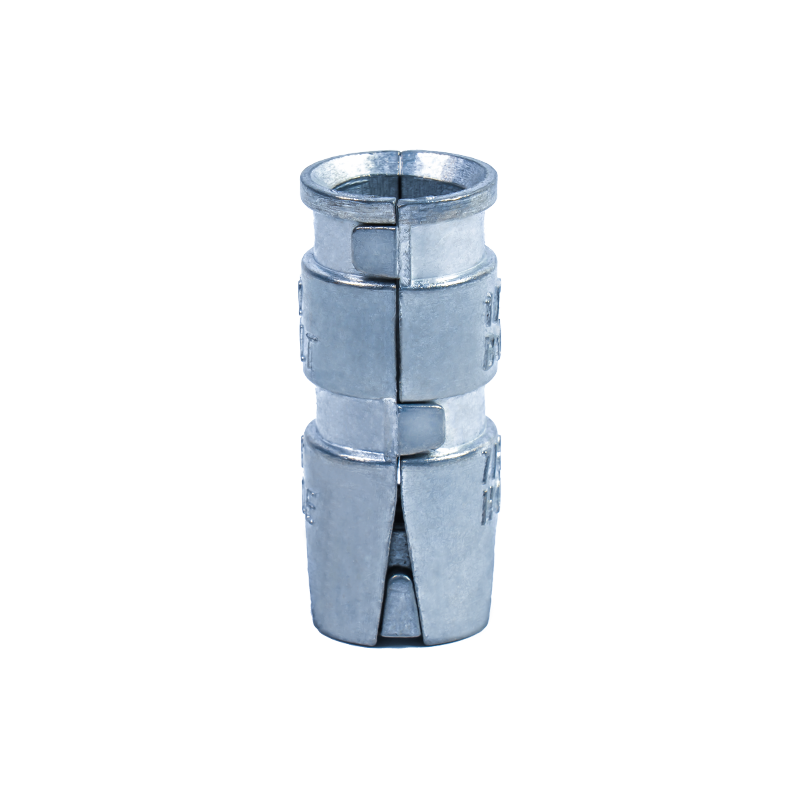 Zinc Alloy Single-Head Anchors Manufacturers, SuppliersAs China Zinc Alloy Single-Head Anchors Manufacturers and Single Expansion Anchor Custom Suppliers, Nanshan Development Co., Ltd. offer W...View Product →
Conclusion
Here is what to remember. A single expansion anchor is a non-preexpanded mechanical fastener that grips concrete, brick, and block by expanding its slotted sleeve at a single point near the tip when you tighten a machine bolt. It is built for light-to-medium-duty work such as pipe supports, electrical fixings, light steel brackets, and similar masonry applications, and it is especially useful where the base material is soft or questionable. Its two main advantages are simple installation and the ability to replace the machine bolt without disturbing the anchor.
When the load becomes heavier or the substrate becomes hollow, change the anchor type: use a wedge anchor for solid concrete and heavy loads, and a sleeve anchor for hollow masonry and general duty. Knowing these boundaries is what turns a good specification into a reliable installation.
The next step is to match the anchor to your project. Browse the product pages or contact our technical team with your application details for a quick recommendation.


Contact Us