
 English
 中文简体
中文简体 русский
 Español
How to Avoid Loose Anchoring When Using Metric Sleeve Anchor
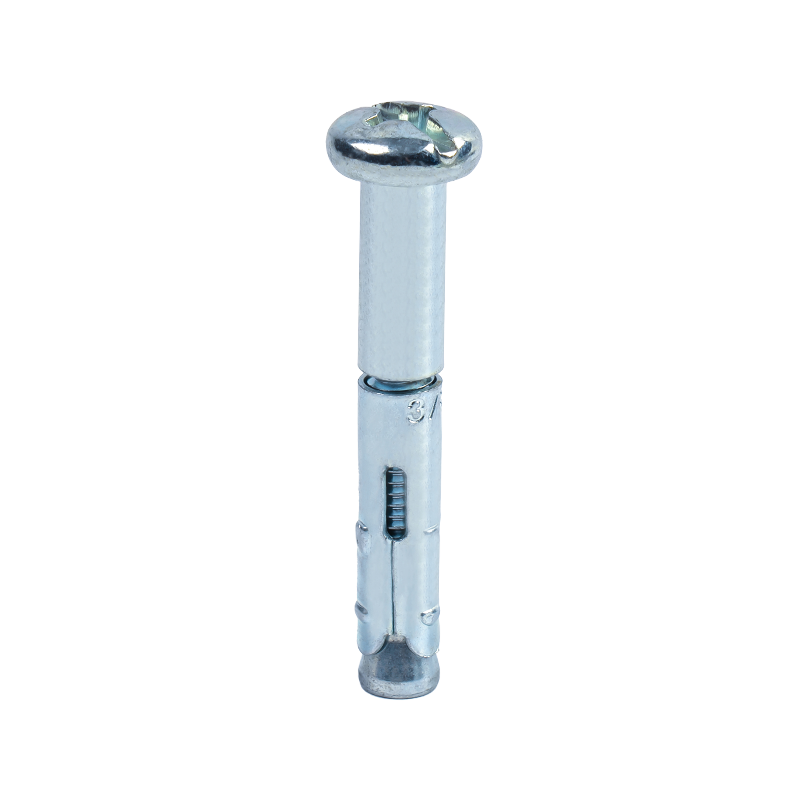
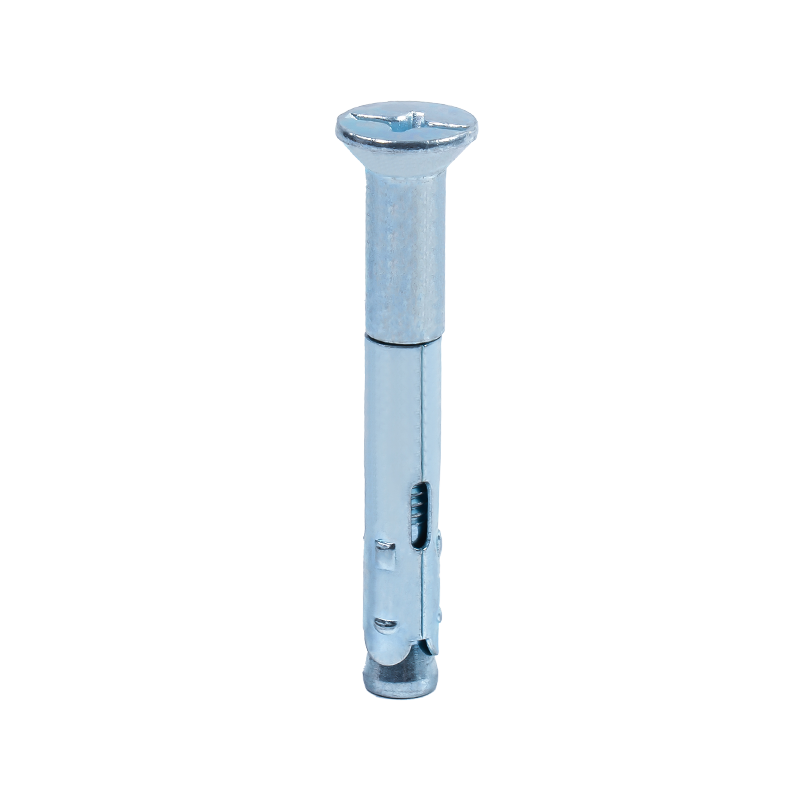
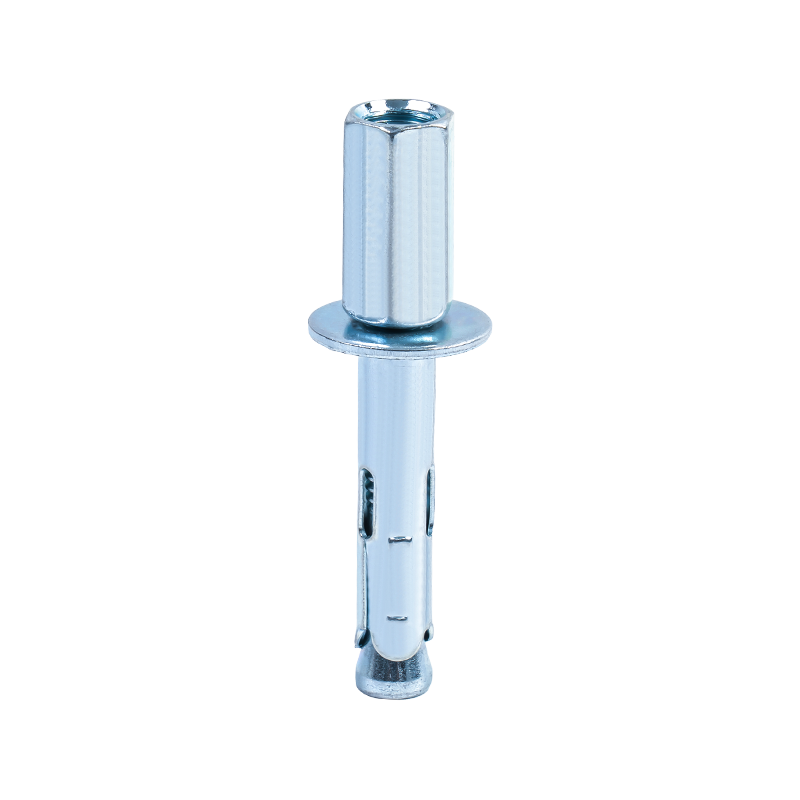
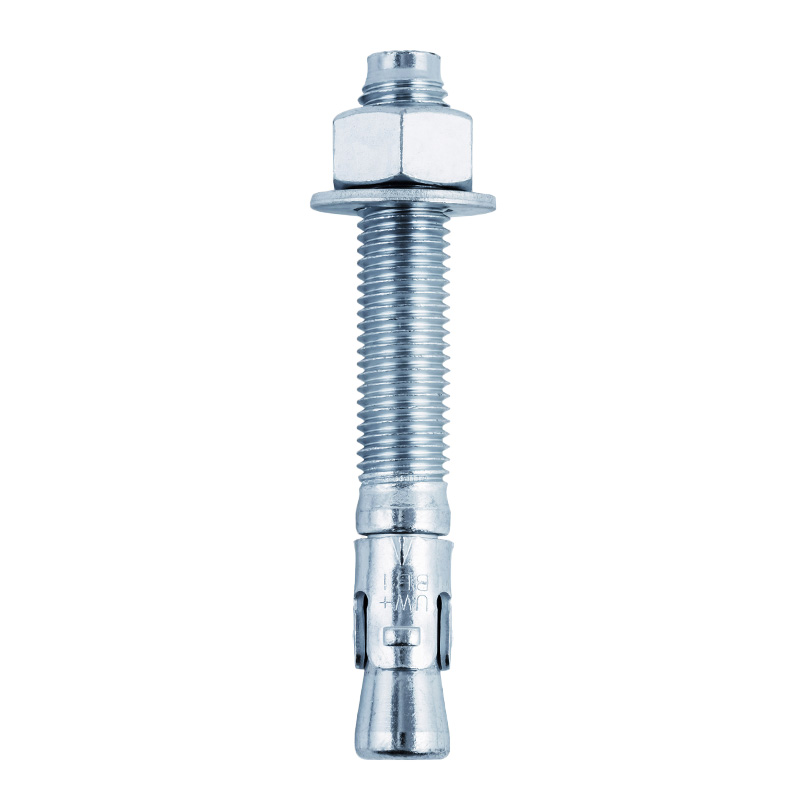
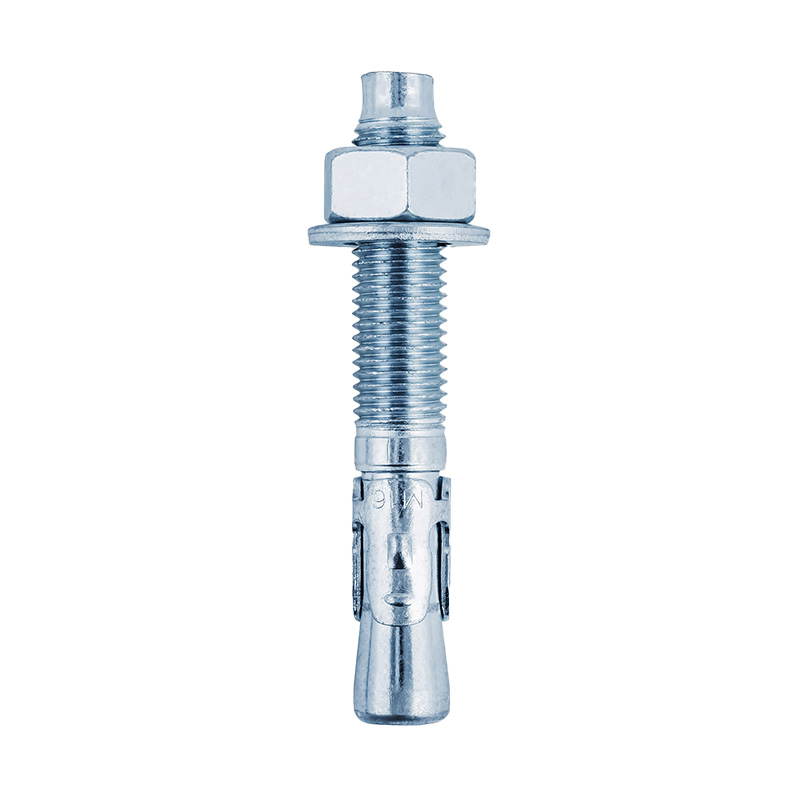
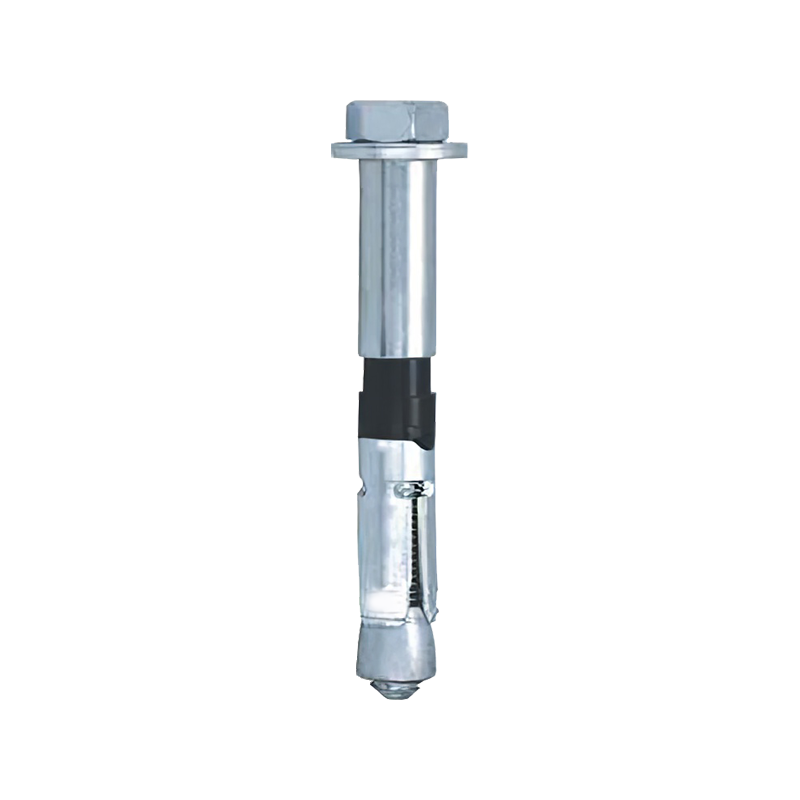
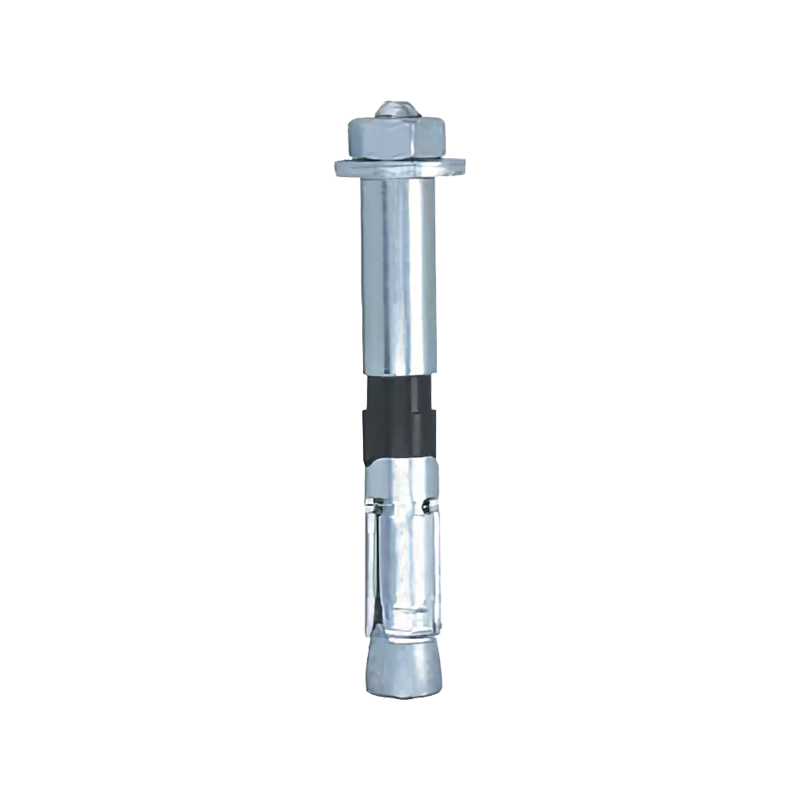
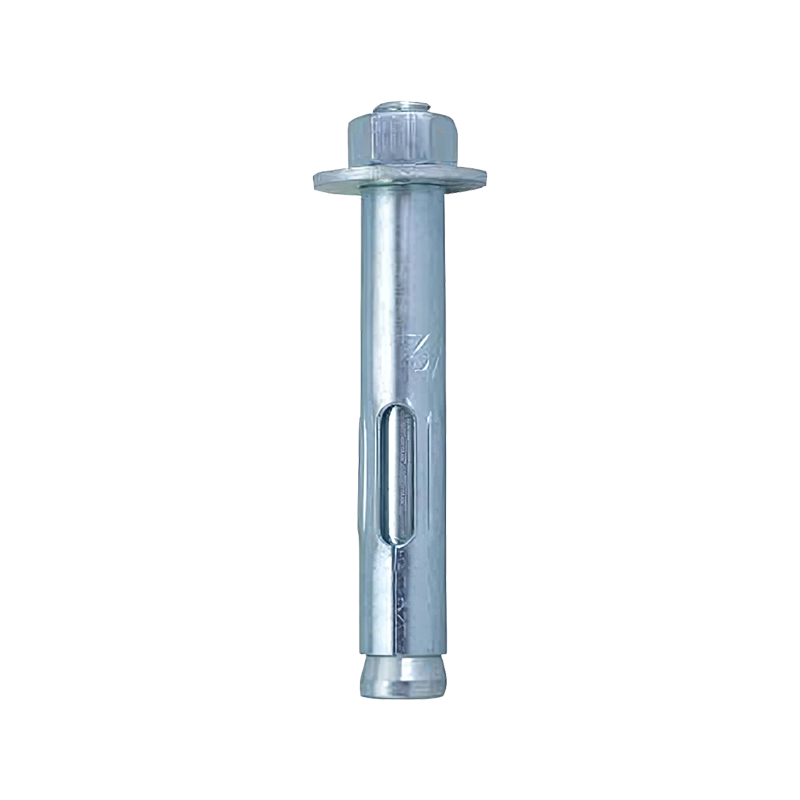
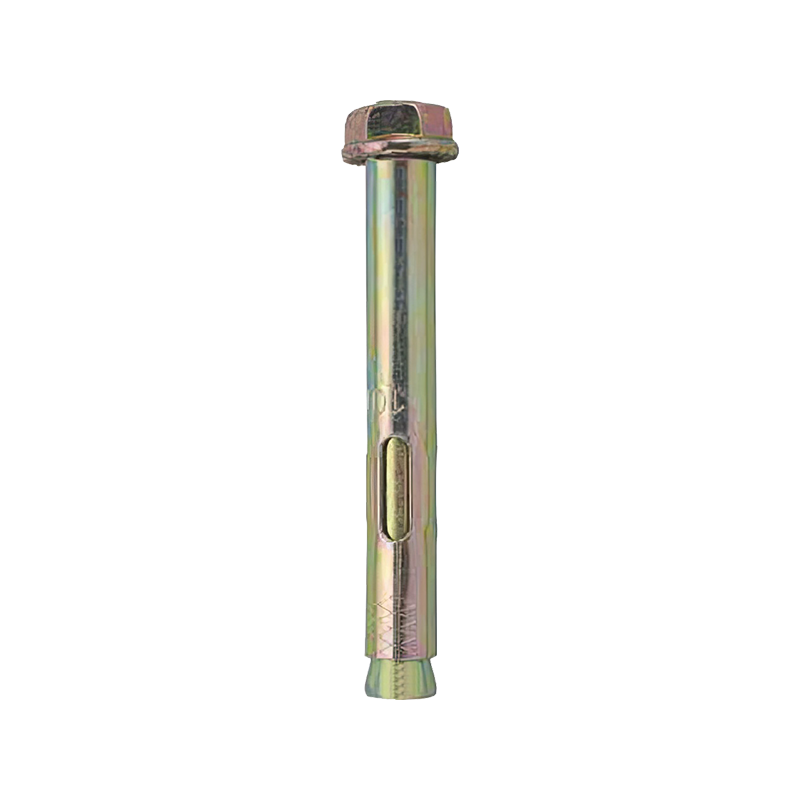
2026-04-20Metric Sleeve Anchor is one of the most commonly used fasteners in construction and renovation, widely used in hard surfaces like walls, concrete, or stone. Proper installation ensures its strong load-bearing capacity and stability. However, many users face the problem of loose anchoring during installation, which not only affects the fixation but can also pose safety risks. Understanding and mastering a few installation techniques is crucial to avoid such issues.
Choosing the Right Hole Size and Depth
The most important step in installing Metric Sleeve Anchor is selecting the appropriate hole size and depth. If the hole diameter is too large, the anchor cannot fit snugly against the wall, causing loose anchoring. If the hole is too small, the anchor may not be inserted correctly, or even cause wall damage. Generally, the hole diameter should match the diameter of the Metric Sleeve Anchor, and the hole depth should be sufficient to allow the anchor to expand fully and secure properly.
Ensure the Surface is Clean
Before installation, ensuring the hole is free from dust, grease, or other debris is essential. These impurities can reduce the friction between the anchor and the wall, affecting its load-bearing capacity. Use an air blower or brush to clean the hole, and ensure the installation surface is dry and free from oils to ensure the Metric Sleeve Anchor makes a tight contact with the wall.
Use the Right Tools
Using the right tools is key to preventing loose anchoring when installing Metric Sleeve Anchor. Typically, a power drill, wrench, and other tools are needed to ensure the anchor is installed firmly. Improper use can lead to damaged hole walls or inaccurate anchor placement, compromising anchoring performance. Ensure the drill speed is appropriate to avoid damaging the hole wall due to excessive or insufficient speed.
Select the Right Material and Model
Different types of Metric Sleeve Anchor are suitable for different wall materials, and choosing the right one depends on the actual characteristics of the wall. For concrete, brick, or stone walls, high-strength metal or stainless steel anchors are recommended. For lightweight walls like drywall, anchors specifically designed for such materials should be used. The anchor model should also be chosen based on the wall thickness and load requirements to avoid choosing too small a model, which could lead to poor anchoring results.
Avoid Over-tightening
When installing the Metric Sleeve Anchor, although it is necessary to ensure the anchor is securely fixed, over-tightening can also affect the anchoring performance. Excessive tightening can deform the anchor or crack the wall, reducing its original load-bearing capacity. When using tools, pay attention to the tightening force to avoid unnecessary damage to the wall and the anchor itself. It is recommended to tighten gradually to ensure even force distribution on the anchor.
Check Installation Quality
After installation, it is important to conduct a proper inspection to ensure the anchor is securely fixed. Manual checking or using a pull-testing tool can be done. If any loosening or instability is detected, the anchor should be adjusted and re-installed. Regular inspections can effectively prevent safety hazards caused by improper installation or long-term use.
Environmental Factors
Environmental factors can also affect the anchoring performance when using Metric Sleeve Anchor. For example, in high-humidity environments, metal anchors are prone to rust, which weakens their anchoring force. Choosing anchors with better corrosion resistance (such as stainless steel) is an effective way to prevent loose anchoring. Furthermore, extreme temperature changes or vibrations can also impact the anchor, so special attention should be paid when choosing anchors for such conditions.


Contact Us