
 English
 中文简体
中文简体 русский
 Español
What Are the Complete Specifications and Sizes Available for Metric Sleeve Anchors
2026-04-13International Standard Specifications for Metric Sleeve Anchor
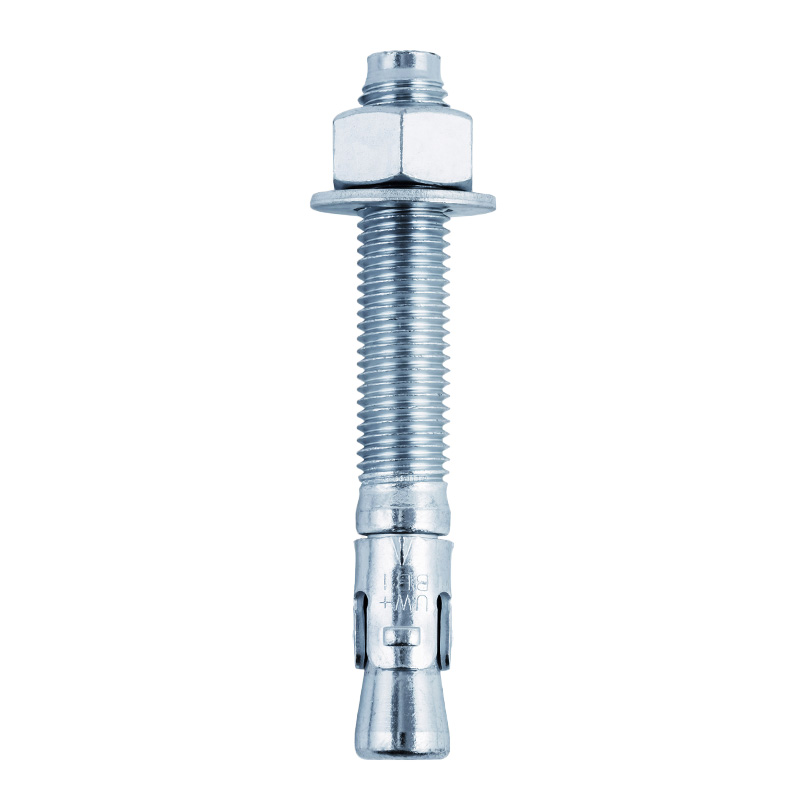
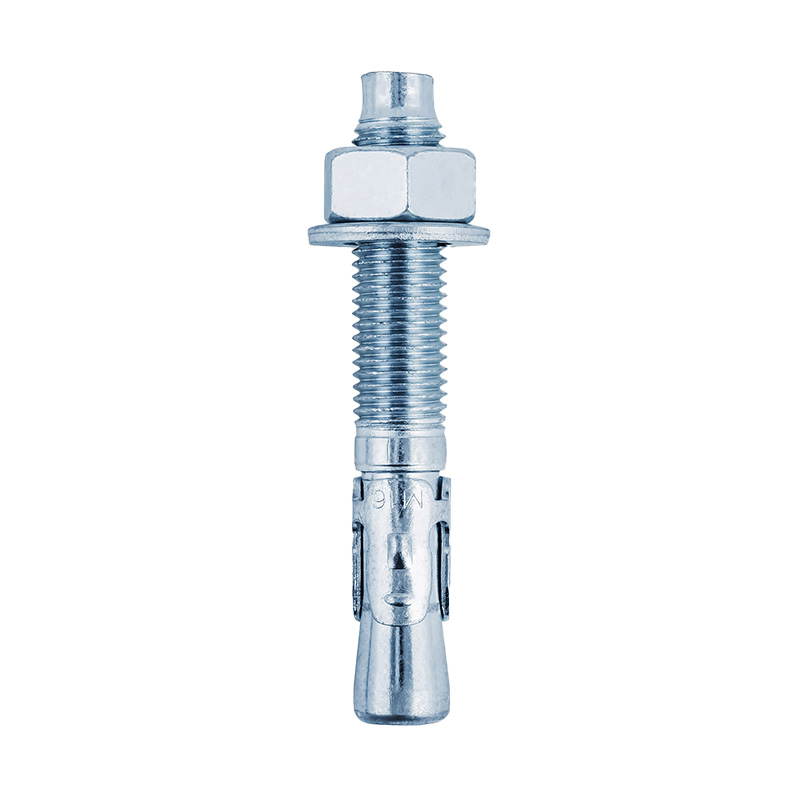
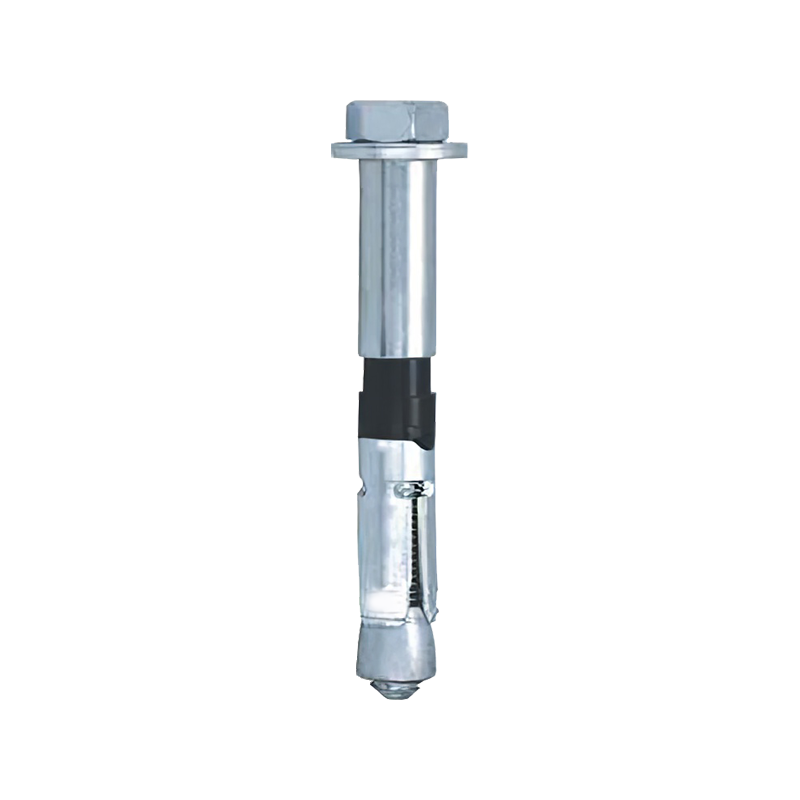
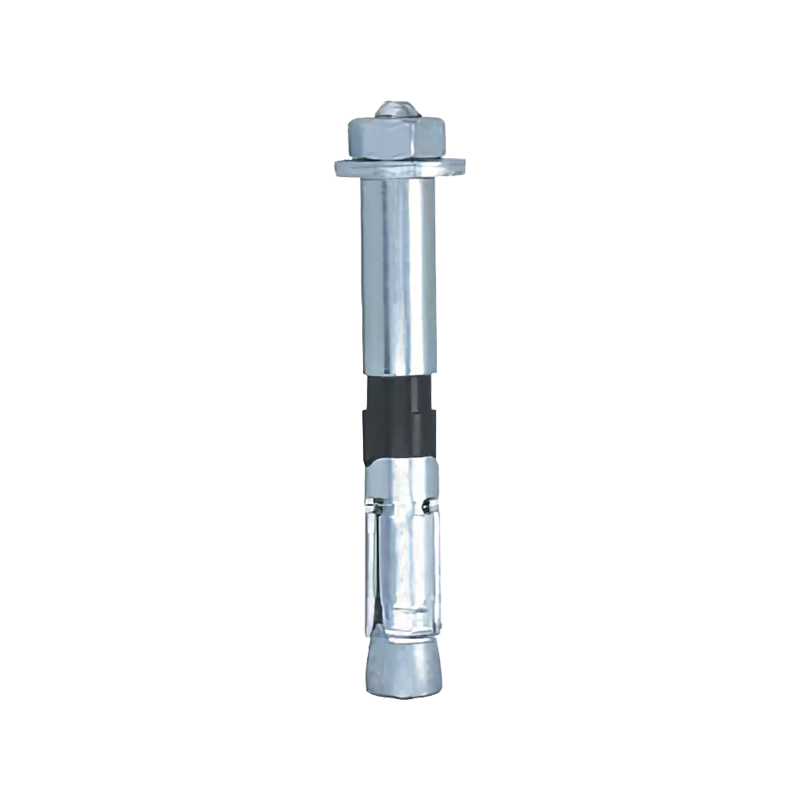
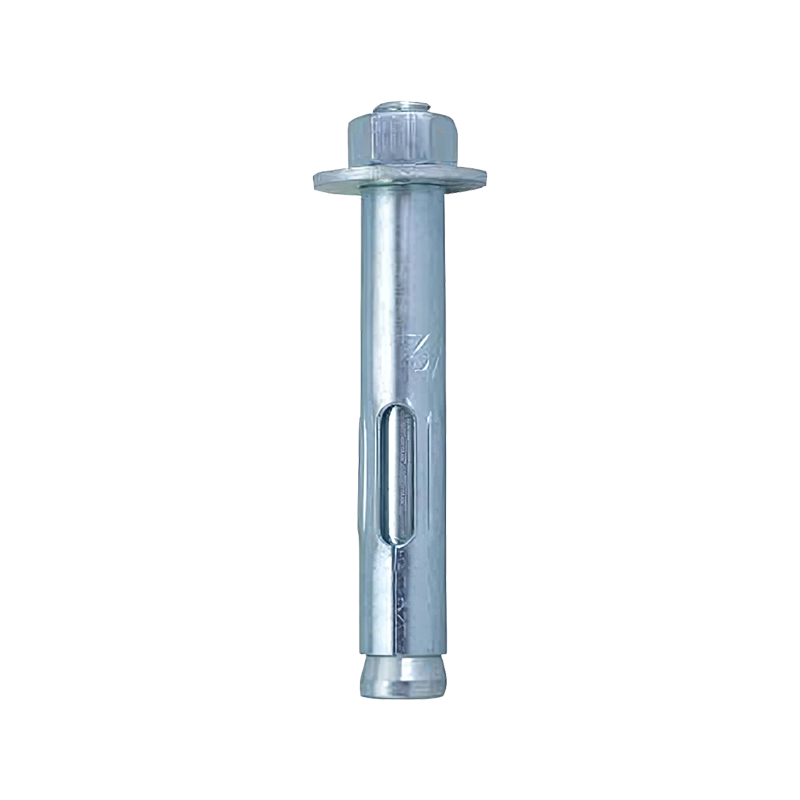
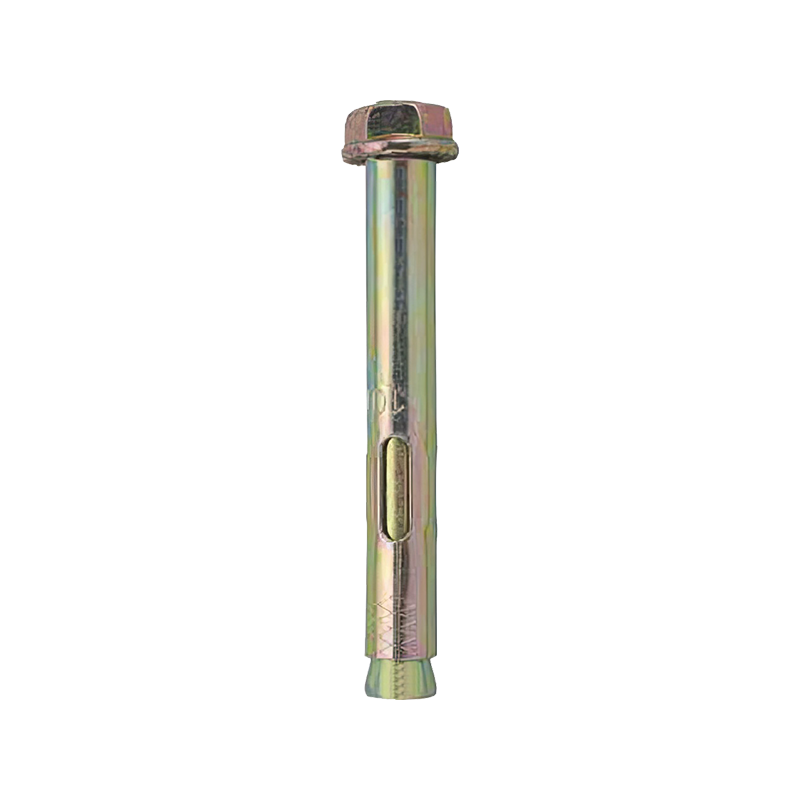
Metric Sleeve Anchor specifications follow internationally recognized metric standards. Metric Sleeve Anchor primary specifications base on bolt diameter with typical designations as M followed by numerical values. Common Metric Sleeve Anchor specifications include M6, M8, M10, M12, M16, M20 sizes. Numbers represent bolt nominal diameters measured in millimeters. Understanding Metric Sleeve Anchor specifications proves essential for proper selection and usage.
M6 Metric Sleeve Anchor Characteristics and Applications
M6 specification represents the smallest commonly used Metric Sleeve Anchor size. M6 Metric Sleeve Anchor features 6-millimeter bolt diameters with sleeve lengths typically 50 or 60 millimeters. This specification suits light load applications for suspending lightweight furniture, decorations, or auxiliary equipment. M6 Metric Sleeve Anchor drilling diameter typically measures 8 millimeters requiring installation hole depths minimum 40 millimeters. Compact dimensions facilitate installation and transportation with relatively low costs.
M8 Metric Sleeve Anchor Load-Bearing Capacity
M8 specification represents common Metric Sleeve Anchor size. M8 Metric Sleeve Anchor features 8-millimeter bolt diameters with sleeve lengths typically 50 or 70 millimeters. This specification accommodates moderate loads with typical tensile forces ranging 2000-3000 Newtons. M8 Metric Sleeve Anchor suits installing outdoor air conditioning units, railings, shelving units requiring medium weight support. Drilling diameters typically measure 10 millimeters requiring installation hole depths minimum 50 millimeters.
M10 Metric Sleeve Anchor Widespread Application
M10 specification represents the most widely applied Metric Sleeve Anchor size. M10 Metric Sleeve Anchor features 10-millimeter bolt diameters with sleeve lengths typically 60 or 80 millimeters. This specification accommodates substantial loads with typical tensile forces ranging 4000-6000 Newtons. M10 Metric Sleeve Anchor suits installing air conditioning systems, water heaters, industrial equipment requiring heavier weight support. Drilling diameters typically measure 12 millimeters requiring installation hole depths minimum 60 millimeters. M10 Metric Sleeve Anchor's excellent load capacity and broad applicability establishes it as the most frequently applied specification.
M12 Metric Sleeve Anchor Heavy-Duty Applications
M12 specification represents one of the Metric Sleeve Anchor heavy-duty sizes. M12 Metric Sleeve Anchor features 12-millimeter bolt diameters with sleeve lengths typically 70 or 90 millimeters. This specification accommodates substantial loads with typical tensile forces ranging 8000-12000 Newtons. M12 Metric Sleeve Anchor suits installing heavy machinery, structural building attachments, or other applications requiring significant load capacity. Drilling diameters typically measure 14 millimeters requiring installation hole depths minimum 70 millimeters.
M16 Metric Sleeve Anchor Industrial Applications
M16 specification represents Metric Sleeve Anchor large size category. M16 Metric Sleeve Anchor features 16-millimeter bolt diameters with sleeve lengths typically 80 or 100 millimeters. This specification accommodates extreme loads with typical tensile forces ranging 15000-25000 Newtons. M16 Metric Sleeve Anchor primarily serves industrial applications including heavy equipment installation and structural building support connections. Drilling diameters typically measure 18 millimeters requiring installation hole depths minimum 80 millimeters.
M20 Metric Sleeve Anchor Maximum Specification
M20 specification represents the largest commonly used Metric Sleeve Anchor size. M20 Metric Sleeve Anchor features 20-millimeter bolt diameters with sleeve lengths typically 90 or 110 millimeters. This specification accommodates maximum loads with typical tensile forces exceeding 30000 Newtons. M20 Metric Sleeve Anchor primarily serves specialized industrial and construction applications requiring extreme load capacity. Drilling diameters typically measure 22 millimeters requiring installation hole depths minimum 90 millimeters.
Metric Sleeve Anchor Sleeve Length Specification Variations
Beyond bolt diameter, Metric Sleeve Anchor sleeve length represents important specification parameter. Sleeve length determines Metric Sleeve Anchor maximum compatible wall thickness capability. M6 Metric Sleeve Anchor typically features 50-millimeter or 60-millimeter sleeve length options. M8 Metric Sleeve Anchor offers 50-millimeter or 70-millimeter lengths. M10 Metric Sleeve Anchor features 60, 80, or even 100-millimeter length variations. Longer sleeves enable Metric Sleeve Anchor compatibility with thicker walls but simultaneously increase installation complexity.
Metric Sleeve Anchor Material Specification Classifications
Metric Sleeve Anchor specifications include material classifications. Common Metric Sleeve Anchor materials include carbon steel and stainless steel varieties. Carbon steel Metric Sleeve Anchor offers lower costs suitable for dry indoor environments. Stainless steel Metric Sleeve Anchor provides superior corrosion resistance suitable for outdoor, humid, or corrosive environments. Although stainless steel Metric Sleeve Anchor involves higher costs, extended service life justifies investment. Different environmental applications require appropriate material specification Metric Sleeve Anchor selections.
Metric Sleeve Anchor Surface Treatment Specifications
Metric Sleeve Anchor surface treatment methods constitute specification components. Common treatments include galvanizing, cadmium plating, nickel plating. Galvanized treatment represents most common, providing basic corrosion protection. Specialized applications may require double-galvanized or hot-dip galvanized Metric Sleeve Anchor providing enhanced corrosion resistance. Different surface treatment specifications directly affect Metric Sleeve Anchor service life and costs.
Metric Sleeve Anchor Tensile Load-Bearing Specifications
Metric Sleeve Anchor tensile load capacity represents the most important performance specification. Under standard testing conditions, different Metric Sleeve Anchor specifications demonstrate following tensile capacities: M6 approximately 1000-1500 Newtons, M8 approximately 2000-3000 Newtons, M10 approximately 4000-6000 Newtons, M12 approximately 8000-12000 Newtons, M16 approximately 15000-25000 Newtons. These values represent standard concrete wall testing results with possible variations in alternative substrate materials.
Metric Sleeve Anchor Shear Strength Specifications
Beyond tensile capacity, Metric Sleeve Anchor requires consideration of shear strength. Shear strength specifications typically range 70%-80% of tensile capacity. M10 Metric Sleeve Anchor shear strength typically ranges 3000-5000 Newtons. Understanding shear strength specifications proves critical for applications requiring lateral load accommodation.
Metric Sleeve Anchor and Concrete Strength Grade Compatibility
Metric Sleeve Anchor actual load capacity depends on installed concrete strength grades. Within C25 concrete, M10 Metric Sleeve Anchor achieves maximum capacity. In weaker C20 concrete, capacity decreases approximately 20%-30%. In stronger C30 concrete, capacity potentially increases approximately 10%-15%. This means Metric Sleeve Anchor specifications require adjustment based on specific wall material and strength characteristics.
Metric Sleeve Anchor Drilling Diameter Specification Reference
Different Metric Sleeve Anchor specifications require compatible hole diameters. M6 Metric Sleeve Anchor requires 8-millimeter hole diameter, M8 requires 10-millimeter, M10 requires 12-millimeter, M12 requires 14-millimeter, M16 requires 18-millimeter, M20 requires 22-millimeter. Undersized holes create installation difficulties while oversized holes compromise fixing effectiveness. Accurate drilling diameter specifications prove essential for proper Metric Sleeve Anchor installation.
Metric Sleeve Anchor Drilling Depth Specifications
Metric Sleeve Anchor drilling depth directly affects fixing effectiveness. Drilling depth should minimally equal Metric Sleeve Anchor sleeve length plus 10 millimeters. M6 Metric Sleeve Anchor requires drilling depths minimum 50-60 millimeters, M10 requires 70-90 millimeters, M16 requires 90-110 millimeters. Insufficient drilling depth prevents complete Metric Sleeve Anchor expansion compromising load capacity.
Metric Sleeve Anchor Bulk Purchase Specification Units
Metric Sleeve Anchor typically sells individually though bulk purchases feature different packaging specifications. Small packages contain 10 or 25 units, medium packages contain 50 or 100 units, large packages contain 500 or 1000 units. Understanding bulk purchase specifications facilitates most economical procurement planning.
Metric Sleeve Anchor International Standard Specification Comparisons
Metric Sleeve Anchor specifications achieve international uniformity following ISO and DIN standards. Different countries may feature minor specification variations but primary parameters remain essentially identical. Selecting internationally standardized Metric Sleeve Anchor ensures quality and interchangeability. Specialized applications may require custom non-standard Metric Sleeve Anchor specifications tailored to specific requirements.


Contact Us