
 English
 中文简体
中文简体 русский
 Español
Wedge Anchors vs Tapcons: Which One Should You Trust for Heavy Loads
2026-02-09Concrete Fastening: Choosing Between Expansion and Screw Anchors
In construction and installation projects, choosing the correct fastener is core to ensuring structural safety. The Ultra Wedge Anchor (mechanical expansion anchor) and the Tapcon (concrete screw) represent two distinct physical anchoring principles.
- The fundamental difference in physical mechanism:
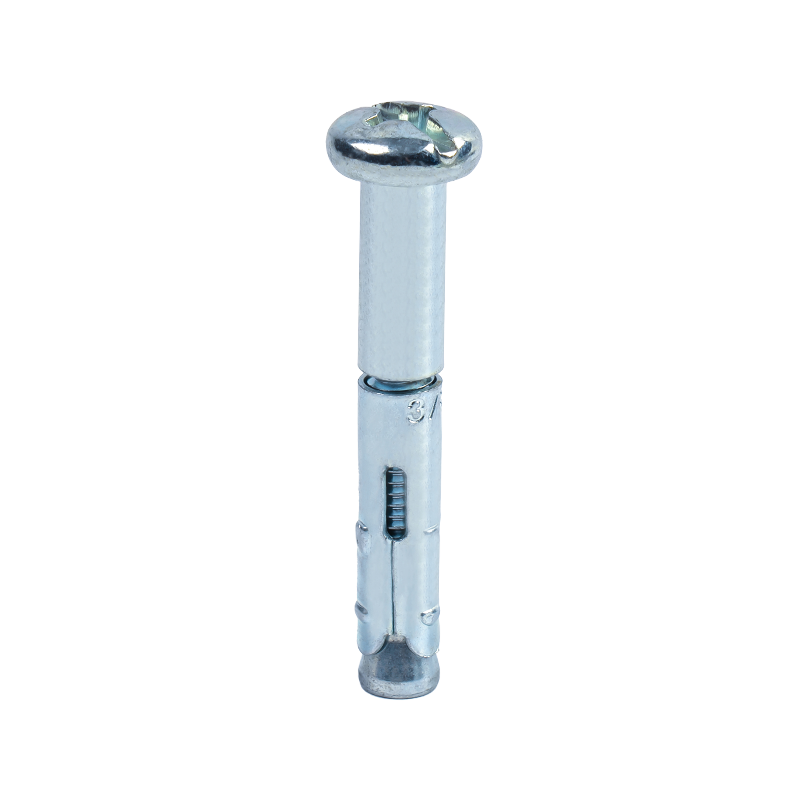
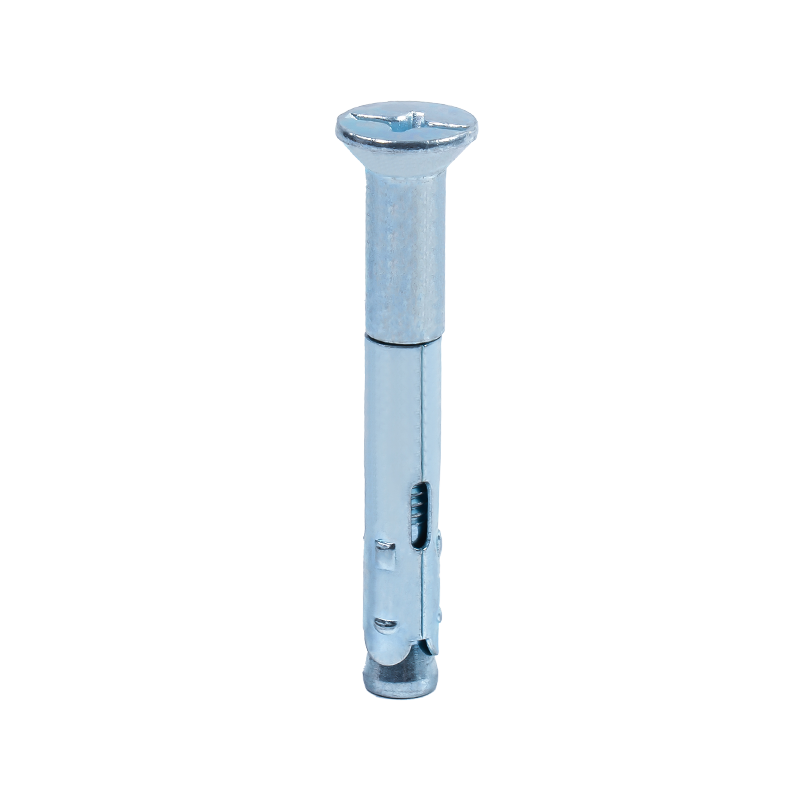
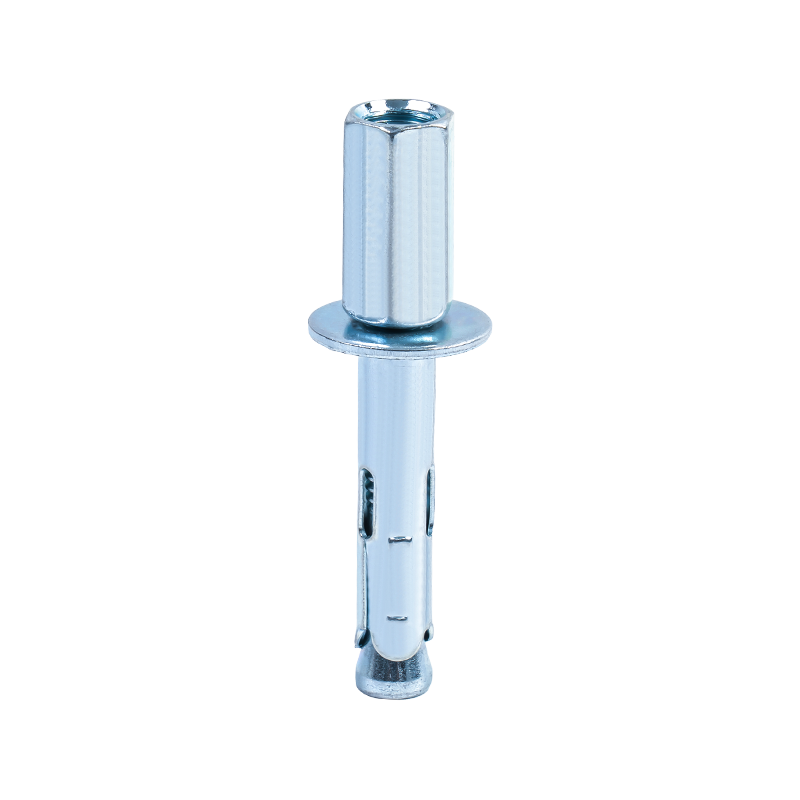
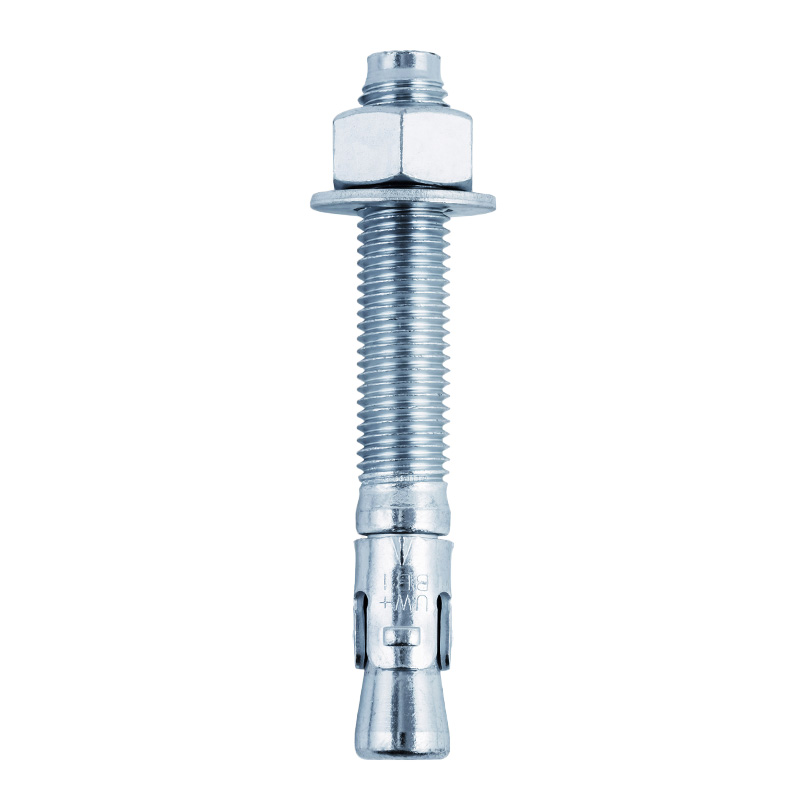
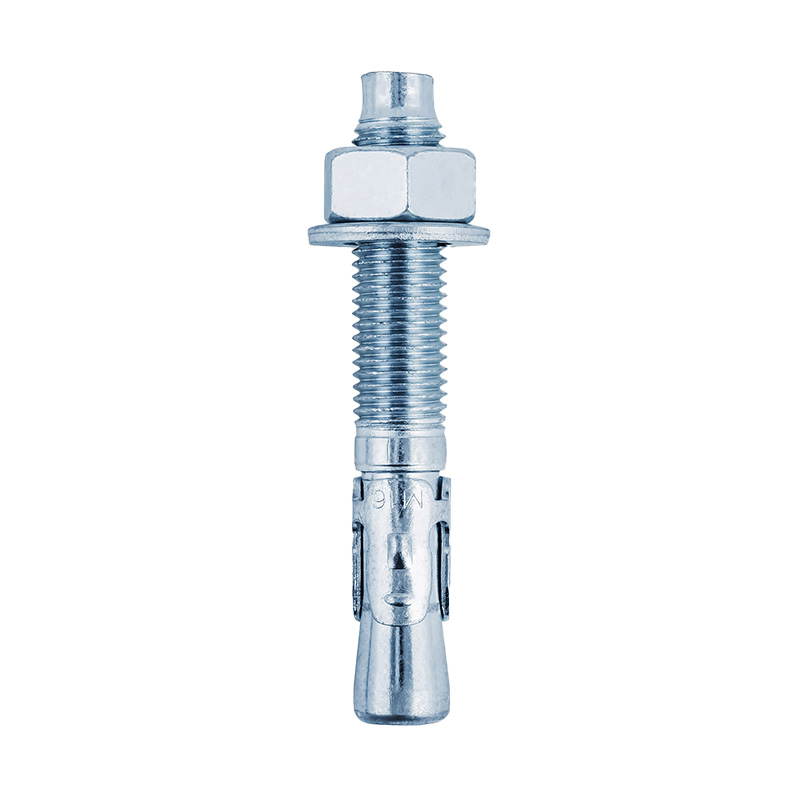
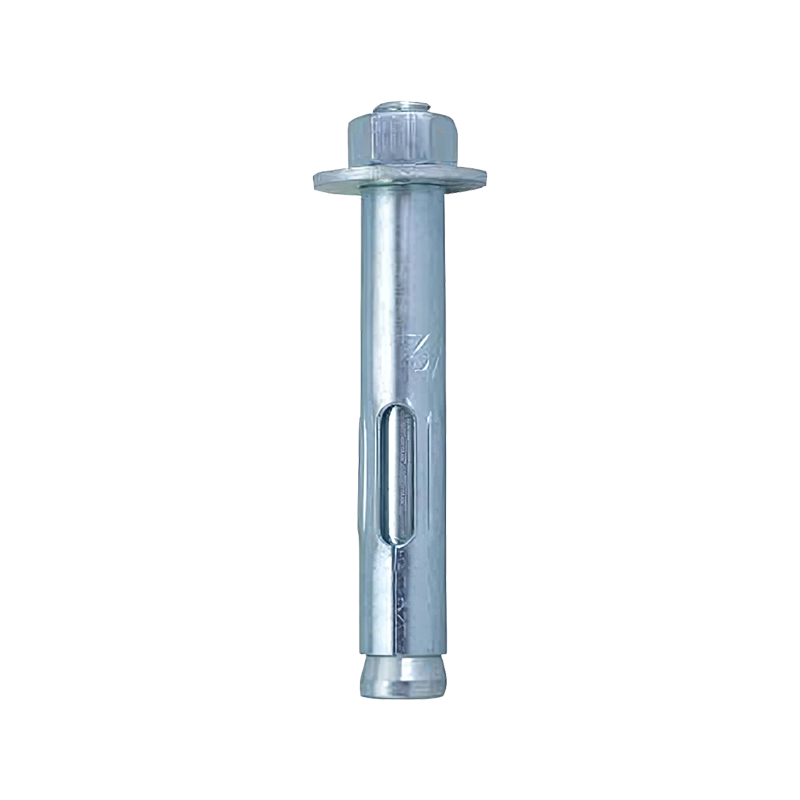
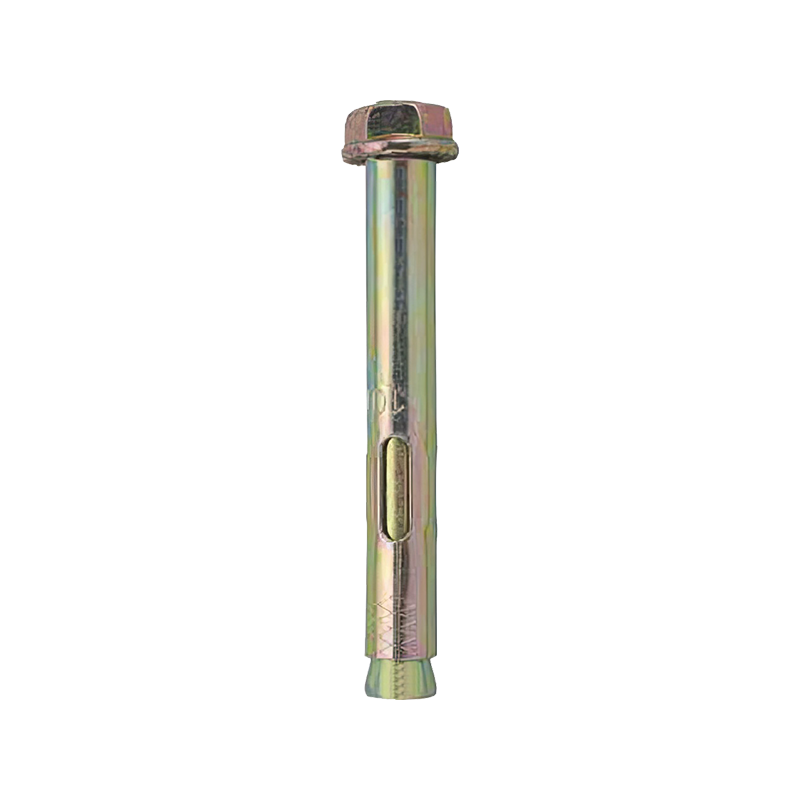
- The Ultra Wedge Anchor is a mechanical expansion anchor. It provides pull-out strength by pressing a metal sleeve or expansion clip into the concrete hole wall, creating massive frictional force (expansion stress).
- The Tapcon is a thread-cutting screw. It relies on hardened threads to cut matching internal threads directly into the concrete substrate during the drilling process, achieving fixation through mechanical interlocking.
- Defining the Ultra Wedge Anchor: This is a fastener designed specifically for heavy-duty, permanent fixation. Its "Ultra" characteristics are typically reflected in higher-grade steel strength, optimized expansion clip design, and more stable performance in cracked concrete.
- Application Logic: If your project involves structural support or heavy equipment, the Ultra Wedge Anchor is the industry standard; for lightweight, temporary, or installations requiring frequent disassembly, the Tapcon offers high convenience.
Parameter Comparison: Ultra Wedge Anchor vs. Tapcon Technical Indicators
To more intuitively understand the performance differences between the two, the following is a parameter comparison based on standard specifications in conventional 3000 psi concrete:
| Performance Indicator | Ultra Wedge Anchor (1/2" Diameter) | Tapcon (1/4" Standard Diameter) |
|---|---|---|
| Operating Principle | Mechanical Expansion | Thread Cutting |
| Avg. Pull-out Capacity | Extremely High (Typically > 4000 lbs, depth dependent) | Moderate (Typically 600 - 1100 lbs) |
| Shear Performance | Excellent (Suitable for heavy structural joints) | Average (Suitable for lightweight fixtures) |
| Installation Depth | Adjustable; deeper embedment increases capacity | Fixed; typically not exceeding 1-3/4 inches |
| Substrate Requirements | Solid Concrete only | Concrete, Brick, Hollow Block |
| Removability | Permanent (Must be cut or ground down) | Removable (Can be unscrewed) |
| Hole Requirements | Bit diameter must match anchor diameter | Bit diameter must be smaller than screw |
Structural Integrity: Why the Ultra Wedge Anchor Wins on Strength
When bearing structural loads, the advantages of the Ultra Wedge Anchor are primarily reflected in its ability to handle dynamic pressure and long-term creep.
- Shear and Tensile Capacity: Due to its larger overall metal cross-section, the Ultra Wedge Anchor can withstand significantly greater lateral shear pressure. In seismic zones or vibrating environments, high-quality wedge anchors remain secure due to constant expansion pressure, making them less likely to loosen from substrate micro-vibrations.
- Depth Compensation Advantage: Unlike Tapcons, which are limited by their own thread length, you can linearly increase the pull-out safety factor of an Ultra Wedge Anchor by increasing the drilling and embedment depth. This makes it irreplaceable for securing large structural components like steel column base plates.
- Precision Expansion Clip Design: The design of the bottom expansion clip on the Ultra Wedge Anchor ensures that even if small cracks appear in the concrete, the anchor maintains its grip through further tightening action.
Versatility and Substrate Compatibility: Solid Concrete vs. Masonry
Substrate type determines the success or failure of an anchor. The Ultra Wedge Anchor has strict requirements for the base material, while Tapcons offer better general versatility.
- Solid Concrete: This is the primary domain of the Ultra Wedge Anchor. It relies on the compressive strength of the concrete to withstand the massive pressure generated by the expansion clip. In certified cracked concrete, the Ultra Wedge Anchor still maintains superior holding power.
- Brick and Block:
- Ultra Wedge Anchor: Generally prohibited for use in brick or lightweight hollow block. The expansion force can shatter fragile masonry or lead to anchor failure.
- Tapcon: By physically cutting into the substrate, it generates less stress on the surrounding area, allowing it to work reliably in solid brick, grouted block, and even some stone materials.
- Environmental Adaptability: Both fasteners are available in various coatings. The Ultra Wedge Anchor is commonly available in Hot-Dip Galvanized or 316 Stainless Steel versions, specifically designed for heavy-duty outdoor structures in high-salt or high-humidity environments.
Installation Workflow: Speed vs. Security
The complexity of the installation process directly affects labor costs. The Ultra Wedge Anchor requires a more precise guide, while Tapcons focus on rapid deployment.
- Tapcon Installation Flow: Drill (diameter slightly smaller than screw) then Drive (using an impact driver). If the position is incorrect, it can be easily unscrewed and relocated.
- Ultra Wedge Anchor Installation Flow:
- Precision Drilling: Must use a drill bit exactly matching the nominal diameter of the anchor.
- Thorough Cleaning: Use a blow pump and brush. If dust remains in the hole, the expansion clip of the Ultra Wedge Anchor may fail to engage effectively.
- Hammering into Place: Drive into the hole with the nut attached (to protect the threads).
- Torque Locking: Use a torque wrench to reach the specified value, causing the expansion clip to flare at the bottom of the hole.
Core Installation Parameter Comparison (Common Sizes)
| Step/Parameter | Ultra Wedge Anchor (1/2") | Tapcon (1/4") |
|---|---|---|
| Drill Bit Diameter | 1/2" (Must be exact) | 3/16" (Specialized bit) |
| Recommended Torque | 40 - 55 ft-lbs | No fixed torque requirement |
| Cleaning Requirement | Extremely High (Dust significantly reduces capacity) | Moderate |
| Installation Tools | Hammer Drill + Hammer + Torque Wrench | Hammer Drill + Impact Driver |
| Error Correction | Permanent (Must be cut) | Can be unscrewed at any time |
Cost-Benefit Analysis: Contractors vs. DIYers
When evaluating costs, one must look beyond unit price to the "cost per unit of load capacity" and long-term liability.
- Unit Price Comparison: Tapcons generally have a lower per-piece cost and do not require complex torque testing tools.
- Long-term Value: For permanent heavy facilities (such as warehouse racking or structural steel beams), using the Ultra Wedge Anchor significantly reduces the risk of accidents and maintenance costs caused by loosening.
- Time Cost: While the Ultra Wedge Anchor involves more steps, the efficiency of a single Ultra Wedge Anchor is equivalent to several Tapcons when handling massive single-point loads, reducing the total number of holes drilled.
The Verdict: When to Use the Ultra Wedge Anchor?
The choice can be simplified to a trade-off between Safety and Convenience.
- When to Choose Tapcon: Best for non-structural, light-to-medium tasks, such as mounting temporary conduit, lightweight signage, or securing furniture to masonry walls. Its advantage lies in speed and the ability to be completely removed.
- When to Choose Ultra Wedge Anchor: Best for any heavy-duty fixing involving structural safety. Whether securing heavy warehouse racks, installing base plates for steel columns, or working in vibrating dock environments, the permanent, high-strength anchorage provided by the Ultra Wedge Anchor is the only professional choice.
Key Decision Matrix
| Dimension | Recommended: Ultra Wedge Anchor | Recommended: Tapcon |
|---|---|---|
| Load Nature | Structural, Heavy Duty | Non-structural, Light Duty |
| Lifespan | Permanent Fix | Temporary or Adjustable Fix |
| Substrate | Solid, High-Strength Concrete only | Concrete, Brick, Block, Stone |
| Seismic Requirement | High (360-degree grip) | Low |
| Removal Need | Removal not considered | Non-destructive removal needed |
FAQ: Deep Dive into Concrete Fasteners
Q: Can all wedge anchors be called "Ultra" grade?
A: No. Ultra Wedge Anchor typically refers to high-end models that are ICC-ES certified or seismic-rated. These anchors utilize thickened expansion clips and high-toughness steel, providing significantly better holding power in cracked concrete or under cyclic loading compared to generic wedge anchors.
Q: What happens if the Ultra Wedge Anchor is under-torqued?
A: If the recommended torque is not reached, the expansion clip will not fully embed into the hole wall. In this state, the anchor may shift when under tension, leading to structural instability. Therefore, a torque wrench must be used for final verification.
Q: Why can't the Ultra Wedge Anchor be used in masonry walls?
A: Wedge anchors generate power by pushing outward. Brick and hollow block have low tensile strength and internal voids. The powerful expansion pressure of an Ultra Wedge Anchor will cause the masonry to burst, failing to secure the load and damaging the substrate.
Q: Which material should I choose for coastal outdoor environments?
A: For harsh environments, it is recommended to choose the 316 Stainless Steel version of the Ultra Wedge Anchor. Compared to standard galvanized screws, the stainless steel version provides decades of resistance to salt spray corrosion, ensuring long-term stability.
Q: Does it matter if the hole is drilled too deep?
A: For an Ultra Wedge Anchor, drilling slightly deeper usually has no negative impact (as long as you don't drill through the substrate), as its thread length is sufficient to compensate. However, if the hole is too shallow, the anchor will not reach its rated embedment depth, directly reducing its load limit.


Contact Us