
 English
 中文简体
中文简体 русский
 Español
Wedge Anchor vs Tapcon: Which Concrete Fastener Is Stronger and When to Use?
2026-09-28If you are fixing a ledger, rack, machine base, handrail, or structural bracket to solid concrete, the fastener choice usually comes down to two familiar options: a wedge anchor or a Tapcon-style concrete screw. The short answer is that a wedge anchor is generally stronger in solid concrete, especially for tension and shear loads, because it uses expansion, deeper embedment, and a larger steel cross-section. But the longer answer matters more in real projects: a concrete screw can be the better and even stronger choice when the hole is shallow, the edge distance is tight, the base material is uncertain, or the connection may need to be opened later.
What the Words Mean Before You Compare Strength
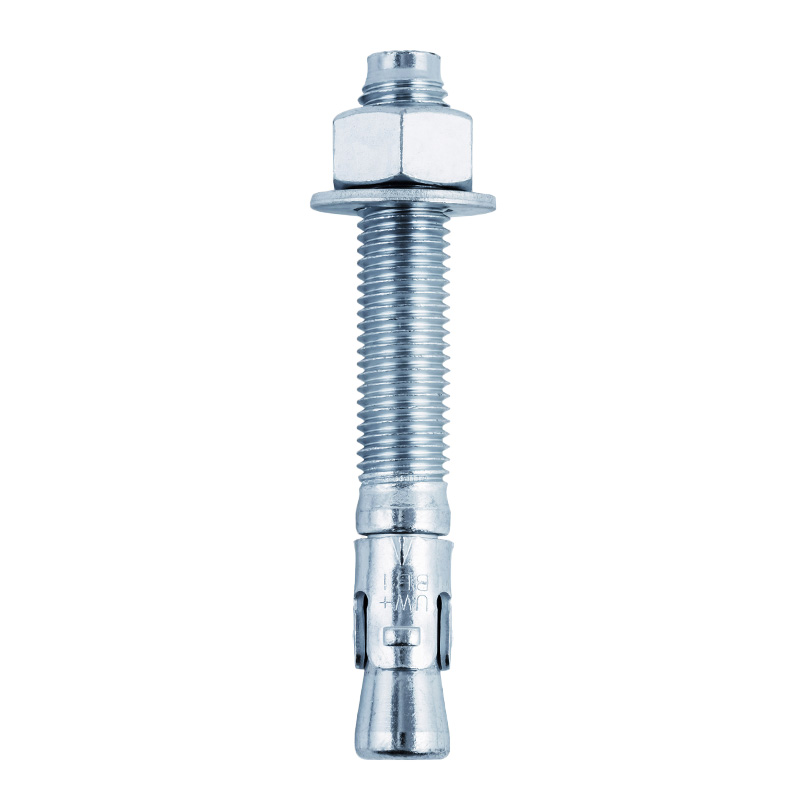
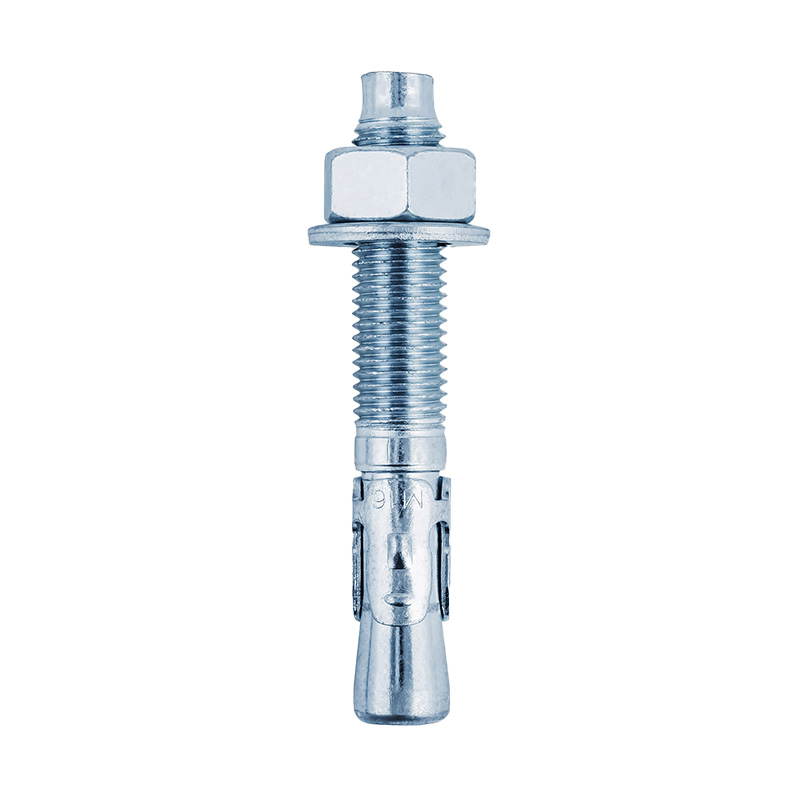
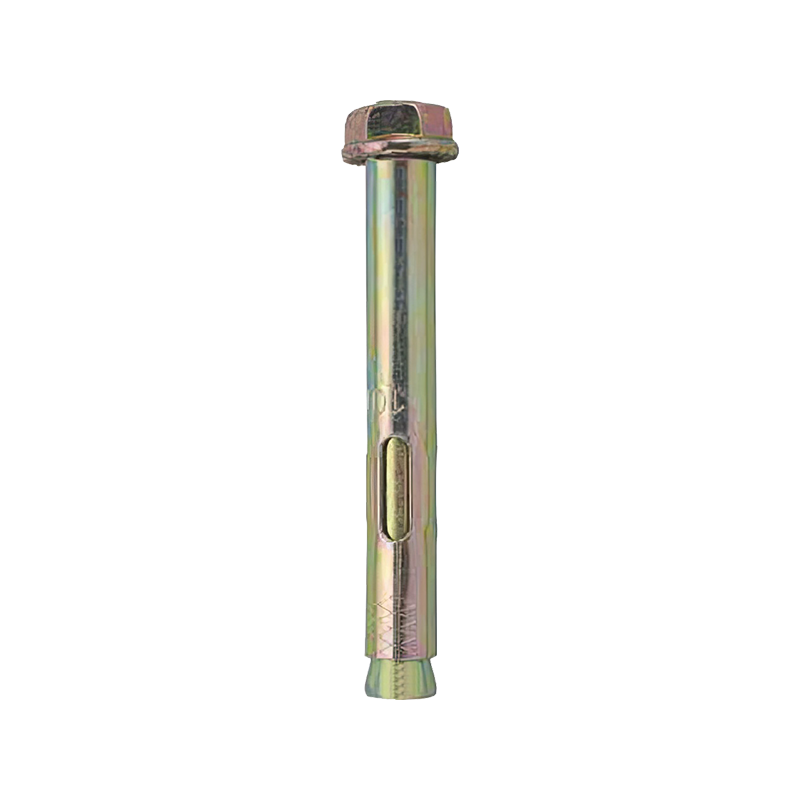
A wedge anchor is a mechanical expansion anchor. You drill a hole, clean it, insert the anchor, and tighten the nut. The wedge at the bottom rises into the expansion clip, pressing it against the concrete. The load transfers through the steel stud, the expansion clip, and the concrete around the embedded length.
A Tapcon-style anchor is a hardened concrete screw. You drill a smaller hole with a carbide bit, then drive the screw with an impact driver or hammer drill. The threads cut or form matching threads in the concrete. The load transfers through the screw threads, the concrete between the threads, and the surrounding base material.
Those two mechanisms explain most of the strength difference. Expansion anchors engage a relatively large volume of concrete. Concrete screws rely on thread engagement, and their capacity drops quickly when hole size, dust, torque, or base material changes.
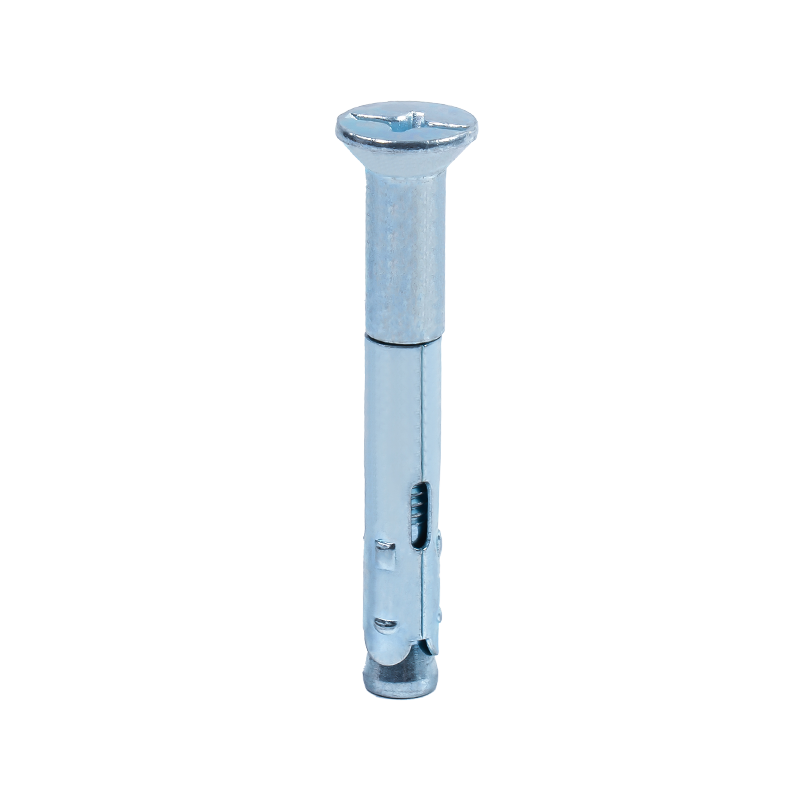
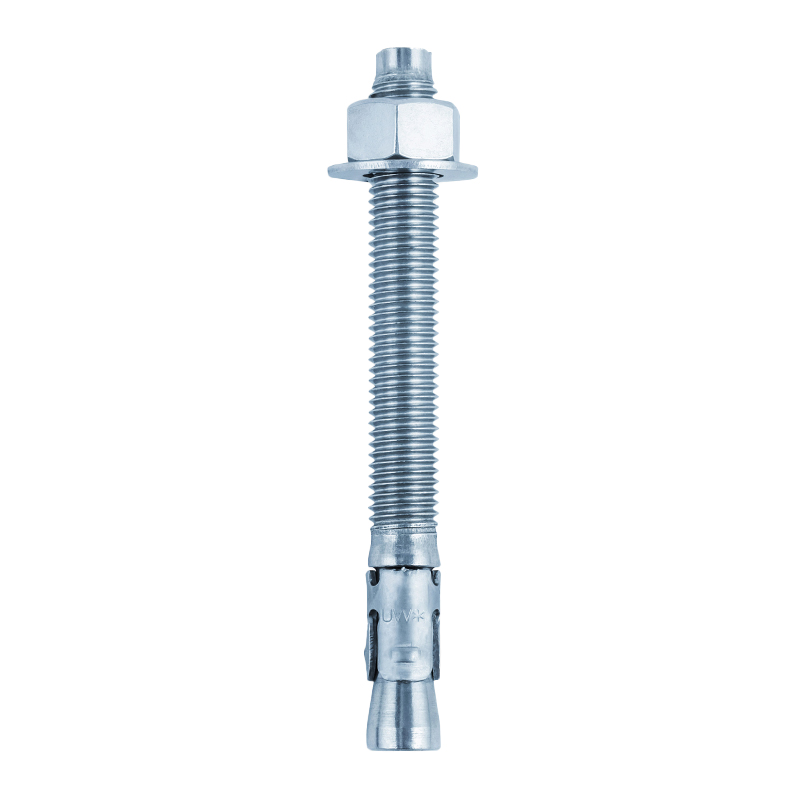 Ultra Wedge AnchorPRODUCT INFORMATION: Ultra wedge anchor is used for high-strength fastening to pull out the value of local equipment, anchors, and holes the same diameter. The advance...View Product →
How a Wedge Anchor Develops Strength
A wedge anchor is usually specified when the connection is structural, when loads are heavy, or when vibration and dynamic movement are expected. The anchor body is often made from carbon steel or stainless steel, with zinc plating, hot-dip galvanizing, or stainless steel for corrosion resistance. The expansion clip is designed to bite into the concrete after torque is applied.
Strength depends on several variables: anchor diameter, embedment depth, concrete compressive strength, edge distance, spacing, hole cleaning, and installation torque. In good solid concrete, a properly installed wedge anchor can reach high tension and shear values. It also has a predictable failure sequence: steel rupture, pull-through, or concrete breakout. Engineers can compare those modes against project requirements.
Wedge anchors are less forgiving in cracked concrete unless they are specifically qualified for cracked concrete. They also need larger edge distances and spacing than many concrete screws. In tight corners, thin slabs, or near existing reinforcement, that requirement can become the deciding factor.
How a Tapcon-Style Concrete Screw Carries Load
Concrete screws are popular because they are fast, removable, and require fewer steps. A Tapcon-style screw is often used for electrical boxes, conduit, shelves, small machinery, door frames, and light-to-medium-duty attachments. The screw is hardened, so it cuts into the concrete instead of expanding against it.
In smaller diameters, concrete screws are not normally expected to match a large wedge anchor in tension. The steel area is smaller, the embedment is shallower, and the thread engagement can strip if the hole is over-drilled. However, a large concrete screw in a hard, uncracked concrete base can outperform a small wedge anchor placed too close to an edge or installed in a shallow hole.
Concrete screws also have an advantage in serviceability. You can remove and reinstall them, adjust a fixture, or open a panel without cutting or replacing the anchor. That matters for maintenance, temporary works, and equipment that may be repositioned.
Direct Strength Comparison: Wedge Anchor vs Tapcon
For a like-for-like comparison, assume both anchors are new, correctly sized, installed in solid uncracked concrete, and loaded in the same direction. In that controlled case, the wedge anchor usually has higher capacity. The gap grows as diameter and embedment increase.
| Factor | Wedge anchor | Tapcon-style concrete screw |
|---|---|---|
| Primary holding mechanism | Expansion clip presses against concrete | Threads cut or form into concrete |
| Typical diameter range | Often larger, including heavy-duty sizes | Usually smaller to medium sizes |
| Embedment depth | Generally deeper for high loads | Usually shallower |
| Tension capacity | Higher in solid concrete when correctly installed | Lower in many comparable sizes |
| Shear capacity | Higher for structural and heavy fixtures | Adequate for light and medium attachments |
| Edge distance sensitivity | More sensitive; larger distances often required | Can work closer to edges in some conditions |
| Removability | Usually permanent or difficult to remove | Can be backed out and reinstalled |
| Best fit | Structural, vibrating, heavy-duty connections | Light-duty, removable, tight-access attachments |
The chart is not a load table. It shows the general tendency. A 3/8-inch wedge anchor and a 3/8-inch concrete screw do not carry the same load just because the diameter matches. The effective embedment, thread geometry, and installation method are different.
When a Tapcon Can Be the Stronger Choice
A concrete screw can be stronger in practice when the wedge anchor cannot be installed correctly. Examples include a shallow slab, a corner with limited edge distance, a hole that intersects rebar, or a fixture that must be removed without leaving a stud. In those cases, the theoretical strength of the wedge anchor does not matter if the anchor cannot reach its required embedment or edge distance.
Concrete screws also perform well when the load is mostly shear and the fixture is light. A properly sized screw with the correct hole diameter can carry shelving, signs, small pumps, cable trays, and similar non-structural items. The key is to use the manufacturer's published values, not a rule of thumb.
Another practical advantage is installation control. A concrete screw gives immediate feedback. If the hole is too large, the screw spins. If the concrete is too soft, torque drops. A wedge anchor can feel tight even when the hole is oversized or poorly cleaned, which creates a hidden risk.
When a Wedge Anchor Is the Stronger Choice
Use a wedge anchor when the connection is structural, when the load is heavy, or when vibration and dynamic forces are present. It is also the safer choice for machinery, structural steel, guardrails, racking, and supports that must resist tension and shear at the same time. A wedge anchor with adequate embedment and edge distance is generally the more robust load path.
Wedge anchors are also easier to inspect after installation. The nut and washer remain visible, and torque can be checked. If a project requires special inspection, that visibility helps. Concrete screws can be inspected too, but the thread engagement is hidden inside the concrete, and over-torque can damage the threads.
For corrosive environments, wedge anchors are available in zinc-plated, hot-dip galvanized, and stainless steel versions. The correct coating depends on exposure, humidity, salt, chemicals, and the expected service life. A wedge anchor manufacturer can match the steel grade and finish to the job rather than forcing one finish onto every project.
Installation Variables That Change the Answer
Hole cleaning is not optional. Dust at the bottom of a wedge anchor hole reduces expansion and can cut capacity. The same is true for concrete screws: dust changes thread engagement and can cause stripping. Use a brush and blow-out bulb or vacuum, and follow the anchor manufacturer's instructions.
Edge distance and spacing often decide the winner. A wedge anchor needs enough concrete around it to resist breakout. If the anchor is too close to an edge, the concrete can fail before the steel reaches its capacity. Concrete screws can sometimes be placed closer because they distribute load differently, but they still have minimum distances. For a deeper review of how spacing and edge distance affect wedge anchor performance, see this guide on spacing and edge distance considerations.
Concrete strength also matters. Lightweight concrete, brick, block, and cracked concrete behave differently from solid normal-weight concrete. Wedge anchors are generally not specified for hollow block unless a special anchor type is used. Concrete screws may work in some masonry, but the capacity is much lower and must be verified.
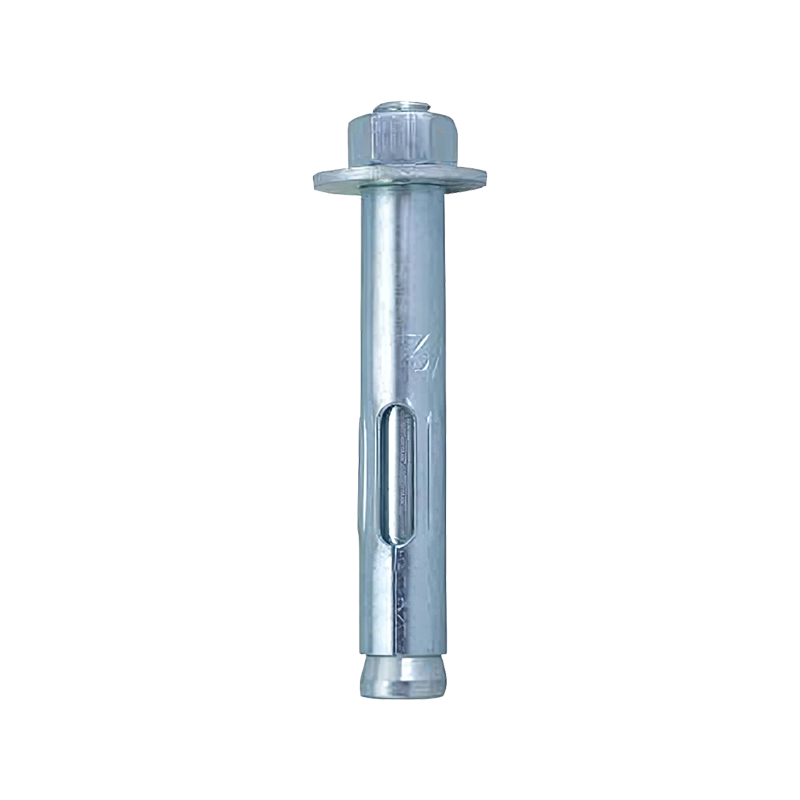
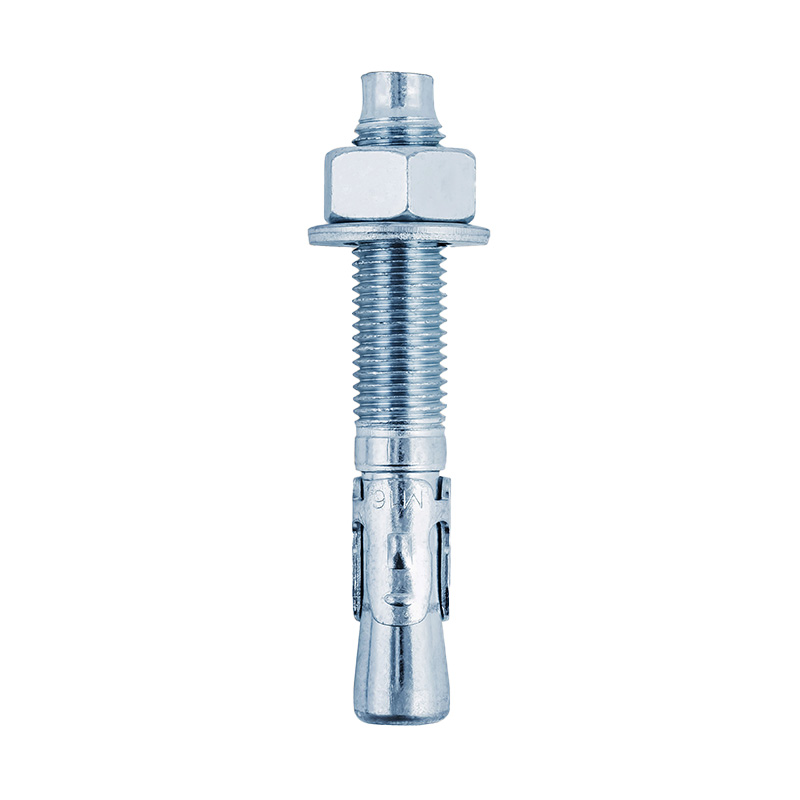 Metric Wedge AnchorPRODUCT INFORMATION: Metric Wedge Anchor is a wedge-shaped anchor using metric standards. It is designed for high-strength fastening. It aims to closely combine local ...View Product →
Corrosion, Base Material, and Application Fit
The strongest anchor in the catalog is not always the strongest anchor for the site. If the application is outdoors near the coast, a zinc-plated wedge anchor may not be the best choice. Stainless steel or hot-dip galvanized may be required. If the base material is cracked concrete, the anchor must be qualified for that condition.
Application fit also affects safety. A wedge anchor used in a thin slab can punch through. A concrete screw used in a high-vibration machine base can loosen. A heavy-duty shield anchor may be a better fit for certain oversized holes or softer base materials. That is why a manufacturer with multiple anchor families can match the product to the load, the base, and the environment.
Heavy tension and shear
Choose a wedge anchor with sufficient diameter and embedment. Verify edge distance and concrete strength.
Removable fixture
Choose a concrete screw when the fixture may be adjusted, opened, or replaced. Check thread engagement.
Corrosive exposure
Match the finish to the environment: zinc, hot-dip galvanized, or stainless steel. Do not mix metals carelessly.
Tight access or edge
A concrete screw can be practical, but it still needs the correct hole size and minimum distance.
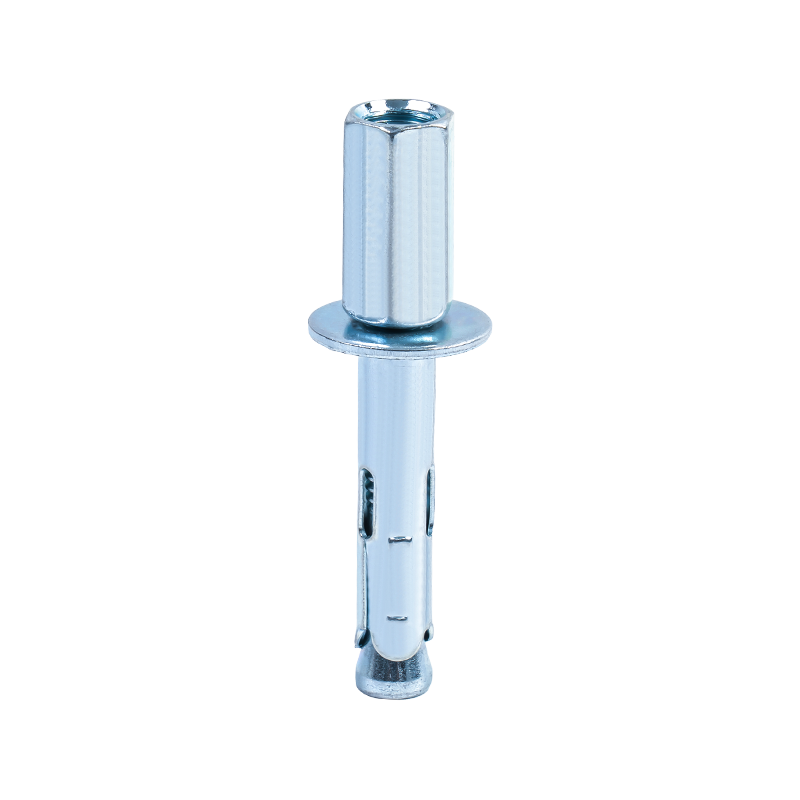
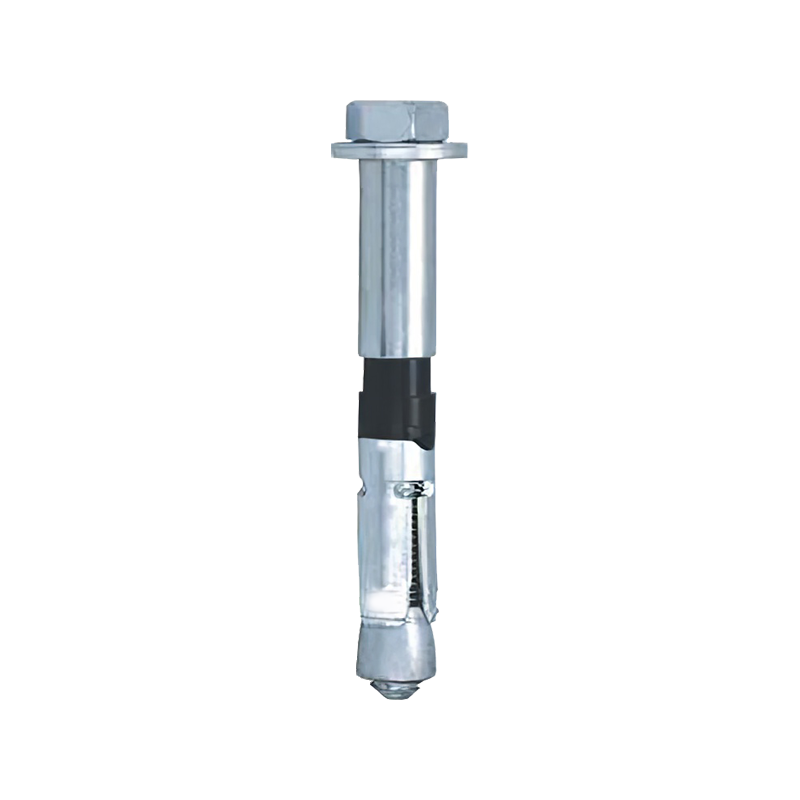
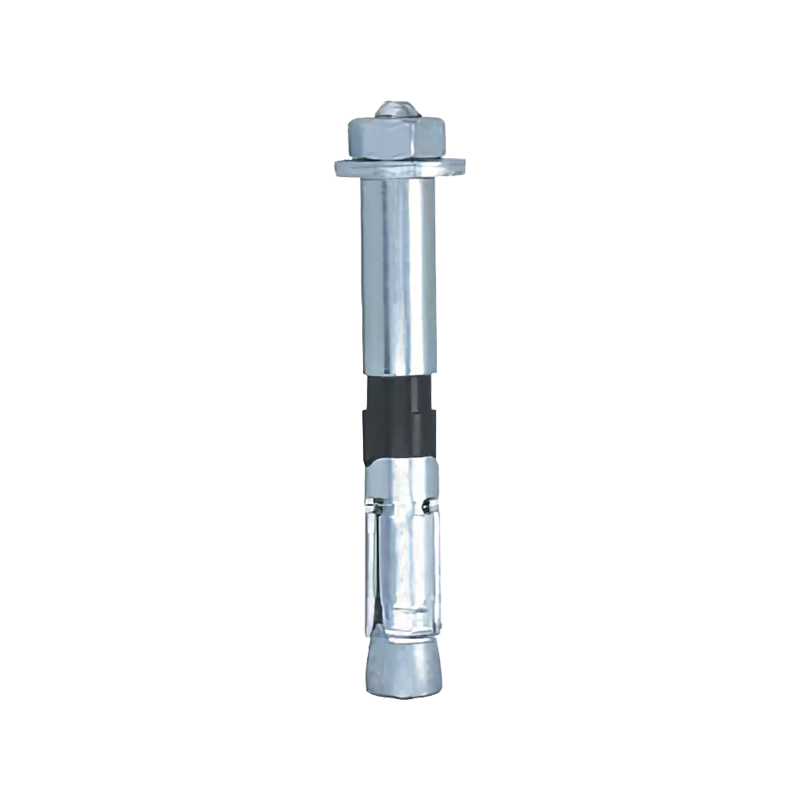
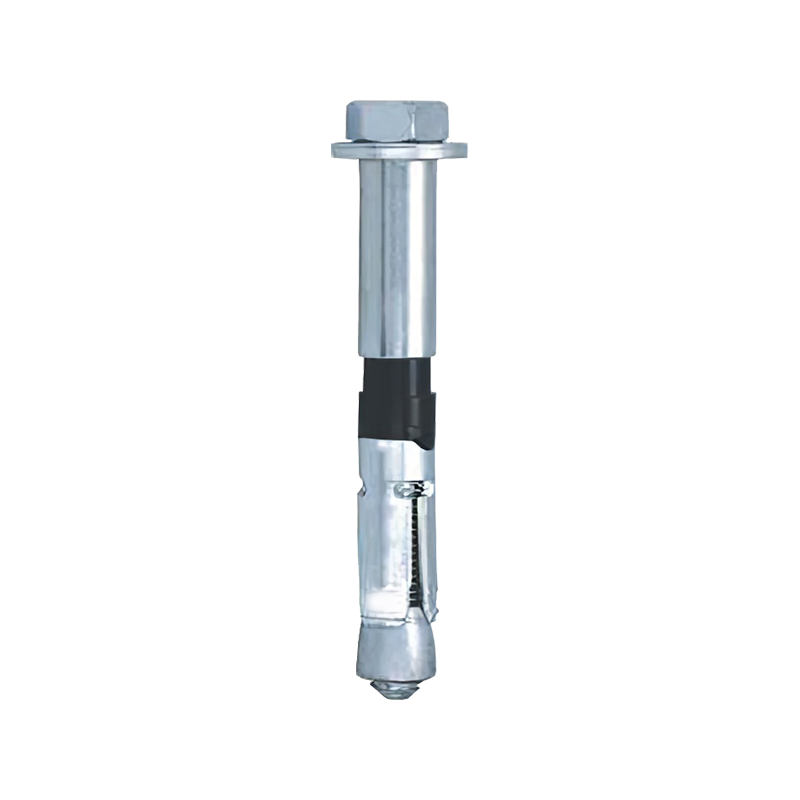 Bolt Heavy Duty Shied AnchorPRODUCT INFORMATION: Bolt-type force control of heavy metal gecko is expanding anchor. You can add type to install, its advantage Is the hole in advance to be anchored...View Product →
Selection Checklist for Engineers, Installers, and Buyers
Before you decide between a wedge anchor and a Tapcon-style screw, collect the facts that control capacity:
- Base material: solid concrete, cracked concrete, lightweight concrete, brick, or block.
- Load type: tension, shear, combined, static, vibratory, or seismic.
- Load magnitude: working load, required safety factor, and governing code.
- Anchor size: diameter, length, and effective embedment.
- Edge distance and spacing: measured from the anchor center to the nearest edge.
- Concrete strength: specified compressive strength at the time of installation.
- Hole condition: drill size, depth, cleaning method, and moisture.
- Environment: indoor, outdoor, coastal, chemical, or high-temperature.
- Serviceability: permanent, removable, adjustable, or temporary.
- Inspection: visual, torque check, proof load, or special inspection.
If the project needs the highest reliable capacity in solid concrete, the wedge anchor is usually the starting point. If the project needs a fast, removable, close-edge fastening with moderate loads, a concrete screw may be the better tool. The answer is not a slogan; it is a comparison of the actual conditions.
Why Manufacturing Details Matter
Two anchors with the same name can perform differently if the steel grade, thread form, heat treatment, expansion clip, or coating is inconsistent. For wedge anchors, the expansion mechanism must engage the concrete without slipping. For concrete screws, the thread hardness and geometry must cut without cracking or stripping.
A manufacturer with controlled production equipment, inspection processes, and experience in export markets can reduce that risk. Yuyao Nanshan Development Co., Ltd. has produced anchor products since 1999, with a focus on wedge anchors and related fastening solutions. The company uses imported automatic production and testing equipment, ERP-controlled production flow, and a research and development center for custom work. Its products are mainly supplied to markets in the United States, Europe, and Asia, and the team can develop anchors from customer drawings or samples. More background on the company's anchor manufacturing and export experience is available for buyers who need a reliable production partner.
For projects that require custom lengths, thread sizes, coatings, or packaging, early communication with the factory matters. It is easier to confirm hole size, embedment, and load direction before production than to correct a mismatch after the anchors arrive on site.
FAQ: Wedge Anchor vs Tapcon Strength
Is a wedge anchor always stronger than a Tapcon?
No. A wedge anchor is generally stronger in solid concrete under high tension and shear when it has enough embedment and edge distance. A Tapcon-style concrete screw can be stronger in practice if the wedge anchor cannot be installed correctly, such as in a shallow slab or near an edge.
Can a Tapcon hold as much as a wedge anchor?
In small sizes, usually not. In some medium sizes and specific base conditions, a large concrete screw may match or exceed a small wedge anchor, but you must compare published load tables for the exact diameter, embedment, and concrete strength.
Which one is better for vibration?
A wedge anchor is usually preferred for vibrating machinery, dynamic loads, and structural connections. Concrete screws can loosen under vibration unless they are properly torqued and monitored. The connection detail and code requirements should guide the final choice.
Which one is easier to remove?
A concrete screw is easier to remove and reinstall. A wedge anchor is usually permanent. If the fixture may be moved or serviced, that serviceability difference can outweigh a small capacity gap.
What is the biggest installation mistake?
For wedge anchors, the biggest mistake is poor hole cleaning or too little embedment. For concrete screws, it is an oversized hole, wrong drill bit, or over-torque. Both mistakes reduce capacity and can cause sudden failure.
Do I need an engineer to decide?
For structural, safety-critical, or code-regulated connections, yes. The anchor manufacturer's data and the project engineer's design should control the selection. For light-duty non-structural work, follow the anchor manufacturer's instructions and local requirements.
How to Request the Right Anchor for Your Project
When you contact an anchor manufacturer, send the base material, concrete strength, hole diameter, embedment depth, load direction, load value, edge distance, spacing, environment, and required finish. Photos of the site and a simple sketch of the connection help. If the application is unusual, ask for a sample or a test report before full production.
That information turns a general question about wedge anchors versus Tapcon-style screws into a specific, verifiable answer. The strongest anchor is the one that fits the hole, the load, the concrete, and the installation conditions without hidden risk.


Contact Us