
 English
 中文简体
中文简体 русский
 Español
What is the best way to install an Ultra Wedge Anchor for maximum structural security
2026-05-25In the process of construction engineering, infrastructure development, and the installation of large industrial equipment, the reliability of the anchoring system is directly related to the safety and service life of the overall structure. Ultra Wedge Anchor, as a high-performance mechanical expansion anchor, has become the mainstream choice in the modern engineering anchorage field due to its excellent load-bearing capacity and reliable seismic performance. Gaining an in-depth understanding of its working principle, performance parameters, and correct installation procedures is essential for engineering technicians and construction parties.
Working Principle and Structural Characteristics of Ultra Wedge Anchor
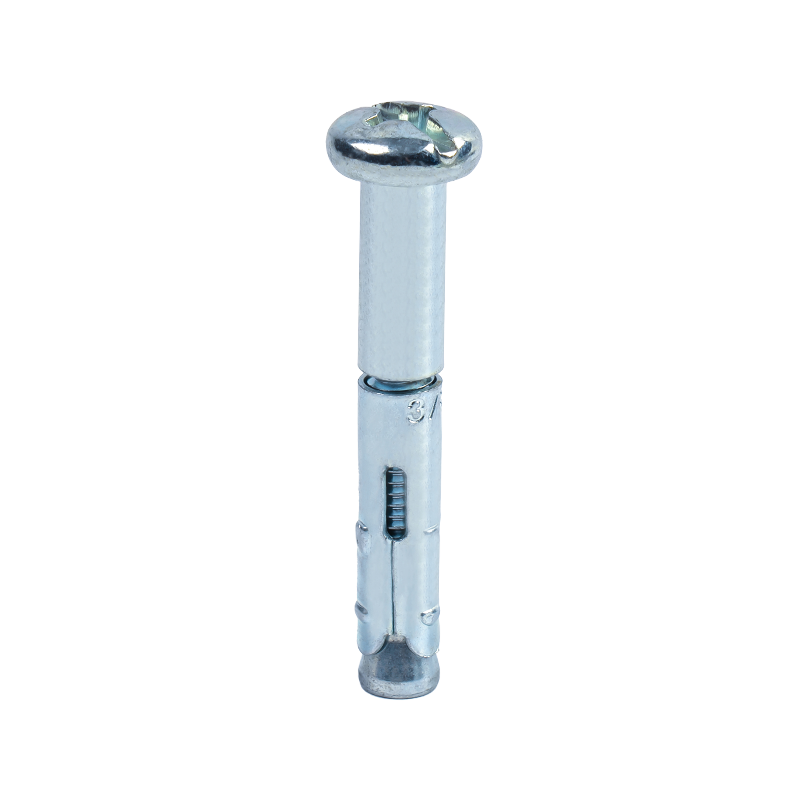
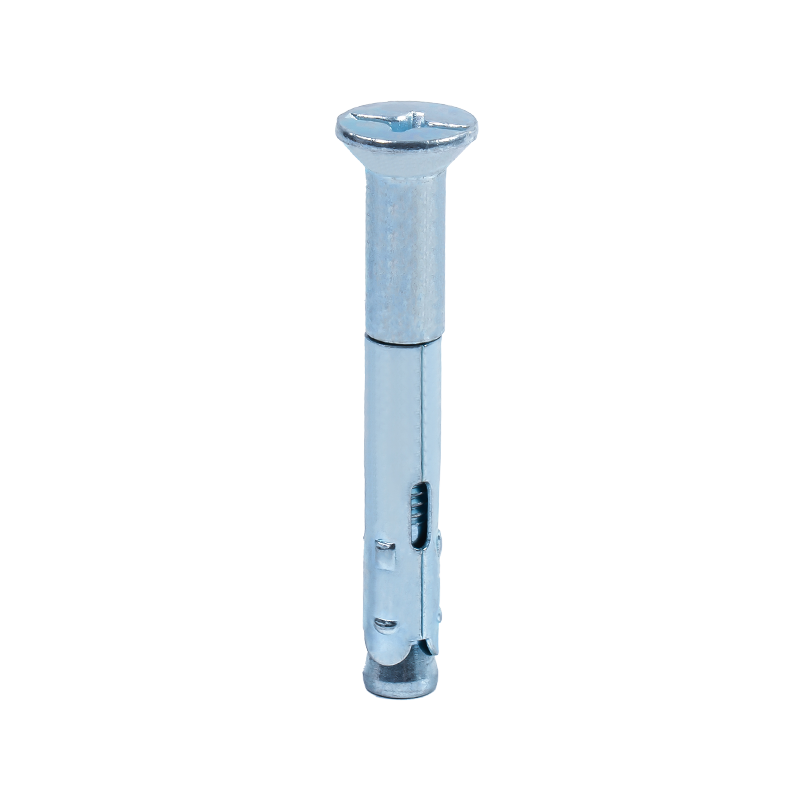
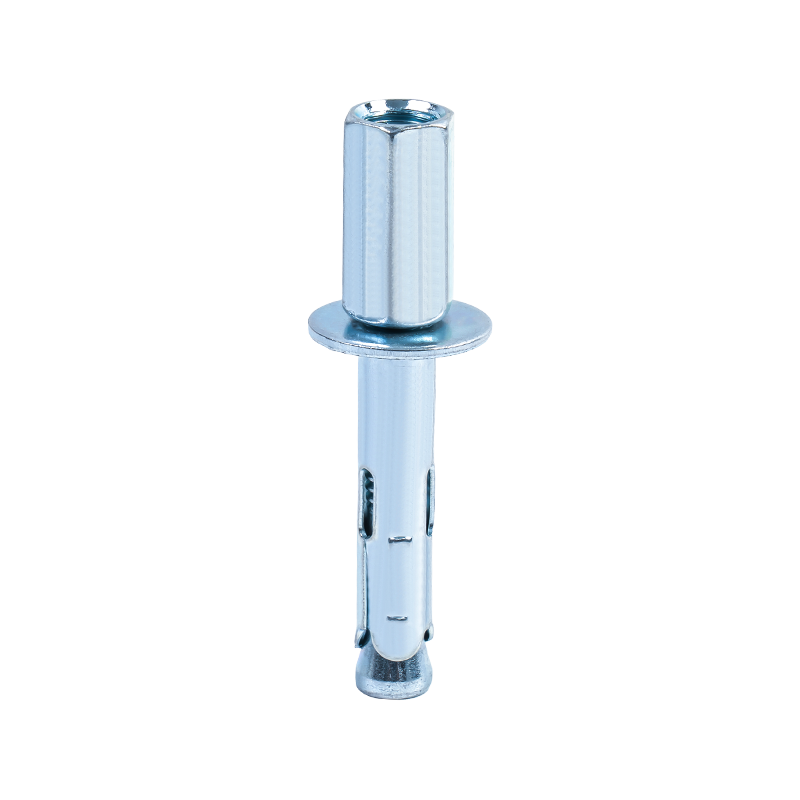
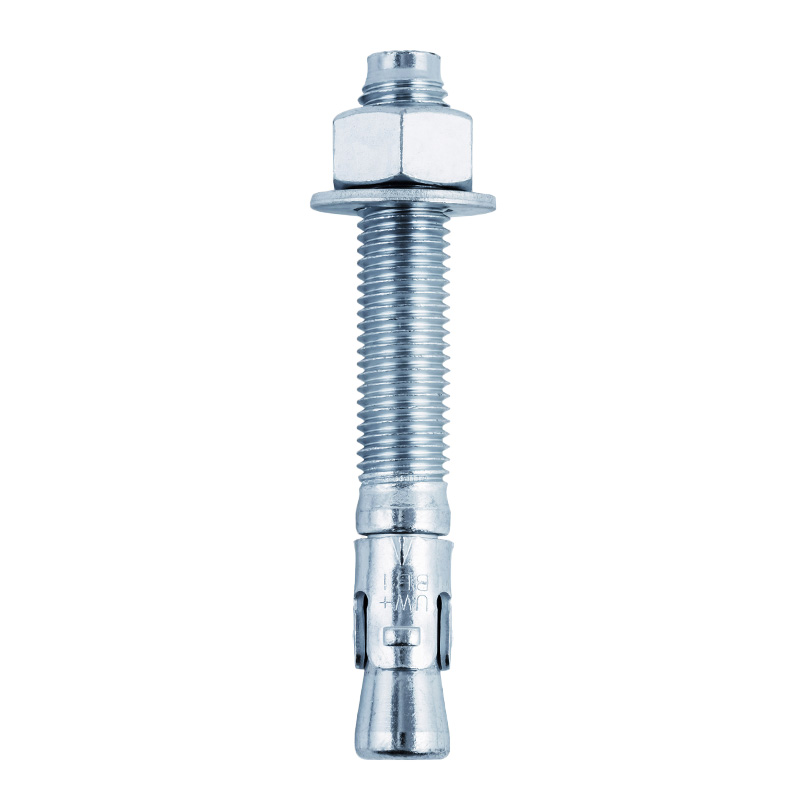
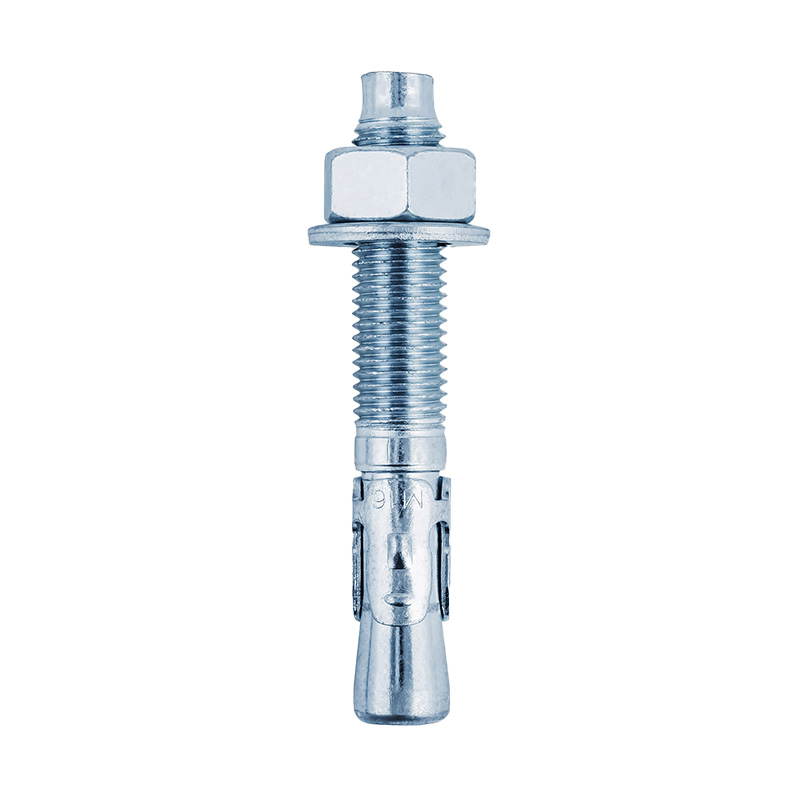
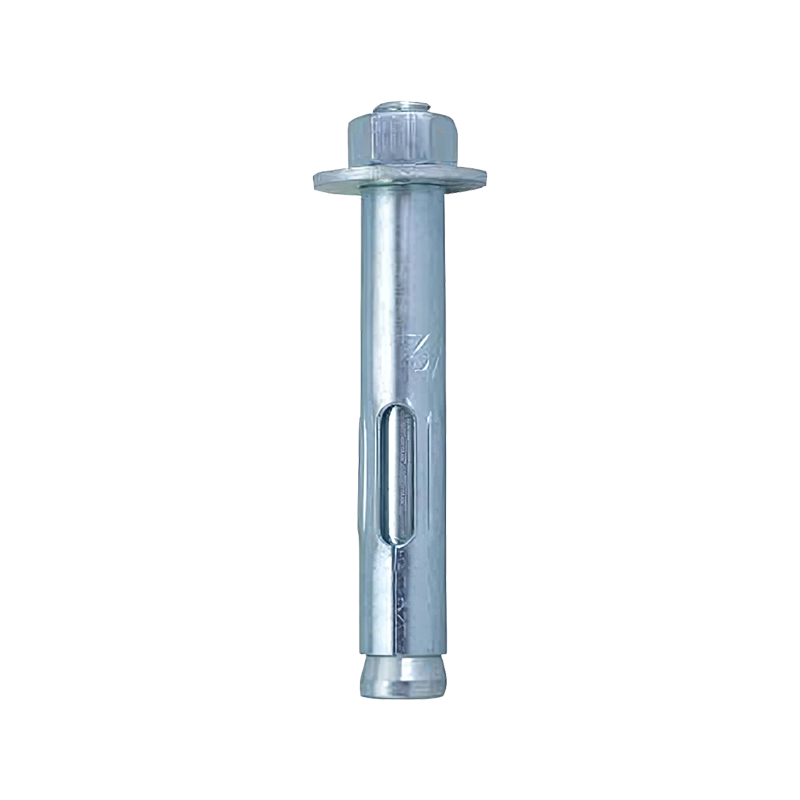
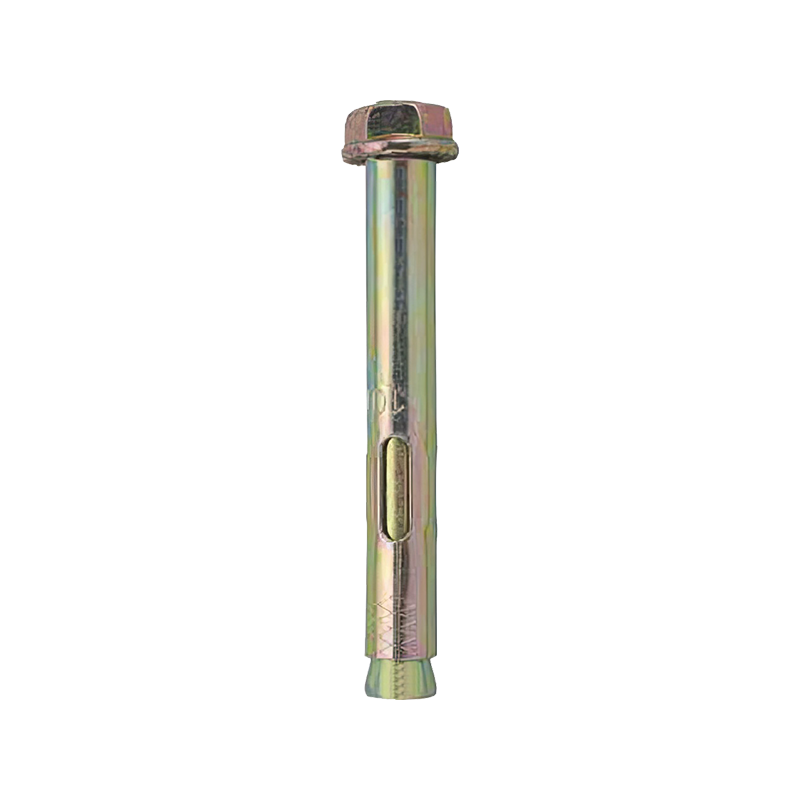
Ultra Wedge Anchor belongs to the torque-controlled expansion anchor category. Its core structure consists of a bolt, an expansion cone, an expansion clip (wedge), and a nut washer. After it is placed into a pre-drilled hole, by applying a predetermined torque, the bolt drives the cone to squeeze the expansion clip outwards. Under the action of radial force, the clip opens tightly and embeds into the wall of the concrete substrate, thereby forming a powerful mechanical locking force between the wall of the hole and the anchor.
Compared with traditional chemical anchors, the advantage of Ultra Wedge Anchor lies in its readiness for immediate use, without the need to wait for curing time, and the installation process is not affected by ambient temperature and the degree of humidity in the hole, which greatly improves construction efficiency. Its unique geometric design can ensure that the expansion force is distributed as evenly as possible, effectively reducing stress concentration on the concrete substrate.
Key Technical Performance and Parameter Comparison
To ensure the stability of the anchoring project, design and construction personnel need to perform reasonable selection for Ultra Wedge Anchor based on the nature of the load and the strength of the substrate. The following table lists the reference data for standard mechanical performance under different specifications:
| Specification Model | Drill Hole Diameter (mm) | Minimum Embedment Depth (mm) | Recommended Tensile Value (kN) | Recommended Shear Value (kN) |
| M8 | 8 | 40 | 5.5 | 6.2 |
| M10 | 10 | 50 | 8.2 | 9.5 |
| M12 | 12 | 60 | 12.4 | 14.8 |
| M16 | 16 | 80 | 18.6 | 22.5 |
| M20 | 20 | 100 | 25.4 | 31.2 |
Note: The above data is obtained based on C30 standard concrete strength tests. In actual engineering applications, reduction calculations should be performed based on the actual compressive strength of the concrete.
Standard Installation Process and Key Technical Points
Correct installation is the prerequisite for Ultra Wedge Anchor to exert its designed bearing capacity. Any negligence in installation details may lead to anchor failure or a significant decrease in bearing capacity.
Hole Diameter and Depth Control: A hammer drill bit that meets the specifications must be used for vertical drilling. If the hole diameter is too large, it will lead to insufficient expansion force, and the hole depth should be at least 10-15mm deeper than the embedment depth of the anchor to accommodate drill debris.
Hole Cleaning Treatment: This is the most easily overlooked step. Accumulated dust inside the hole must be thoroughly removed using compressed air or a brush. Residual dust will hinder the direct contact between the expansion clip and the hole wall, leading to slippage.
Installation Depth: Drive the anchor into the hole, ensuring it reaches the designed effective embedment depth. Non-standard methods of forcibly reaming the hole or shortening the embedment depth are prohibited.
Apply Torque: Use a calibrated torque wrench to tighten according to the torque value required by the specification manual. If the torque value is too small, sufficient preload cannot be generated, and if the torque is too large, it may cause bolt yield or damage the concrete substrate.
Application Scenarios Under Different Working Conditions
Ultra Wedge Anchor performs well in a variety of construction and equipment fixation fields. In steel structure installation, its high shear capacity effectively guarantees the stability of beam-column connections; in industrial production line installation, its excellent fatigue resistance enables it to cope with mechanical vibration environments; while in the fixation of curtain walls, railings, and pipe gallery supports, its beautiful surface treatment and corrosion resistance ensure safety during long-term exposure environments.
For structures in high-vibration or high-load environments, it is recommended to prioritize the selection of Ultra Wedge Anchor made of hot-dip galvanized or stainless steel materials to further improve the durability and safety of the anchoring system under extreme working conditions. By strictly following the technical parameters for selection and implementing standardized installation processes, it can be ensured that every Ultra Wedge Anchor anchoring point can achieve optimal technical performance indicators.


Contact Us