
 English
 中文简体
中文简体 русский
 Español
What Is a Machine Screw Anchor and How Does It Differ from a Drop-in Anchor
2026-03-23The Anatomy of Fastening: What are Screw Anchors?
In the fields of construction and engineering, when we need to fix an object to substrates that lack wood grain or metal threads—such as concrete, brick walls, or stone—traditional screws fail. At this point, the question What are screw anchors? becomes central to engineering quality.
Screw anchors are mechanical fastening components designed with the core mission of "creating friction." Because materials like concrete are brittle and dense, they cannot grip a screw by compressing fibers as wood does. Therefore, the anchor acts as an intermediary, converting the rotational force of the screw into outward expansion pressure.
The Physics of Anchoring
Screw anchors generally follow one of three basic mechanical principles:
Friction: The anchor expands in volume when stressed, pressing tightly against the hole walls.
Mechanical Interlock: The base of the anchor creates a zone inside the substrate that is larger than the drilled hole diameter.
Bonding: Using chemical adhesives to fuse the anchor and the substrate into a single unit.
Comparison of Common Anchor Categories
| Anchor Type | Working Principle | Primary Material | Common Applications |
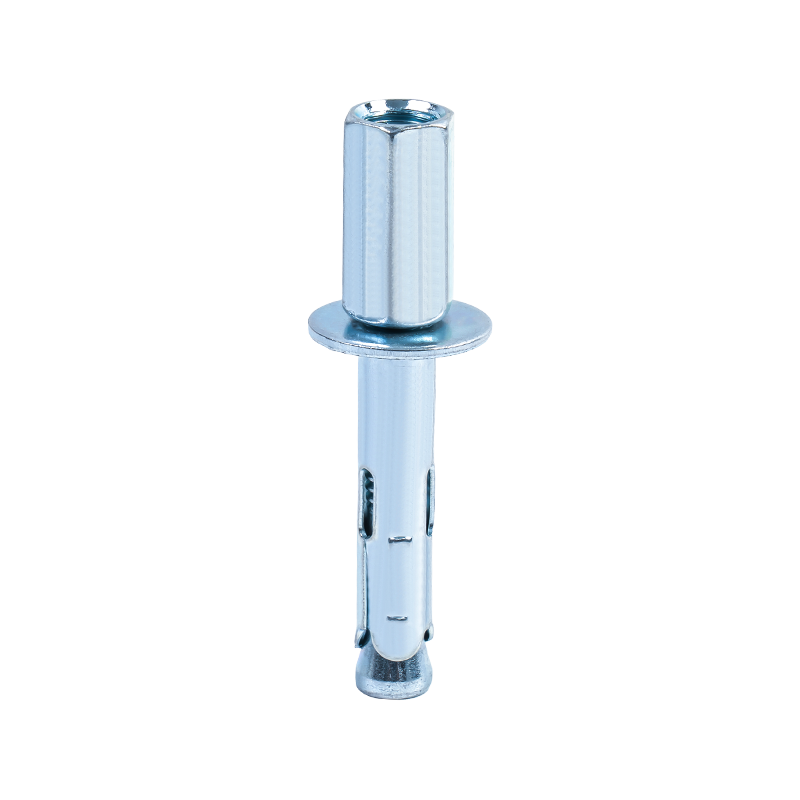
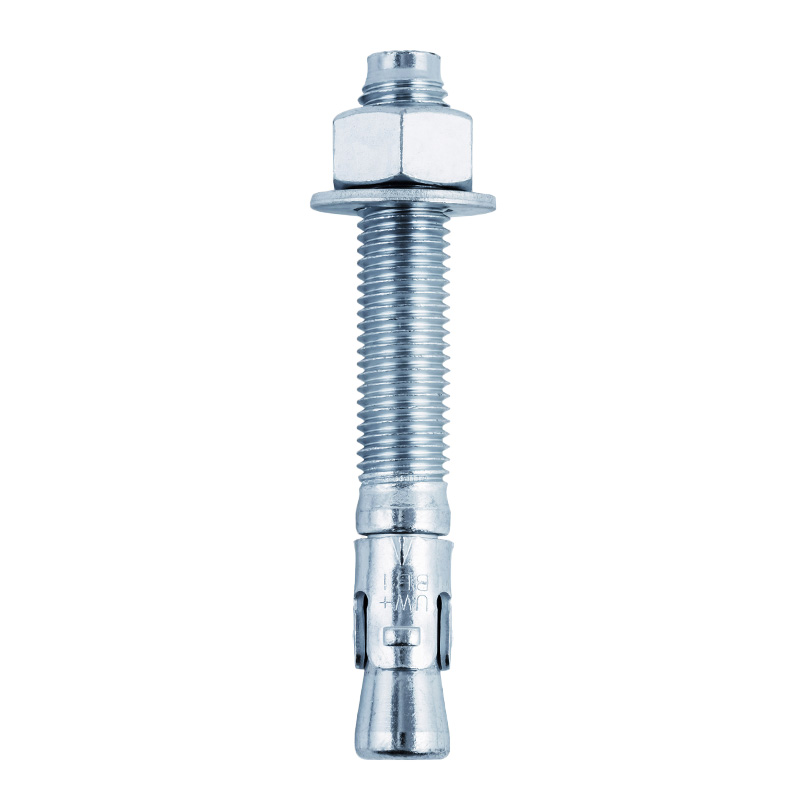
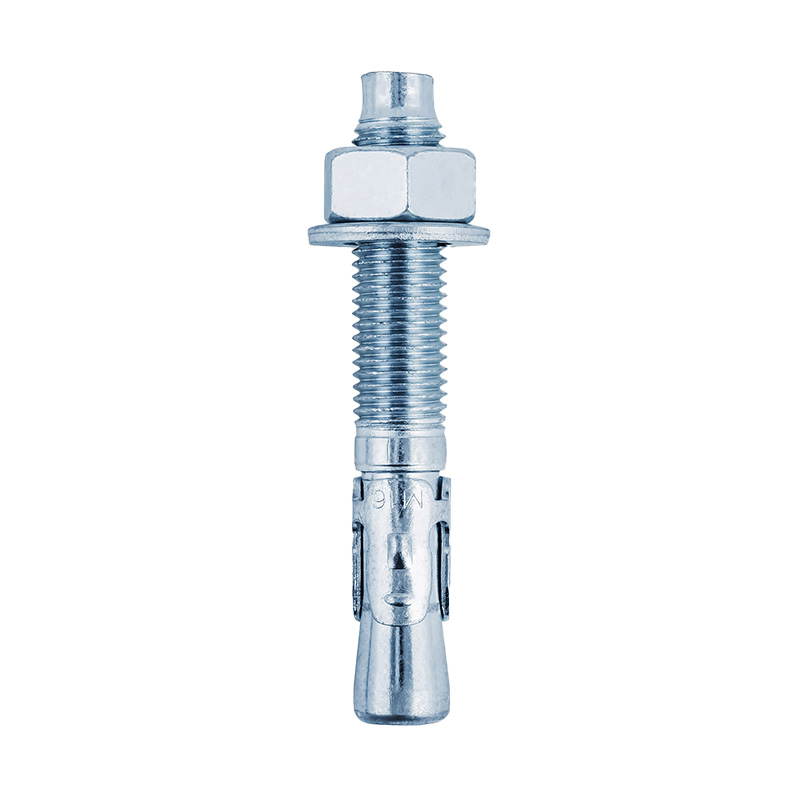
| Wedge Anchor | Base clip expansion | Carbon/Stainless Steel | Heavy structures, Concrete |
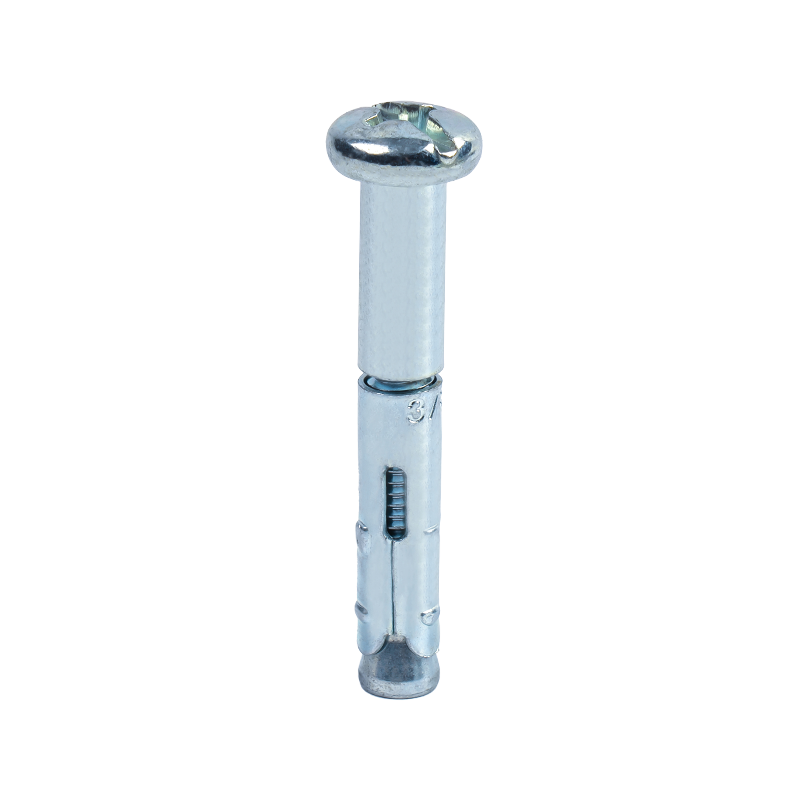
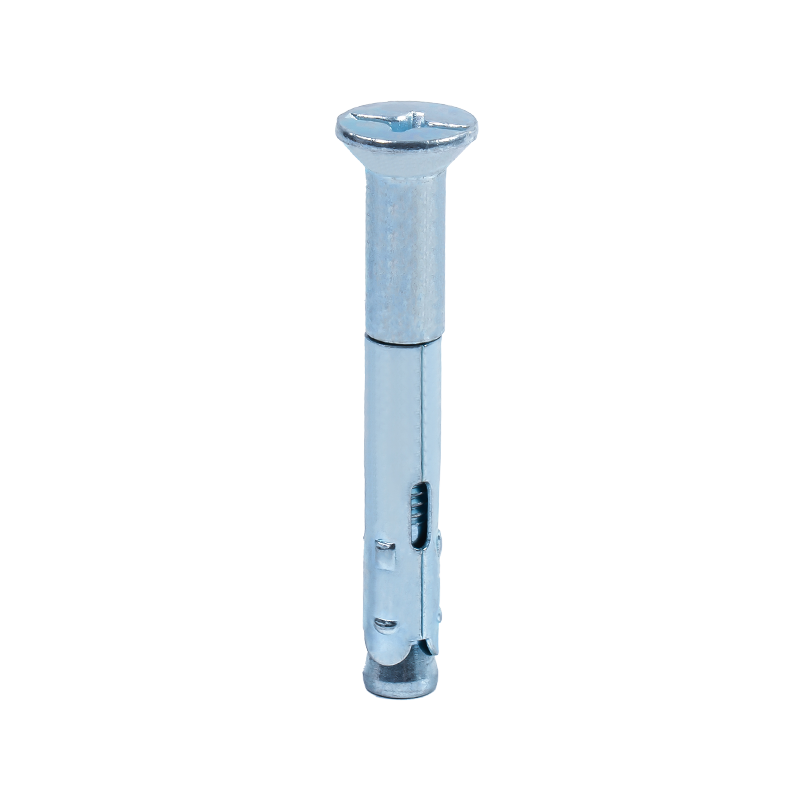
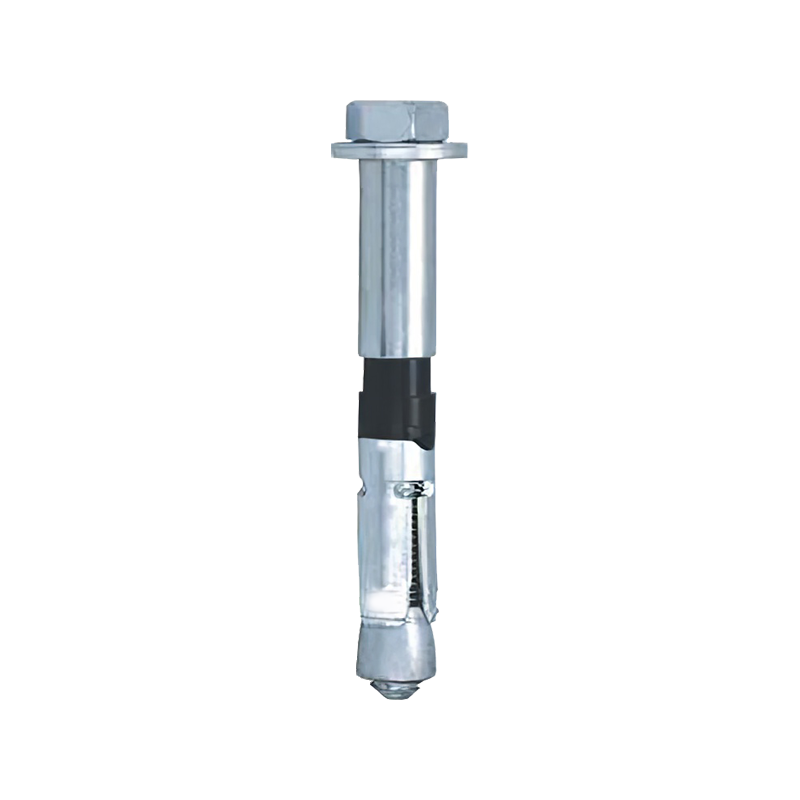
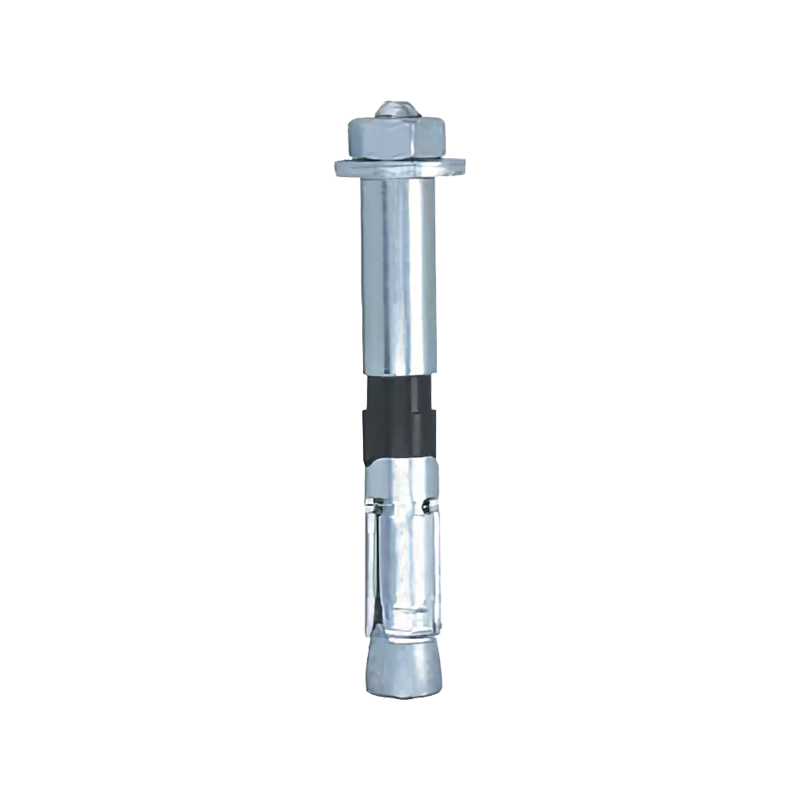
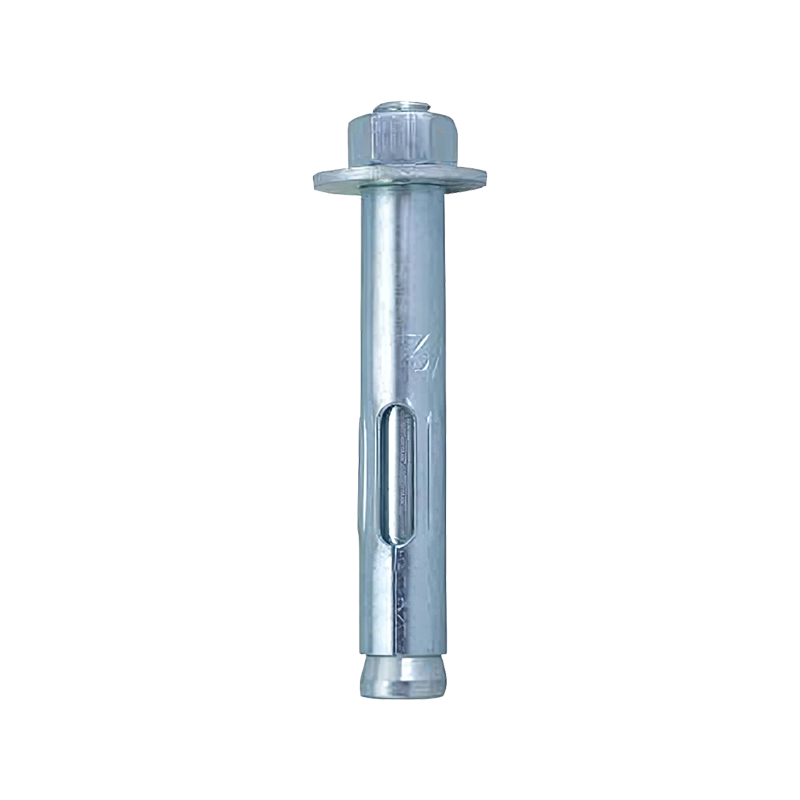
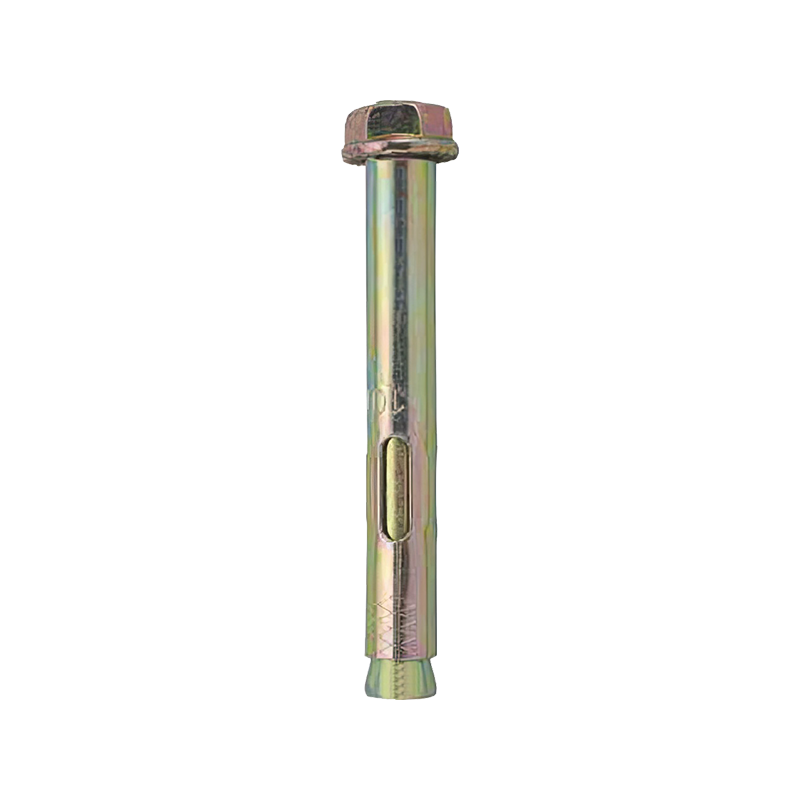
| Sleeve Anchor | Full-length sleeve expansion | Thin-walled steel | Brick walls, Medium loads |
| Drop-in Anchor | Internal cone displacement | Steel | Ceiling suspension, Solid concrete |
| Machine Screw Anchor | Lead sleeve and cone compression | Lead alloy + Brass/Steel cone | Masonry, old buildings, seismic scenes |
Deep Dive: What is a Machine Screw Anchor?
When narrowing the scope to discuss What is a machine screw anchor?, we are referring to a very specific and highly reliable expansion anchor.
A Machine Screw Anchor, also commonly known as a "caulk-in anchor," consists of two core parts: an internally threaded tapered expander (usually made of brass or steel) and a surrounding soft metal sleeve (usually a lead alloy).
Structural Features and Action Logic
The ingenuity of this anchor lies in its "pre-setting" mechanism:
Initial State: The anchor is a cylinder with the tapered wedge located inside the lead sleeve.
Installation Action: The installer uses a dedicated Setting Tool to strike the lead sleeve.
Deformation Process: Lead, being a highly ductile metal, "flows" and deforms outward along the internal taper when subjected to impact pressure.
Final Form: This deformation not only fills all microscopic gaps in the drilled hole but also wedges the lead sleeve firmly against the hole walls, creating a permanent internal threaded socket.
Core Parameters and Technical Specifications
| Nominal Diameter (Internal Thread) | Drill Bit Size | Min. Embedment | Typical Pull-out Strength |
| #6-32 | 5/16" | 1/2" | ~450 lbs |
| 1/4"-20 | 1/2" | 7/8" | ~1,200 lbs |
| 3/8"-16 | 3/4" | 1-1/4" | ~2,500 lbs |
| 1/2"-13 | 7/8" | 1-1/2" | ~3,600 lbs |
The Naming Convention: Why is it Called a Machine Screw?
Beginners often wonder: since it is inserted into stone or concrete, Why is it called a machine screw? This actually stems from the definition of fastener pairing standards.
In the world of fasteners, screws are mainly divided into two camps:
Self-tapping/Wood Screws: They have sharp ends and wide thread pitches, designed to drill or cut their own threads.
Machine Screws: They have precise, standardized threads (such as UNC or UNF) and usually have flat ends. They must be used with pre-machined internal threads (such as a nut or the anchor discussed here).
It is called a Machine Screw Anchor because:
Compatibility: The internal threads of the anchor fully comply with machine screw standards. This means you can use any standard bolt, hex screw, or threaded rod to connect with it.
Removability: Unlike expansion bolts driven directly into the wall, when using a machine screw anchor, you can unscrew the bolt at any time for equipment maintenance or replacement, while the anchor body remains permanently embedded in the wall, waiting for the next bolt.
Precision Requirements: This connection method offers higher fatigue resistance and more uniform stress distribution than ordinary self-tapping connections.
Head-to-Head: What is the Difference Between a Drop-in Anchor and a Machine Screw Anchor?
On-site, many technicians confuse the two because their appearance before installation is similar—both have cylindrical structures and provide internal threads. However, there are fundamental differences in mechanical behavior and suitable substrates.
Core Difference Analysis
Material and Toughness: A Drop-in Anchor is typically made of all steel. It is very hard and relies on an internal steel wedge to force open the expansion tube. A Machine Screw Anchor uses a lead alloy sleeve, which allows it to compensate for irregularities in the hole.
Substrate Suitability: The Drop-in Anchor can only be used in solid, high-strength concrete. The Machine Screw Anchor is the "savior" of masonry engineering. Because the lead sleeve can produce a "flow" effect, it performs exceptionally well in older red bricks, sandstone, and even mortar joints.
Embedment Depth: Drop-in Anchors require deeper drilling because they rely on the overall strength of the deep-layer concrete. Machine Screw Anchors are shallow-embedment anchors, ideal for scenarios where the substrate thickness is limited.
Technical Parameter Comparison Table
| Feature | Machine Screw Anchor | Drop-in Anchor |
| Main Material | Lead Alloy + Brass/Steel Cone | Carbon Steel / Stainless Steel |
| Installation Tool | Dedicated Setting Tool | Dedicated internal displacement punch |
| Substrate Requirement | Broad (Concrete, Brick, Stone, Block) | Strict (Solid concrete only) |
| Load Type | Light-to-Medium load | Medium-to-Heavy load |
| Vibration Resistance | Excellent (Lead damping) | Fair |
| Corrosion Resistance | High (Non-ferrous combo) | Depends on coating |
Step-by-Step Installation Guide for the Machine Screw Anchor
Installing a Machine Screw Anchor isn't just about stuffing it into a hole. 90% of its strength depends on the "setting" step.
Detailed Installation Steps
Drilling: Use a masonry bit of the corresponding diameter. Note that because the lead sleeve is soft, the hole diameter must be precise.
Cleaning: This is the most frequently ignored step. Dust at the bottom of the hole prevents the cone from moving upward. It is recommended to use a blow bulb or brush to clean it at least three times.
Insertion: Push the anchor into the hole. The top of the anchor (the lead sleeve part) should be flush with the substrate surface. Note: The internally threaded cone must face the bottom of the hole.
The Setting Action: Insert the dedicated setting tool into the hole. Strike the top of the tool firmly with a hammer. At this point, the lead sleeve is pushed toward the bottom cone, forcing it to expand.
Fastening: Pass the bolt through the fixture and screw it into the standard machine screw threads.
Pro-Tips: Applications and Best Practices
After understanding What are screw anchors?, master these professional tips when applying the Machine Screw Anchor in practice:
Construction Recommendations
Edge Distance: When installing near the edge of a brick wall, it is recommended to keep a distance of at least 5 times the anchor diameter to prevent cracking.
Thread Engagement: Ensure the length of the machine screw entering the anchor is at least equal to the nominal diameter of the anchor to ensure the threads do not strip under shear force.
Waterproof Applications: Since lead and brass do not rust, these anchors are often used for pool handrails and outdoor signage.
FAQ: Common Questions and Expert Insights
User Concerns and Knowledge
Q: Why is my anchor spinning in the hole with the screw?
A: This is usually due to two reasons: the hole was drilled too large, or a Setting Tool was not used to pre-expand it. The Machine Screw Anchor must be expanded by external force first to generate initial friction.
Q: Can I just use a regular bolt to expand it?
A: No. The rotational force of a bolt is not enough to cause the thick lead sleeve to deform. A strike-type setting tool must be used.
Q: If installed incorrectly, how do I remove it?
A: Since the lead sleeve has deformed and embedded into the hole walls, it cannot be pulled out directly. The usual method is to use a drill bit slightly larger than the inner diameter to destroy the lead sleeve.
Q: How much weight can it hold?
A: This depends on the substrate. In standard concrete, a 1/4-inch anchor can typically safely hang a static load of 200-300 lbs.
Q: What is the difference between this and a plastic wall plug?
A: Plastic plugs become brittle and age over time. The Machine Screw Anchor is a permanent metal connection with creep resistance far exceeding plastic products.


Contact Us