
 English
 中文简体
中文简体 русский
 Español
How to select a machine screw anchor with the appropriate diameter and length based on load requirements
2025-12-15Basic Concept of Machine Screw Anchors
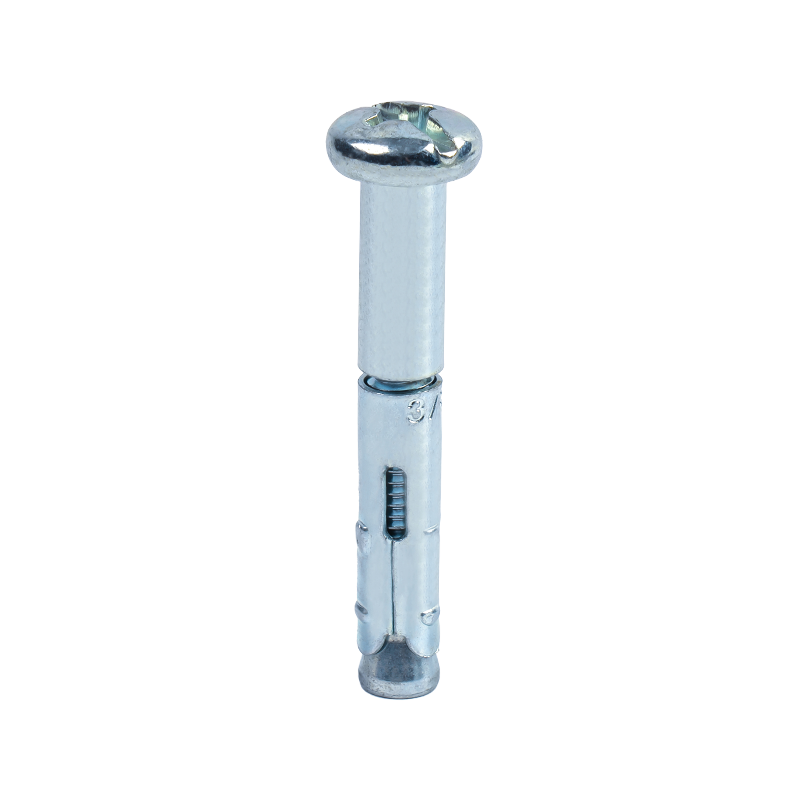
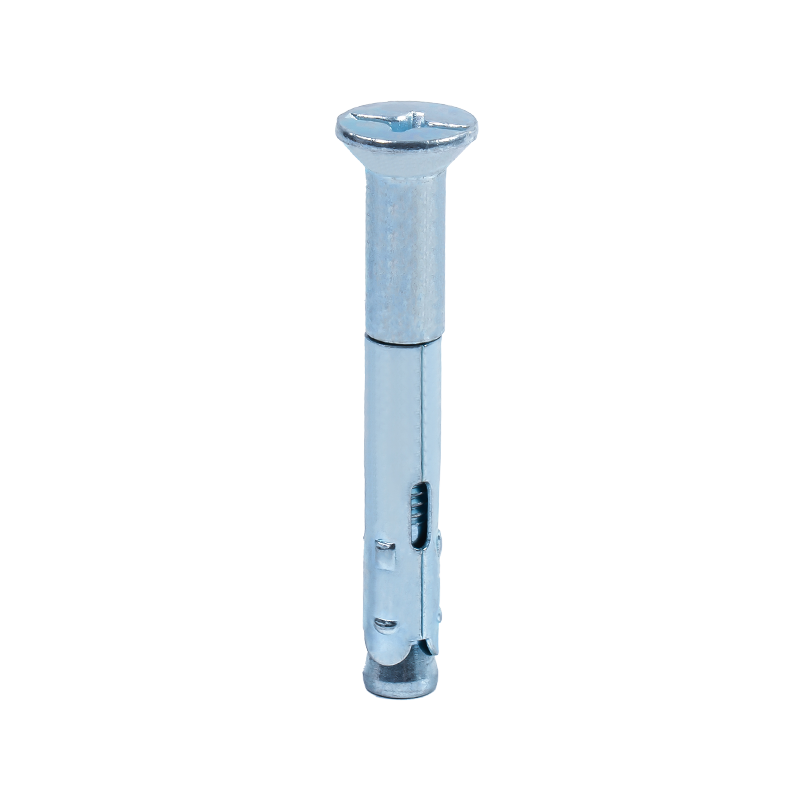
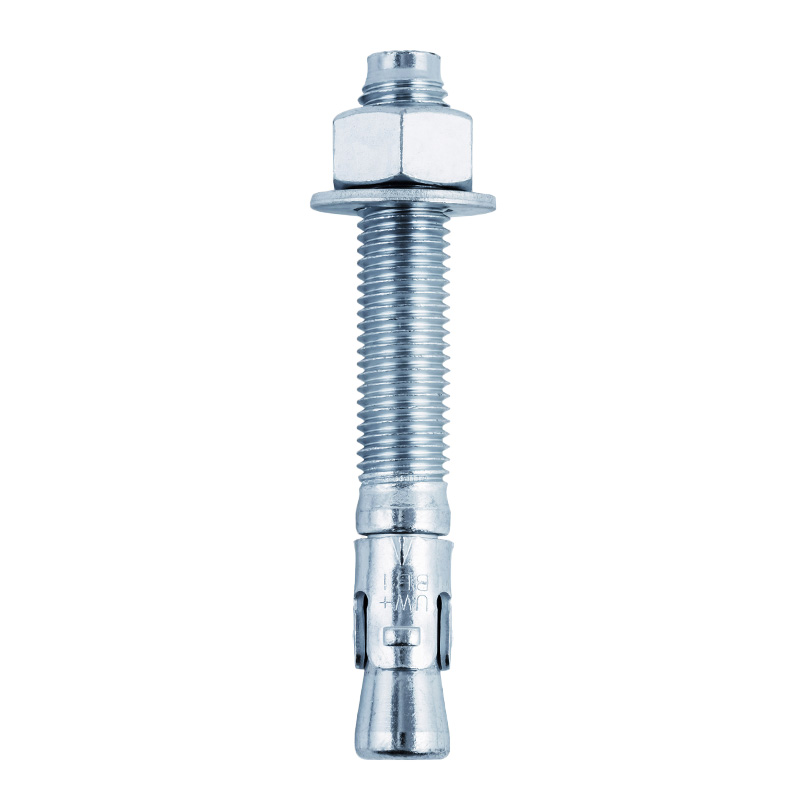
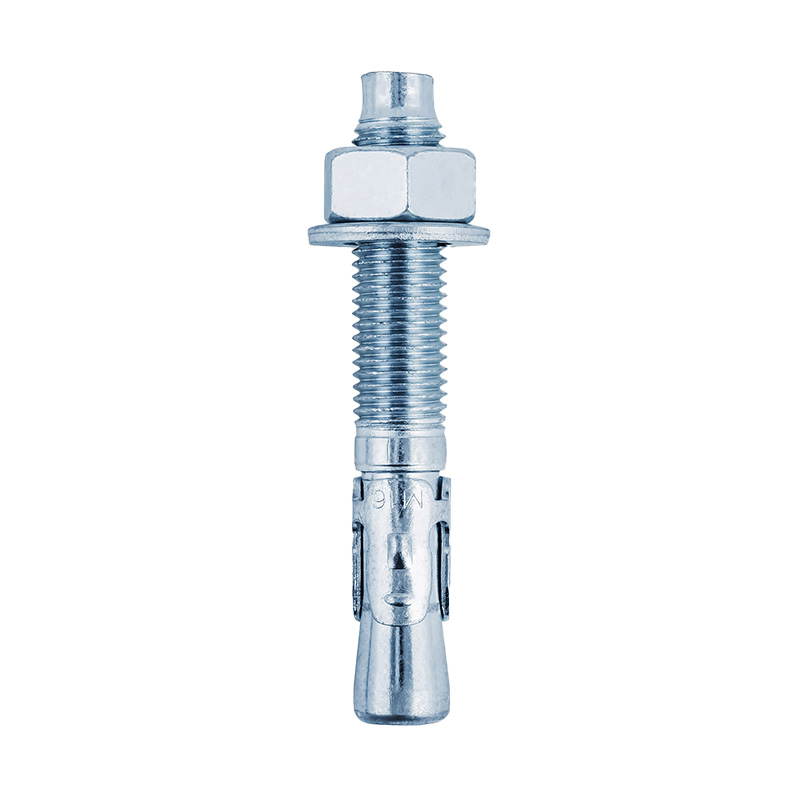
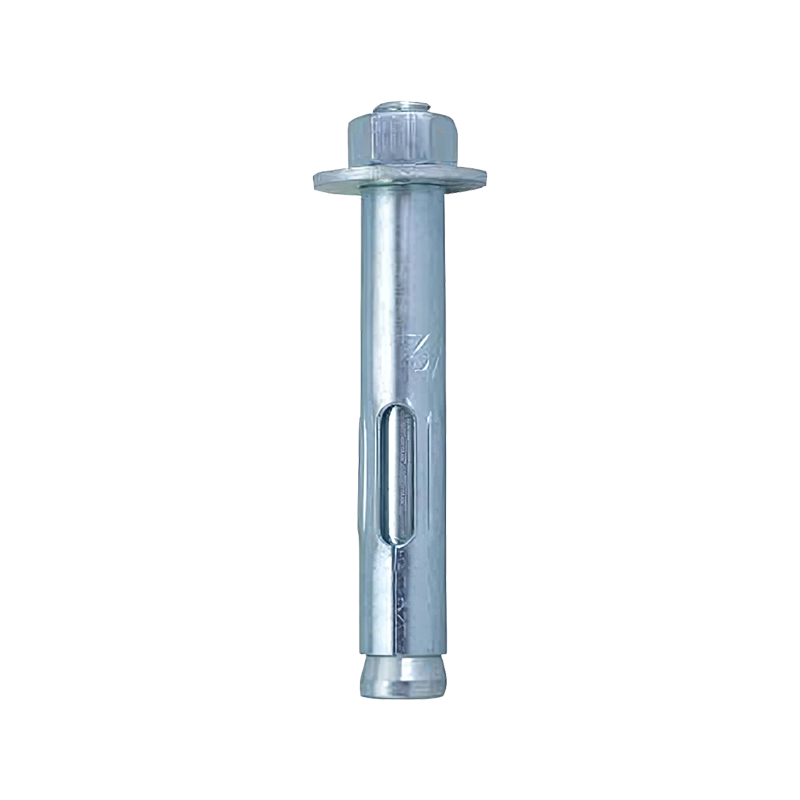
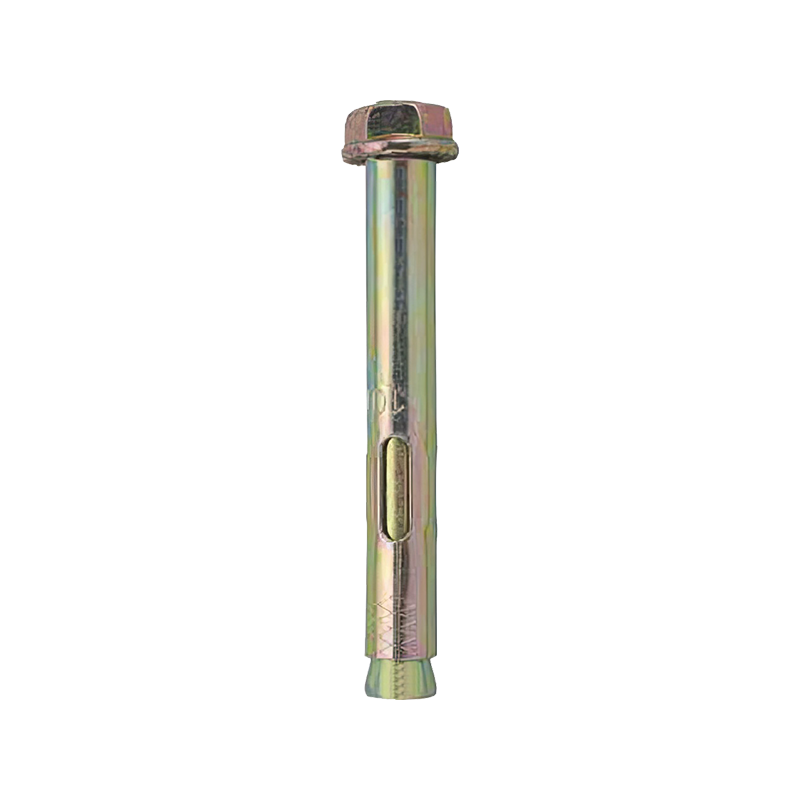
Machine screw anchors are fasteners commonly used for securing light to medium loads in various substrates such as concrete, brick, and drywall. Their core function is to achieve secure fixation through the thread’s friction and mechanical interlocking with the substrate. Diameter and length are the most critical parameters that directly influence load-bearing capacity and installation safety.
How Load Type Affects Diameter Selection
Different types of loads impose specific requirements on the diameter of machine screw anchors. Static loads exert constant force, causing the anchor to primarily resist tension and shear. Dynamic or impact loads may lead to fatigue damage over time. Generally, higher loads require anchors with larger diameters. When selecting diameter, it is essential to refer to product specification tables for tensile and shear strengths, ensuring the selected diameter meets the safety factor required for the actual working load.
The type of substrate also affects diameter selection. Concrete and brick have different load-bearing capabilities. A screw anchor of the same diameter may support significantly less load in a softer brick wall compared to solid concrete. For heavy loads or fragile substrates, increasing the diameter or selecting specialized reinforced anchors ensures installation safety.
How Load Magnitude Determines Length
The length of a machine screw anchor determines the embedding depth within the substrate. Greater embedding depth increases friction and anchoring force, thereby improving load capacity. Typically, the anchor length should exceed the thickness of the item being secured while ensuring sufficient engagement depth in the substrate. For tensile applications, the embedding depth should be at least 8–10 times the anchor diameter to prevent pullout. Shear applications are less sensitive to length, but sufficient contact with the substrate is still required to prevent shear failure.
Length selection also considers installation space and anchor head type. Proper seating of the anchor head ensures even force distribution, reducing stress concentration. For multi-layer or hollow substrates, special anchor designs or expansion sleeves may be needed to achieve adequate length and load performance.
Safety Factors and Load Calculations
In engineering practice, selecting anchor diameter and length involves not only the rated load but also safety factors. Safety factors typically range from 2 to 5, depending on load type, environmental conditions, and expected lifespan. By calculating the maximum applied load and consulting the anchor specification tables, engineers can ensure the chosen anchor exceeds the load with the appropriate safety margin.
For high-demand applications, engineers often use calculation formulas or software to determine precise tensile and shear strengths. Factors considered include thread friction coefficient, substrate density, anchor material strength, and installation depth. Accurate calculations prevent failures caused by undersized anchors and ensure reliable, long-term performance.
Practical Application Examples
Applications such as furniture mounting, mechanical equipment installation, and interior construction illustrate the importance of diameter and length selection. For instance, a wall-mounted bracket supporting up to 50 kg typically requires a 6 mm diameter, 40 mm long machine screw anchor. For vibrating machinery supports carrying over 100 kg, anchors with diameters of 8–10 mm and lengths of 60–80 mm are recommended, with adequate embedding in concrete or brick to resist tensile forces.
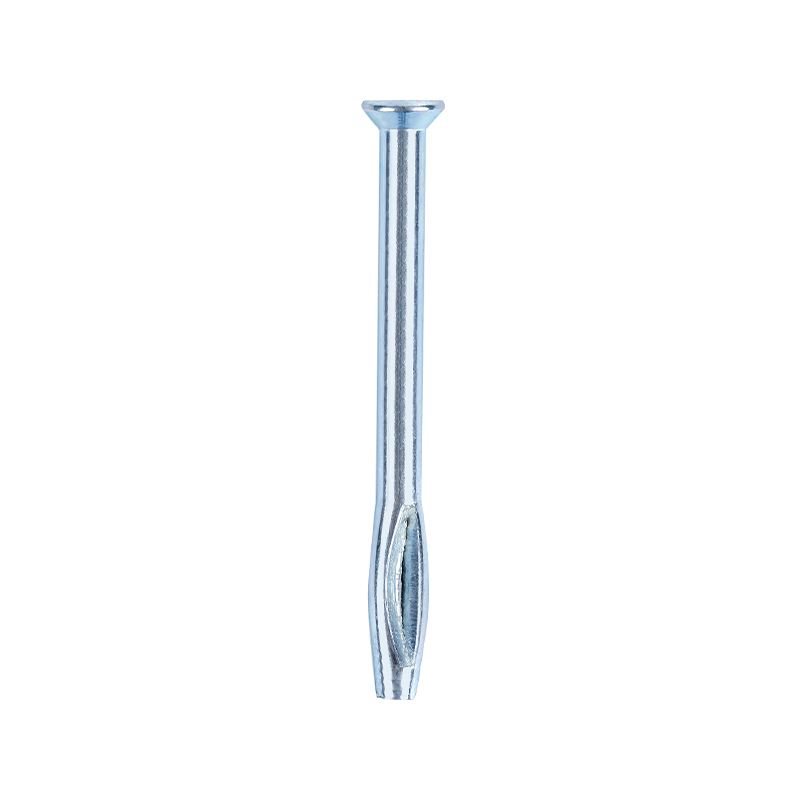
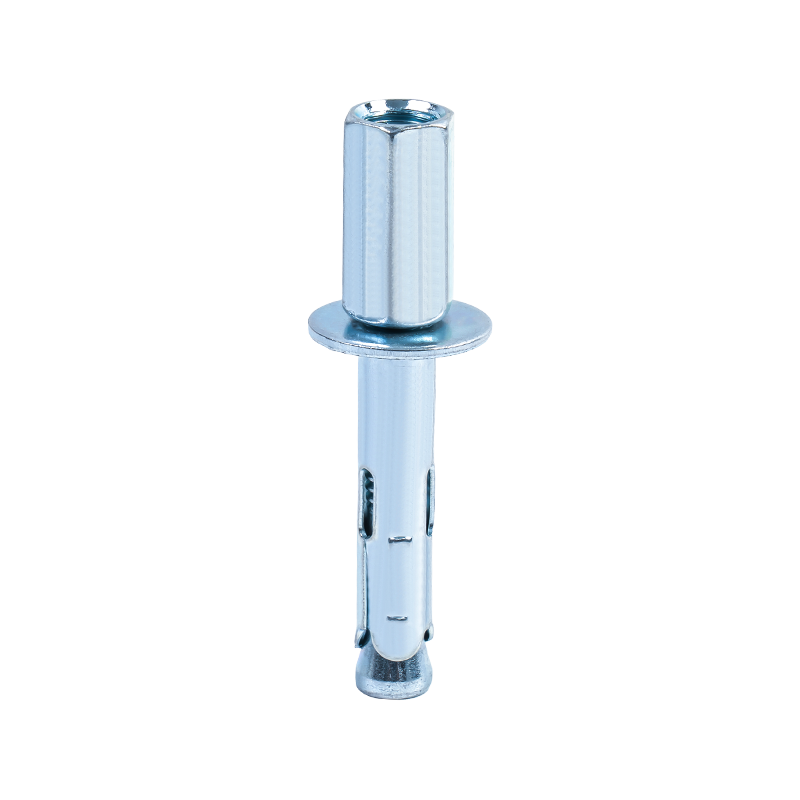
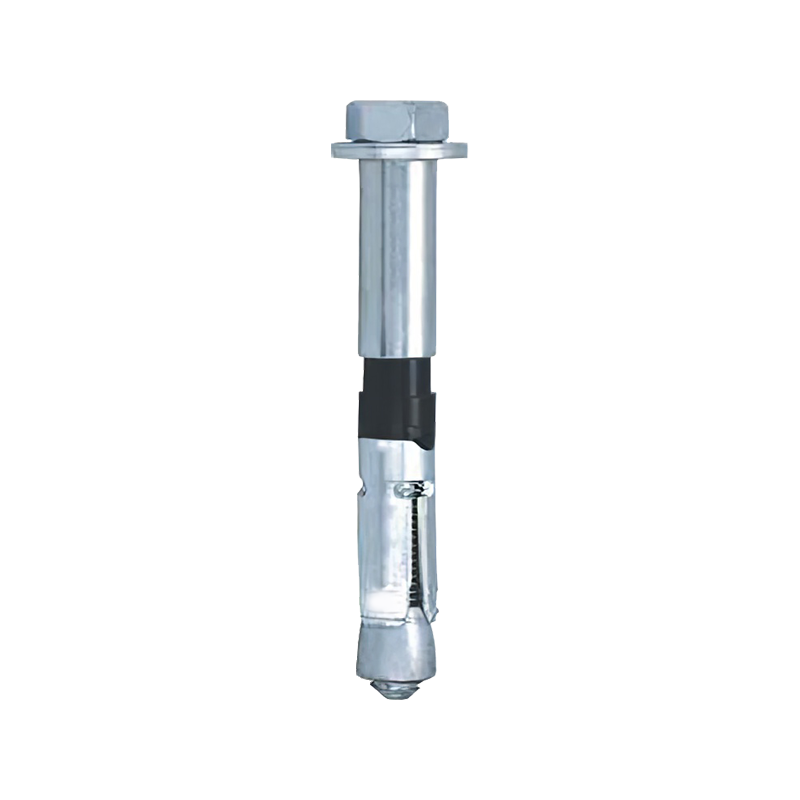
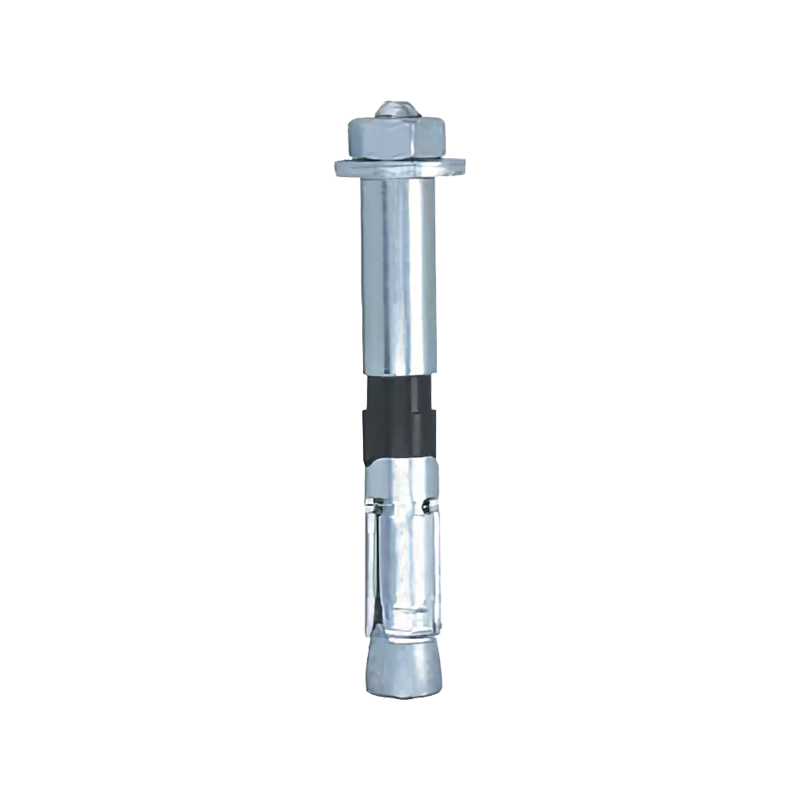
For hollow walls or lightweight materials, increasing anchor length or using expansion-type machine screw anchors prevents local substrate failure. By analyzing load and substrate conditions, engineers can select the appropriate anchor size, ensuring secure, stable, and long-lasting installations.


Contact Us