
 English
 中文简体
中文简体 русский
 Español
How to Install and Properly Select a Single Expansion Anchor for Concrete Structures
2026-06-22In modern industrial installation and structural connection, the reliability of fastening systems directly affects the stability of the entire project. The single expansion anchor, as a classic post-installed fastener, exhibits excellent load-transfer capabilities in solid materials such as solid concrete and masonry structures due to its unique mechanical expansion principle. Understanding the specifications and parameters of the single expansion anchor is crucial for improving installation precision and ensuring connection strength.
Core Structure and Working Mechanism
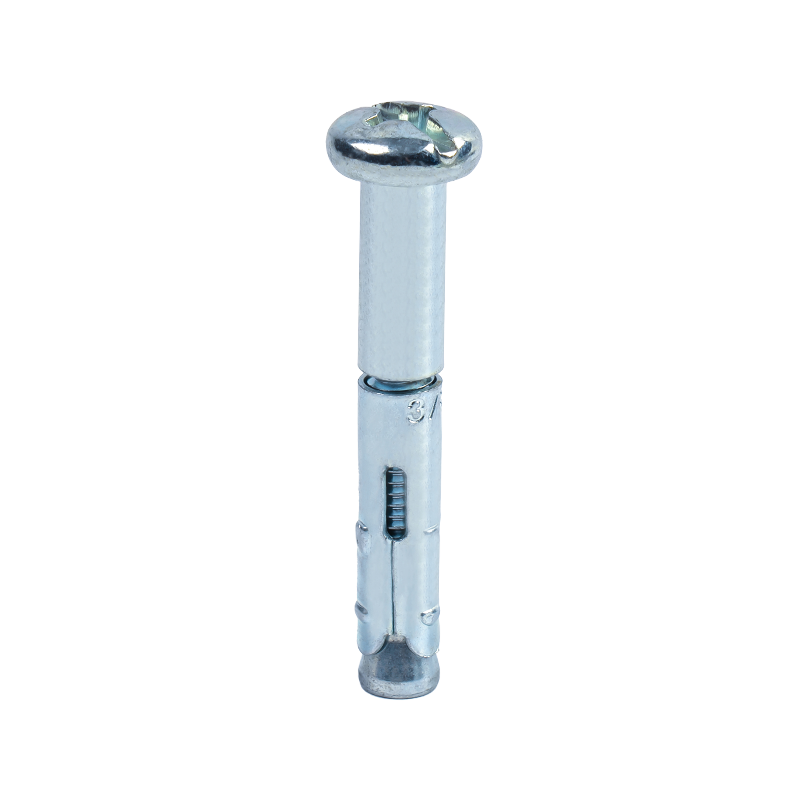
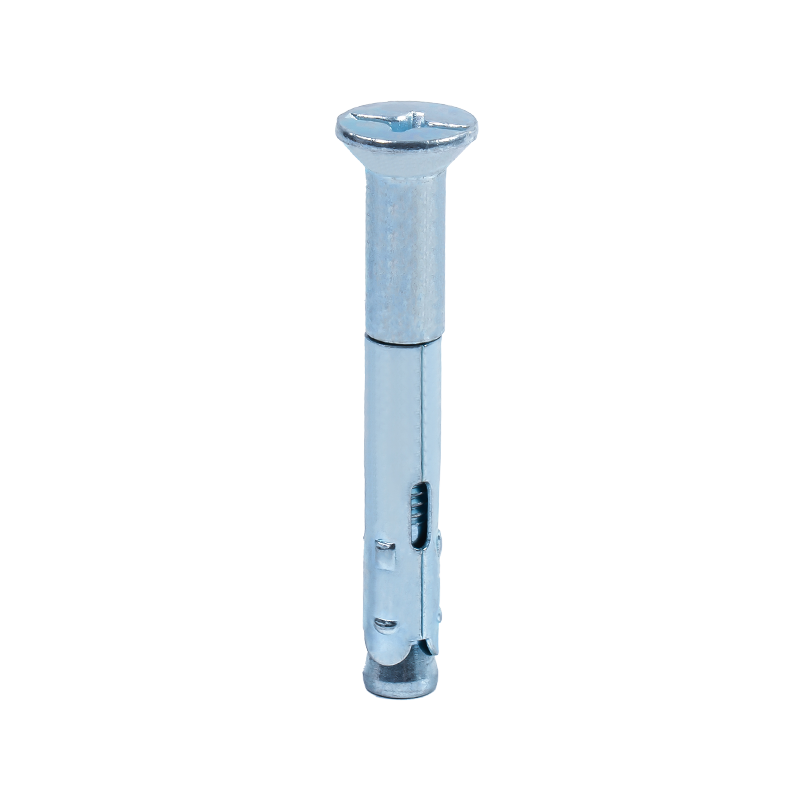
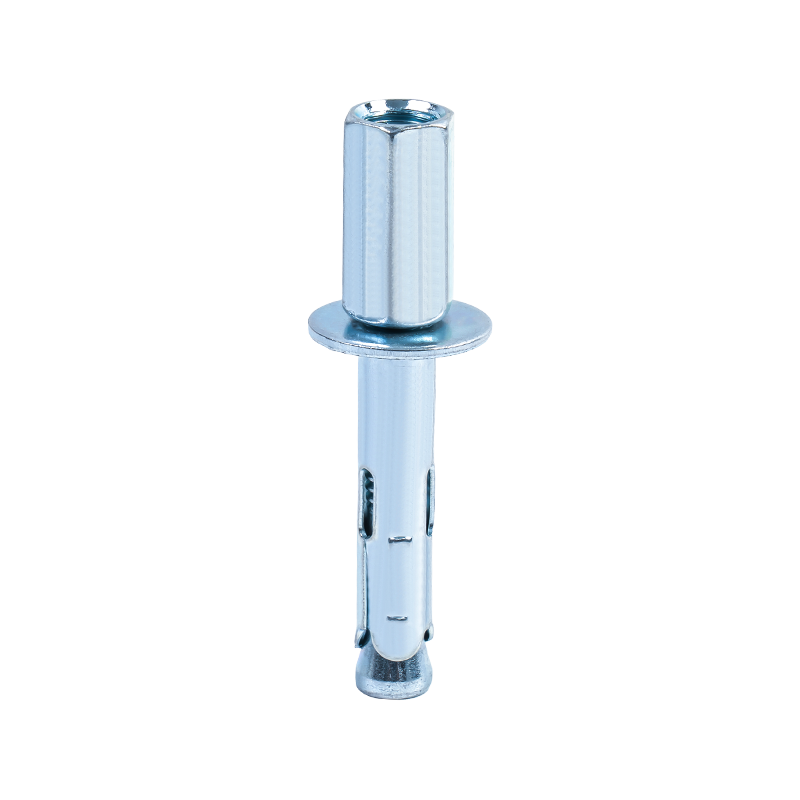
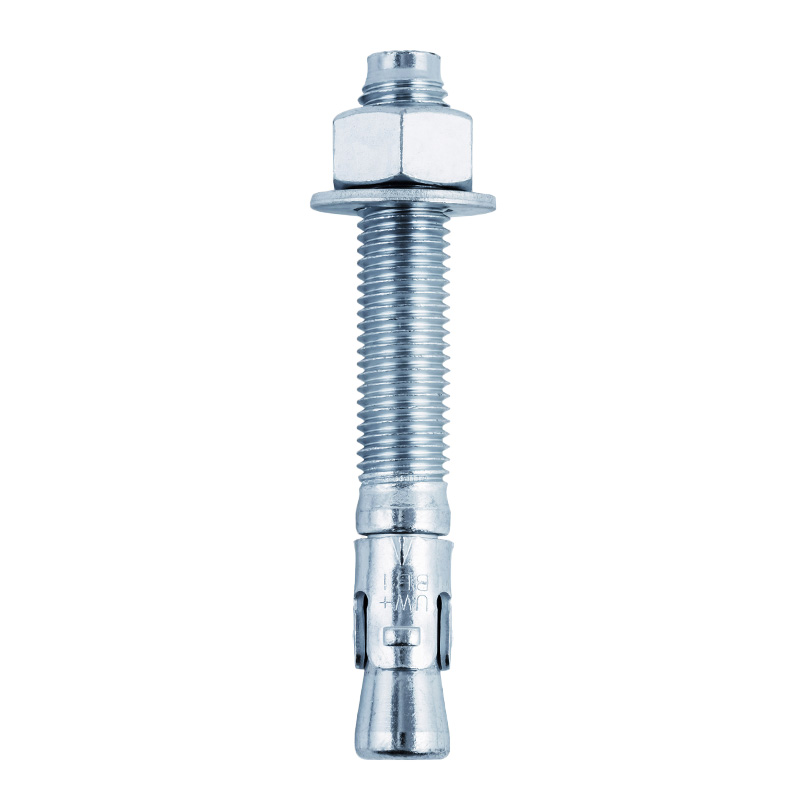
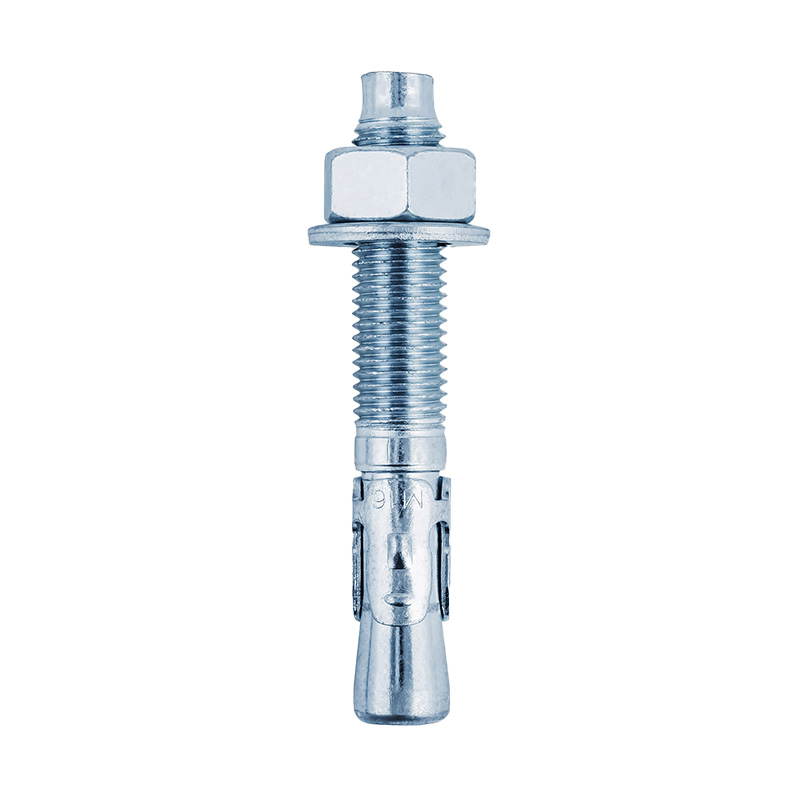
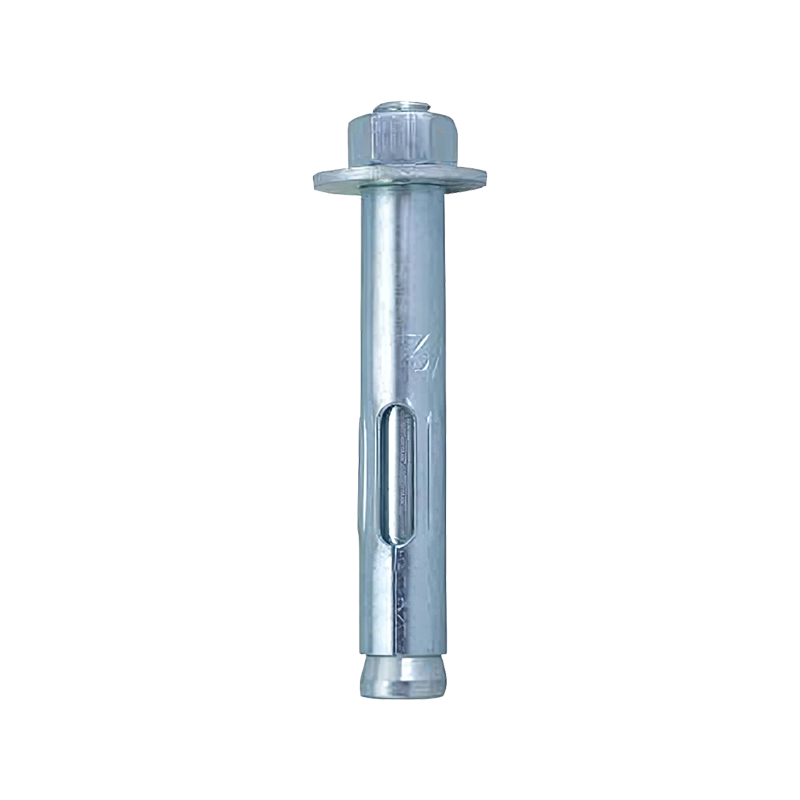
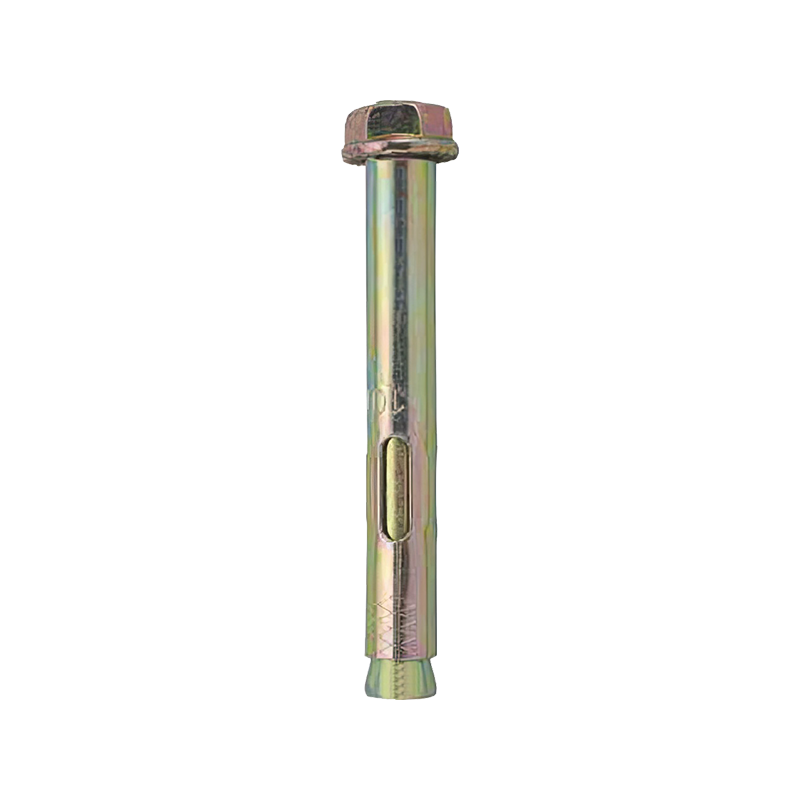
The single expansion anchor consists of two core components: an external expansion sleeve and an internal wedge-shaped expansion cone. The anchor is typically machined from high-strength alloy materials, and the surface of the sleeve is designed with ribbing or corrugated structures to enhance friction within the drilled hole. During installation, as the machine-threaded bolt is screwed in, the internal cone is pulled outward, forcing the external sleeve to expand uniformly. This generates powerful radial pressure, thereby forming a stable frictional lock within the substrate.
This type of fastener is particularly suitable for applications requiring disassembly, as its internal thread design allows for bolt replacement without damaging the substrate, increasing the flexibility of system maintenance.
Common Specification Parameter Comparison
To meet different installation requirements, the single expansion anchor provides a variety of size standards. The following are common sizes and their corresponding installation reference data:
| Nominal Diameter | Recommended Drill Bit Diameter (in) | Thread Specification (UNC) | Minimum Embedment Depth (in) | Maximum Tightening Torque (ft-lbs) |
| 1/4 single expansion anchor | 1/2 | 1/4-20 | 1-3/8 | 5 |
| 5/16 single expansion anchor | 5/8 | 5/16-18 | 1-5/8 | 7 |
| 3/8 single expansion anchor | 5/8 | 3/8-16 | 1-5/8 | 10 |
| 1/2 single expansion anchor | 7/8 | 1/2-13 | 2-1/2 | 20 |
| 5/8 single expansion anchor | 1 | 5/8-11 | 2-3/4 | 30 |
| 3/4 single expansion anchor | 1-1/4 | 3/4-10 | 3-3/8 | 60 |
Construction Installation Points and Performance Assurance
To ensure the design load-bearing capacity of the single expansion anchor, strict adherence to construction regulations is required:
Drill Precision Control: An impact drill and industry-standard carbide drill bits must be used. The drill hole diameter must strictly match the outer diameter of the single expansion anchor to ensure moderate hole wall roughness.
Hole Cleaning: Residual dust and debris significantly reduce the coefficient of friction. It is recommended to use a wire brush for reciprocating cleaning and combine it with compressed air or vacuum equipment to remove impurities at the bottom of the hole.
Installation Depth: The single expansion anchor must be fully submerged below the substrate surface, making it flush with the installation plane by tapping lightly.
Torque Calibration: When screwing in the bolt, a professional torque wrench should be used to prevent excessive tightening, which could cause stress concentration in the substrate or failure of the internal expansion cone.
Common Application Scenarios and Considerations
The single expansion anchor is widely used in various industrial equipment installations, piping support systems, and heavy-duty shelving fixation. Its notable advantages include:
High Adaptability: Suitable for various dense substrates such as concrete, solid brick, and stone.
Reusability: Through the internal threaded connection method, it can be disassembled when equipment is upgraded, protecting the original anchoring point.
Corrosion Resistance: The surface is typically treated with special alloy anti-rust coating, adapting to complex environments.
It should be noted that this type of anchor is not recommended for suspended safety support systems or overhead operations with high dynamic loads. When selecting different sizes such as the 1/4 single expansion anchor or the 3/4 single expansion anchor, be sure to calculate the required embedment depth and edge distance according to stress analysis.
Common Technical Questions and Answers
How to judge if the drilling depth is sufficient? Usually, it is recommended that the drilling depth be 1/4 inch deeper than the embedment depth of the single expansion anchor to prevent debris accumulation from affecting the anchor seating.
How to choose the right drill bit size? The drill bit diameter must be equal to the nominal sleeve outer diameter of the single expansion anchor to ensure a tight installation.
What is the effect of substrate strength on anchoring force? The higher the compressive strength of the concrete, the more ideal the ultimate pull-out strength of the single expansion anchor generally is.
What is the reason if there is very little rotational resistance during installation? This usually means the hole diameter is too large, causing insufficient expansion of the sleeve. Installation should be stopped, and the drill bit diameter should be re-evaluated.
Can the single expansion anchor be used on perforated bricks? It is not recommended for use in porous or hollow materials as they cannot provide a sufficient lateral expansion support surface.
What is the necessity of cleaning the hole? Dust in the hole forms an isolation layer, hindering effective frictional contact between the sleeve and the hole wall, easily leading to fastening failure.
How to determine the tightening torque? The torque value should be set according to the specific project load table; do not exceed the physical limits recommended in the table.
Does the single expansion anchor support anti-vibration design? It performs well in light vibration environments, but for strong seismic loads, specifically certified anti-seismic anchoring systems need to be evaluated.
Is there a sequence for installing different sizes? The installation sequence is: Drill hole -> Clean -> Insert single expansion anchor -> Place workpiece -> Tighten bolt.
How to handle a rusted bolt after long-term use? Since the single expansion anchor system allows for bolt replacement, if the bolt is severely corroded, the old one can be directly unscrewed and replaced with a new one of the same specification without removing the sleeve.


Contact Us