
 English
 中文简体
中文简体 русский
 Español
How Do Expansion Bolts for Concrete Work and Hold Weight
2026-07-06How Do Expansion Bolts for Concrete Work and How Should They Be Installed?
Selecting and installing expansion bolts for concrete requires more than matching a bolt diameter to a drilled hole. Concrete strength, anchoring depth, edge distance, load direction, corrosion exposure and installation torque all influence the final fastening performance. This technical guide explains how expansion bolts work, how to install them correctly and how to choose a suitable anchor configuration for different construction and equipment-fixing applications.
What Is an Expansion Bolt?
A mechanical anchor designed to develop holding force inside a pre-drilled hole.
Basic Construction
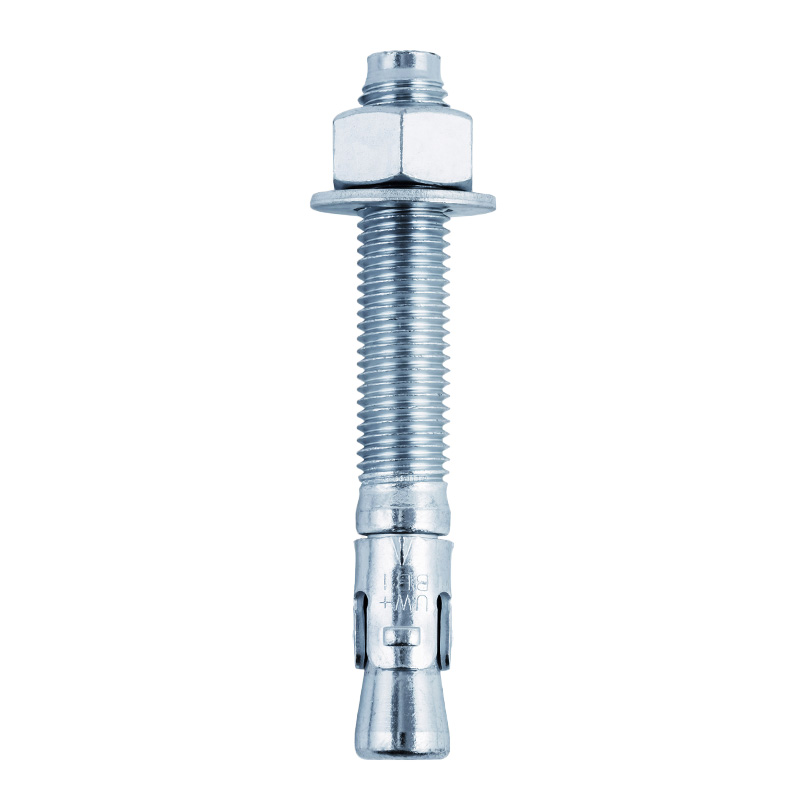
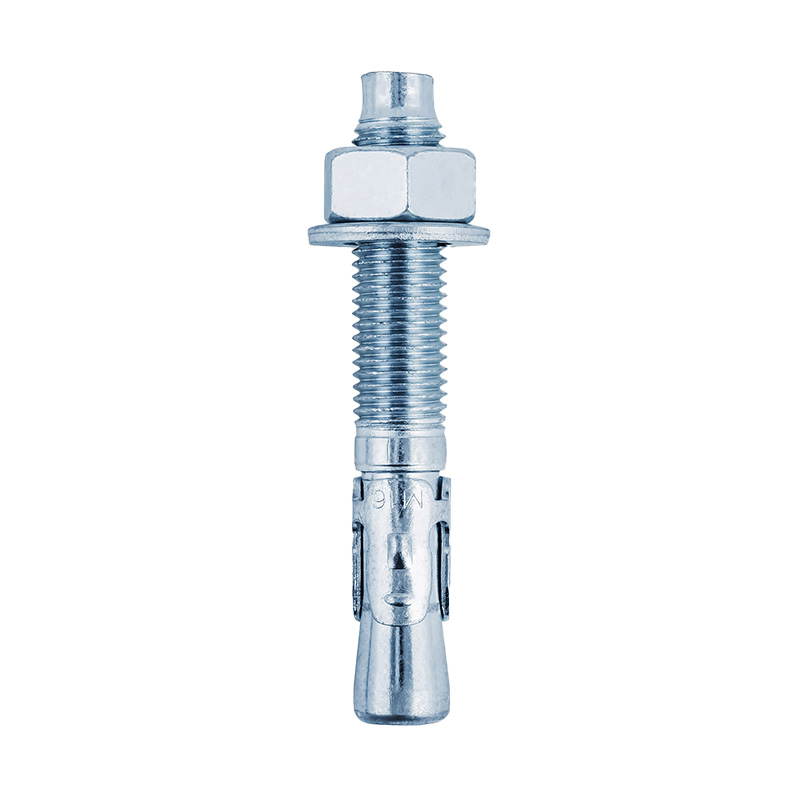
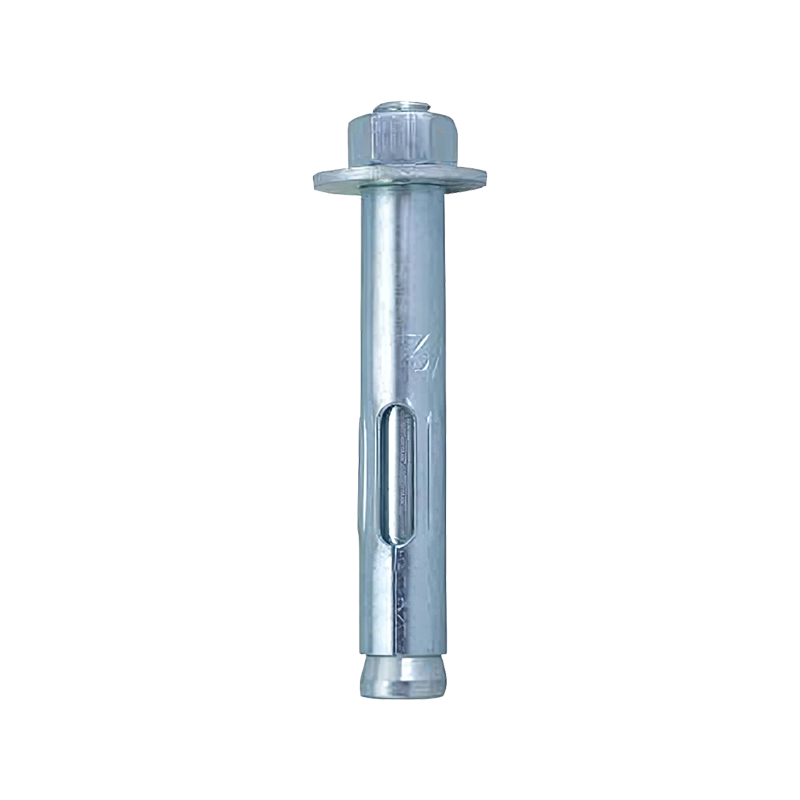
An expansion bolt commonly includes a threaded stud, nut, washer, expansion sleeve and tapered expansion component. When the nut is tightened, the tapered section is pulled into the sleeve. The sleeve expands outward and presses against the wall of the drilled hole.
This outward pressure creates friction and mechanical engagement between the expansion bolt and the concrete. A correctly installed anchor can resist tensile force, shear force or a combination of both.
Key Installation Principle
How Do Expansion Bolts Work?
The fastening process converts tightening force into radial pressure against the hole wall.
Hole Preparation
A hole is drilled to the specified diameter and depth. Hole accuracy is essential because an oversized hole can reduce sleeve contact.
Anchor Insertion
The expansion bolt is inserted through the fixture and into the cleaned hole until the washer is positioned against the fixture surface.
Sleeve Expansion
Tightening the nut moves the tapered section into the sleeve, causing the sleeve to press against the concrete.
Load Transfer
External loads are transferred from the fixture to the threaded bolt, expansion sleeve and surrounding concrete.
Concrete expansion bolts are intended primarily for solid and structurally sound base materials. Hollow blocks, lightweight panels, weak masonry and damaged concrete may not provide continuous support around the expansion sleeve.
What Is an Anchor Bolt Used For?
Anchor bolts connect structural parts, machines and fixtures to concrete foundations or walls.
Industrial Equipment
Machine bases, production equipment, safety guards, work platforms and vibration-controlled support frames.
Building Structures
Steel columns, base plates, railings, stair structures, façade supports and structural connection plates.
Mechanical Systems
Pipe supports, ventilation brackets, cable trays, electrical cabinets and service-system mounting frames.
General Construction
Gates, fences, shelves, storage racks, wall-mounted supports and fixed access-control equipment.
What Is the Difference Between an Anchor Bolt and an Expansion Bolt?
Anchor bolt is a broad fastening category, while expansion bolt describes a specific anchoring method.
| Comparison Item | Anchor Bolt | Expansion Bolt |
|---|---|---|
| Definition | A general term for bolts used to connect fixtures or structures to concrete | A mechanical anchor that expands inside a drilled hole |
| Installation Timing | Can be cast into concrete or installed after curing | Usually installed after the concrete has cured |
| Holding Method | Cast-in engagement, bonding, undercutting or mechanical expansion | Radial sleeve or wedge expansion |
| Drilling Requirement | Not always required for cast-in types | Requires a correctly sized drilled hole |
| Typical Use | Structural columns, machinery, foundations and connection plates | Brackets, railings, frames, equipment and service supports |
| Removal | Depends on the anchor design | Some components may be removable, while the sleeve may remain |
What Are the Different Types of Anchor Bolts?
Anchor type should be selected according to base material, load, installation position and maintenance requirements.
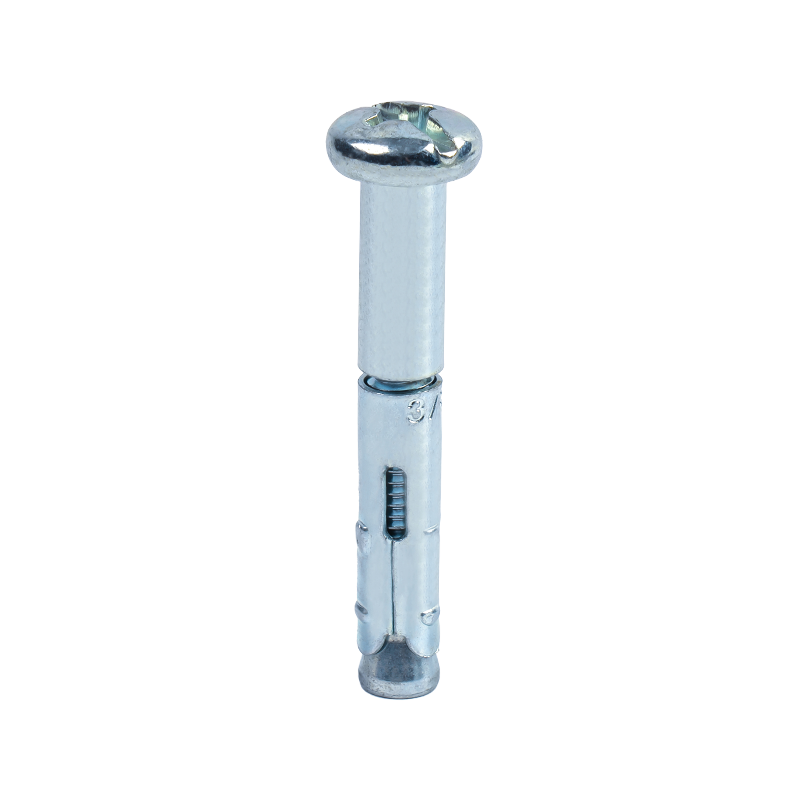
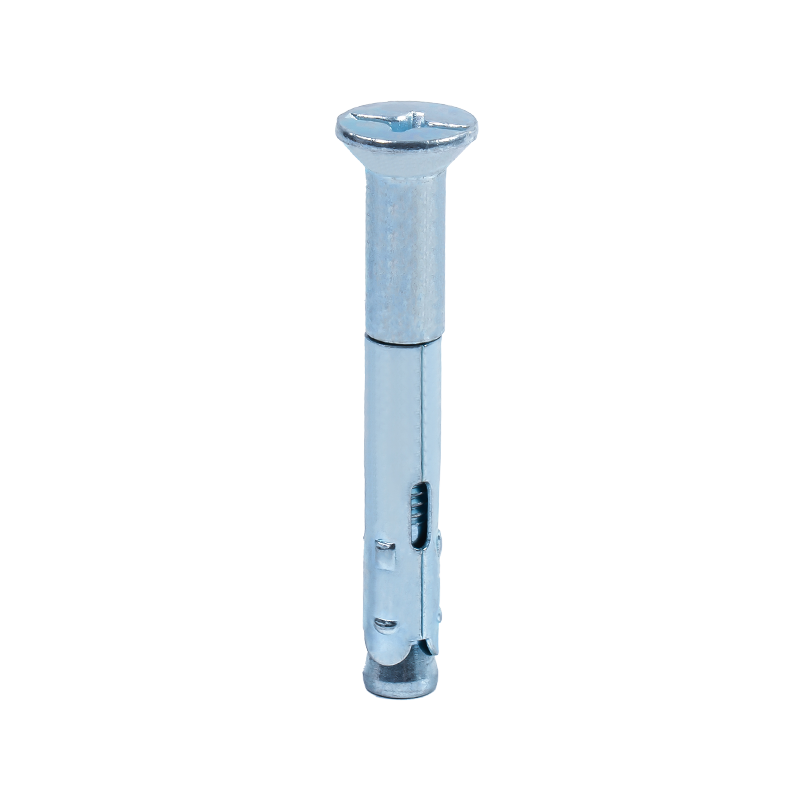
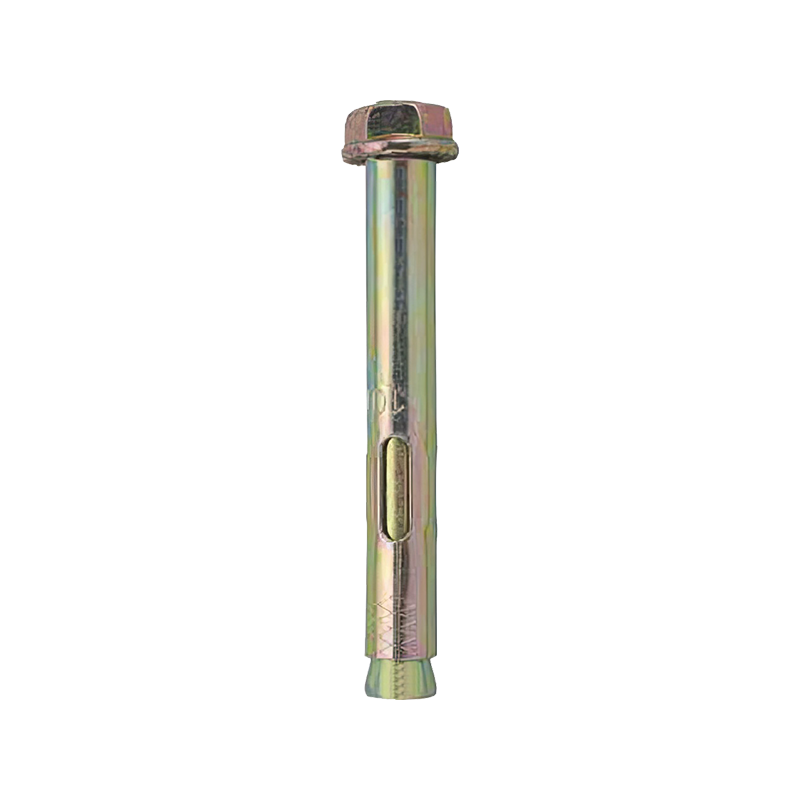
Sleeve Expansion Bolts
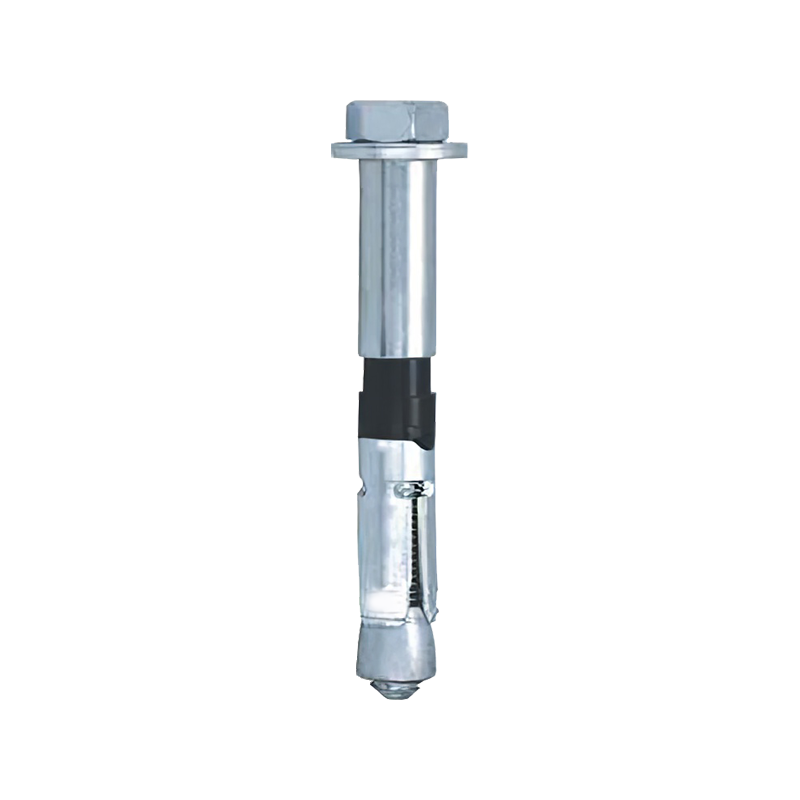
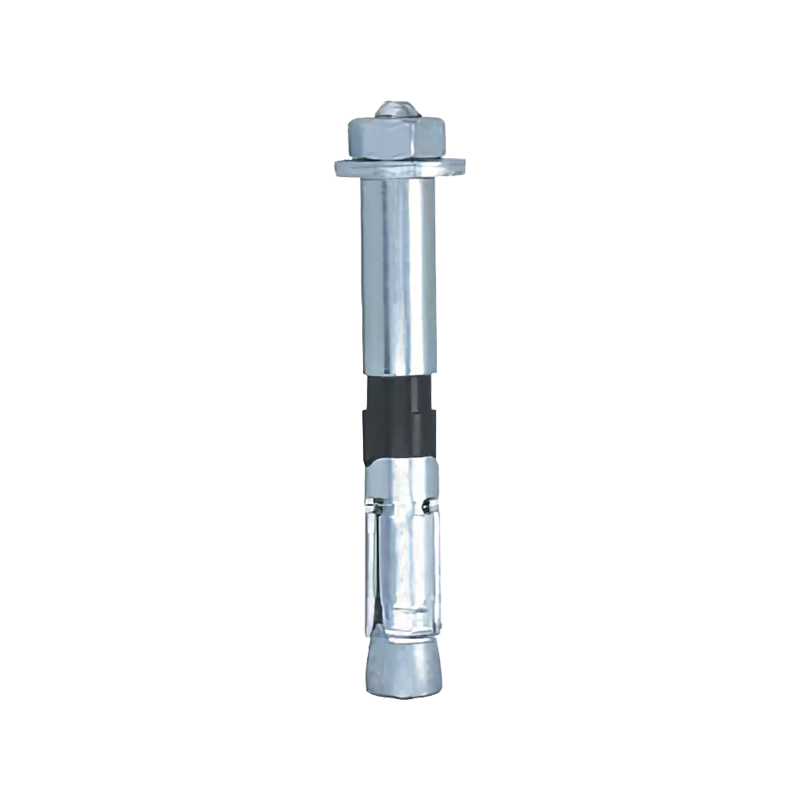
A threaded bolt and expansion sleeve form a versatile anchoring system for concrete, solid brick and dense masonry.
Wedge Anchors
Wedge anchors use a lower expansion clip that develops strong mechanical engagement in solid concrete.
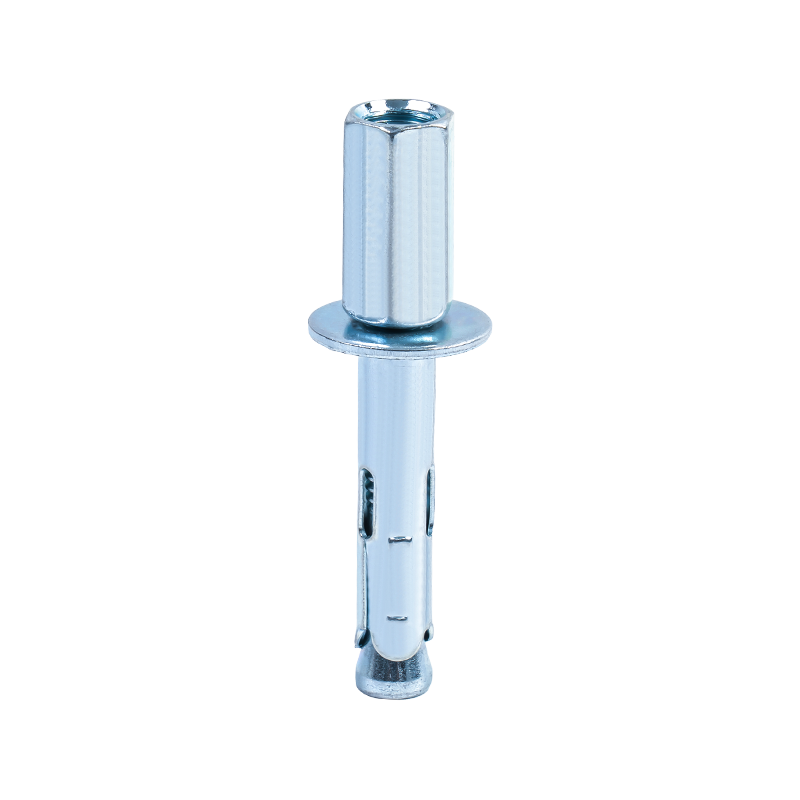
Drop-In Anchors
Internally threaded drop-in anchors are installed flush with the concrete surface and accept removable threaded rods or bolts.
Cast-In Anchor Bolts
Cast-in anchors are positioned before concrete placement and are commonly used for structural base plates and heavy machinery.
How to Install Expansion Bolts in Concrete
Correct drilling, cleaning, insertion and tightening are necessary for reliable anchoring.
Check the Concrete Surface
Confirm that the concrete is solid, fully cured and free from visible cracking, loose material or damaged edges. Avoid drilling directly beside a corner or joint.
Mark the Hole Position
Use the fixture as a template where appropriate. Verify anchor spacing, edge distance and alignment before drilling.
Drill the Correct Diameter
Use a suitable masonry drill bit matching the specified anchor-hole diameter. Keep the drill perpendicular to the concrete surface.
Control the Hole Depth
Drill slightly deeper than the required effective embedment to allow space for residual dust and the end of the anchor.
Clean the Drilled Hole
Remove concrete dust with repeated blowing and brushing. Dust remaining inside the hole can reduce contact between the expansion sleeve and concrete.
Insert the Expansion Bolt
Place the bolt through the fixture and tap it carefully into the hole. Protect the thread by keeping the nut loosely installed during tapping.
Tighten to the Specified Torque
Use a torque-controlled wrench where required. Insufficient torque can cause incomplete expansion, while excessive torque can damage the anchor or concrete.
Installation Checkpoints
How Deep Should an Anchor Bolt Go?
Required embedment depends on anchor diameter, load, concrete strength and anchor design.
There is no universal installation depth for every expansion bolt. Effective embedment must be distinguished from the total drilled-hole depth. Effective embedment is the portion of the anchor that transfers load into the concrete. The drilled hole is commonly slightly deeper to accommodate the anchor tip and drilling residue.
| Nominal Bolt Size | Common Reference Hole Depth | Typical Fixing Category | Selection Consideration |
|---|---|---|---|
| M6 | 40–55 mm | Light brackets and cable supports | Base material must be dense and undamaged |
| M8 | 50–70 mm | Wall frames and general supports | Check fixture thickness and edge distance |
| M10 | 60–90 mm | Railings and equipment brackets | Consider tensile and shear loading |
| M12 | 75–110 mm | Machine bases and steel plates | Torque and concrete strength become more critical |
| M16 | 100–150 mm | Heavy fixtures and structural supports | Engineering verification may be required |
How Much Weight Can a Concrete Anchor Bolt Hold?
Load capacity cannot be determined by bolt diameter alone.
The capacity of concrete expansion bolts is affected by both the metal anchor and the surrounding concrete. A larger bolt may provide higher steel strength, but inadequate embedment, weak concrete or insufficient edge distance can still cause failure.
Tensile Load
Pulls the anchor away from the concrete surface and can cause pullout, concrete cone failure or steel fracture.
Shear Load
Acts parallel to the concrete surface and can cause bolt bending, steel shear or concrete edge breakout.
Combined Load
Applies tensile and shear force simultaneously and requires evaluation of both loading directions.
Main Capacity Factors
Overhead installations, protective railings, lifting-related structures, heavy machinery and vibration-loaded equipment should not be selected only from an estimated weight value. Anchor quantity, load distribution, safety factor and concrete failure mode should also be evaluated.
Metal Expansion Bolt for Drywall vs Concrete Expansion Bolts
Drywall anchors and concrete anchors use different load-transfer principles.
Metal Expansion Bolt for Drywall
A metal expansion bolt for drywall commonly expands, folds or clamps behind a hollow wall panel. It spreads the load over a larger section of the board.
Concrete Expansion Bolts
Concrete expansion bolts press directly against the wall of a drilled hole in solid concrete. They require continuous support around the expansion area.
A drywall anchor should not be treated as a replacement for an expansion bolt designed for concrete. Heavy objects mounted on drywall should be connected to a structural stud, frame or another suitable load-bearing element.
Can Expansion Bolts Be Removed?
Removal depends on whether the anchor uses a removable stud, sleeve, wedge or internal thread.
Removable Stud
Some anchor designs allow the threaded stud or bolt to be removed, while the expanded sleeve remains inside the concrete.
Recessed Anchor Body
A non-removable anchor can sometimes be driven below the concrete surface after the fixture and nut have been removed.
Cutting Method
The exposed section may be cut below surface level when full extraction would cause unnecessary concrete damage.
Controlled Over-Drilling
The hole may be enlarged carefully around the anchor when complete removal is required, followed by suitable concrete repair.
How to Remove Expansion Bolts from Concrete
Unload and secure the connected fixture before removing any anchor component.
Remove the nut, washer and fixture without damaging the surrounding concrete.
Check whether the tapered section can be released by carefully tapping the stud inward.
Pull out the sleeve only when it becomes loose and can be removed without excessive force.
Cut or recess the remaining anchor when extraction is not practical.
Clean and repair the opening with a material compatible with the existing concrete.
Expansion Bolt Selection Guide
A practical selection process should consider the complete installation condition.
Confirm whether the substrate is solid concrete, dense masonry, hollow block, natural stone or wallboard.
The anchor length must include the fixture thickness, washer, nut and required embedment.
Identify tensile, shear, combined, vibration or impact loading before choosing the anchor.
Indoor dry, outdoor humid, marine and chemically exposed areas require different materials or surface treatments.
Determine whether through-fixing, pre-positioned fixing or flush internal threading is required.
Removable equipment may benefit from an internally threaded anchor or replaceable bolt design.
Common Expansion Bolt Installation Problems
Many anchor failures are related to drilling and installation rather than bolt material alone.
Expansion Bolt Product Configuration Options
Product specifications can be adjusted for different fastening environments and fixture designs.
Size and Structure
Material and Surface
Prepare the Correct Expansion Bolt Specification Before Ordering
Supplying clear application details helps determine a more suitable bolt diameter, length, sleeve structure, material and surface treatment. Useful information includes the concrete condition, fixture thickness, hole size, load direction, installation environment and required quantity.
Recommended Project Information
Expansion Bolts Frequently Asked Questions
Direct answers to common installation and selection questions.
How to use expansion bolts?
Drill a correctly sized hole, remove dust, insert the anchor through the fixture and tighten it to the specified torque. The base material must be suitable for expansion anchoring.
How to install expansion bolts into concrete?
Keep the drilled hole perpendicular, maintain the required depth, clean it thoroughly and avoid installing the anchor too close to a concrete edge.
How to install an anchor bolt?
The method depends on whether the anchor is cast-in, mechanically expanded, bonded or internally threaded. Follow the installation method for the selected anchor structure.
Can expansion bolts be reused?
Some removable bolts can be replaced, but a previously expanded sleeve should not automatically be considered suitable for a new safety-critical installation.
Can expansion bolts be installed in cracked concrete?
Only anchor designs specifically suitable for the expected concrete condition should be used. Cracks can reduce the contact pressure around a conventional expansion anchor.
Why does an expansion bolt become loose?
Common causes include an oversized hole, poor hole cleaning, insufficient torque, weak base material, incorrect embedment or repeated vibration.


Contact Us